

Have you ever looked into your horse’s eyes and wondered what they’re feeling? Horses are more than just majestic creatures grazing in a field—they’re sensitive beings with emotions, needs, and a longing for connection. Behind every swish of the tail and gentle nuzzle lies a world of feelings shaped by the rhythms of their day. The truth may surprise you: the way you structure your horse’s daily routine can have a profound impact on their mental well-being. Let’s journey beyond the hay bale and discover how our daily choices influence the hearts and minds of our beloved equines.
The Power of Predictability

When it comes to caring for horses, nutrition and physical health often take center stage—but what about their emotional and mental well-being? Horses are intelligent, social animals with complex inner lives, and their mental health is deeply influenced by the routines, interactions, and environments they experience each day. From feeding times to turnout schedules and the way we handle them, every part of their daily life plays a role in how secure, content, and connected they feel.
Horses thrive on routine; it’s almost like their own sense of comfort food. When a horse knows what to expect, it feels safe and secure. Imagine waking up every day not knowing when you’ll eat or what’s coming next—it’s unsettling, right? That’s exactly how horses feel when their days lack structure. Feeding times, exercise, and social interaction should happen at roughly the same time each day. Predictable routines help lower a horse’s stress levels and reduce the risk of anxiety-related behaviors like pacing or cribbing. Inconsistent schedules can make horses jumpy, irritable, or even depressed. By creating a steady rhythm in their lives, you’re telling your horse, “You’re safe here.” That reassurance goes a long way toward nurturing their mental health.
Social Connections: More Than Herd Instinct

Horses are social animals, and their mental health blossoms when they’re allowed to bond with others. Isolation can be especially harmful, leading to loneliness or even depression. Whether it’s play in the paddock, mutual grooming, or just standing side by side, social time is essential for your horse’s happiness. If your horse is stabled alone, consider allowing them to see or touch other horses through safe fencing. Social interaction isn’t just about avoiding boredom—it’s the horse’s way of feeling connected, understood, and valued. A happy herd makes for calm, content horses, and you might notice fewer behavioral issues when your horse has a friend nearby.
Variety in Exercise and Enrichment
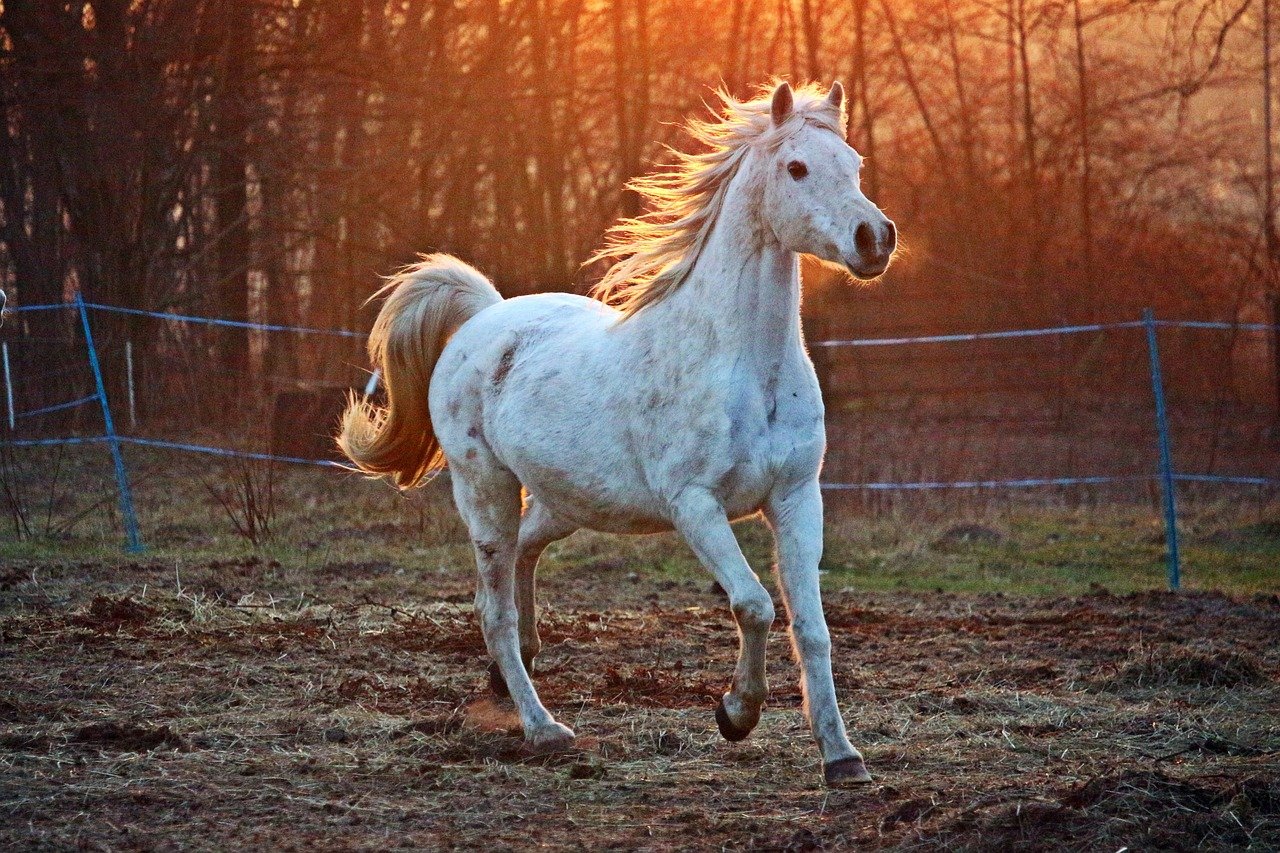
Routine doesn’t mean monotony! Horses crave mental stimulation, just like we do. Imagine eating the same meal every day or walking only the same route—eventually, you’d get bored and restless. Horses benefit from varied exercise routines and enrichment activities, such as groundwork, trail rides, or obstacle courses. Mixing up their environment and activities can spark curiosity and keep their minds sharp. Even something as simple as hiding treats in their paddock or introducing a new toy can provide mental challenges. Over time, these little changes can prevent destructive behaviors and help your horse develop confidence and resilience.
The Importance of Feeding Rituals
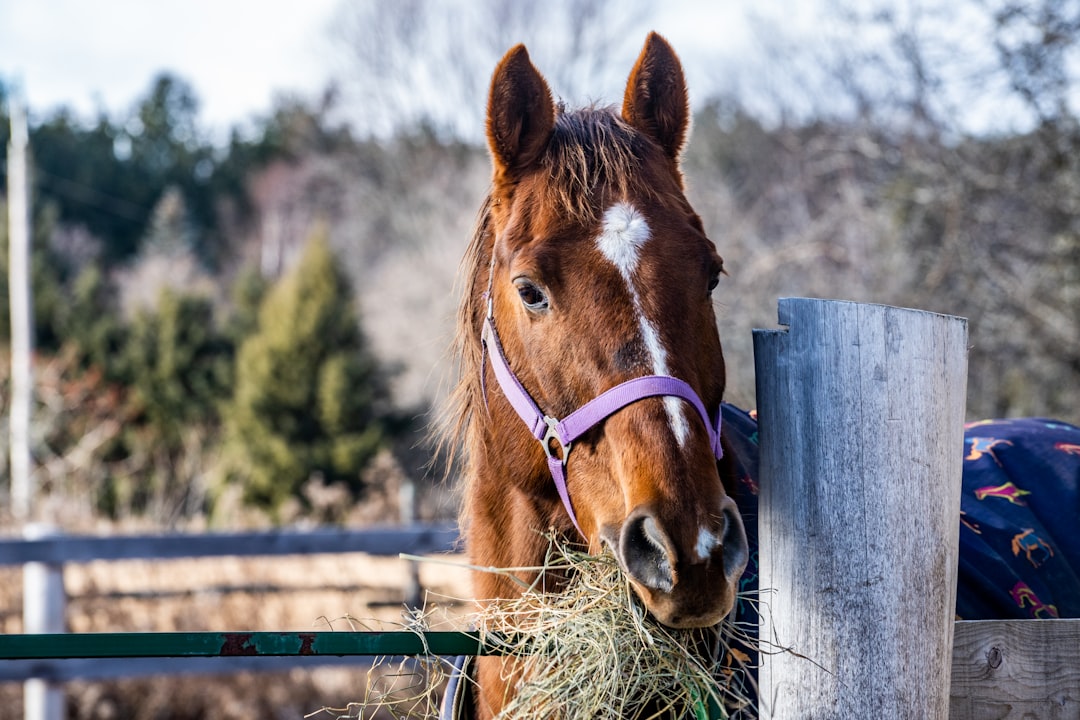
Feeding is about more than just nutrition—it’s a ritual that signals care and attention. Horses are natural grazers, designed to eat small amounts throughout the day. Abrupt changes to feeding times or types of feed can cause not only digestive upset but also anxiety. Try to stick to a regular feeding schedule, offering hay and grain at roughly the same time daily. When horses know when and what they’ll eat, they feel more secure. If you must change feeding routines, introduce new feeds or schedules gradually to avoid stress. Remember, how you feed is just as vital as what you feed when it comes to your horse’s peace of mind.
Rest and Sleep: The Forgotten Pillars

Just like people, horses need quality rest to maintain good mental health. Horses don’t sleep for long stretches; instead, they take several short naps throughout the day and night. If their environment is noisy, stressful, or unsafe, they may not get the deep rest they require. A lack of rest can lead to irritability, poor performance, and even aggression. Make sure your horse has a quiet, comfortable, and secure space to rest. Bedding, stable location, and herd dynamics all play a role in how well your horse sleeps. Prioritizing their rest is a simple yet powerful way to support their emotional balance.
Handling and Human Interaction

Your horse’s mental health is deeply influenced by the way you interact with them. Gentle, consistent handling builds trust and reduces fear. Horses are quick to pick up on human emotions—if you’re tense or impatient, they’ll feel it too. Take time to approach your horse calmly, use soft tones, and offer gentle pats or scratches in their favorite spots. Regular grooming and relaxed groundwork foster a sense of connection and security. Remember, every interaction is a chance to reinforce positive feelings and trust. Horses who feel respected and understood are far more likely to be relaxed, happy, and cooperative companions.
Environmental Factors: Light, Space, and Sights
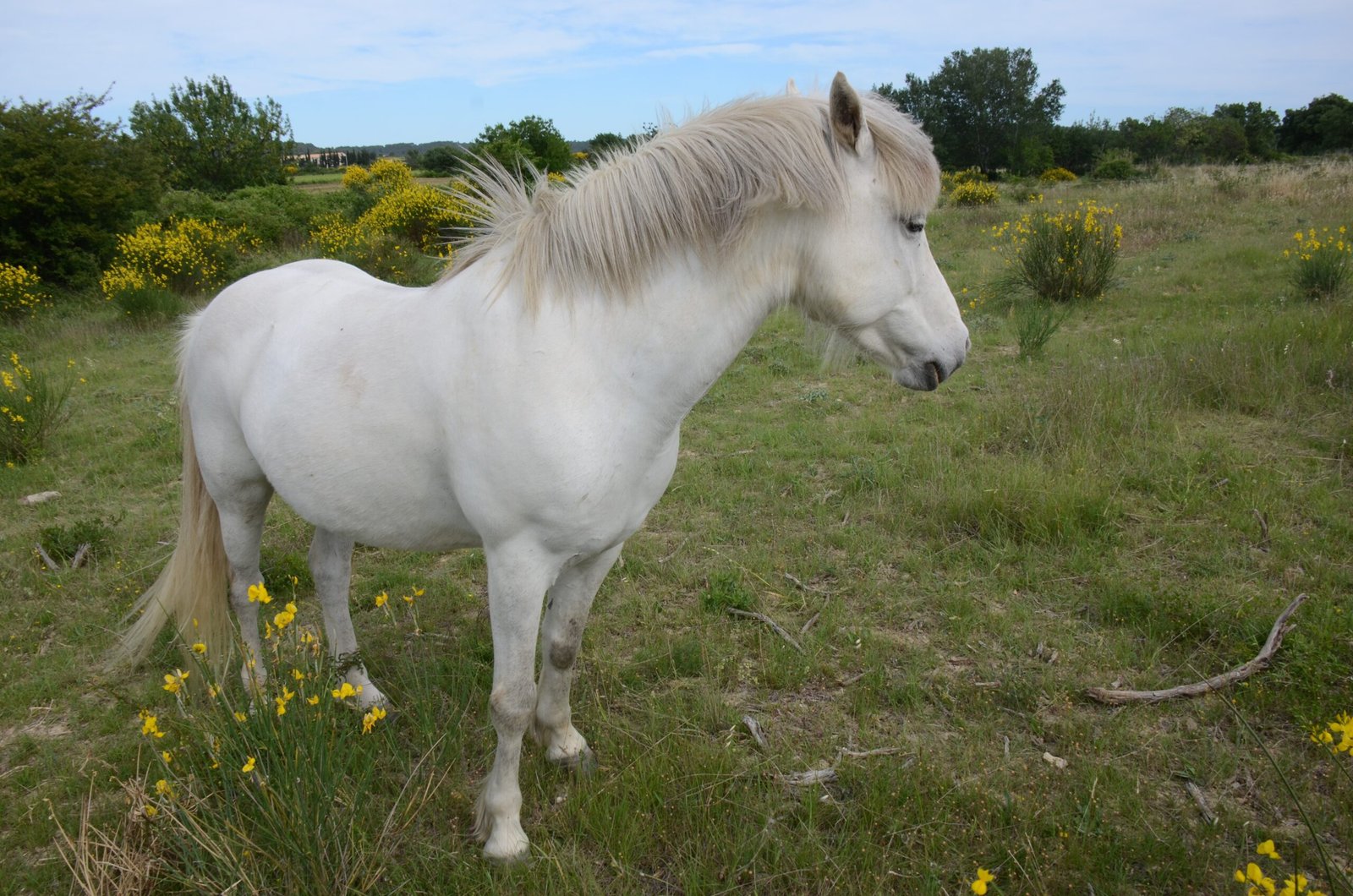
The world your horse lives in affects how they feel every single day. Horses need plenty of natural light and space to move freely. Dark, cramped, or overcrowded stables can lead to frustration and anxiety. Make sure your horse’s living area is clean, well-lit, and offers chances to look out on the world. Access to pasture or a spacious paddock allows horses to express natural behaviors like grazing, rolling, and running. Sometimes, even small changes—like adding a window or rotating paddock time—can refresh your horse’s outlook and provide needed mental stimulation.
Dealing with Change and Transitions
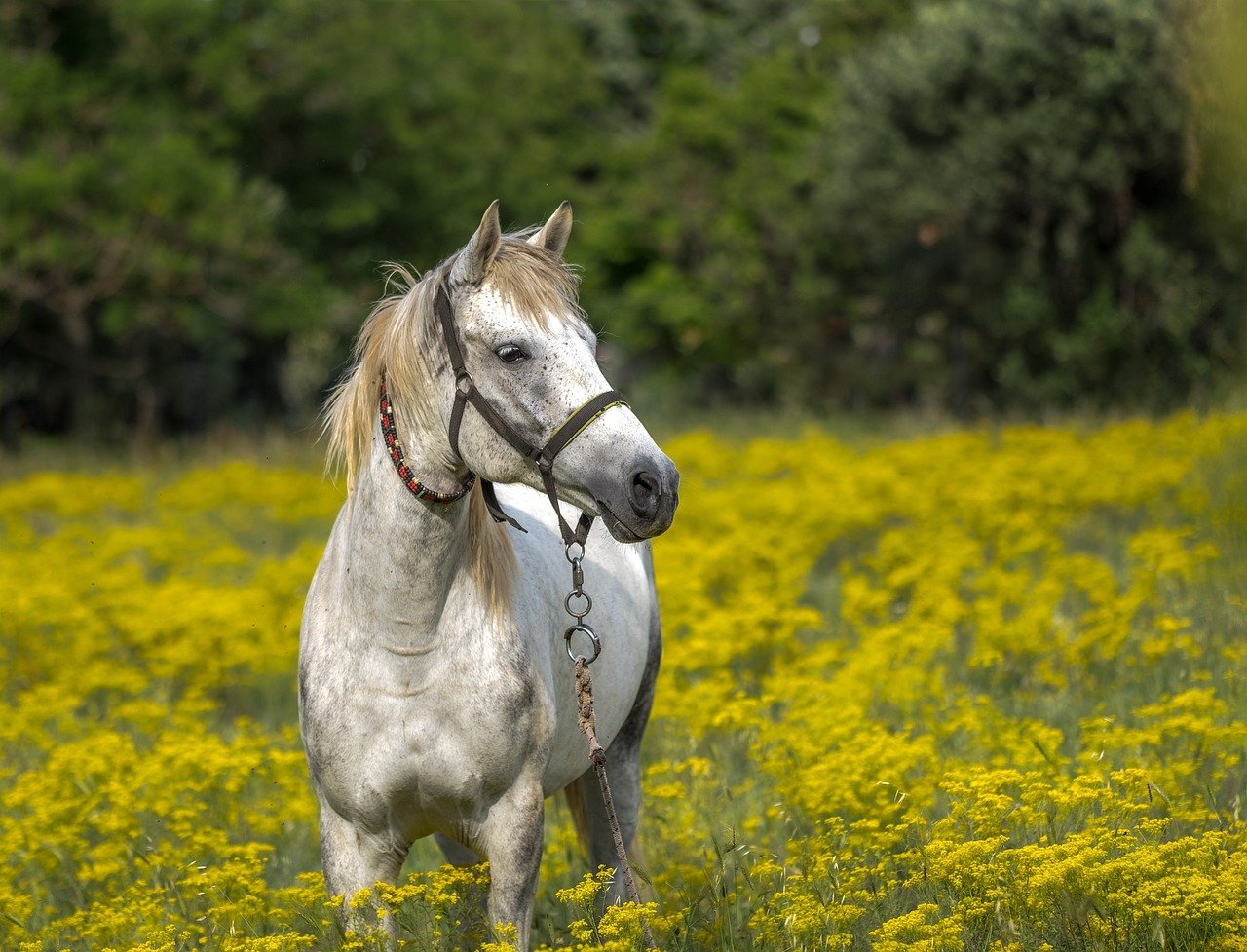
Horses don’t always handle change gracefully. Moving stables, introducing new herd members, or even altering feeding schedules can be stressful. Sudden changes often trigger anxiety or unwanted behaviors. If possible, introduce new elements gradually. Allow time for your horse to adjust at their own pace. Use familiar routines as anchors during times of transition—sticking to established feeding or turnout schedules can help ease their worries. Offering extra attention or comfort items, like a favorite blanket or familiar companion, can also help your horse adapt to change with less distress.
The Role of Positive Reinforcement
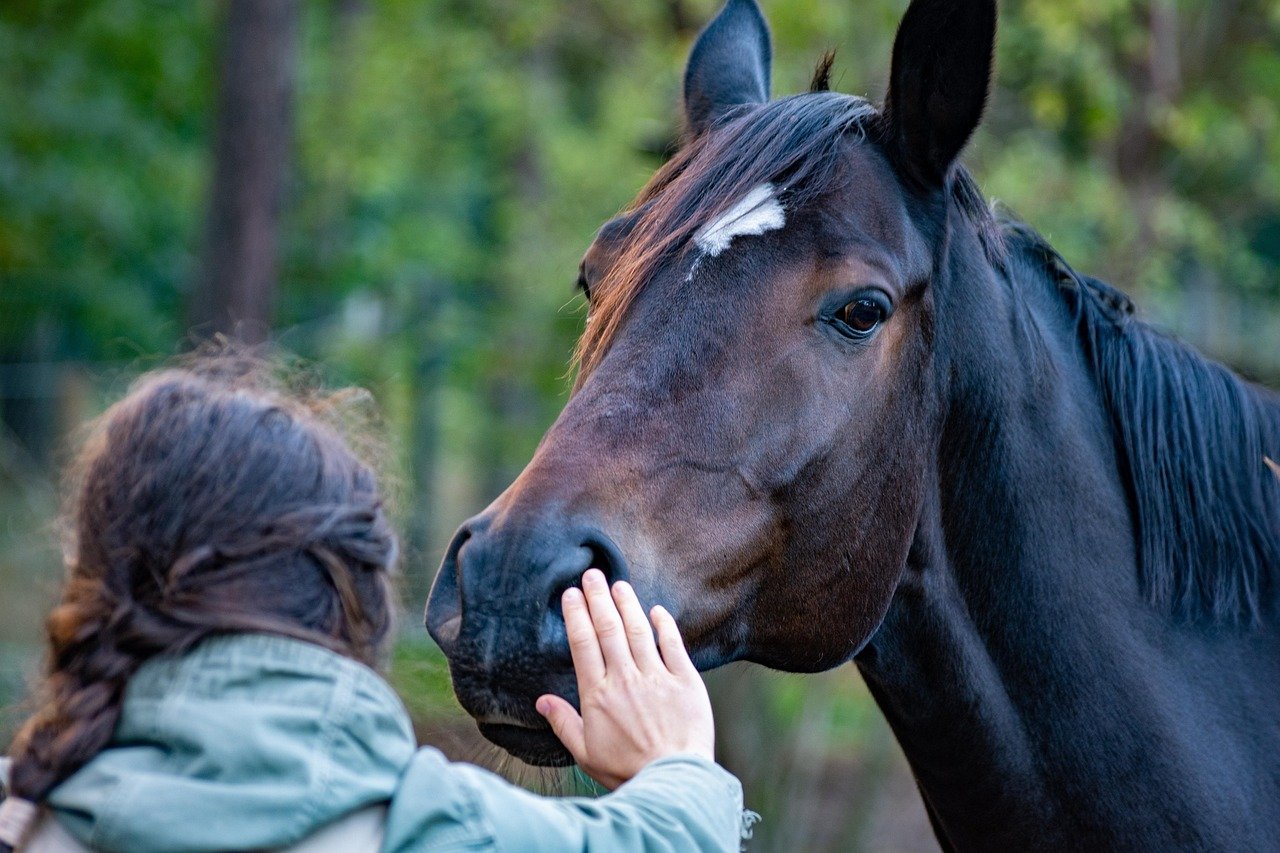
Positive reinforcement isn’t just for circus tricks—it’s a powerful tool for building your horse’s confidence and happiness. Rewarding desired behaviors with treats, scratches, or kind words encourages your horse to try new things and trust you more deeply. Horses learn quickly, and positive experiences can replace anxiety and fear with curiosity and excitement. Use rewards during training sessions, groundwork, or even simple daily tasks. Over time, your horse will associate you with safety and pleasure, making every day brighter for both of you.
Recognizing Signs of Mental Distress
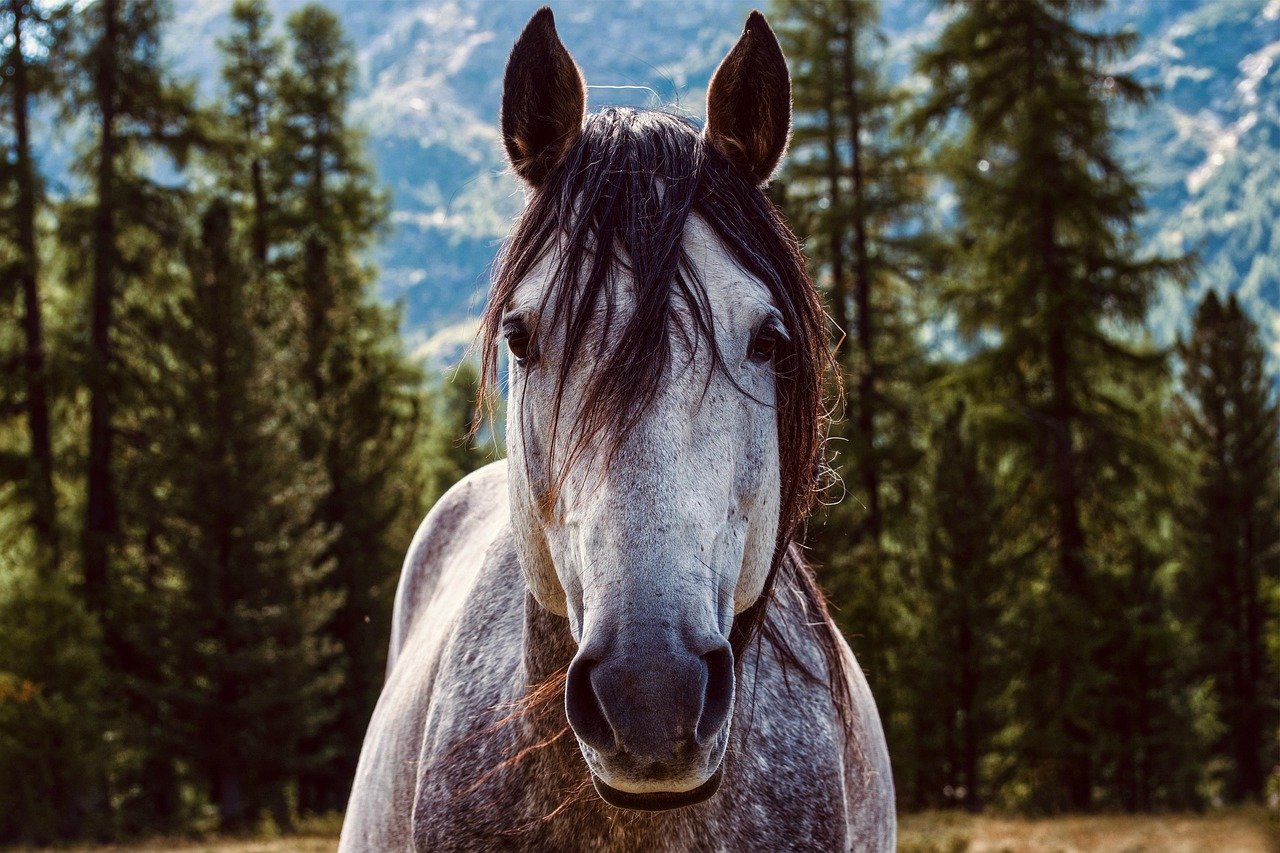
Spotting the early signs of mental distress in horses can be tricky, but it’s essential for their well-being. Watch for changes in appetite, energy, or social behavior. Horses that suddenly become withdrawn, aggressive, or start displaying repetitive behaviors like weaving, cribbing, or fence-walking may be struggling emotionally. Unexplained weight loss, dull coats, or changes in performance can also be red flags. Don’t ignore these signs—address them by reviewing your horse’s daily routine and seeking support from a trusted veterinarian or equine behaviorist. Early intervention can make all the difference in helping your horse return to their happiest self.


