

Have you ever watched a Border Collie pace restlessly, eyes darting and paws never still, and wondered if something deeper is going on? For many dog owners, it’s shocking to realize that these brilliant, energetic dogs—so famous for their intelligence and spirit—are especially prone to anxiety. The very traits that make them exceptional can also make them vulnerable. If you’re living with a Border Collie or another high-energy breed, managing their anxiety isn’t just about peace and quiet in the house—it’s about their happiness, health, and your own sanity. Let’s dive into the real reasons behind their anxiety and discover practical, heartfelt ways to help our canine companions thrive.
Understanding Anxiety in High-Energy Dogs
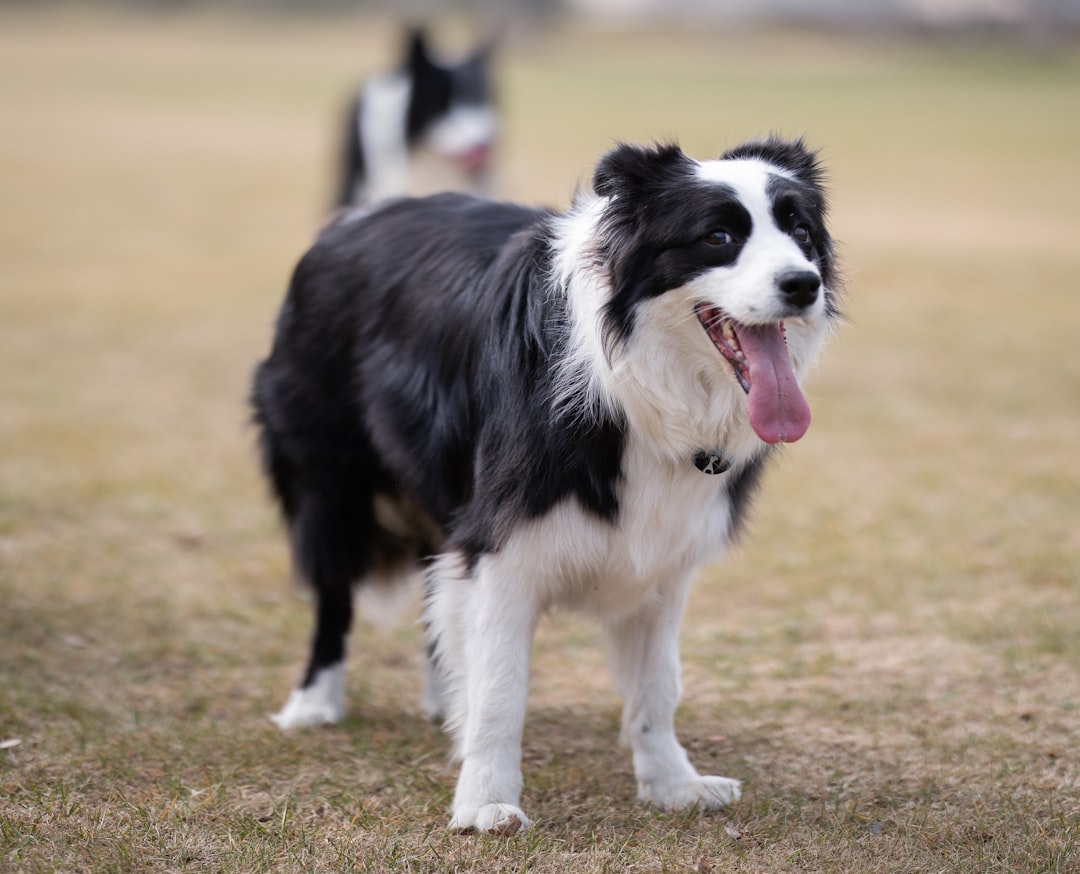
High-energy dog breeds like Border Collies are brilliant, driven, and bursting with enthusiasm—but their sharp minds and boundless energy can also make them more prone to anxiety. Without enough mental stimulation, physical activity, or structure, that energy can quickly turn into stress, restlessness, or destructive behavior. The good news? With the right approach, you can help your Border Collie feel calmer, more secure, and better balanced.
Anxiety in breeds like Border Collies often stems from their intense need for mental and physical stimulation. Unlike some dogs who are content lounging on the sofa, these breeds need a “job” to feel fulfilled. When this need isn’t met, anxiety can bubble up in surprising ways—chewing, barking, digging, or even obsessive behaviors like tail chasing. These are not signs of a “bad dog,” but rather cries for help. High-energy dogs are wired for purpose, and without it, their stress mounts quickly. Understanding this connection is the first step in helping your dog overcome their anxious tendencies. It’s not just about calming them down; it’s about meeting their unique needs in a world that can’t always keep up with them.
Recognizing the Signs of Anxiety
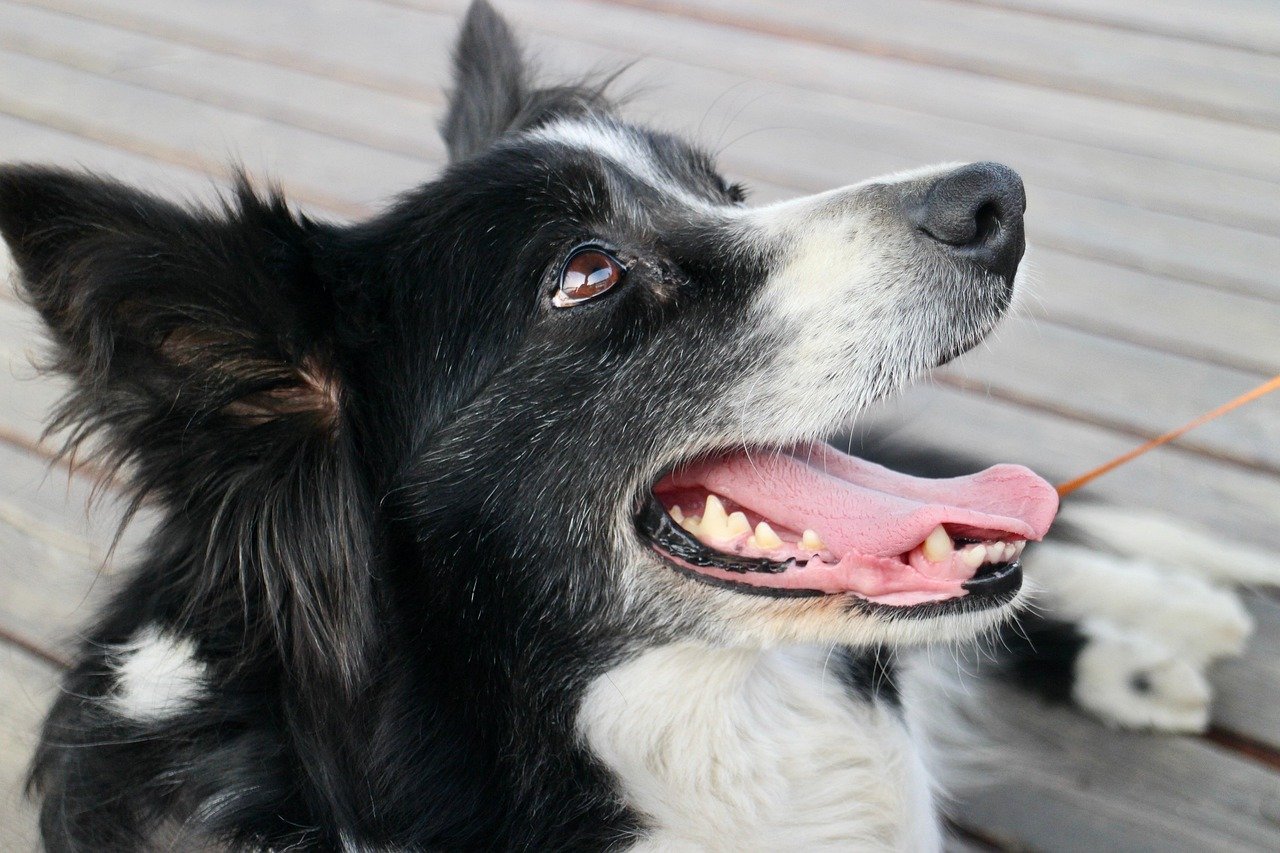
Spotting anxiety in Border Collies isn’t always obvious. Some dogs become hyperactive, unable to settle, while others might retreat or become destructive. Common signs include excessive barking, pacing, trembling, or even accidents in the house despite being house-trained. You might notice your dog becoming clingy, following you from room to room, or hiding during storms or loud noises. Chewing furniture, scratching doors, and licking paws excessively are also red flags. As an owner, it’s easy to mistake these behaviors for stubbornness or disobedience, but they’re really signals of inner turmoil. The sooner you recognize the signs, the sooner you can help your dog find relief.
The Power of Physical Exercise
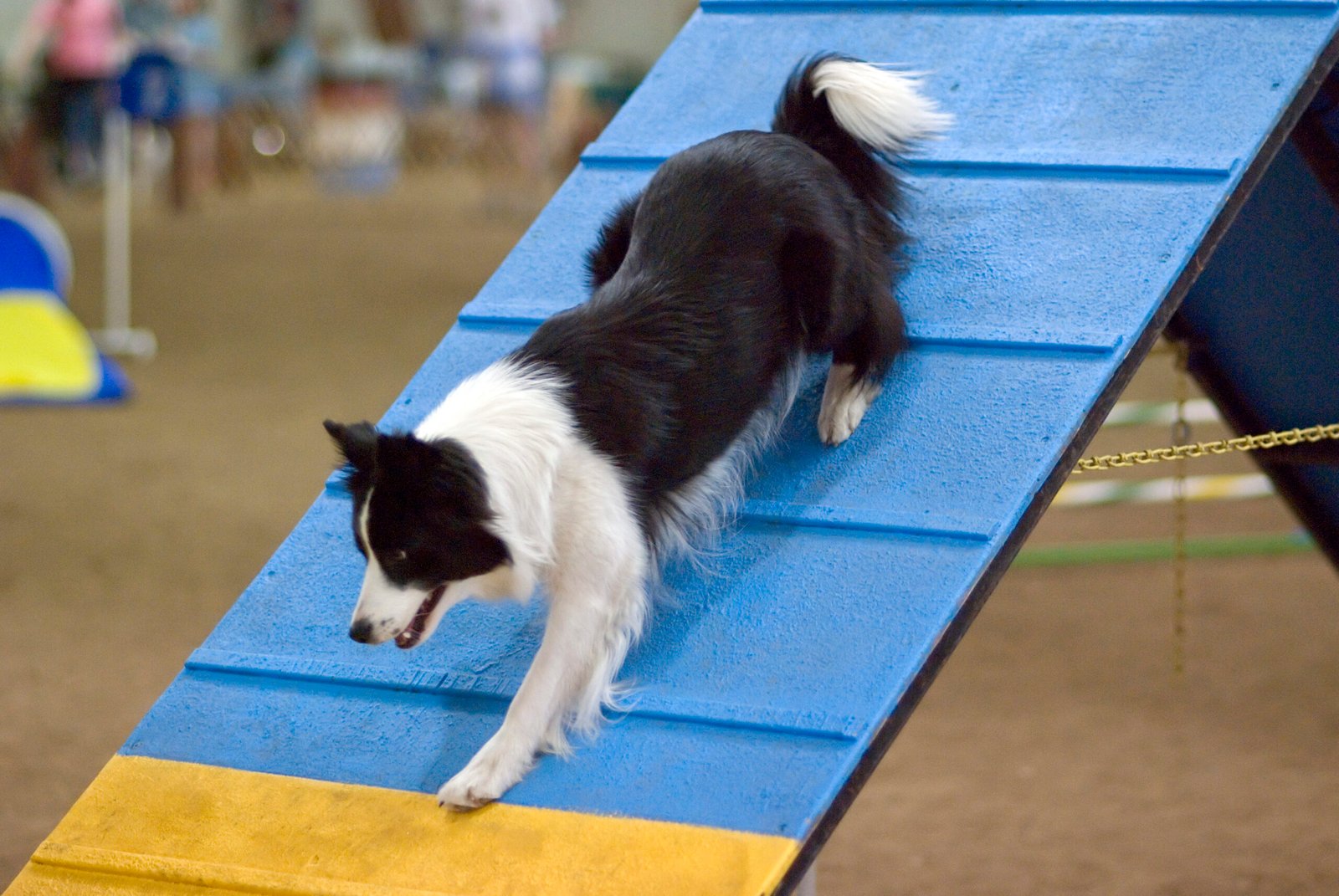
For Border Collies, exercise is more than just a way to burn off steam—it’s a lifeline. These dogs are bred to herd sheep across vast fields, so a simple walk around the block won’t cut it. They crave running, chasing, and challenging physical activity. Structured games like frisbee, agility courses, or even fetch in a big backyard can make a world of difference. When your dog is physically tired, anxiety has less room to grow. Make exercise a daily ritual, not just a weekend treat. Even on rainy days, get creative—try indoor obstacle courses or tug-of-war. Remember, a tired Border Collie is a happy Border Collie.
Engaging Their Brilliant Minds
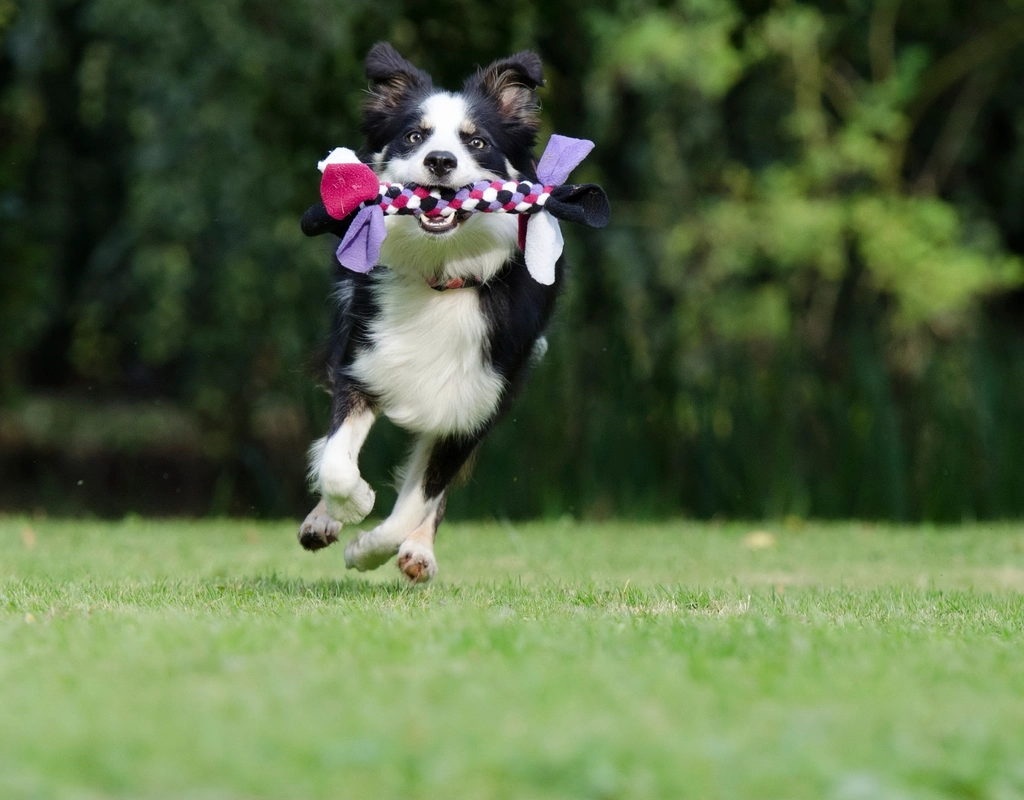
Mental stimulation is just as important as a physical workout for high-energy breeds. Border Collies are among the smartest dogs in the world, and boredom is their worst enemy. Puzzle toys, training sessions, scent work, and new tricks can keep their minds buzzing in a healthy way. Try hiding treats around the house or teaching your dog a new command each week. You might be surprised at how quickly they learn and how much calmer they become with consistent mental challenges. Think of it like giving a child a puzzle to solve instead of just telling them to sit still. An engaged mind is a peaceful mind.
Building a Consistent Routine
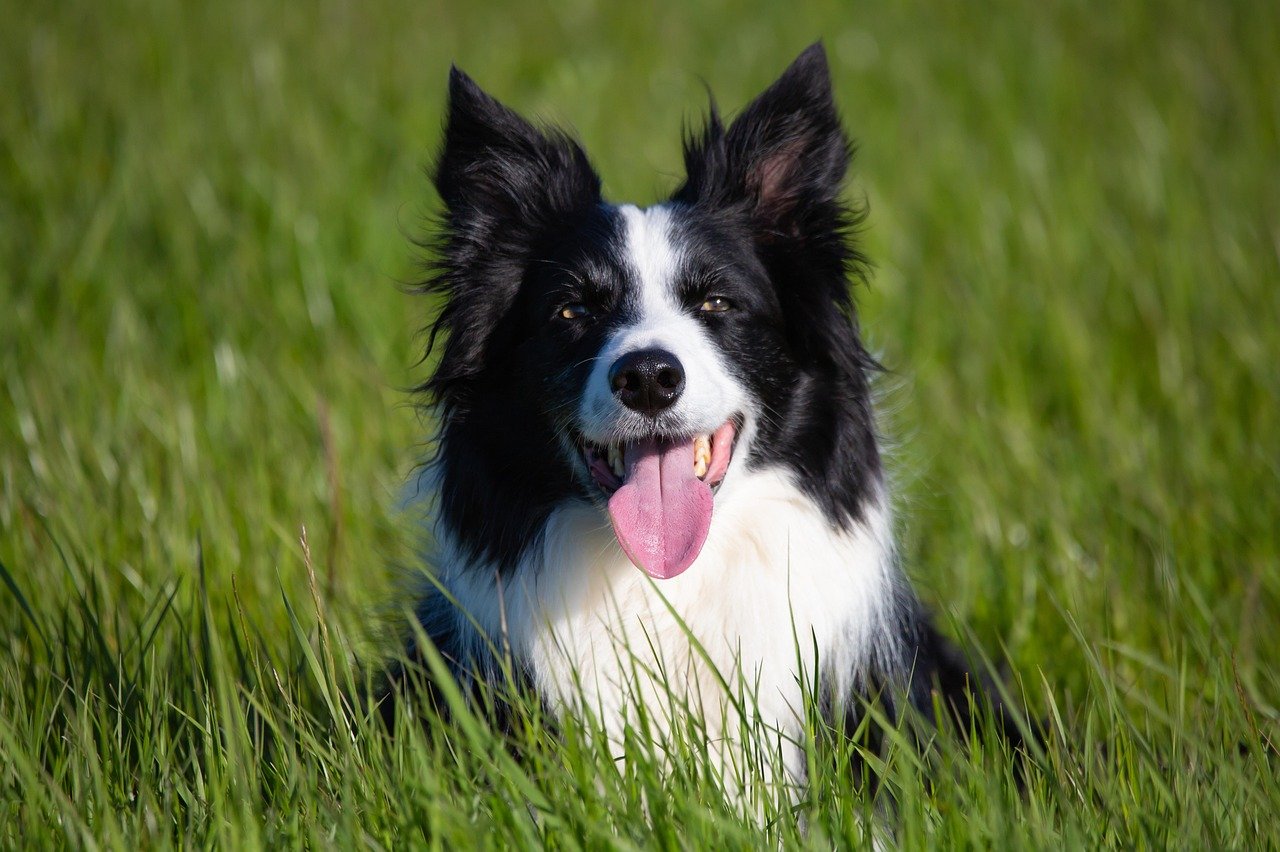
Dogs thrive on predictability, and anxious breeds especially need a solid routine. Set regular times for meals, walks, play, and rest. When your dog knows what to expect, the world feels less chaotic and overwhelming. Consistency helps them feel secure, reducing stress that can trigger anxiety. If your schedule changes, try to keep at least a few daily rituals the same—such as a morning walk or an evening treat. It’s a simple way to show your dog you’re reliable and that their needs will be met. Over time, this security can work wonders for their overall calmness.
Socialization and Exposure
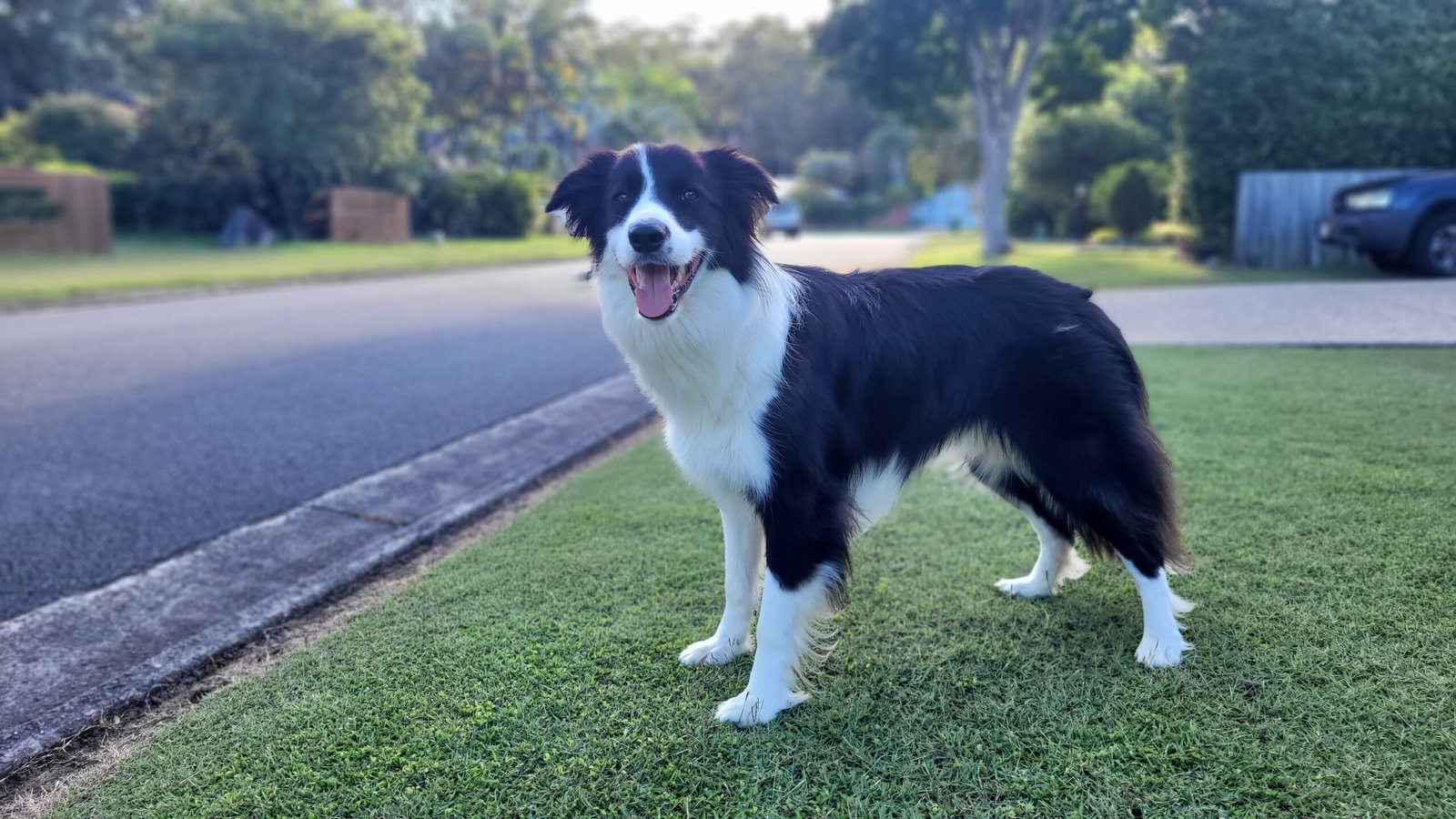
Border Collies often become anxious in new situations or around unfamiliar people and animals. Early and positive socialization is key. Introduce your dog to different environments, sounds, and experiences in a gentle, encouraging way. Take them on trips to the park, meet-ups with other dogs, or even walks in busy neighborhoods. Each new experience builds their confidence and teaches them that the world isn’t such a scary place. Be patient and reward calm behavior with treats or affection. If your dog is nervous, don’t force them—let them approach new things at their own pace, always making it a fun adventure rather than a stressful ordeal.
Training Calm Behaviors
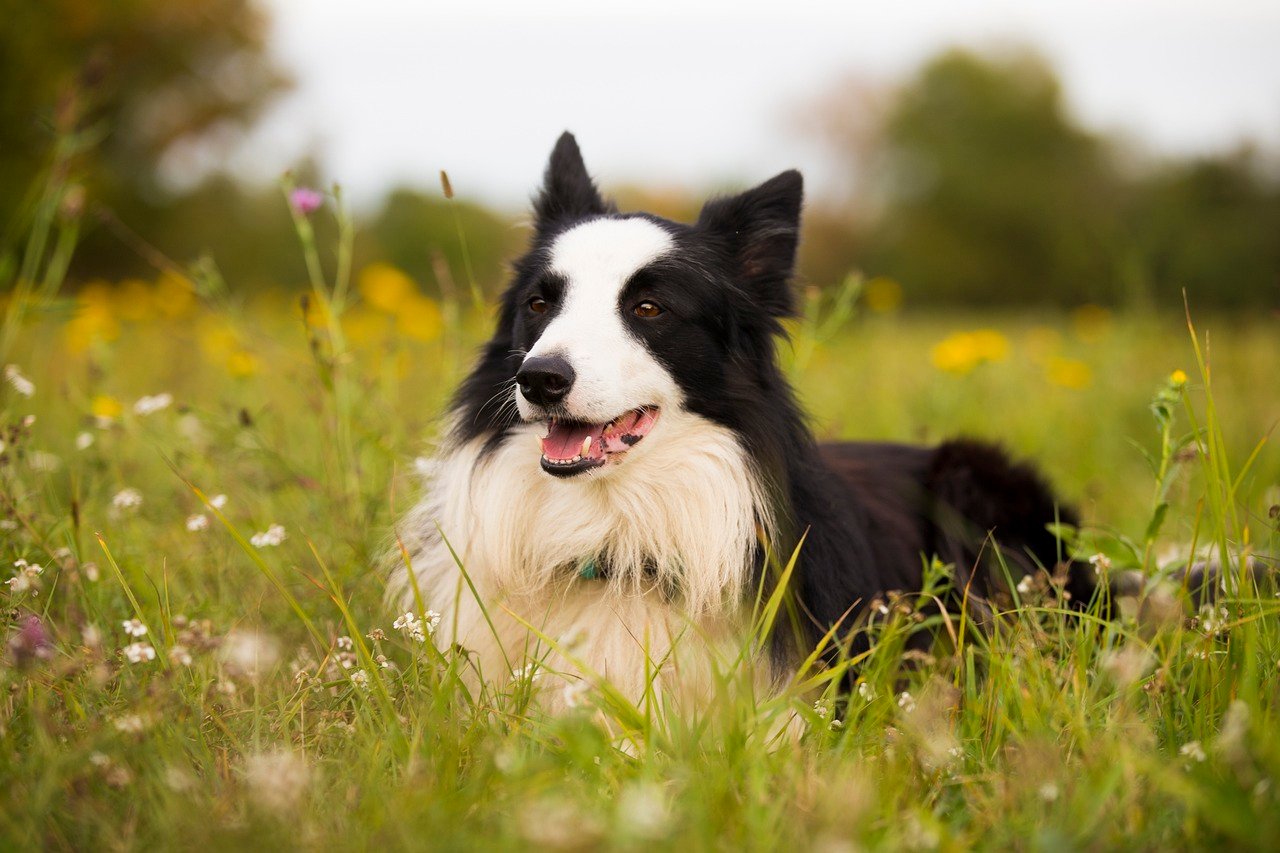
Training isn’t just about teaching tricks; it’s a powerful tool for managing anxiety. Teach your dog commands like “settle,” “stay,” or “go to your mat” to help them calm themselves in stressful moments. Use positive reinforcement—praise, treats, or play—to reward relaxed behaviors. Practicing calmness in a safe environment makes it easier for your dog to stay composed during more challenging situations. Short, frequent training sessions are more effective than long, drawn-out ones. Even if your dog knows the basics, ongoing training keeps their mind active and strengthens your bond—both crucial for anxious breeds.
Using Calming Tools and Techniques
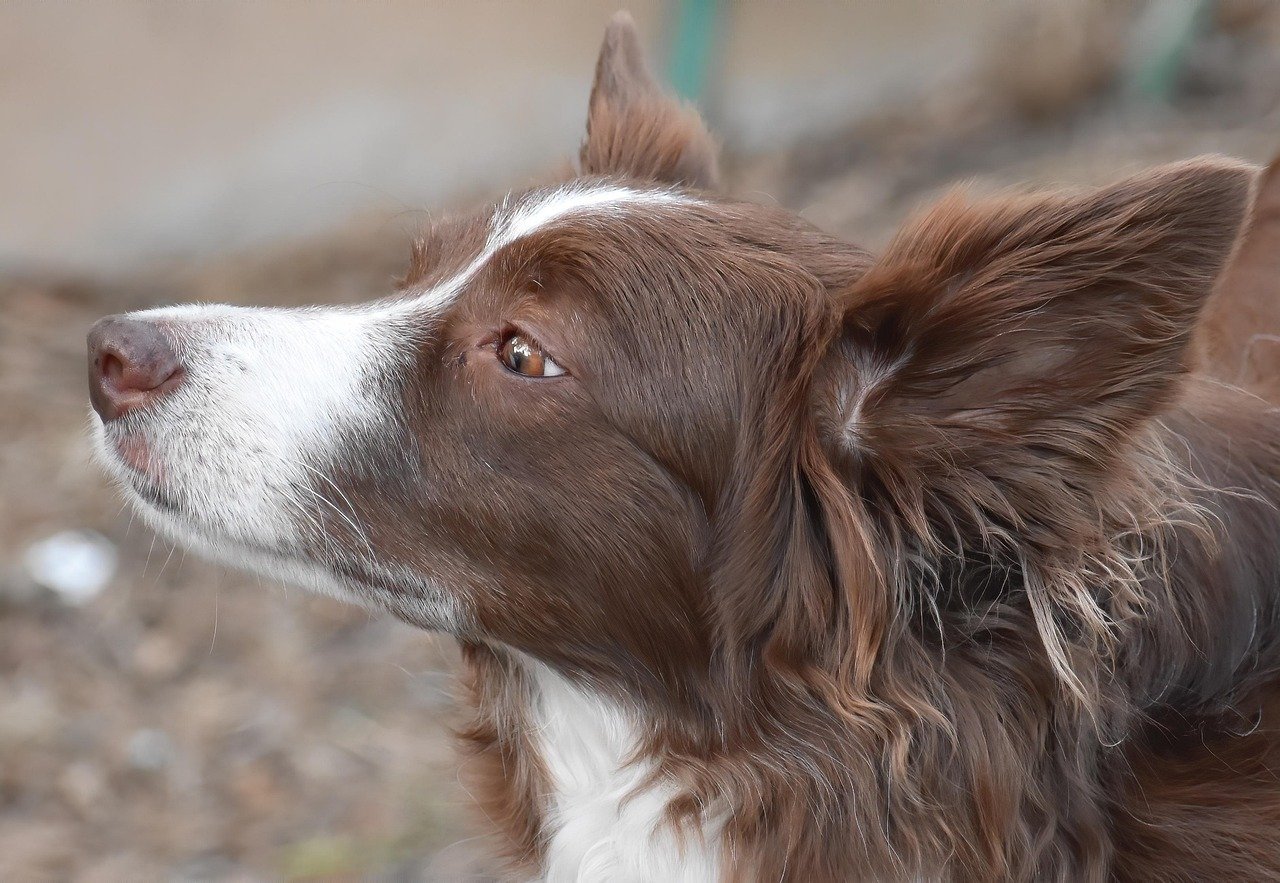
Sometimes, even the best routine and training need a little extra help. Calming aids like thunder shirts, pheromone diffusers, or soothing music can take the edge off your dog’s anxiety. Massage and gentle petting can also help your dog relax, especially during storms or fireworks. Some owners find success with natural supplements after consulting their vet. Remember, every dog is different—what works wonders for one might not help another. Be patient and open to experimenting until you find the right combination for your furry friend.
The Importance of Owner Attitude
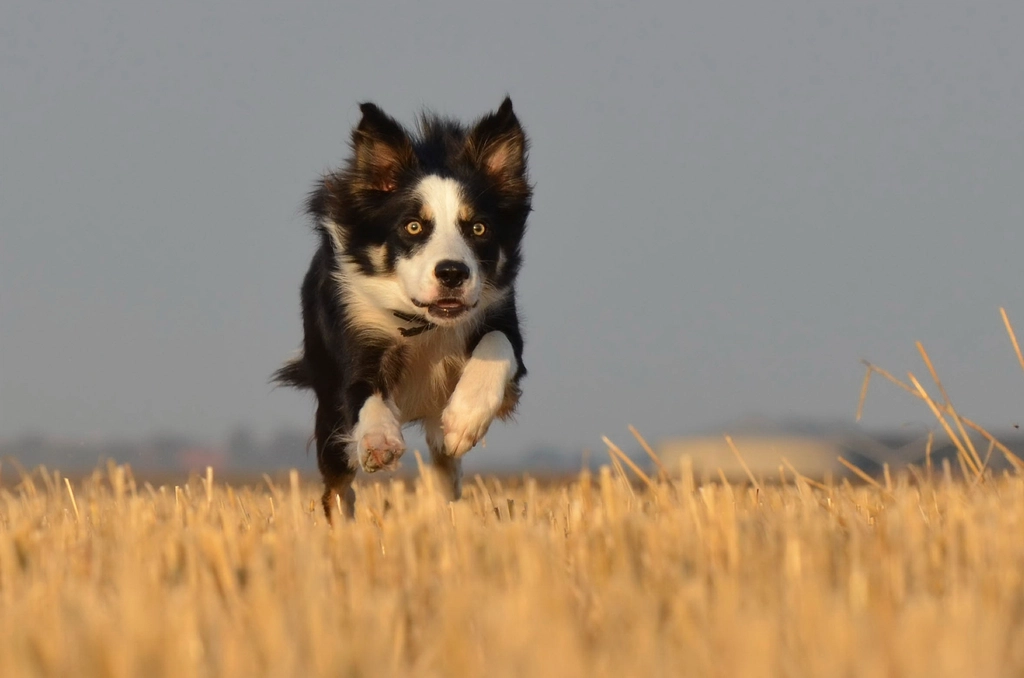
Dogs are incredibly sensitive to our emotions. If you’re stressed, anxious, or frustrated, your Border Collie will pick up on it instantly. Calm, confident leadership reassures your dog that everything is under control. Speak in a soft, steady voice and avoid sudden outbursts or anger. When your dog is anxious, don’t coddle their fear, but don’t ignore it either—acknowledge their feelings and redirect their energy into something positive. Your presence and attitude are powerful tools in helping your dog feel safe. Think of yourself as their anchor in a stormy sea.
When to Seek Professional Help
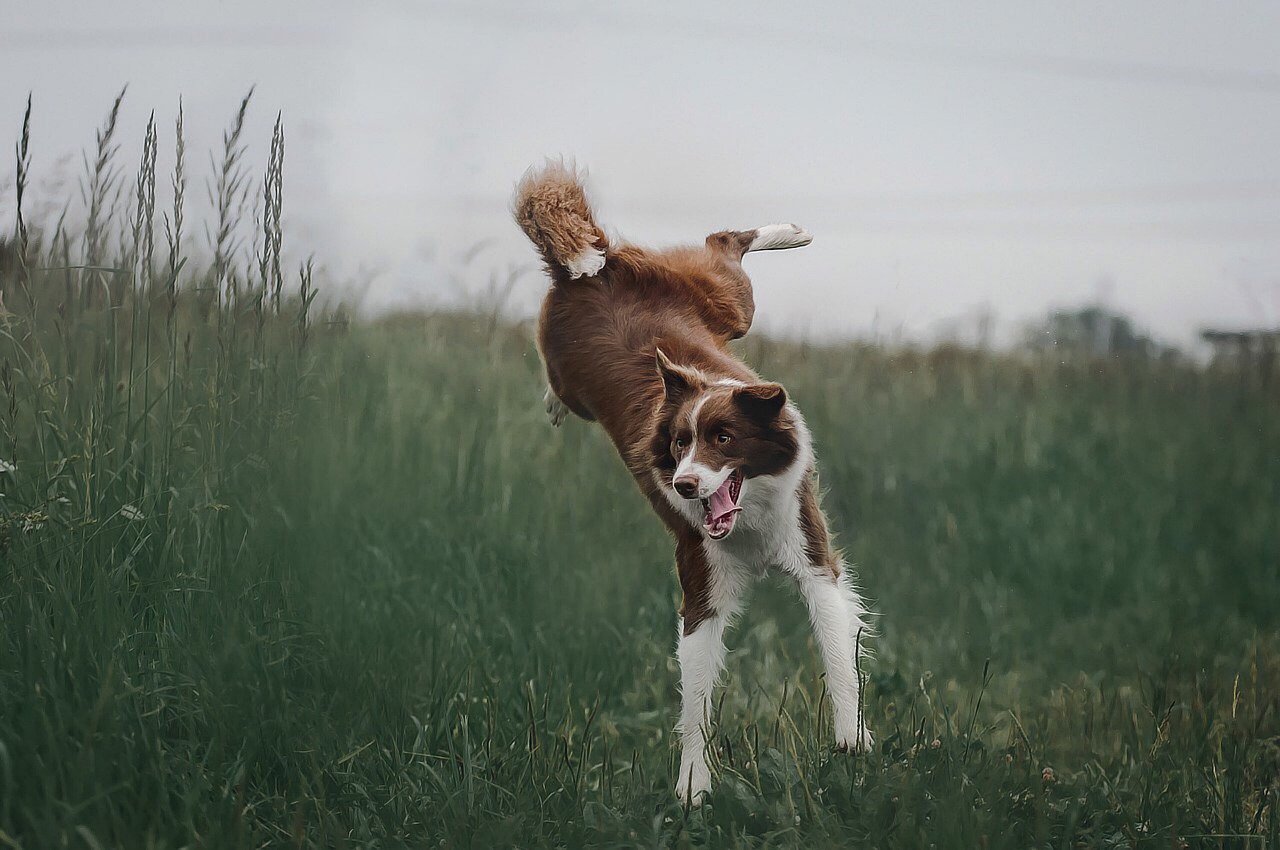
Sometimes, anxiety in high-energy breeds can reach a level that’s difficult to manage alone. If your dog’s anxiety is interfering with daily life—causing self-harm, aggression, or severe destruction—it’s time to call in an expert. Professional trainers, behaviorists, or veterinarians can offer tailored advice and support. In some cases, medication may be recommended alongside behavior modification. Don’t be afraid or ashamed to ask for help; it’s a sign of love and dedication. Remember, you’re your dog’s advocate, and getting the right support can transform both of your lives.


