

Have you ever come home to find chewed furniture, shredded pillows, or a neighbor’s note about your dog’s endless barking? If so, you’re not alone. Separation anxiety in dogs is a heart-wrenching struggle—both for our furry companions and for us as loving owners. The pain of watching your dog panic every time you head out the door can leave you feeling helpless, frustrated, and full of guilt. But there’s hope, and you’re not powerless. With patience, understanding, and a few strategic steps, you can transform your dog’s world from one of distress to one of calm and confidence, even when you’re not around.
Understanding Separation Anxiety in Dogs
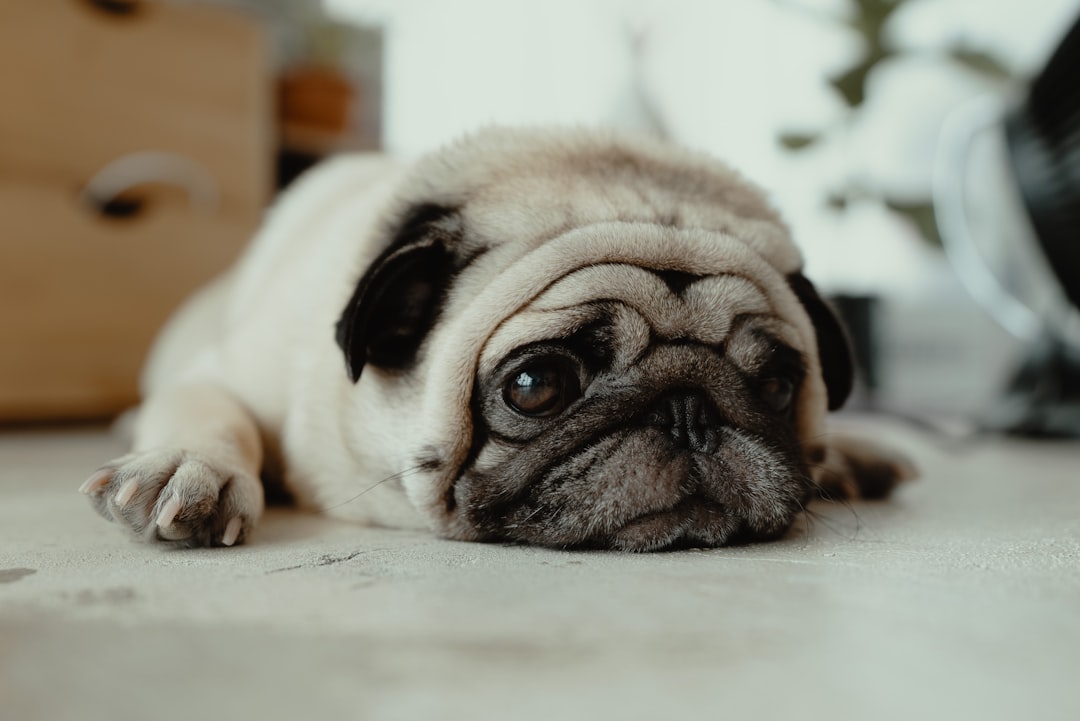
Watching your dog struggle with separation anxiety can be heartbreaking—from the howls as you walk out the door to the chewed-up furniture that greets you when you return. For many dogs, being left alone triggers deep stress and confusion, but the good news is, with patience and the right strategies, you can help your pup feel more calm and secure.
Separation anxiety isn’t just about a dog missing its owner; it’s a deep-rooted fear that something terrible will happen when you leave. This condition can manifest in many ways, from howling and accidents to destructive behavior the moment you step out. Dogs are social animals, and some breeds or individual personalities are more prone to this anxiety. It’s not a sign of “bad behavior” but rather a real emotional struggle. Recognizing the difference between normal boredom and true anxiety is crucial. When left untreated, separation anxiety can get worse, leading to more severe symptoms and even health issues. By understanding what your dog is feeling, you can begin to approach the issue with more compassion and effective solutions.
Spotting the Signs: How to Tell If Your Dog Is Anxious
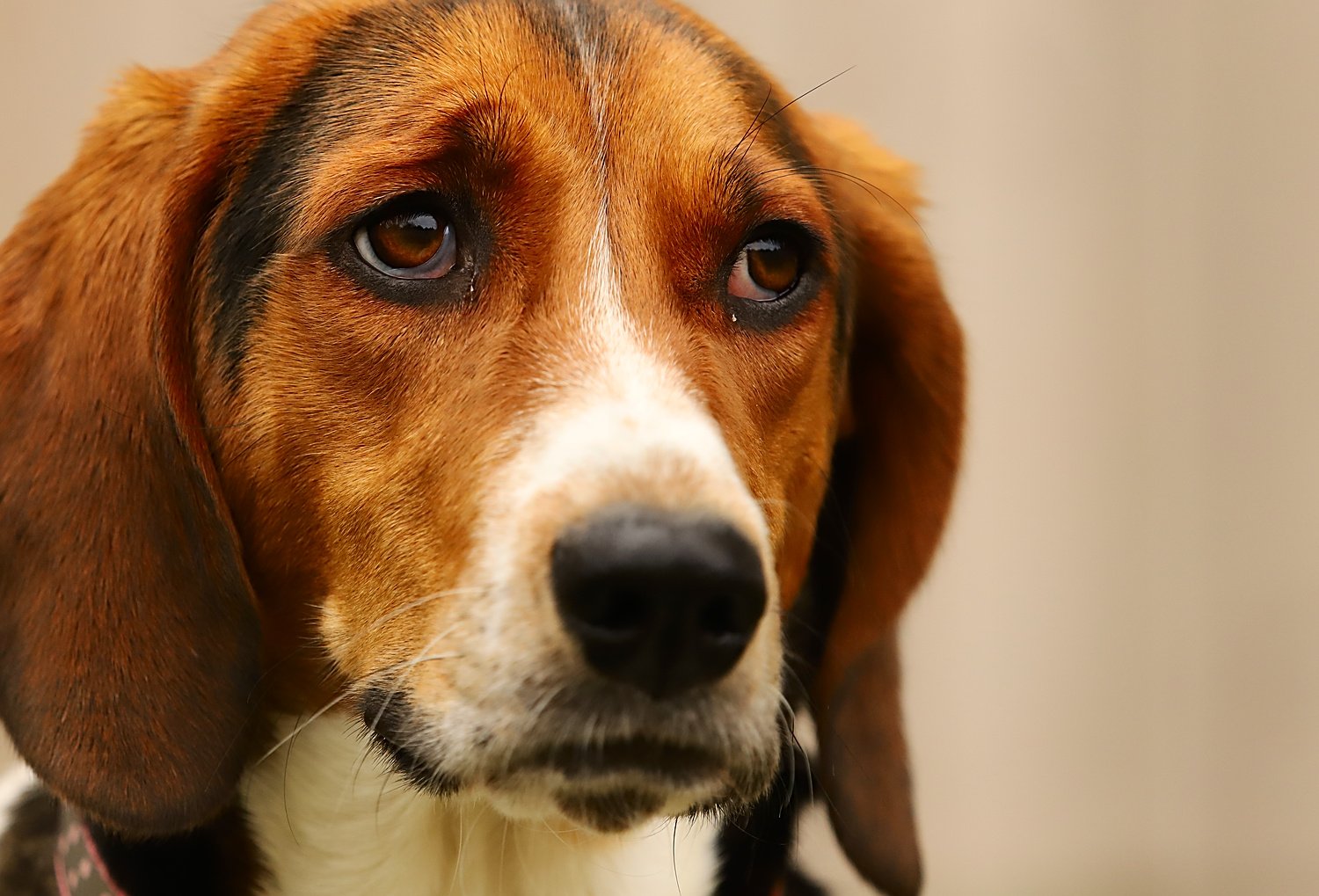
Knowing the signs of separation anxiety is the first step in helping your dog. Common symptoms include barking or whining when you leave, destructive chewing, digging at doors, and indoor accidents despite house training. Some dogs even drool excessively or pace relentlessly. Others might try to escape, risking injury in the process. These behaviors typically happen within the first 15-30 minutes of your absence, not while you’re home. Pay close attention to your dog’s body language and the timing of these actions. If your dog seems fine when you’re present but becomes frantic as soon as you grab your keys, separation anxiety is likely the culprit. Keeping a diary or recording your dog when alone can help confirm your suspicions.
The Emotional Toll: What Your Dog Might Be Feeling
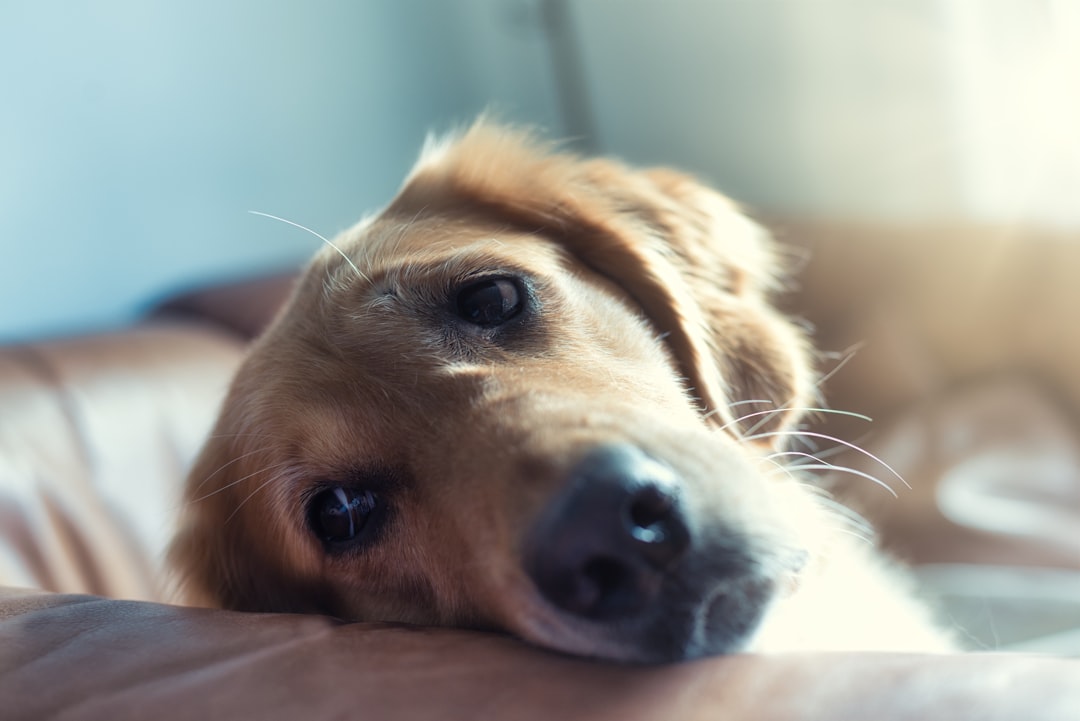
Imagine being a child left alone in a strange place, unsure if your guardian will return. That’s often how dogs with separation anxiety feel. The world suddenly becomes unpredictable and scary. They might worry that you won’t come back or that something bad will happen while you’re gone. This emotional storm can lead to panic attacks, which is why some dogs act out in extreme ways. The more you empathize with what your dog is experiencing, the more motivated you’ll be to find gentle and effective solutions. Understanding their fear is the first step in nurturing their confidence and security.
Why Separation Anxiety Happens: Common Causes

There’s no single reason why some dogs develop separation anxiety while others don’t. Sometimes, it starts after a big change—like moving homes, a new family member, or a traumatic event. Rescue dogs or dogs who have been rehomed are especially prone to this condition, as they may have experienced abandonment. Even puppies who were never gradually taught to handle alone time can develop issues later. Some breeds are more sensitive, and sometimes it’s simply a matter of genetics or temperament. The key is not to blame yourself or your dog but to focus on what you can do now to make things better.
Creating a Safe Space: Making Home Feel Secure
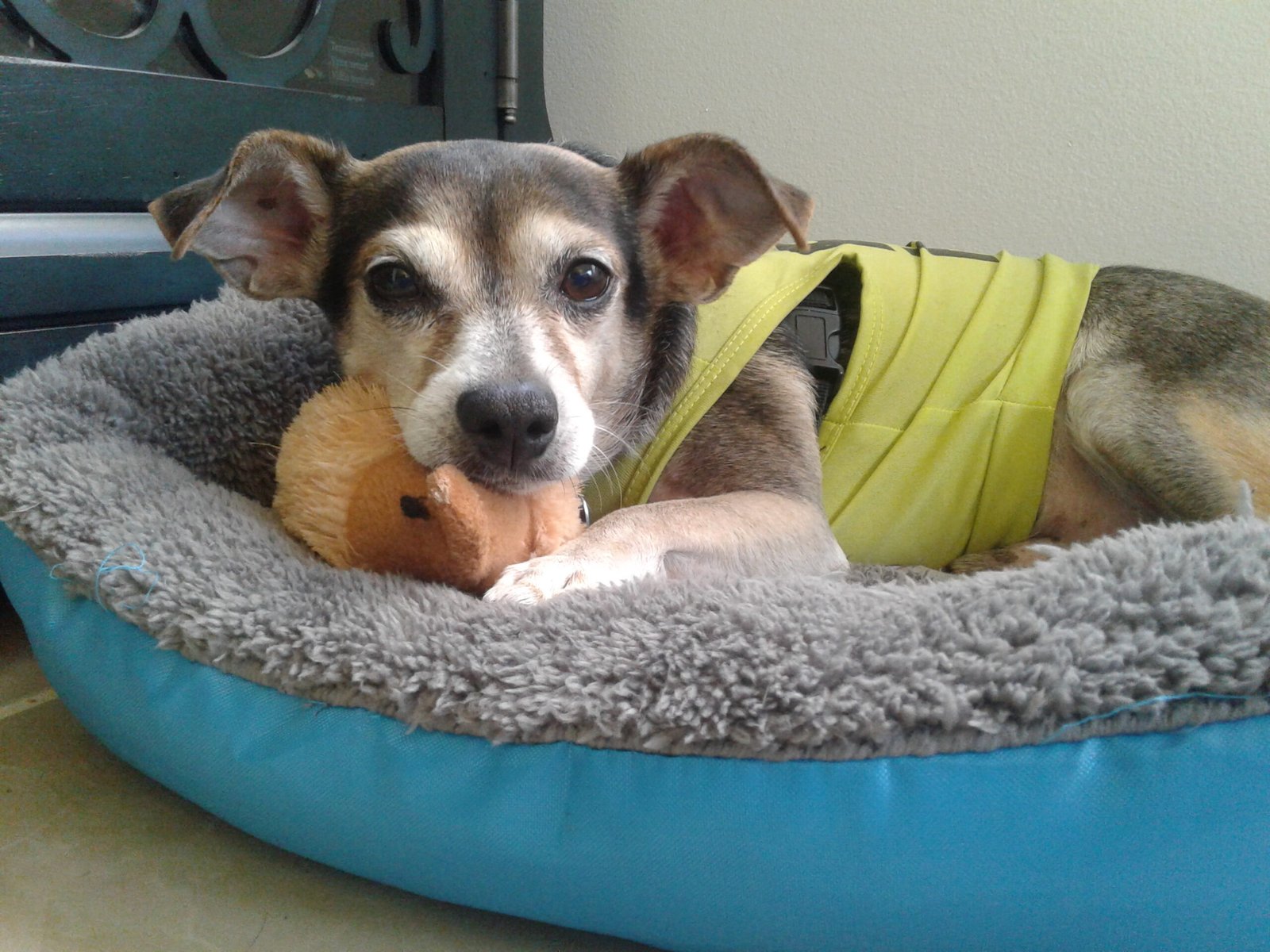
One powerful way to ease your dog’s anxiety is to create a cozy, safe space just for them. This could be a crate lined with soft blankets, a favorite bed in a quiet corner, or a room filled with familiar toys. The goal is to associate this area with comfort, not confinement. Use treats, toys, and praise to encourage your dog to spend time there when you’re home. Over time, your dog will begin to view this spot as a refuge rather than a prison. Make sure the environment is calm and free from loud noises or sudden interruptions. A safe space can give your dog a sense of control and stability, even when you’re not around.
Gradual Departures: Building Confidence Step by Step
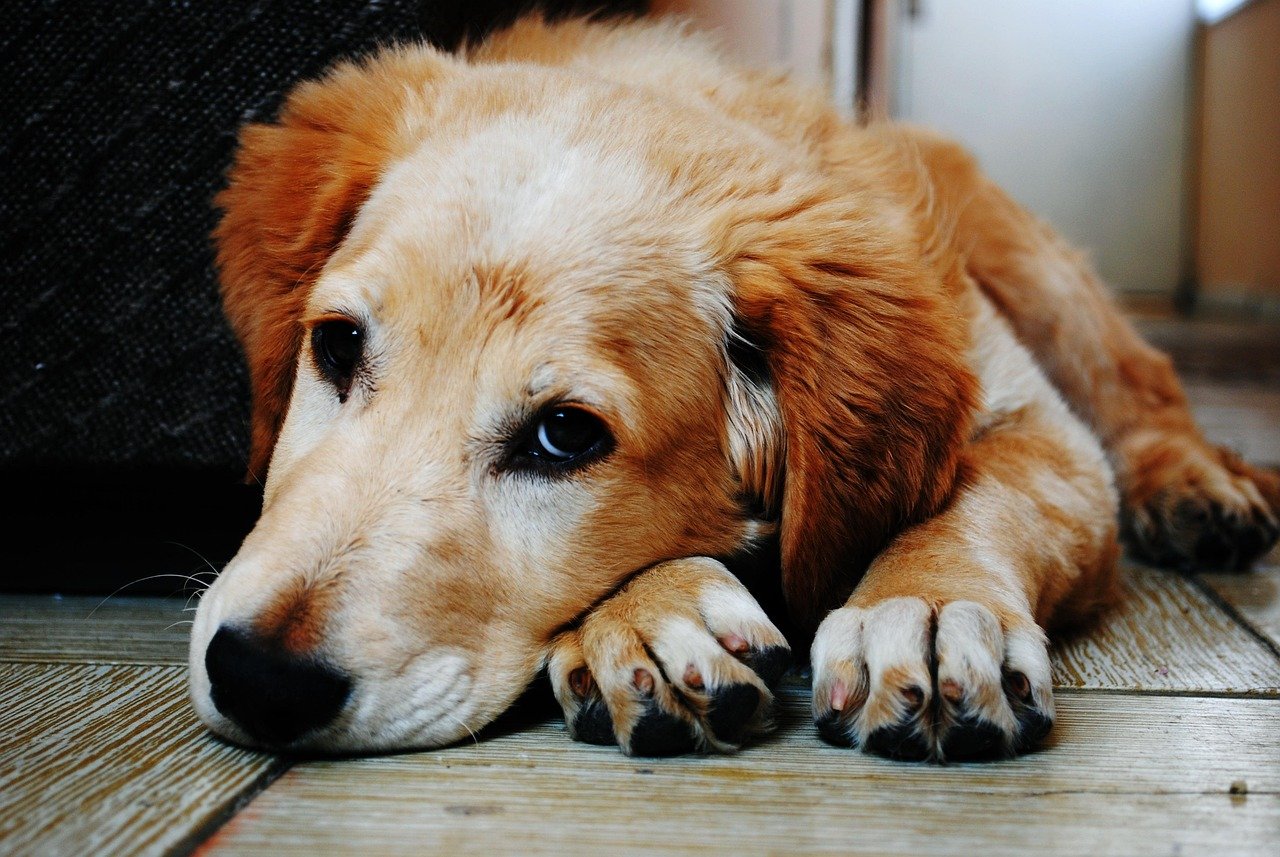
Rushing the process rarely works. Instead, help your dog adjust to alone time slowly. Start by leaving for just a few seconds, then gradually increase the time once your dog stays calm. Practice short departures multiple times a day. Avoid making a big fuss when you leave or return; keep greetings low-key to show that comings and goings are normal. You can even pair departures with something positive, like a special treat or puzzle toy that only appears when you’re gone. This teaches your dog that your absence predicts good things, not fear. Gradual training requires patience, but over time, it can make a world of difference.
Enrichment and Distractions: Keeping Minds Busy
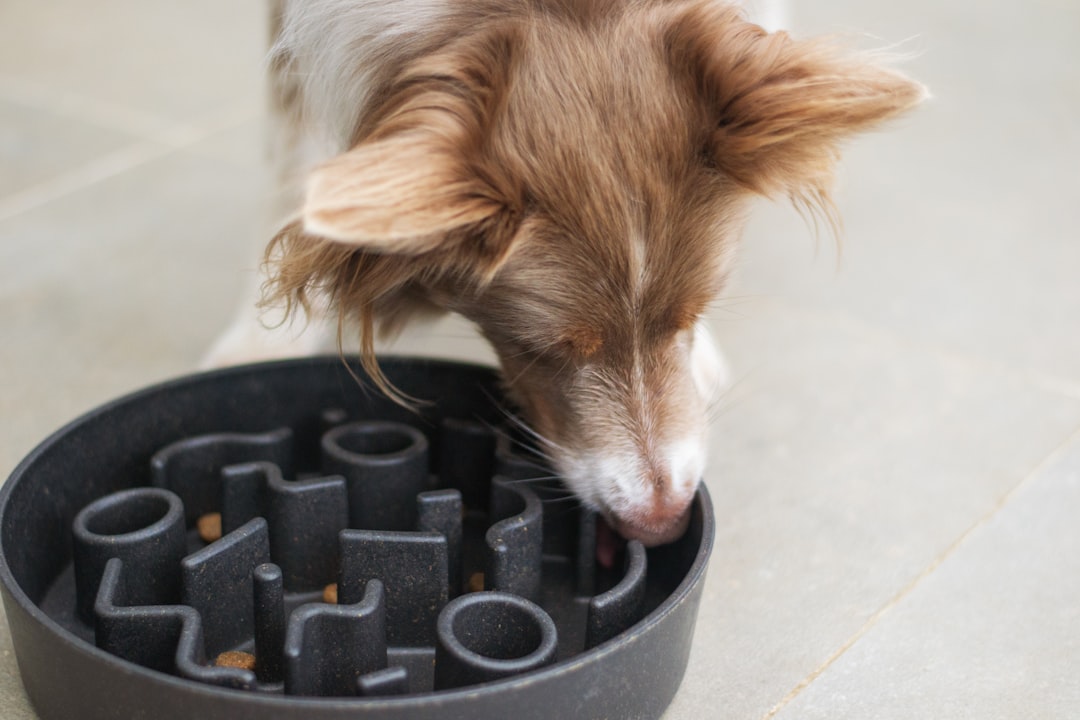
A bored dog is much more likely to become anxious. Before heading out, make sure your dog has plenty to do. Puzzle toys, stuffed Kongs, and long-lasting chews can keep them occupied and mentally stimulated. For some dogs, leaving the radio or TV on with calming sounds can provide comfort. Rotating toys and activities helps prevent boredom from setting in. Regular exercise is also essential—tired dogs are less likely to stress out when left alone. Think of enrichment as filling your dog’s “emotional cup” so there’s less room for anxiety to take over.
Desensitizing Triggers: Reducing Pre-Departure Anxiety
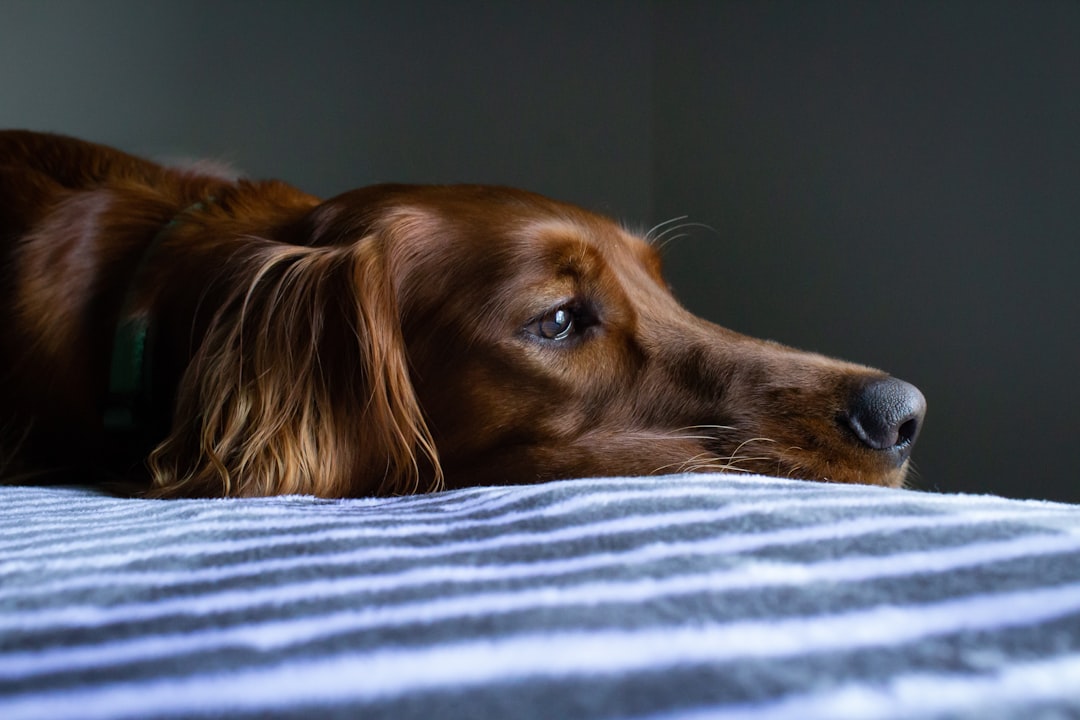
Dogs are masters at picking up on routines. If your dog starts to get anxious when you put on your shoes or grab your keys, these are “departure triggers.” To help, practice these actions without actually leaving—pick up your keys, then sit down. Put on your coat and walk around the house. This helps break the association between these cues and your absence. Over time, your dog will become less sensitive to these triggers. It may seem silly, but this step is surprisingly powerful for reducing pre-departure stress.
Seeking Support: When to Ask for Professional Help
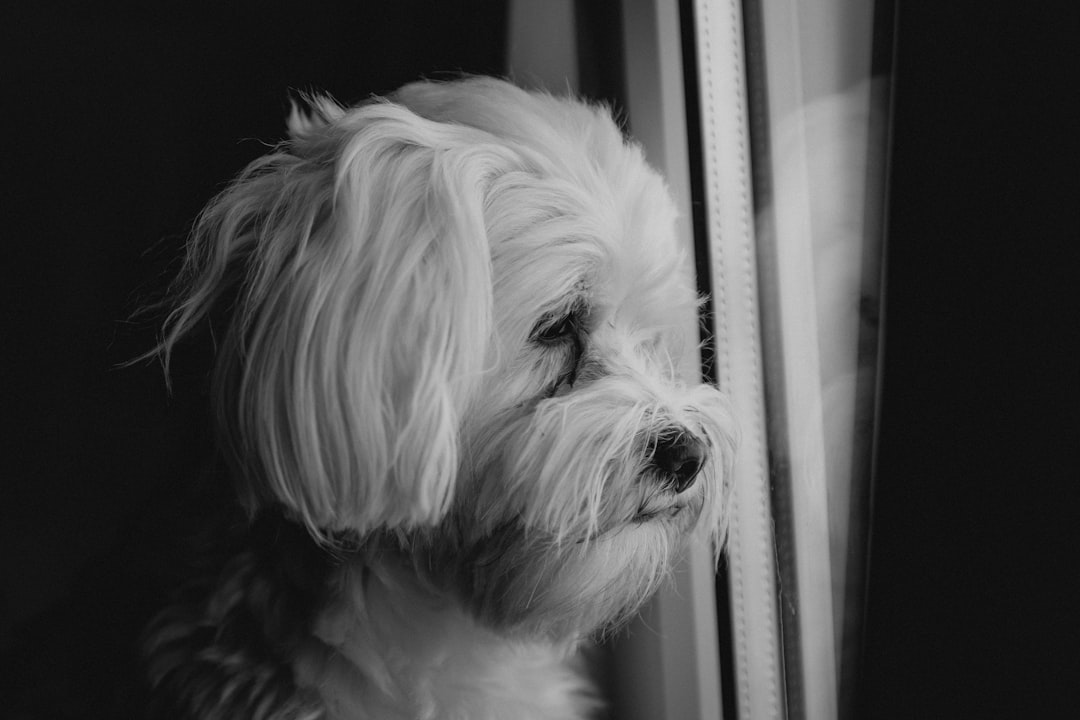
Sometimes, despite your best efforts, your dog’s anxiety remains stubborn or even worsens. In these cases, don’t hesitate to reach out for professional support. Certified dog trainers, behaviorists, or veterinarians can provide customized plans and rule out any underlying medical issues. In severe cases, medication may be recommended as part of a broader treatment plan. Remember, you don’t have to face this challenge alone. With expert guidance, even the most anxious dogs can make remarkable progress.
Helping a dog overcome separation anxiety is rarely quick or easy, but every small victory counts. Consistency is your best friend—stick to routines, reinforce calm behavior, and celebrate progress, no matter how minor. There will be setbacks, but each day is a new chance to reassure your dog that they are safe and loved. Your patience and steady presence are the most powerful tools you have. With time, understanding, and a lot of heart, you can help your dog feel secure and confident, even when you’re not around.


