
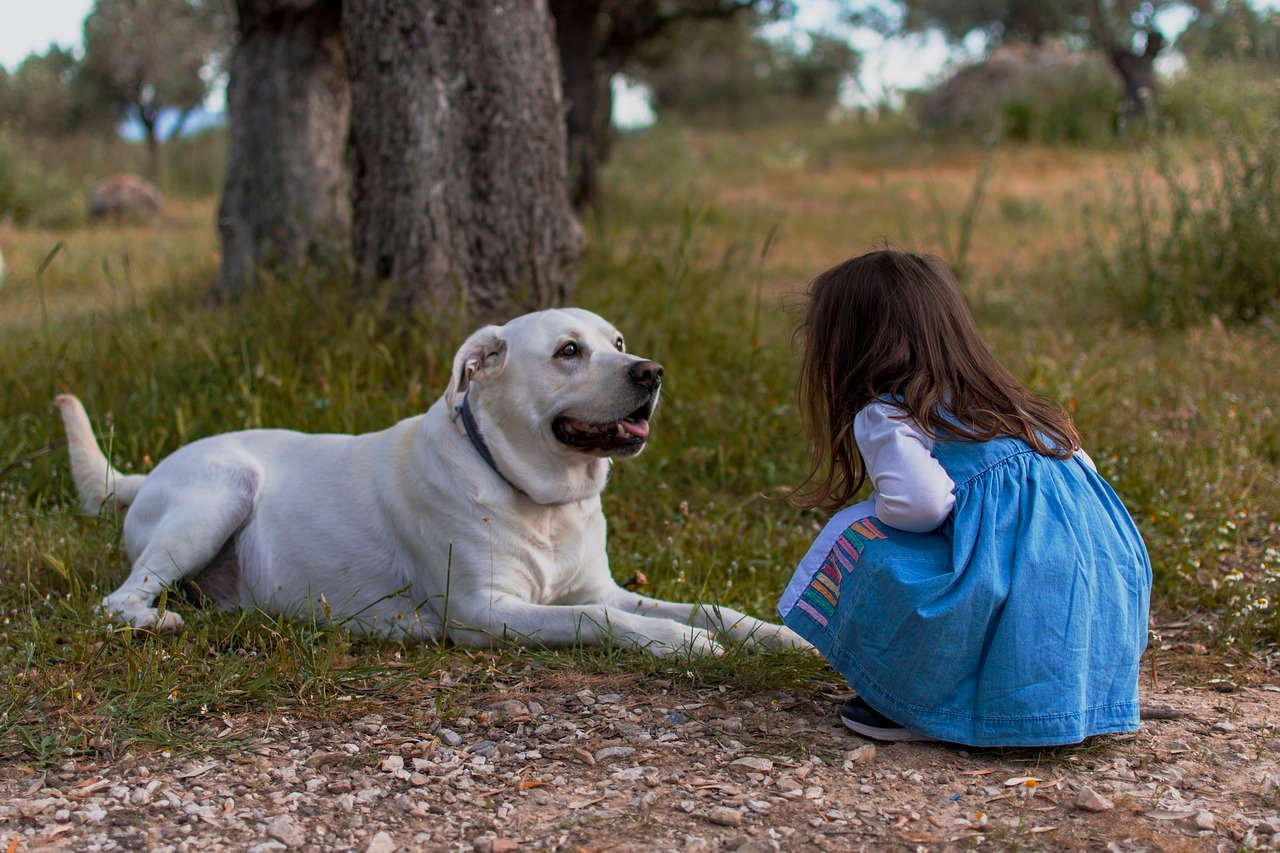
Have you ever caught yourself believing something about older dogs that just didn’t feel quite right? Maybe you’ve heard that senior pups are grumpy, or that they can’t learn new tricks. The world is full of wild stories about aging dogs, and some of them can keep these wise, lovable creatures from getting the care, respect, and joy they deserve. Let’s shine a light on the truth and unravel the most common myths about senior dogs that simply refuse to go away. Prepare to be surprised—and maybe even inspired—by what these golden oldies are really capable of!
Myth 1: Senior Dogs Can’t Learn New Tricks
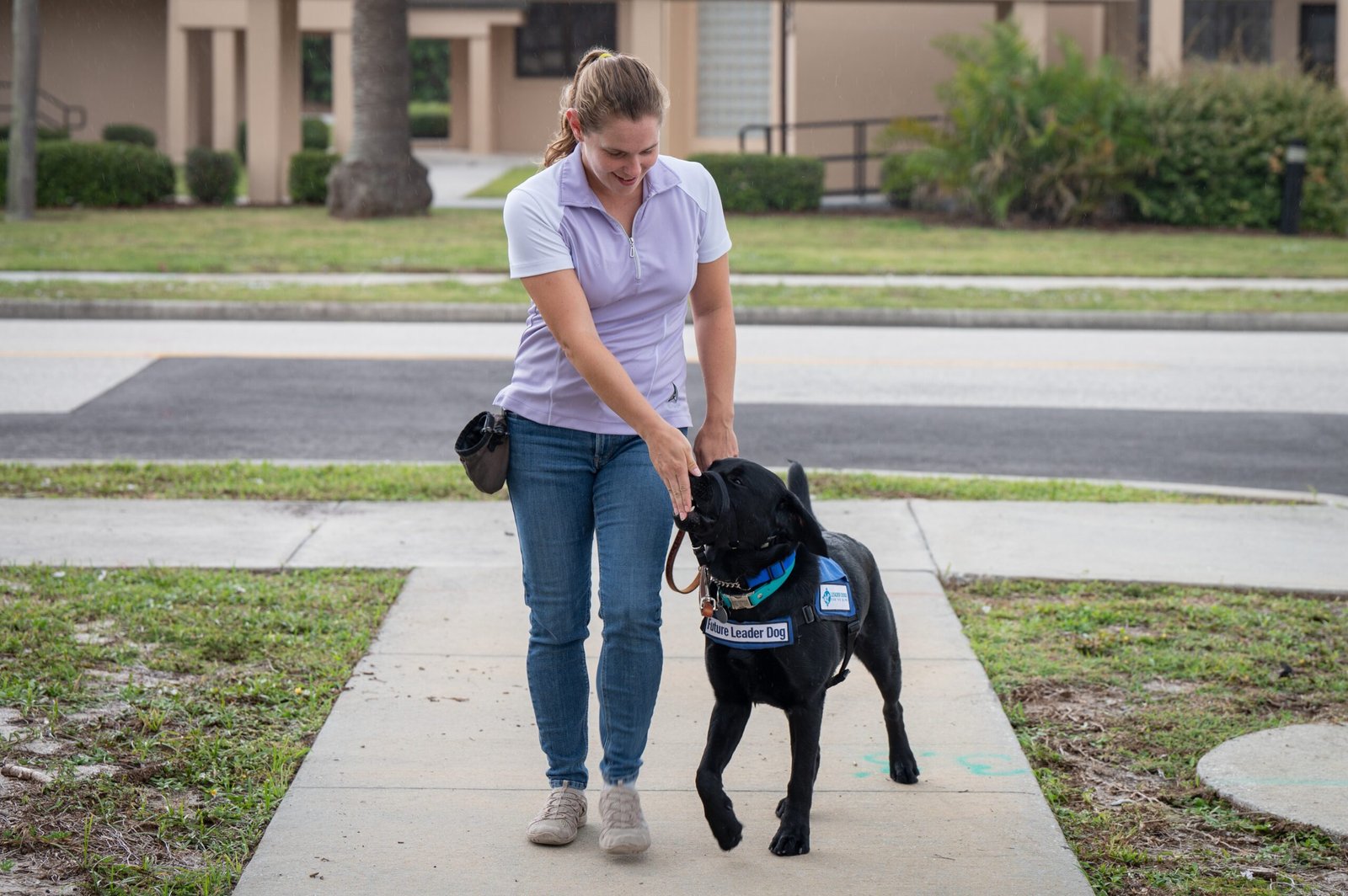
It’s a tale as old as time: the saying “you can’t teach an old dog new tricks.” But is it actually true? Absolutely not! In fact, older dogs can be just as eager to learn as their younger companions. Their maturity often means they’re calmer and more focused, making training sessions smoother and less chaotic. Imagine teaching your grandpa how to use a smartphone; sure, it might take a bit more patience, but the sense of accomplishment is all the sweeter! Many senior dogs thrive on mental stimulation and enjoy the bonding experience training brings. Whether you’re teaching them new commands, fun tricks, or even agility exercises tailored to their abilities, don’t sell them short. Age is just a number when it comes to learning and connecting.
Myth 2: Older Dogs Are Always Sickly

It’s easy to assume that senior dogs are ticking time bombs of illness, but this simply isn’t the case for most. While the risk of certain conditions increases with age, many older dogs remain happy and healthy well into their golden years. Regular vet check-ups, a balanced diet, and gentle exercise can keep them in great shape. Think of them as seasoned athletes who know how to pace themselves. Owners often overlook just how resilient and adaptable senior dogs can be. They may need a bit more TLC, but labeling them as “always sick” does them a real disservice. With the right care, many older dogs enjoy a vibrant, energetic lifestyle.
Myth 3: Senior Dogs Don’t Like to Play

Picture a senior dog and you might imagine a couch potato, snoozing the day away. But don’t put away those tennis balls just yet! Many older dogs still love to play; they just have their own pace and style. Maybe they prefer a gentle game of tug or a slow stroll with plenty of sniffing stops. Some even surprise their owners with bursts of playful energy, chasing after toys or romping with younger pups. Play isn’t just for the young—it keeps older dogs’ minds sharp and their bodies active. Tailoring activities to their abilities helps keep playtime safe and fun. Playful hearts never really age, after all.
Myth 4: Adopting a Senior Dog Is Heartbreaking

Some people shy away from adopting older dogs, fearing it will be a sad, short-lived journey. But seasoned dog parents know the truth: adopting a senior dog can be one of the most rewarding experiences imaginable. These dogs are often already house-trained, have mellow personalities, and appreciate a loving home in a way that’s truly touching. The bond that forms with a senior rescue is deep and powerful, precisely because you’re giving them a second chance. Yes, their time may be shorter, but the love and joy they bring is immeasurable. Many adopters say the joy of seeing a senior dog blossom makes every moment worthwhile.
Myth 5: Senior Dogs Don’t Need Much Exercise

It’s tempting to think that older dogs should just rest and take it easy, but skipping exercise can actually do more harm than good. Regular activity helps keep their joints flexible, muscles strong, and minds sharp. Of course, they might not be up for marathon runs, but a daily walk, a gentle swim, or a light game of fetch can work wonders. Imagine how you’d feel sitting on the couch all day—stiff, bored, and a little grumpy! Senior dogs benefit from tailored exercise routines that match their health needs. Keeping them moving helps manage weight, prevents arthritis, and boosts their mood.
Myth 6: Senior Dogs Are Set in Their Ways
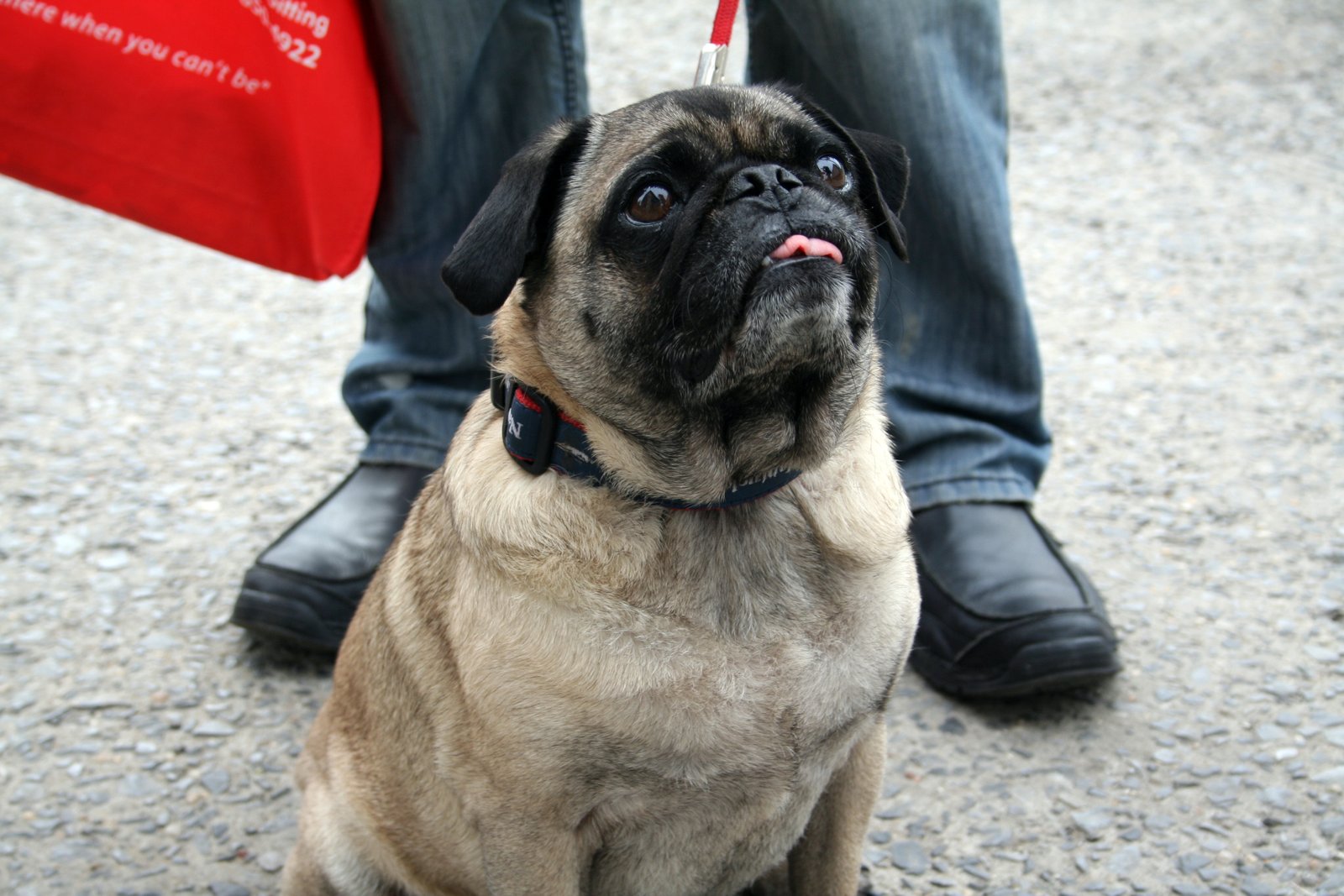
There’s a common belief that older dogs can’t adapt to new environments, people, or routines. But anyone who’s welcomed a senior dog into their home knows they can be surprisingly flexible. Sure, they may take a little longer to warm up, but with patience and kindness, they often settle in beautifully. Many senior dogs embrace new experiences—whether it’s a cozy bed, a new friend, or a change in scenery. They have a remarkable capacity to trust and love again, even after tough times. In fact, the wisdom they’ve gained often makes transitions smoother, not harder.
Myth 7: Senior Dogs Are Not Good with Kids or Other Pets
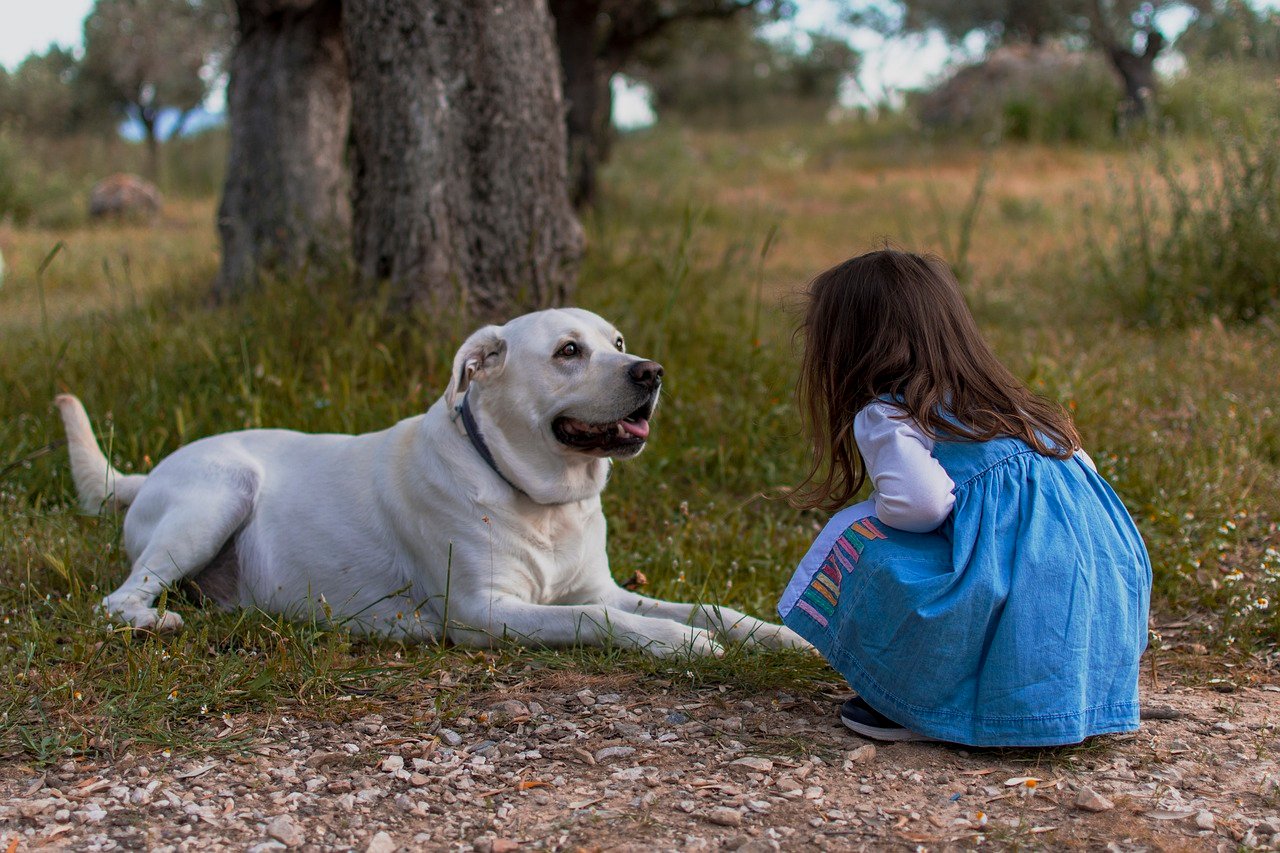
It’s easy to assume that older dogs might be grumpy or intolerant, but many are downright gentle with children and other animals. Their calm demeanor can actually make them perfect companions for families. They’re less likely to jump or nip, and their experience means they know how to navigate social situations. Of course, every dog is unique, but don’t write off a senior simply because of their age. With proper introductions and supervision, older dogs can form strong bonds with both kids and other pets. They often become the wise, loving “grandparent” figure in a household full of energy and laughter.
Myth 8: Caring for a Senior Dog Is Too Difficult
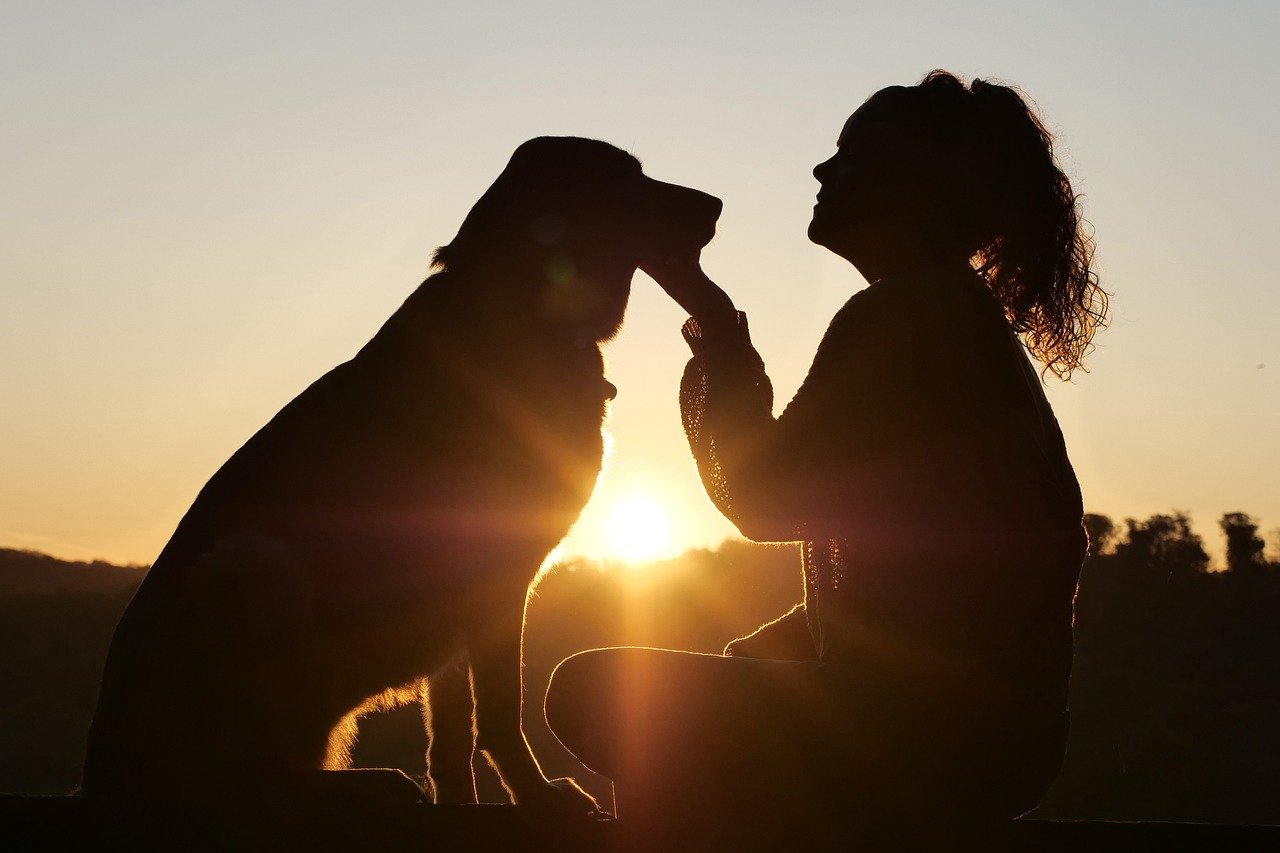
Some people worry that looking after an older dog is a daunting, overwhelming task. While it’s true that seniors might need extra care—like more frequent vet visits or special diets—most owners find the routine manageable and deeply rewarding. Think of it as caring for an elderly family member: it comes with challenges, but also with moments of tenderness and joy. Advances in veterinary medicine mean that many age-related issues can be easily managed. And the gratitude and affection senior dogs show often makes every effort feel worthwhile. Their loyalty and love are truly unmatched.
Isn’t it amazing how much misinformation is out there about senior dogs? Next time you hear one of these myths, remember that age is just a number—and sometimes, it’s the older dogs who have the most love (and surprises) to give.


