

Have you ever watched your dog pace restlessly, bark at every little noise, or struggle to settle down? If so, you’re not alone. Many dog lovers know the heartbreak of seeing their loyal companion feeling anxious or on edge. The good news is that helping your dog find calm and balance doesn’t have to be complicated. Sometimes, the simplest changes make the biggest difference. Here are ten easy, heartfelt ways to help your dog feel more at peace—because every pup deserves a happy, centered life.
Create a Predictable Daily Routine
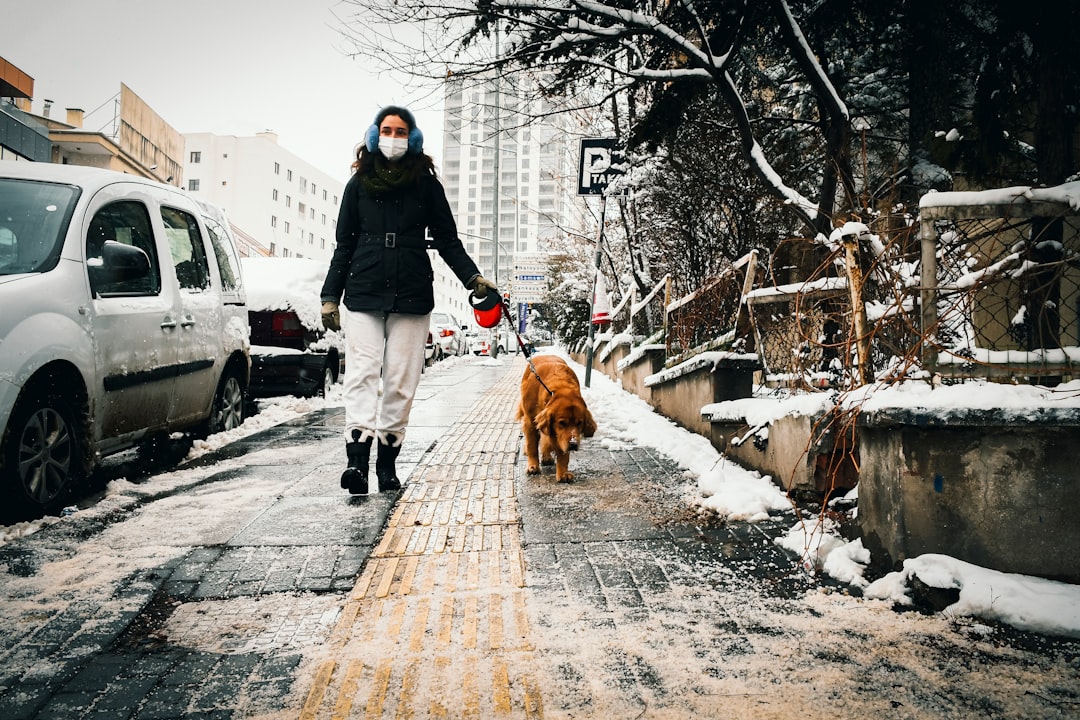
Dogs thrive on routine, much like children do. When your dog knows what to expect and when, it helps them feel secure and reduces anxiety. Keeping regular times for feeding, walks, play, and bedtime can make a world of difference. Try setting meals at the same hour every day and establishing a consistent bedtime. This predictability reassures your dog that their needs will always be met. Even something as simple as waking up and going to sleep around the same time can bring comfort. Changes in routine can sometimes lead to stress, so introduce new activities slowly. A well-structured day acts like a gentle anchor for your dog’s well-being.
Provide Plenty of Physical Exercise
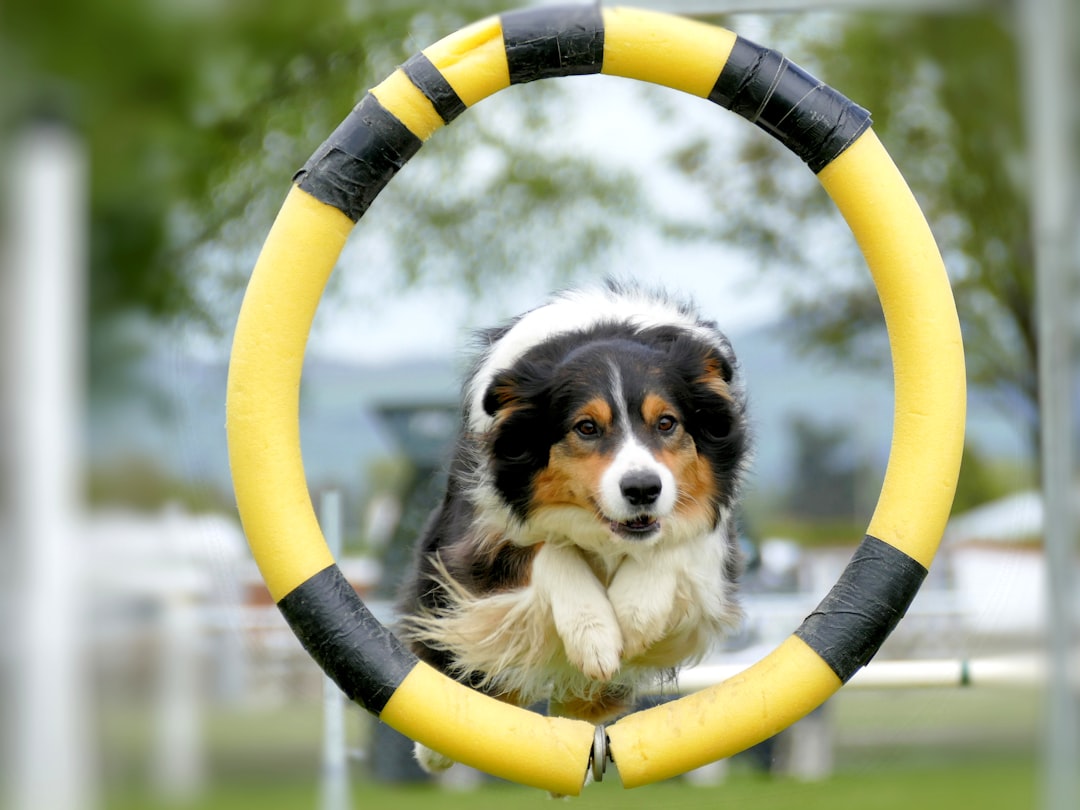
Just like people, dogs need to burn off energy to feel balanced. A brisk morning walk, a game of fetch, or a run in the park can melt away nervous energy and leave your dog feeling relaxed. Different breeds and ages require different amounts of exercise, so pay attention to your dog’s needs. A tired dog is often a calm dog. Even older pups benefit from gentle activities, like slow strolls or low-impact play. If your schedule is busy, try quick play sessions throughout the day. Remember, exercise is both a physical and emotional outlet, helping your dog shake off stress and sleep soundly.
Practice Quiet Time and Relaxation

Calm isn’t just about activity—it’s also about knowing when to pause. Set aside time every day for peaceful cuddles, gentle petting, or simply sitting together in silence. Some dogs love to curl up beside you and listen to soft music or nature sounds. You can even teach your dog to settle on a special blanket or mat as their “safe place.” Softly stroking your dog and speaking in a gentle voice can do wonders. Over time, these quiet moments become a signal that it’s okay to let go of worries. Think of it as meditation for dogs—a break from the busyness of life.
Offer Safe Spaces at Home
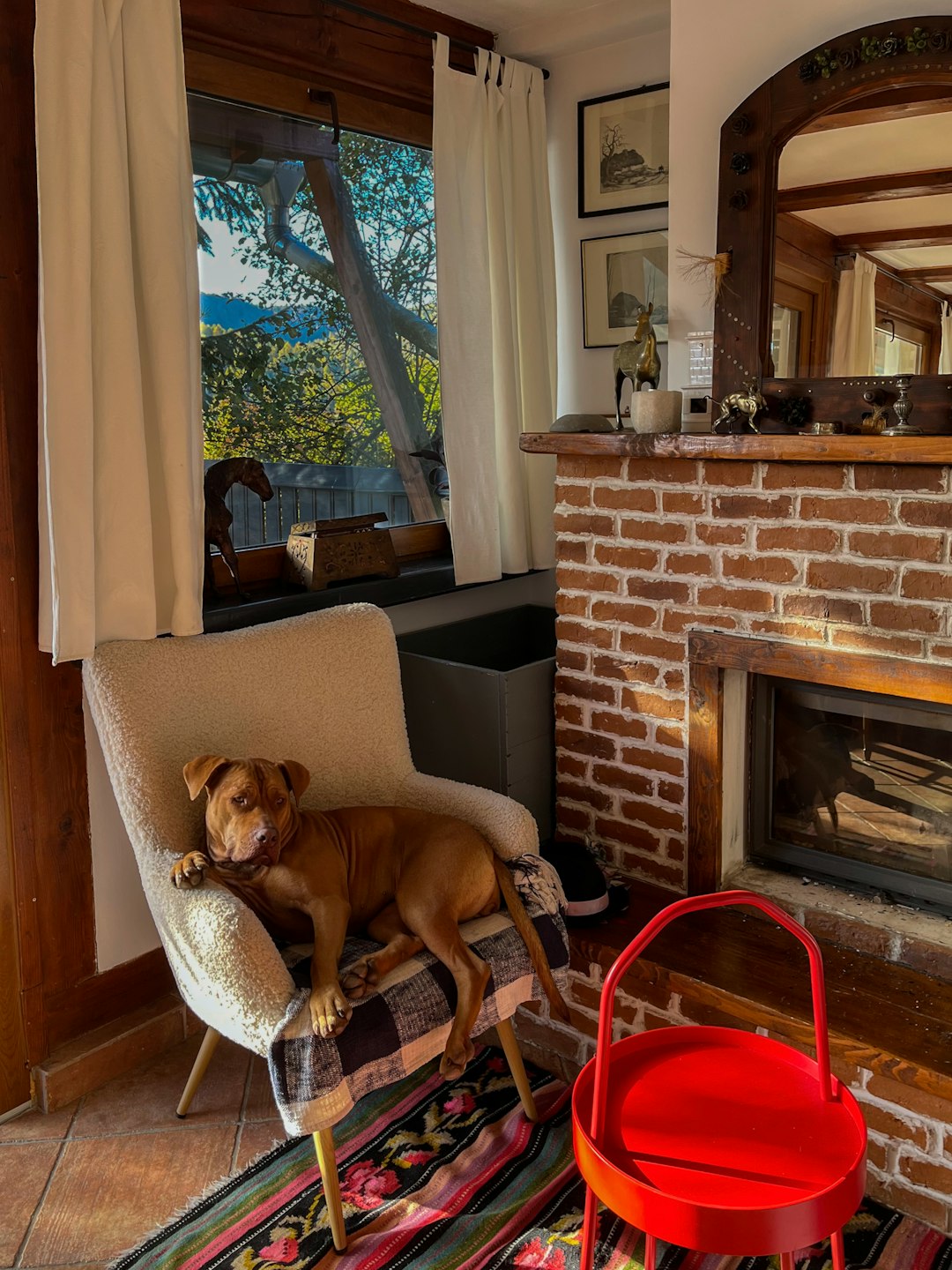
Every dog needs a cozy retreat where they can escape the world for a while. This could be a crate lined with soft bedding, a favorite corner with toys, or even a designated room. Make this space inviting and off-limits to noise or disruptions. When thunderstorms roll in or guests arrive, your dog will have a place to retreat and regroup. You can add an old t-shirt that smells like you for extra comfort. Respect your dog’s need for alone time, and never force interaction when they’re seeking solitude. A safe space is like a security blanket, helping your dog feel grounded during stressful times.
Try Calming Scents and Sounds
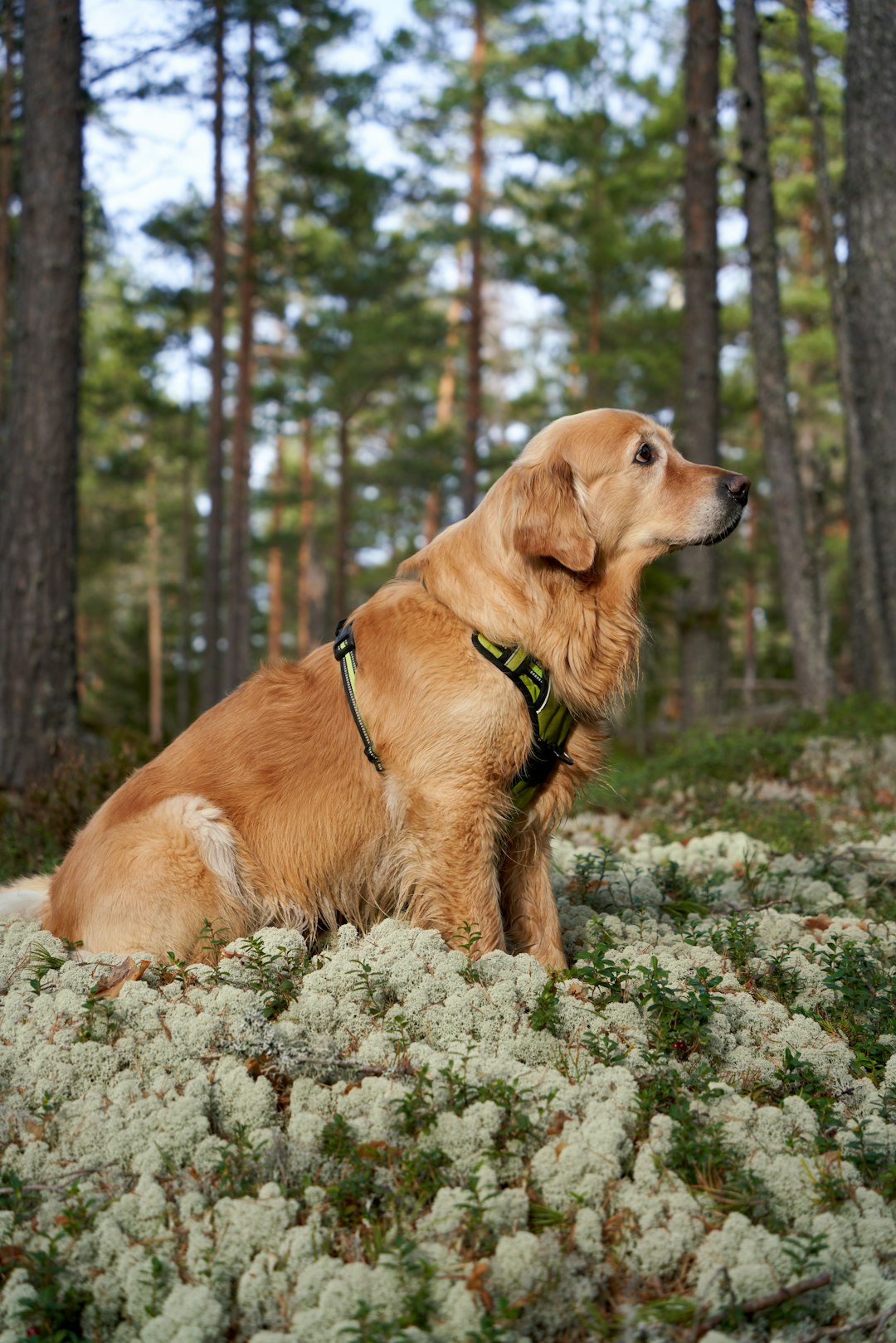
Aromatherapy isn’t just for people! Certain scents like lavender or chamomile can help soothe anxious pups. You can use dog-safe sprays, diffusers, or calming collars made specifically for pets. Soft background music or white noise machines also work wonders, masking startling sounds like fireworks or traffic. Some owners even leave the radio on when they’re away to keep their dogs company. Always introduce new scents and sounds slowly, observing your dog’s reaction. If your dog shows signs of discomfort, discontinue use. A peaceful environment appeals to all the senses, not just sight and touch.
Use Positive Reinforcement Training

Dogs feel most confident when they know what’s expected of them. Positive reinforcement training—rewarding good behavior with treats, praise, or play—boosts self-assurance and reduces anxiety. For example, when your dog calmly greets a visitor or settles quietly on their bed, reward them immediately. Avoid harsh corrections or punishment, which can increase stress and fear. Instead, focus on what your dog does right, and celebrate those small victories. Over time, your dog learns that calm, centered behavior brings good things. Training is not just about obedience; it’s about building trust and emotional security.
Introduce Mental Stimulation Games
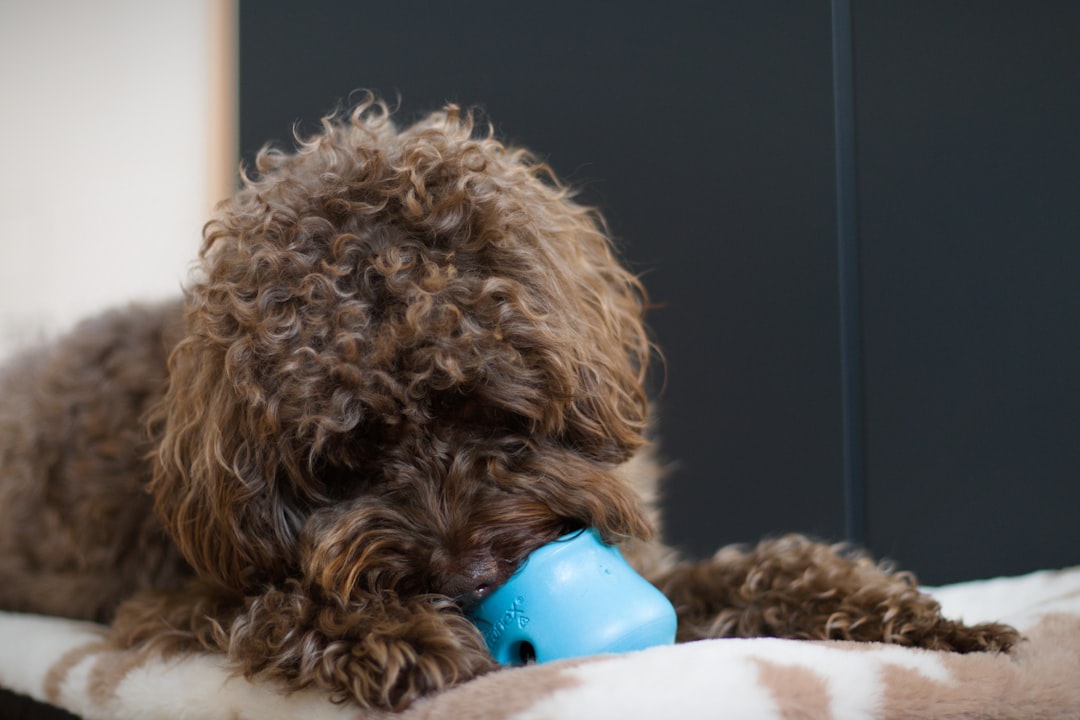
A bored dog is often a restless one. Challenging your dog’s mind with puzzle toys, treat-dispensing balls, or scent games can be just as tiring as physical exercise. Hide treats around the house for your dog to sniff out, or teach them new tricks and commands. Rotate toys to keep things interesting. Mental games provide a healthy outlet for curiosity and reduce the urge to bark, chew, or dig from boredom. Think of it as brain yoga for dogs—engaging, fun, and calming at the same time.
Keep Socialization Positive and Gradual

Meeting new people, animals, or places can be exciting or overwhelming for dogs. Early, gentle socialization helps build confidence without triggering anxiety. Start with quiet environments and gradually introduce new experiences. Watch your dog’s body language closely—if they seem nervous, give them space and time to adjust. Avoid forcing interactions, especially with unfamiliar dogs or noisy crowds. Reward calm behavior with treats and affection. Positive socialization is about quality, not quantity. Every new, happy encounter adds another layer of calm to your dog’s world.
Stay Calm Yourself
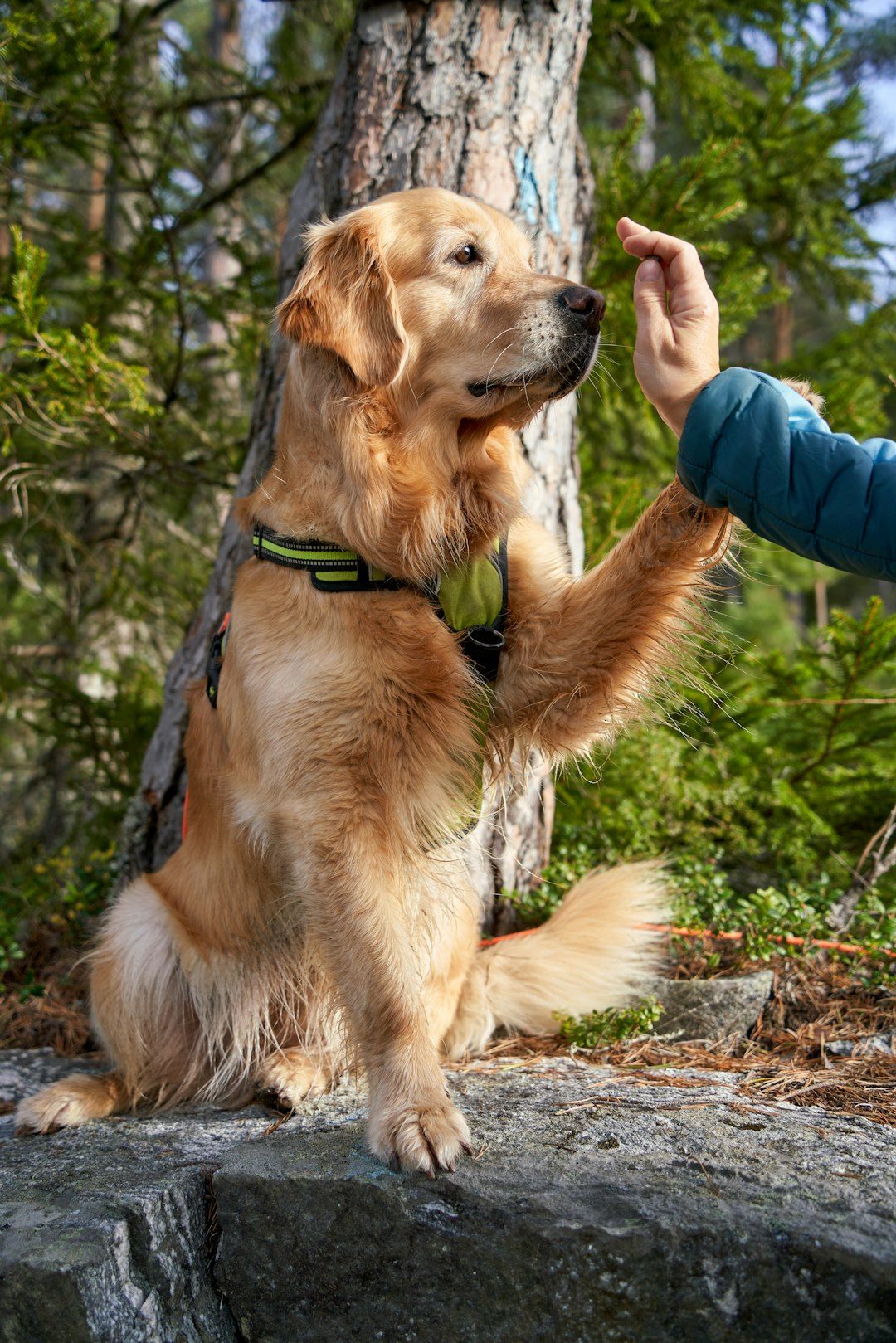
Dogs are incredibly attuned to their owner’s emotions. If you’re anxious, frustrated, or agitated, your dog can pick up on those feelings. Practicing your own calm behavior—slow movements, gentle speech, deep breathing—can help your dog mirror your tranquility. Before addressing your dog’s anxiety, take a moment to center yourself. Imagine you’re their emotional anchor in a stormy sea. Your presence and emotional steadiness can be the greatest gift you offer. Dogs trust their humans deeply, and your calmness helps them feel safe and understood.
Consult a Professional When Needed

Sometimes, anxiety goes beyond what home remedies and extra love can solve. If your dog’s stress is severe or persistent—like destructive behavior, constant pacing, or fear of being alone—don’t hesitate to reach out for professional help. Veterinarians, trainers, and canine behaviorists specialize in understanding and treating anxiety. They can suggest behavior modification plans, recommend calming supplements, or, in some cases, prescribe medication. Seeking help is not a failure; it’s an act of deep care for your best friend. You know your dog best—trust your instincts and advocate for their well-being.


