

Have you ever looked into your dog’s eyes and wondered if they really “get” what you’re saying? It’s a question that has fascinated dog lovers for centuries. Dogs seem to know when we’re happy, sad, or calling them for a treat. But the truth is even more surprising: science shows that dogs can truly understand parts of human language, and—here’s the kicker—your dog’s breed might make a big difference in just how much they understand. Get ready to be amazed by how deep this connection really goes!
Dogs Are Masters at Reading Humans
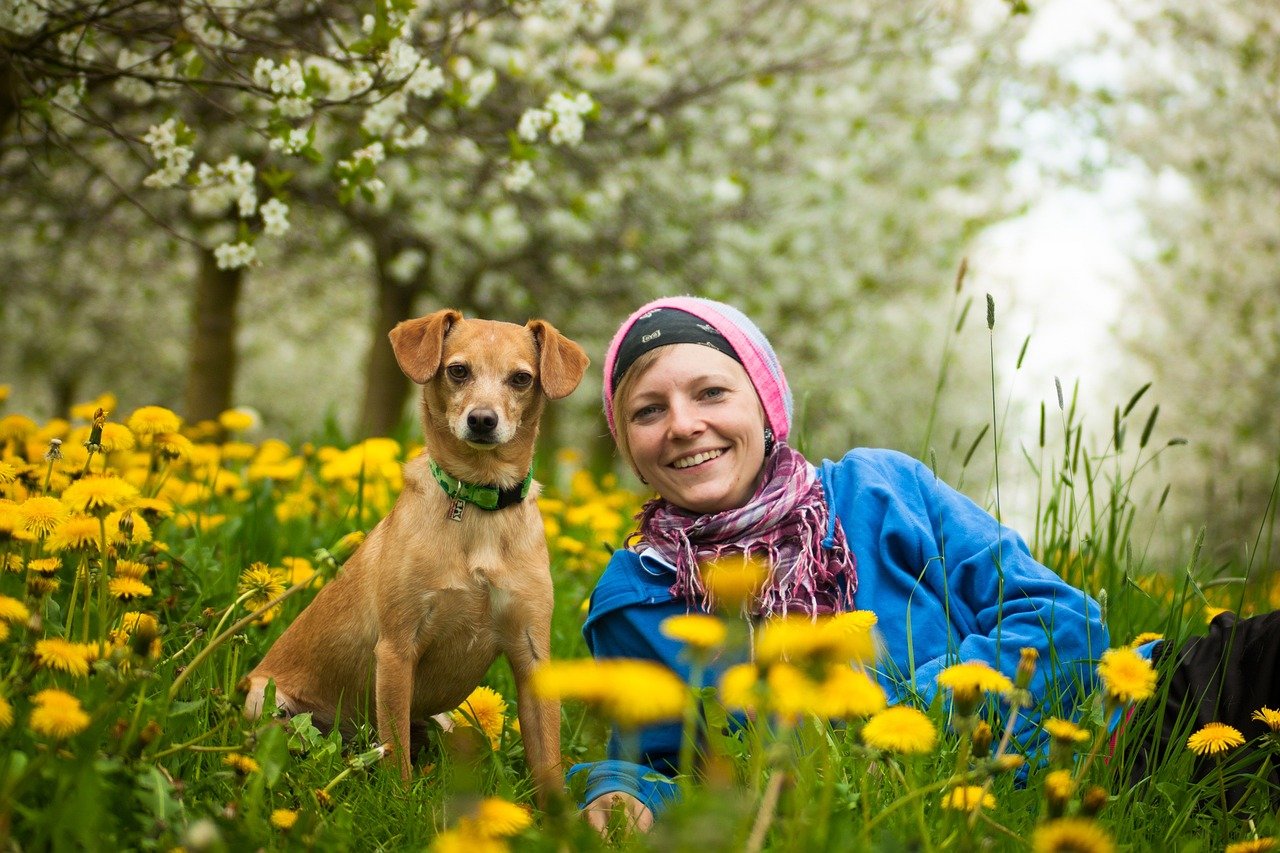
From the moment puppies open their eyes, they start paying attention to humans. Dogs have evolved alongside people for thousands of years, making them experts at reading our body language, tone of voice, and even our facial expressions. For example, when you smile and use a cheerful voice, most dogs instantly pick up on your happiness. But it goes deeper than just responding to your mood. Dogs can actually connect specific words with actions or objects. They might not understand full sentences, but words like “walk,” “treat,” or “sit” often get an instant reaction. This ability to tune into us is one of the many reasons dogs feel like part of the family.
Yes, Dogs Really Learn Words (And Some Learn Hundreds!)

It might sound unbelievable, but some dogs can understand hundreds of words. The most famous example is a border collie named Chaser, who learned over 1,000 different words—more than most toddlers! Most dogs know a handful of words, usually ones that matter most to them, like their name, “food,” or “outside.” But with patience and consistent training, many dogs can learn to recognize dozens of different words. This isn’t just about simple commands, either. Some dogs can identify toys, people, or even places by name. Watching a dog fetch a blue ball instead of a red one after hearing you say “blue ball” is nothing short of magical.
Breed Differences: Not All Dogs Are Linguistic Geniuses

If you think your dog is a bit stubborn or slow to pick up words, don’t be too hard on them—it might just be their breed. Research shows that herding breeds like border collies, German shepherds, and poodles often learn words faster than others. These breeds have been selected over generations to work closely with humans and follow complex commands. On the other hand, some breeds, like bulldogs or basset hounds, might not be as eager to obey or as quick to pick up new words. That doesn’t mean they aren’t smart—they just have different strengths. It’s a little like comparing a math whiz to a creative artist: both are talented, just in different ways.
How Dogs Use Context to “Fill in the Blanks”
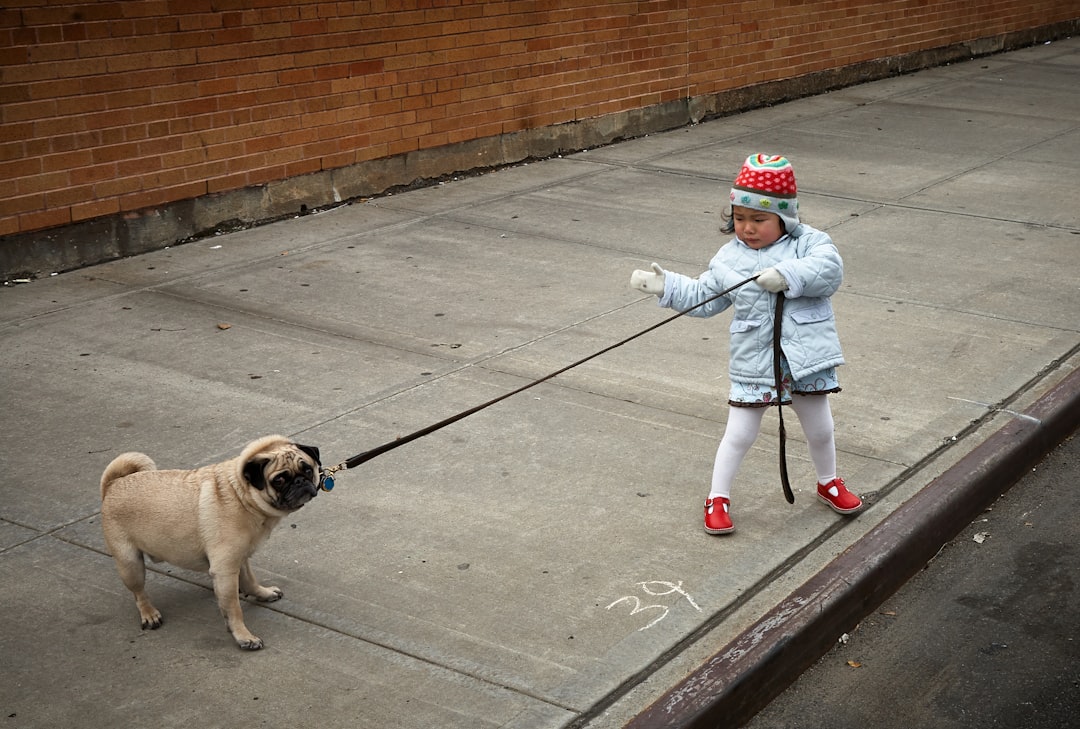
Even if your dog doesn’t understand every word you say, they’re experts at using context clues. When you grab the leash, put on your shoes, or jingle your keys, most dogs know exactly what’s coming next—no words needed. They often combine the sounds they hear with visual cues and routines. For example, you might say, “Let’s go for a walk!” and your dog responds, even if they only recognize “walk.” This ability to use context is one reason dogs seem so in tune with us, even if we’re speaking in full sentences or switching up our phrasing.
Tone of Voice Is Everything

You might think your dog is a linguistic superstar, but sometimes it’s all about your tone of voice. Say “good boy!” in a cheerful, high-pitched tone, and your dog will likely wag his tail even if he doesn’t know what the words mean. Dogs are incredibly sensitive to the emotional cues in our voices. A gentle, soothing tone can calm an anxious pup, while a sharp, stern voice can stop a dog in its tracks. This explains why some dogs respond better to certain people—they’re picking up on subtle vocal cues, not just the words themselves.
Training Makes a World of Difference
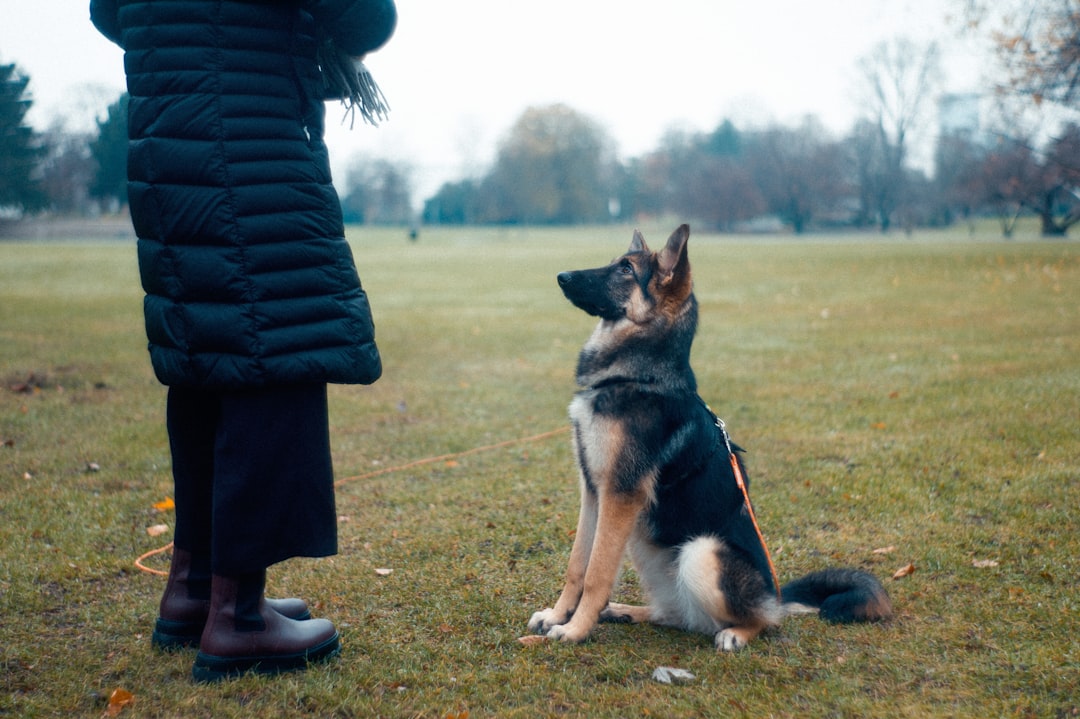
No matter what breed your dog is, training plays a huge role in how much language they understand. Regular, positive reinforcement is the key. When you consistently associate a word with an action or object (like “sit” with sitting), most dogs will eventually catch on. Some breeds may need more repetition or motivation, but patience pays off. Training doesn’t just help your dog learn commands; it also strengthens the bond between you. Many owners find that training sessions become a fun game, helping both dog and human communicate better every day.
Dogs Respond to More Than Just Words

It’s not just words that dogs pick up on. Dogs are masters at reading our body language, gestures, and even our routines. For example, if you always feed your dog after you pour your morning coffee, your dog will start watching for that signal. Some dogs even seem to “read minds,” anticipating what you’ll do next based on tiny cues. This goes to show that communication is a two-way street. While we might try to teach our dogs words, they’re constantly teaching us to be better, more attentive communicators, too.
Why Understanding Language Makes Dogs Amazing Companions
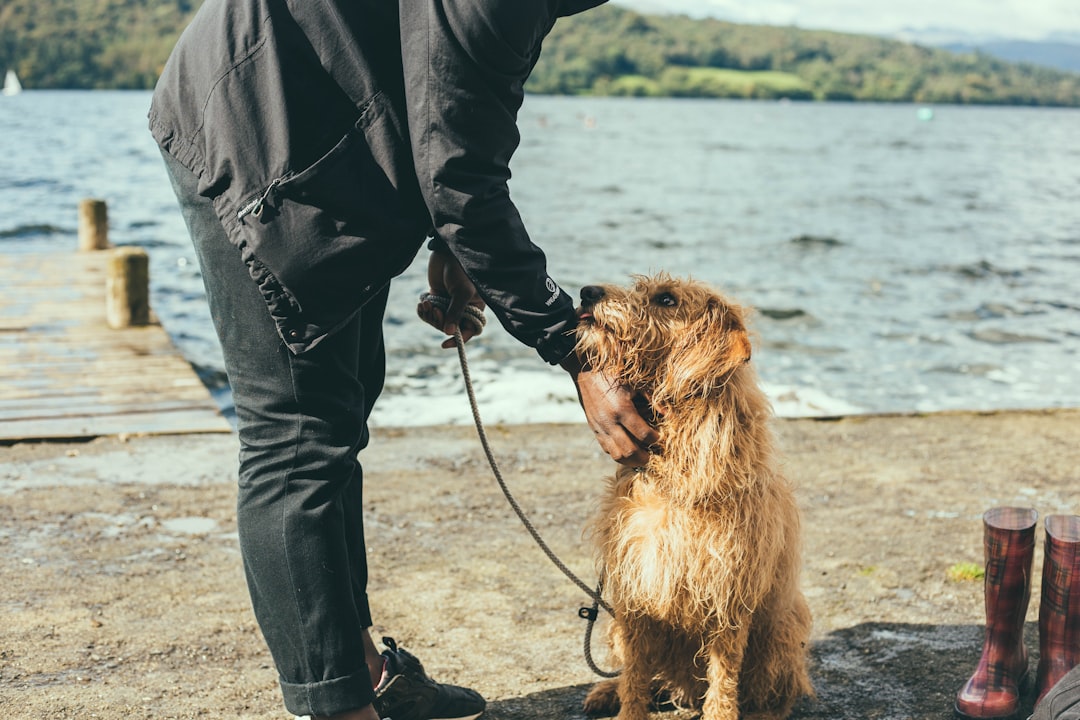
The ability of dogs to pick up human language is just one of the many reasons they make such wonderful companions. Whether your pup knows three words or three hundred, the fact that they try to understand us at all is heartwarming. It’s a testament to the unique bond between humans and dogs—a relationship built on trust, patience, and a whole lot of love. Next time your dog cocks their head at you, remember: they’re not just being cute. They’re trying to connect with you in the most incredible way.


