
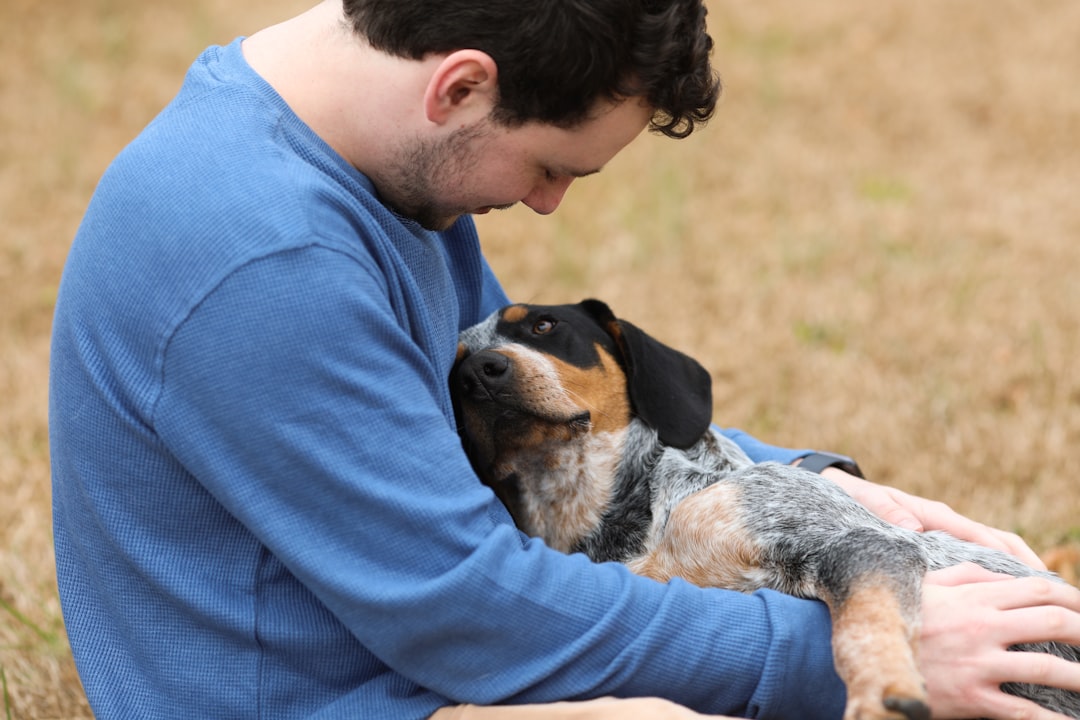
Have you ever watched your dog do something hilariously odd and wondered, “Where in the world did that come from?” From the way they spin before lying down to the classic head tilt, our canine companions are full of quirky behaviors that never fail to make us smile. The heartwarming truth is, many of these actions are actually instincts passed down from their wild ancestors, like wolves and wild dogs. These built-in habits are not just cute—they’re ancient! Let’s dig into ten of the most adorable dog behaviors that have their roots deep in the wild, and see just how much “wolf” still lives in our best friends.
1. Spinning in Circles Before Lying Down

Have you noticed your dog spinning around and around before finally plopping down for a nap? This funny little dance actually dates back thousands of years. Wild dogs spun in circles to trample grass and foliage, creating a comfortable, safe spot to sleep. It also helped them check for pesky snakes or insects hiding in the grass. Today, our dogs may have plush beds and cozy couches, but the instinct to “prep” their sleeping area remains strong. It’s like watching someone fluff their pillows before bed—a comforting, inherited ritual that makes them feel at home.
2. Digging at Blankets or the Ground
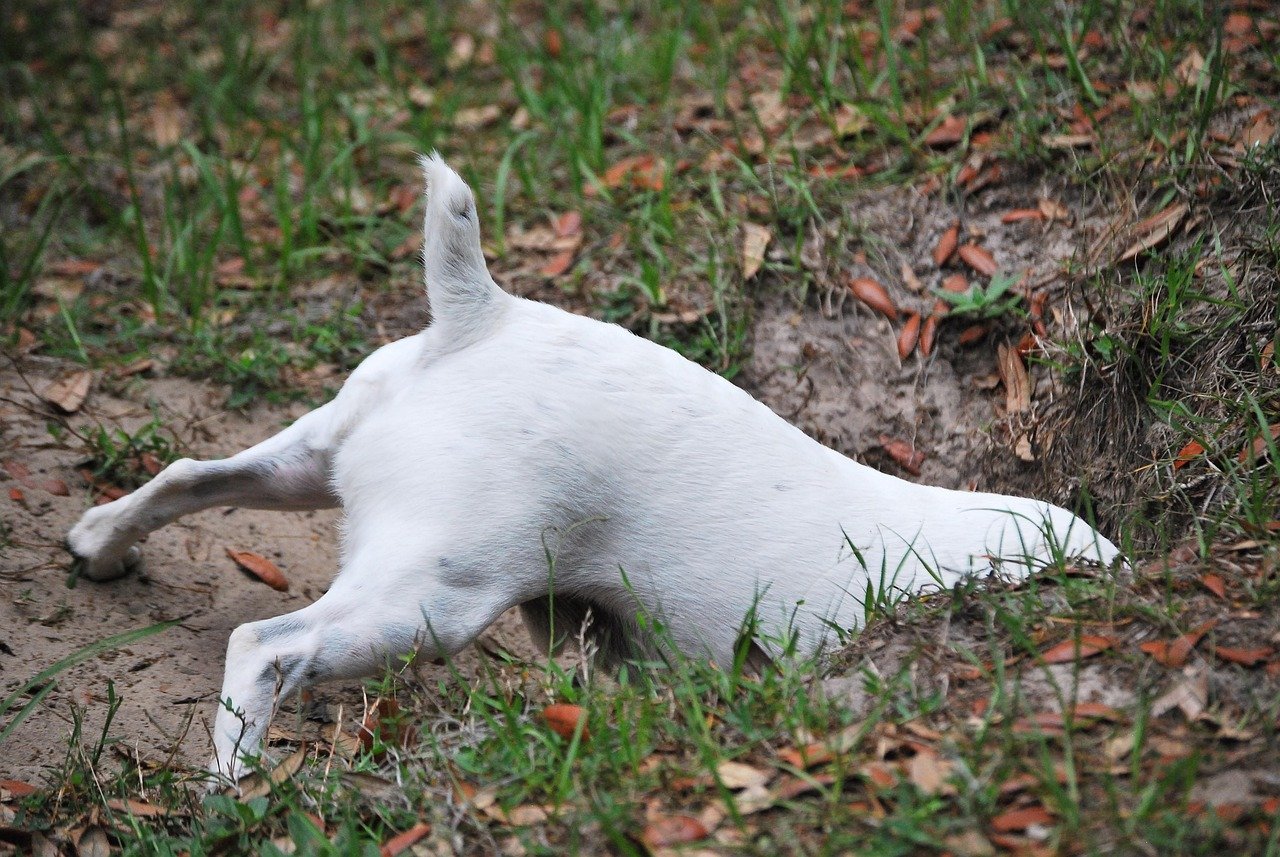
Ever caught your pup scratching at the sofa or burrowing under blankets? Digging is a natural instinct, and wild dogs did it to create cool or warm places to rest, depending on the weather. They would also dig to hide food or protect themselves from predators. For our domestic pals, it’s less about survival and more about comfort or play, but the urge is the same. Sometimes, it just looks like they’re “redecorating” your living room, but really, they’re channeling their inner wild dog.
3. The Classic Head Tilt
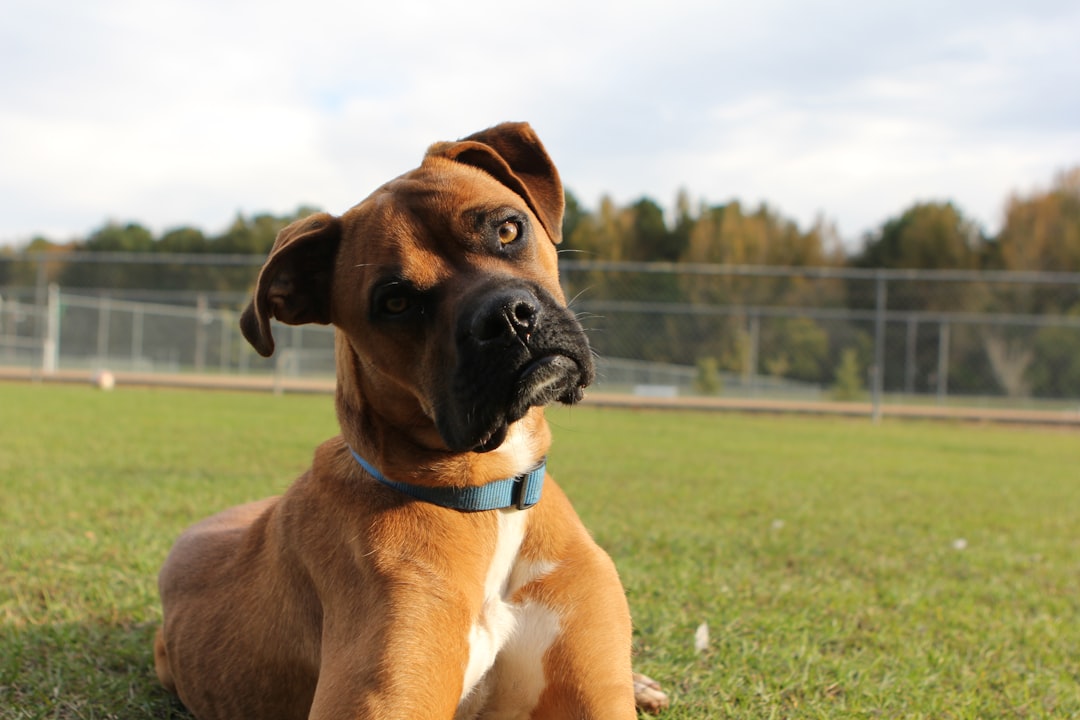
Few things melt a dog lover’s heart faster than that legendary head tilt—when your dog looks at you, ears perked, and tips its head to one side. This adorable gesture is thought to be a way for dogs to better locate the source of a sound, just as their ancestors did when listening for prey or danger in the wild. It also helps them see our faces more clearly, especially when we talk or make funny noises. So, the next time your pup tilts its head, know that it’s a combination of curiosity, instinct, and a dash of wild wisdom.
4. Howling at Sirens or Music
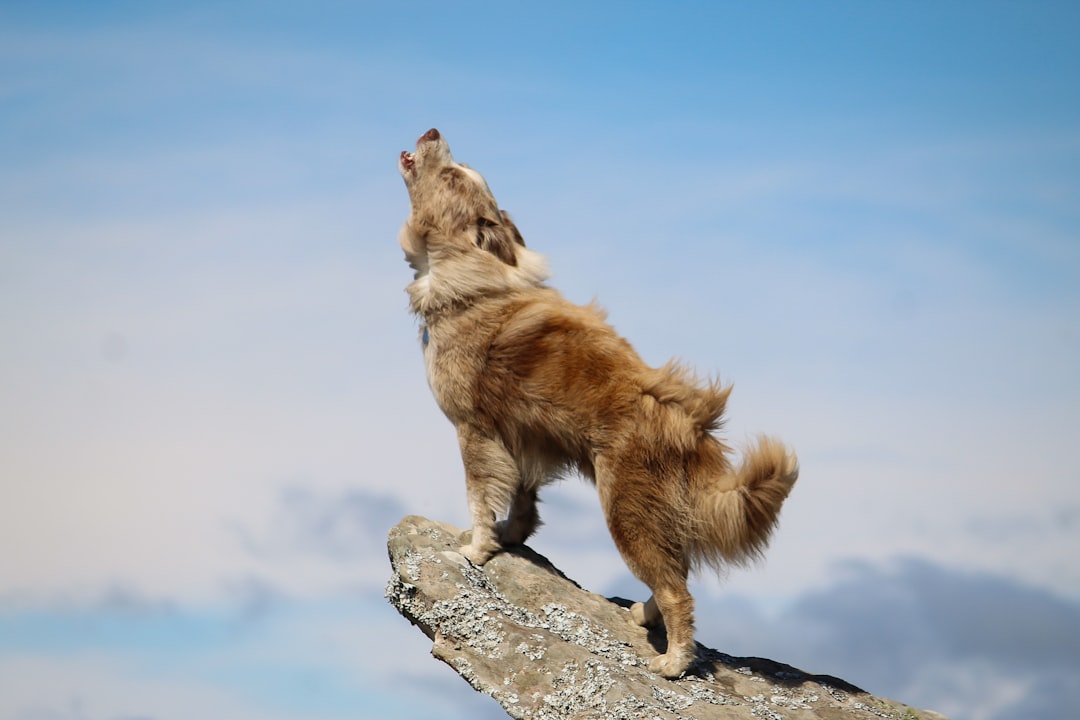
Does your dog join in with a passing fire truck or howl along with your favorite song? Howling is one of the most ancient canine behaviors, a direct link to their wolf ancestors. Wild dogs and wolves howl to communicate with their pack over long distances, to mark territory, or to signal their location. When your dog howls at sirens, it’s their way of responding to what they think is another “dog” calling out. While it might be loud, it’s actually a sign of their deep-rooted need to connect.
5. Leaning Against You
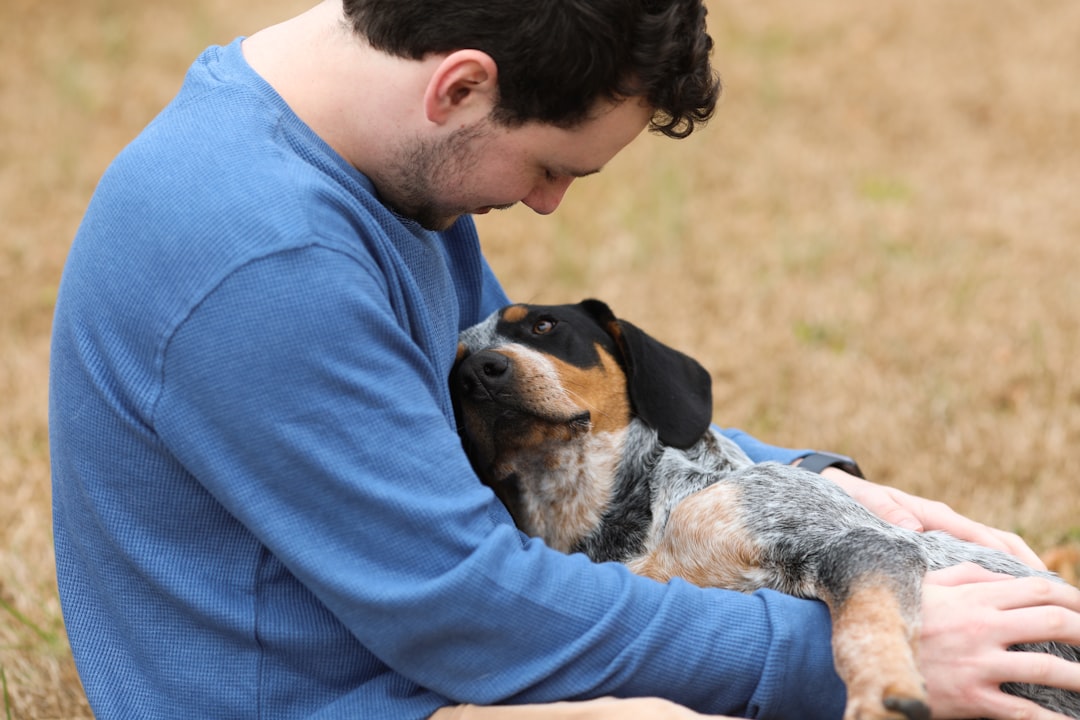
That warm, fuzzy feeling when your dog leans their whole body weight against you? It’s more than just seeking affection—it’s an instinctive behavior rooted in pack life. Wild dogs often snuggled or pressed up against each other for warmth and safety, building strong social bonds. When your dog leans on you, they’re saying, “You’re part of my pack.” It’s a gesture of trust, love, and a little leftover wild dog comfort.
6. Carrying Objects in Their Mouth
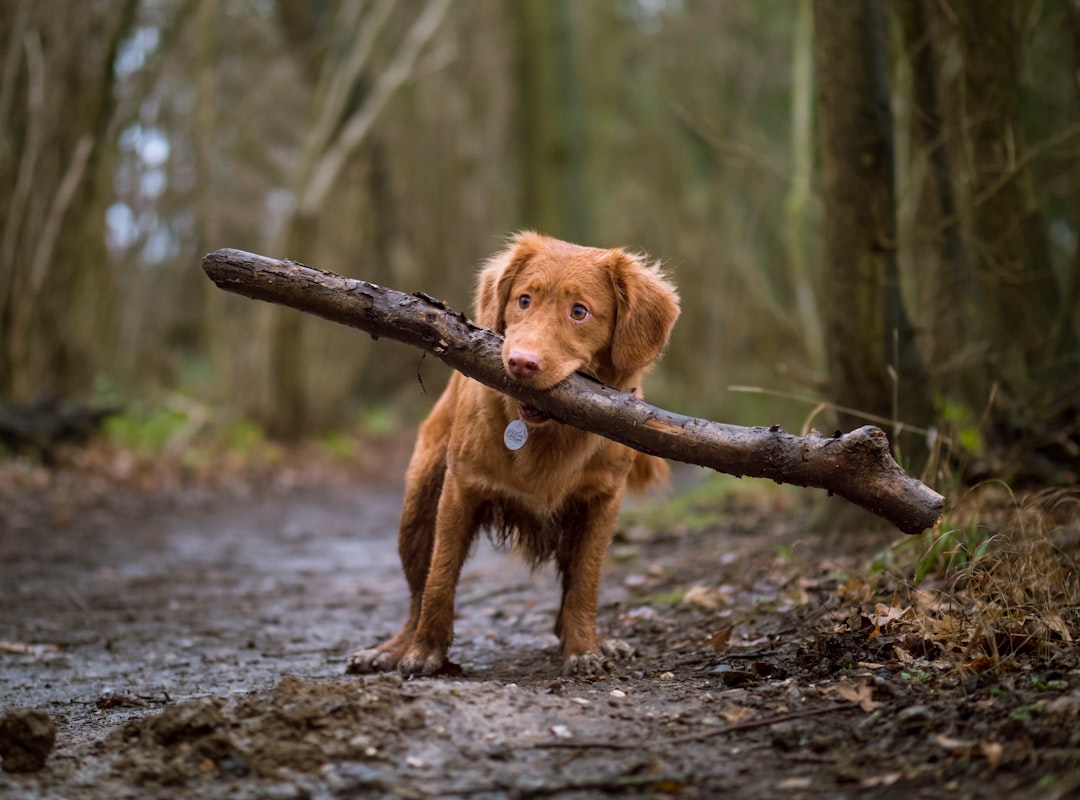
Dogs love to carry shoes, toys, or even sticks around the house. This behavior is inherited from their ancestors who had to transport food, pups, or important “finds” back to their den. Carrying objects also helped them practice their hunting and retrieving skills. Today, it’s often just for fun, or maybe to show off a new “treasure.” So, when your pup proudly parades around with your sock, they’re tapping into their ancient roots, even if it’s less about survival and more about play.
7. Sniffing Everything in Sight
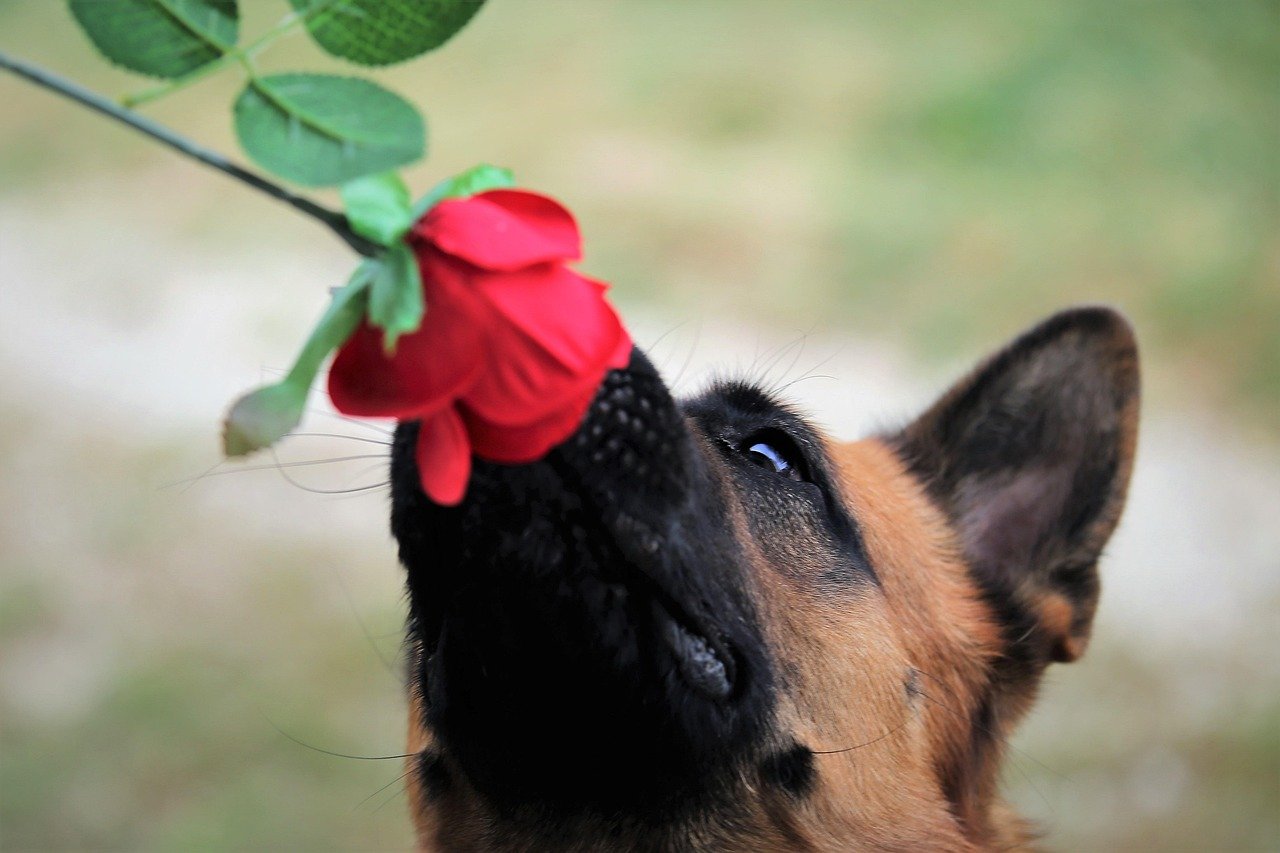
Watching a dog on a walk often looks like a nose-led adventure. Their wild ancestors relied heavily on their sense of smell to track prey, find food, and sense danger. Modern dogs have up to 300 million scent receptors in their noses—compared to our mere 6 million! So, sniffing every lamppost or patch of grass is their way of gathering “news” from the neighborhood, much like wild dogs would read the “scent bulletin board” of the forest or plains.
8. Sleeping Curled Up in a Ball
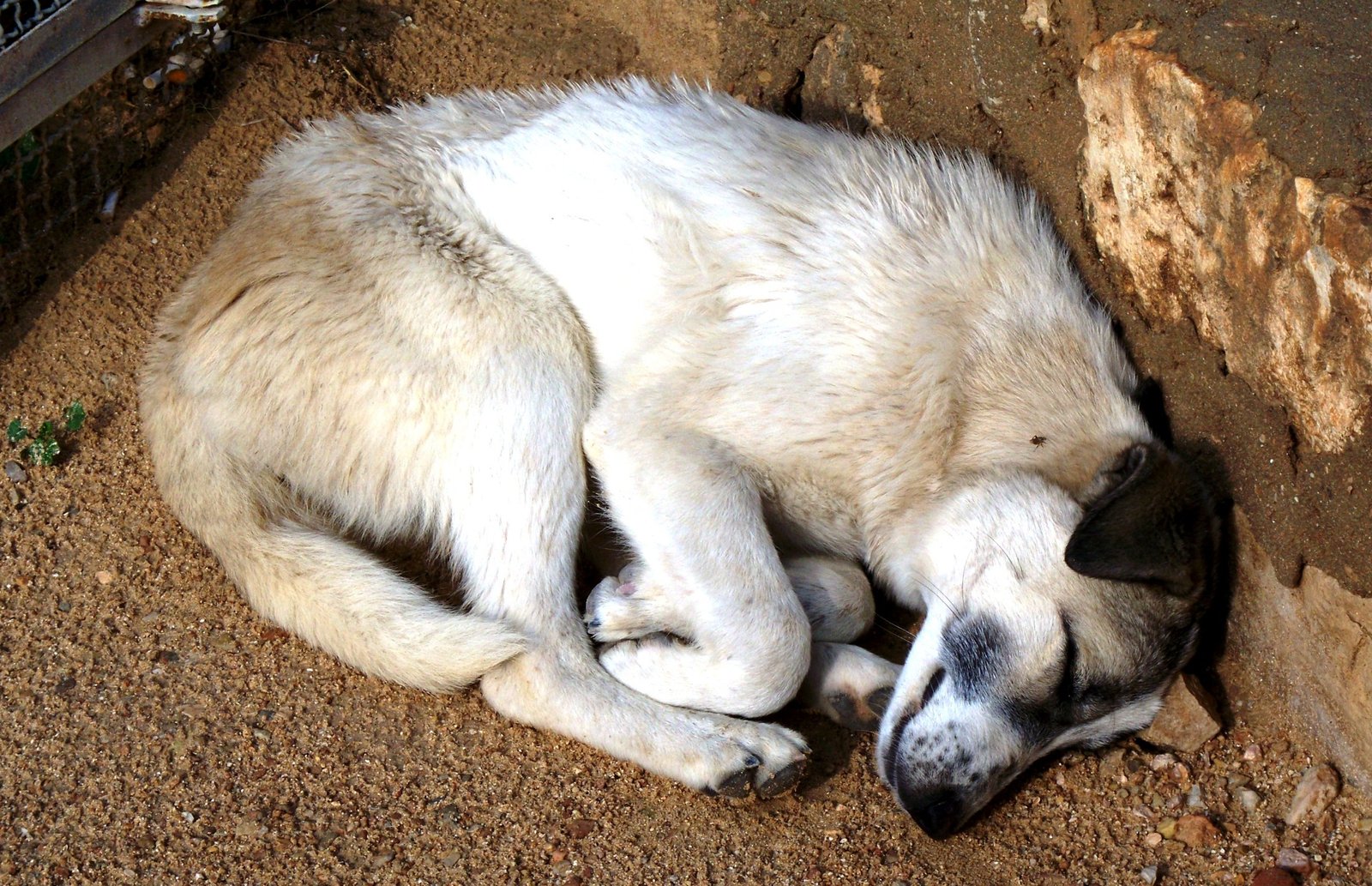
Does your dog curl up tightly when they sleep, nose to tail? This position is a classic throwback to wild dog survival. Curling up conserves body heat, protects vital organs, and keeps them safe from cold winds or predators. Even with central heating and soft dog beds, many pups still prefer this ancient sleeping style. It’s a gentle reminder of their not-so-distant wild past.
9. Barking at Strangers or Unusual Sounds
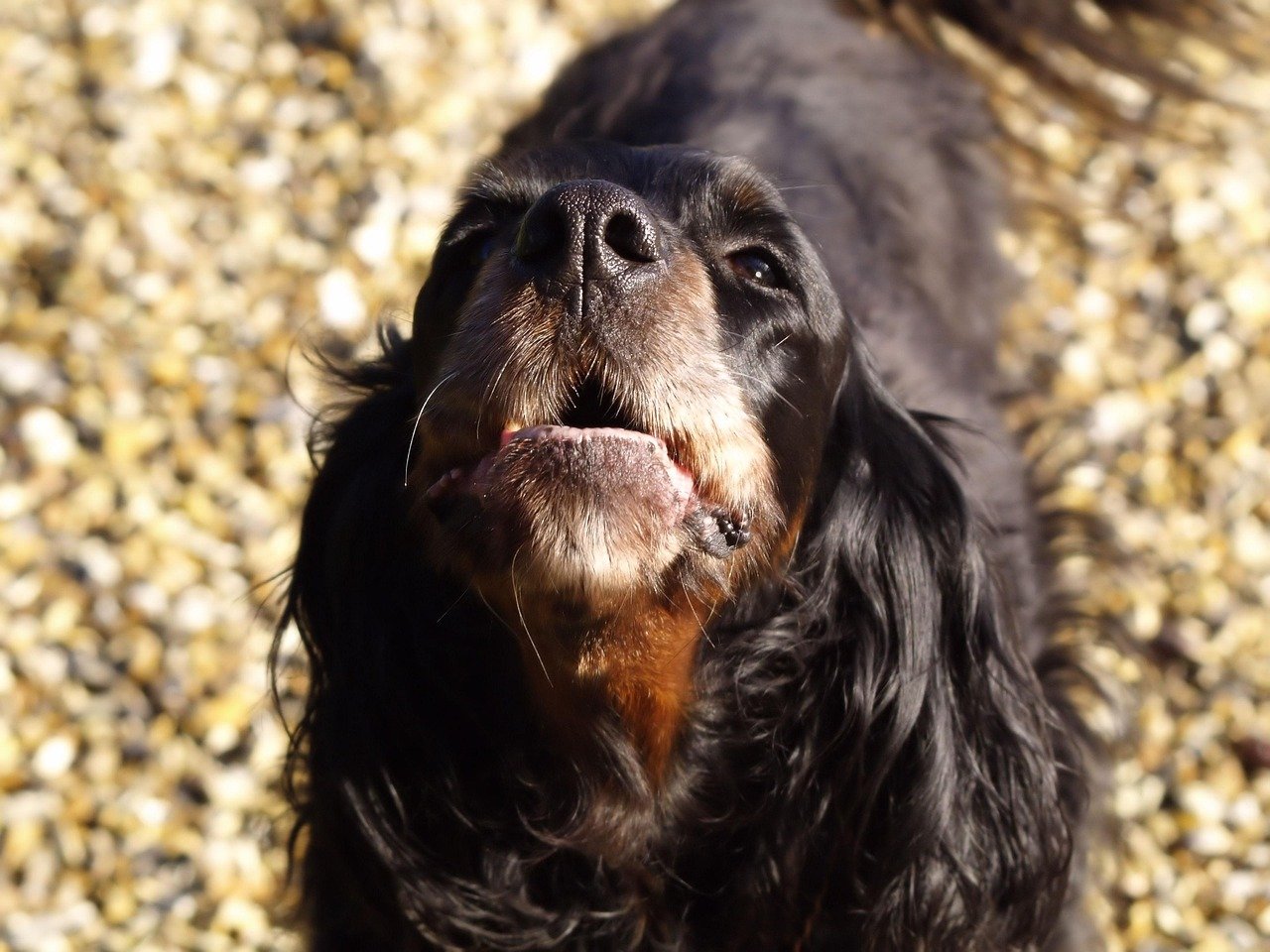
A sudden bark when the mail carrier arrives or a mysterious noise outside is more than just a quirky habit. In the wild, alerting the pack to potential danger was essential. Barking served as both a warning and a way to ward off intruders. Today, your dog might just be protecting their “territory” (aka your home) or letting you know something’s different. It’s their instinctual job as guardian, passed down from generations of vigilant ancestors.
10. Chasing Moving Objects
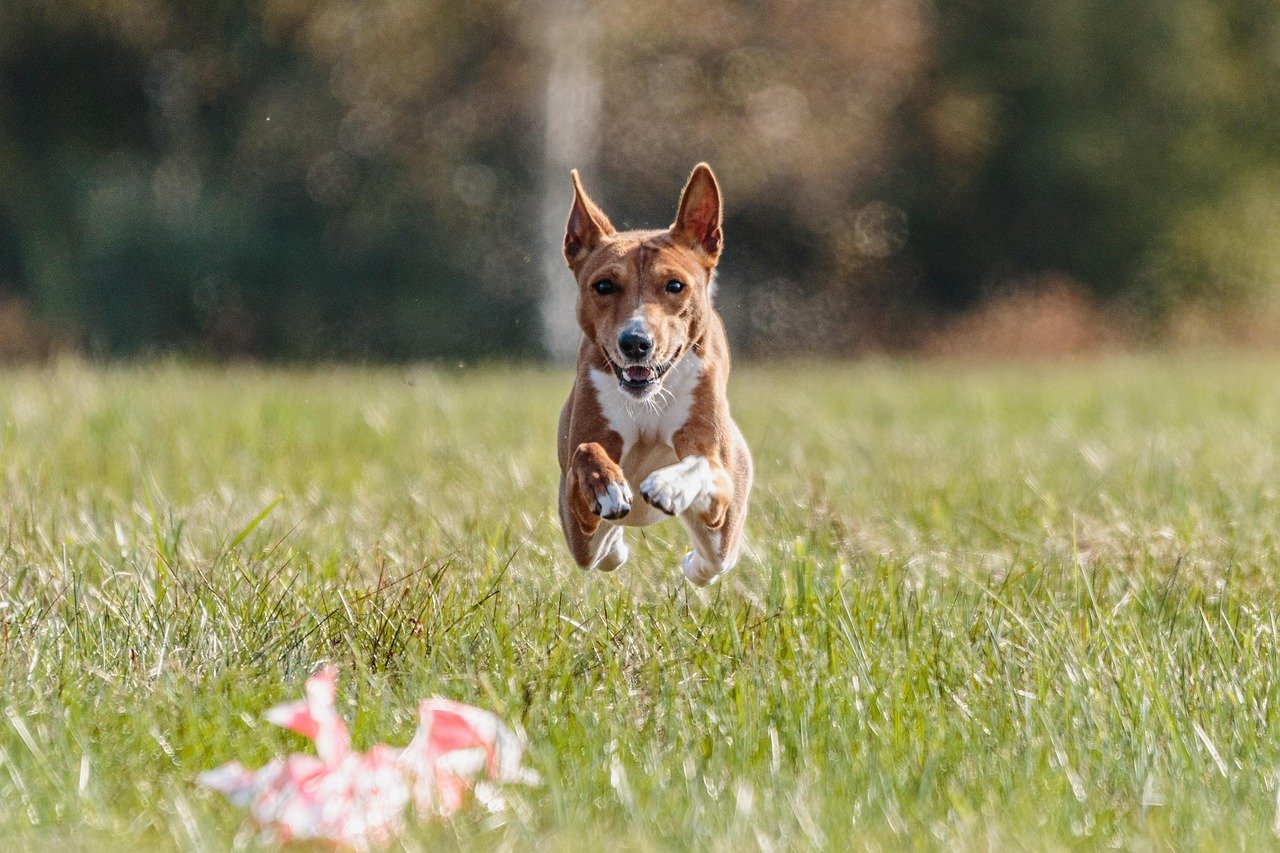
Few things get a dog more excited than a squirrel dashing across the yard or a ball flying through the air. The urge to chase is baked into their DNA, a survival instinct from their hunting ancestors. Wild dogs relied on chasing prey for food, and this drive remains strong, even in the most pampered pooch. Whether it’s the neighbor’s cat or a thrown stick, that thrill of the chase is a joyful echo from their wild roots.


