
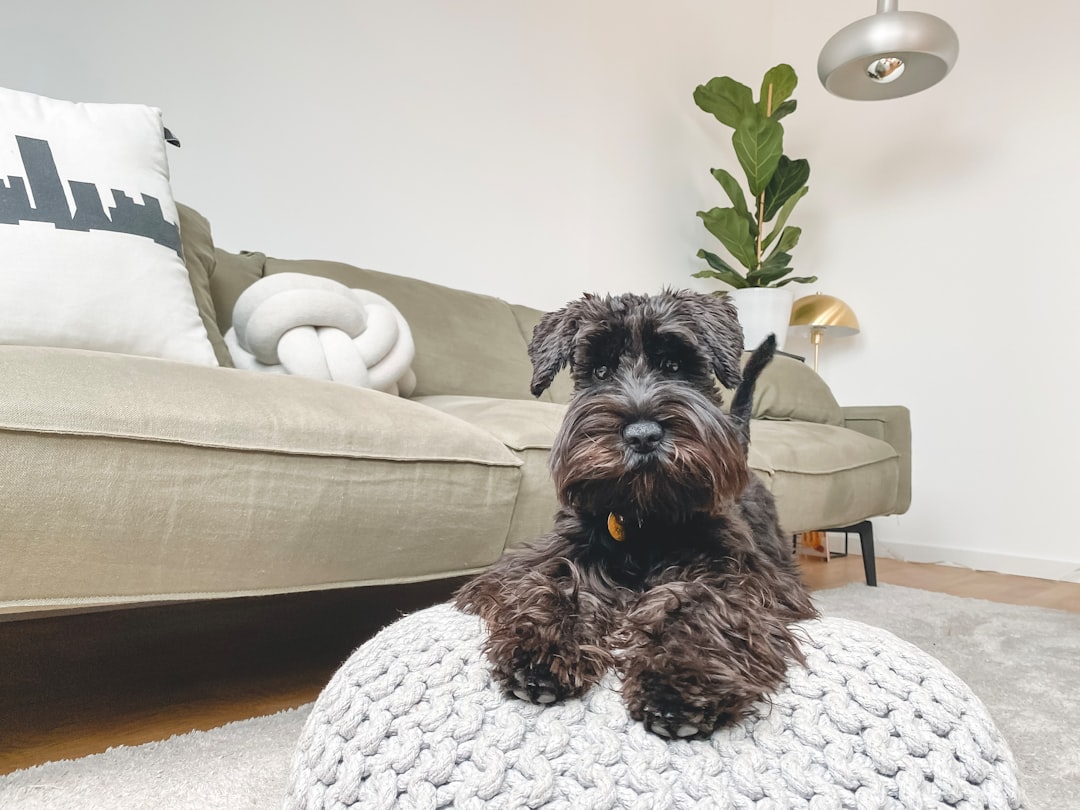
Have you ever wondered why your tiny pup seems to have a mind of its own? Small dog breeds may look sweet and innocent, but they can be some of the most stubborn and challenging companions to train. It’s no secret that countless dog lovers have found themselves at their wits’ end, laughing, crying, or even both, as they try to teach their little furry friends good manners. If you’ve ever felt like your Chihuahua, Dachshund, or Yorkie runs the household instead of you, you’re definitely not alone. Let’s take a deep breath and dive into the surprising—and sometimes hilarious—world of small dog training challenges, along with practical ways to transform those struggles into triumphs.
Stubbornness and Independence
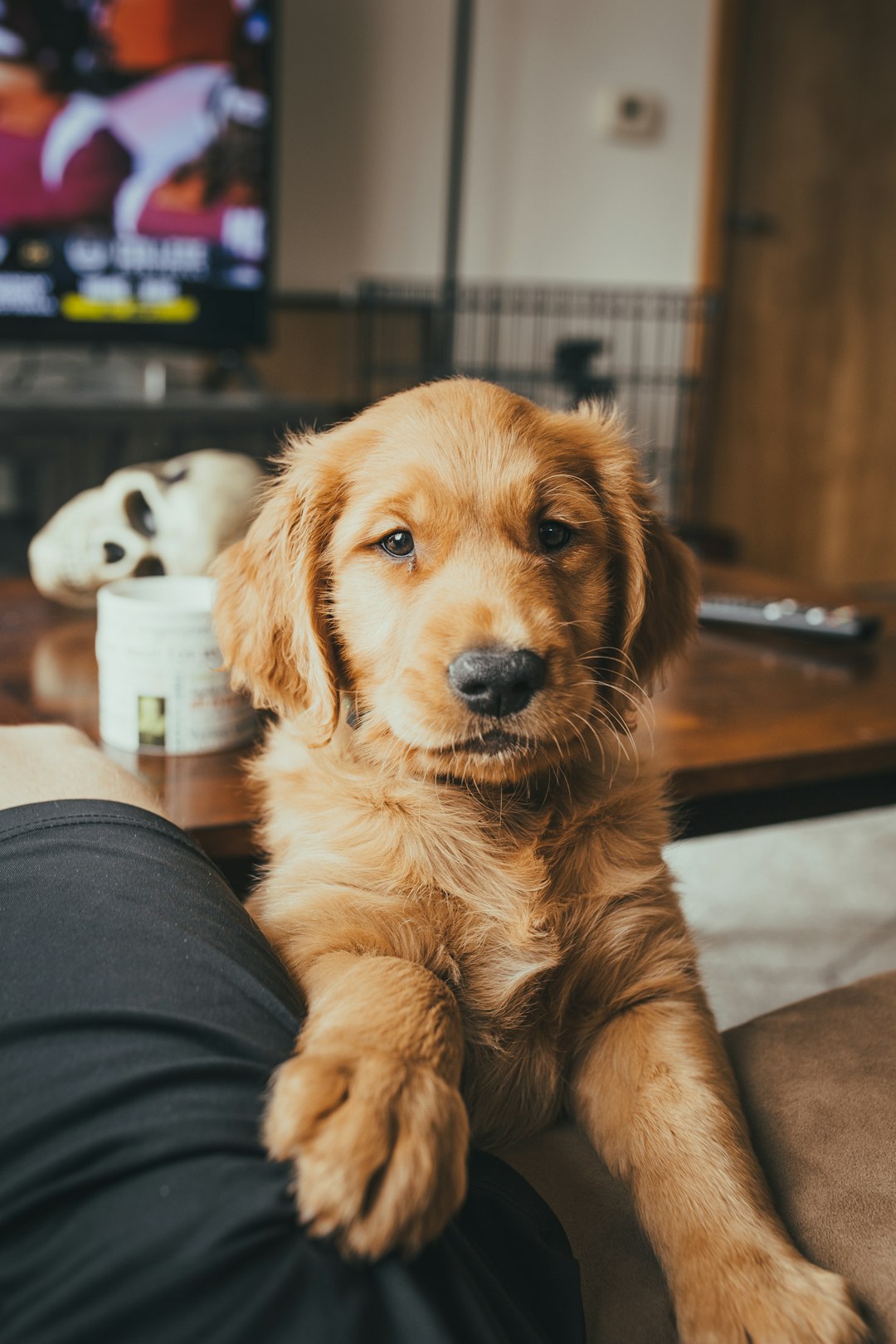
Small dog breeds are notorious for their independent streaks. Despite their size, breeds like Terriers and Pomeranians often want to make their own decisions, not follow your rules. This stubbornness can make basic obedience training feel impossible at times. You might find your pup ignoring commands or simply walking away in the middle of a lesson. It’s as if they’re saying, “I’m in charge here!” To overcome this, consistency is key. Short, positive sessions every day work better than long, drawn-out training marathons. Use high-value treats and lots of praise to motivate your little rebel. Remember, patience wins the day—think of training as a marathon, not a sprint.
Barking and Vocalization
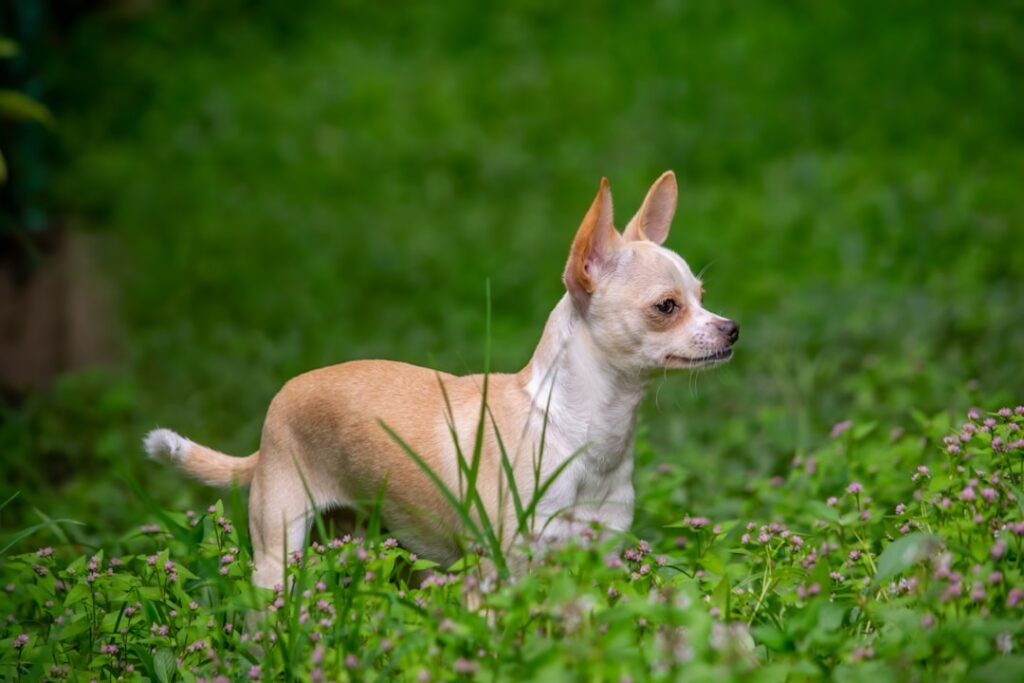
Small dogs often have big voices. Barking comes naturally, whether they’re excited, scared, or just bored. Sometimes, it feels like every little sound outside sets them off. This excessive barking can be frustrating for owners and neighbors alike. The trick is to redirect their energy. Teach a “quiet” command and reward them the second they stop barking. Giving your dog more mental and physical stimulation throughout the day can also help curb those noisy outbursts. Puzzle toys, regular walks, and playtime help keep your pup’s mind busy and their mouth a little quieter.
Housebreaking Difficulties
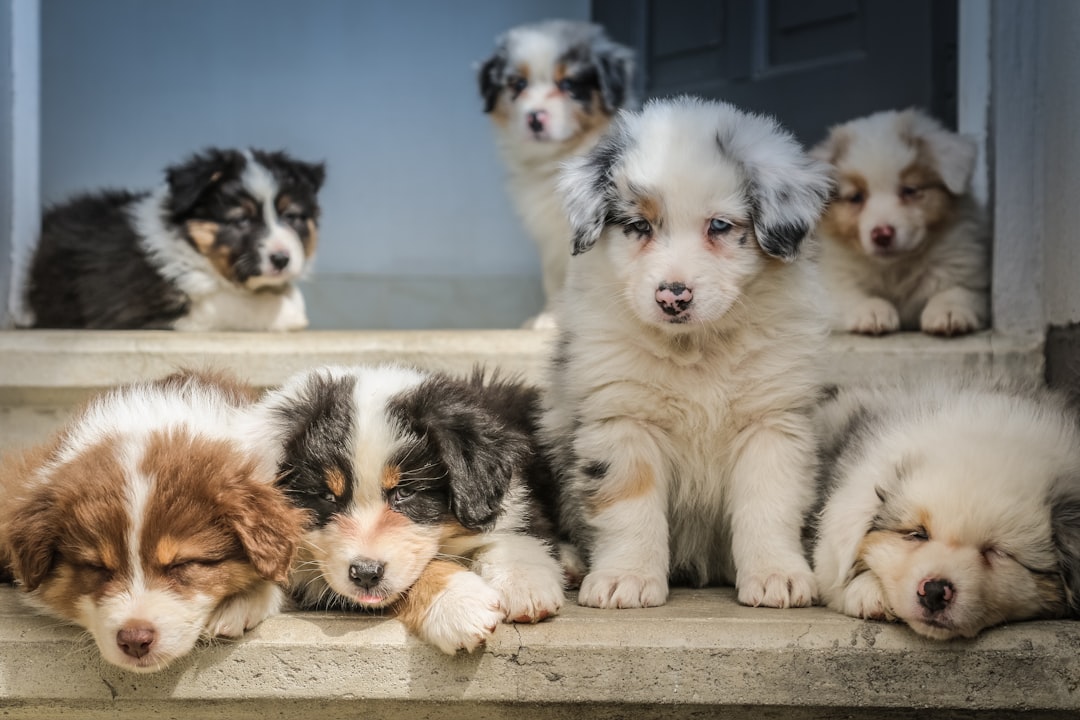
Potty training small breeds can be a surprisingly tough challenge. Their tiny bladders mean they need to go more often, and accidents happen quickly. Many owners feel defeated when their dog seems to “forget” all their training overnight. The secret is a strict schedule. Take your pup out first thing in the morning, after meals, and before bedtime. Praise and reward every successful potty trip outside. Crate training can also be a lifesaver, as dogs instinctively avoid soiling their sleeping area. And above all, remember—accidents are part of the process, so keep calm and carry on.
Overprotectiveness and Reactivity
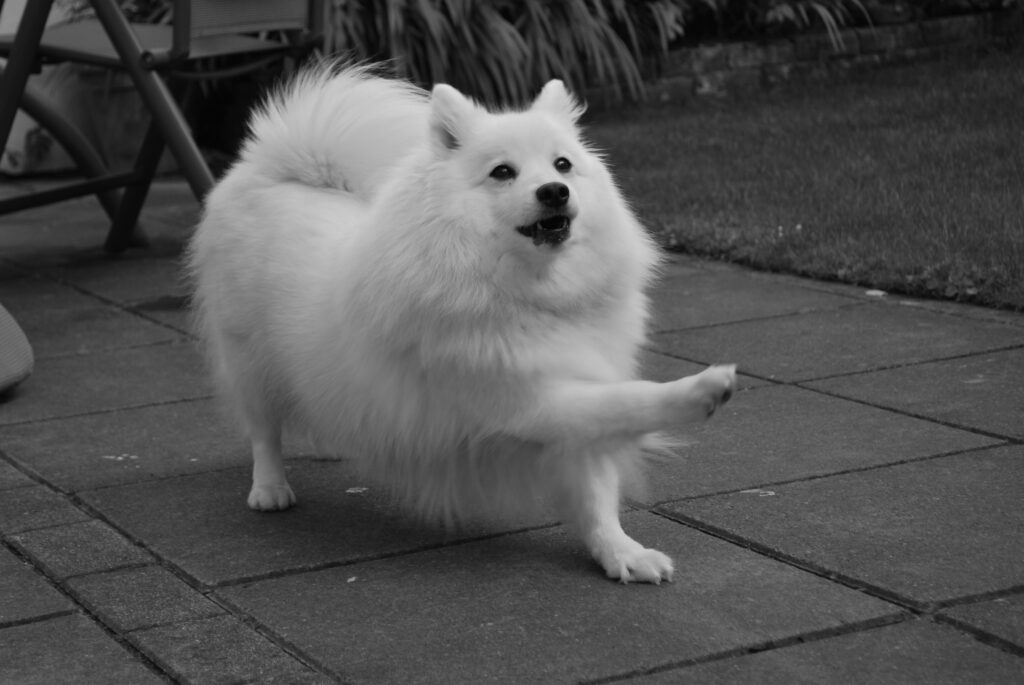
Small dogs often feel the need to protect themselves or their loved ones, leading to reactive behaviors. You might notice your dog barking or lunging at other dogs, strangers, or even passing vehicles. This “big dog in a small body” attitude can make walks stressful. The best way to tackle this is through socialization. Gradually introduce your dog to different people, environments, and experiences, always at their own pace. Use treats and praise to create positive associations. Training a reliable “look at me” command can redirect your dog’s focus and keep them calm in challenging situations.
Jumping Up on People
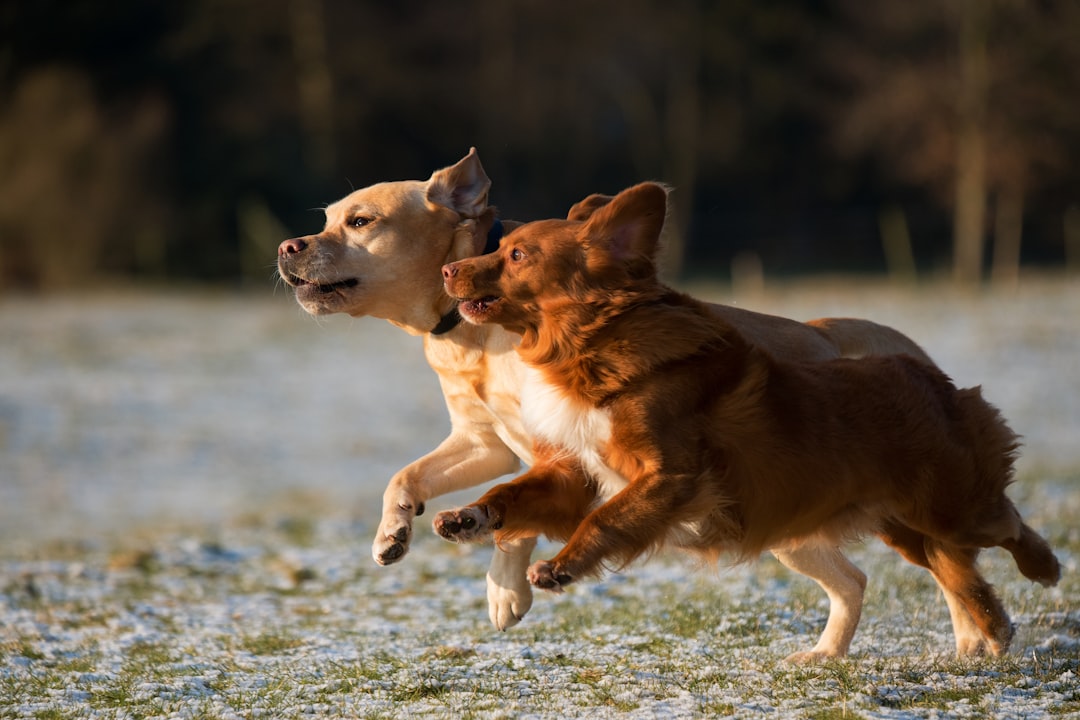
Who can resist a tiny dog jumping up to say hello? Unfortunately, what starts as cute can quickly become problematic, especially when guests visit. Small dogs often jump to get attention, but this can be overwhelming or even dangerous for children and elderly visitors. The solution lies in teaching your dog an alternative greeting, like sitting politely for attention. Ignore jumping—no eye contact, touching, or talking—until your pup has all four paws on the ground. As soon as they sit, shower them with praise and affection. Consistency from everyone in the household is crucial for success.
Selective Hearing
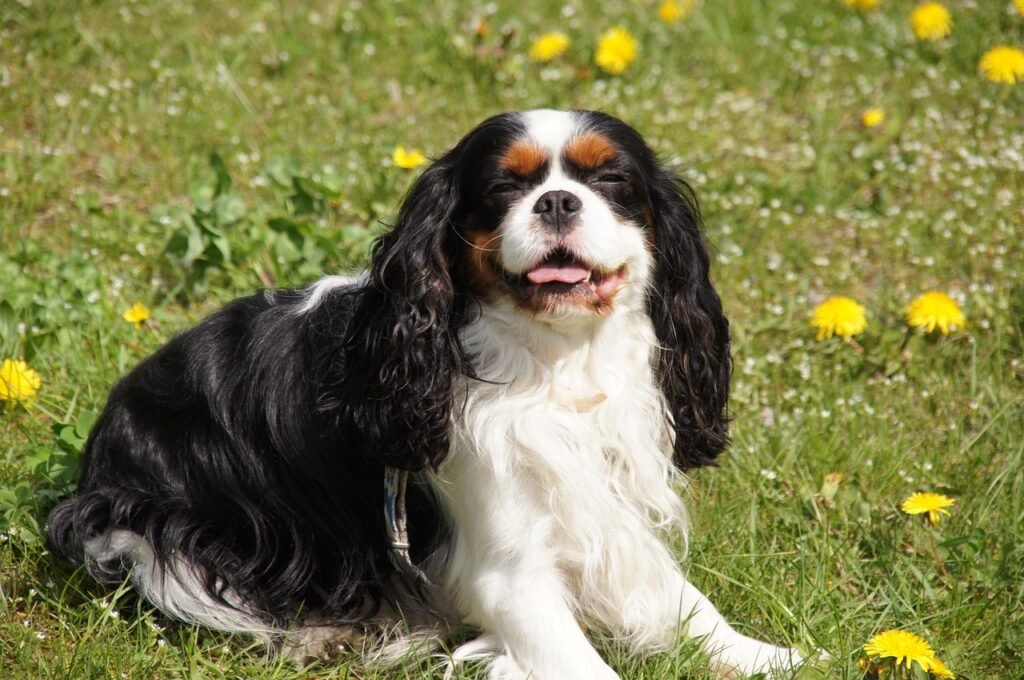
Many small dog owners joke that their pets have “selective hearing.” Your dog might respond instantly to the rustle of a treat bag but ignore you when you call them inside. This isn’t just a coincidence—many small breeds are easily distracted or choose to listen only when it suits them. Training recall, or “come when called,” is essential. Start in a quiet, distraction-free environment and use tasty treats. Gradually add distractions as your dog improves. Never punish your dog for coming to you, even if they took their sweet time—make coming to you the best thing ever, every single time.
Resource Guarding
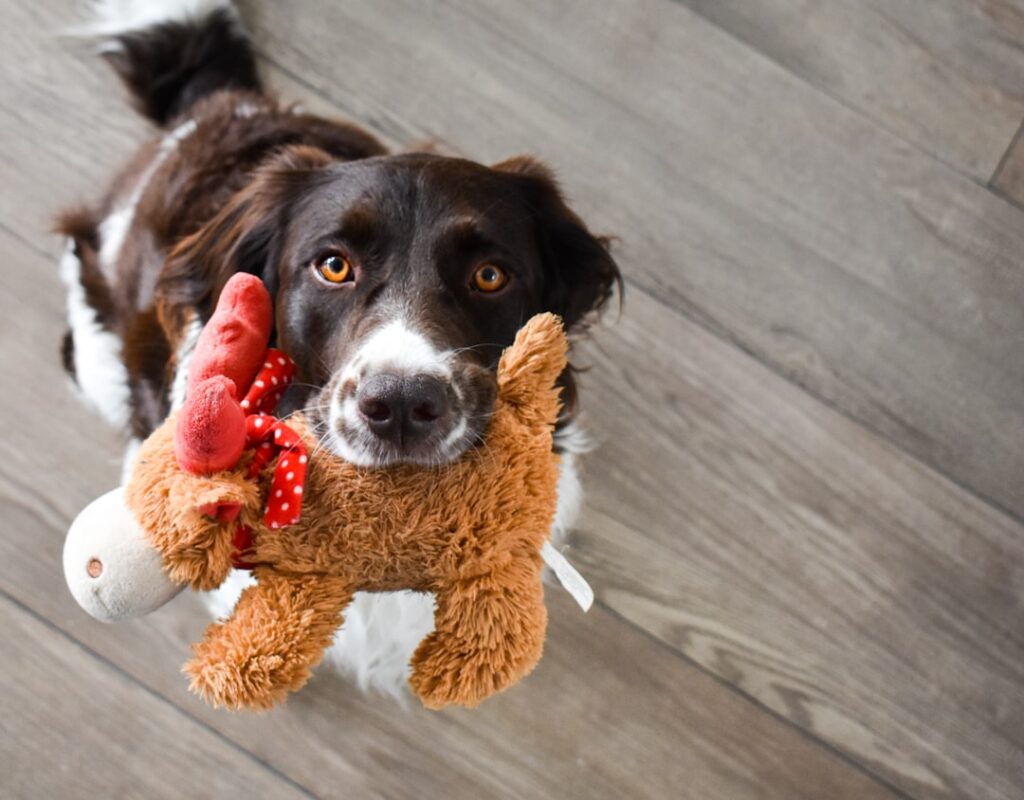
Small dogs sometimes develop a strong attachment to their food, toys, or even a favorite spot on the couch. This resource guarding can lead to growling or snapping if someone approaches their prized possession. It can be alarming, but it’s a behavior that can be managed. Begin by teaching your dog that people approaching means good things happen—like extra treats or playtime. Practice gentle “trade” games, offering something even better than what they’re guarding. Never punish or yell, as this can make guarding worse. Slow, positive progress is the goal.
Poor Leash Manners
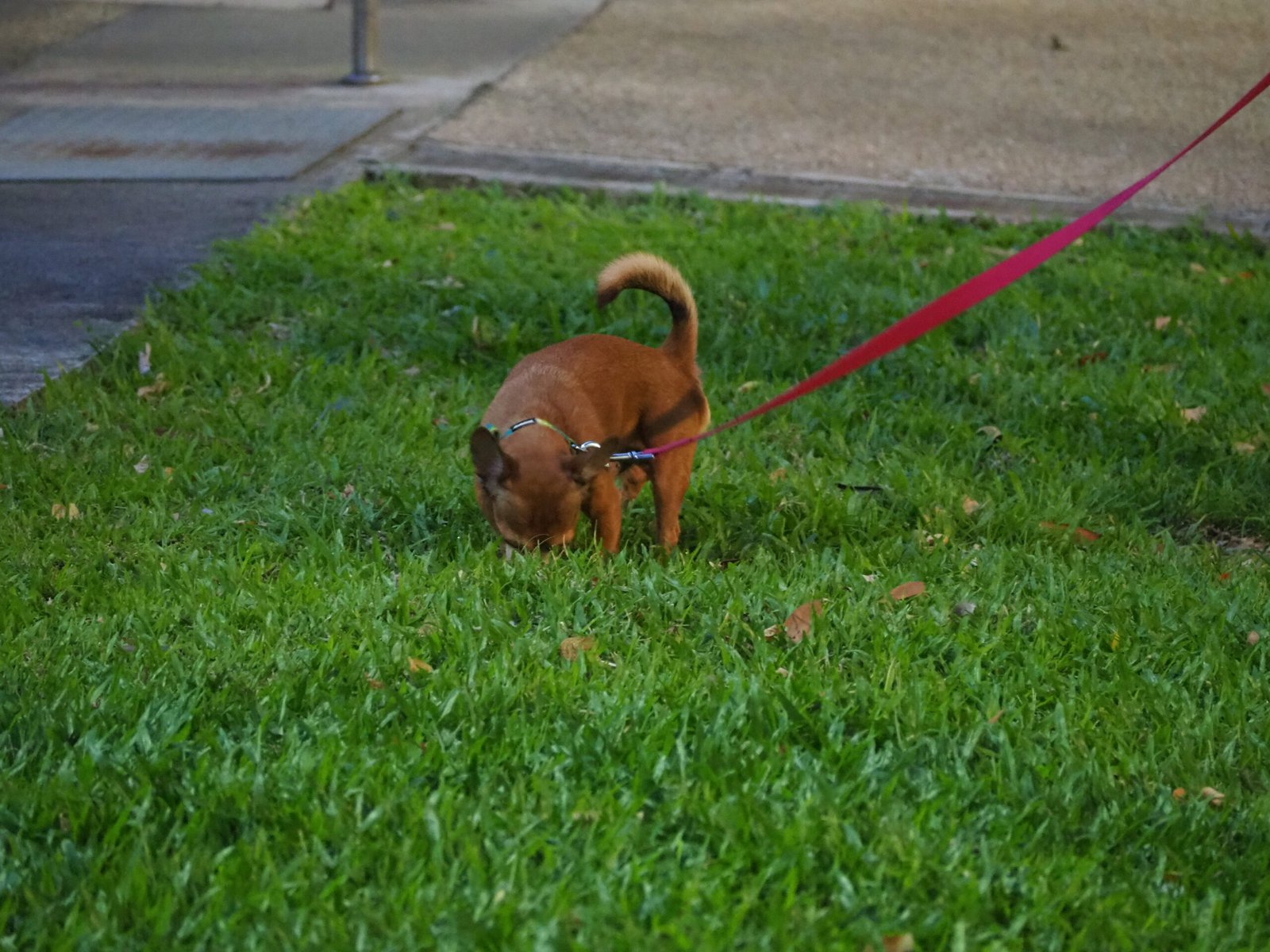
Despite their size, small dogs can be surprisingly strong on a leash, pulling, zigzagging, or even refusing to walk. Some owners find themselves being dragged by a determined little pup or carrying them altogether. To encourage good leash behavior, use a harness designed for small breeds to prevent neck injuries. Practice walking in quiet areas with minimal distractions. Reward your dog for walking beside you and stopping when you do. If your dog pulls, simply stop walking and wait for them to check in with you before moving forward. Patience and practice make perfect.
Separation Anxiety

Small dogs are known for forming intense bonds with their owners, sometimes leading to separation anxiety. Signs include whining, barking, destructive behavior, or even accidents when left alone. This can be heartbreaking for both you and your pup. To ease separation anxiety, start by leaving your dog alone for short periods and gradually increase the time. Give them a special treat or toy that only appears when you’re gone. Keep departures and arrivals low-key to avoid creating extra excitement. If your dog’s anxiety is severe, consulting a professional trainer or veterinarian can make a world of difference.
Underestimating Their Intelligence
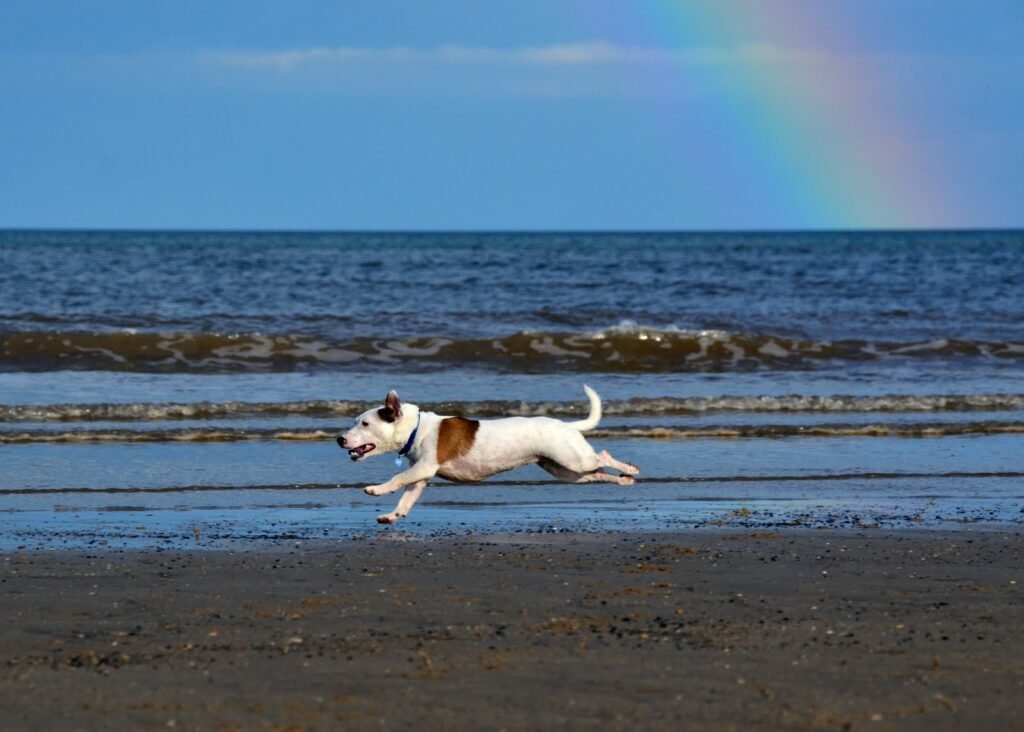
It’s easy to think of small dogs as lap pets, but many are as smart and energetic as their larger counterparts. When they don’t get enough mental stimulation, boredom can lead to mischief, from chewing shoes to escaping through the tiniest gaps. Challenge your dog with puzzle toys, basic obedience, and even trick training. Set aside time each day for short training sessions that keep their brains and bodies active. Remember, a tired dog is a well-behaved dog. When you tap into your little dog’s intelligence, you’ll be amazed at what they can achieve.


