
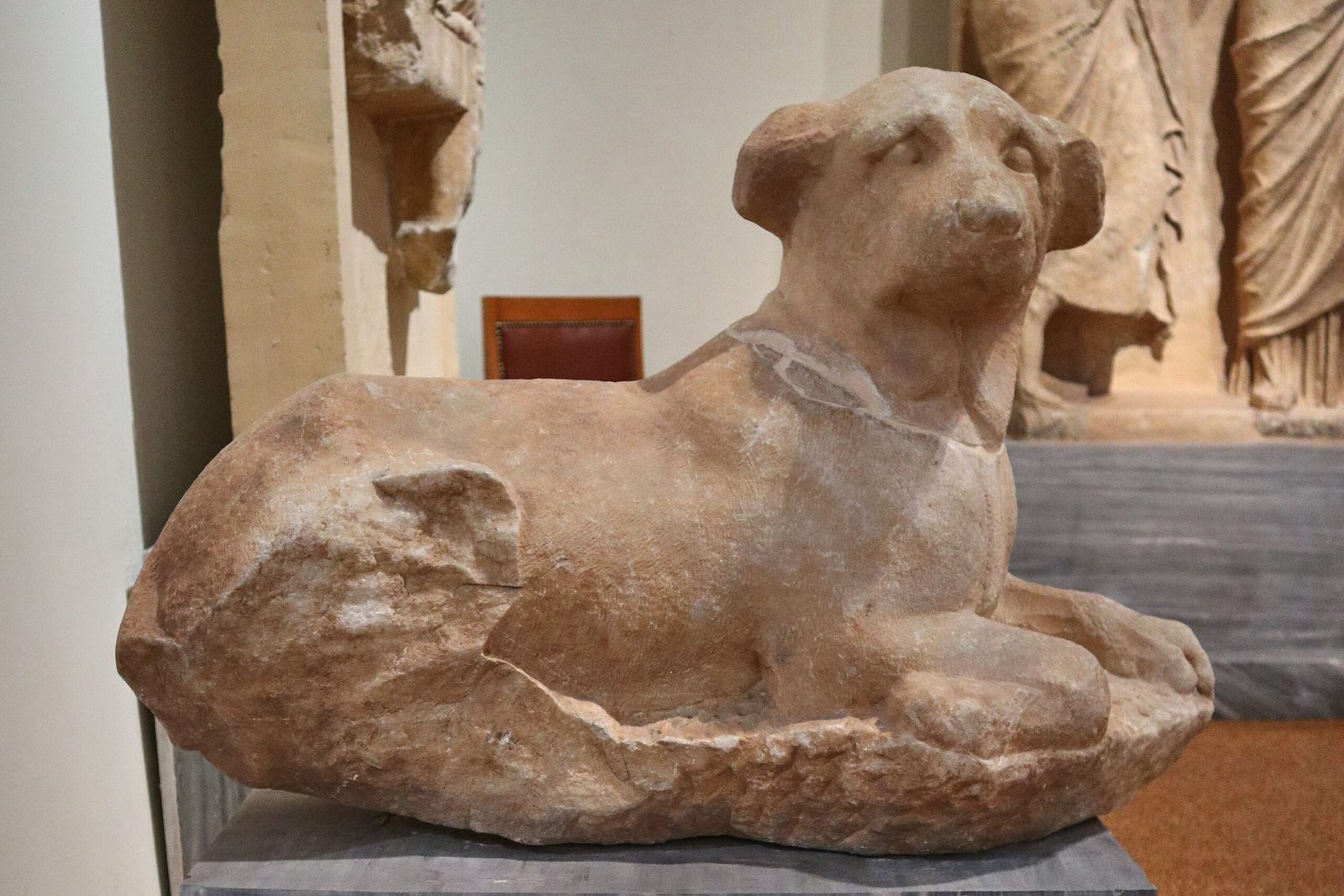
Have you ever wondered why dogs are so deeply woven into the fabric of human history? From the icy tundras of ancient Siberia to the bustling streets of Rome, dogs have not only walked beside us—they’ve shaped our myths, guarded our spirits, and become symbols of loyalty, bravery, and even the afterlife. Their story is nothing short of astonishing. For dog lovers, understanding this rich tapestry can feel like uncovering a secret family legacy. Let’s journey back in time and explore how different ancient cultures cherished dogs, and what these beloved animals truly meant to our ancestors.
Dogs in Early Human Societies: From Partnership to Symbolism
Dogs have walked alongside humans for thousands of years — not just as loyal companions, but as powerful symbols woven into the myths, rituals, and daily lives of ancient civilizations. From the jackal-headed Anubis of ancient Egypt to the revered temple dogs of China and the guardians of the underworld in Greek mythology, canines held spiritual and cultural significance that went far beyond their roles as hunters or herders. In this exploration of dogs in ancient cultures, we’ll uncover how different societies viewed these remarkable animals — and what their symbolic meanings reveal about humanity’s deep, enduring bond with man’s best friend.
The bond between humans and dogs stretches back at least 15,000 years. Early humans didn’t just domesticate dogs for companionship. These animals were essential partners in hunting, protection, and even warmth during cold nights. Archaeological discoveries show that dogs were often buried alongside humans, sometimes with special care or grave goods, suggesting a respected place in society. In some burial sites, dogs were positioned as if guarding their owners, hinting at their symbolic role as protectors even in death. Over time, this close partnership inspired legends and stories, transforming dogs from simple helpers into powerful symbols of loyalty and guardianship across many ancient cultures. The evolution of this relationship is a testimony to the dog’s unique ability to capture the human heart.
Ancient Egypt: Guardians of the Afterlife
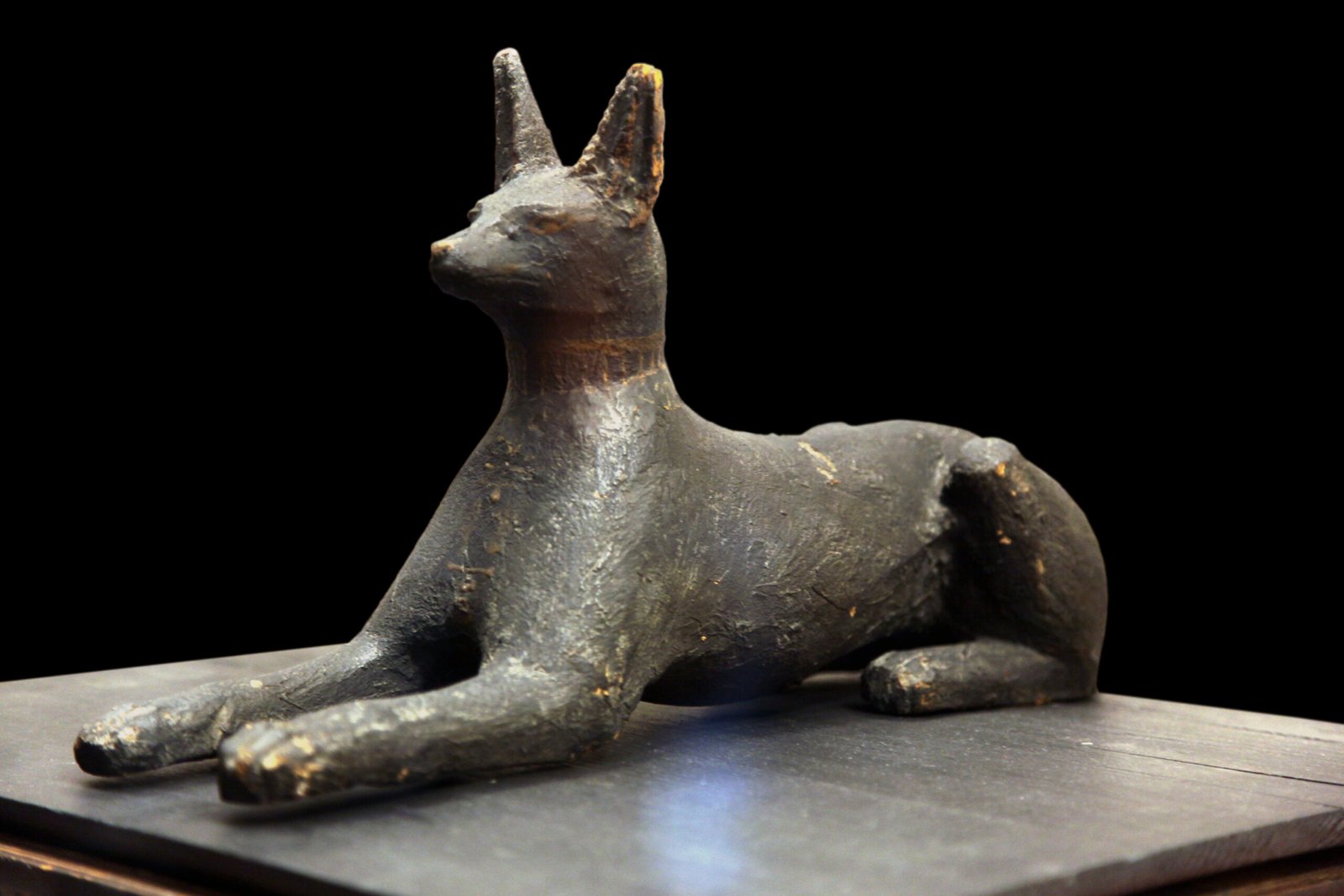
In ancient Egypt, dogs were revered not only as pets but as spiritual beings. The jackal-headed god Anubis, often depicted with the body of a man and the head of a dog or jackal, ruled over mummification and the afterlife. Egyptians believed that Anubis guided souls through the dangerous journey to the underworld, acting as a faithful guardian and judge. Families often kept dogs as both companions and protectors of the home, believing their presence could ward off evil spirits. Some dogs were even buried in their own tombs, complete with ornate collars or jewelry, highlighting the deep respect Egyptians had for their canine friends. The symbolic connection between dogs and the afterlife continues to fascinate dog lovers today.
Dogs in Ancient Greece: Symbols of Faithfulness and Healing
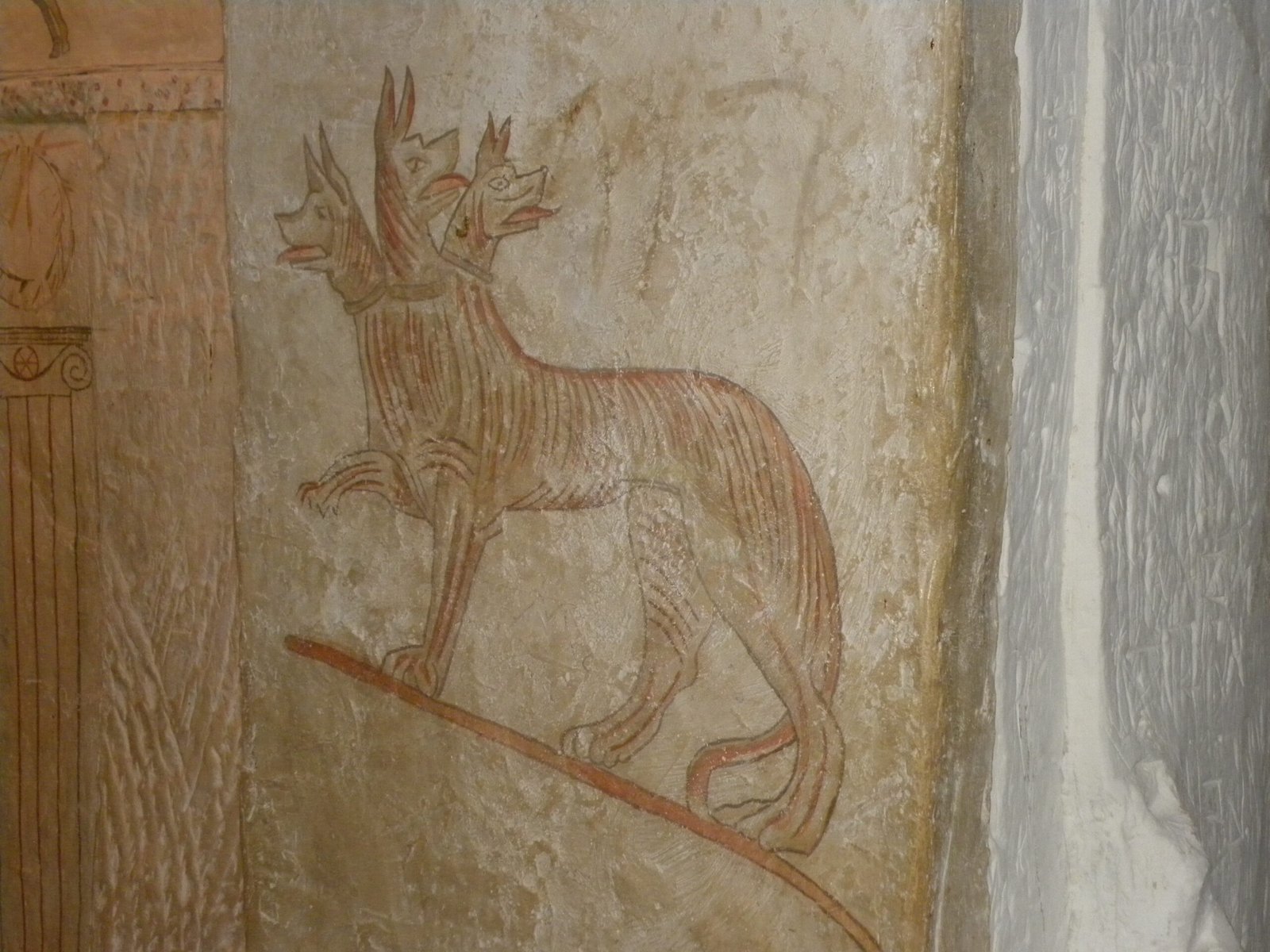
In Greece, dogs were closely associated with gods like Artemis, the goddess of the hunt, and Asclepius, the god of healing. Temples dedicated to Asclepius often housed dogs, who were believed to have healing powers. Sick people would sometimes lie down in these temples hoping that a sacred dog would lick their wounds, curing them. Greek mythology brimmed with stories of loyal dogs, such as Argos, the faithful hound of Odysseus, who waited decades for his master’s return. Dogs in Greek art and literature symbolize unwavering loyalty, watchfulness, and compassion. Their presence in healing rituals and heroic tales cemented their reputation as noble and trustworthy companions.
Dogs in Ancient Rome: Guardians, Hunters, and Status Symbols
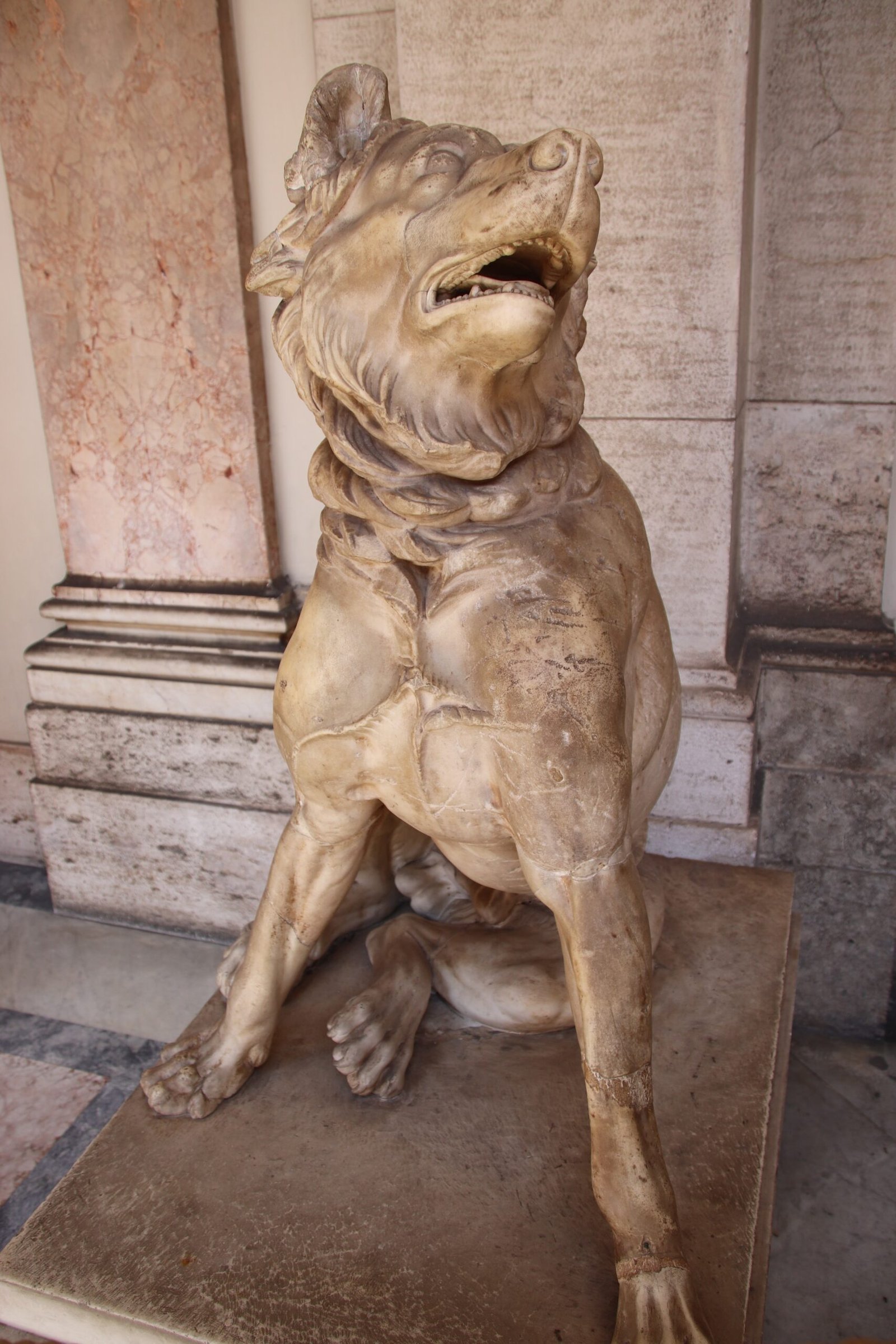
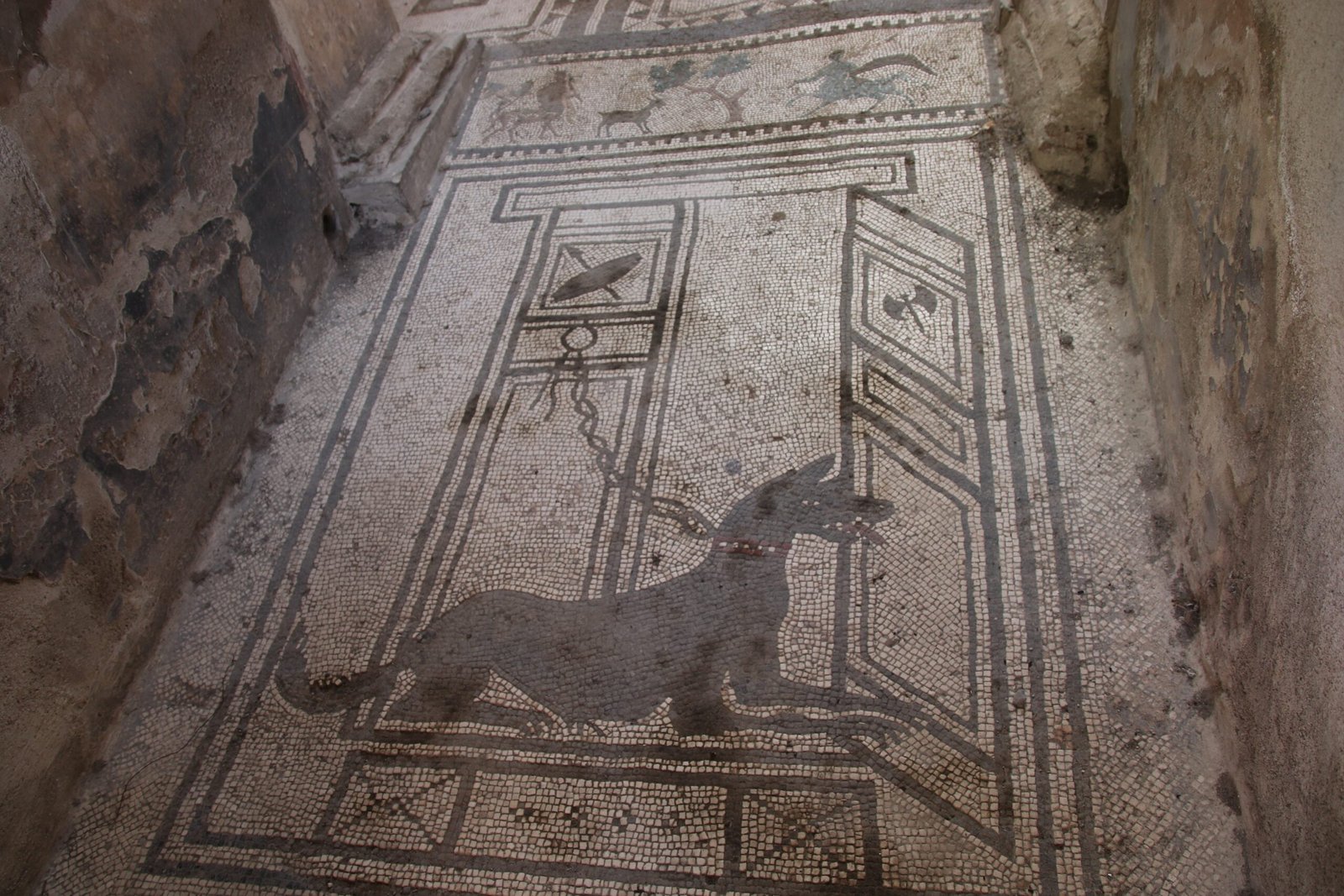
Romans embraced dogs as both practical workers and cherished companions. Wealthy Romans often kept dogs as status symbols, breeding them for size, beauty, or ferocity. Dogs guarded homes, patrolled estates, and accompanied hunters on expeditions. Roman mosaics and sculptures frequently depict dogs standing alert by their masters, underscoring their role as protectors. The phrase “Cave Canem” (Beware of Dog) was commonly inscribed at the entrances of Roman houses, a tradition that speaks to the dog’s reputation as a vigilant guardian. In Roman literature, dogs symbolize loyalty, courage, and the steadfastness of family ties—a sentiment that resonates even in the modern world.
Dogs in Mesopotamia: Divine Companions and Mythic Creatures
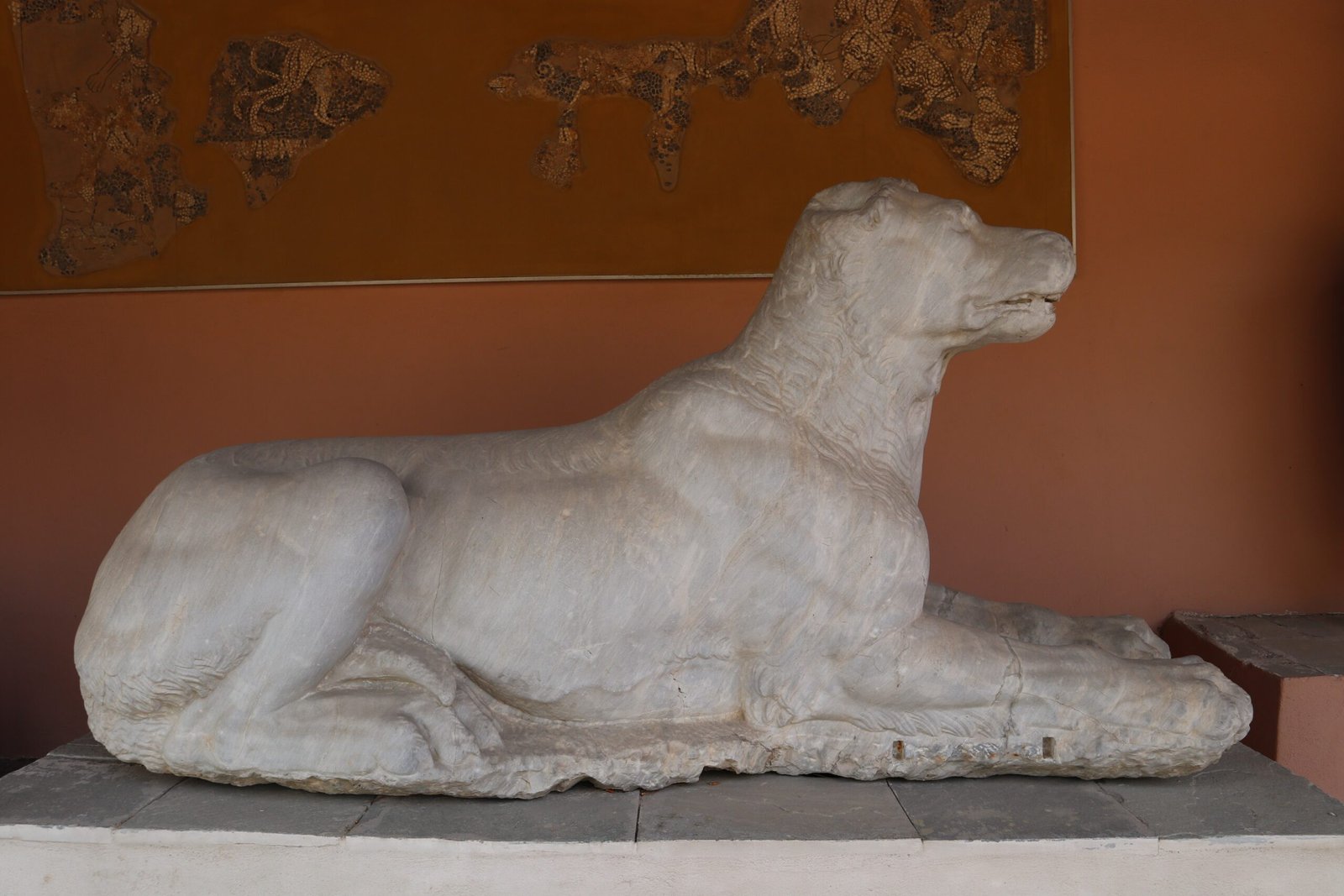
In the cradle of civilization, Mesopotamian cultures viewed dogs as both earthly helpers and divine messengers. The goddess Gula, associated with healing, was often depicted surrounded by dogs, which were thought to possess magical healing properties. In ancient texts, dogs appear as guardians at the gates of the underworld and as companions of gods and heroes. Clay figurines and carvings from this era show dogs in protective stances, reinforcing their symbolic role as loyal guardians. This belief in the mystical power of dogs was so strong that some households kept dog statues at their doors to ward off evil and invite good fortune.
Dogs in Ancient China: Symbols of Prosperity and Protection
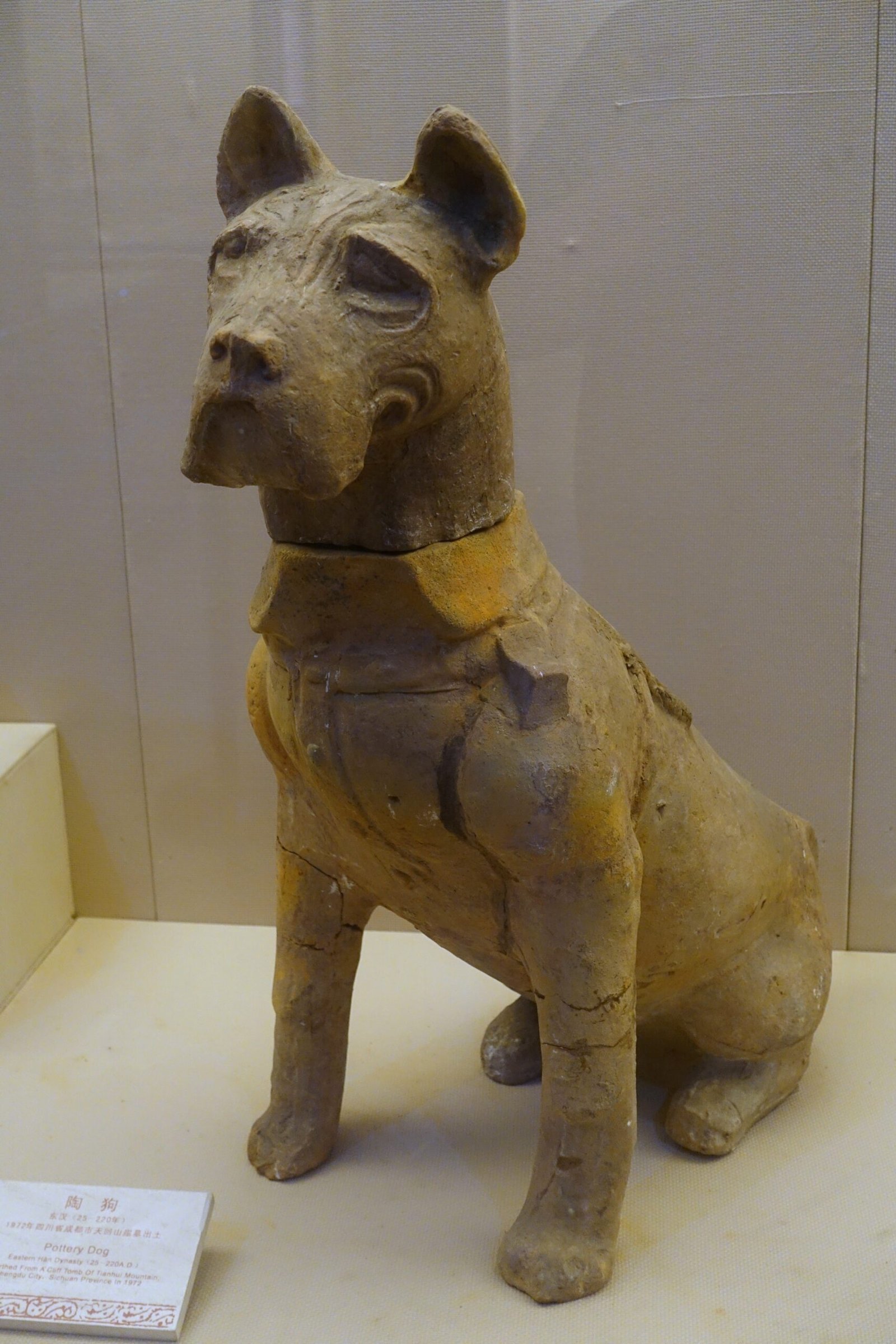
Dogs held a special place in ancient Chinese society, where they were celebrated for their loyalty and courage. Ancient Chinese myths tell of dogs who rescued lost children or guided travelers through dangerous landscapes. The dog is one of the twelve animals of the Chinese zodiac, symbolizing honesty, friendliness, and protection. In rural communities, dogs were often seen as protectors against evil spirits and thieves. Special ceremonies were held to honor dogs during important festivals, and some ancient texts mention dogs being offered as sacrifices to appease deities or ensure a good harvest. These traditions reflect the deep respect and gratitude ancient Chinese people felt for their four-legged companions.
Mesoamerican Cultures: Sacred Guides and Afterlife Companions
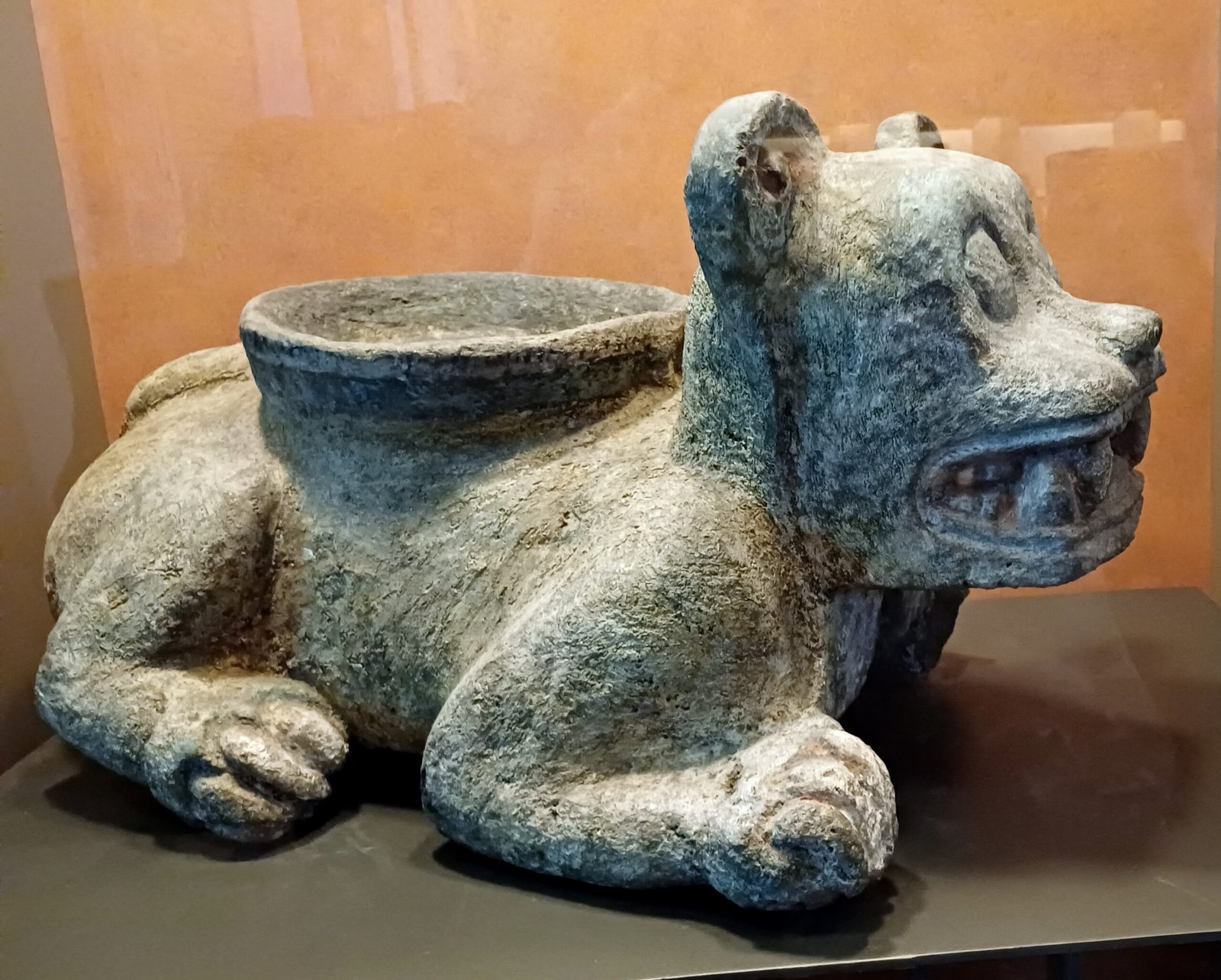
In ancient Mesoamerican societies, such as the Maya and Aztec civilizations, dogs played a sacred role in religious rituals. The Xoloitzcuintli, a hairless dog breed native to the region, was revered as a guide for souls journeying to the afterlife. According to belief, only with the help of a loyal dog could spirits safely cross the treacherous river to the land of the dead. Dogs were often buried with their owners to ensure safe passage, and their images appear in pottery, murals, and sculptures across ancient sites. This unique spiritual relationship shows how dogs were seen not just as earthly companions, but as essential guides in the journey beyond life.
Dogs in Ancient India: Symbols of Faith and Guardians of the Threshold
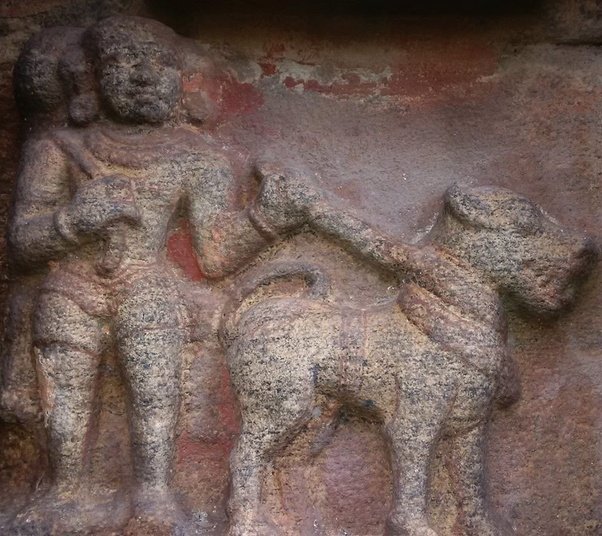
In ancient Indian culture, dogs were both respected and feared. Hindu mythology speaks of the four-eyed dog that guards the road to the afterlife, serving the god Yama, the ruler of death. Dogs are also seen as symbols of faithfulness and humility. In some regions, people believed that feeding stray dogs could bring good fortune, while harming them would invite misfortune. Dogs appear in sacred texts, poetry, and folklore as loyal companions to sages and heroes. The ancient festival of Kukur Tihar, still celebrated today in Nepal, honors dogs with garlands and treats, reflecting the enduring gratitude and love for these faithful animals.
The Enduring Legacy of Dogs in Ancient Symbolism
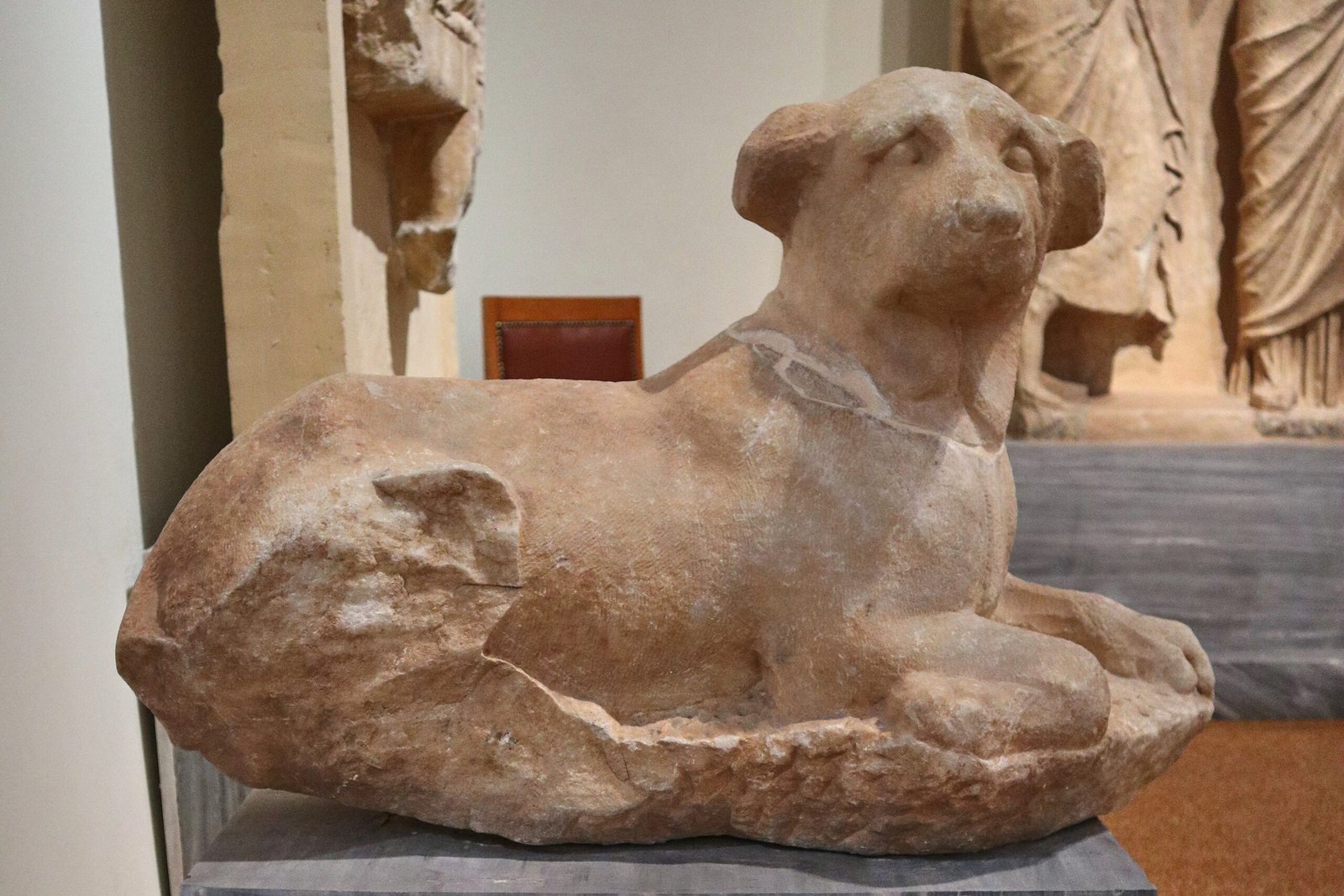
The history of dogs in ancient cultures is a story of love, respect, and shared destiny. Whether guarding tombs in Egypt, guiding souls in Mesoamerica, or protecting homes in Rome, dogs earned a place not just beside humans, but in their legends, rituals, and hearts. Their symbolic meanings—loyalty, protection, healing, and guidance—are woven through the stories of civilizations long past. Even today, when a dog curls up at our feet or greets us with a wagging tail, they remind us of an ancient promise: to stand by our side, in this life and beyond. Did you expect dogs to have played such a profound role in shaping human history?


