
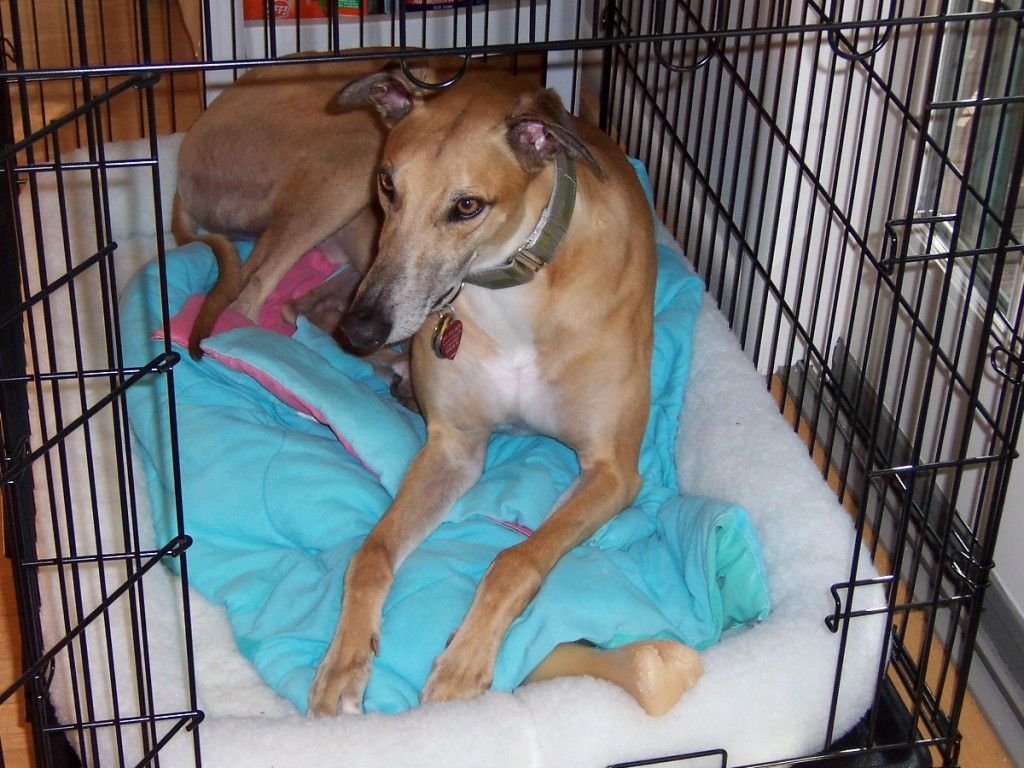
Crate training doesn’t have to be a battle of wills—it can actually be a peaceful and positive experience for both you and your dog. The trick is to take it slow and treat the crate like a cozy den, not a cage. Use treats, toys, and soothing praise to help your pup associate it with comfort and safety. Avoid forcing them in or using the crate as punishment—that only builds fear. With patience and consistency, crate time can turn into your dog’s favorite part of the day, giving them a sense of security and giving you peace of mind.
Understanding Why Crate Training Matters
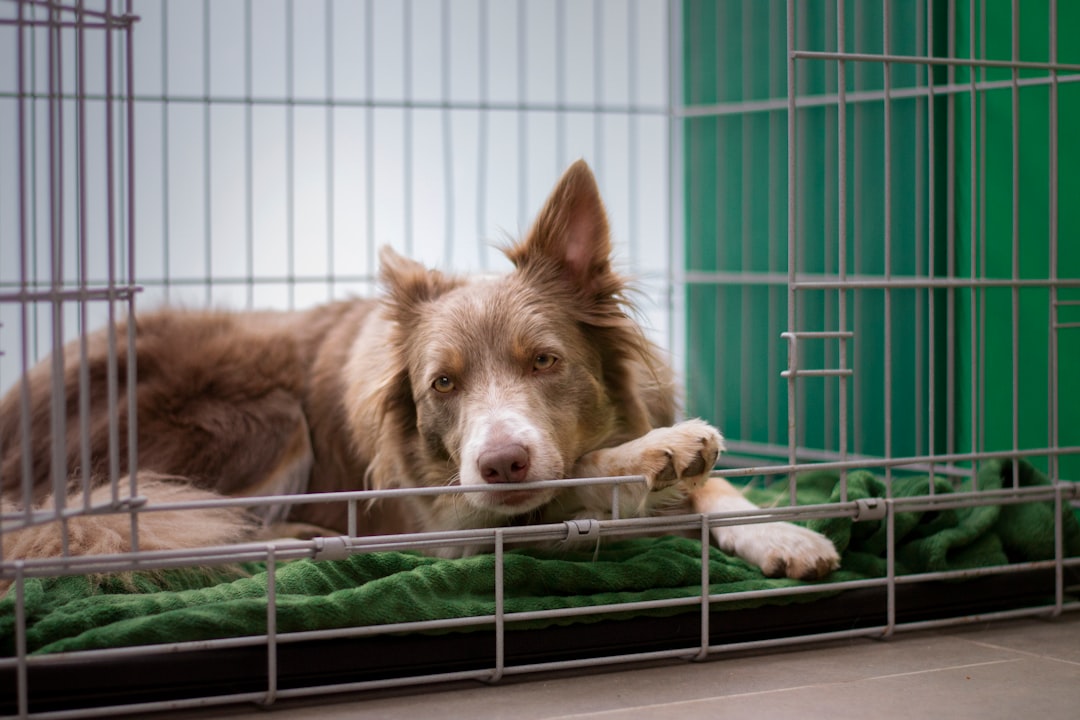
Crate training isn’t just about keeping your dog contained; it’s about giving them a secure space that feels like home. Dogs are naturally den animals, and a crate can satisfy their instinct to have a safe, quiet spot to retreat. When introduced gently, a crate becomes a haven, not a prison. It also helps with housebreaking, prevents destructive behavior, and keeps your dog safe when you’re not around. For you, a crate-trained dog means less worry about accidents or chewed-up shoes. The key is making the crate a positive place—never a punishment—so your dog learns to love it and you gain peace of mind.
Choosing the Right Crate for Comfort
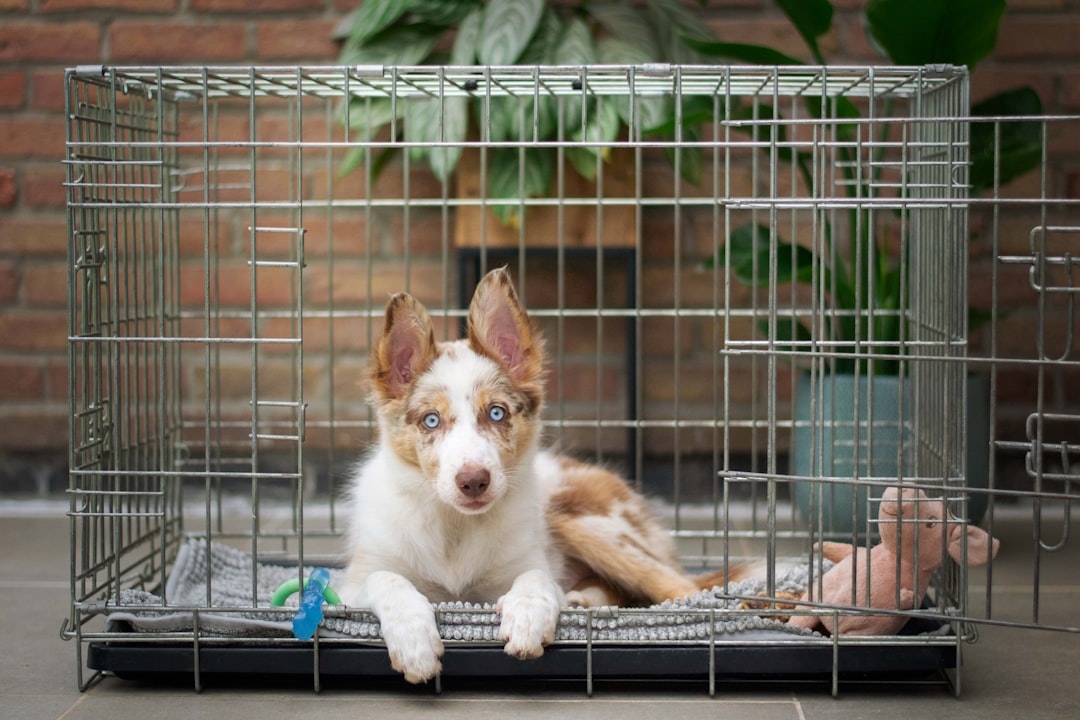
Picking the right crate can make all the difference. Think of it as choosing the perfect bed: too small and it’s cramped, too big and it loses its cozy appeal. Your dog should be able to stand up, turn around, and lie down comfortably. There are wire crates, plastic kennels, and soft-sided options—each with pros and cons. For home use, a wire crate with a comfy bed and a cover can mimic a den-like atmosphere. If you travel often, a lightweight plastic or fabric crate might be better. Remember, comfort is key. Add a soft blanket, favorite toy, and maybe a shirt with your scent to help your dog feel at ease.
Setting Up a Welcoming Crate Environment
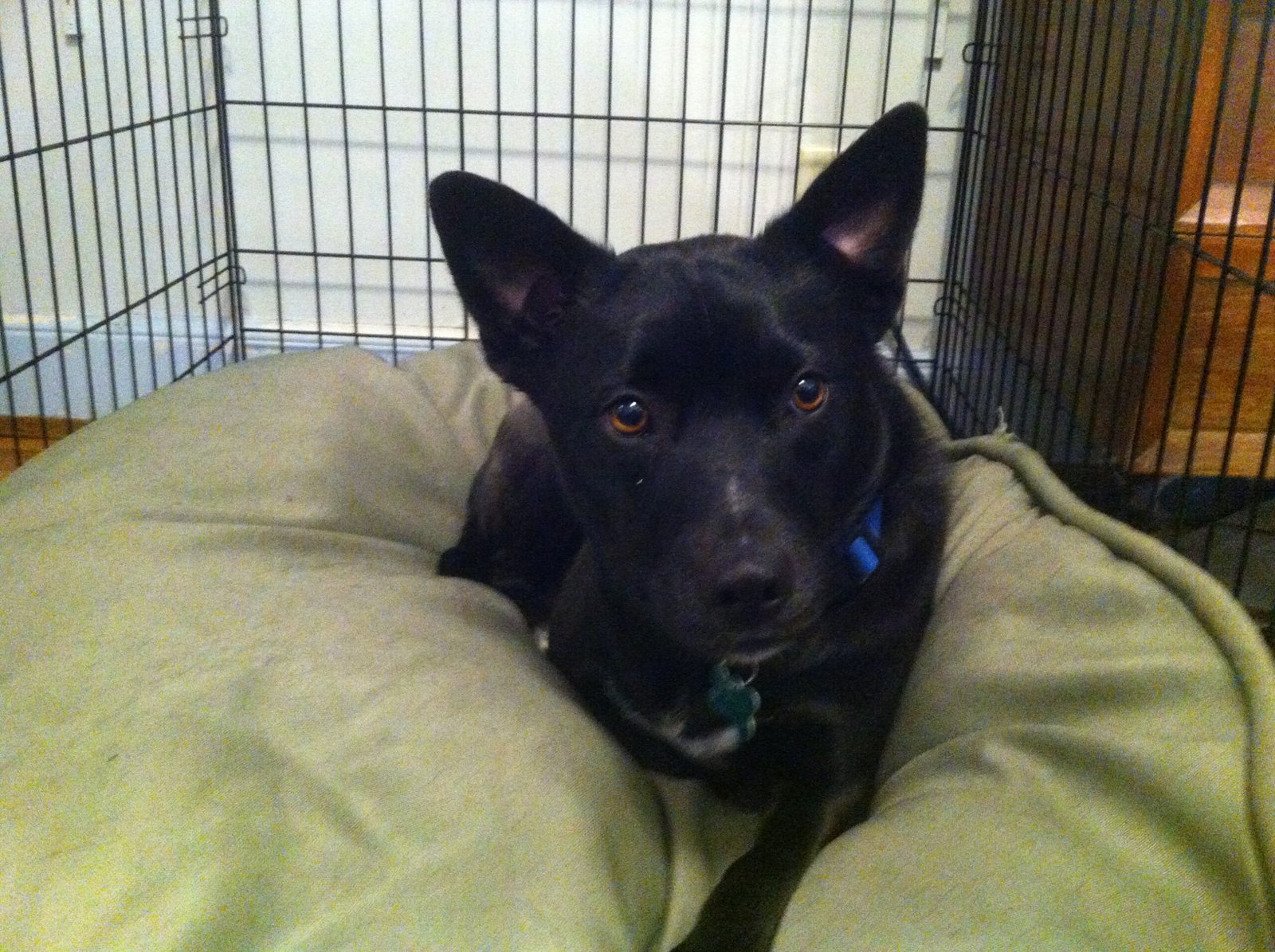
The crate should feel inviting, not intimidating. Place it in a quiet, family-friendly area—not in isolation but also away from too much noise. Imagine setting up a cozy little nook: use a soft mat or bed, add a few chew toys, and drape a light cover over the top for den-like comfort. Never force your dog inside. Instead, let them explore at their own pace. Leave the door open at first and toss in treats or toys to encourage curiosity. A welcoming crate helps your dog associate it with positive experiences and reduces anxiety right from the start.
Introducing the Crate Gently and Positively
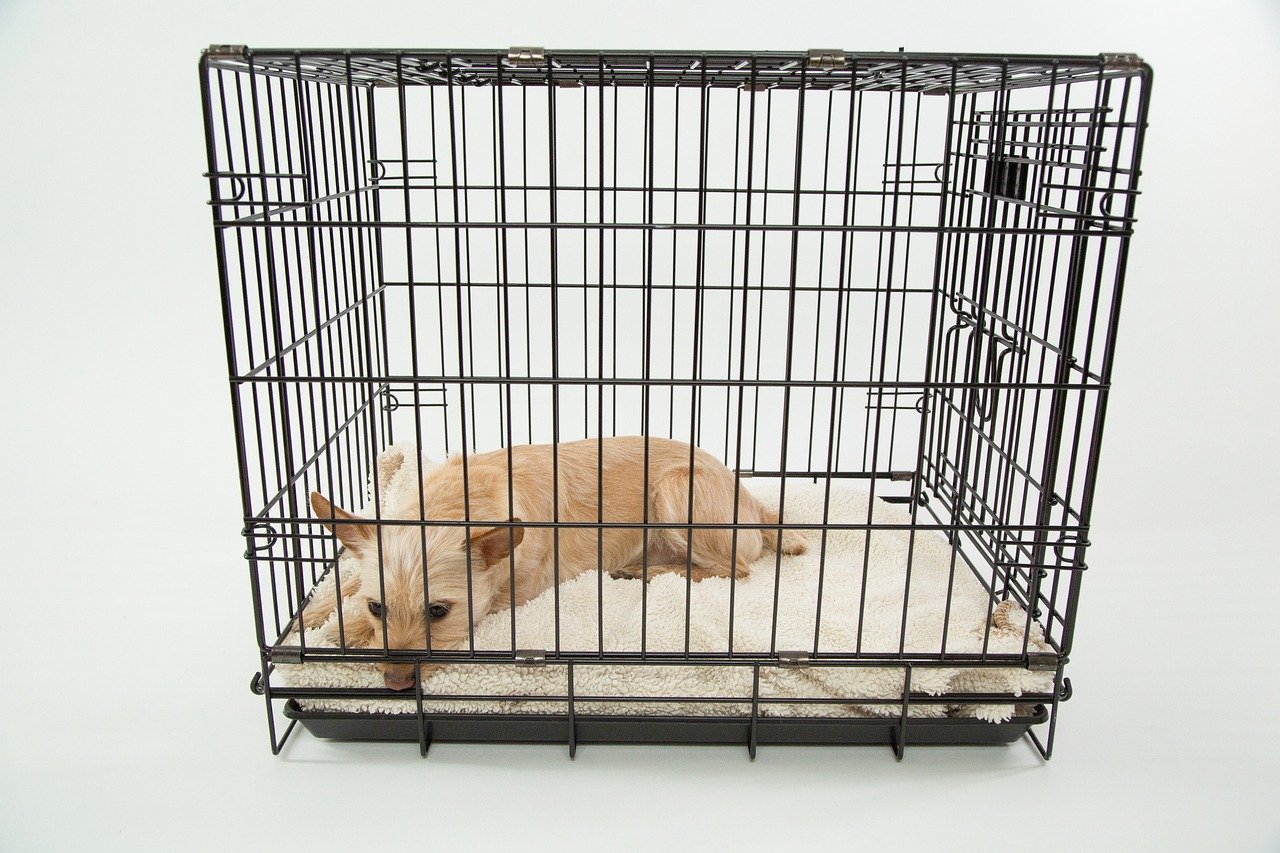
First impressions matter. Start by letting your dog sniff and explore the crate on their own terms. Toss a treat inside and let them go in to retrieve it. Praise them warmly when they show interest. Repeat this step several times a day, gradually increasing their comfort level. Avoid shutting the door too soon, as this can create fear. Instead, wait until your dog willingly enters and relaxes inside before gently closing the door for a few seconds. Always open it before they get anxious. Building positive associations at this stage is crucial for a stress-free experience.
Creating a Consistent Routine
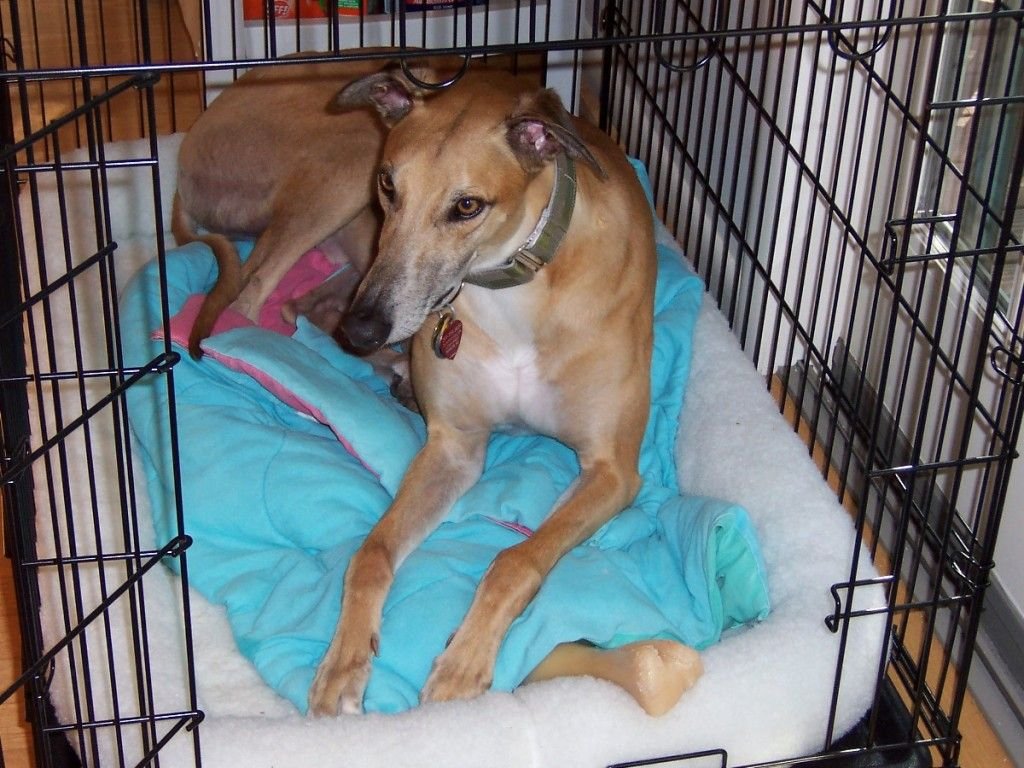
Dogs thrive on predictability. Establish a crate routine by having set times for meals, naps, and quiet time in the crate. Feed your dog in the crate to reinforce positive feelings. Start with short periods and slowly work up to longer stays. For example, after a walk or play session, encourage your dog to rest in the crate. Use a cue word like “kennel” or “crate time” so they learn what to expect. Consistency helps your dog feel confident and secure, reducing uncertainty and making crate time a normal part of their day.
Managing Whining and Barking
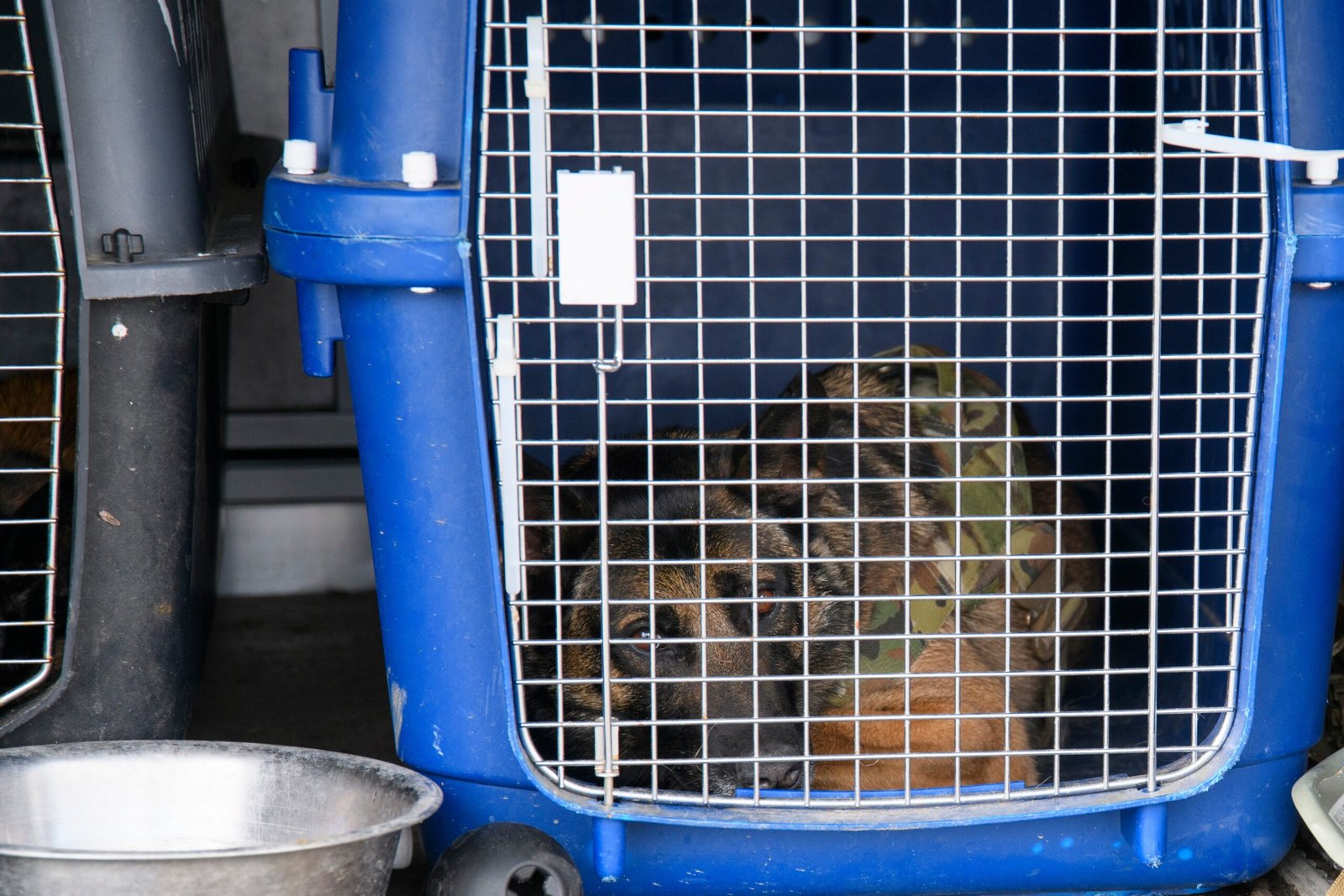
It’s natural for your dog to protest at first—this is their way of expressing confusion or discomfort. However, it’s important not to give in to whining or barking, as this teaches your dog that noise gets them what they want. Instead, wait for a pause in the noise before letting them out or giving attention. Stay calm and patient, and never yell or punish. If your dog is truly distressed, check for needs like bathroom breaks or hunger. Sometimes, a calming voice or a special toy can help soothe their nerves. Over time, your dog will learn that calm behavior brings rewards.
Handling Setbacks with Patience
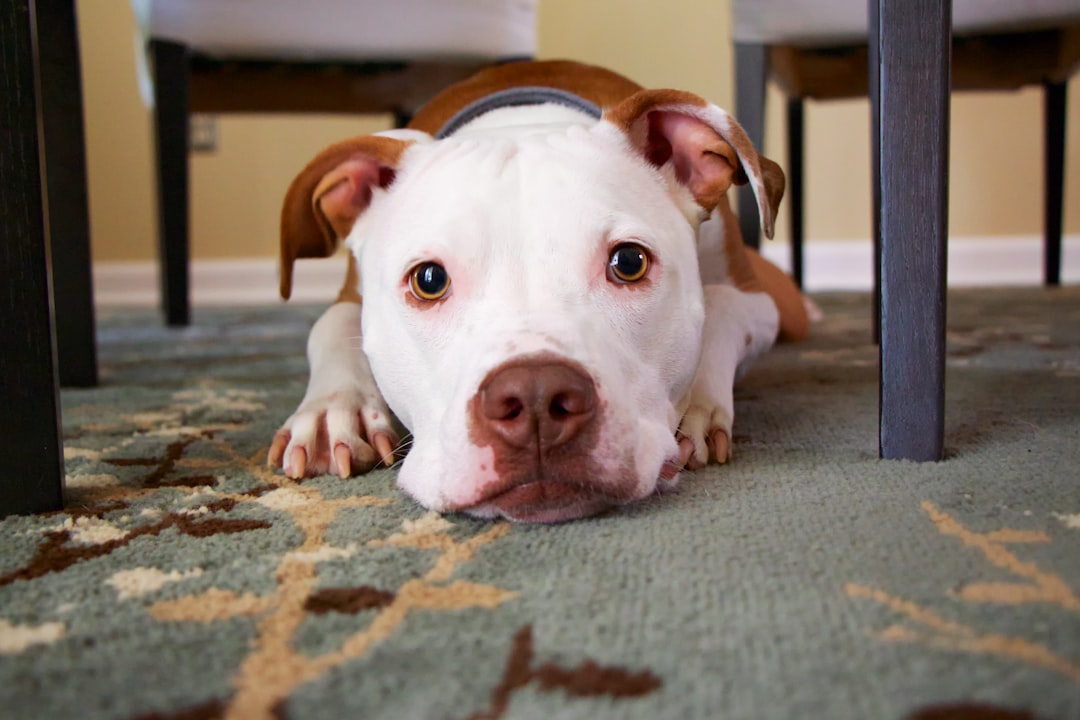
Crate training is rarely a straight line—there will be days when things don’t go as planned. Your dog might suddenly refuse to enter the crate or regress after making progress. This is normal! Take a step back and return to basics. Make the crate fun again with treats, praise, and play. Avoid forcing your dog inside or using the crate as punishment. If stress persists, try shorter crate sessions and build up gradually. Remember, progress may be slow, but patience and positivity will win in the end.
Building Positive Associations with the Crate
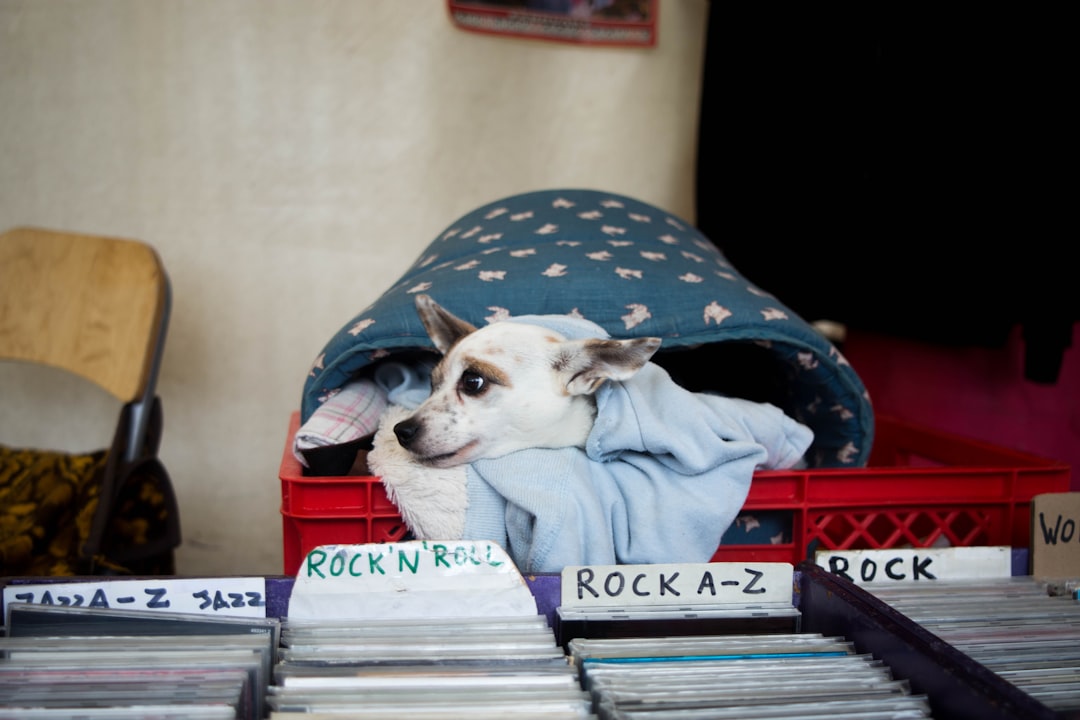
You want your dog to think of the crate as their happy place. Use the crate for more than just alone time—make it part of play and relaxation. Give special treats or puzzle toys only when your dog is in the crate. Occasionally, toss in surprises like a new chew or a favorite toy. Invite your dog to nap in the crate with the door open when you’re home. By regularly pairing the crate with good things, you’re teaching your dog to look forward to crate time, not dread it.
Crate Training for Different Ages and Personalities
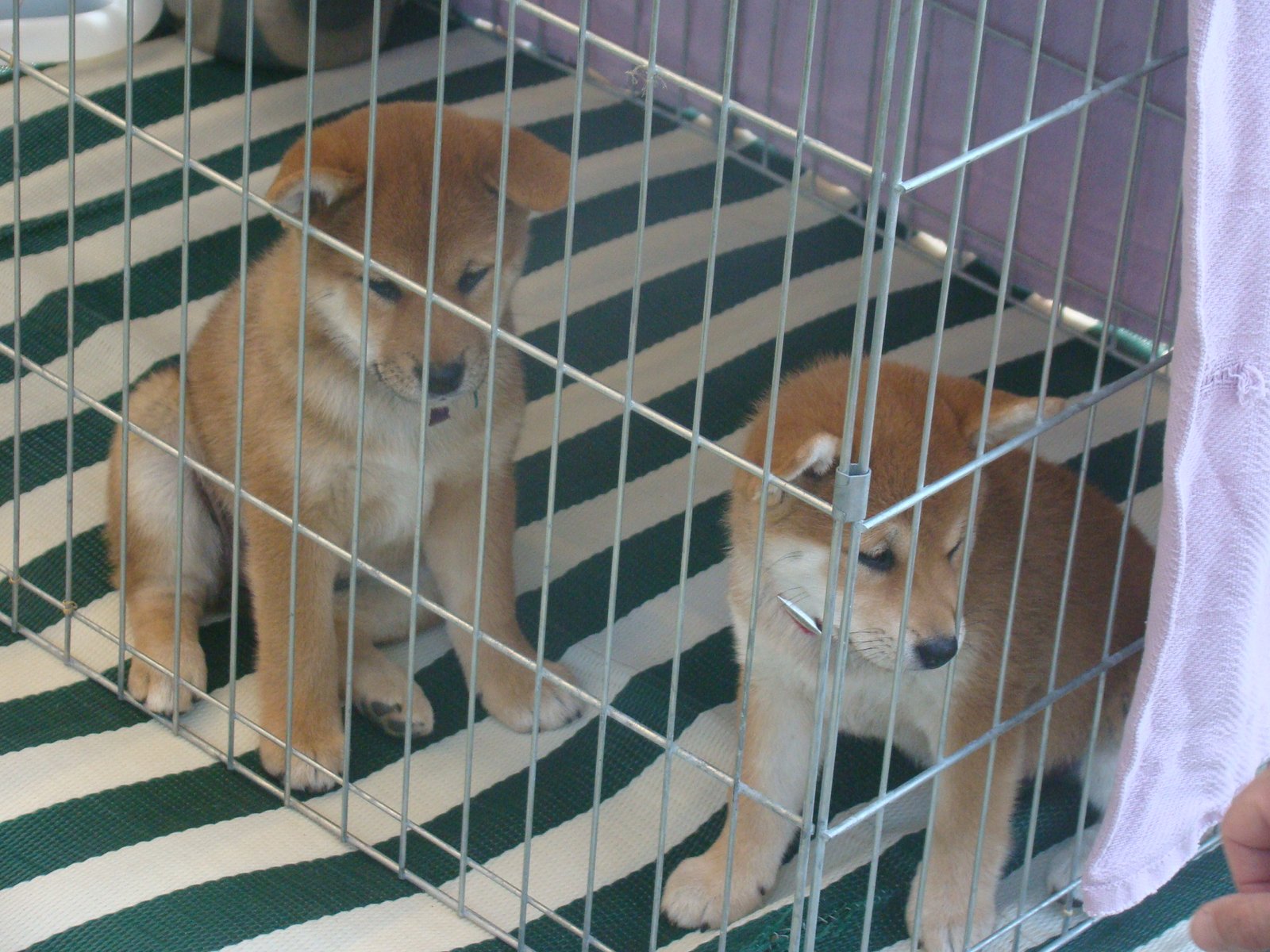
Every dog is unique, and what works for a puppy might not suit an older dog. Puppies usually adapt quickly but may need more frequent breaks. Older dogs may take longer, especially if they have negative experiences from the past. Be gentle and patient—older dogs can learn new tricks, too! Some breeds are naturally more independent or anxious, so adjust your approach accordingly. Watch your dog’s body language: a relaxed pose means you’re on the right track, while tense or fearful behavior signals you need to slow down. Adapt your strategy to fit your dog’s personality for the best results.
Knowing When Crate Training Isn’t Right

While crate training works for most dogs, it’s not for every situation. Some dogs have severe anxiety or past trauma that makes crating more harmful than helpful. Signs of extreme distress include frantic scratching, drooling, or self-injury. If you see these, stop and consult a professional trainer or veterinarian. Alternatives like baby gates or playpens might provide the security your dog needs without the stress. Your dog’s well-being always comes first, so don’t be afraid to change your approach if needed. The goal is a happy, secure pet, not a forced routine.
Crate training doesn’t have to be a struggle—it just takes a little patience, consistency, and a lot of positive vibes. When your dog sees their crate as a safe, happy place, it becomes a game-changer for both of you. It’s not about confinement, but about comfort and security. Stick with the process, celebrate the small wins, and soon enough, your pup will be heading into their crate with a wagging tail and zero stress. What surprised you most about crate training?


