
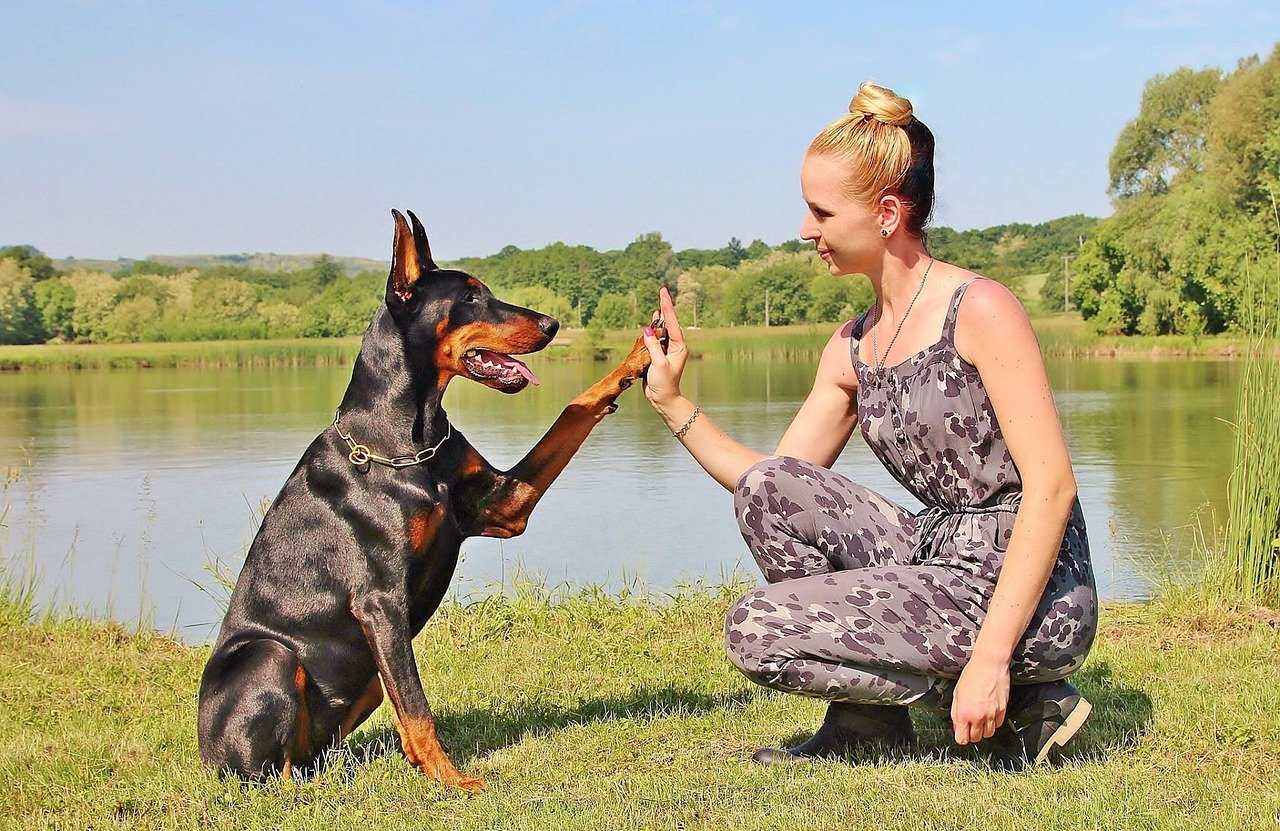
Have you ever wondered why some dogs just can’t seem to play nicely with others, no matter how much training or coaxing you give them? It’s a surprising truth: not all dogs are social butterflies. While many pups thrive in a pack, others prefer to be the star of the show—or at least the only dog on the stage. If you’ve ever had a walk turn into a wild bark-fest or found your dog giving the side-eye at the park, you’re not alone! Let’s take a light-hearted look at 15 dog breeds that are famous (or maybe infamous) for being less-than-friendly with their canine peers. Grab your leash and sense of humor—it’s going to be a fun ride!
Akita
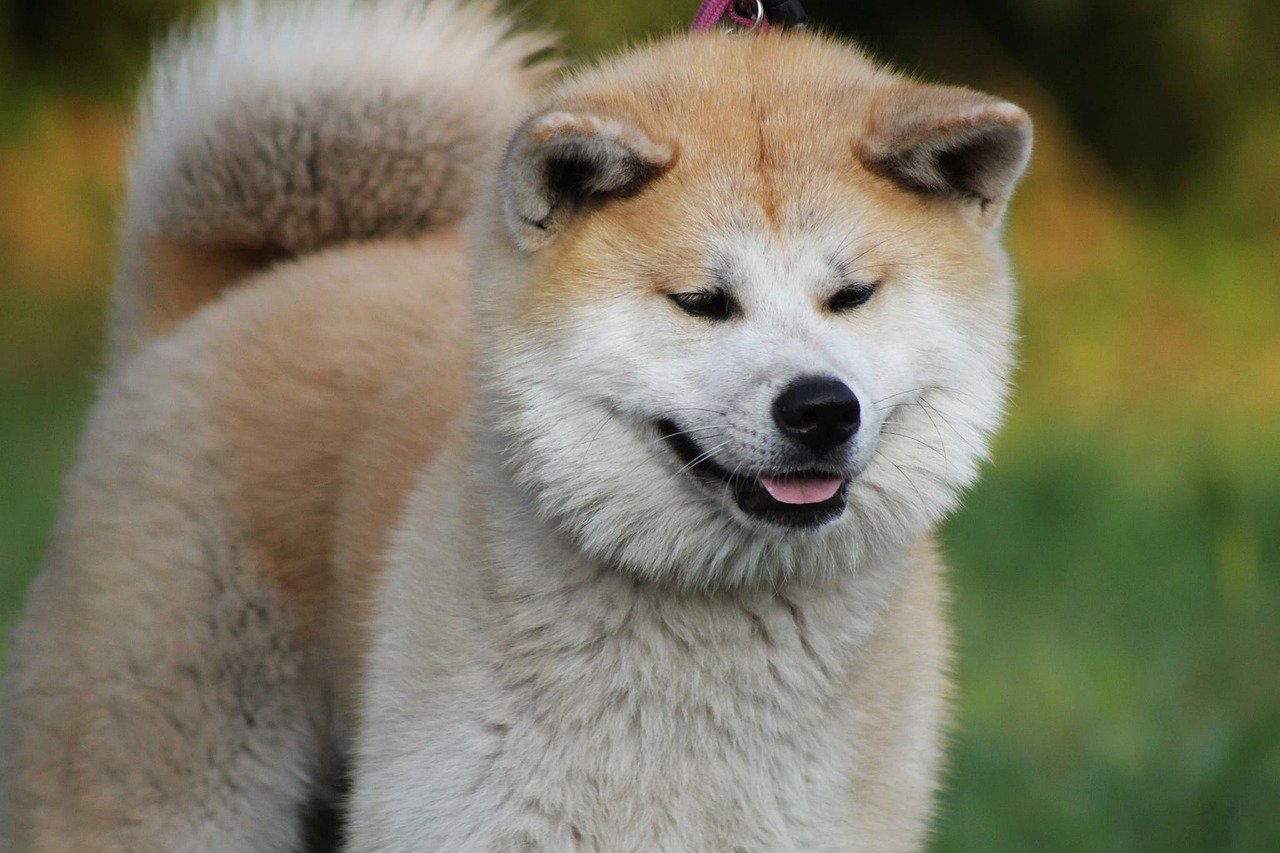
Akitas are majestic, loyal, and fiercely protective of their families. But when it comes to other dogs, especially those of the same sex, Akitas can be downright standoffish. Their history as hunting and guard dogs in Japan means they’re used to being number one. Imagine a kid who doesn’t want to share their toys—that’s your Akita at the dog park. While they might tolerate a housemate if raised together, new dogs often get a cold reception. Early socialization helps, but their natural instincts can be tough to override. Owners should be ready for strong personalities and keep a watchful eye during doggy introductions.
Chihuahua
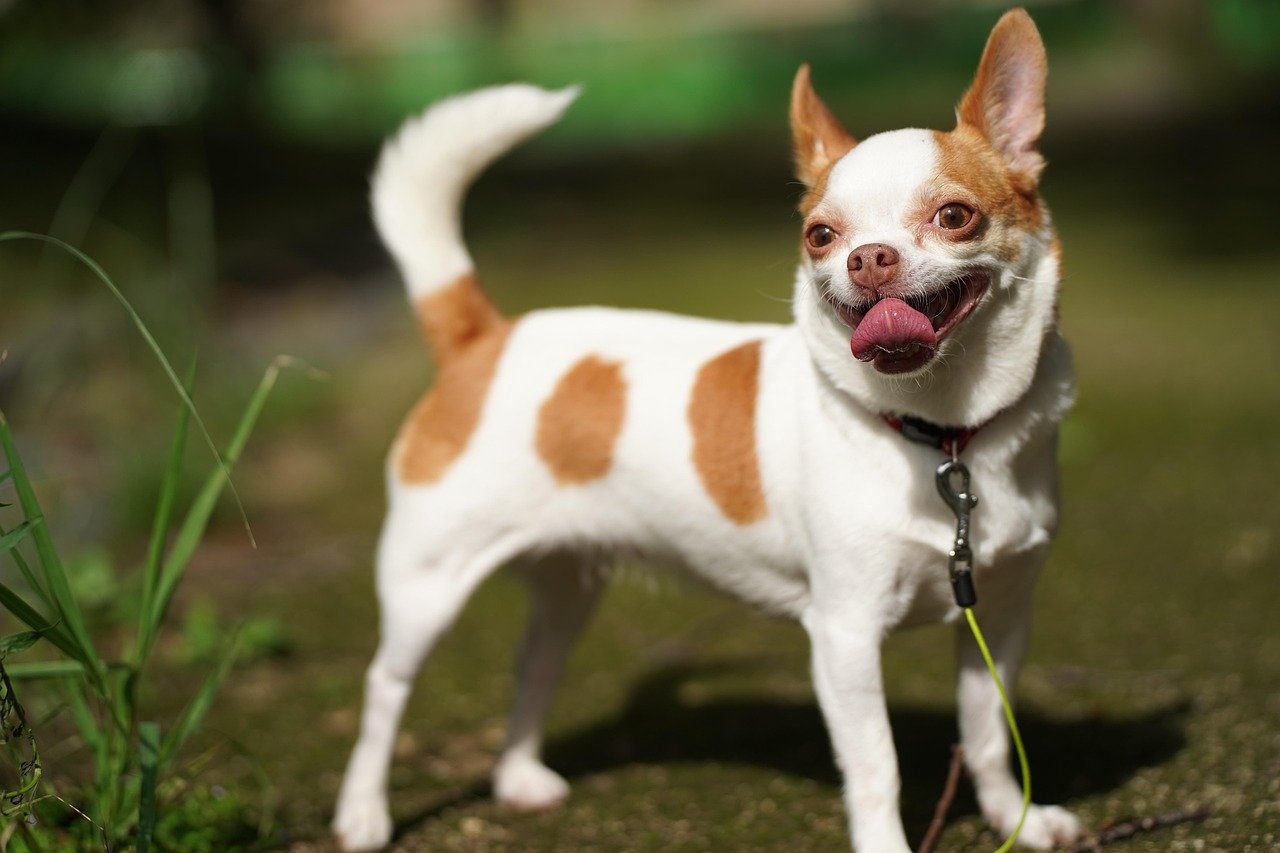
Small but mighty, Chihuahuas often have no idea how tiny they are. They’re like the feisty grandparent who isn’t afraid to tell anyone off. Chihuahuas can act bossy or even snappy around other dogs, especially larger breeds. Their confidence is impressive, but it doesn’t always win them friends. Many Chihuahuas prefer the company of their people over other pups. If you’ve got a Chihuahua, you might notice them ruling the roost, barking orders like a mini general. Socialization can help, but their big personalities often mean they’d rather be the only dog in town.
Jack Russell Terrier
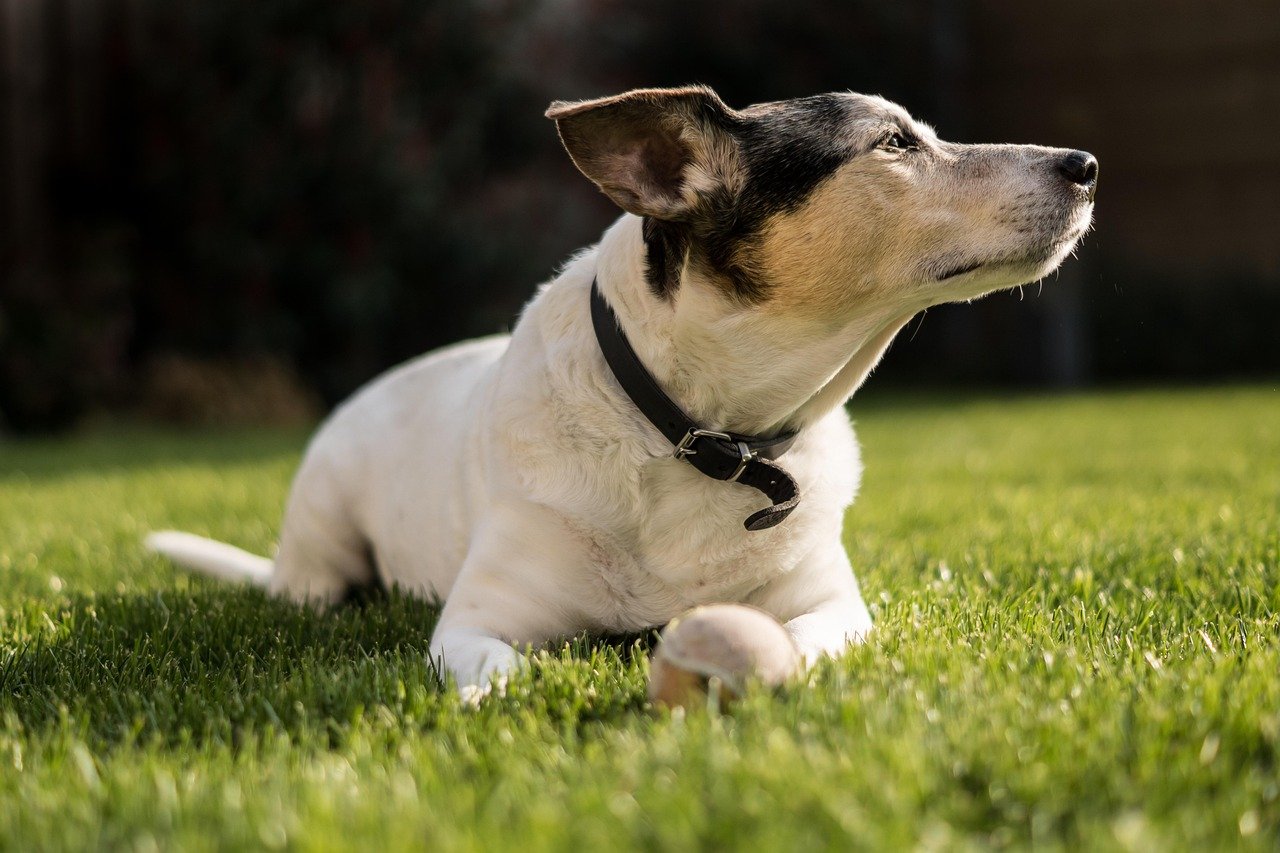
Jack Russells are bursting with energy and smarts, but they don’t always play nice with other dogs. Originally bred for hunting, they’re brave to the point of being reckless—sometimes picking fights with dogs many times their size. Their high prey drive and stubborn streak can make group playdates a challenge. Jack Russells love to be in charge, and their assertive nature can rub other dogs the wrong way. They need lots of exercise and mental stimulation, but when it comes to making doggy friends, they’re often better off solo.
Shih Tzu
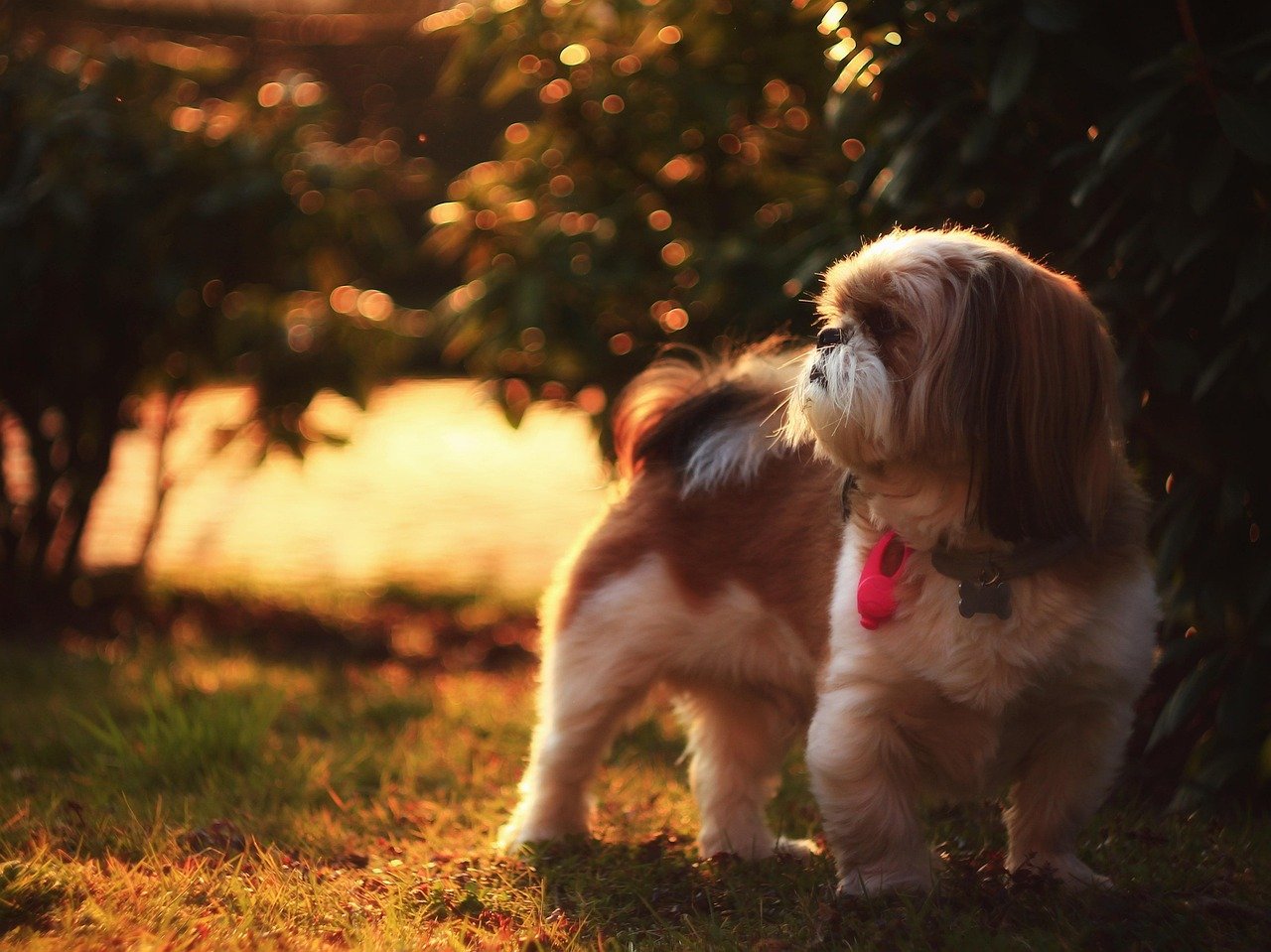
With their flowing coats and sweet faces, Shih Tzus look like lapdogs who’d get along with everyone. But don’t be fooled! Many Shih Tzus are surprisingly territorial and can be picky about their companions. They like their routines and aren’t always thrilled to share attention with other dogs. Some may tolerate fellow pets if raised together, but new arrivals can lead to jealousy and squabbles. Their stubbornness is legendary, and their diva attitude often means they’d rather have you all to themselves.
Alaskan Malamute
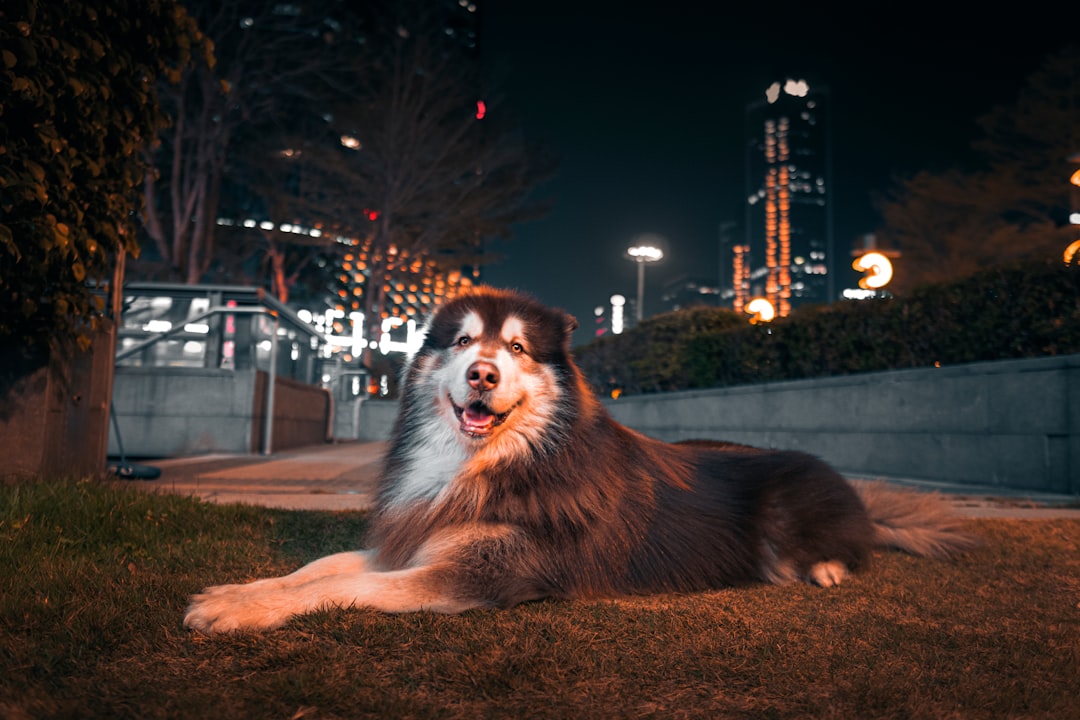
Alaskan Malamutes are big, beautiful, and born to work. They have a pack mentality, but in domestic settings, this can translate into dominance issues with other dogs. Malamutes may try to assert themselves, especially with dogs of the same sex. Their size and strength don’t make things easier—playtime can quickly escalate. While they’re affectionate with humans, their interactions with other dogs require supervision and, often, careful introductions. Malamutes thrive in environments where they don’t feel the need to compete for top dog.
Dachshund
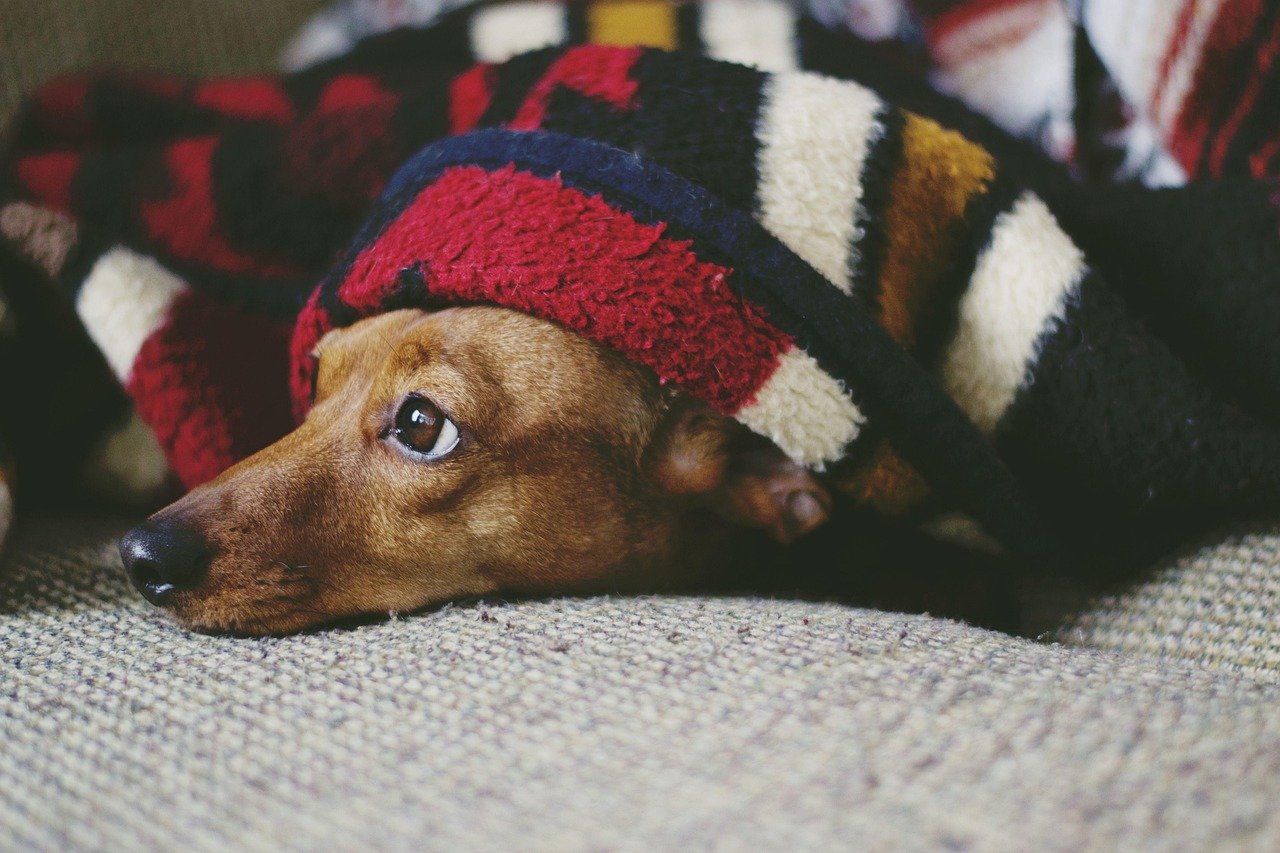
Dachshunds are determined and spirited, with a bark that’s much bigger than their bite. These little dogs were bred to hunt badgers, so they’ve got courage to spare. Unfortunately, that bravery can turn into bossiness around other dogs. Dachshunds are notorious for being territorial and can be snappy with unfamiliar pups. They’re happiest when they’re the center of attention, and sharing space isn’t their strong suit. With the right training, they can learn to coexist, but they usually prefer to rule their own little kingdom.
Chow Chow
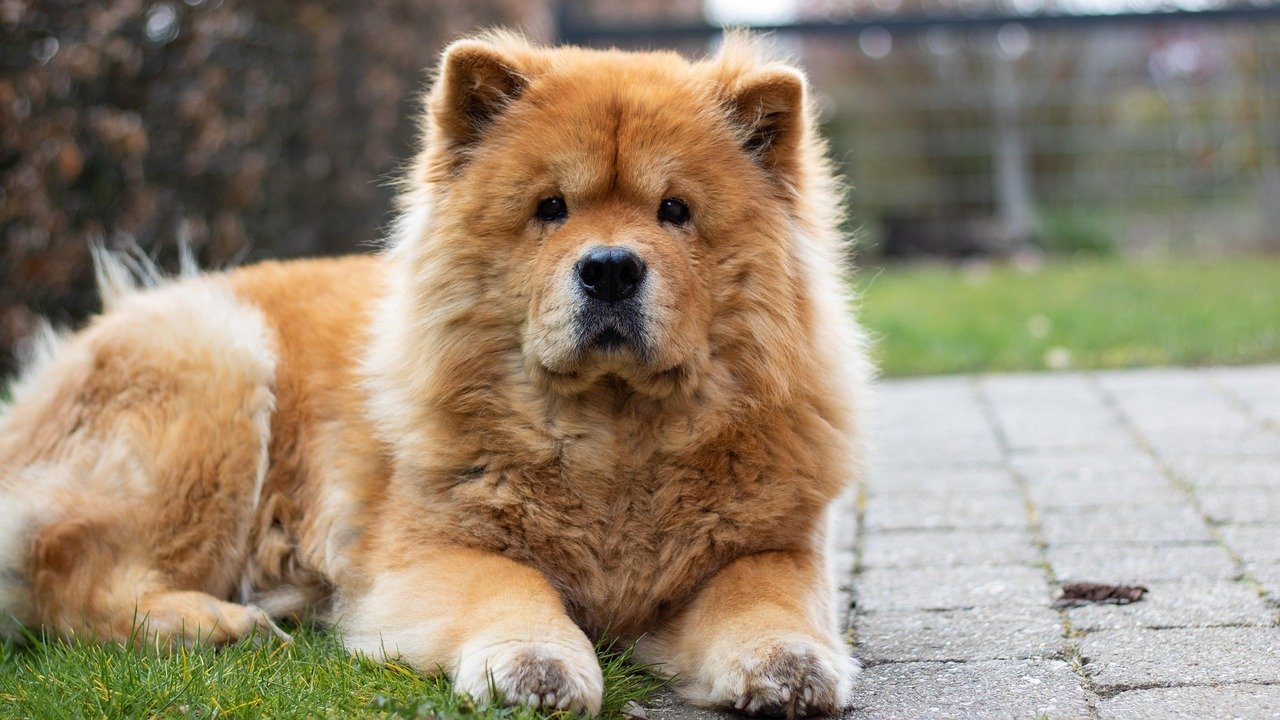
Chow Chows have an unmistakable lion-like mane and a personality to match. Reserved and aloof, they rarely seek out the company of other dogs. Instead, they tend to be independent and sometimes downright grumpy with new canine acquaintances. Chow Chows are known for being territorial and can react defensively if they feel threatened. Their loyalty to family is unmatched, but they often see other dogs as rivals rather than friends. If you want a dog who’s content to be an “only child,” a Chow Chow could be your perfect match.
Shar Pei
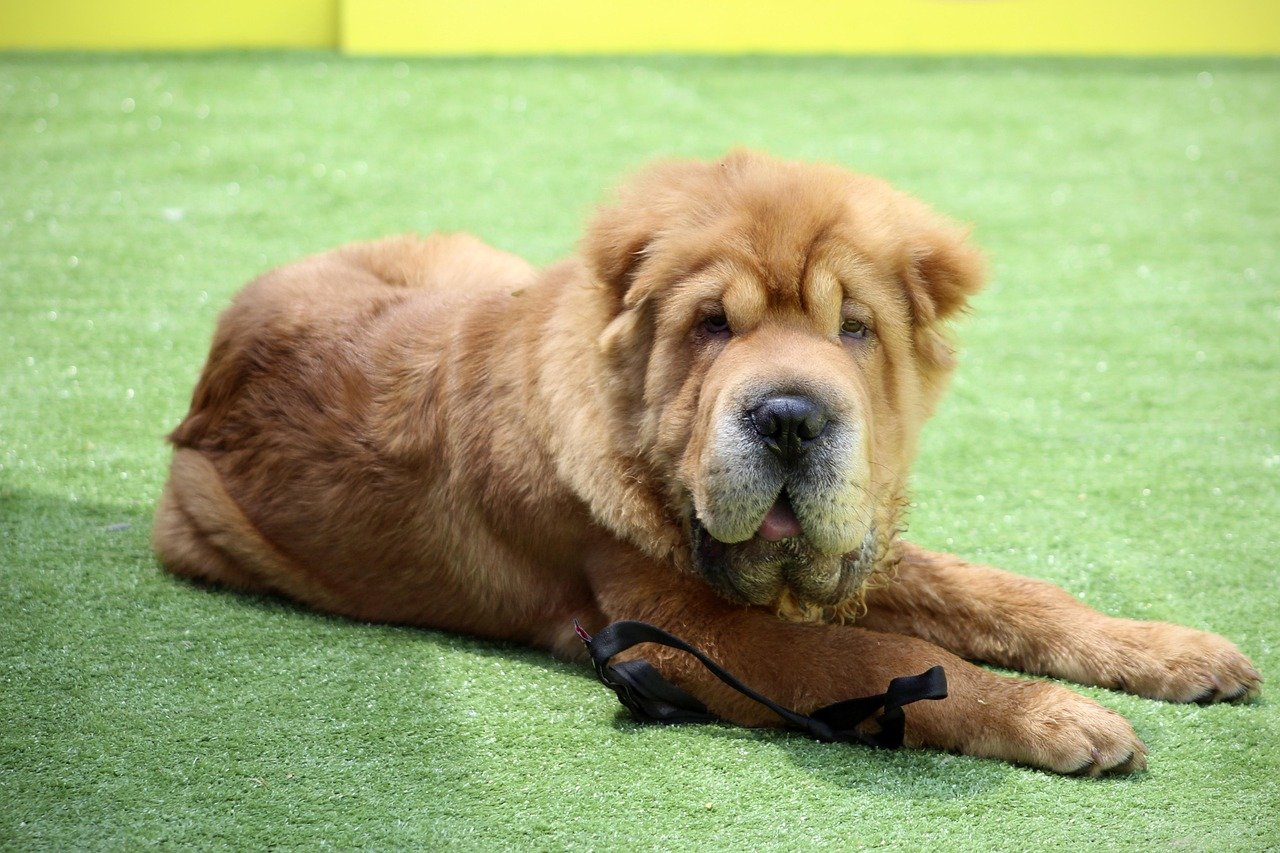
Those adorable wrinkles hide a stubborn streak! Shar Peis are dignified and independent, sometimes to a fault. While they’re incredibly loyal to their people, they’re less enthusiastic about other dogs. Shar Peis can be territorial and quick to assert dominance, especially if they feel crowded. Their calm demeanor can flip to defensive if another dog pushes their buttons. Early socialization is crucial, but even then, many Shar Peis prefer a quiet home where they don’t have to compete for attention.
Doberman Pinscher
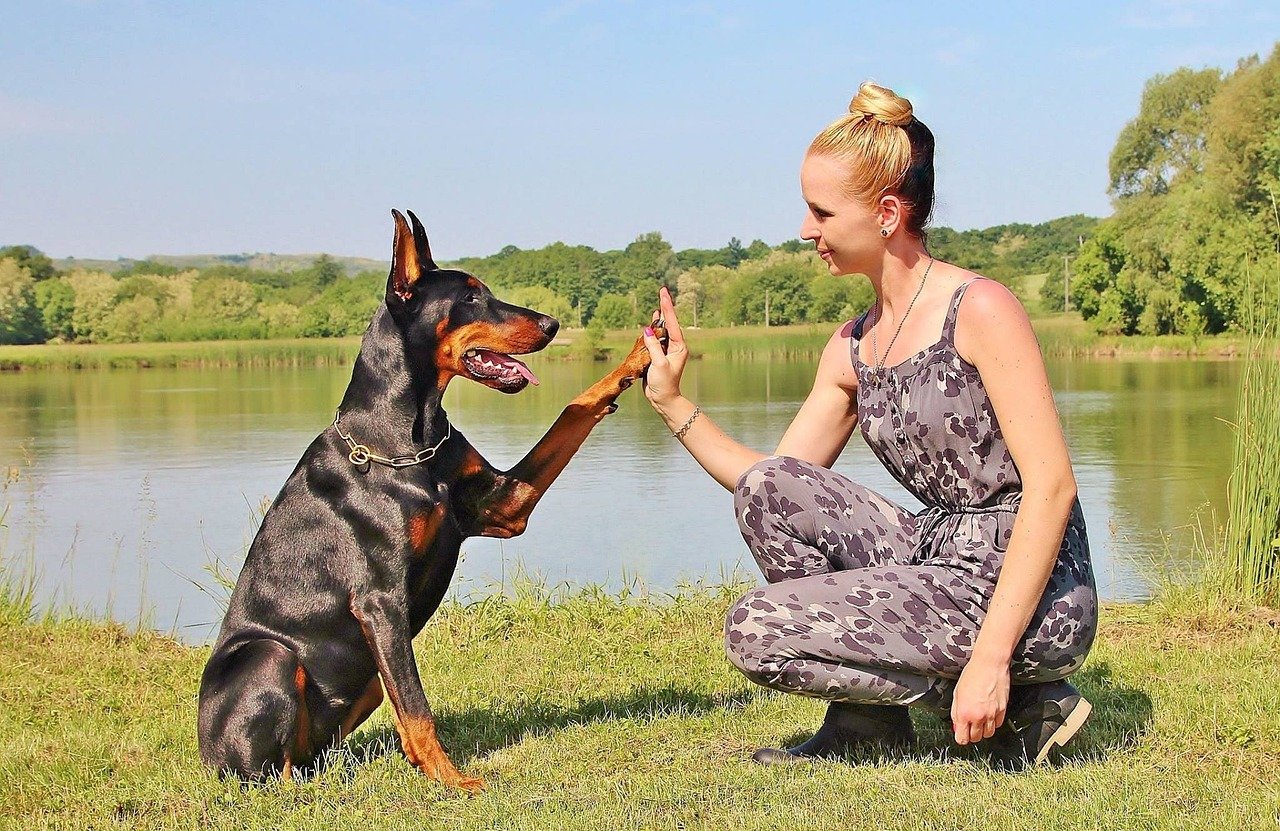
Dobermans are sleek, smart, and fiercely loyal. But their protective instincts can make them wary of other dogs, especially unfamiliar ones. They’re quick to size up a situation and aren’t afraid to assert themselves. While some Dobermans get along fine with other dogs, others might see canine companions as competition. Their confidence and strength mean that squabbles can escalate quickly, so supervision is key. Dobermans do best with strong, consistent leadership and plenty of one-on-one time.
Scottish Terrier
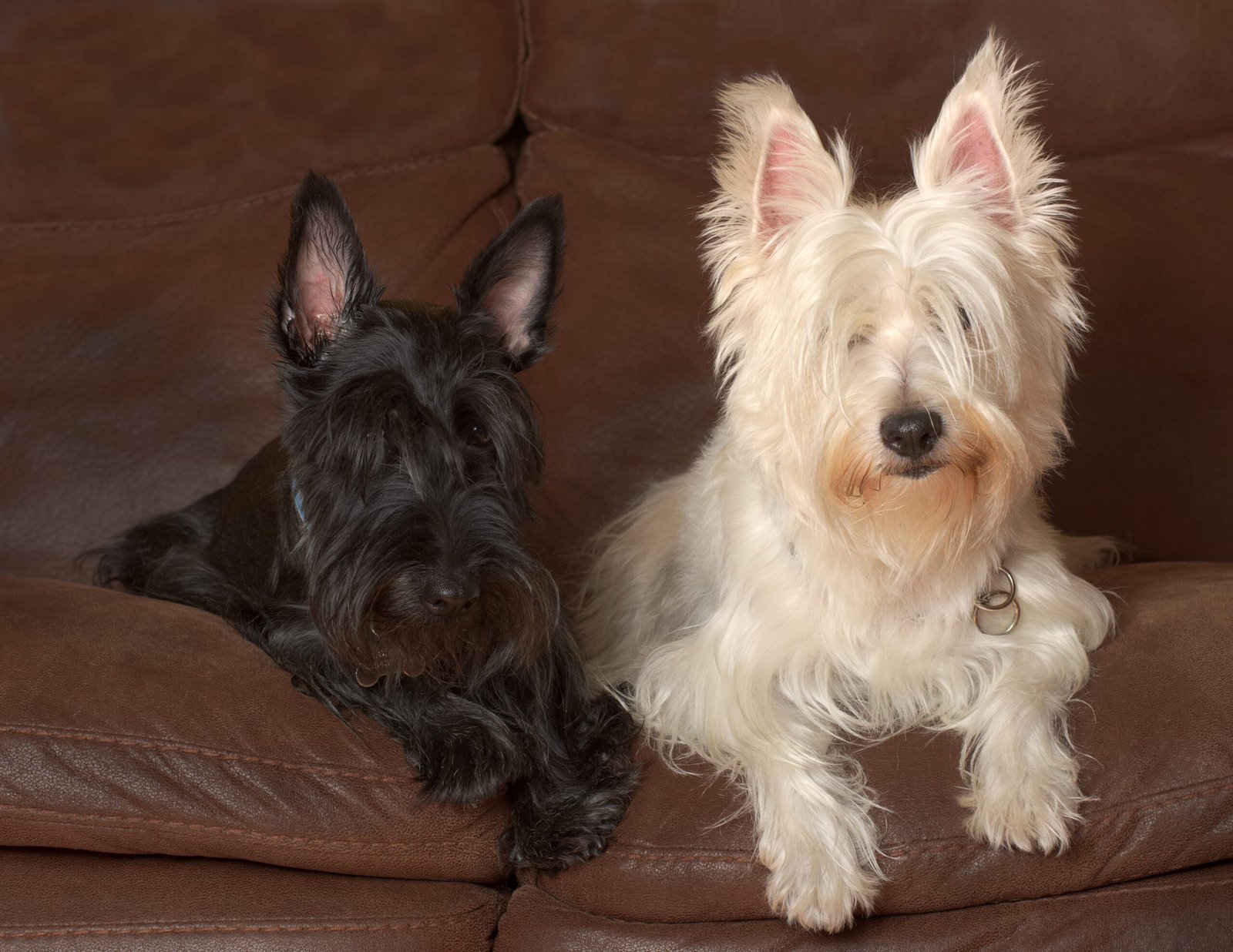
Scottish Terriers, or “Scotties,” are bold, dignified, and full of personality. These independent little dogs often have a “my way or the highway” attitude, which can make doggy friendships complicated. Scotties were bred to hunt and dig, and their high prey drive can make them reactive to other animals. They don’t always appreciate sharing their space, and they’re quick to let other dogs know when they’re unwelcome. With early socialization, some Scotties can learn to tolerate fellow pets, but many are happiest as the only dog in the house.
Basenji
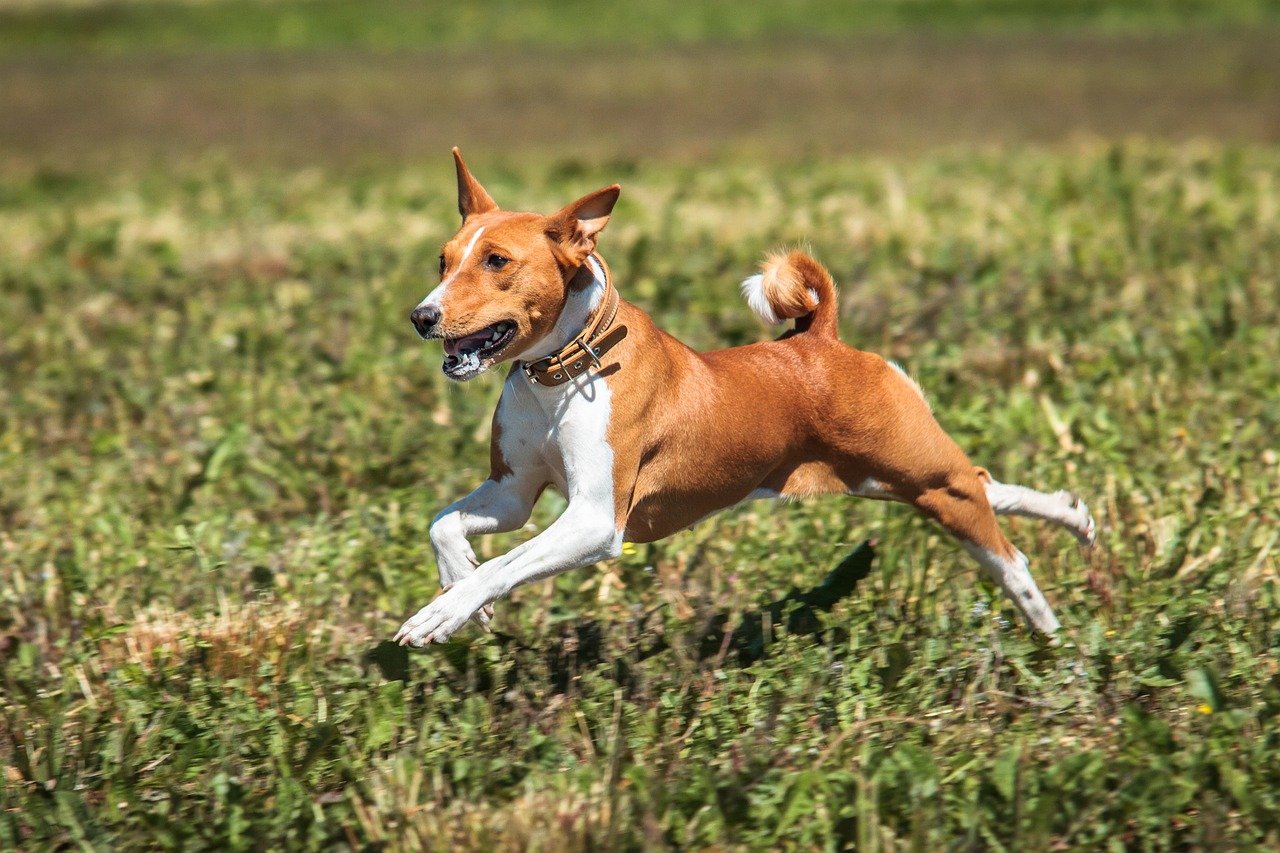
Basenjis are unique in many ways—they’re known as the “barkless dog” and have a cat-like streak of independence. When it comes to other dogs, Basenjis can be selective and sometimes aloof. They tend to form strong bonds with their humans but aren’t always interested in making doggy friends. Their independent spirit means they may ignore or even challenge other dogs, especially if they feel their territory is at risk. Basenjis are happiest with plenty of mental stimulation and a predictable routine, preferably without the chaos of a multi-dog household.
Fox Terrier
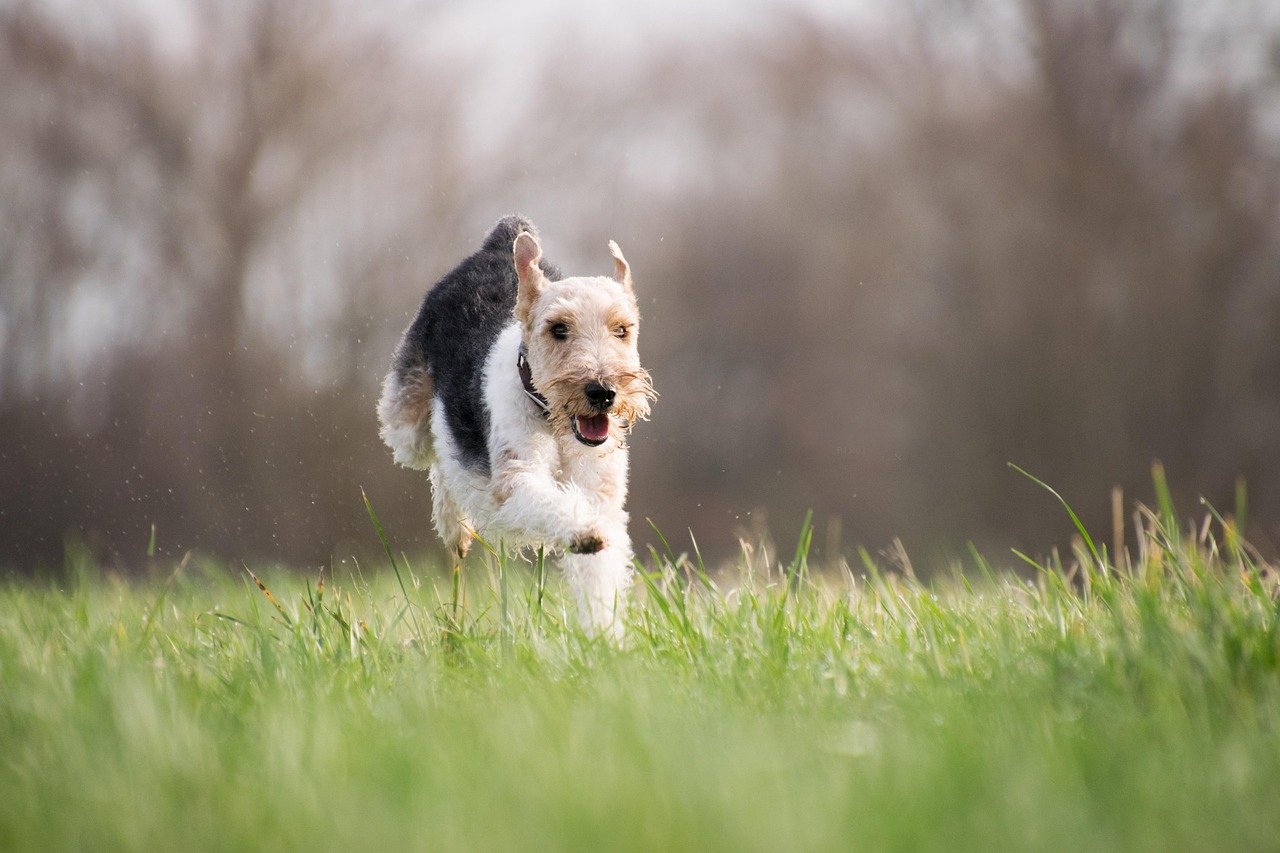
Fox Terriers are lively, energetic, and always up for an adventure. But their boldness can sometimes get them into trouble with other dogs. These little dynamos have a reputation for being scrappy, often starting play that turns into a tussle. Fox Terriers were bred to work independently, and their stubbornness can make them difficult to manage in a group setting. They prefer to be the center of attention and may not take kindly to sharing their humans with other pups. With lots of exercise and firm training, they can be wonderful companions—just maybe not at the dog park.
Pekingese
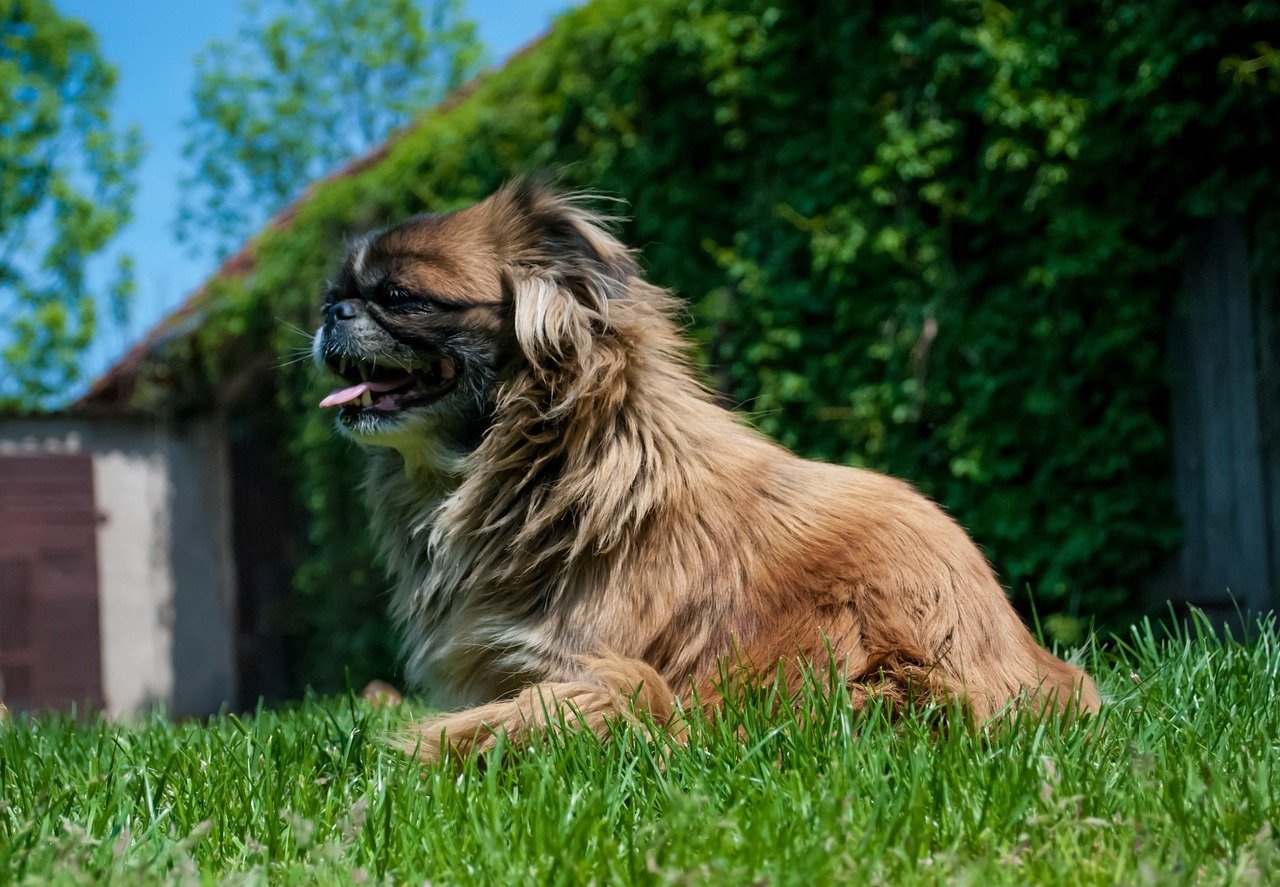
Pekingese might look like royal lapdogs—and in many ways, they act the part. These tiny pups have big personalities and aren’t shy about expressing their opinions. Pekingese can be territorial and may display jealousy when other dogs enter their domain. Their independent nature means they often prefer solitude or the company of their favorite people. While they can tolerate fellow pets if raised together, they’re quick to show their displeasure if they feel pushed aside. Pekingese thrive in calm, predictable environments where they’re the star attraction.
Australian Cattle Dog
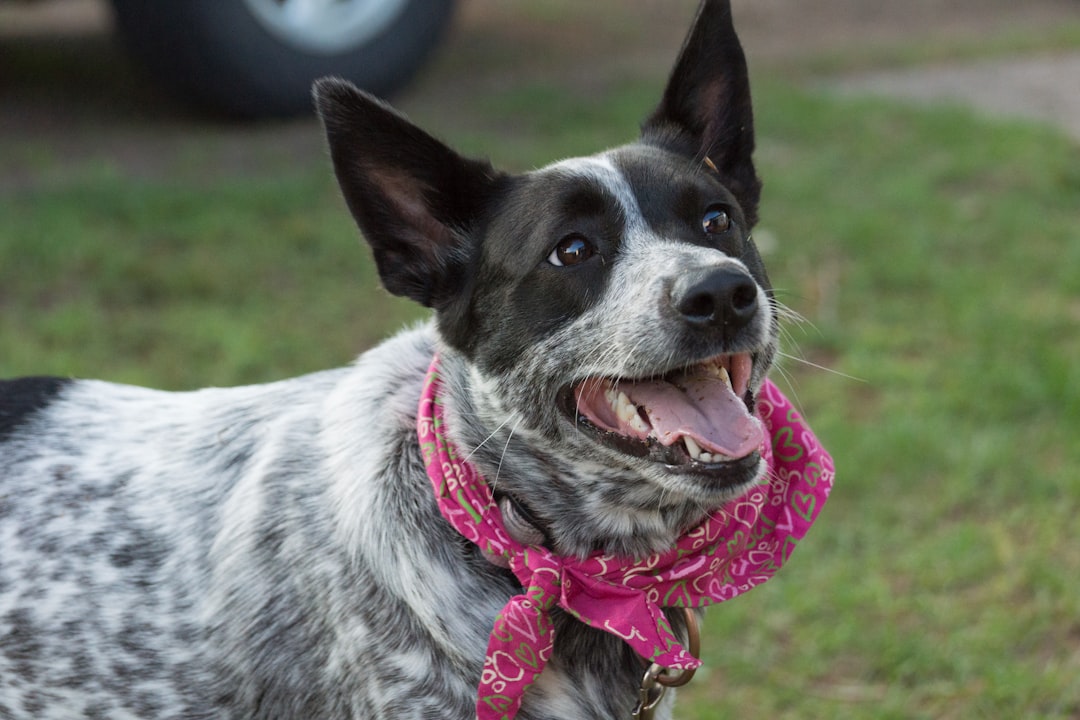
Australian Cattle Dogs are brilliant and hardworking, bred for herding cattle in tough conditions. Their intense focus and drive can make them less tolerant of other dogs, especially in small spaces. These dogs are known for being assertive and can become bossy with other pets. If they feel their territory or job is being threatened, they may react with barking or even snapping. Australian Cattle Dogs need lots of exercise and mental stimulation, but when it comes to sharing space, they often prefer to be the only dog on the ranch.
Shiba Inu
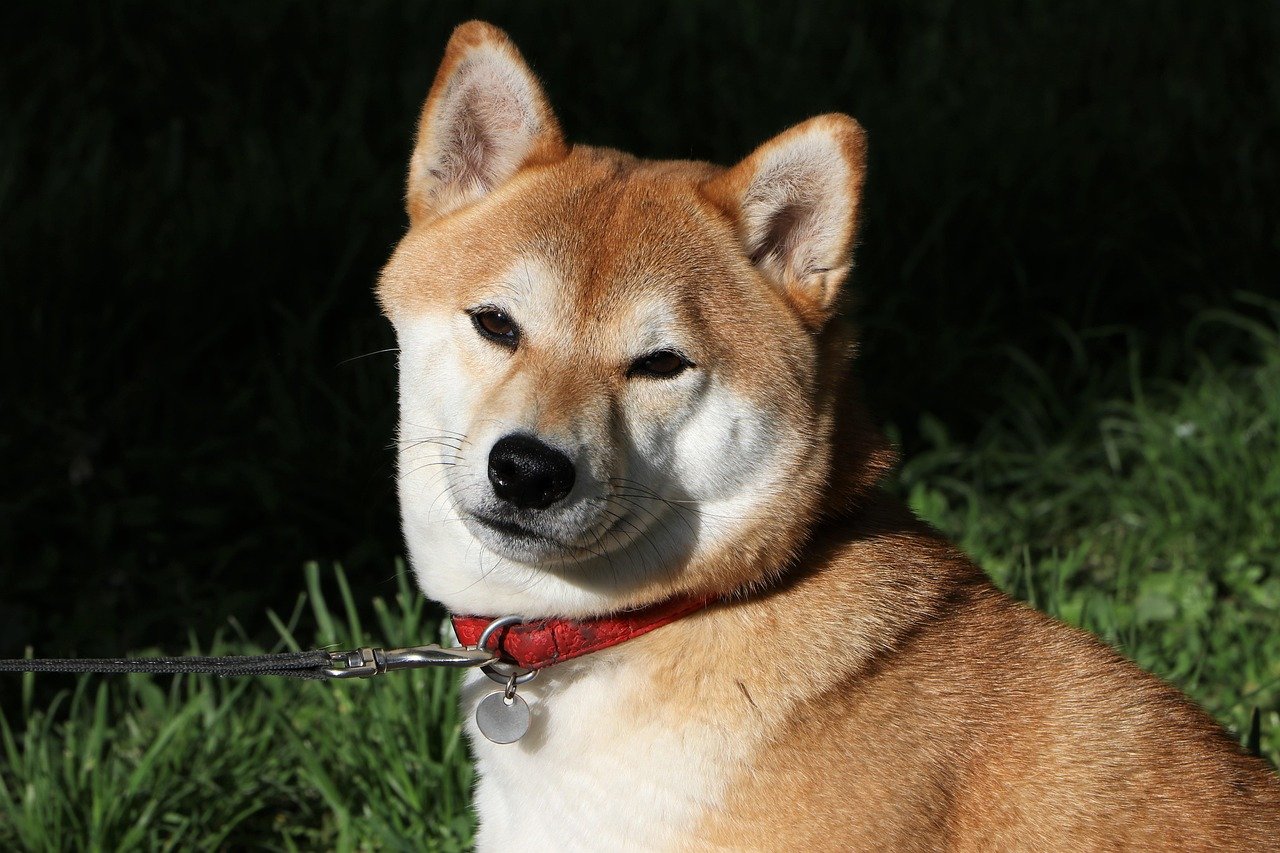
Shiba Inus are often described as “cat-like” because of their independence and aloofness. While they’re fiercely loyal to their owners, they’re not always eager to make friends with other dogs. Shibas can be territorial and have a strong sense of personal space. Their stubbornness means they’re quick to let other dogs know when they’ve crossed a line. Shiba Inus do best in homes where they don’t have to compete for attention or resources. With their fox-like faces and mischievous spirits, they’re happiest as the sole pet in a household.


