

Have you ever watched your dog curl up in a cozy spot and wondered if a crate would feel like a safe haven or a tiny prison? For every loving pet parent, the idea of crate training can spark a storm of emotions—hope, guilt, confusion, or even dread. Is it truly an act of kindness, providing comfort and safety, or could it be cruel, restricting freedom and joy? Today, let’s unravel the real truth behind crate training, leaving judgment at the door and focusing on what’s best for our four-legged friends.
Understanding Crate Training: What Is It?
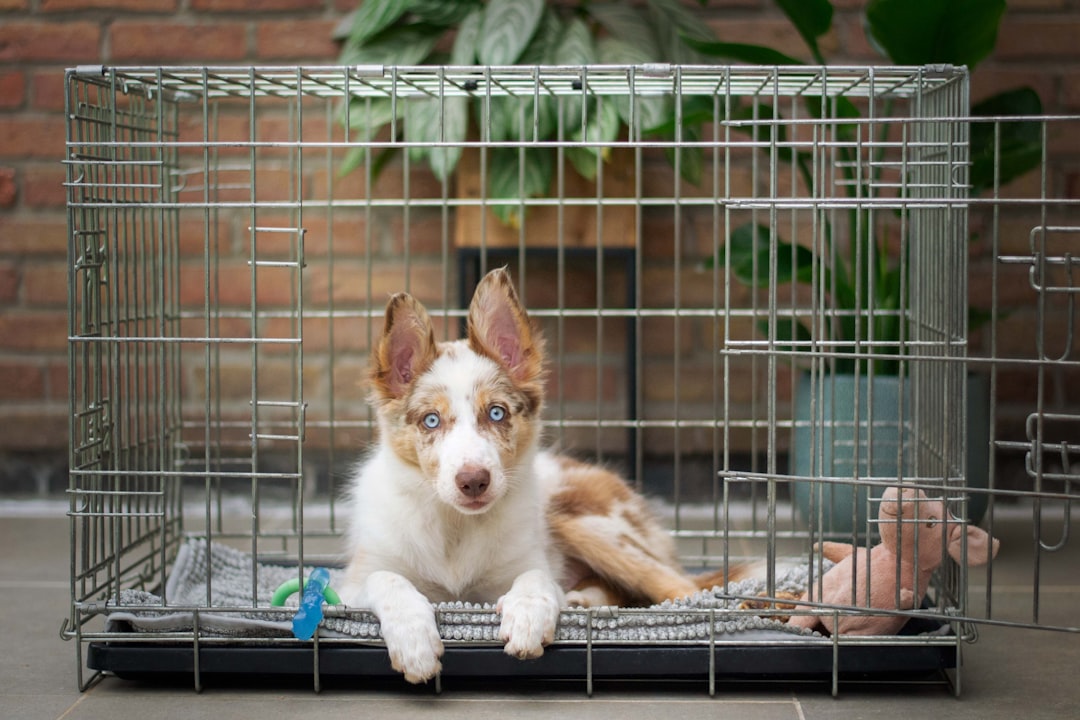
Crate training is the process of teaching a dog to see a crate as a positive, secure place. It isn’t about punishment or isolation; instead, it’s inspired by a dog’s natural instinct to find a den-like space for rest and safety. The crate becomes a “bedroom” for your pet, a place to unwind or retreat when life gets overwhelming. For many dog owners, the crate acts as a tool for house training, travel, and managing behavior. But the heart of crate training lies in how it’s introduced and used. A crate can be a gentle guide or a harsh enclosure—everything depends on the method and intention.
The Emotional Side: How Dogs Really Feel

Dogs, with their expressive eyes and wagging tails, reveal a lot about how they’re feeling. When crate training is handled with patience and encouragement, most dogs come to love their crate. It’s their personal space—a spot where they can relax, nap, or chew on a favorite toy without disturbance. Imagine having your own room to escape from noisy guests or just to unwind. However, if a dog is forced into the crate or left inside for too long, fear and anxiety can build up. The crate should never be a place of punishment or neglect. The key is to pay attention to your dog’s emotions and body language, ensuring the crate is always a source of comfort.
Benefits of Crate Training: Safety and Security
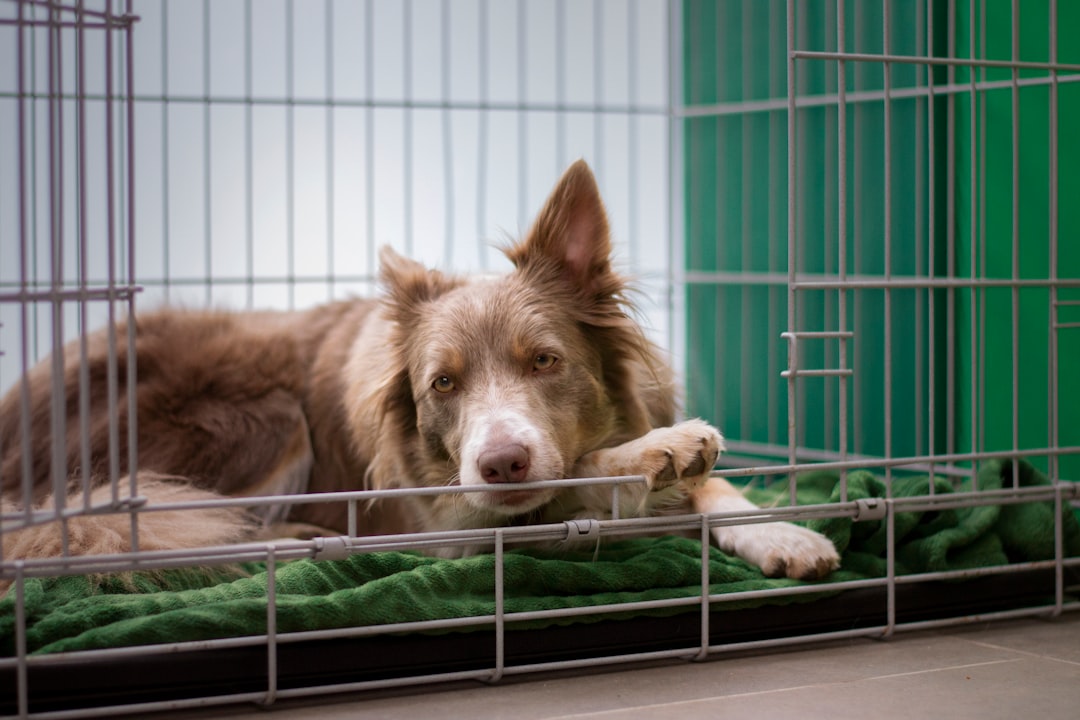
One of the biggest reasons people crate train is for their dog’s safety. Puppies, in particular, are notorious for getting into trouble when left unsupervised. A crate protects them from chewing dangerous objects or getting into harmful situations. For adult dogs, crates can provide a sense of security during thunderstorms, fireworks, or when unfamiliar visitors arrive. Many dogs will naturally seek out their crate when they need to feel safe. In emergencies or during travel, a crate-trained dog is also less likely to panic, making stressful times easier for both pet and owner.
Potential Drawbacks: When Crate Training Goes Wrong

Despite its benefits, crate training can go awry if misused. Leaving a dog locked away for hours on end can damage their trust and lead to behavioral issues like excessive barking, chewing, or depression. Crates are not a substitute for exercise, play, or affection. A dog left alone too long can feel forgotten, which is heartbreaking for any pet lover. Instead, the crate should be used in moderation and always paired with plenty of attention, walks, and fun. Remember, a crate is a tool, not a babysitter, and its misuse can hurt the bond you share with your dog.
How to Make Crate Training a Positive Experience

Positive crate training starts with patience and understanding. Introducing the crate with treats, gentle praise, and favorite toys helps your dog see it as a happy place. Never force your dog inside or shut the door abruptly. Allow them to explore, sniff, and enter at their own pace. Feeding meals inside the crate and rewarding calm behavior can build positive associations. Short, frequent sessions work better than long, stressful ones. The ultimate goal is for your dog to feel that the crate is their own special sanctuary—a place they want to go, not one they’re forced into.
Common Misconceptions About Crate Training

Many people believe that crating is inherently cruel, or that it’s only for disobedient dogs. In reality, when done correctly, most dogs view their crate as a safe retreat, not a punishment. Some also think crates are only for puppies, but adult dogs can benefit too. Another myth is that leaving a dog in a crate will automatically fix behavioral problems—crates are helpful tools, but not magical solutions. Understanding these misconceptions can help dog lovers make informed, compassionate choices for their pets.
Alternatives to Crate Training: Are There Other Options?

Not every dog or owner feels comfortable with crate training, and that’s okay. Baby gates, playpens, or dog-proofed rooms can provide safe spaces without the confines of a crate. Some dogs prefer open beds or cozy corners, especially if they’ve had negative experiences with crates before. The most important factor is safety—ensuring your dog can’t get into trouble when unsupervised. For some, a crate is the answer; for others, creative alternatives work just as well. The focus should always be on what makes your dog feel happiest and most secure.
Signs Your Dog Loves or Hates Their Crate

Every dog is unique, and their feelings about the crate will show in their behavior. Signs your dog loves their crate include voluntarily entering it, resting calmly, or bringing toys inside. You might even find them snoozing in the crate with the door open—a sure sign of comfort. On the flip side, if your dog whines, scratches, or refuses to enter, it’s time to reassess your approach. Anxiety, drooling, or attempts to escape mean the crate isn’t a happy place. Always listen to your pet and adjust your methods to their needs. Their comfort is the most important clue you can follow.
Tips for Successful and Humane Crate Training

Consistency and kindness are your best allies. Keep crate time short at first, gradually increasing as your dog gets comfortable. Never use the crate for punishment or leave your dog inside for more than a few hours at a stretch. Make the crate inviting with soft bedding and favorite toys. Offer treats and praise for calm, quiet behavior. Remember, a tired dog is a happy dog—plenty of play and exercise outside the crate will make downtime inside much more enjoyable. Most importantly, stay patient and attuned to your dog’s feelings. Their happiness is the real measure of success.


