

Have you ever watched your dog and your child together, feeling both joy and a flicker of worry? The bond between children and dogs can be magical, but it can also go wrong in the blink of an eye. As dog lovers, we want to nurture friendships, not accidents. Some behaviors we might find harmless or even cute in our dogs can actually be risky, especially when little children are involved. It’s time to look closer at what we should absolutely never encourage in our furry friends when little ones are around—because safety, trust, and happiness are what matter most.
Rough Play and Wrestling
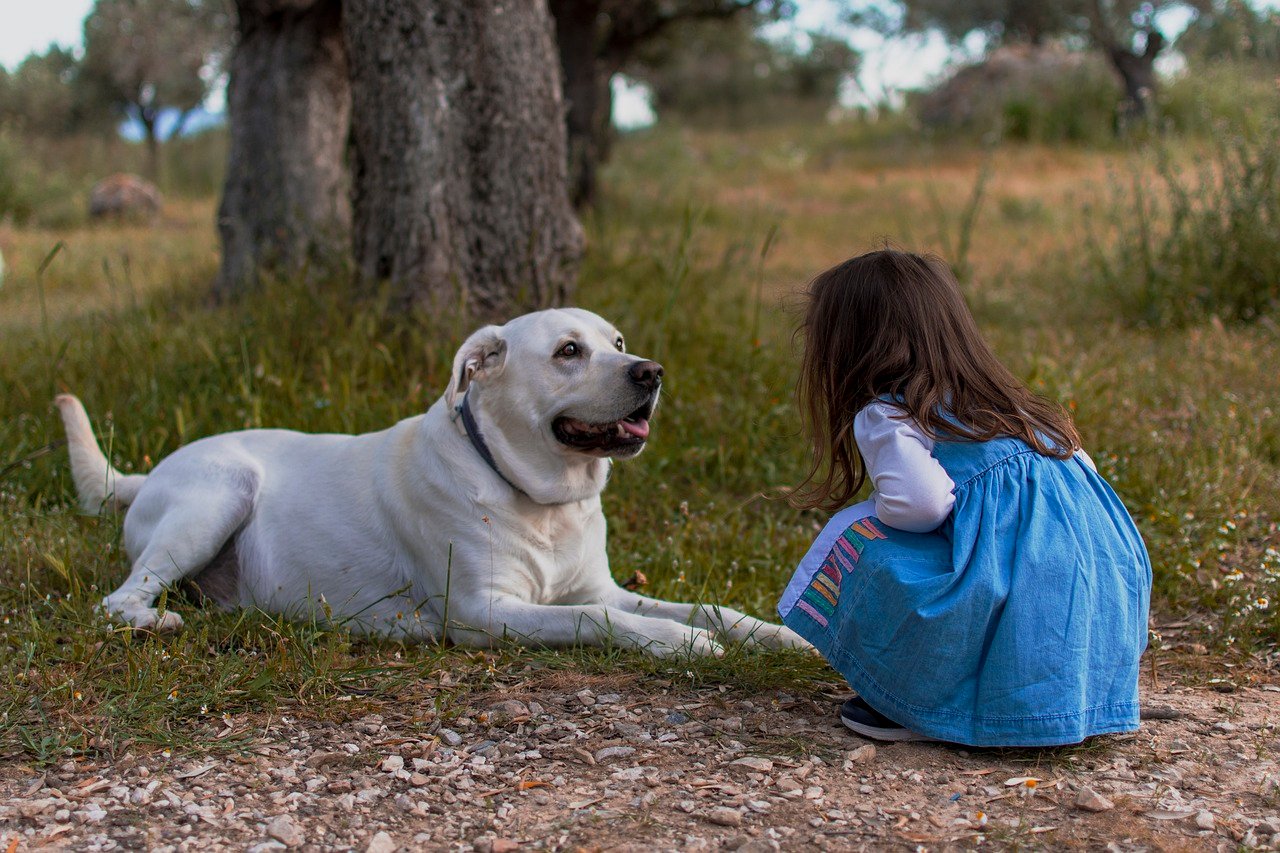
Dogs and children can form some of the most heartwarming bonds — full of loyalty, play, and companionship. But for those relationships to thrive safely, it’s essential to set clear boundaries and encourage respectful behavior from the start. Certain habits that might seem harmless or even cute in dogs can become risky when little ones are involved. From rough play to resource guarding, what’s tolerated today could lead to trouble tomorrow.
Many people think it’s adorable when kids and dogs tumble around together, giggling and barking in a whirlwind of energy. However, rough play can quickly spiral out of control. Dogs don’t always understand the limits of human children, and their strong jaws or paws can unintentionally hurt a small child. Wrestling can also teach a dog to associate children with chaos, making it more likely for them to respond with excitement or, worse, aggression. Even the gentlest dog can get carried away, leading to accidental bites or scratches. Instead of encouraging wrestling, guide both the child and the dog towards calm, gentle interactions. Show your child how to pet the dog softly and reward your dog for behaving calmly. It sets the stage for safe, loving companionship.
Jumping Up on People
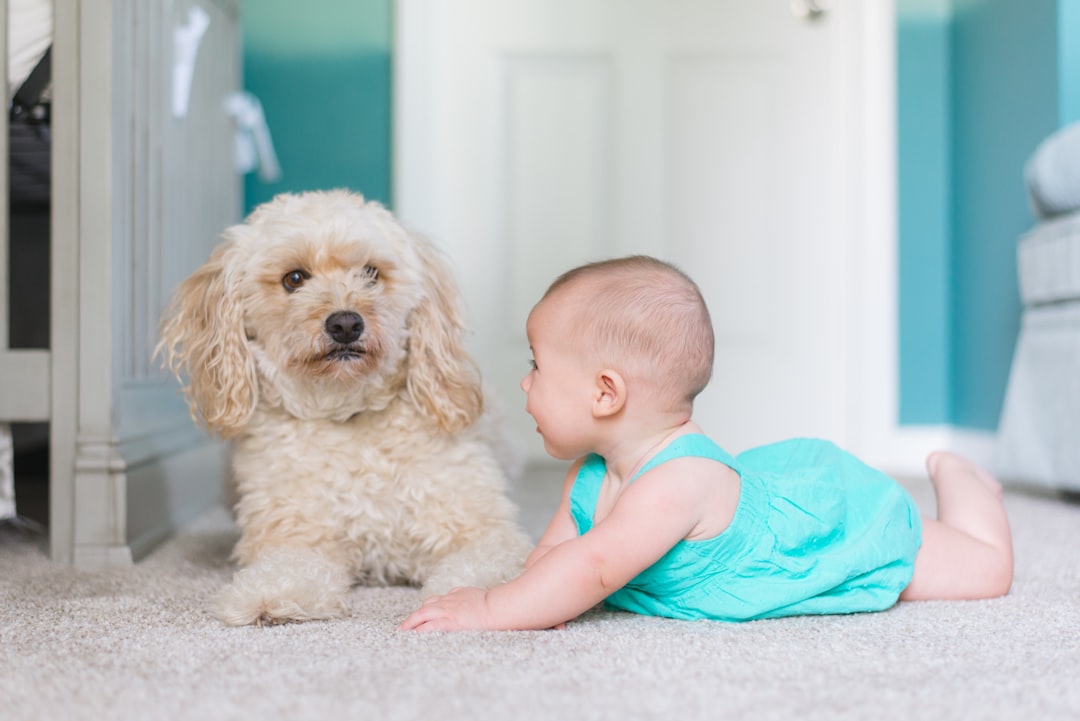
Let’s face it: a dog bouncing up to greet you can be heartwarming, but for a little child, it’s frightening and dangerous. Dogs often jump to show affection or to seek attention, but a child’s small size and lack of balance make them especially vulnerable to being knocked over. Encouraging this habit, even unintentionally, can lead to injuries or make a child scared of dogs. If you notice your dog jumping, redirect their energy into sitting or waiting calmly for attention. Celebrate and reward four paws on the floor. Teaching your dog proper greetings is not just polite—it’s essential for keeping little ones safe and confident around their canine companions.
Resource Guarding and Food Aggression
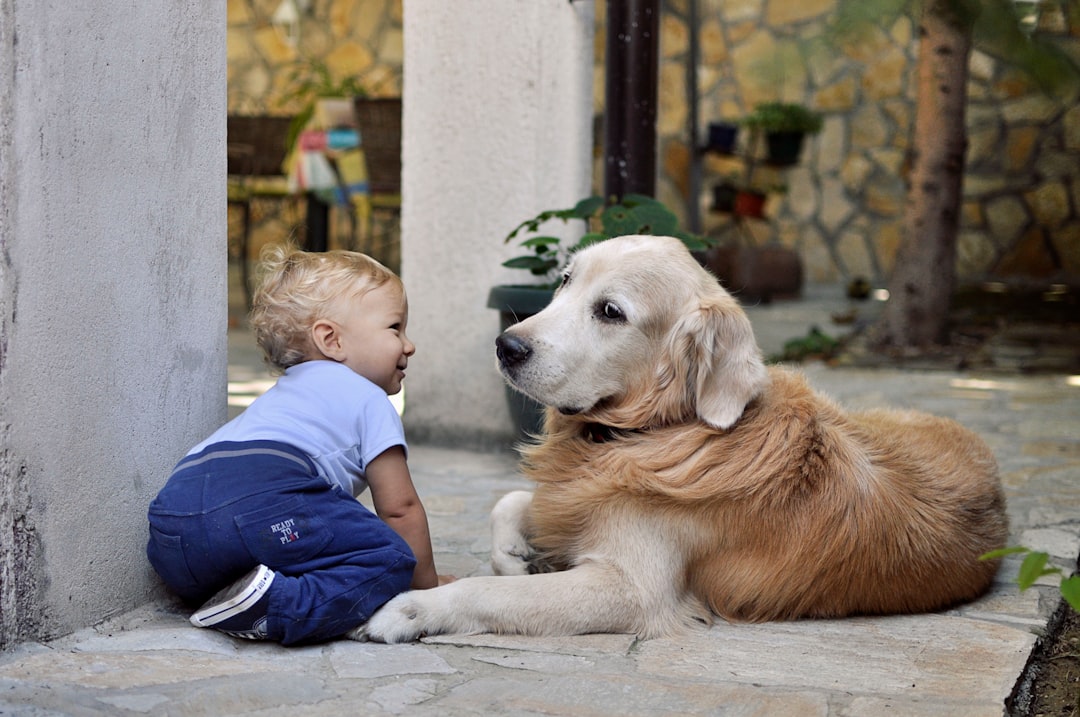
Resource guarding—when a dog protects food, toys, or even people—can be a ticking time bomb around children. Kids are naturally curious and may not recognize a dog’s warning signs, such as stiffening or growling. If a dog is allowed to guard resources, a child reaching for a toy or treat could end up bitten. Never encourage possessive behavior, and always supervise snack times and play with prized toys. Teach your dog to see children as friendly, not threatening, presences around their resources. Practicing safe trading games and positive associations with sharing can make resource guarding a thing of the past, ensuring harmony in your home.
Chasing Games
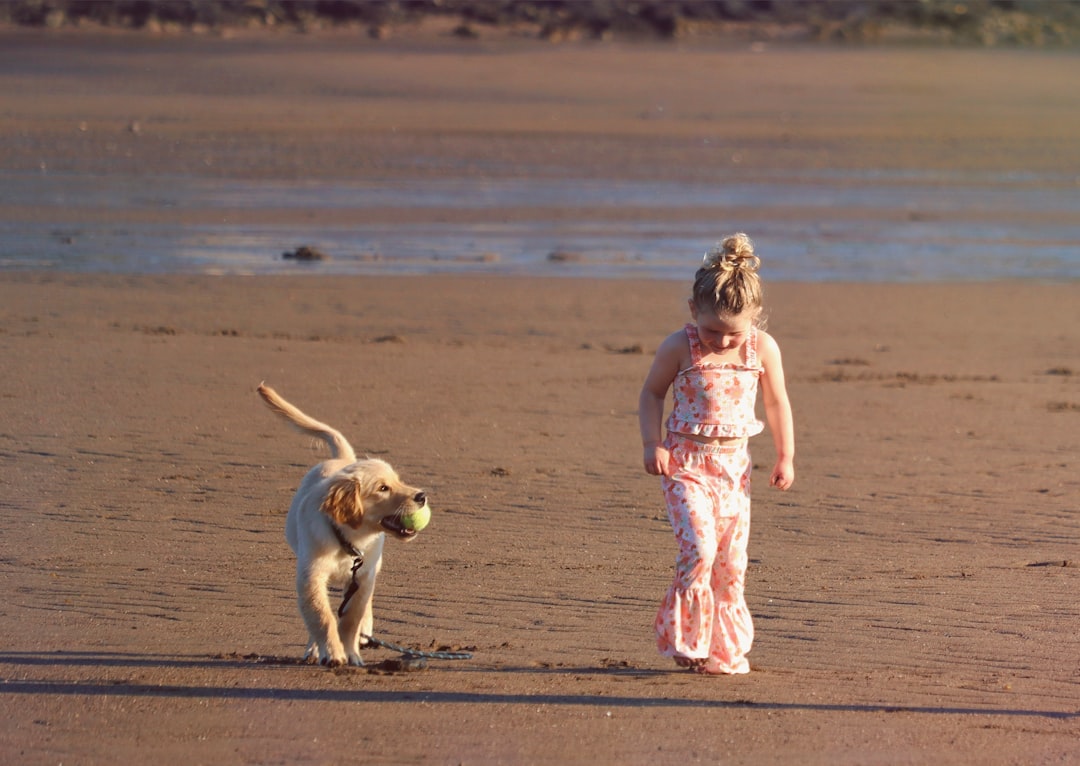
A game of chase between a dog and a child can seem harmless fun, but it can quickly turn scary. Dogs have natural prey instincts, and when encouraged to chase, they may see running children as something to pursue. This can result in nipping, tripping, or scaring a child who suddenly feels like prey. Chasing games blur the line between play and hunting, and for some breeds, the urge to chase is strong. Instead, play structured games like fetch or tug under adult supervision. These channel your dog’s energy in safe, predictable ways and teach children that running from dogs isn’t a game—it’s best left alone.
Poor Boundaries and Ignoring “No”
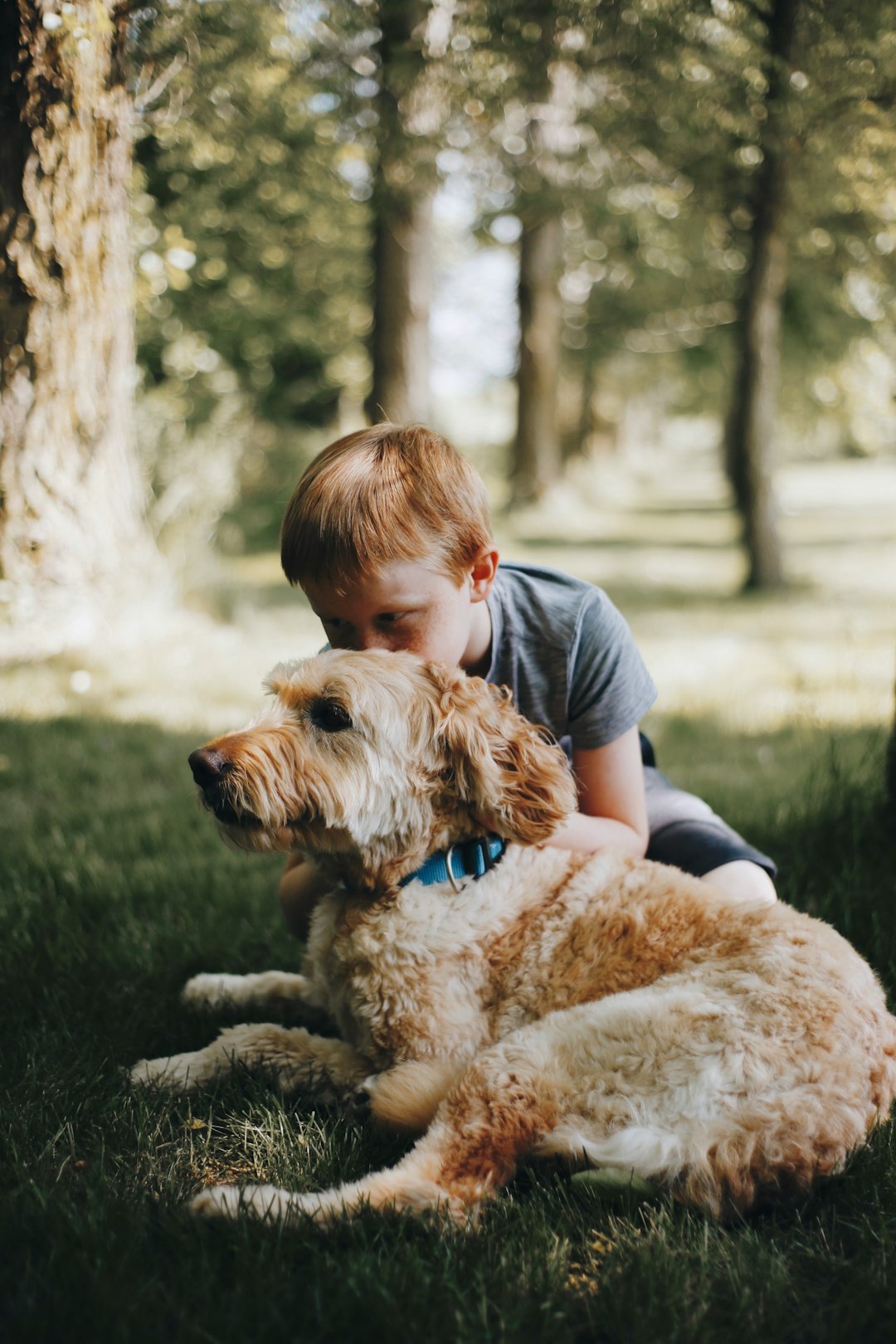
It may seem cute when a dog nudges a child for more petting or licks their face endlessly, but this behavior can cross boundaries and make a child uncomfortable. Worse, if a dog isn’t taught to respect a child’s “no” or gentle push away, the child may become fearful, or the dog may ignore important signals in the future. Dogs need to learn to respect personal space, just as children do. Encourage your child to use clear, gentle commands, and teach your dog to respond positively to being asked to stop or move away. This mutual respect is vital for building trust and preventing uncomfortable situations.
Barking and Over-Excitement
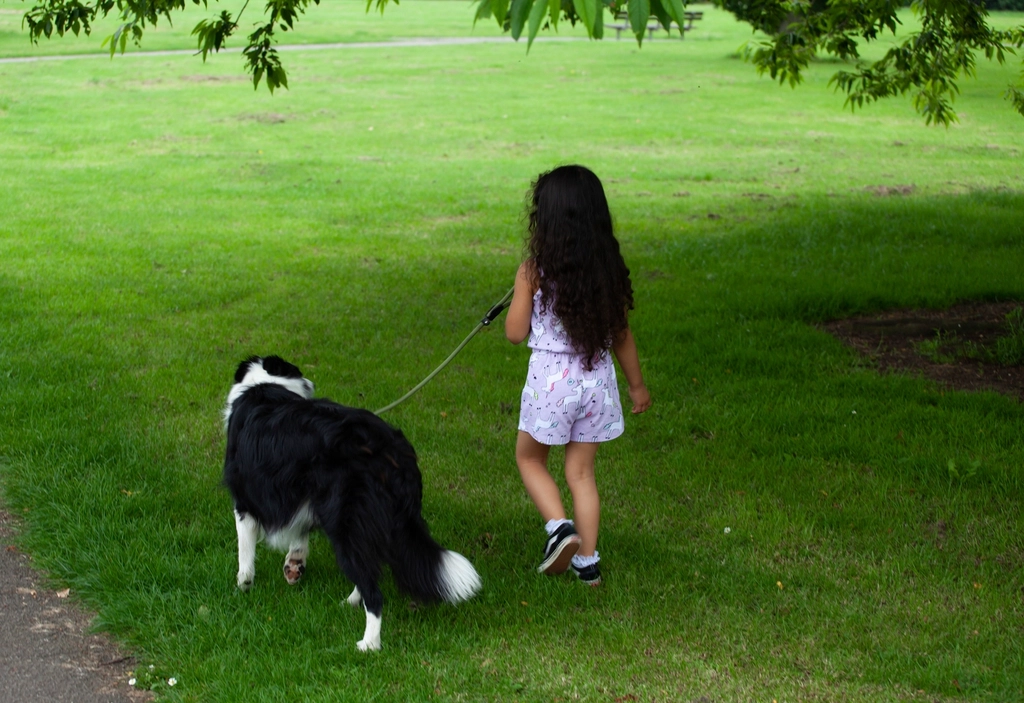
A barking, hyperactive dog can overwhelm any adult—imagine how a toddler feels! Some people unintentionally encourage barking by laughing or giving attention, reinforcing the behavior. For children, loud barking or frenzied energy is not only startling but can also make them anxious or even cause them to fall. Over-excited dogs might jump, nip, or ignore boundaries. Help your dog practice calmness around children by rewarding quiet, relaxed behavior. Teach children to avoid squealing or running, which can ramp up a dog’s excitement. A calm environment makes for a calmer dog and a safer, happier child.
Mouthiness and Play Biting
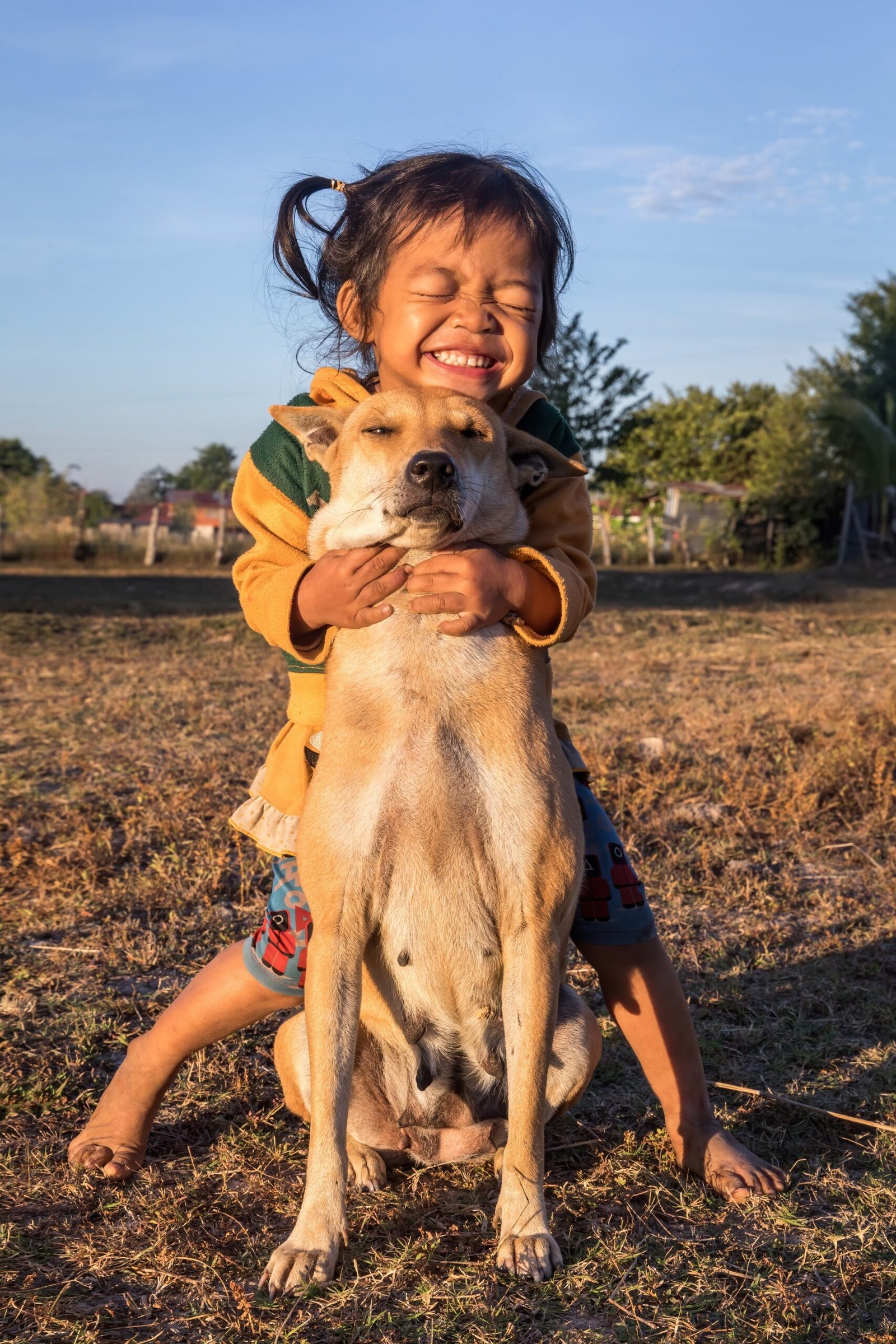
Puppy nibbles might seem harmless, but allowing a dog to mouth or lightly bite, even in play, is never safe around children. Kids have soft skin, and what feels gentle to a dog might still hurt. Worse, it teaches a dog that it’s okay to put teeth on human skin. If your dog starts mouthing, redirect them to appropriate chew toys and stop play immediately. Consistent boundaries teach your dog that teeth should never touch people, especially the smallest members of your family. This simple rule keeps everyone safe and builds trust between your child and their loyal friend.
Ignoring Warning Signs of Stress or Fear
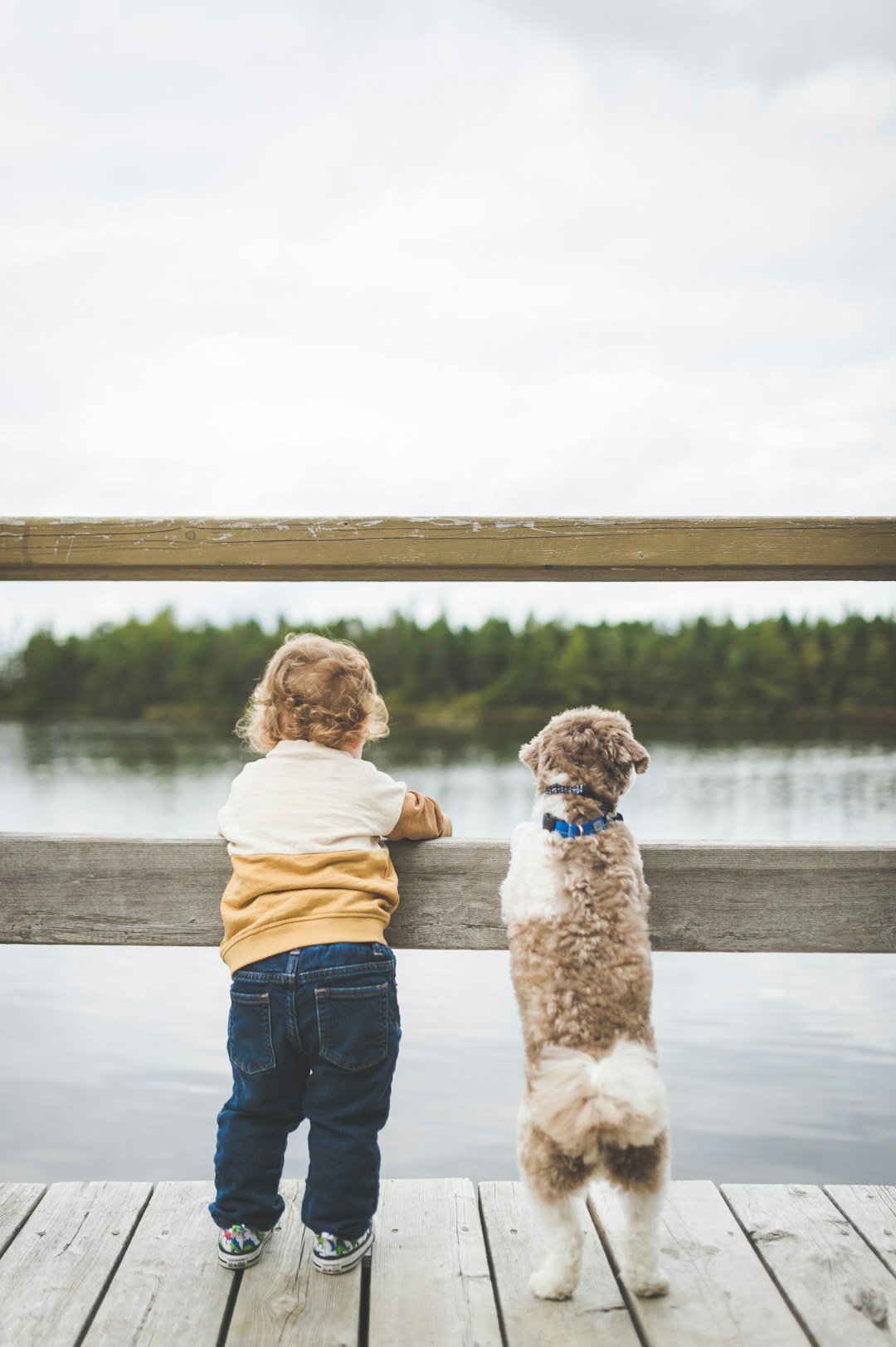
Dogs communicate discomfort through subtle signs: yawning, lip licking, turning away, or tucking their tail. When these warning signs are ignored or dismissed, a dog may feel pushed to the limit and react with a snap or bite. Children often miss these signals, and adults sometimes overlook them too. It’s crucial never to encourage your dog to “put up with” unwanted attention or rough handling from children. Teach your child to recognize when the dog wants space, and always supervise their interactions. Respecting these signals keeps both your child and your dog safe and nurtures a relationship based on understanding and empathy.
Creating a safe and respectful environment between dogs and young children starts with intentional habits and clear boundaries. By avoiding the behaviors outlined in this guide, you not only protect your child but also set your dog up for success as a calm, trustworthy companion. Remember, it’s not just about preventing accidents — it’s about building a relationship founded on mutual trust, gentle interaction, and consistent guidance. With the right approach, dogs and children can grow up as the best of friends — safely and happily, side by side.


