

The arrival of a newborn brings joy, excitement, and often a whirlwind of change. For golden retriever owners, this new chapter can be both heartwarming and stressful—especially if your furry companion is deeply attached to you. Golden retrievers, known for their loving and loyal nature, might struggle with the sudden shift in attention and routine. Their expressive eyes and unwavering devotion can make it hard not to feel guilty, but with a little patience and understanding, you can help your golden adjust and even thrive alongside your growing family. Let’s explore how you can guide your clingy golden retriever through this big transition with empathy and success.
Start Preparing Before Baby Arrives

Preparation is everything when it comes to helping your golden retriever cope with change. Begin weeks, or even months, before your due date by slowly adjusting your daily schedule. Walks, feeding times, and play sessions can be shifted bit by bit to mimic the unpredictability of life with a newborn. This gradual change helps your dog learn that routines might change, but your love and care remain. Bringing home baby supplies early and allowing your golden to sniff and investigate these new items can ease curiosity and reduce anxiety. The more familiar your dog is with these changes, the less overwhelming the big day will feel.
Introduce New Baby Scents

Dogs experience the world primarily through their noses. Introducing your golden retriever to the baby’s scent before homecoming can be surprisingly comforting. Consider bringing home a blanket or a piece of clothing that carries the newborn’s smell, letting your dog sniff it under supervision. This can help your retriever associate the new scent with positive experiences. Some owners even pair the scent introduction with treats or gentle praise, making it a pleasant and rewarding activity. The goal is to ensure your golden doesn’t see the baby as something foreign or alarming.
Establish Boundaries Early On

Golden retrievers thrive on clear expectations and consistency. Setting boundaries before your baby arrives helps your dog understand which areas or items are off-limits. Use baby gates or close doors to the nursery, and train your golden to wait at the doorway until invited inside. Practice these rules calmly and consistently, using treats and praise rather than punishment. By the time the baby comes home, your dog will already be accustomed to these household limits, making the transition smoother for everyone.
Strengthen Basic Obedience Skills

A well-behaved golden retriever is easier to manage during the chaos of newborn life. Brush up on basic commands like “sit,” “stay,” “down,” and “leave it.” Practice these commands in various settings and with different distractions, gradually increasing the challenge. This not only helps your dog listen when the baby is around, but it also builds their confidence. Remember, positive reinforcement is key—reward your retriever with treats, praise, or affection for getting it right. The more reliable their obedience, the more at ease you’ll both feel as your family grows.
Practice Calm Greetings
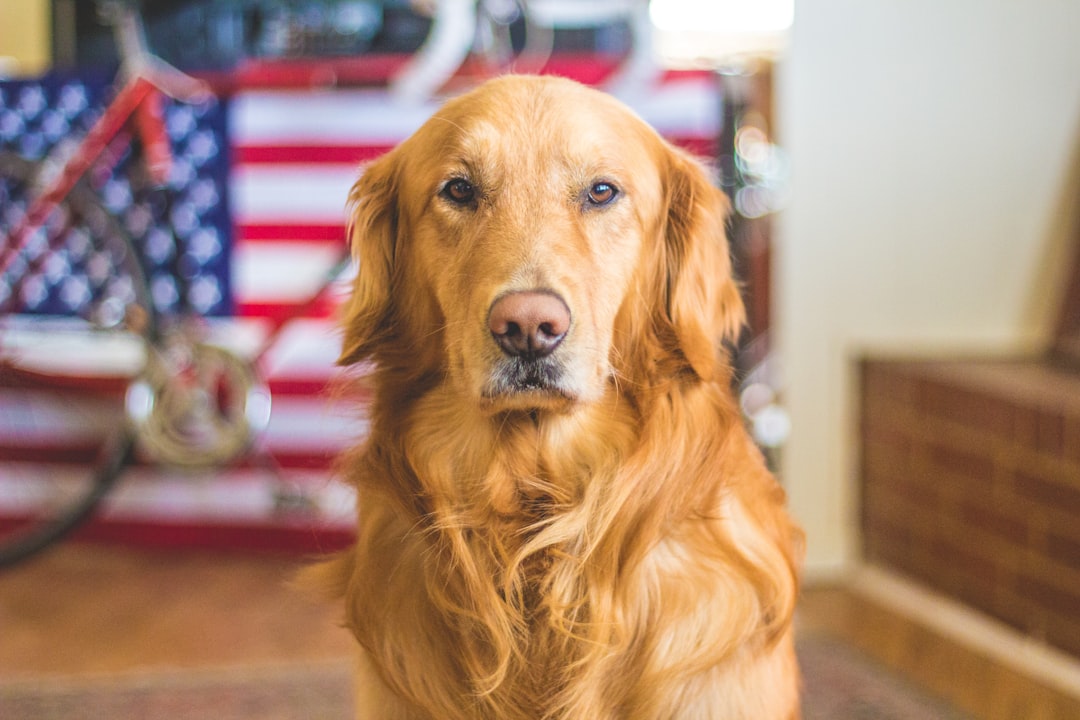
Excitement is a golden retriever’s trademark, but it may not mix well with a delicate newborn. Start practicing calm greetings now. Ask friends or family to enter your home, and only allow your golden to approach when they’re sitting and calm. Reward peaceful behavior and gently redirect any jumping or barking. Repeating this routine helps your dog learn that calmness earns rewards and attention. When the baby finally arrives, your retriever will be better prepared to greet new people—and the baby—without overwhelming energy.
Create a Safe Space for Your Dog

Golden retrievers need their own sanctuary, especially when the house fills with new sounds, smells, and visitors. Designate a cozy spot—a crate, bed, or quiet room—where your dog can retreat when things get overwhelming. Stock it with favorite toys, blankets, and perhaps a piece of your clothing for comfort. Teach your golden that this is a positive place by offering treats or playing calming music. Having a personal space allows your dog to decompress and regain confidence, making them less likely to act out or become anxious.
Maintain Special One-on-One Time
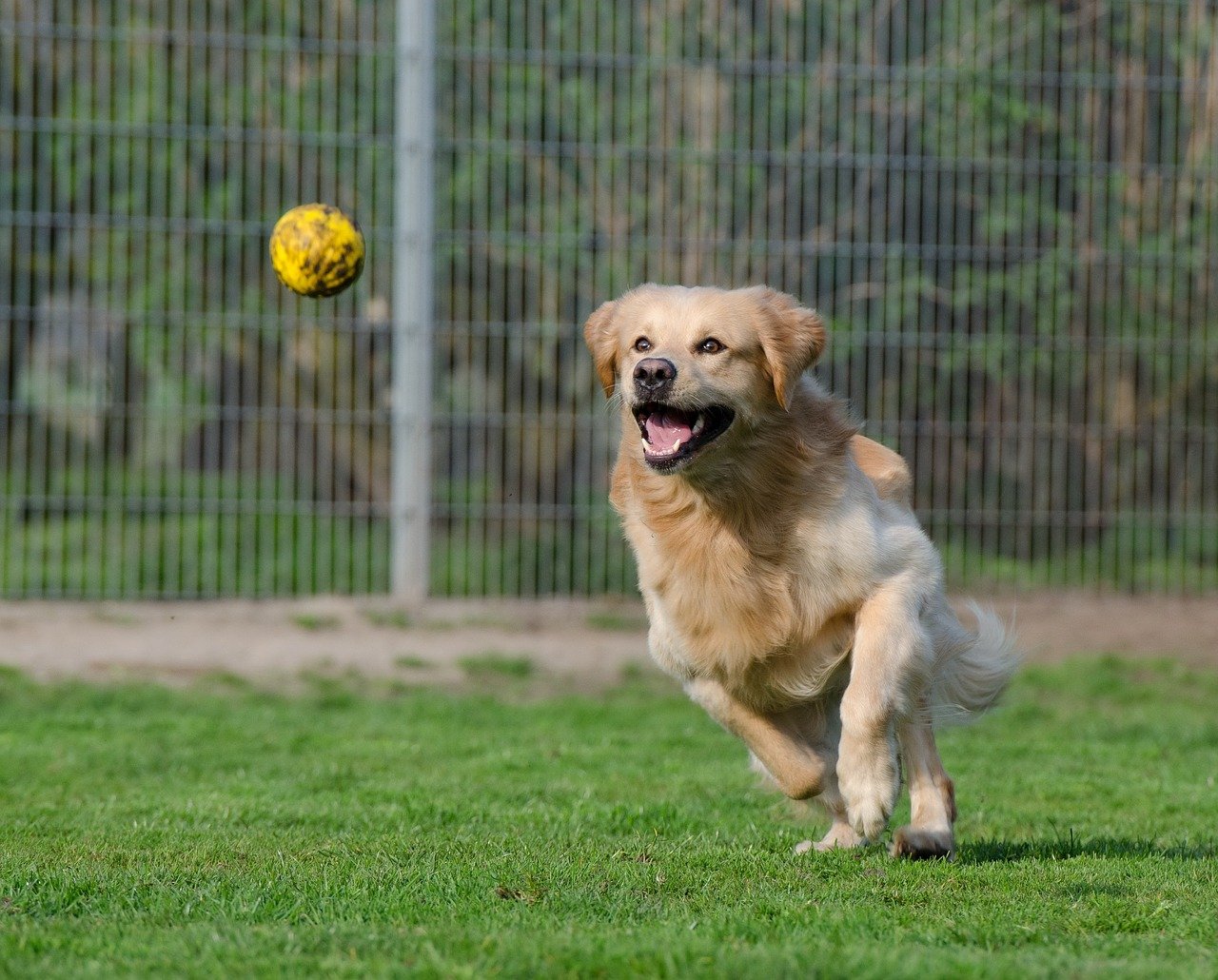
Golden retrievers crave companionship, and changes in attention can make them feel left out. Dedicate a few minutes each day for undivided attention, whether it’s a walk, cuddle session, or a quick game of fetch. This doesn’t need to be lengthy—consistency matters more than duration. The point is to reassure your golden that they are still an important part of your life, even with a new baby in the house. These moments of connection can work wonders in soothing their clinginess and boosting their confidence.
Slowly Introduce New Sounds

Babies bring a symphony of unfamiliar sounds—from crying to cooing and everything in between. Help your golden retriever adjust by playing recordings of baby noises at a low volume before the baby arrives. Pair these sounds with treats and praise, gradually increasing the volume as your dog becomes comfortable. This gentle desensitization helps your retriever associate baby sounds with positive outcomes and lessens the shock when the real thing fills the house.
Encourage Positive Associations With the Baby

When the baby is home, let your dog observe from a respectful distance, rewarding calm and curious behavior. Offer treats and gentle praise when your golden shows appropriate interest or simply relaxes near the baby. Over time, involve your dog in baby-related routines, like supervised walks with the stroller or quiet time during feedings. These positive experiences teach your retriever that good things happen when the baby is around, helping foster a loving and protective bond.
Limit Major Changes to Routine

While some shifts in routine are inevitable, try to keep as many of your dog’s rituals intact as possible. Stick to regular feeding times, walks, and bedtime routines. If changes must occur, introduce them gradually rather than all at once. Predictability provides comfort and security for your golden retriever, making them less likely to become stressed or act out. Simple consistency can make a world of difference during this big life adjustment.
Manage Jealousy With Fair Attention

It’s natural for a clingy golden retriever to feel jealous when a newborn suddenly takes center stage. Be mindful of your dog’s emotional needs, especially in the early weeks. If you’re holding the baby, invite your retriever to sit nearby and offer a gentle pat or kind word. Involving your dog in family activities, even in small ways, can help them feel included rather than replaced. Remember, a little reassurance goes a long way in keeping jealousy at bay.
Watch for Signs of Stress or Anxiety

Even with the best efforts, your golden retriever may display signs of stress—whining, pacing, hiding, or destructive behavior. Keep a close eye on their body language and behavior, especially during the first few weeks. Early detection allows you to intervene with calming activities, extra affection, or a quiet break in their safe space. If anxiety persists or escalates, do not hesitate to consult your veterinarian or a professional dog trainer for additional guidance.
Celebrate Progress and Small Victories

Change is a journey, not a sprint. Celebrate each milestone, whether it’s your golden calmly resting near the baby or mastering a new command amid chaos. Share these victories with family, and don’t forget to reward your dog with treats, praise, or extra playtime. Each success strengthens the bond between your golden retriever and your growing family, paving the way for a loving life together.
Helping your clingy Golden Retriever adjust to a new baby takes a little patience, a lot of love, and some smart planning. Gradually easing them into the new routine, setting boundaries, and still making time for cuddles can go a long way. Remember, your Golden just wants to feel included—not replaced. With gentle guidance and consistency, they’ll soon learn there’s plenty of love to go around. Before you know it, you’ll have two best buddies under one roof!


