
13 Socialization Tips To Ensure Your Pit Bull Pup Grows Up A Friendly Dog

Imagine looking into your pit bull puppy’s bright eyes and wondering, “Will everyone love you as much as I do?” The truth is, pit bulls often face unfair judgement, but with the right socialization, your pup can become a shining ambassador for the breed. Early, positive social experiences shape their personalities for life. If you want your pit bull to be the neighborhood sweetheart instead of the misunderstood outsider, the journey starts now—with your guidance, patience, and heart.
Start Early: The Key to Building Confidence
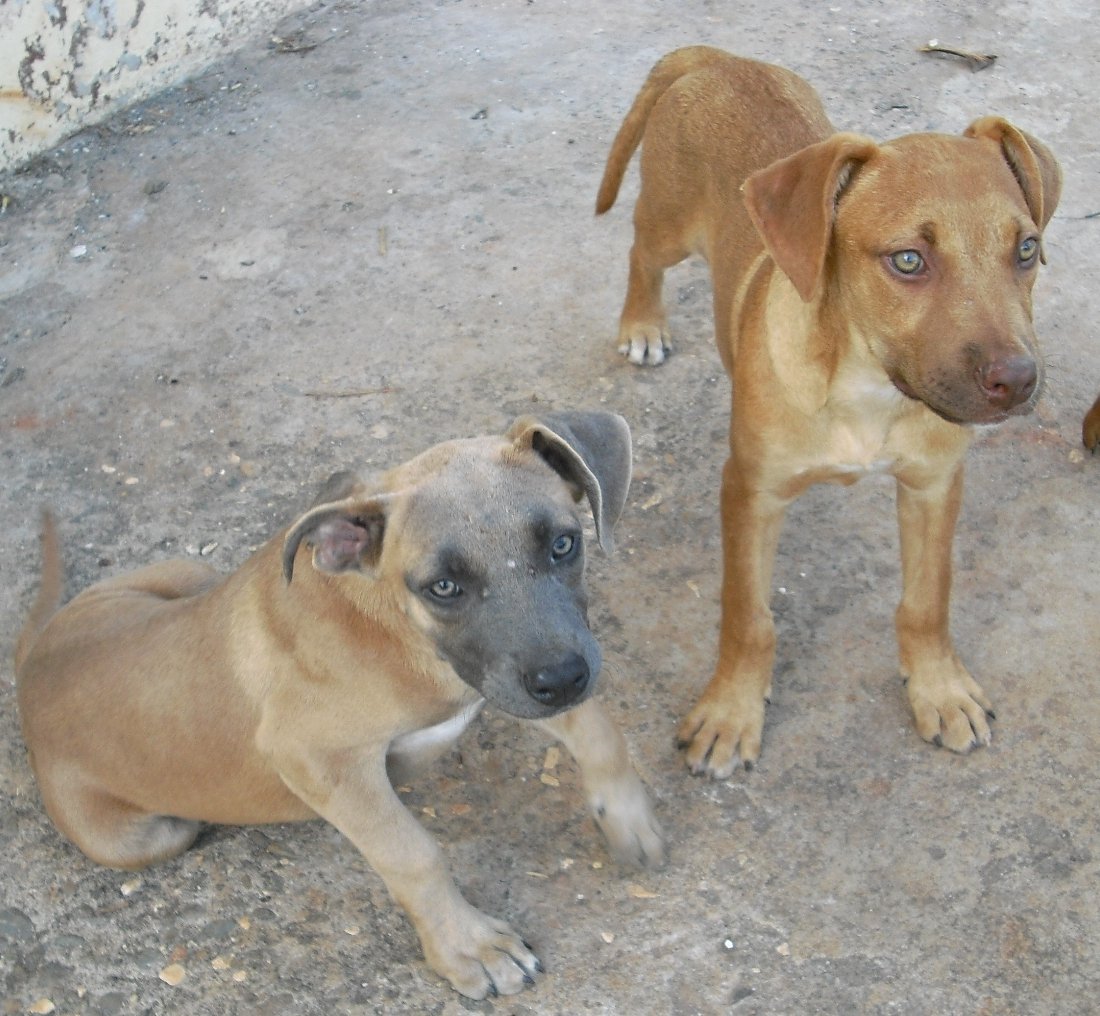
Socialization should begin as soon as you bring your pit bull puppy home, ideally by eight weeks of age. Young pups are curious and impressionable, making this the perfect time to introduce them to the world. The earlier your puppy meets new people, animals, and environments, the more likely they’ll grow up feeling secure and confident. Early exposure helps prevent fear and aggression later in life. Think of it as planting seeds for a lifetime of good behavior. Even brief, gentle experiences can have a lasting effect, so don’t wait—start exploring together from day one.
Introduce a Variety of People

Pit bulls need to learn that people come in all shapes, sizes, and ages. Invite friends, family, and neighbors to meet your pup. Encourage gentle petting, treats, and playful interactions. Let your puppy encounter men, women, children, people in hats, and those with loud voices or wheelchairs. The more diverse the experiences, the better. If your pup hesitates, let them approach people at their own pace. Each positive meeting chips away at fear and builds trust, turning your pit bull into a friendly, welcoming companion.
Positive Experiences with Other Dogs
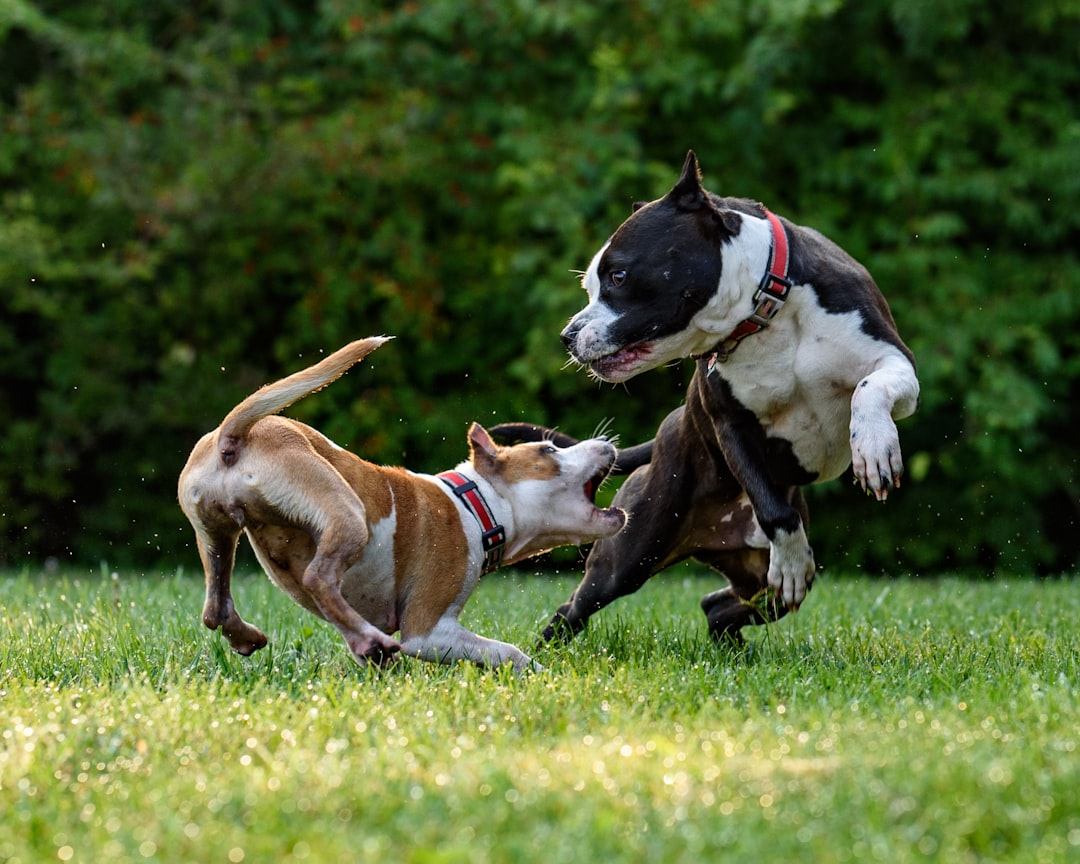
Dog-to-dog interactions are crucial for your pit bull’s social skills. Arrange playdates with friendly, well-vaccinated dogs of different breeds and sizes. Make sure the first meetings are calm and supervised to prevent rough play or intimidation. Watch your pup’s body language; it should be relaxed and happy. If they seem scared, separate them for a while and try again later. Over time, your pit bull will learn how to communicate, play, and respect boundaries, which are essential lessons for polite doggy manners.
Expose to New Environments
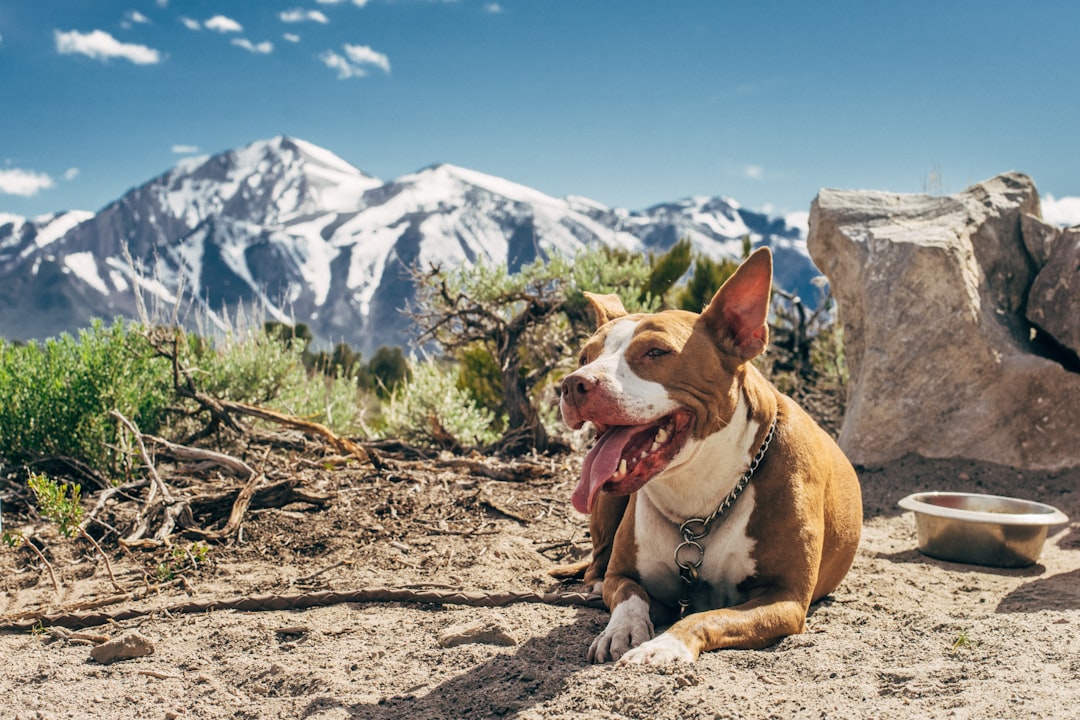
Take your puppy to parks, city streets, pet-friendly stores, and even outdoor events. Each location offers new sights, sounds, and smells. The more places your pit bull visits, the more adaptable they become. Encourage calm exploration—let your pup sniff, observe, and take in the world at their own pace. If they seem overwhelmed, reassure them with a soothing voice and treats. This kind of exposure helps prevent anxiety about unfamiliar situations and turns your pit bull into a confident adventurer.
Encourage Gentle Handling
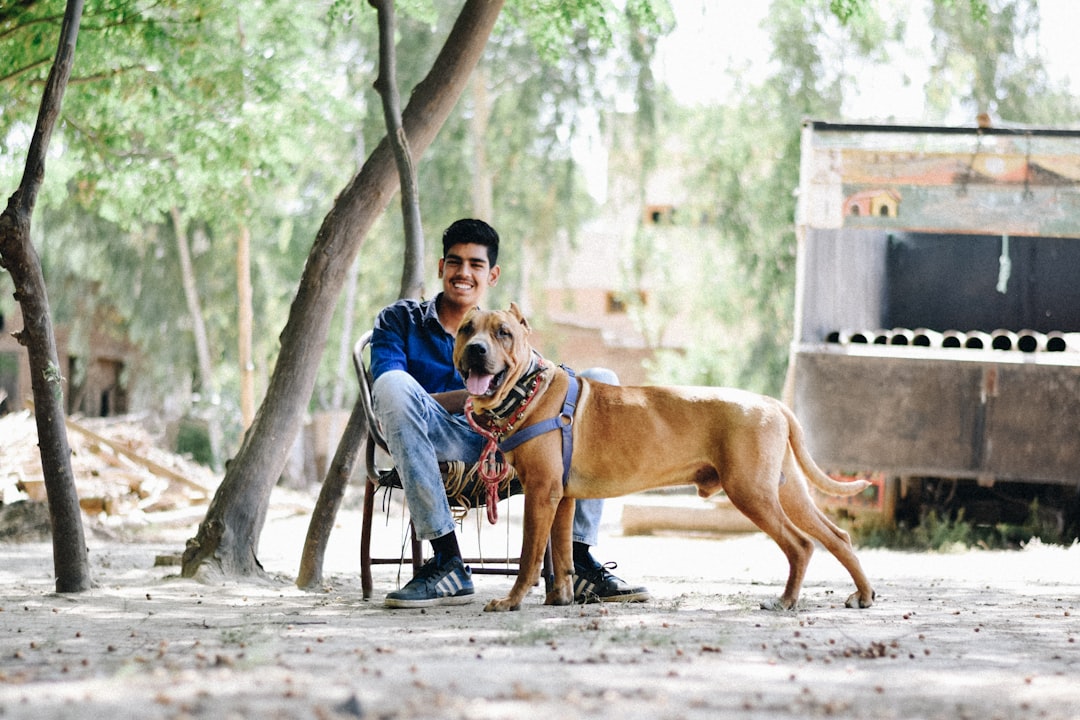
Get your pit bull used to being touched all over—from their ears to their paws and tail. Gently handle them every day, and reward calm behavior with praise and treats. This prepares them for vet visits, grooming, and the everyday interactions that come with family life. If they resist, go slowly and make it a positive experience. Over time, your pit bull will see touch as a sign of affection rather than something to fear, making them more tolerant and friendly.
Reward Calm and Friendly Behavior

Whenever your puppy responds to a new person, animal, or situation with curiosity or calmness, reward them immediately. Use treats, toys, or gentle praise—whatever motivates your dog most. This positive reinforcement teaches your pit bull that good things happen when they’re friendly and relaxed. It’s a simple but powerful way to shape their attitude toward the world. Over time, they’ll seek out positive interactions because they know it leads to good outcomes.
Enroll in Puppy Socialization Classes

Puppy classes provide a safe, structured environment for learning social skills. Look for classes that use positive reinforcement and focus on gentle, controlled interactions. Your pit bull will meet other puppies, learn basic commands, and practice polite greetings. Trainers can also help you address any early signs of fear or aggression. These classes aren’t just about obedience—they’re about building confidence and teaching your pup to enjoy the company of others.
Supervise All Interactions
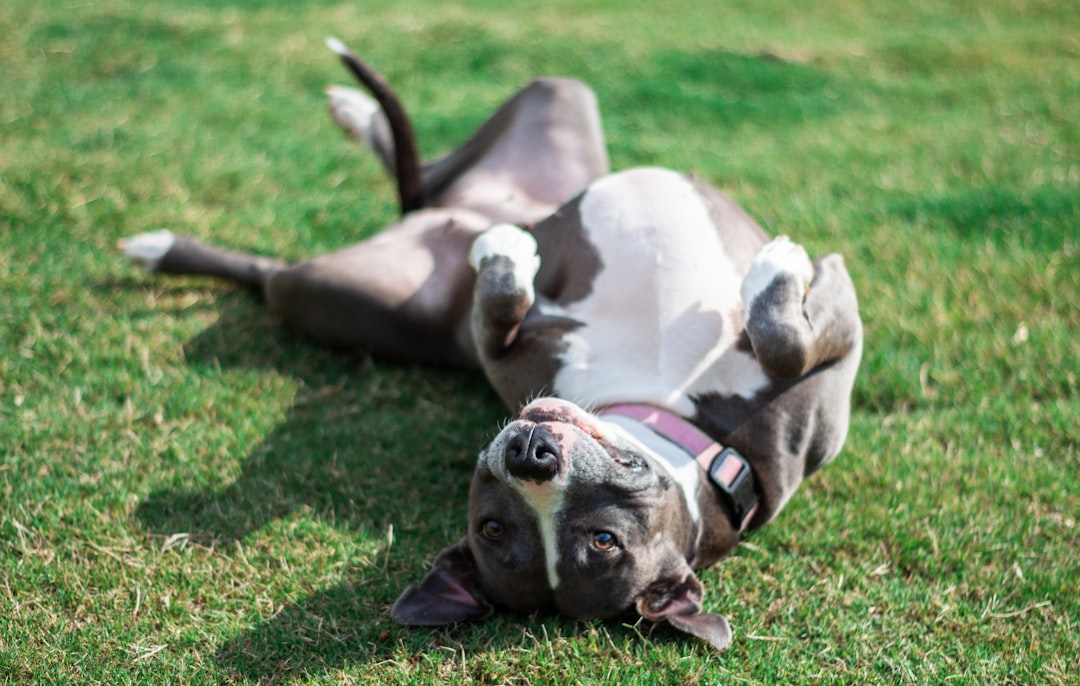
Never leave your pit bull puppy unsupervised during new interactions, especially with children or other pets. Accidents can happen quickly, and early negative experiences can have long-lasting effects. Stay close, watch their body language, and step in if play gets too rough or someone feels uncomfortable. Your guidance ensures that every encounter is safe and positive, helping your pit bull learn appropriate behavior in every situation.
Expose to Normal Household Noises
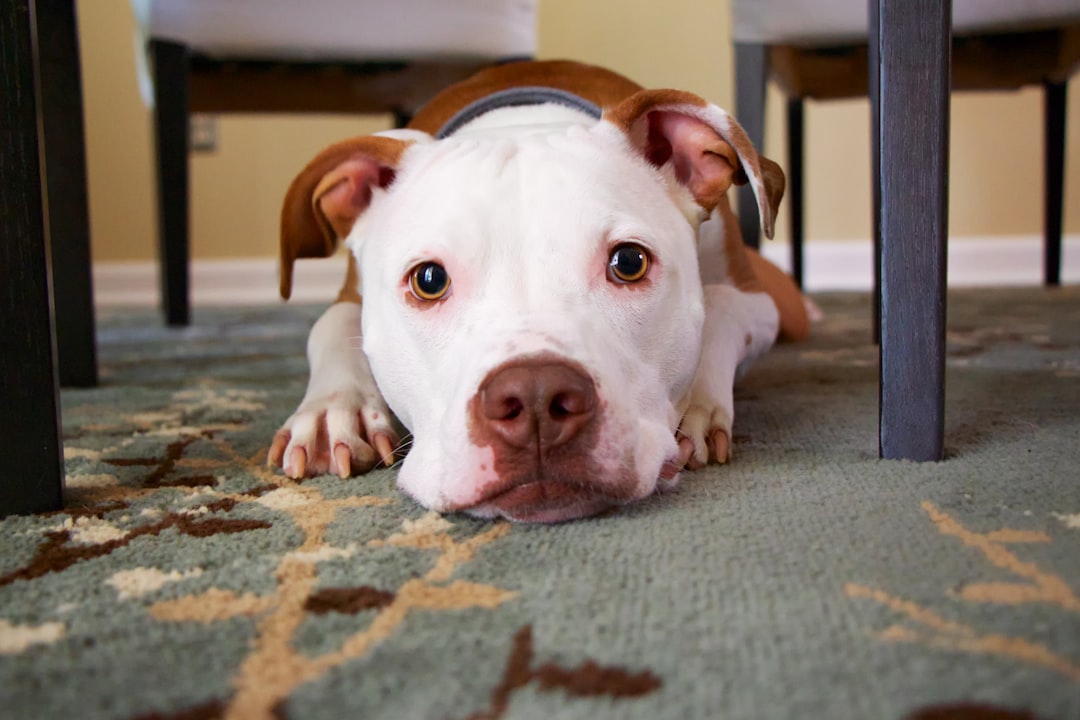
Vacuum cleaners, doorbells, and blenders can be scary for puppies who aren’t used to them. Gradually introduce your pit bull to household sounds, starting with low volumes and lots of praise. Let them investigate and reward calm reactions. Over time, these noises will become part of the background, and your dog will learn not to fear the everyday chaos of home life. This makes them more relaxed and less likely to startle or react aggressively.
Teach Bite Inhibition Early
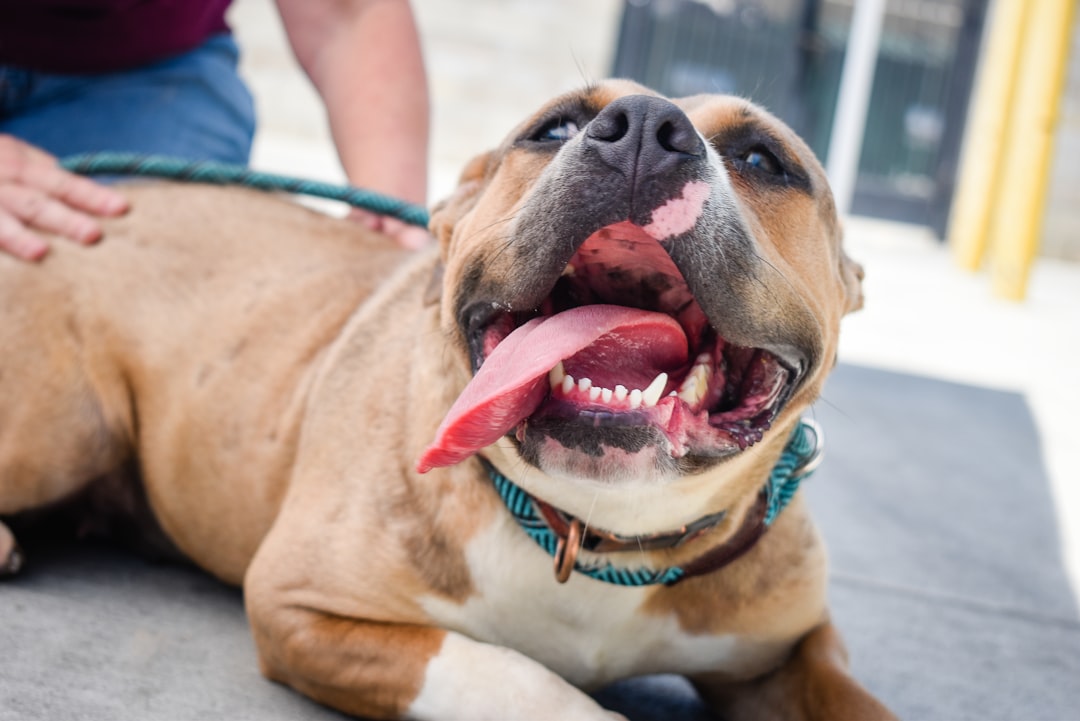
Puppies explore the world with their mouths, but it’s essential they learn to control their bite. If your pit bull nips during play, let out a sharp “ouch” and stop the game for a moment. This teaches them that rough play leads to the end of fun. Consistent, gentle corrections, along with lots of chew toys, help them understand the difference between play and pain. Bite inhibition is a crucial part of raising a safe, friendly dog.
Practice Controlled Leash Walks
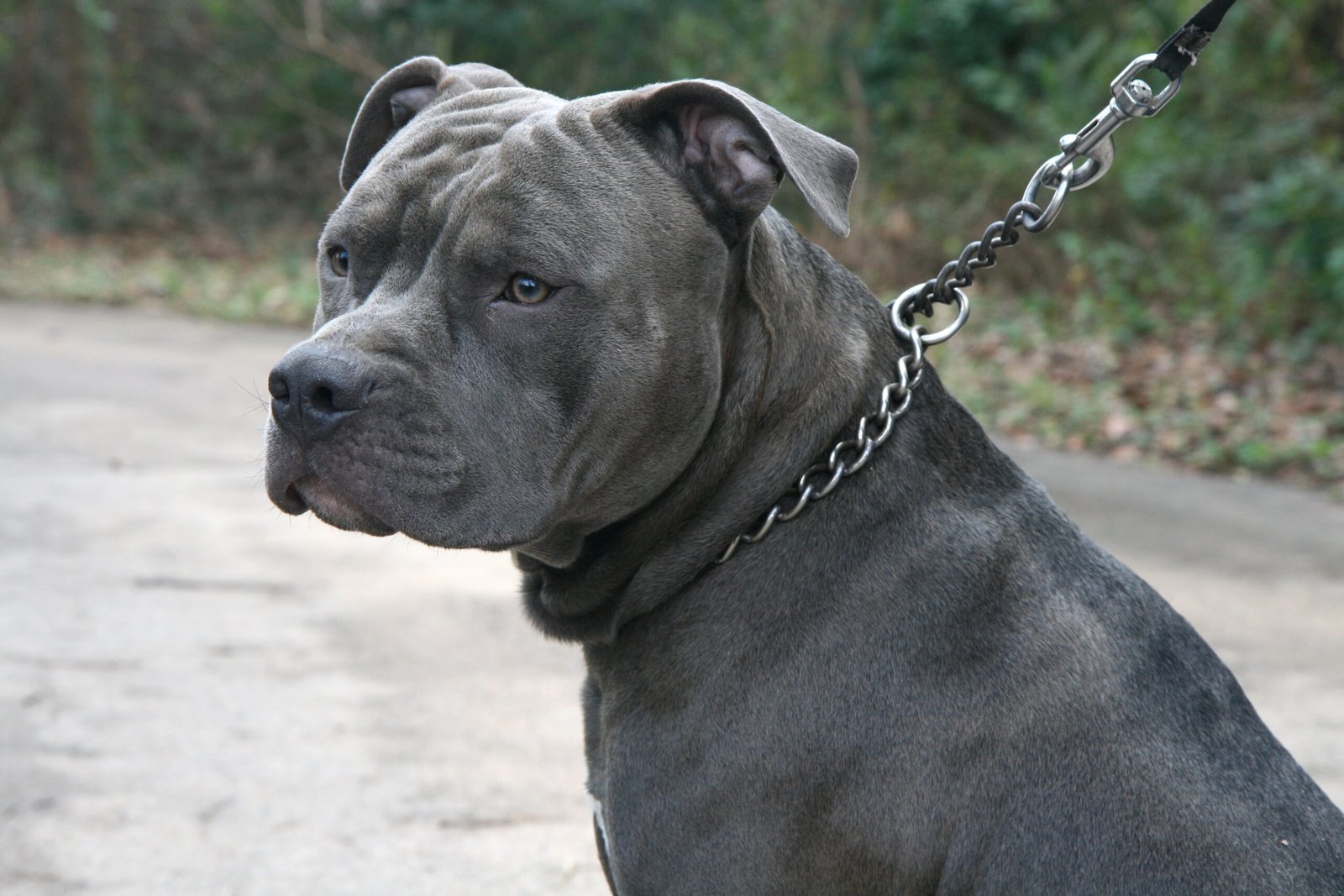
Walking on a leash exposes your pit bull to new sights and sounds while teaching them to stay calm in public. Start in quiet areas and gradually move to busier streets as your puppy’s confidence grows. Reward calm walking and friendly greetings with treats and praise. If your pup gets anxious, take a break and try again later. Regular walks build trust and self-control, transforming your pit bull into a well-mannered member of the community.
Stay Patient and Consistent

Socialization is a journey, not a race. Some days your pit bull will be bold and outgoing, while other days they might seem shy. Stay patient, keep your expectations realistic, and celebrate small victories. Be consistent with your training, routines, and responses. Every experience, no matter how small, adds up to a dog who’s confident, friendly, and ready to meet the world with a smile. The love, time, and effort you invest today will pay off in a lifetime of joyful companionship.
Make Every Experience Positive
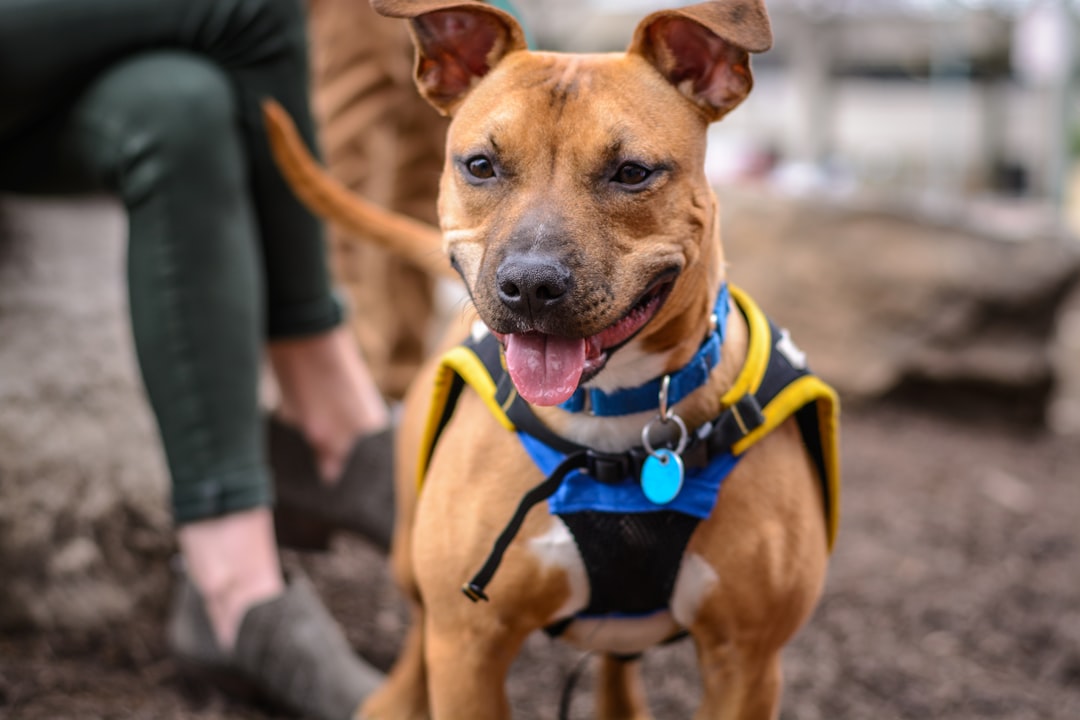
No matter what new situation your pit bull faces, focus on making it a happy one. Bring treats, use a cheerful voice, and reward good behavior. If your puppy seems scared, don’t force them—give them space and try again another day. Positive associations are the foundation of good socialization. When your pit bull learns that new experiences mean fun and rewards, they’ll greet the world with enthusiasm and trust.
Helping your Pit Bull grow into a friendly, confident dog really comes down to consistent, positive experiences and a little patience. With the right socialization, they can become the lovable, loyal companions they’re meant to be. Keep things upbeat, introduce new people and pets gradually, and always reward good behavior. It’s not just about teaching manners—it’s about building trust and connection. A well-socialized Pit Bull is a true ambassador for the breed! What kind of ambassador do you want your pit bull to become?