
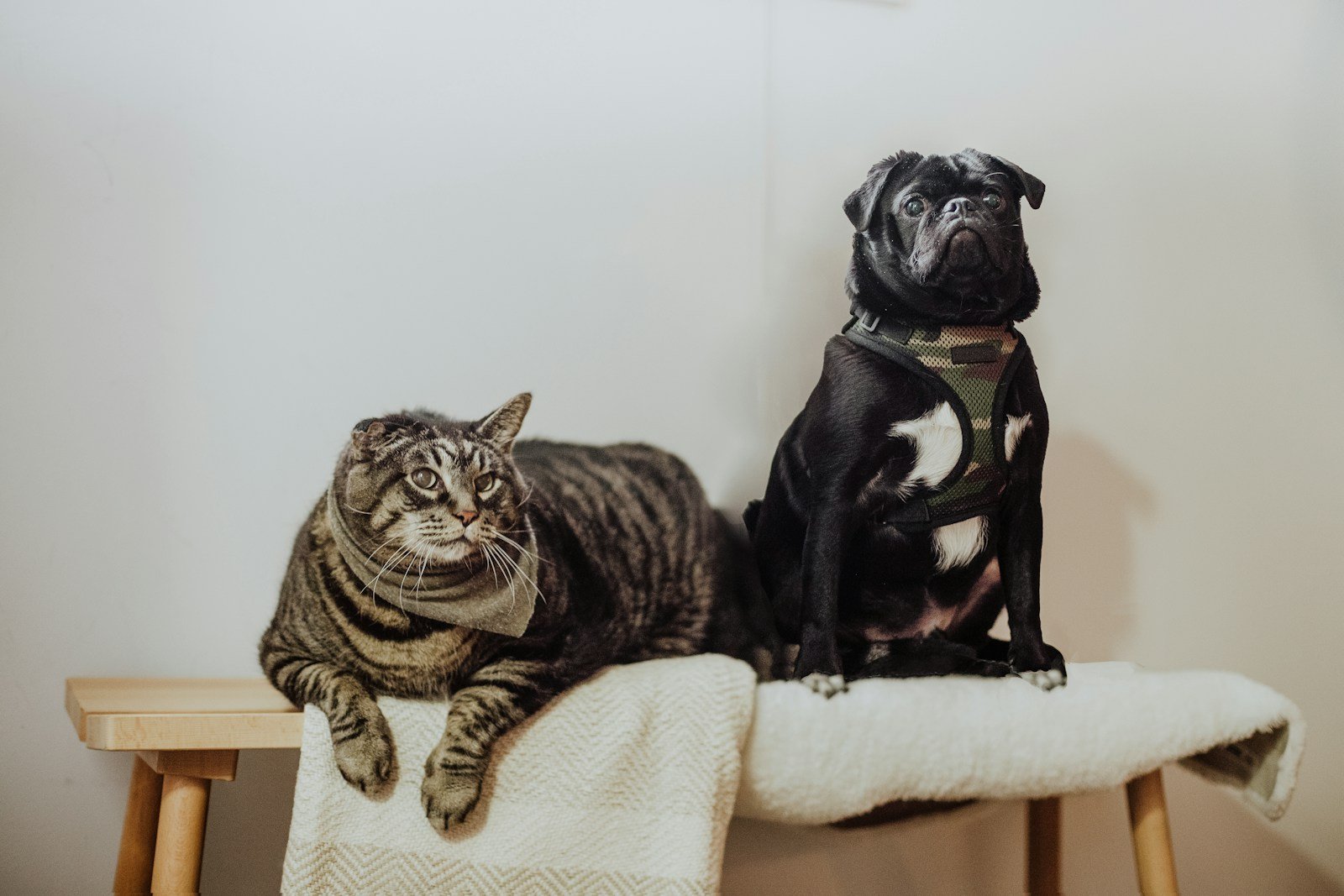
At first glance, a Persian cat and a pug dog might seem worlds apart—one’s a feline, the other’s a canine, separated by approximately 50 million years of evolution. Yet, recent research reveals a surprising twist: these two breeds, among others, are evolving to look strikingly similar, and it’s largely due to human influence.
Unveiling the Research
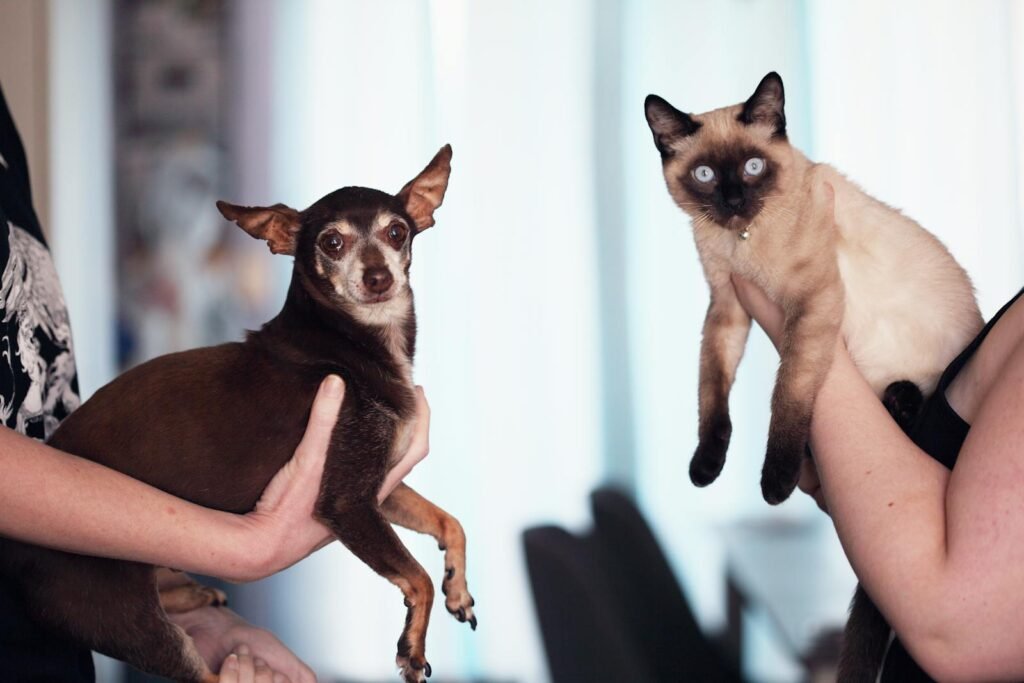
Evolutionary biologist Abby Grace Drake and her team conducted an extensive study analyzing 1,810 skulls from various breeds of domestic cats and dogs, as well as their wild relatives. Utilizing 3D scans from museum specimens, veterinary schools, and digital archives, the researchers observed that domestication has not only increased skull shape diversity beyond that of wolves and wildcats but also led some cat and dog breeds to resemble one another, particularly with convergence towards either long or flat faces.
The Role of Convergent Evolution
In evolutionary biology, convergence refers to the process where unrelated species independently evolve similar traits, often as adaptations to similar environments or pressures. In the case of domestic cats and dogs, intentional and unintentional selection by humans appears to have created convergence, steering different species toward similar traits. For instance, flat-faced breeds like the Persian cat and pugs share similar skull structures, despite their distant evolutionary paths.
Health Implications of Selective Breeding
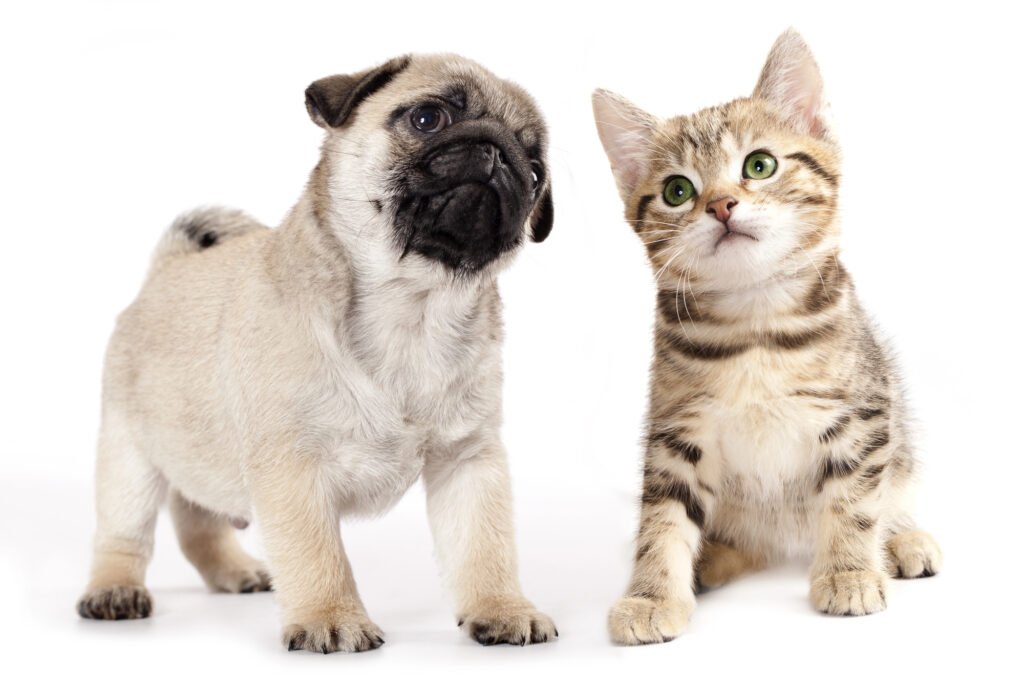
While these aesthetic similarities might appeal to human preferences, they come with significant health concerns. Brachycephalic (short-muzzled) breeds often suffer from breathing difficulties, dental issues, and other health problems due to their altered skull structures. The study highlights that domestication has not only diversified skull shapes but also introduced extreme variations that can compromise animal welfare.
Reflecting on Our Choices
Selective breeding vividly demonstrates how effortlessly humans can shape nature according to their desires, swiftly overriding millions of years of evolution with just a few decades of human-driven choice.
By favoring pets whose faces resemble our own infants, we’ve inadvertently chosen traits that can be harmful to these animals. Recognizing the factors driving this convergence between species serves as an essential reminder of our profound—and potentially harmful—influence on the natural world. Experts advocate that animals showing severe genetic health issues should be removed from breeding programs entirely. Additionally, they urge stricter regulations on breeders to protect animals from unnecessary suffering. Without meaningful changes, numerous beloved breeds will remain vulnerable to preventable health problems that significantly impact their quality of life.
A Responsibility to Acknowledge
This research prompts a deeper reflection on the consequences of human-driven selective breeding. While the desire for certain pet appearances is understandable, it’s essential to consider the health and well-being of these animals. As we continue to shape the evolution of our companion animals, prioritizing their health over aesthetics becomes a responsibility we must acknowledge.


