
Have you ever watched your dog sniff their favorite food, give you a confused look, and then walk away without a single bite? It’s a gut-wrenching sight for any pet parent! The good news is, a dog’s loss of appetite is more common than you might think, and it’s often not as scary as it seems. Sometimes, the answers are downright silly—like a dog who suddenly decides they’re too posh for kibble. Other times, it’s a clue that your furry friend needs a little extra TLC. Ready to uncover the surprising, quirky, and sometimes serious reasons your pup might be skipping dinner? Let’s dig in, tail wags and all!
Change in Environment
Dogs are creatures of habit, and even a small change in their environment can throw them off their game. A new house, a vacation, or even rearranging your living room can make your pup feel like their world has flipped upside down. This confusion can easily lead to a temporary loss of appetite. Imagine waking up and finding your bed in the kitchen—disorienting, right? Your dog feels the same way. The good news is, most dogs will adjust after a few days as things start to feel familiar again. It helps to maintain their feeding routine and create a cozy, safe spot for them to eat. A sprinkle of patience and a dash of reassurance can make all the difference!
Stress and Anxiety
Just like humans, dogs can lose their appetite when they’re feeling stressed or anxious. Loud noises, thunderstorms, fireworks, or a new pet in the house can send your dog’s nerves into overdrive. Even subtle changes, like your work schedule shifting, can make them uneasy. Some dogs may pace, hide, or cling to you, while others simply turn up their nose at dinner. If you notice these signs, try to create a calm and predictable environment for your dog. Soft music, gentle petting, and a routine can soothe their anxieties. Sometimes, just sitting with them during mealtime is enough to coax a few nibbles.
Picky Eating Habits
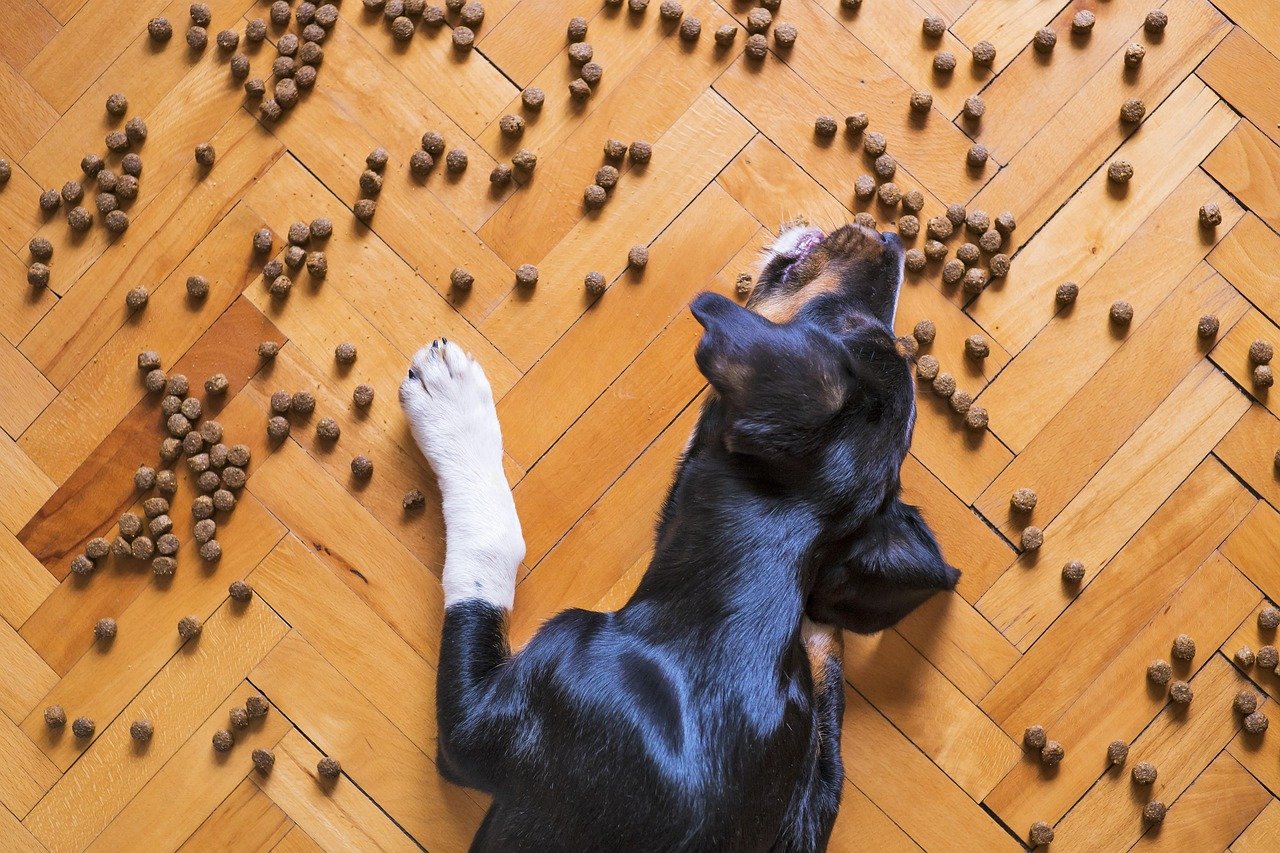
Let’s face it, some dogs are just picky eaters. Maybe they’ve discovered that refusing kibble gets them tasty table scraps, or perhaps they’re just feeling fancy. Dogs, much like toddlers, love to test boundaries and see what delicious surprises you’ll offer next. Picky eating can also develop if you frequently switch their food or offer too many treats. To help your dog thrive, stick to a regular feeding schedule, limit treats, and avoid giving in to those puppy-dog eyes at the dinner table. Sometimes, a little tough love is the best recipe for a healthy eater.
Dental Issues
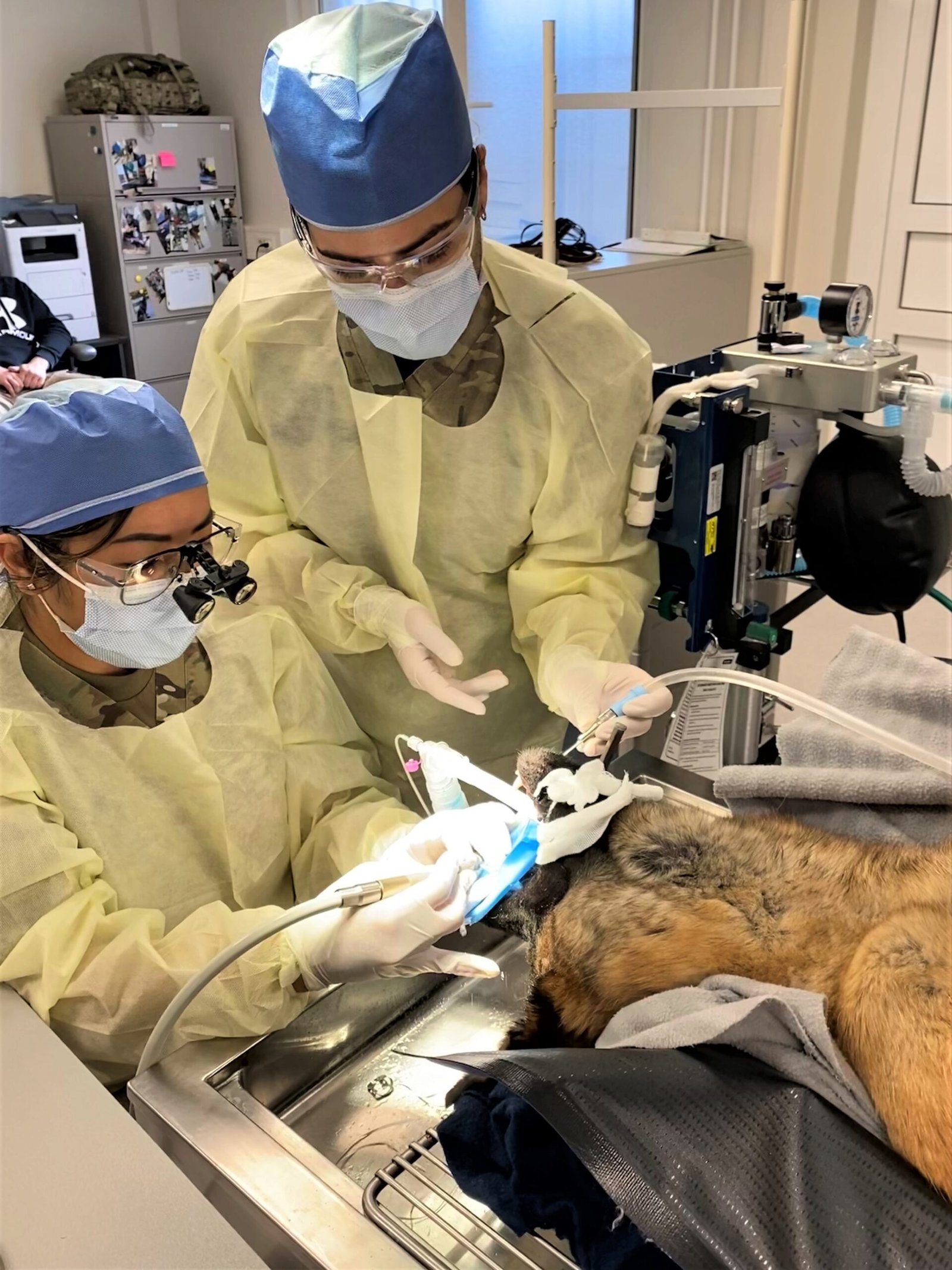
Imagine trying to eat with a toothache—ouch! Dental problems are a sneaky cause of appetite loss in dogs. Issues like gum disease, broken teeth, or mouth ulcers can make eating painful. You might notice your dog drooling, pawing at their mouth, or only eating soft food. Regular dental check-ups, brushing your dog’s teeth, and offering dental chews can help prevent these problems. If your dog suddenly avoids eating or chews awkwardly, a trip to the vet is in order. Catching dental problems early keeps your pup’s smile (and appetite) bright.
Illness or Infection
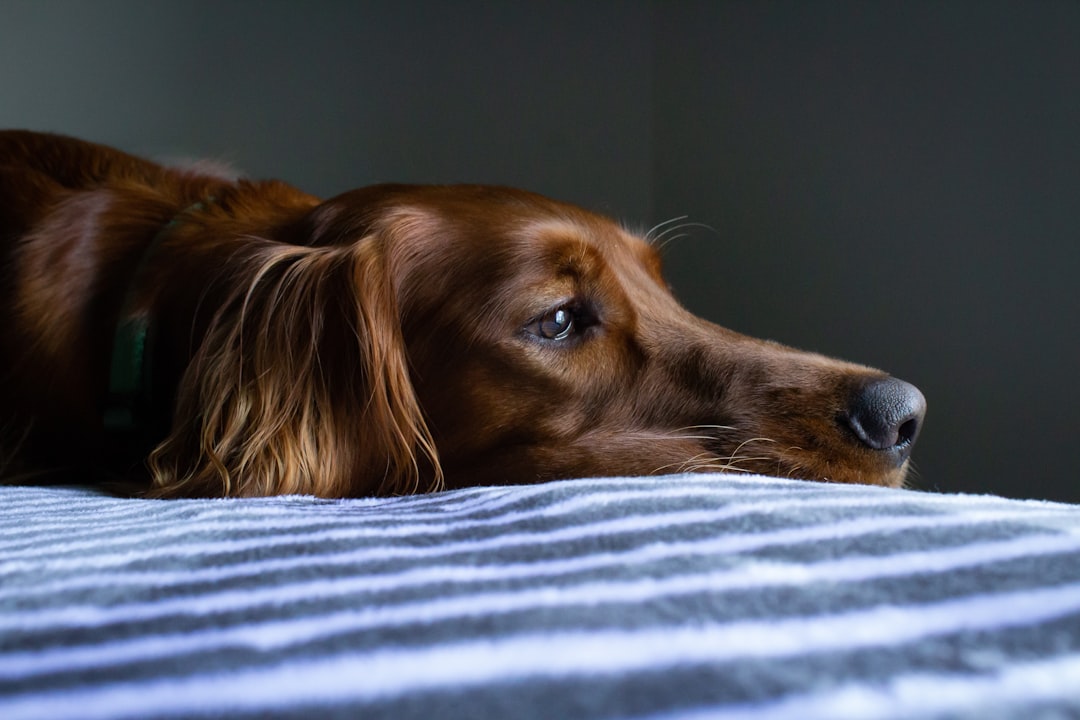
Sometimes, a lack of appetite is your dog’s way of saying, “I’m not feeling so hot.” Illnesses like infections, fevers, or even minor bugs can make your dog lose interest in food. Other symptoms might include vomiting, diarrhea, or lethargy. If your dog skips more than one meal or shows other worrying signs, it’s time for a checkup. Early detection is key—dogs are experts at hiding discomfort, so trust your gut if something seems off. Remember, a healthy pup is a happy pup, and sometimes a vet’s advice is exactly what they need.
Medication Side Effects

Is your dog on any new medications? Some drugs, especially antibiotics or pain relievers, can mess with their appetite. You might notice they’re extra sleepy, a bit queasy, or just not interested in food. If you suspect medication is the culprit, don’t stop giving it without talking to your vet. Sometimes, adjusting the dose or switching to a different formula can help. Meanwhile, tempting your dog with warm, aromatic foods or small, frequent meals can encourage them to eat. Always keep your vet in the loop, and never hesitate to ask questions.
Weather and Seasonal Changes
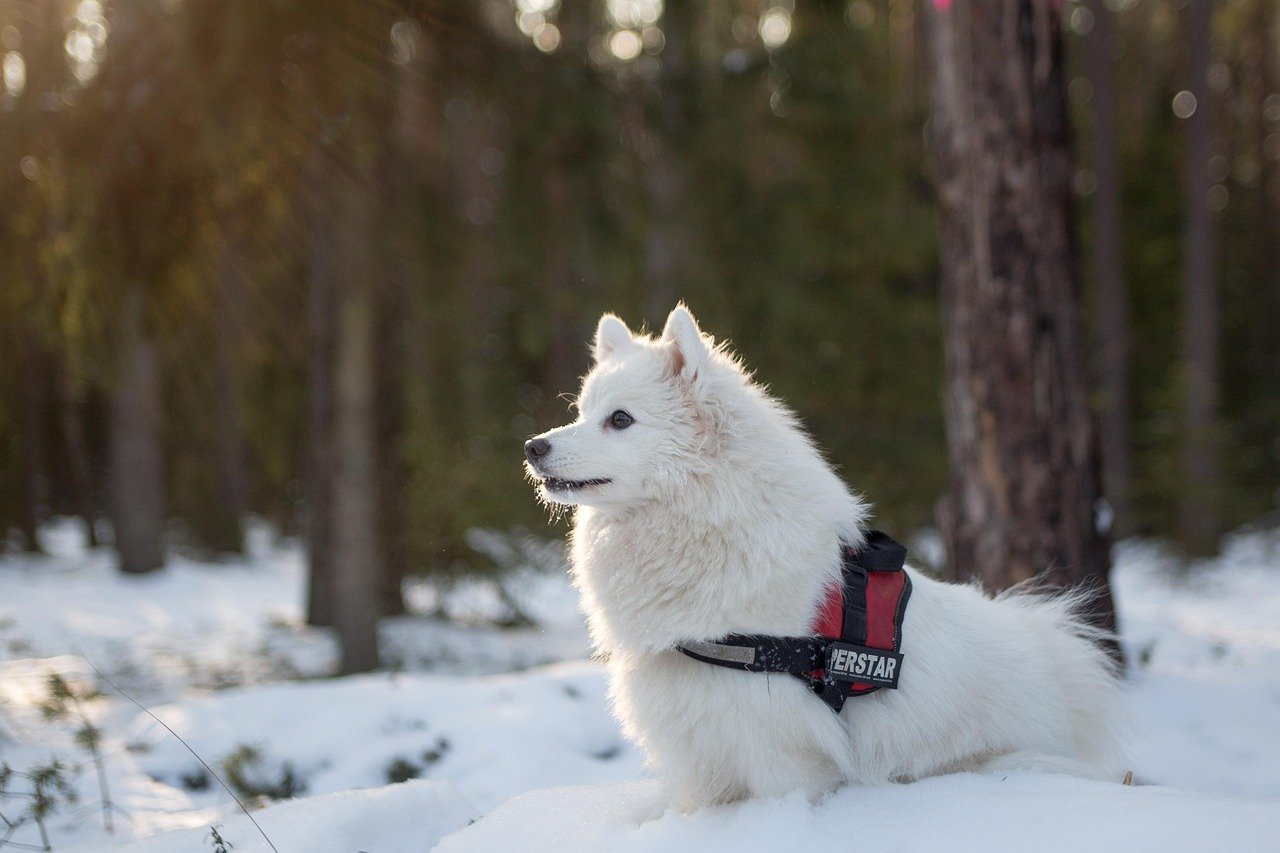
Believe it or not, the weather can have a big impact on your dog’s eating habits. Hot summer days can make dogs feel sluggish and less hungry, much like how you might crave a salad instead of a stew in the heat. On chilly days, some dogs may eat more to keep warm. If your pup’s appetite changes with the seasons, it’s usually nothing to worry about. Offer fresh, cool water in summer and try feeding during cooler parts of the day. Keep an eye on their overall health, but know that a little appetite fluctuation is perfectly normal.
Aging and Senior Dog Changes
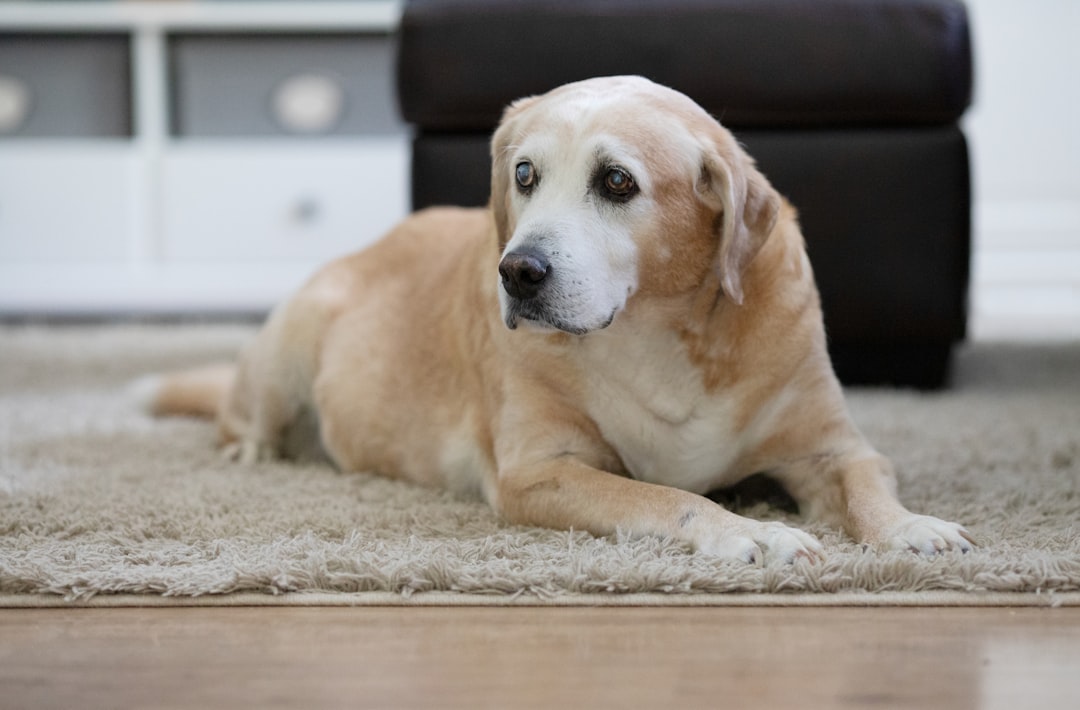
As dogs age, their appetites can change for a variety of reasons. Older dogs might have reduced sense of smell or taste, making food less appealing. They may also be less active, so they simply need fewer calories. Sometimes, medical issues like arthritis or organ problems can dampen their desire to eat. For senior dogs, try warming their food, adding a bit of low-sodium broth, or switching to a softer diet. Regular vet visits are essential to rule out age-related health concerns. A little extra attention can keep your golden oldie thriving.
Boredom with Food
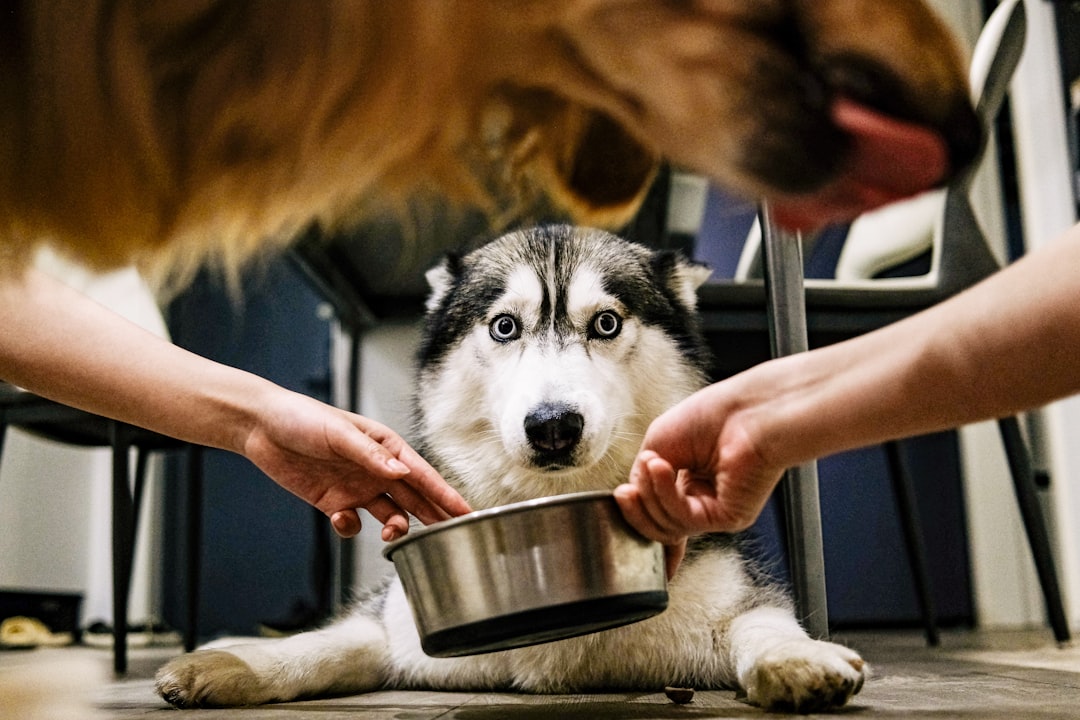
Would you want to eat the same meal every single day? Neither does your dog! Dogs can get bored of their food, especially if they’ve been eating the same brand or flavor for months. This boredom can lead to them skipping meals in hopes of something new. To spark their interest, try rotating between a few dog-safe flavors or adding healthy toppers like plain cooked chicken or pumpkin. Just remember to make changes gradually to avoid upsetting their tummy. Mealtime should be a highlight of your dog’s day—a little creativity can go a long way!


