

Have you ever watched your sweet, purring kitty suddenly transform into a hissing ball of fury the moment another cat dares to cross its path? It’s shocking, isn’t it? Territorial aggression in cats is not just a quirky feline behavior—it can turn your peaceful home upside down. Whether you’re a seasoned cat parent or a first-timer, knowing how to handle this spicy side of your cat’s personality can save you a lot of stress, scratches, and shredded curtains. Let’s unravel the mystery of territorial cats together and find some surprisingly simple, even fun, ways to restore harmony to your household.
Understanding Why Cats Get Territorial

Territorial aggression is deeply rooted in a cat’s instincts. In the wild, cats need to protect their food, shelter, and resources to survive. Even our pampered house cats carry these ancient instincts, so they may see your home as their personal kingdom. New pets, unfamiliar smells, or even rearranged furniture can make a cat feel threatened. This isn’t about your cat being mean—it’s about feeling safe and secure. If you notice hissing, growling, or swatting when another pet enters the room, your cat is likely staking its claim. Recognizing these behaviors as fear-driven rather than malicious is the first step toward addressing them with patience and empathy.
Spotting the Signs of Territorial Aggression

Territorial aggression isn’t always loud and dramatic. Sometimes, it’s subtle—a sideways glare, a stiff tail, or a slow, stalking walk around the “intruder.” Other times, it’s impossible to ignore: yowling, chasing, or even physical fights. You might also notice your cat marking its territory with urine or scratching furniture in the areas it wants to claim. Cats can be masters of body language, so pay close attention to their posture and facial expressions. Early detection can help you intervene before things escalate into a full-blown cat fight.
Creating Safe Spaces for Every Cat
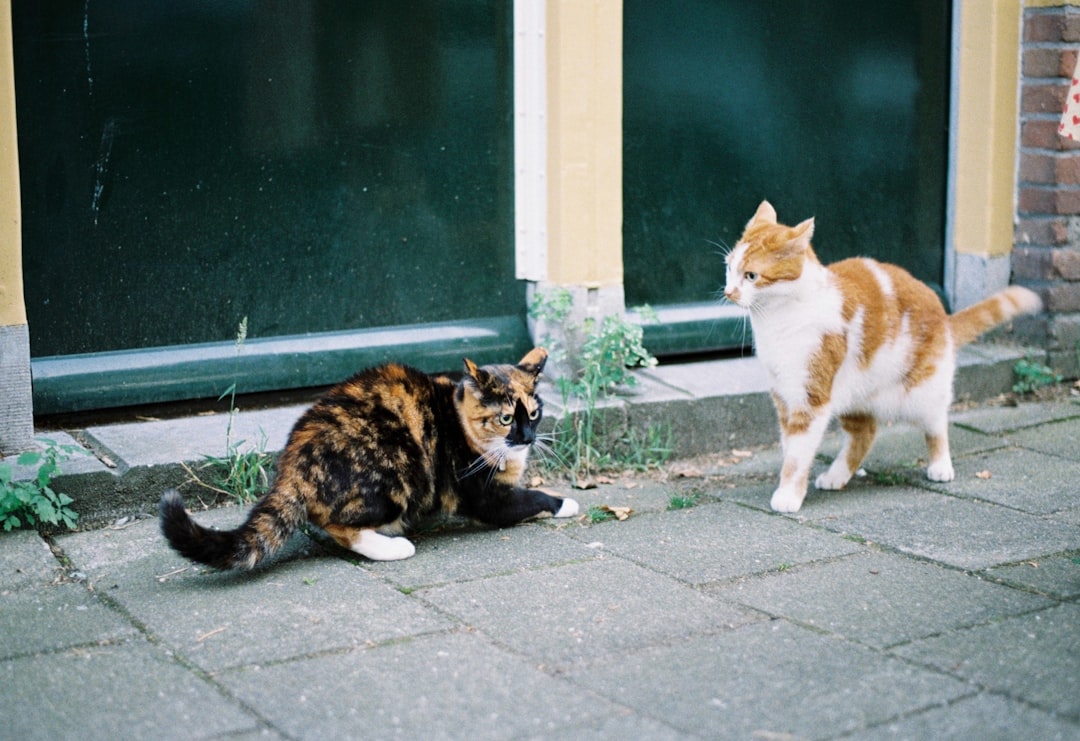
When it comes to cats, personal space is everything. One of the best ways to reduce territorial aggression is to ensure each cat has its own safe zone. This could be a cozy bed by the window, a high perch, or a quiet room with their favorite blanket. If you have multiple cats, try to provide separate food bowls, litter boxes, and scratching posts. Think of it like siblings sharing a room—sometimes, everyone just needs their own corner to retreat to. Giving your cats plenty of vertical space, like cat trees or shelves, can also help them avoid unwanted encounters.
Introducing New Cats the Right Way

Bringing a new cat home can feel like inviting a stranger to your birthday party—some guests might not be thrilled! The key is to go slow. Start by keeping your new cat in a separate room with all the essentials. Let the cats sniff each other’s bedding or toys before any face-to-face meetings. When it’s time for introductions, use a baby gate or keep one cat in a carrier so they can see and smell each other safely. Gradually increase their time together, rewarding calm behavior with treats and praise. Rushing the process can backfire, so patience is your best friend.
Redirecting Aggression with Play and Distraction

When tempers flare, redirecting your cat’s energy can work wonders. Interactive toys, feather wands, and laser pointers can help your cat blow off steam in a fun, harmless way. Play sessions provide both exercise and mental stimulation, making your cat less likely to focus on territorial disputes. If you notice aggression brewing, try distracting your cat with a toy or a treat puzzle. This not only redirects their attention but also helps them associate positive experiences with the presence of other cats.
Using Scent to Soothe Tensions
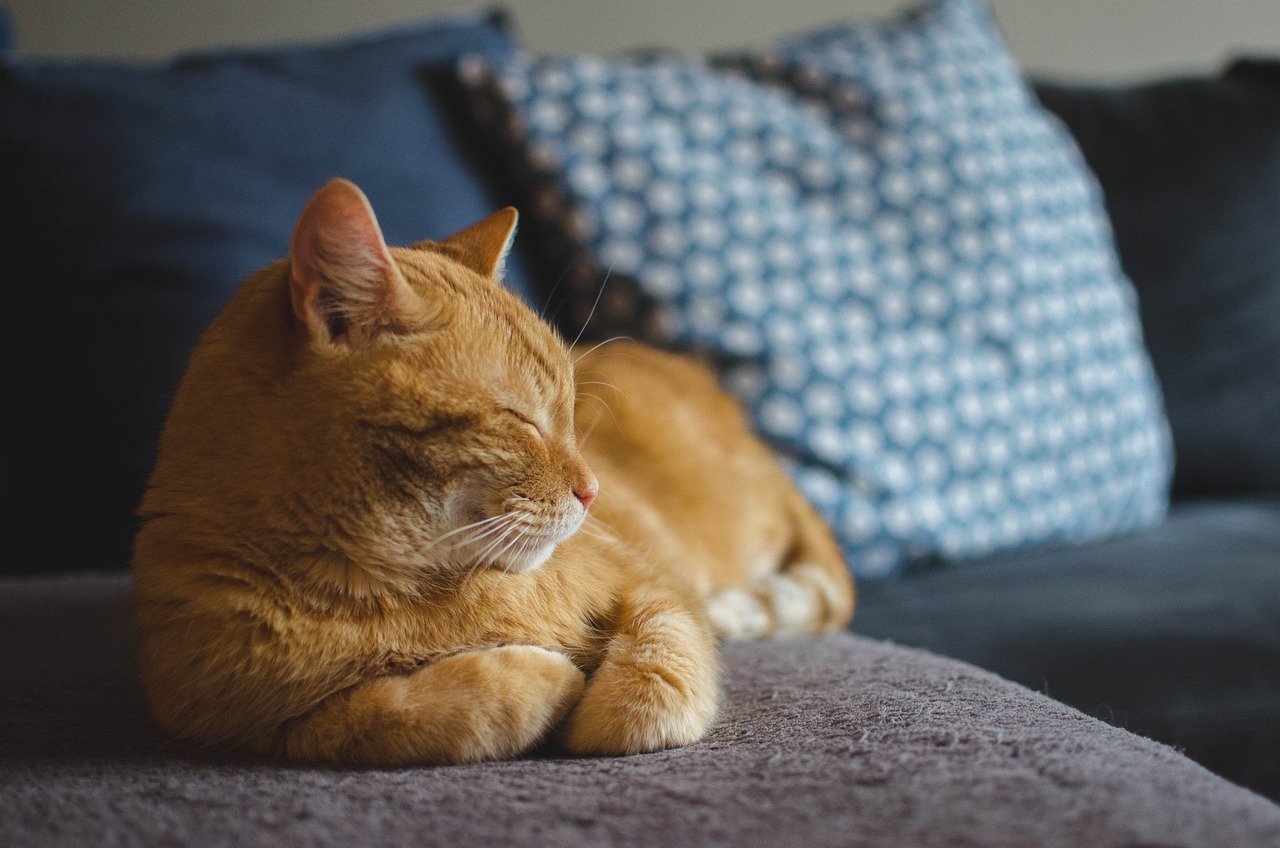
Cats rely heavily on scent to communicate and feel secure. Synthetic feline pheromone sprays or diffusers can help create a calming environment by mimicking the “happy” signals cats leave when they rub their faces on things. You can also try gently rubbing a soft cloth on one cat’s cheeks and then on the other cat to help blend their scents. This scent swapping can make both cats feel more at ease and reduce the urge to defend their turf. Sometimes, the nose knows best when it comes to making peace.
Managing Human Reactions and Expectations
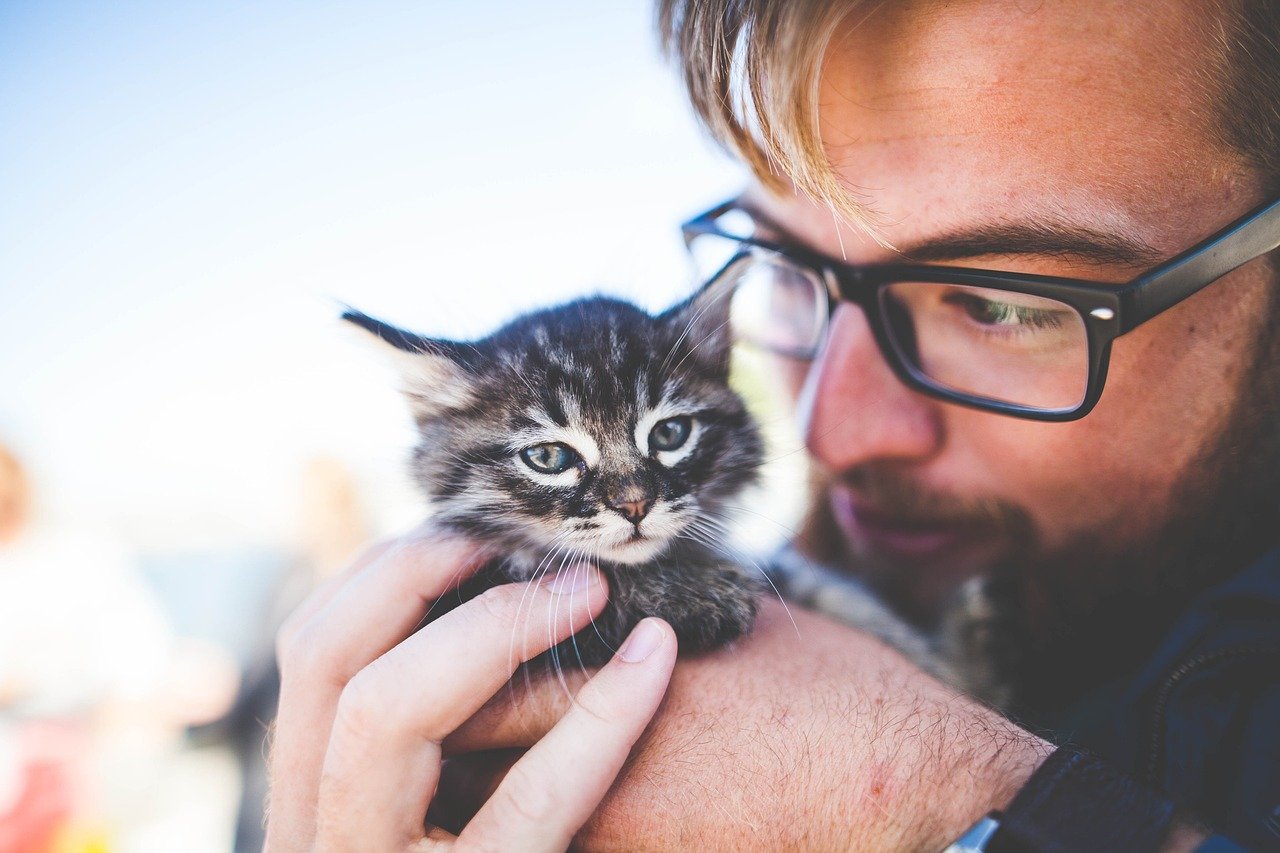
It’s easy to feel frustrated or even embarrassed by your cat’s aggressive antics, especially when guests are around. Remember, your emotions can influence your cat’s behavior. Staying calm, speaking softly, and avoiding punishment are much more effective than scolding or yelling. Cats don’t respond well to negative reinforcement—it can actually make the problem worse. Instead, reward peaceful interactions and give both cats plenty of love and attention. With time, you’ll likely see small improvements that add up to a much happier home.
When to Seek Professional Help
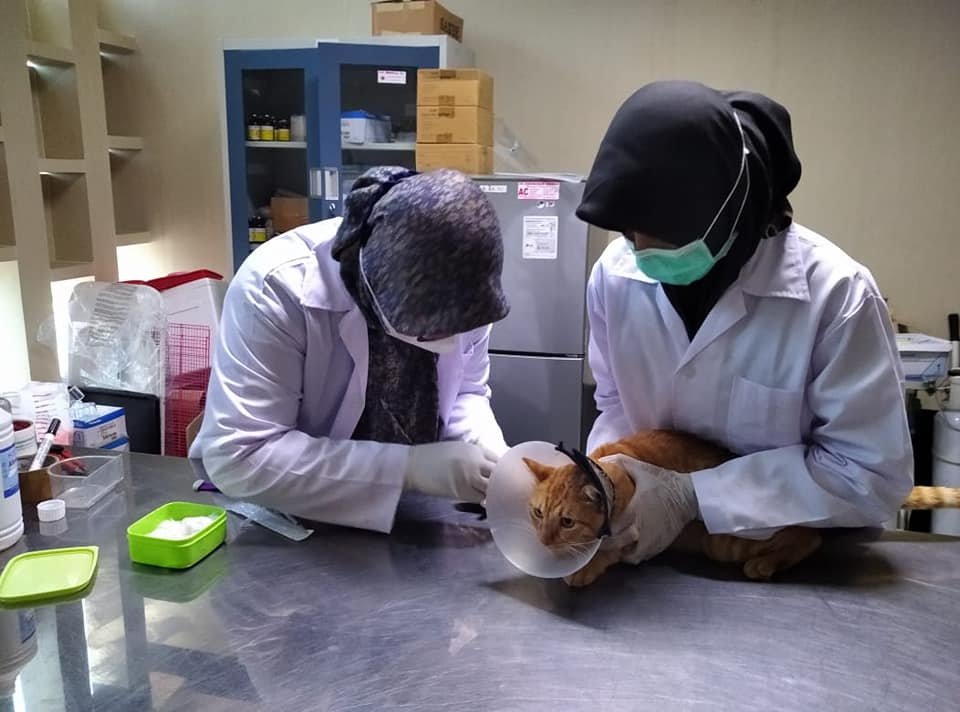
Sometimes, despite your best efforts, territorial aggression can become overwhelming or even dangerous. If your cats are injuring each other or if the aggression seems to be getting worse, it might be time to call in the experts. Certified animal behaviorists or veterinarians can develop a customized plan to help your cats coexist peacefully. Don’t be afraid to ask for help—sometimes, a fresh perspective can make all the difference. Remember, you’re not alone on this wild, whiskered journey.


