

What if your cat is silently calling out for help, but you’re just not hearing it? Imagine the heartbreak of your furry friend feeling alone while you’re only a room away. Cats may have a reputation for independence, but the truth is, loneliness can weigh heavily on their gentle hearts. Understanding your cat’s cries for company can turn a sad, quiet home into a place of happiness and playful paws. Let’s dive into the most revealing signs your cat is feeling lonely—and discover the loving fixes that can bring their sparkle back.
Unusual Vocalizations: When Meows Become Cries
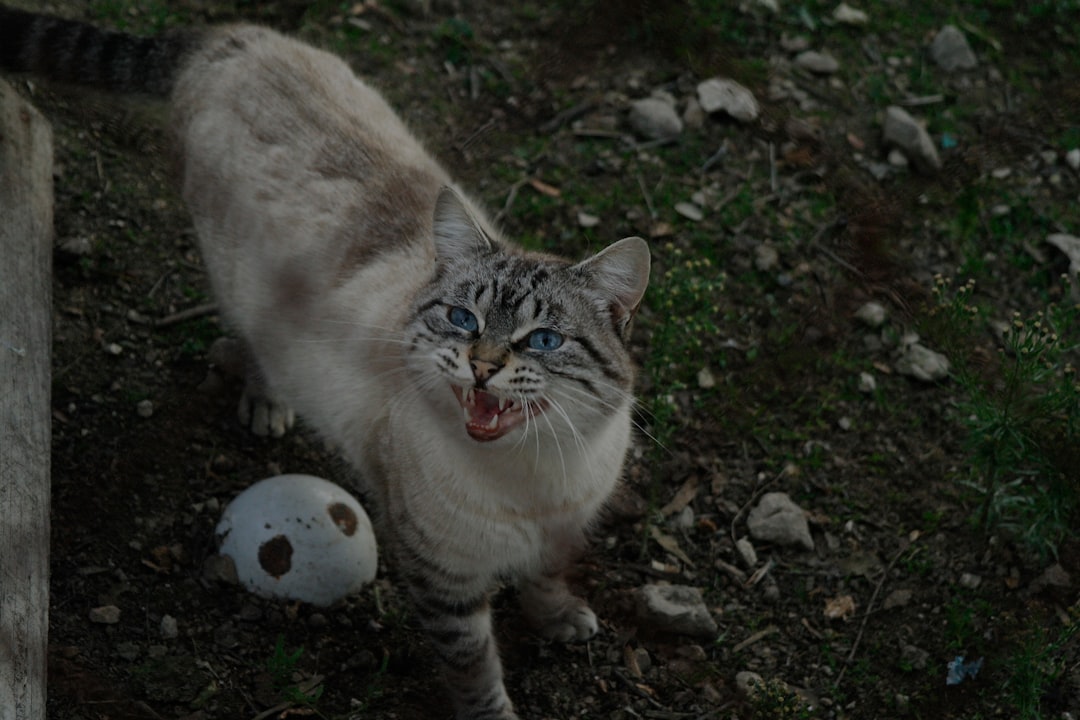
If your quiet cat suddenly turns into a chatterbox, it’s time to listen up. Lonely cats often meow more than usual—sometimes with a mournful, desperate sound that tugs at your heart. These vocalizations might happen at night, when the house is still, or whenever you step out of sight. Unlike their usual playful chirps, these meows can sound persistent or even distressed. Some cats may yowl or wail, almost like they’re calling out for a friend. If your kitty is following you around, meowing loudly, or talking more than ever before, it’s their way of saying, “Don’t leave me alone!” Paying attention to these emotional cries is the first step to understanding their need for connection.
Destructive Behavior: Acting Out for Attention
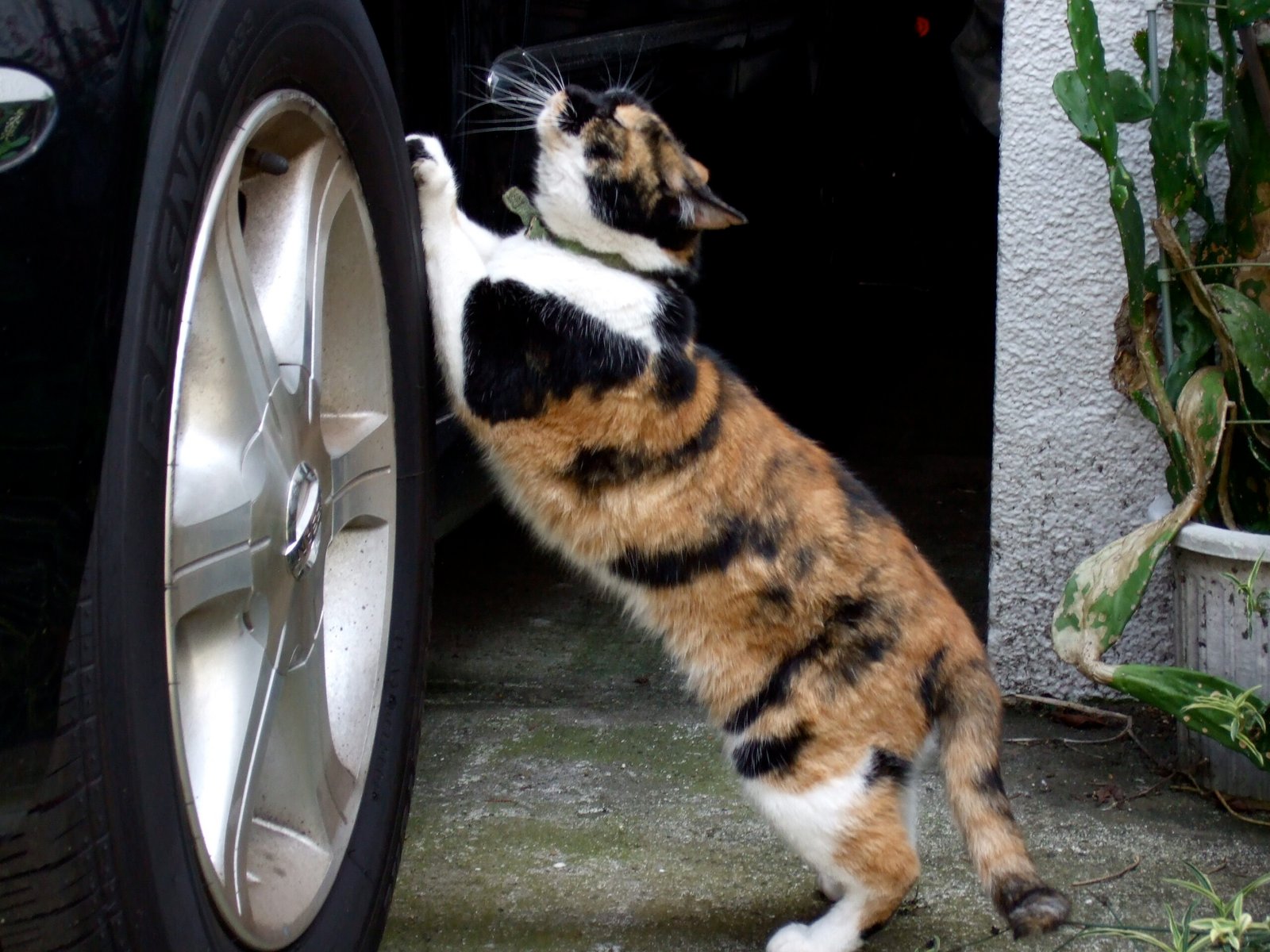
Loneliness can turn even the sweetest cat into a mischievous little troublemaker. If you come home to shredded curtains, scratched-up furniture, or toppled plants, your cat might be seeking your attention in all the wrong ways. Boredom and loneliness often fuel destructive habits, as your cat tries to fill the empty hours. They might knock things off shelves or chew on cords just to get a reaction. This isn’t just naughtiness—it’s a loud, messy cry for more engagement and company. When you see these signs, know that your cat is looking for ways to cope with long, lonely days.
Excessive Grooming: Licking Away the Blues
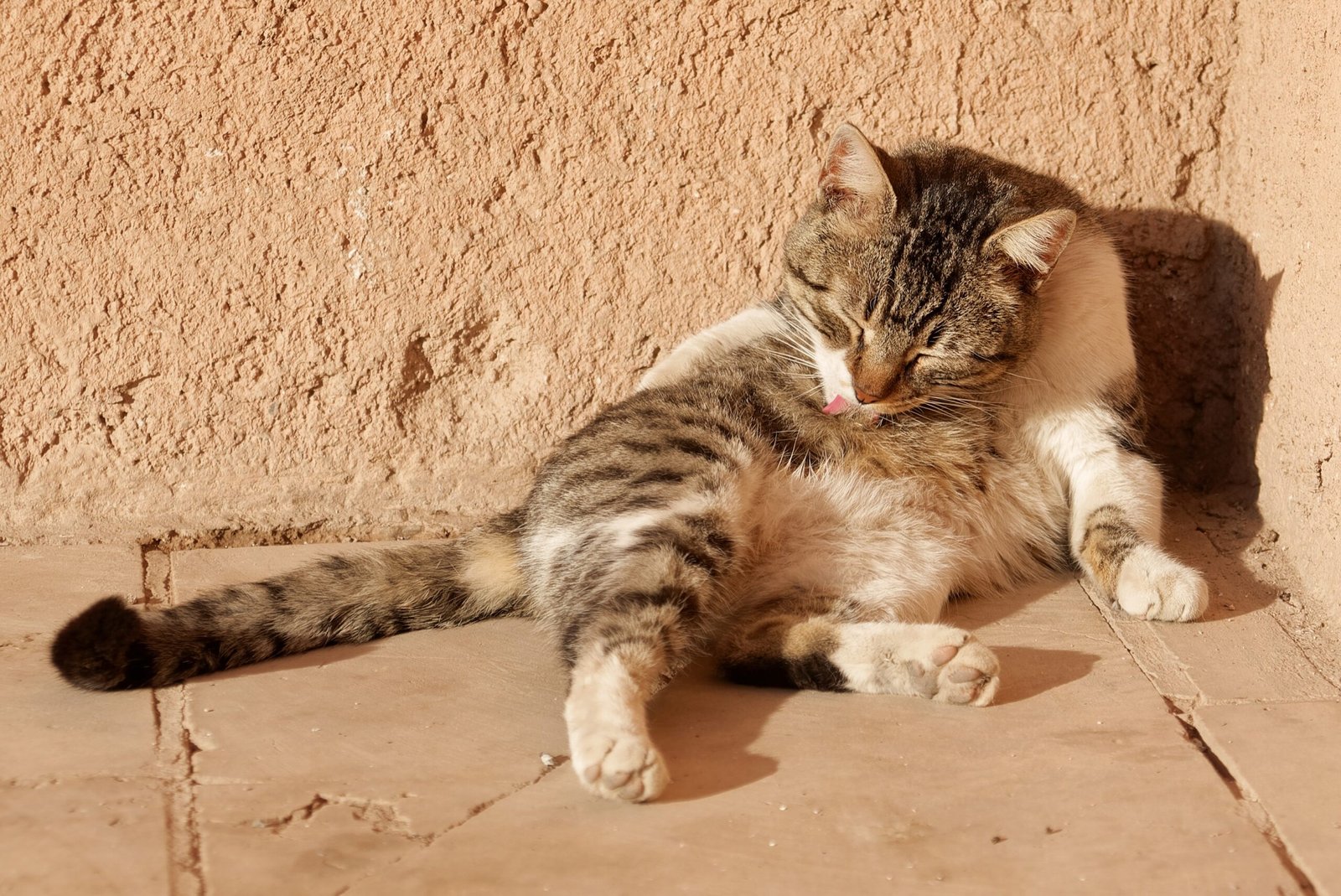
Cats are famous for their grooming habits, but there’s a difference between staying clean and licking away their worries. Some cats cope with loneliness by over-grooming, licking themselves so much that bald spots or irritated skin appear. This compulsive behavior is a comfort mechanism, much like a person biting their nails when anxious. If you notice your cat constantly licking the same spot, or their fur starting to thin, consider whether they’re feeling alone. This kind of self-soothing is a big clue that emotional needs aren’t being met.
Loss of Appetite: Turning Away from Favorite Foods
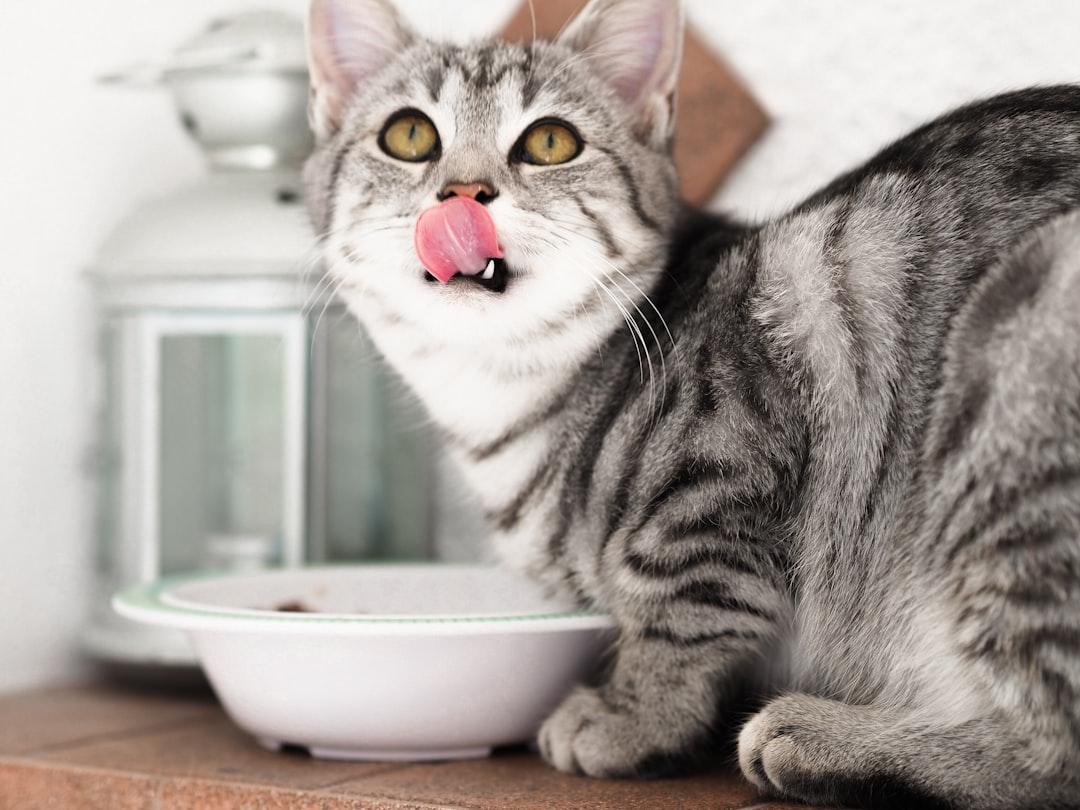
A lonely cat might lose interest in their food, even when you offer their favorite treats. Skipping meals or showing less excitement at dinnertime can signal emotional distress. Cats thrive on routine and social contact—so when they feel isolated, their appetite can fade away. If your cat is suddenly picking at their food or leaving meals untouched, don’t just chalk it up to fussiness. Their tummy troubles could be their way of showing just how much they miss your company.
Clinginess: Never Leaving Your Side

Have you noticed your cat glued to your side the moment you step through the door? Clinginess can be incredibly sweet, but it’s also a red flag for loneliness. These cats might follow you from room to room, sit on your keyboard, or curl up in your lap at every opportunity. While it’s tempting to enjoy the extra cuddles, remember that this shadow-like behavior is often driven by a fear of being left alone again. Your cat’s constant need to be near you is their way of asking for reassurance and love.
Withdrawal and Hiding: Retreating from the World
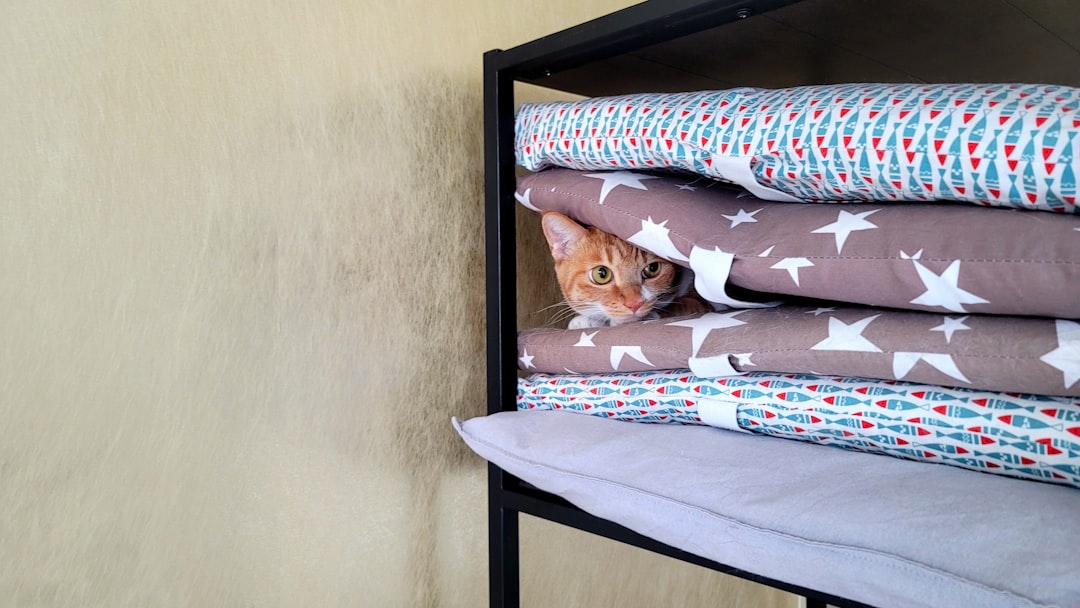
On the flip side, some cats react to loneliness by hiding away. You might find your kitty tucked under the bed, behind the couch, or in the darkest corners of the house. This withdrawal isn’t shyness—it’s a coping mechanism for feeling abandoned or disconnected. Cats that used to greet you at the door may stop coming out altogether, spending hours in solitude. If your once-social cat is suddenly hard to find, take it as a sign that loneliness has crept in and stolen their spark.
Changes in Litter Box Habits: Silent Protests
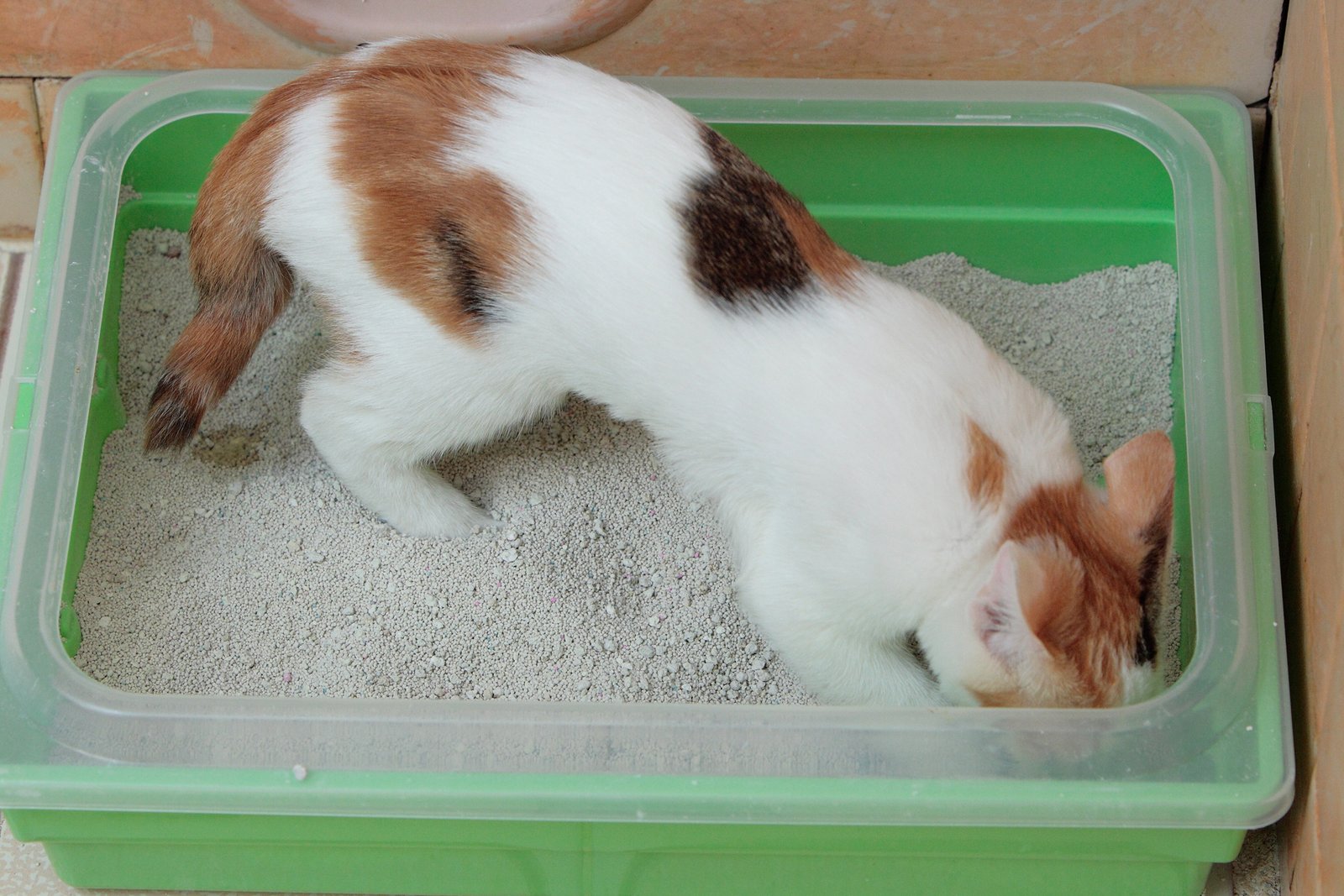
It’s shocking how quickly a lonely cat’s bathroom habits can change. If your cat starts missing the litter box or leaving little “surprises” around the house, it’s not just rebellion—it’s communication. Stress and loneliness often disrupt a cat’s routine, leading to accidents that can be frustrating for both of you. These slip-ups are rarely about spite; instead, they’re a way for your cat to express distress and confusion. Paying attention to these changes can help you address the root cause before the problem grows.
Sleeping More Than Usual: A Sign of Emotional Exhaustion
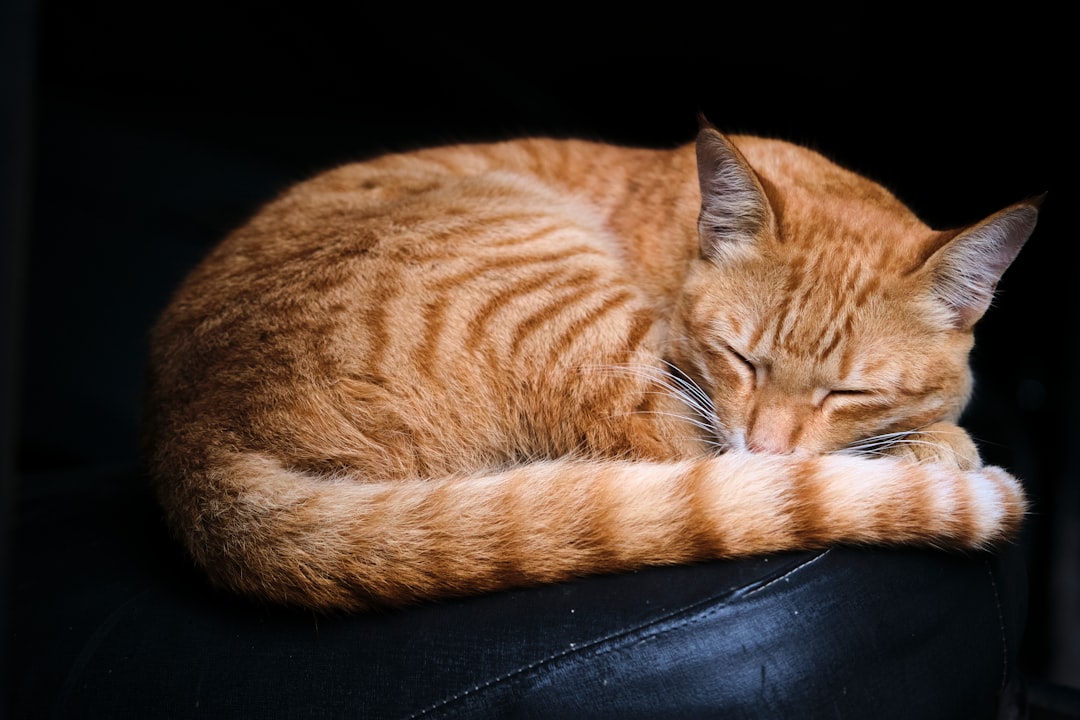
Cats love to nap, but too much sleep can be a warning sign. When a cat is lonely, sleep becomes an escape from boredom and sadness. If your cat is snoozing almost all day, barely getting up for food or play, loneliness might be the culprit. This kind of oversleeping isn’t just laziness—it’s a way to pass the time when there’s nothing else to do. Watch for changes in your cat’s energy levels to spot the difference between healthy rest and emotional withdrawal.
Schedule Regular Play Sessions: Bring Back the Fun
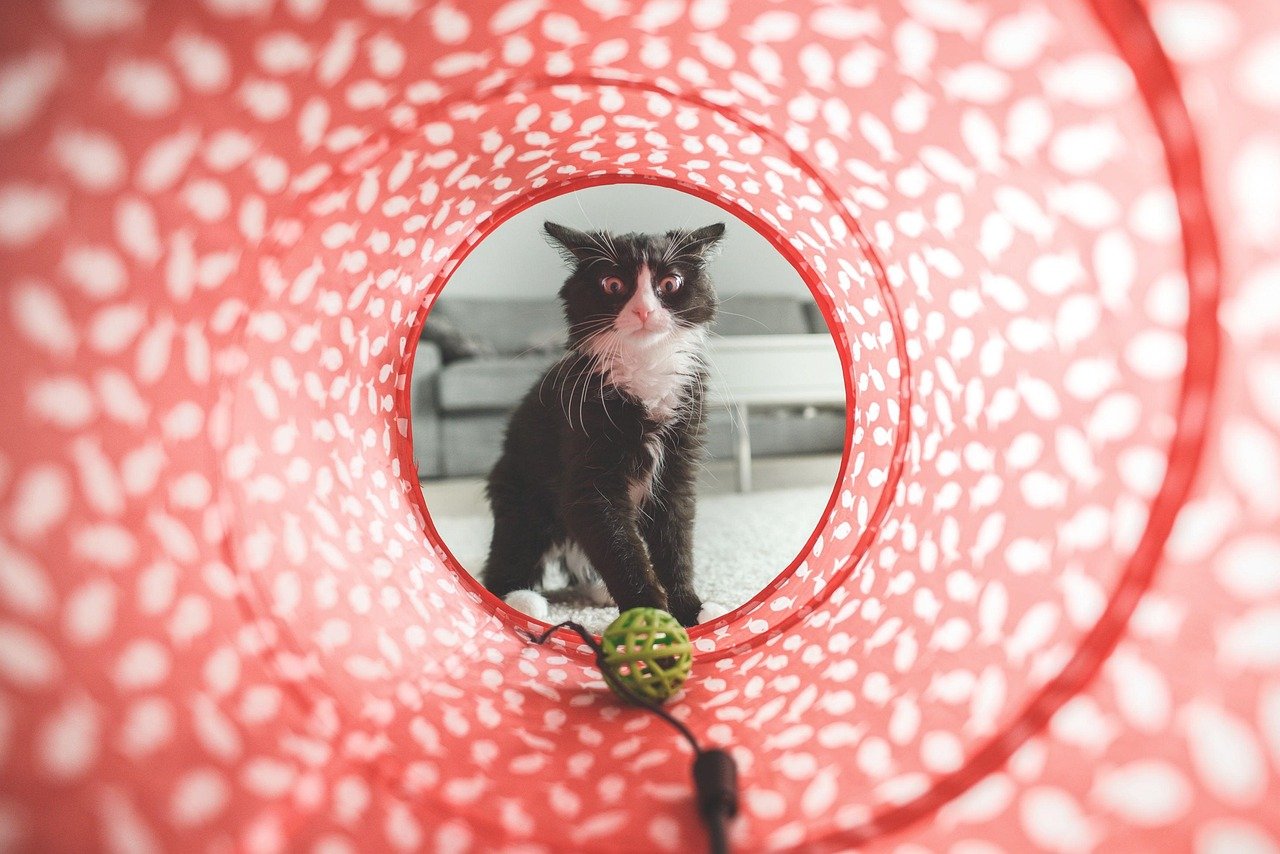
One of the simplest ways to lift your cat’s spirits is to play together every day. Set aside time for interactive games like chasing a feather wand, batting at a laser pointer, or pouncing on toy mice. These play sessions don’t just burn off energy—they also build your bond and give your cat something to look forward to. Even ten minutes twice a day can make a world of difference. Remember, play is how cats express joy and connect with their favorite humans.
Adopt a Cat Companion: Double the Love
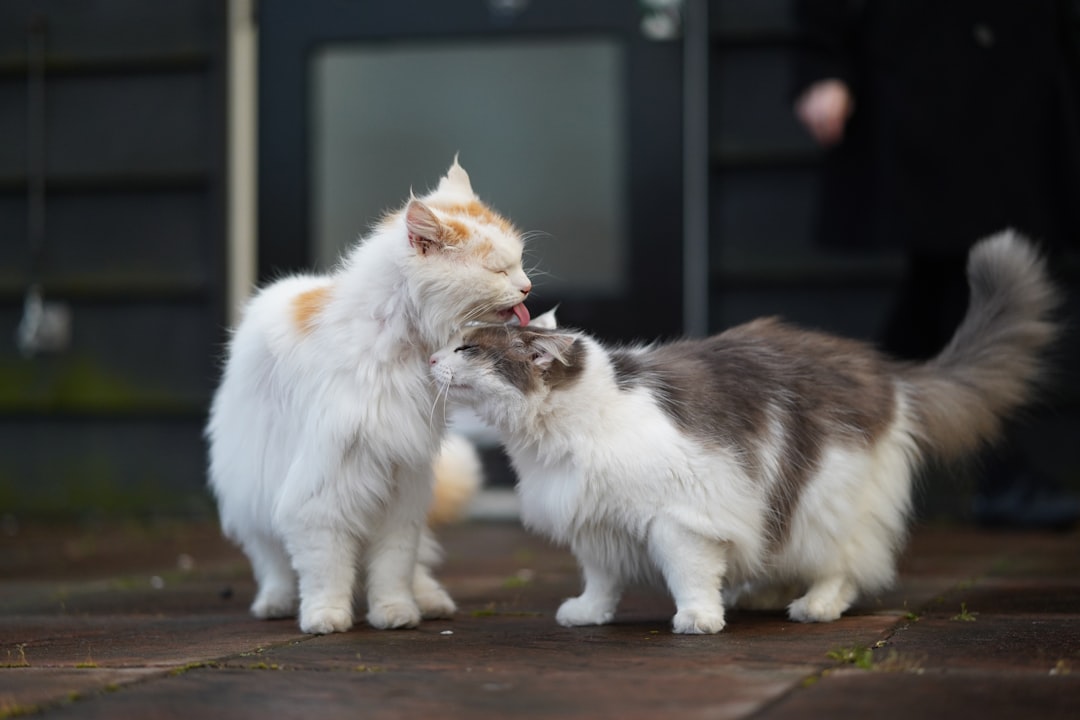
If your lifestyle allows, bringing home a second cat can be a game-changer for a lonely kitty. Two cats can keep each other company, share playtime, and snuggle together when you’re away. Adopting a companion is a big decision, but many cats thrive with a feline friend. Introduce new cats slowly, allowing them to adjust at their own pace. Watching them bond is often heartwarming—and can completely transform your home’s energy.
Offer More Environmental Enrichment: Make Home an Adventure

Loneliness in cats often comes from boredom, so spice up their world with new activities. Try rotating toys to keep things fresh, or add puzzle feeders to challenge their minds. Window perches, cat trees, and cardboard boxes all make great playgrounds. You can even try hiding treats around the house for a treasure hunt. The more stimulating their space, the less likely they’ll feel the ache of loneliness between your visits.
Leave the TV or Radio On: Fill the Silence

Background noise can make a big difference when your cat is home alone. Try leaving the TV or radio on at a low volume, especially with channels that play gentle music or nature sounds. Some cats respond well to videos made especially for pets, featuring birds, squirrels, or fish. The sound of voices or soft tunes helps break up the silence and gives your cat the sense that they’re not totally alone, even when you’re out.
Set Up a Cozy Window Seat: Let Them Watch the World
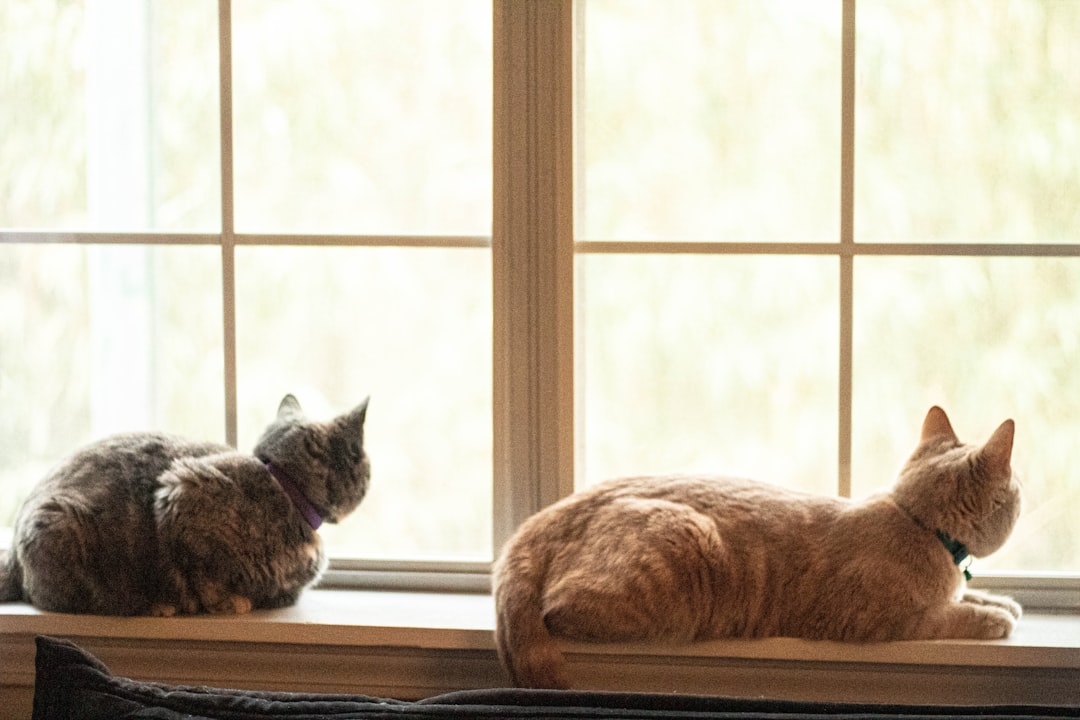
Give your cat a spot by the window to watch birds, squirrels, and passing cars. A comfy perch with a view is like cat TV—endlessly entertaining and soothing. Watching the outside world keeps their minds active and gives them something to look forward to every day. Add a soft blanket or small bed, and you’ll find your cat spending hours happily gazing at the action outside instead of feeling trapped indoors.
Stick to a Routine: Consistency Brings Comfort
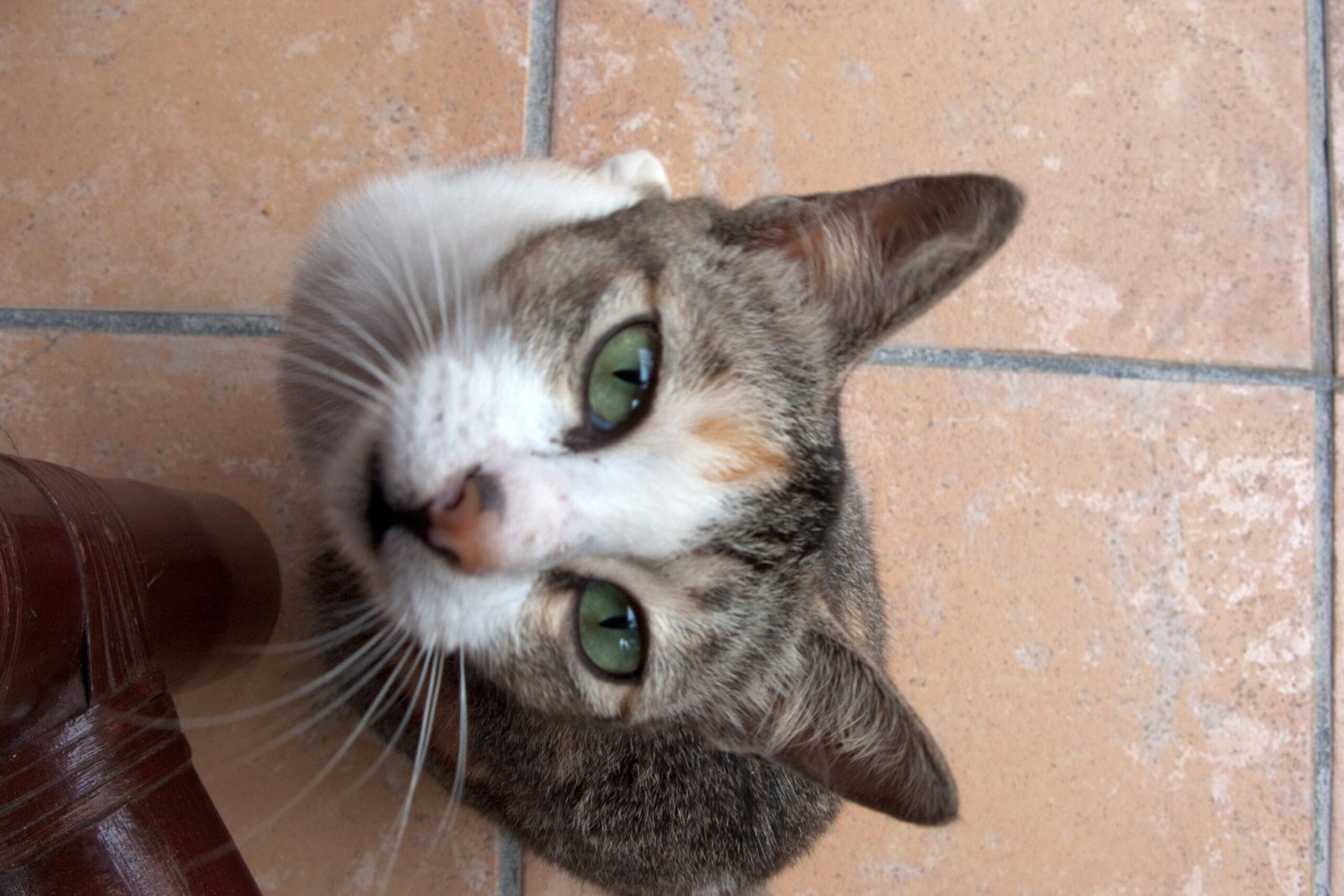
Cats are creatures of habit, and a predictable schedule can ease their anxiety. Feed, play, and cuddle at the same times each day if you can. When your cat knows when to expect your attention, it helps them feel safe and secure. Even if you have a busy life, try to keep mealtimes and play sessions consistent—your cat will appreciate the stability more than you might realize.
Shower Them with Extra Affection: Let Them Feel the Love
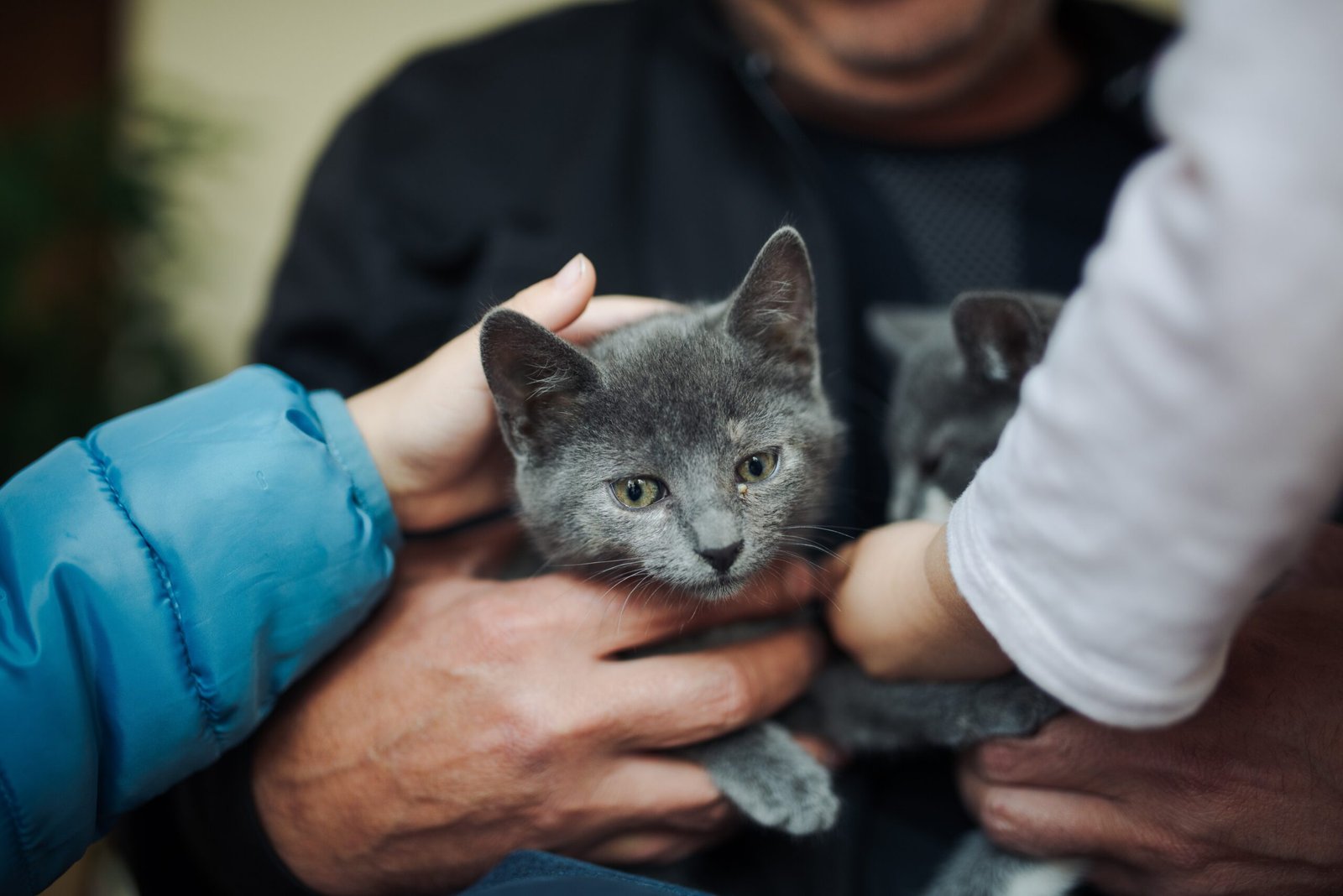
Never underestimate the power of a gentle scratch behind the ears, a soft lap to curl up on, or a quiet moment of closeness. When your cat shows signs of loneliness, answer with extra affection. Talk to them, pet them, and let them know you care. Sometimes, all it takes is a little more love and attention to remind your cat they’re never truly alone.
Understanding the signs of feline loneliness can make a big difference in your cat’s happiness. Whether it’s through more playtime, new toys, or simply being present, small changes can help them feel more connected and secure. Every cat is different, but they all need love and engagement in their own way. Tune in to their signals, try out a few simple solutions, and you’ll be surprised how much brighter your cat’s mood can become!


