

Have you ever woken up to a warm, furry body curled up beside you, tail wagging, eyes filled with pure adoration? Or maybe you’ve spent a sleepless night as your four-legged friend hogged your pillow, snoring like a tiny chainsaw. The question of whether to let your dog sleep in your bed is one that stirs up strong emotions, endless opinions, and even a bit of guilt or pride. For many pet owners, it’s not just about comfort—it’s about love, boundaries, and the unique bond we share with our canine companions. Let’s dive into this fascinating debate, exploring the joys, challenges, and surprising psychology behind sharing a bed with your dog.
Why So Many People Share Their Beds with Dogs

It’s astonishing how many people choose to let their dogs snuggle up in bed. Surveys suggest that nearly half of all dog owners let their pups sleep with them at least occasionally. For many, it’s a deeply comforting ritual—a way to wind down, share warmth, and feel connected to their best friend after a long day. Some admit they simply can’t resist those puppy dog eyes begging for a spot under the covers. For others, it’s a habit formed from puppyhood that’s hard to break. The emotional security, companionship, and sense of safety dogs provide can make it feel almost unthinkable to banish them from the bedroom.
The Emotional Bond: What Sleeping Together Really Means
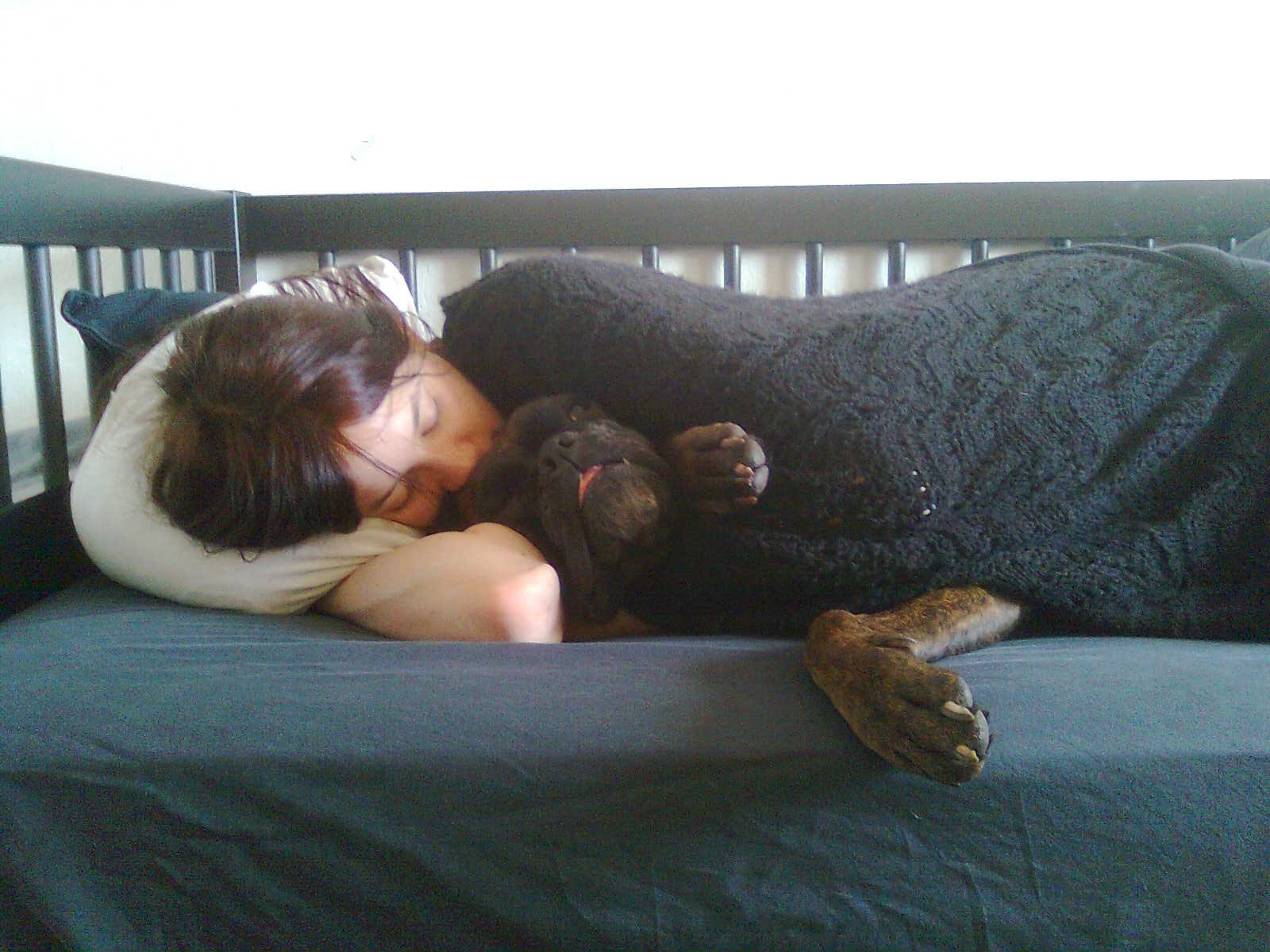
Letting your dog sleep in your bed often deepens the emotional bond you share. It’s a sign of trust on both sides—you’re inviting your dog into your most vulnerable space, and your dog is choosing to stay close. This shared intimacy can strengthen your relationship and create a feeling of “pack” unity. For many, the presence of their dog reduces loneliness, lessens anxiety, and even helps ease the pain of a tough day. The gentle rhythm of a dog’s breathing, the warmth of their body, and their unconditional affection can be powerfully soothing at night.
Pros: Comfort and Companionship

One of the biggest upsides to sharing your bed with your dog is the overwhelming comfort it brings. Dogs are natural cuddlers, and their presence can help you feel safe and loved as you drift off to sleep. Many people find that the simple act of petting their dog before bed lowers stress and helps them relax. For those living alone, a dog in the bed can make an empty house feel less lonely. The emotional support dogs provide is real—scientific studies have shown that being close to your pet can even lower blood pressure and heart rate.
Pros: Stress Relief and Improved Mood

Sleeping with your dog can actually help you unwind after a hectic day. The repetitive motions of petting your dog and feeling their heartbeat next to yours can trigger the release of oxytocin, a hormone linked to feelings of love and relaxation. Many people say their dogs help them sleep better by calming nighttime anxieties or even easing nightmares. It’s hard to stay upset when your loyal companion is right there, gently snoring or nuzzling against you. For those who struggle with depression or anxiety, this nightly ritual can be a lifeline.
Pros: Security and Protection

Dogs are natural protectors, and many owners feel safer with their canine companion by their side. Even small breeds can be surprisingly alert, barking at strange noises or unusual scents in the night. For people who live alone or in areas with high crime, having a dog in the bed can provide a powerful sense of security. This protective presence can help you sleep more soundly and with fewer worries, knowing you have an early warning system and a devoted guardian right next to you.
Cons: Sleep Disturbance and Restlessness

Not everything about sharing your bed with a dog is dreamy. Dogs tend to move around—sometimes a lot! They scratch, snore, lick, kick, and take up more space than you’d imagine. Many owners wake up repeatedly during the night because their dog has stolen the covers, nudged them with a wet nose, or decided to stretch out sideways. If you’re a light sleeper or have trouble getting restful sleep, having a dog in the bed can make things worse. Over time, chronic sleep disturbance can take a toll on your energy, mood, and overall health.
Cons: Allergies and Hygiene Concerns

Dog fur, dander, and outdoor debris all find their way onto your sheets when you share your bed. For people with allergies—even mild ones—this can mean sneezing, itchy eyes, or a stuffy nose. Dogs can also carry dirt, pollen, or even parasites like fleas and ticks into your bed, especially if they spend time outdoors. If you’re sensitive to allergens or worried about cleanliness, letting your dog sleep with you might not be the best choice. Regular bathing and grooming can help, but some owners prefer to keep their beds a fur-free zone.
Cons: Setting Boundaries and Behavioral Issues

Allowing your dog to sleep in your bed can sometimes lead to confusion about boundaries. Some dogs may start to believe they “own” the bed and become possessive or territorial, growling or snapping if someone else tries to join. Others might develop separation anxiety if suddenly banned from the bedroom. It’s important to establish clear rules so your dog understands that sharing the bed is a privilege, not a right. Consistent training and gentle correction can help avoid behavioral issues and keep the peace.
The Psychology Behind Sleeping with Your Dog

Why do so many of us crave our dogs’ company at night? Psychologists say it’s about more than comfort—it’s about deep emotional needs. For centuries, dogs have been our protectors, companions, and loyal friends. Sharing a bed taps into ancient instincts to seek warmth and safety in numbers. For people who struggle with loneliness, anxiety, or fear, a dog’s presence can provide a sense of belonging and unconditional acceptance. The bond between human and dog is powerful, and for many, sharing a bed is a natural extension of that connection.
Impact on Relationships with Partners

Adding a dog to the bed can sometimes complicate relationships with human partners. Some couples find that their dog acts as a cuddly “buffer” that helps them relax and fall asleep. Others may feel pushed to the edge—literally—by a dog that sprawls between them or claims too much space. Disagreements can arise over who gets the prime pillow real estate, or over hygiene and allergies. Open communication and compromise are key. Some couples choose to let the dog sleep in the bed only on weekends, or create a special dog bed nearby to keep everyone happy.
What Veterinarians and Experts Say

Veterinarians and pet behaviorists have mixed opinions on letting dogs sleep in your bed. Most agree that, for healthy dogs and people, it’s generally safe as long as good hygiene and boundaries are maintained. Experts caution that dogs with behavioral problems or health issues—like aggression, incontinence, or parasites—should not be allowed in the bed. They also emphasize that the decision is personal and should be based on what works best for your family and your dog’s temperament. When in doubt, consult your vet for tailored advice.
How to Make Co-Sleeping Work for Everyone
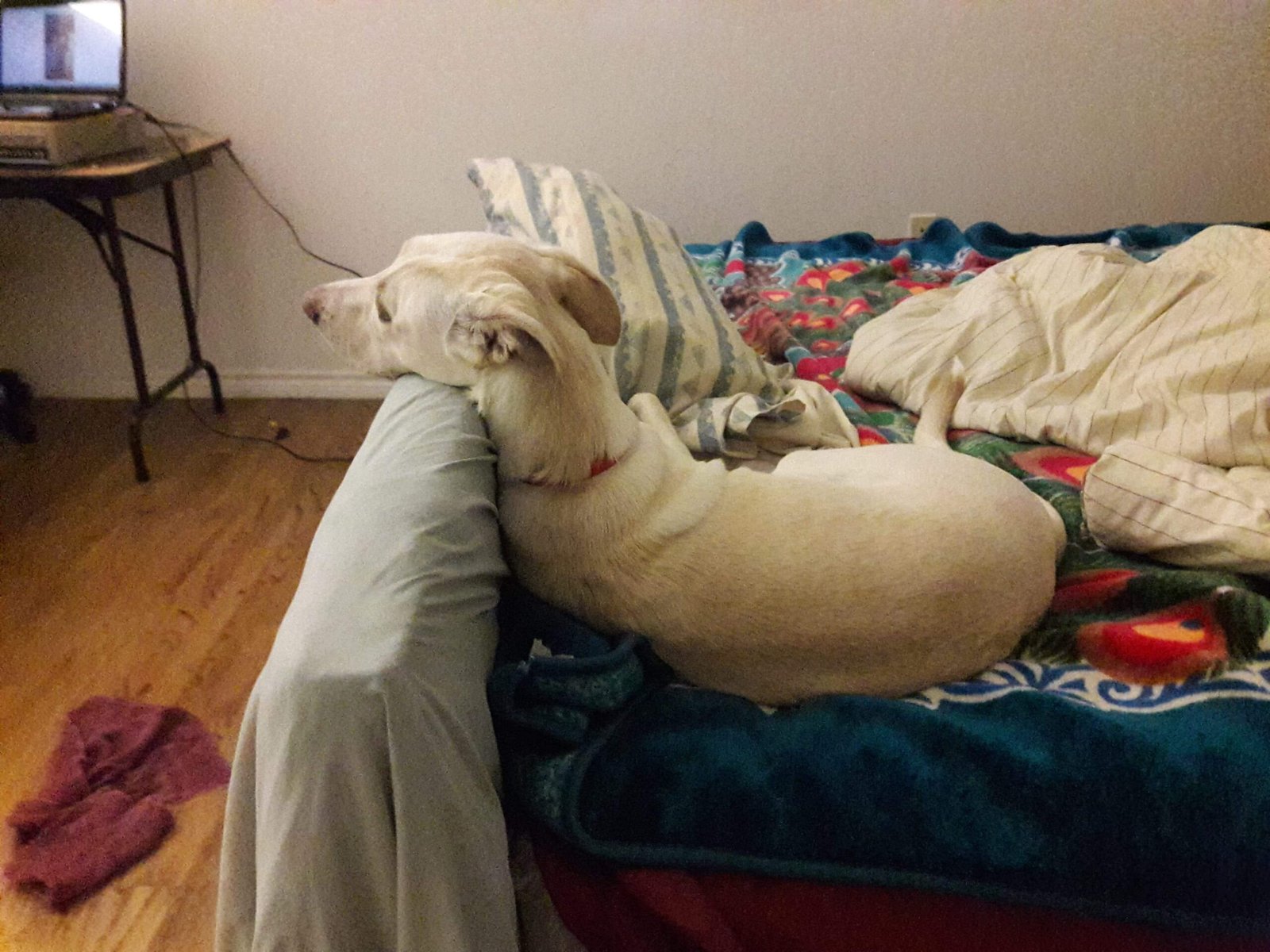
If you decide to invite your dog into your bed, a few simple steps can make the experience more comfortable for all. Start by establishing a consistent bedtime routine—this helps your dog know what to expect. Use a washable blanket or cover to keep fur and dirt off your sheets. Regularly wash your bedding, and keep your dog groomed and flea-free. Make sure your dog understands basic obedience commands, like “off” and “stay,” to prevent pushy behavior. And don’t be afraid to set limits if co-sleeping starts to impact your sleep or health.
Alternatives to Sharing Your Bed

For those who love their dog’s company but don’t want them in the bed, there are plenty of alternatives. You can set up a cozy dog bed right next to yours, so your pup is close but not crowding your space. Some people use crates or special dog mattresses at the foot of the bed. Training your dog to sleep in their designated area can provide comfort without the downsides of sharing pillows and blankets. Remember, your dog wants to be close to you—but they don’t need to be under the covers to feel loved.
Signs Your Dog Shouldn’t Sleep in Your Bed

There are situations where letting your dog sleep in your bed isn’t recommended. If your dog has shown aggression, resource guarding, or possessiveness over the bed, it’s best to keep them out until these behaviors are resolved. Dogs recovering from illness, surgery, or with incontinence issues should have their own sleeping space to avoid accidents or spread of illness. If you or your family members have severe allergies or compromised immune systems, it might also be safer for your dog to sleep elsewhere. Always prioritize health and safety for both you and your pet.
How to Transition Your Dog to a New Sleeping Arrangement

Changing your dog’s sleeping habits can be tough, especially if they’re used to cuddling up with you every night. Start by providing a comfortable alternative, like a plush dog bed or crate in your room. Use positive reinforcement—reward your dog with treats and praise for using their new spot. Gradually increase the distance between your bed and their sleeping area if needed. Patience and consistency are key. Expect a few nights of whining or protest, but most dogs will adjust with time, especially if they still feel close to you.
Final Thoughts on the Great Bed Debate

The choice to let your dog sleep in your bed is packed with emotion, tradition, and personal preference. For some, it’s the ultimate expression of love and connection; for others, it’s a recipe for sleepless nights and allergy flare-ups. There’s no one-size-fits-all answer—what matters most is finding a solution that works for you, your family, and your furry companion. Are you team snuggle or team separate beds?


