
The Hidden Costs of Dog Ownership: Budgeting for Pets in Retirement

Have you ever watched a dog nap peacefully in the sun, and thought, “That could be me in retirement—just relaxing, with a loyal friend by my side”? For many, the dream of retirement includes plenty of time spent with a beloved pet. But what too few realize is that owning a dog during retirement is about much more than just cuddles and companionship. The real costs can sneak up on you, and the price tag often goes far beyond a bag of kibble or a new leash. Before inviting a furry friend into your golden years, it’s crucial to understand the hidden financial twists and turns that come with being a dog parent after you’ve left the workplace.
The True Price of Adoption or Purchase

Bringing a dog into your life during retirement can offer companionship, routine, and joy—but it also comes with responsibilities that extend beyond daily walks and belly rubs. One of the most overlooked aspects of pet ownership in retirement is the financial commitment. From routine vet visits and grooming to emergency care and specialized diets, the hidden costs can add up quickly.
Bringing a new dog into your life isn’t just heartwarming—it can also be surprisingly expensive. The cost of adoption from a shelter often ranges from $50 to $500, depending on the breed, age, and location. If you opt for a purebred puppy from a reputable breeder, prices can easily soar past $1,000, and some breeds cost several times more. These initial expenses may feel like once-off investments, but they only scratch the surface. Many retirees underestimate the upfront costs, getting caught off guard by necessary vaccinations, initial vet visits, and microchipping. These are all essential for your new pet’s health and safety, but they quickly add up. It’s important to be realistic about these early outlays, especially on a fixed income.
Food: More Than Just Kibble

Feeding a dog is a daily responsibility, and the expenses can add up faster than you might imagine. While small breeds may require less food, larger dogs eat much more—meaning your grocery bill could jump by $30 to $100 per month, or even more for premium diets. Special dietary needs, allergies, or age-related formulas can drive up the cost significantly. And don’t forget about treats, supplements, or the occasional “special meal” that many doting owners love to provide. Over the years, these recurring expenses compound, quietly nibbling away at your retirement savings.
Routine Veterinary Care

Dogs need more than love—they need regular checkups and vaccines to stay healthy. Annual exams, vaccinations, flea and tick prevention, and dental cleanings are all part of being a responsible pet owner. Routine care can range from $200 to $600 each year, but unexpected issues can pop up, leading to even higher bills. As dogs age, just like humans, they often require more frequent vet visits and specialized care. Retirees must plan for these ongoing expenses, as skipping checkups can lead to much bigger—and more expensive—health problems down the road.
Emergency Medical Costs
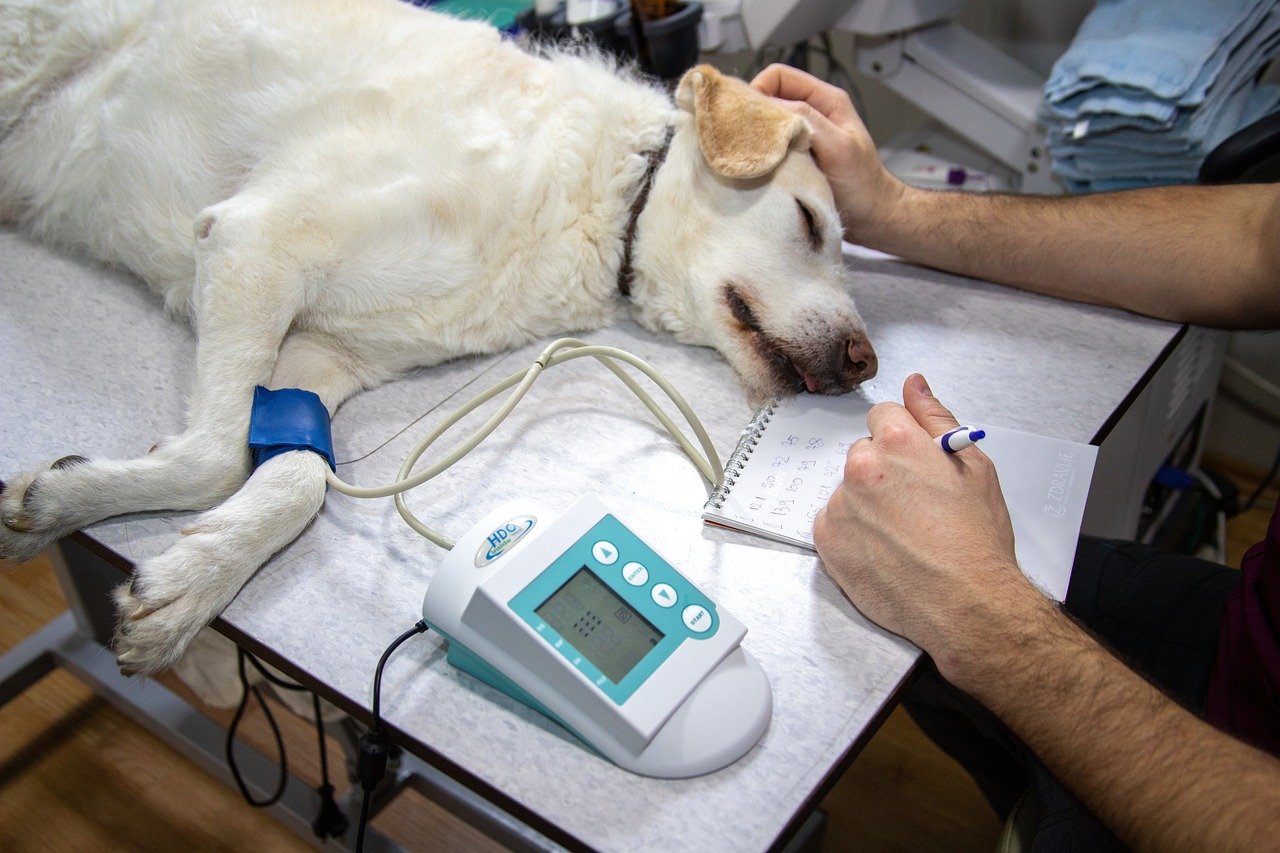
Few things are more stressful than a pet emergency, both emotionally and financially. Emergency vet visits can easily cost hundreds or thousands of dollars, especially if surgery or intensive care is required. Retirees on a fixed income may find these sudden expenses overwhelming. Even minor accidents or illnesses, like a swallowed sock or an unexpected infection, can result in large, unexpected bills. It’s not unusual for pet owners to dip into savings or even go into debt to cover these emergencies, highlighting the importance of a financial safety net.
Pet Insurance: Worth the Investment?

Pet insurance can offer peace of mind, but it’s another monthly expense to consider. Premiums vary depending on your dog’s age, breed, and coverage level, often ranging from $30 to $70 per month. Some plans have high deductibles or don’t cover pre-existing conditions, so it’s crucial to read the fine print. The decision to purchase pet insurance should be weighed carefully, especially in retirement when every dollar counts. For many, insurance can help manage the risk of large, unexpected vet bills, but it’s not a guarantee against all costs.
Grooming and Hygiene

Keeping your dog clean and well-groomed takes both time and money. Certain breeds require professional grooming every few weeks, which can cost from $50 to $100 per session. Even short-haired dogs need regular baths, nail trims, and ear cleaning. Add in the cost of brushes, shampoos, and dental chews, and the bill climbs even higher. For retirees who may have mobility limitations, paying for grooming services can become a necessity rather than a luxury. Over time, grooming expenses can be a steady, noticeable drain on your budget.
Training and Behavior Classes

A well-behaved dog is a joy, but training doesn’t always come naturally. Puppy classes, obedience school, or private trainers can cost anywhere from $100 to $500 or more, depending on the length and intensity of the program. Older dogs may also need refresher courses or specialized training for age-related issues. For retirees, investing in training early can prevent costly behavioral issues later—like chewed furniture or neighborhood complaints. While it may seem optional, proper training is an essential part of responsible pet ownership, especially if you’re hoping for peaceful golden years.
Pet Sitting and Boarding

Travel is one of retirement’s big perks, but what happens to your dog when you’re away? Pet sitting, dog walking, or boarding services are essential for those who still want to enjoy vacations or visit family. The costs can add up quickly: pet sitters may charge $25 to $50 per day, while boarding facilities can be even pricier. Even short trips can become expensive if you have to arrange care for your pet. For retirees wanting to maintain flexibility, these are recurring costs that must be factored into any budget.
Pet-Friendly Housing Adjustments

Some retirees downsize or move to new homes after leaving the workforce. If you’re renting, pet deposits and monthly pet fees can add hundreds to your annual expenses. Even homeowners may need to modify their living spaces—installing fences, doggie doors, or ramps for older pets. These changes can be costly but are often necessary to keep both you and your dog comfortable and safe. For those living in retirement communities, it’s also vital to check pet policies and potential breed restrictions before committing to a new place.
Supplies and Accessories

It’s easy to overlook the cost of “little things,” but they add up fast. Beds, crates, collars, leashes, toys, and bowls are all must-haves for a happy dog. Over the years, replacing worn-out items or indulging in new gadgets—like automatic feeders or GPS trackers—can become a regular expense. Many retirees find themselves spoiling their pets with new toys or cozy bedding, not realizing how quickly these purchases accumulate. Staying mindful of these ongoing costs is key to keeping your budget in check.
Unexpected Lifestyle Changes

Dogs bring joy, but they also require significant time and energy. In retirement, unexpected health issues or mobility limitations may make caring for a pet more challenging—and more expensive. You might need to hire a dog walker or enlist extra help if you’re recovering from surgery or unable to keep up with daily walks. These lifestyle adjustments can be costly, and they’re often overlooked in the excitement of adopting a new friend. Planning ahead for these possibilities can help avoid tough choices later on.
Planning for End-of-Life Care

As much as we wish our dogs could stay with us forever, aging is inevitable. Older pets often need more veterinary care, medications, and special accommodations—like orthopedic beds or ramps. End-of-life care, including euthanasia and cremation or burial, can also be emotionally and financially challenging. These costs can be difficult to talk about, but they are a real part of the pet ownership journey. Preparing for them in advance ensures you can provide compassionate care without financial strain.
The love and companionship a dog brings can be priceless, especially in retirement when loneliness can creep in. However, the financial side of dog ownership is very real and can impact your overall quality of life. Balancing your heart’s desire for a loyal companion with a clear-eyed look at your budget is essential. Many retirees find that with careful planning, the rewards far outweigh the costs—but going in prepared makes all the difference.