
How a Dog Breed’s Sensitivity Enhances Emotional Bonds

Have you ever wondered why some dogs seem to sense your every mood, offering a comforting nuzzle when you’re down or bursting with joy when you smile? It’s not just a coincidence—certain breeds are naturally more sensitive, and that sensitivity is the secret ingredient behind those heartwarming, unforgettable bonds we share with our furry companions. From gentle retrievers to intuitive herding dogs, a breed’s sensitivity can turn a simple relationship into a truly magical partnership. Let’s explore how a dog’s unique emotional awareness shapes the deepest connections between humans and their four-legged friends.
The Heartfelt Power of Canine Sensitivity
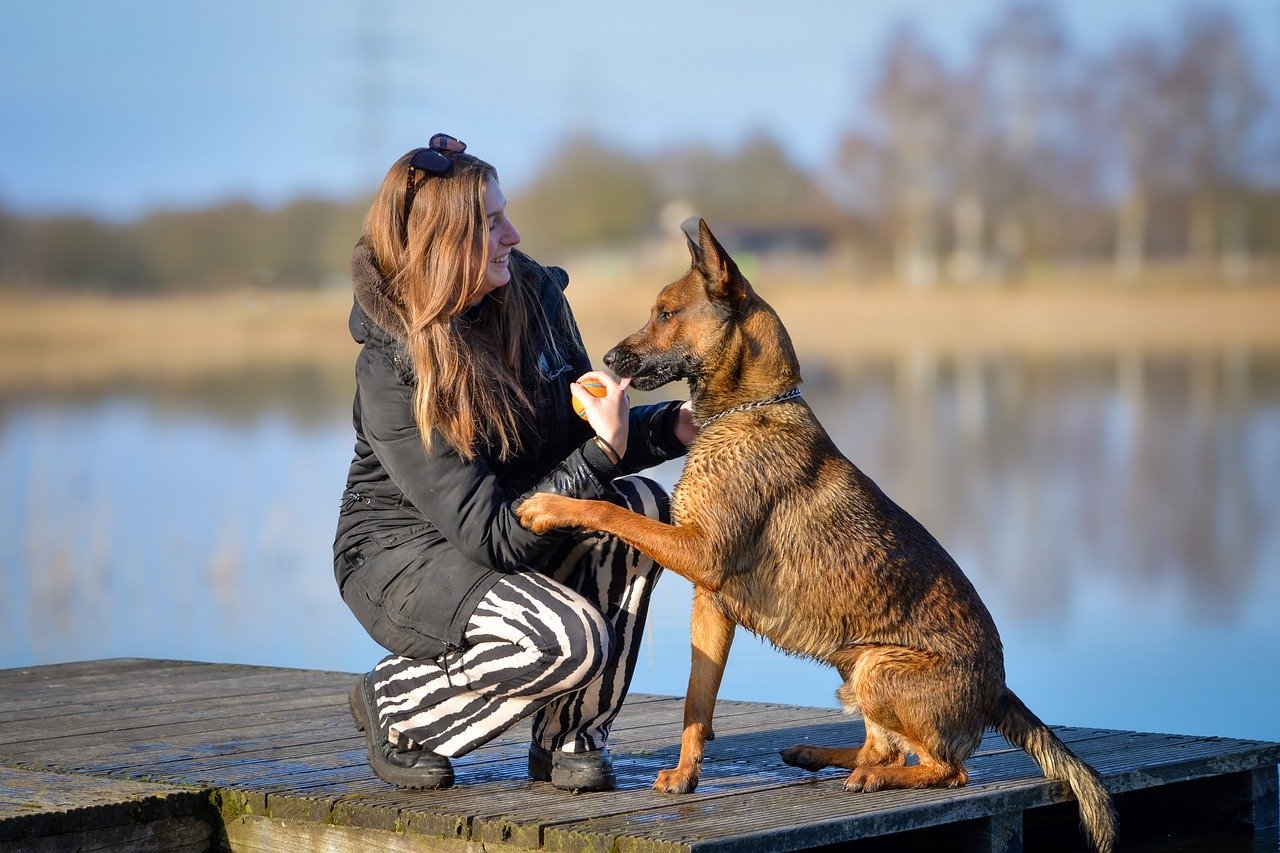
Some dogs seem to sense our moods before we do, offering a gentle nudge or comforting gaze at just the right moment. This emotional intuition isn’t random—it’s often rooted in breed-specific sensitivity. While all dogs are capable of forming strong bonds, certain breeds are naturally more attuned to their humans’ feelings and behaviors. In this article, we’ll explore how a breed’s inherent sensitivity can deepen the emotional connection between dog and owner, and how to nurture that special bond in meaningful ways.
There’s something truly touching about the way dogs can almost read our minds. Sensitive breeds, like Golden Retrievers and Border Collies, have an uncanny ability to pick up on subtle changes in our tone, body language, and even our energy. This heightened awareness allows them to respond to our feelings in ways that bring comfort when we’re stressed or celebration when we’re happy. It’s like having a furry therapist by your side, knowing just when you need a gentle lick or a playful nudge. For many dog lovers, this emotional depth is what transforms a pet into a lifelong soulmate.
Why Some Breeds Are More Sensitive Than Others

Not all dogs are created equal in the sensitivity department. While every pup has a unique personality, certain breeds have been carefully developed for heightened awareness. Herding dogs, such as Australian Shepherds, needed to be in tune with their handlers and livestock, making them especially attuned to human cues. Similarly, companion breeds like Cavalier King Charles Spaniels were bred specifically for their affectionate, perceptive natures. These traits don’t just make them great at their jobs—they make them incredible family members, too.
The Science Behind Emotional Awareness in Dogs

Researchers have found that dogs use a combination of visual, auditory, and even olfactory signals to gauge human emotions. Sensitive breeds are especially skilled at interpreting facial expressions and voice inflections, often reacting faster and more accurately than their less sensitive counterparts. MRI studies show that dogs’ brains light up in response to human emotions, suggesting a deep neurological connection. This scientific understanding helps explain why certain breeds seem almost psychic in their ability to comfort and connect.
Building Trust Through Gentle Communication
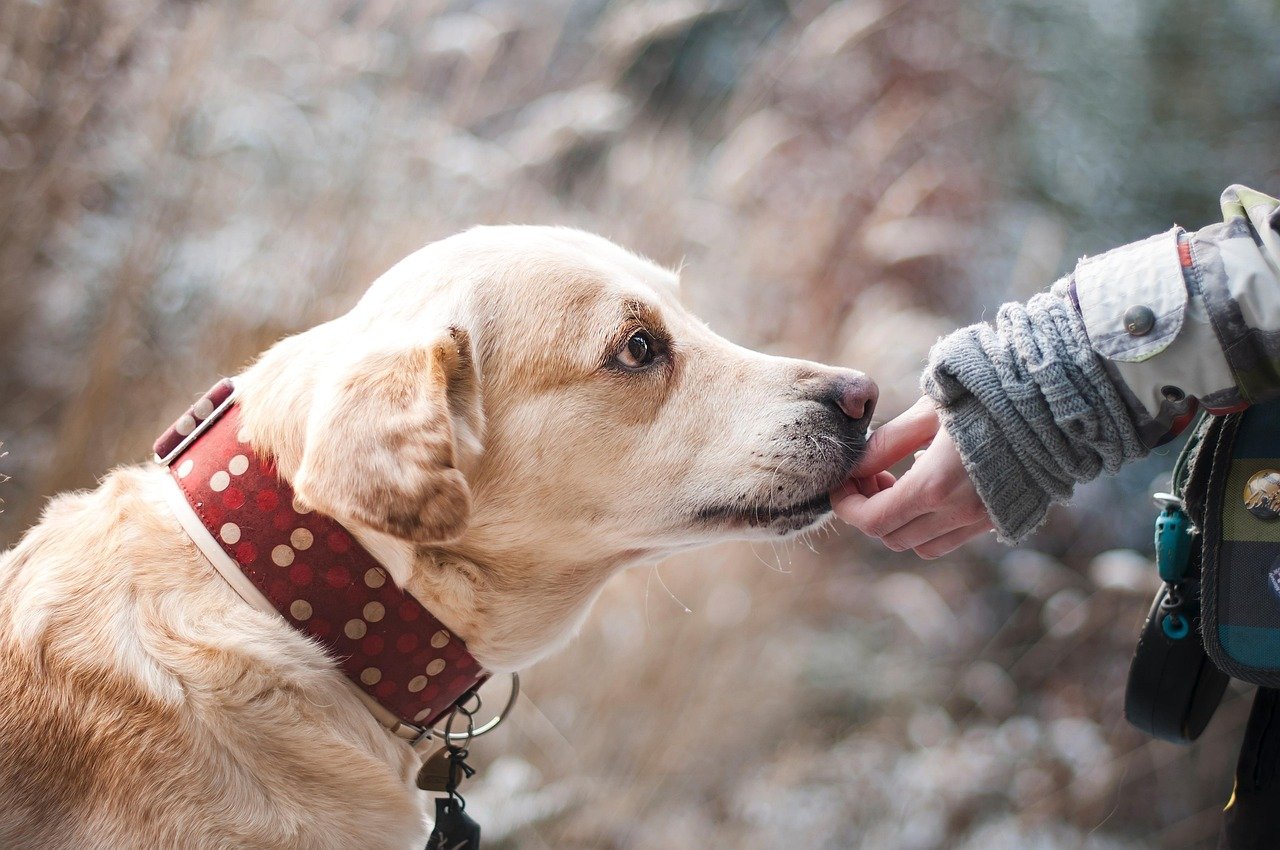
For sensitive breeds, trust is everything. These dogs thrive in environments where communication is clear, gentle, and consistent. A raised voice or harsh gesture can easily startle them, while soft words and patient guidance strengthen their sense of security. Owners who take the time to learn their dog’s unique signals and needs often find that their pets respond with even greater devotion and loyalty. It’s a beautiful dance of mutual understanding, where both human and dog feel seen and safe.
The Role of Early Socialization

Puppies from sensitive breeds benefit immensely from positive early socialization. Gentle exposure to new people, places, and experiences builds their confidence and helps prevent anxiety later in life. Without this foundation, sensitive dogs can become shy or fearful, which can strain the bond with their owners. On the other hand, a well-socialized sensitive dog is open, trusting, and eager to engage, making every shared moment more rewarding.
Sensitivity and Service: How Emotional Intelligence Aids Working Dogs

Many of the world’s best therapy, service, and emotional support dogs come from highly sensitive breeds. Labradors, Poodles, and Collies, for example, are stars in hospitals and nursing homes because they can sense distress and adjust their behavior accordingly. Their ability to empathize transforms lives, providing comfort to those who need it most. These dogs don’t just follow commands—they truly understand the hearts of the people they serve.
Challenges of Living with a Highly Sensitive Breed
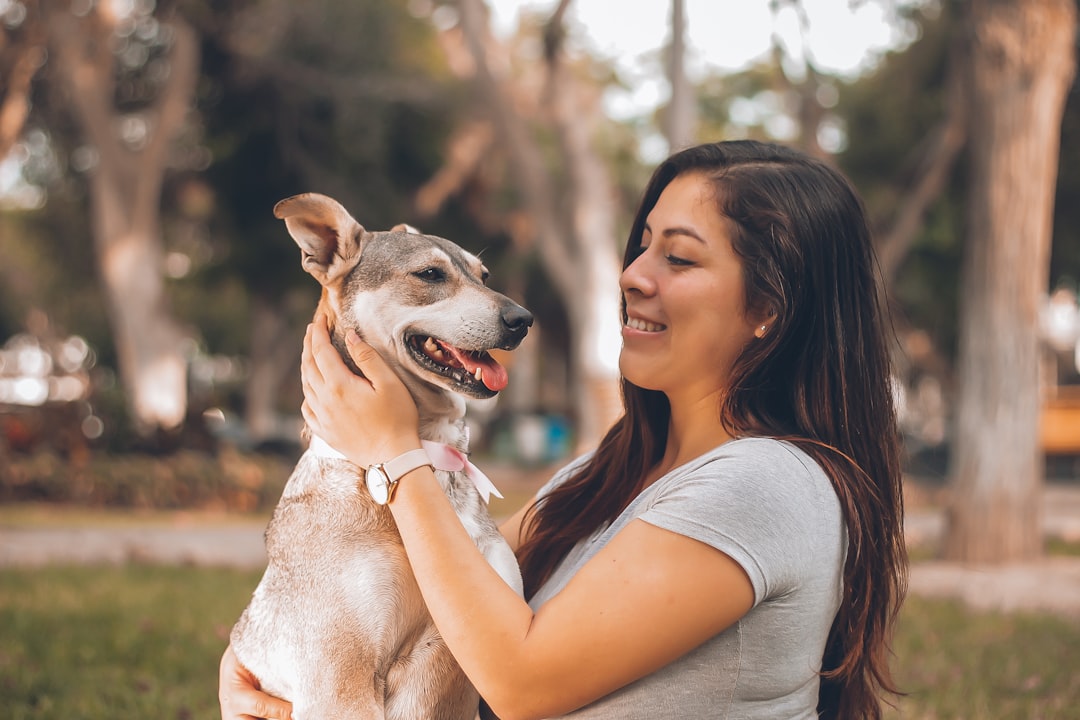
While sensitivity brings many joys, it can also present challenges for dog owners. Sensitive dogs may become anxious in loud or chaotic environments, or react strongly to changes in routine. They might be more prone to separation anxiety or develop stress-related behaviors if their needs are overlooked. Understanding these tendencies is crucial for creating a peaceful, nurturing home where sensitive dogs can thrive.
Simple Ways to Strengthen Emotional Bonds

Connecting with a sensitive dog doesn’t require grand gestures. Simple acts—like sharing quiet time, maintaining gentle routines, or offering a reassuring touch—go a long way. Consistency and patience are key. Sensitive breeds thrive on predictability and positive reinforcement, so celebrating small successes and offering plenty of affection can deepen your bond every day.
The Healing Touch: Dogs as Emotional Mirrors
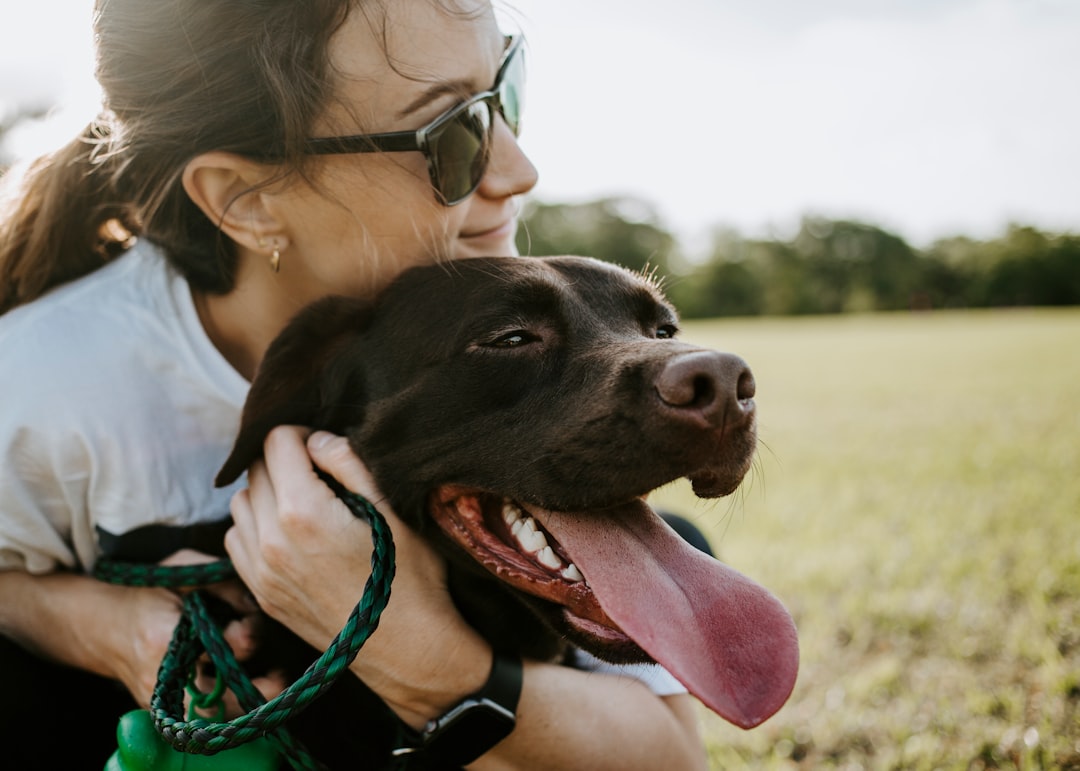
Many dog lovers say their pets “mirror” their emotions, and science supports this idea. Sensitive breeds, in particular, often reflect their owner’s mood—becoming calm when you’re relaxed, or alert when you’re anxious. This mirroring effect not only increases empathy between dog and owner, but can also motivate us to manage our own emotions more thoughtfully. It’s a gentle reminder that our furry friends are always tuned in, sharing in our joys and soothing our sorrows.
How Sensitivity Shapes Family Dynamics
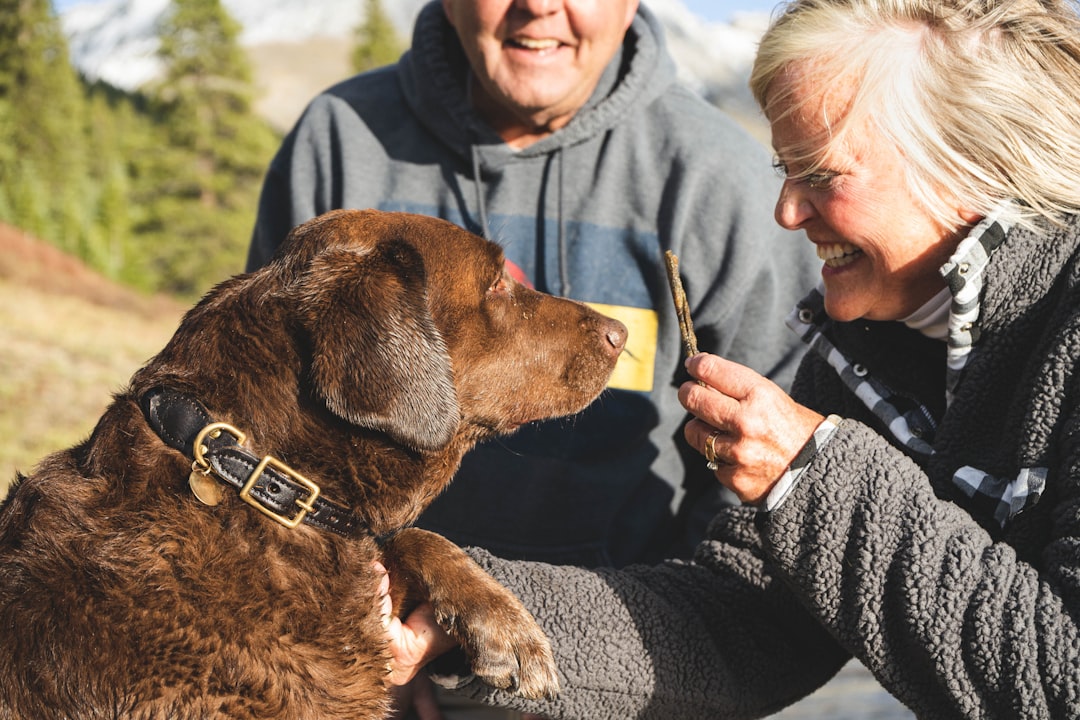
In a family, a sensitive dog often becomes the emotional glue, sensing when someone needs comfort or when tensions are running high. These dogs can form special bonds with children, elderly relatives, or anyone who might be feeling vulnerable. Their gentle presence brings people together and helps smooth over rough moments, making them indispensable members of the household.
Choosing the Right Breed for Your Emotional Needs

If you’re searching for a canine companion to share your life with, considering breed sensitivity is essential. Ask yourself what kind of bond you want—do you crave deep emotional connection, or does a more independent dog suit your lifestyle? Sensitive breeds require time, understanding, and a gentle approach, but they reward their humans with unmatched loyalty and love. Making the right match can transform both your lives.
Stories of Surprising Connection
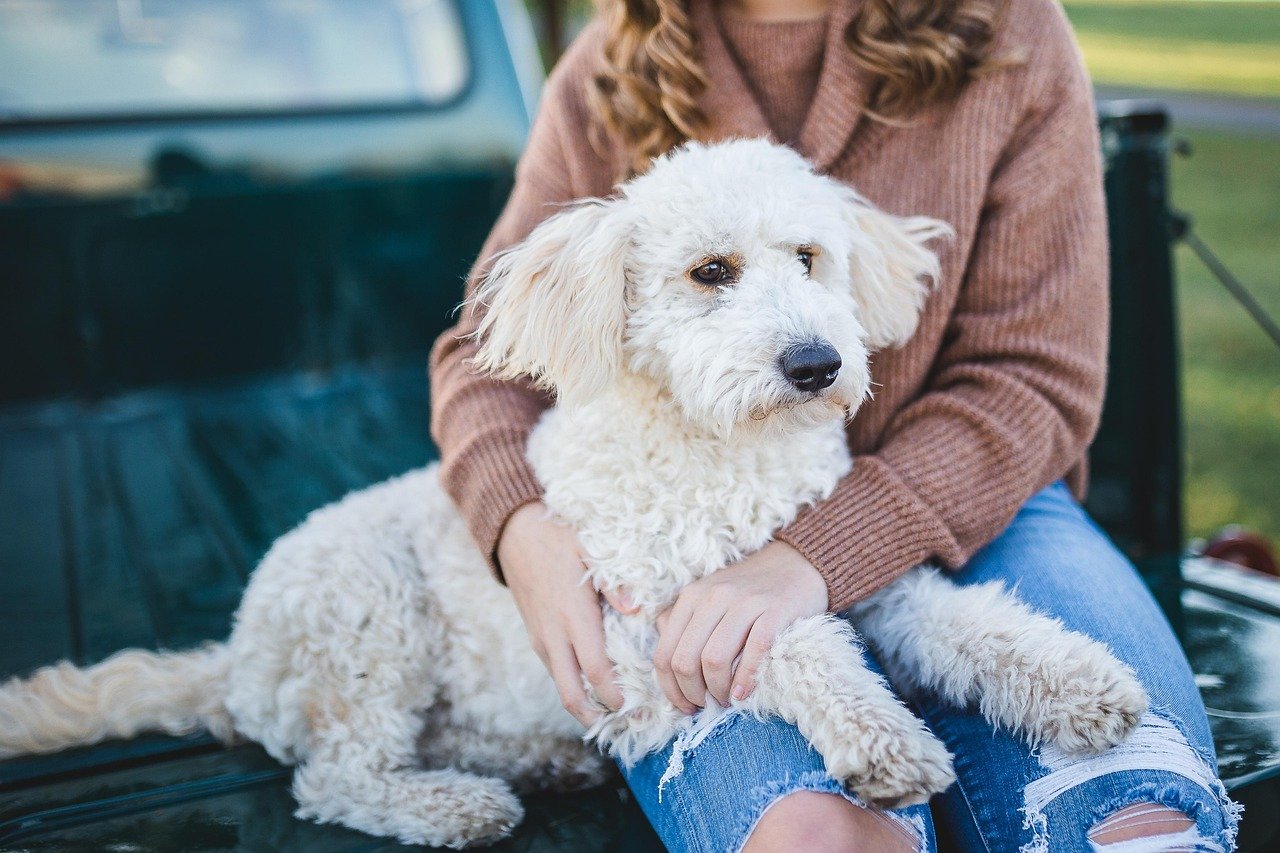
Countless dog owners have touching tales of their sensitive pups sensing illness, heartbreak, or even impending danger. These stories highlight the remarkable intuition that sensitive breeds possess. Whether it’s a dog curling up beside a sick child or licking away tears after a tough day, these moments prove that emotional bonds between people and dogs are real, powerful, and life-changing.
Understanding and appreciating a dog’s natural sensitivity can lead to a deeper, more fulfilling relationship between pet and owner. Sensitive breeds thrive on emotional connection, and when their intuitive nature is acknowledged and nurtured, they respond with unwavering loyalty, empathy, and affection. Whether you’re sharing a quiet moment or facing a tough day, these dogs become more than companions—they become emotional anchors. By meeting their emotional needs with patience, consistency, and care, you’ll not only strengthen your bond but also help your dog feel truly seen and valued.