
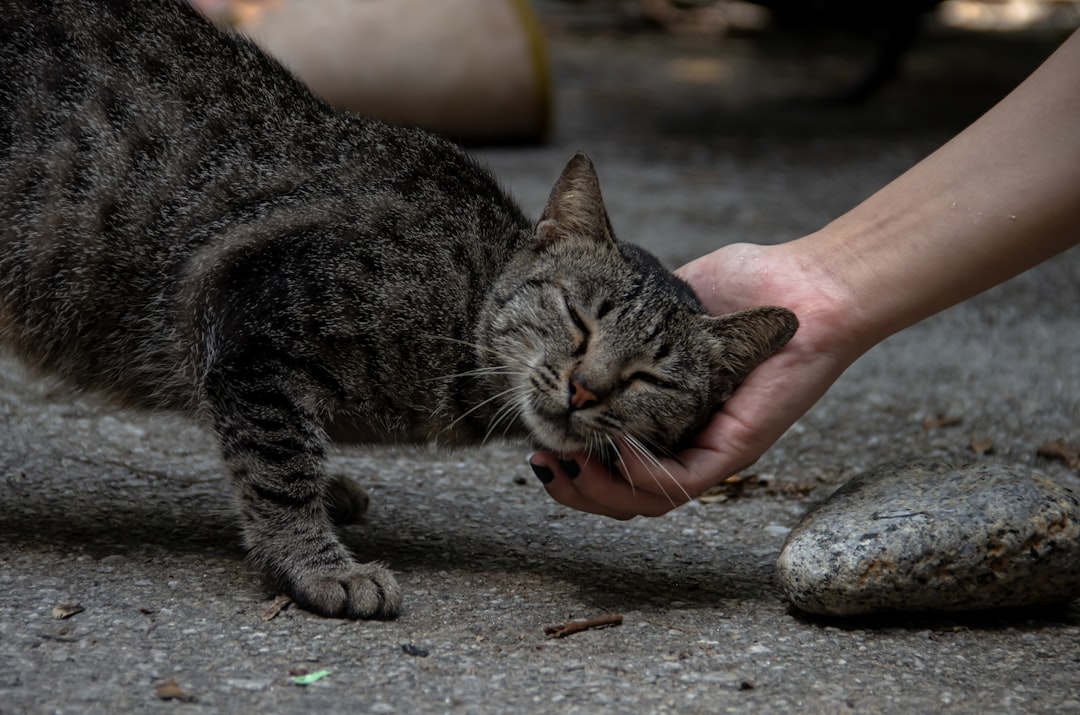
Have you ever watched your beloved cat dart under the bed at the sound of a doorbell, or noticed their eyes widen with worry over the slightest change in your home? If so, you’re not alone. Feline anxiety is real, and it tugs at the heartstrings of every caring cat parent. The good news is, you can make a world of difference in your cat’s life with just a few thoughtful changes. Here are ten powerful, practical ways to help soothe your anxious kitty and bring peace back into your shared home.
Create Safe Spaces

Cats crave security, especially when they feel overwhelmed. By providing cozy hideaways—like soft beds tucked in quiet corners, cardboard boxes, or even a dedicated cat tree—you offer your cat a personal retreat from stressful situations. These safe spaces give your cat control over their environment, which is incredibly comforting. Try placing their favorite blanket or a piece of your clothing there, as your scent can be a calming presence. Make sure to respect your cat’s need for solitude when they retreat, avoiding any forced interaction. If your home is busy, designate a room or area as a “cat sanctuary” where disturbances are minimized. Over time, your cat will learn this is a refuge, reducing their overall anxiety.
Establish Consistent Routines

Cats are creatures of habit. Sudden changes—like moving furniture, altering feeding times, or changing family schedules—can throw them into a state of confusion and anxiety. By keeping feeding, playtime, and litter box cleaning on a reliable schedule, you help your cat anticipate what’s next, which is incredibly reassuring. Consistency in your own behavior, such as greeting your cat the same way every day, also helps them feel secure. If you must make a change, try to introduce it gradually. For example, if you need to move their litter box, do so a few inches at a time rather than all at once. Routines act like a safety net for anxious cats, anchoring them during times of uncertainty.
Use Calming Pheromones

Cats communicate through scent, and certain pheromones have been found to have a calming effect. Synthetic pheromone sprays or diffusers, which mimic the soothing facial pheromones cats produce naturally, can be a simple way to reduce anxiety. Plug in a diffuser near your cat’s favorite spots or spray pheromones on bedding and scratching posts. Many cat parents notice their cats seem more relaxed and less reactive to stressors within days. These products are odorless to humans, so they won’t interfere with your home’s atmosphere. Pheromones are especially helpful during stressful events like moving, introducing new pets, or thunderstorms. They’re a gentle, non-invasive tool to help anxious cats find their calm.
Interactive Play and Enrichment

Boredom and pent-up energy often fuel feline anxiety. Daily play sessions with wand toys, laser pointers, or rolling balls can work wonders, providing both mental stimulation and a healthy outlet for stress. Rotate toys frequently to keep things fresh and exciting. Puzzle feeders and treat-dispensing toys can challenge your cat’s mind and keep them busy when you’re not home. For especially anxious cats, gentle play routines can help redirect nervous energy and build confidence. Even something as simple as a crumpled piece of paper or a paper bag can spark joy and distract from worries. The more you engage your cat’s body and mind, the less room anxiety has to grow.
Offer Vertical Climbing Opportunities
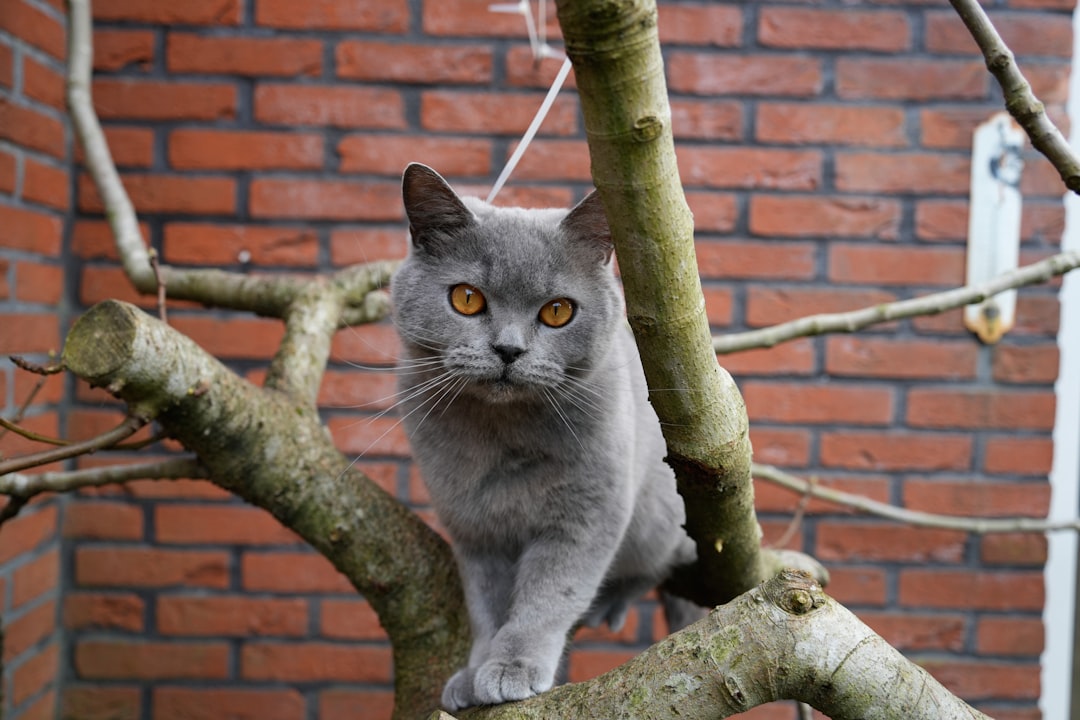
Cats feel safest when they can observe their territory from above. Cat trees, wall-mounted shelves, and window perches give your cat a “bird’s-eye view” of their world, which can dramatically reduce anxiety. Elevated spaces allow your cat to escape perceived threats and watch their environment from a place of safety. If you have multiple cats, vertical territory can also prevent conflicts and give each cat their own space. Place perches near windows so your cat can enjoy birdwatching or sunbathing, both of which can be incredibly soothing. Even a sturdy bookshelf with a blanket on top can become a favorite lookout. Offering your cat ways to go up, not just out, taps into their natural instincts—and helps anxious souls find peace.
Minimize Loud Noises and Sudden Changes
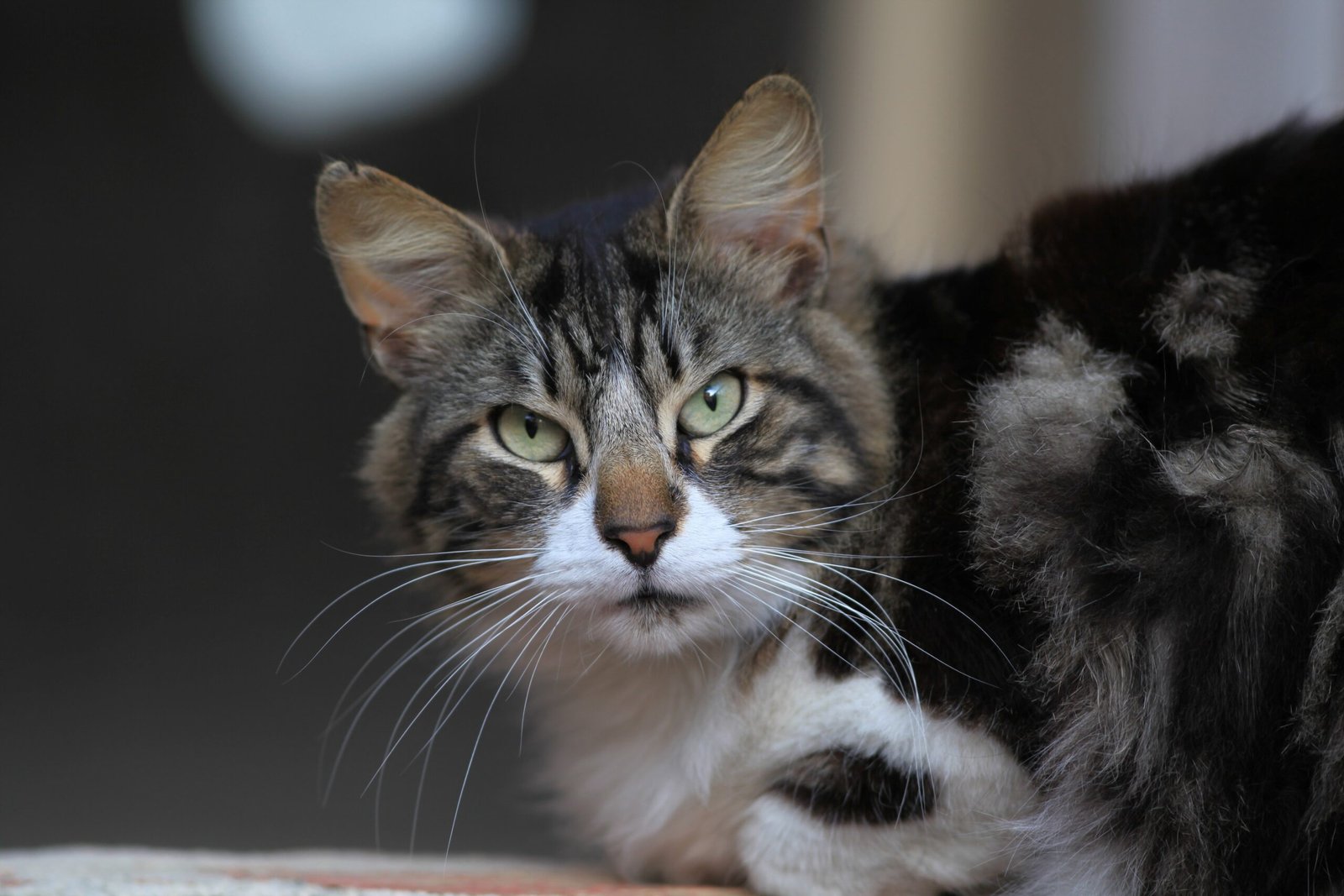
Thunderstorms, fireworks, vacuum cleaners—loud, unpredictable noises can be terrifying for sensitive cats. Whenever possible, limit exposure by closing windows, playing soft music, or providing white noise to mask startling sounds. Warn guests and children to use gentle voices and movements around your cat. If home improvements or parties are planned, set up a quiet room with familiar bedding and toys where your cat can retreat. Avoid making sudden changes to the layout of your home or bringing in new items without gradual introduction. The more predictable and peaceful your environment, the less likely your cat will be startled into anxiety.
Provide Gentle Physical Contact
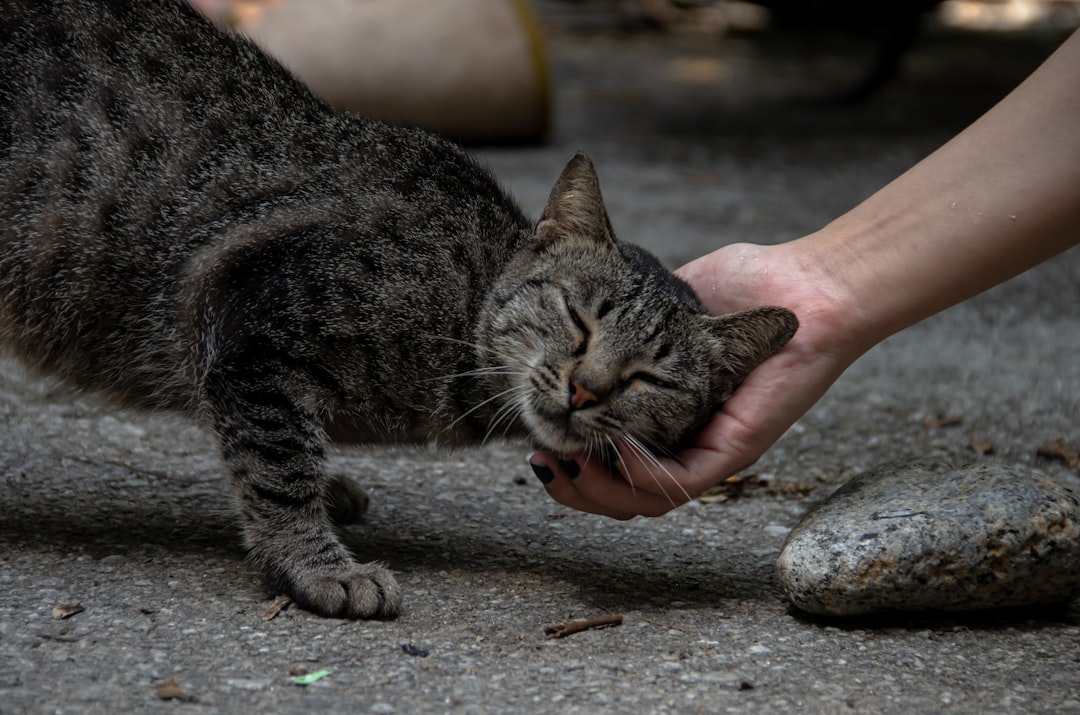
Some cats crave cuddles, while others prefer gentle chin scratches or just being near you. Respect your cat’s personal boundaries, but offer regular, calm affection in whatever way they like best. Slow blinking at your cat can be a powerful sign of trust and comfort. If your cat leans into your touch, take it as an invitation to continue; if they move away, give them space. Physical contact releases feel-good hormones in both cats and humans, deepening your bond and providing a sense of security. Even just sitting quietly together can assure your cat they’re safe and loved.
Introduce New Experiences Gradually

Whether it’s a new pet, a new piece of furniture, or a trip to the vet, sudden changes can overwhelm an anxious cat. Take things slow—let your cat investigate new things at their own pace, rewarding calm behavior with treats or praise. For example, if you bring home a new cat tree, place it in a quiet spot and sprinkle some catnip on it to entice exploration. If you’re introducing a new family member or pet, use scent-swapping and short, supervised meetings. Always watch for signs of stress—like hiding, excessive grooming, or growling—and back off if your cat seems uncomfortable. Gradual introductions build positive associations and reduce the risk of panic.
Maintain a Healthy Diet and Routine Care

Anxious cats benefit from a balanced diet that supports both body and mind. High-quality cat food, fresh water, and regular feeding times can all help stabilize your cat’s mood. Some cats are sensitive to ingredient changes, so switch foods slowly if needed. Regular veterinary check-ups are crucial, as anxiety can sometimes be a sign of underlying health issues. Keep up with grooming, nail trims, and dental care, as physical discomfort can add to your cat’s stress. A healthy, well-cared-for cat feels stronger and more resilient against anxiety’s grip.
Consider Professional Help When Needed

Sometimes, despite your best efforts, anxiety persists. If your cat’s stress leads to destructive behaviors, persistent hiding, or aggression, it may be time to consult a veterinarian or feline behaviorist. These professionals can rule out medical causes, recommend anxiety-reducing medications, or develop a customized behavioral plan. Don’t feel discouraged—reaching out for help is a sign of deep love and commitment to your furry friend. With the right support, even the most anxious cats can learn to trust, relax, and thrive.


