

Dobermans are loyal, intelligent, and incredibly alert—but like all breeds, they can come with a few behavioral quirks. From separation anxiety and excessive barking to a bit of stubbornness, these traits can sometimes catch new owners off guard. The good news? With early training, consistency, and plenty of positive reinforcement, most issues can be managed smoothly. Understanding their high energy and protective nature is key to building a well-balanced companion. A little patience goes a long way with these sharp-minded pups!
Separation Anxiety: The Shadow Syndrome
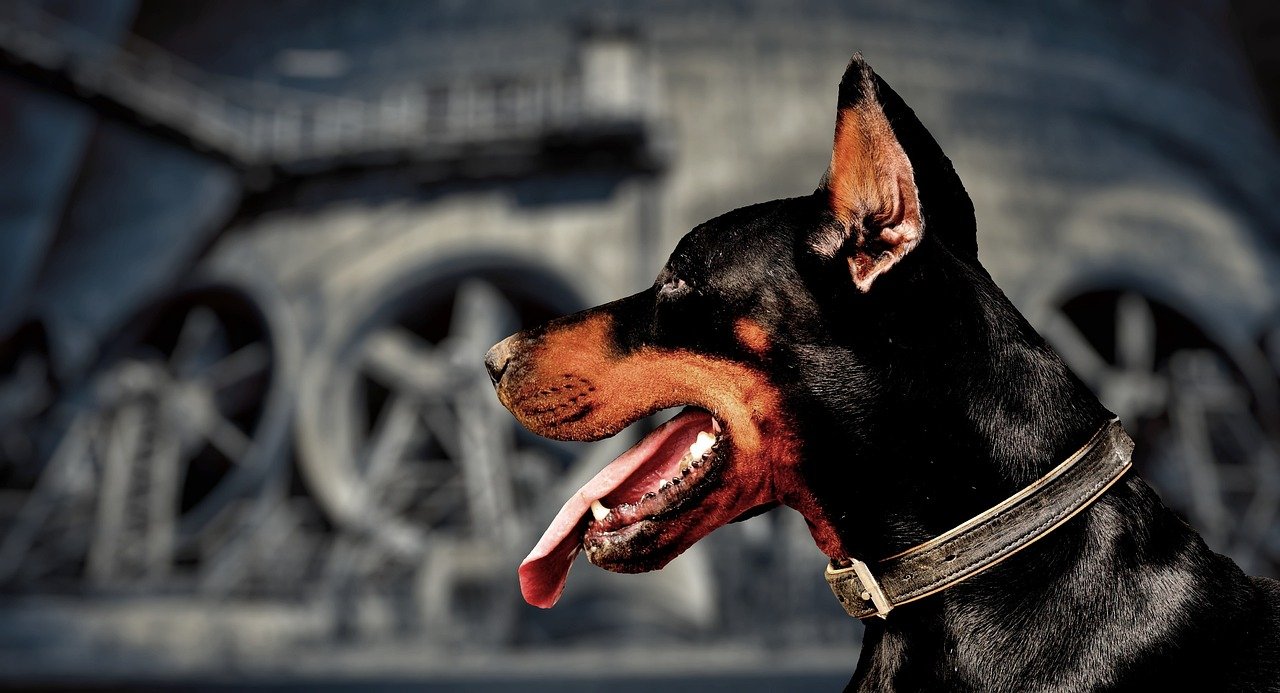
Dobermans are often described as “velcro dogs” because they love being close to their people. This devotion can quickly become a challenge when you leave the house. If your Doberman whines, barks, or becomes destructive when left alone, you’re not alone—separation anxiety is common in this breed. This isn’t just about being mischievous; it’s about deep worry and stress when their favorite person is gone. To help, try gradually increasing the time you spend away, always returning calmly. Offer special toys or puzzle feeders that come out only when you leave, giving them something positive to focus on. Crate training, done gently, can also provide a sense of security. Remember, punishing anxious behavior will only make things worse—patience and consistency are the keys.
Excessive Barking: The Alert Dog’s Dilemma
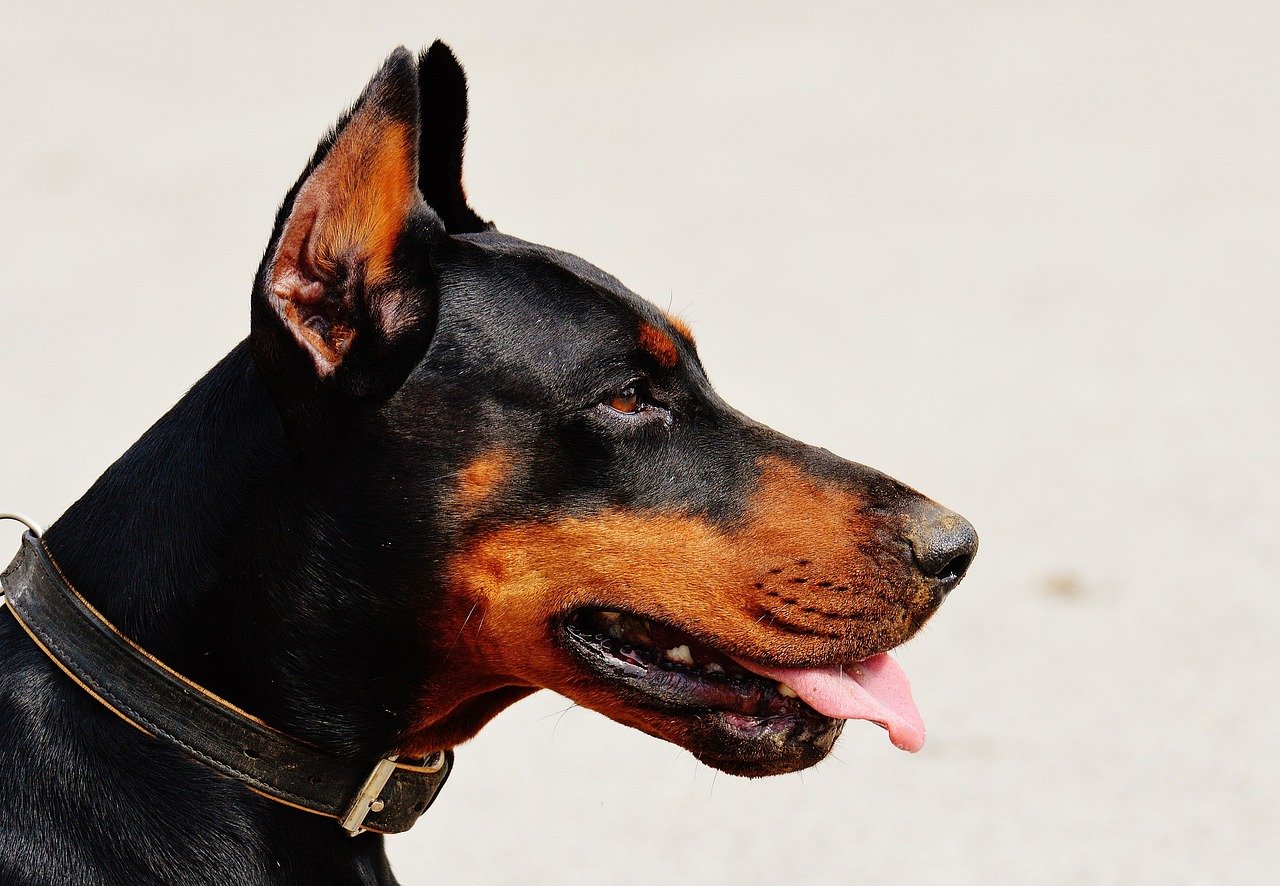
Dobermans are naturally alert and vocal when they sense something unusual. While their barking can make them excellent watchdogs, it can also become a source of frustration if it gets out of hand. If your Doberman barks at every passerby or unusual sound, it’s important to teach them when it’s okay to sound the alarm, and when it’s time to be quiet. Start by acknowledging their alertness—a simple “thank you” can signal you’ve noticed the trigger. Then, redirect their attention with a favorite toy or command. Consistent training sessions where you reward quiet behavior can work wonders. It’s crucial not to yell, as this often makes barking worse. Instead, stay calm and use positive reinforcement to shape their responses.
Destructive Chewing: Boredom’s Best Friend

A bored Doberman is a destructive Doberman. Their sharp minds and strong jaws can turn your favorite shoes or furniture into chew toys if they aren’t properly stimulated. Chewing is a natural behavior, especially for a high-energy breed like the Doberman. To prevent destruction, make sure they get plenty of daily exercise—both physical and mental. Interactive toys, regular walks, and training games can burn off excess energy. Offer a variety of safe chew toys, rotating them to keep things interesting. If you catch them chewing something forbidden, calmly redirect them to an appropriate toy. Never scold after the fact—dogs live in the moment and won’t understand why you’re upset later.
Aggression Toward Other Dogs: The Alpha Instinct

Dobermans are confident and sometimes dominant, which can lead to aggressive displays toward other dogs, especially if they aren’t socialized early. Growling, lunging, or snapping can be alarming, but understanding the root cause is essential. Often, this behavior stems from fear or territoriality rather than true aggression. Early and positive socialization is the best preventative tool—introduce your Doberman to a variety of dogs, people, and situations as a puppy. If your adult Doberman struggles, seek out controlled environments like obedience classes. Always use a leash in public, and never force an interaction. Confidence-building exercises, calm leadership, and professional help from a trainer can make all the difference.
Resource Guarding: Possessive Protectors

Some Dobermans develop a habit of guarding their food, toys, or even favorite people, growling or snapping if someone comes too close. This behavior is known as resource guarding and can escalate if not addressed. The first step is to never punish your dog for guarding; instead, teach them that people approaching their possessions is a good thing. Practice trading games—offer a high-value treat in exchange for a toy or bowl, and always return the object. Over time, your Doberman will learn to associate people near their things with positive outcomes. Consistency and early intervention are crucial, and if the behavior doesn’t improve, consult a professional for guidance.
Leash Pulling: The Power Struggle
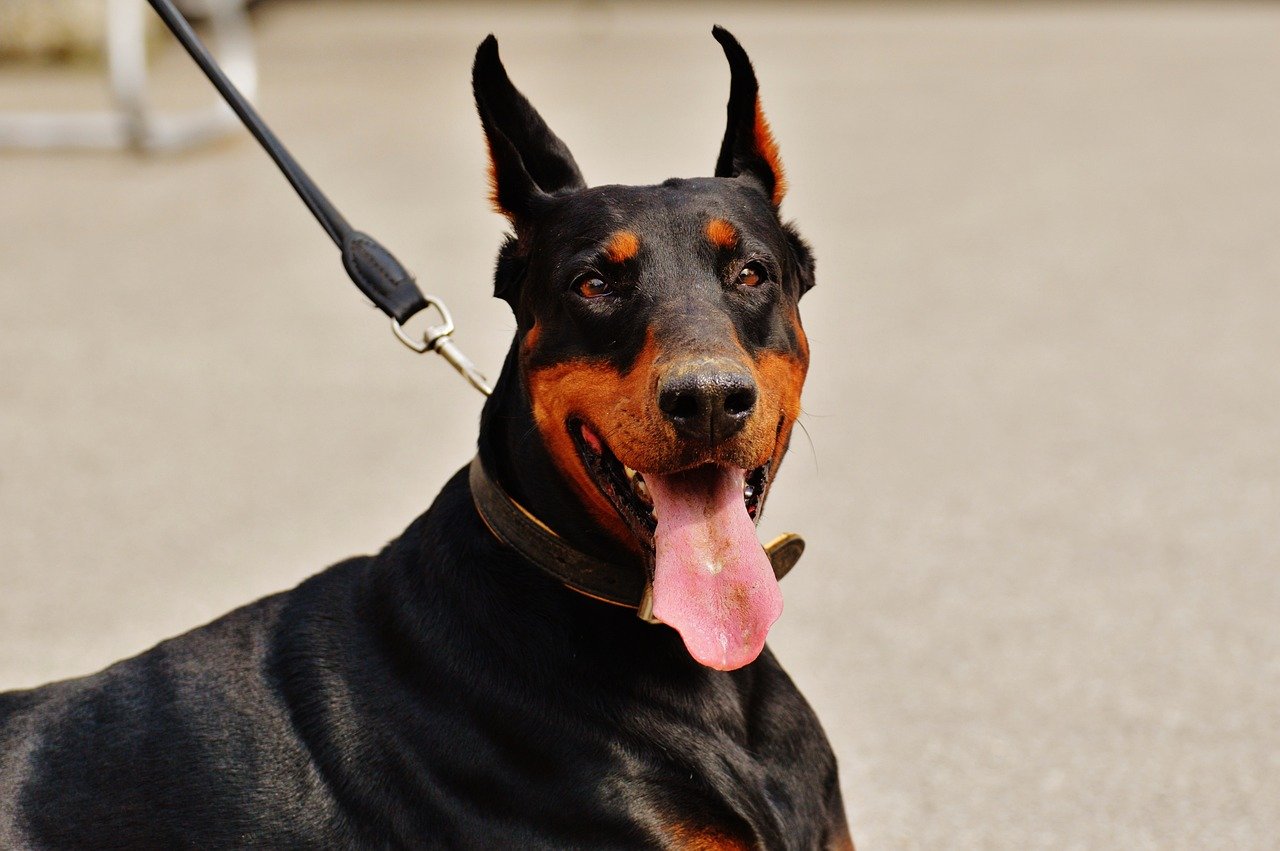
Walking a Doberman can feel like being towed by a freight train if they haven’t learned proper leash manners. These strong, energetic dogs often surge ahead, making walks a battle of wills. To address this, start training in a quiet area with minimal distractions. Use treats to reward your Doberman for walking beside you, and stop moving forward if they pull—only continue when the leash is slack. Short, frequent training sessions are more effective than long, frustrating walks. Patience and positive reinforcement will help your Doberman see you as the leader, making walks enjoyable for both of you. Remember, tools like front-clip harnesses can provide extra control while you work on training.
Fearfulness or Shyness: The Sensitive Side

Despite their tough appearance, Dobermans can be surprisingly sensitive and even timid in certain situations. Loud noises, unfamiliar people, or new environments can cause them to cower or hide. This fearfulness often starts in puppyhood and can worsen if not handled gently. Socialization is key—expose your Doberman to a wide range of experiences in a positive, gradual way. Never force them into scary situations; instead, let them approach at their own pace. Use treats and praise to reward brave behavior, helping build their confidence. If your Doberman struggles with severe fear, consider consulting a professional who can guide you through desensitization and counter-conditioning techniques.
With the right understanding and a loving approach, even the most challenging Doberman behaviors can be shaped into strengths. Would you have guessed that behind that confident exterior lies such a sensitive soul?


