
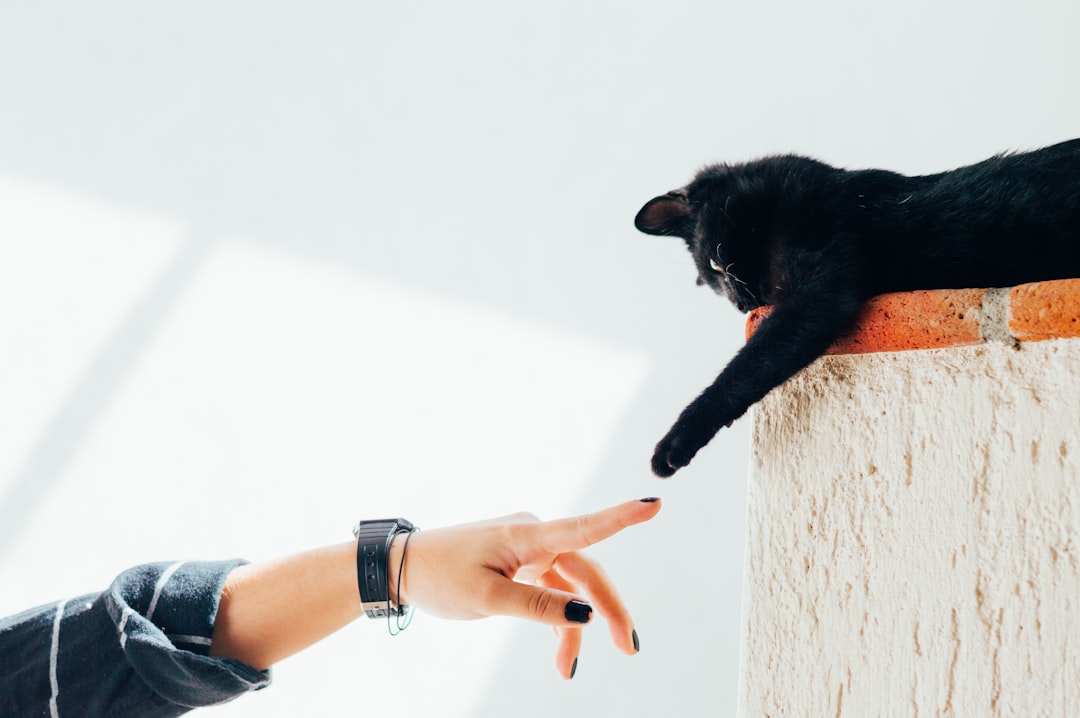
Have you ever caught your cat staring at you and wondered if they’re secretly your furry twin? It’s not just your imagination. Science and stories from cat lovers everywhere suggest that our feline friends are more like us than we think. From your quirks to your moods, your cat may be reflecting your personality right back at you—sometimes in the most hilarious or heartwarming ways. Get ready to be amazed, amused, and maybe even a little spooked as you discover just how closely your cat’s personality can mirror your own!
Your Cat Shares Your Energy Levels
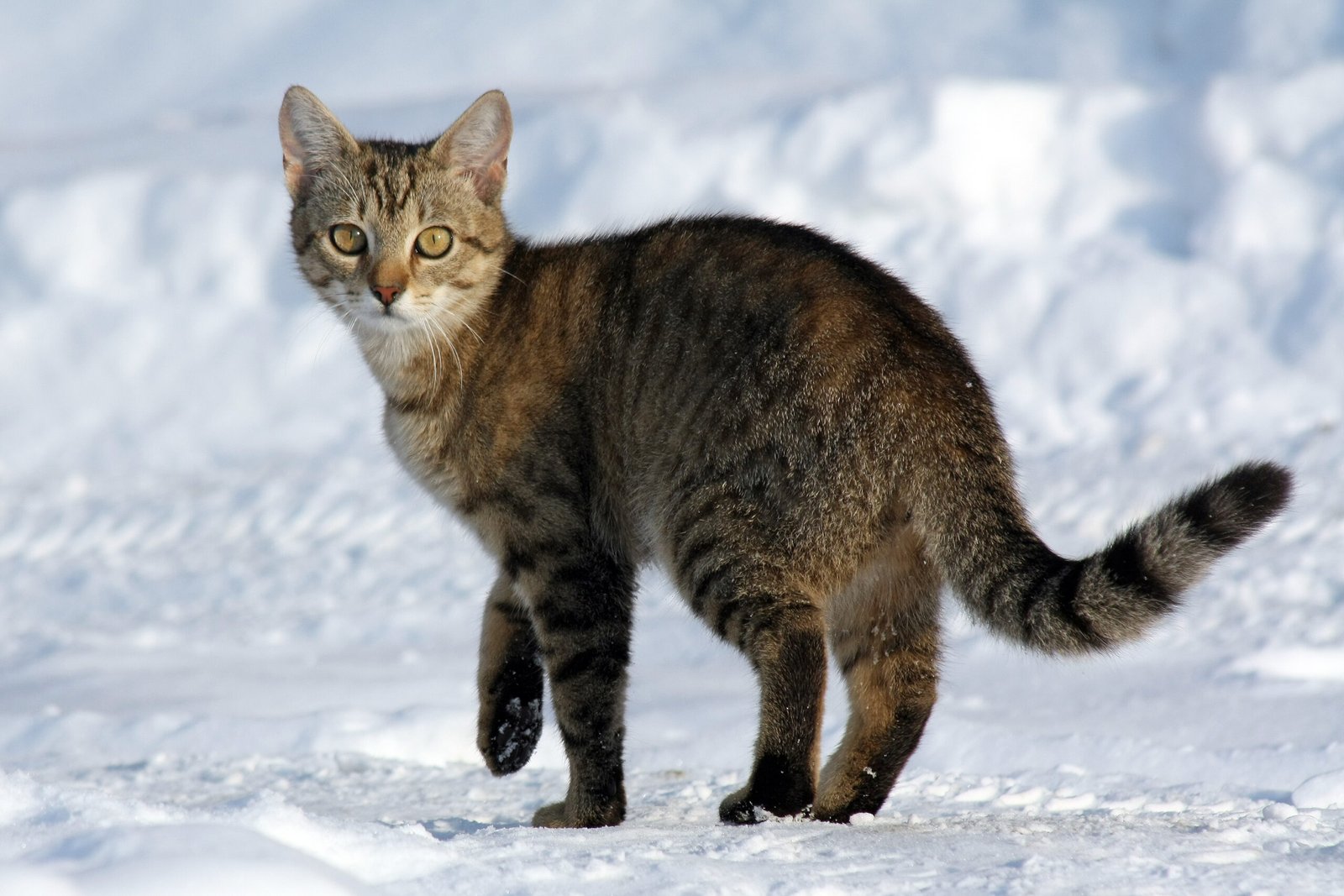
Ever feel like your cat is your tiny, furry twin? You might not be imagining it. Studies and anecdotal evidence alike suggest that cats often reflect the personalities of their owners in subtle—and sometimes not-so-subtle—ways. From mood shifts to sleep habits, your feline companion may be picking up on your emotional cues more than you realize.
Notice how your cat seems to nap when you’re relaxed and gets the zoomies when you’re buzzing with excitement? Cats are masters at picking up on your energy. If you’re a bundle of enthusiasm, your cat might become more playful, chasing toys and sprinting down the hallway. On the other hand, if you tend to be calm and laid-back, your cat may spend hours curled up beside you, basking in the tranquility. This connection happens because cats are incredibly perceptive and often synchronize their behavior to match the vibe at home. It’s almost like they want to be in tune with your rhythm, whether that means snoozing or sprinting.
They Pick Up On Your Moods
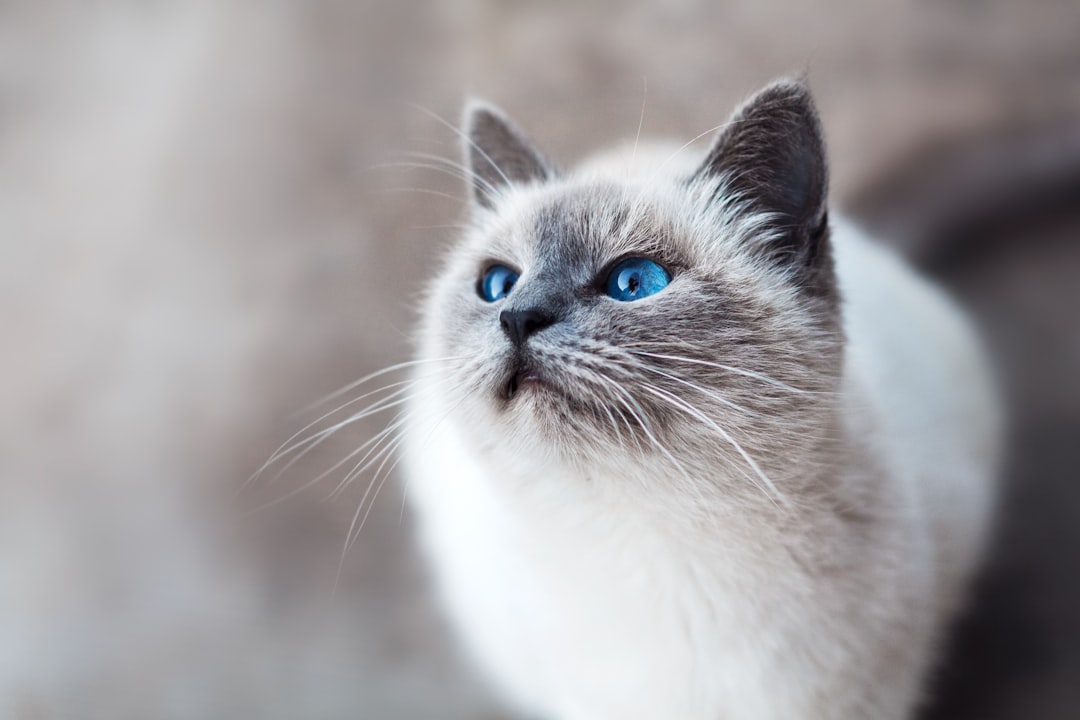
Cats are emotional sponges. If you’re anxious or sad, your cat may become more withdrawn or cautious, mirroring your inner world. Conversely, during happier, upbeat moments, they might be more likely to purr, play, or snuggle. This isn’t just coincidence—cats are sensitive to changes in your tone of voice, body language, and even subtle shifts in your daily routine. When you’re upset, your cat might hover nearby or offer gentle headbutts in a silent show of support. It’s almost as if they’re saying, “I’m here for you,” reflecting your emotional state in their own quiet way.
Your Social Habits Shape Theirs
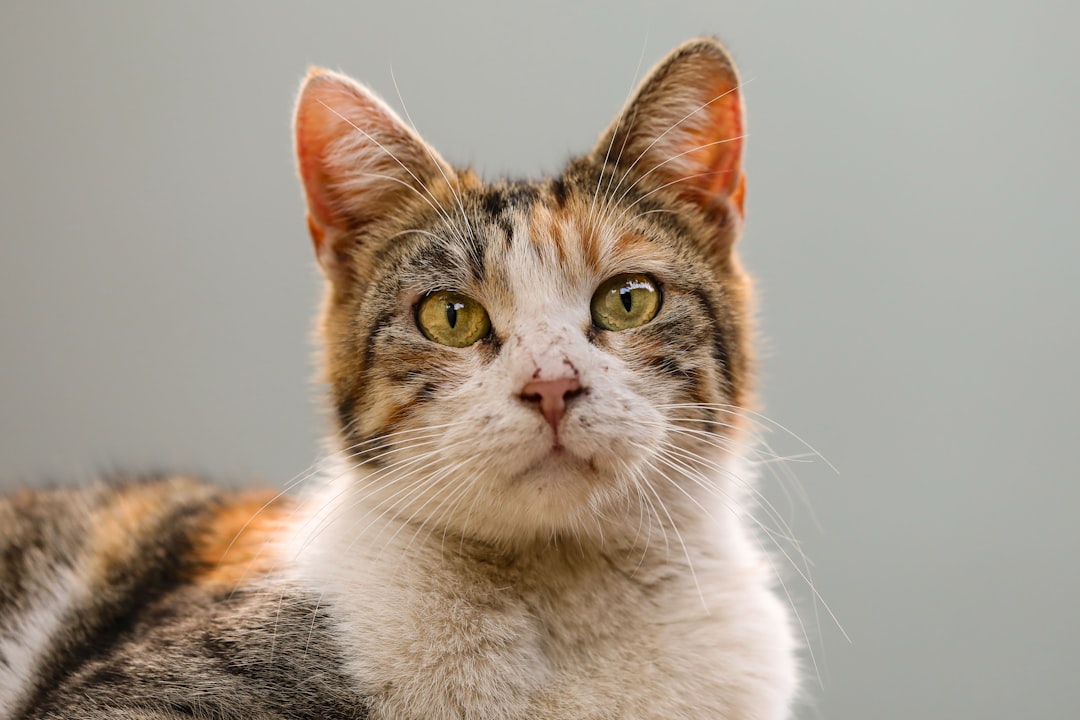
Are you a social butterfly or more of a homebody? Your cat notices. Cats living with outgoing owners often become friendlier and more open to meeting new people. They might greet visitors at the door or weave through a crowd with confidence. If you’re more reserved, your cat may also hang back, preferring quiet time and familiar faces. They observe how you interact and adjust their own social behavior accordingly, making them the perfect companion for your lifestyle. It’s a fascinating dance of mutual influence—your social habits help shape your cat’s view of the world.
Cats Mimic Your Routine
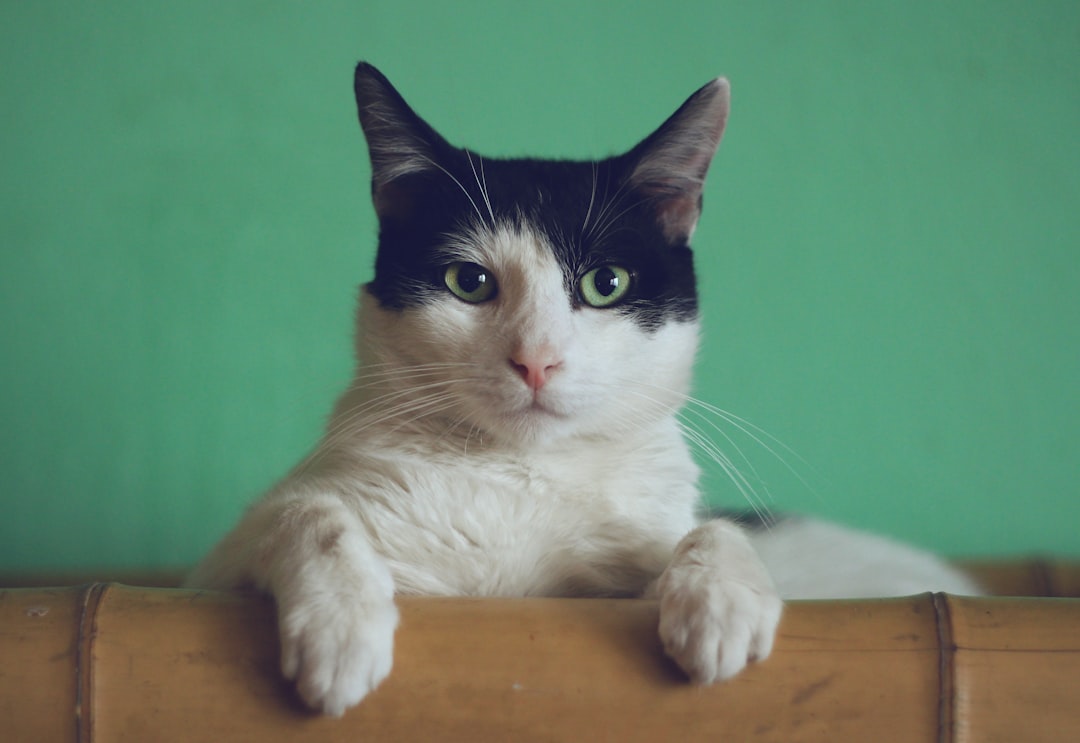
Your daily routine doesn’t just structure your life—it also becomes the heartbeat of your cat’s day. If you wake up early, your cat may start stirring with you, ready for breakfast or a morning cuddle. Night owls might find their cats are most active in the late hours, waiting for a final play session before bed. Over time, your habits—meal times, sleep schedules, even TV watching—become intertwined with your cat’s, creating a shared rhythm that feels almost magical. This synchronization deepens the bond between you and your feline friend, making life feel more connected.
Your Patience (or Impatience) Reflects In Their Behavior
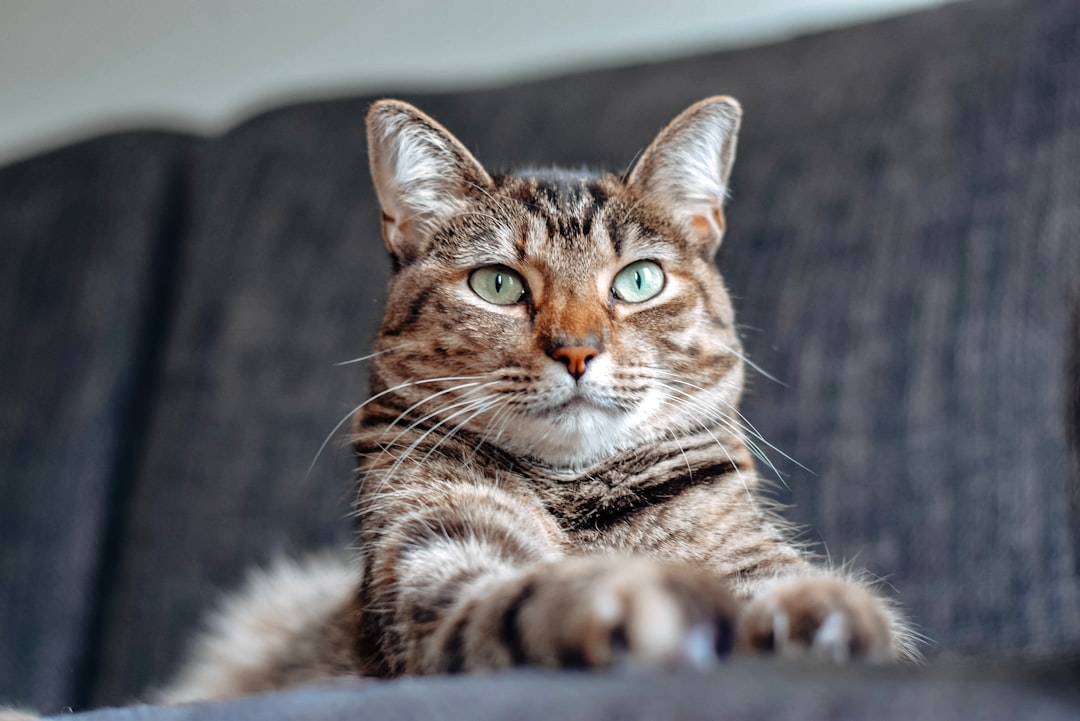
If you’re patient and gentle, your cat is likely to be calm and approachable. On the flip side, if you’re impatient or easily frustrated, your cat may become jumpy or quick to retreat. Cats are experts at reading subtle cues in your voice and movements, responding in kind. A cat living in a patient household tends to approach new situations with curiosity instead of fear. Think of it as emotional mirroring—your ability to handle stress and change sets the tone for your cat’s reactions, helping them feel safe or, sometimes, a bit on edge.
They Adapt To Your Communication Style
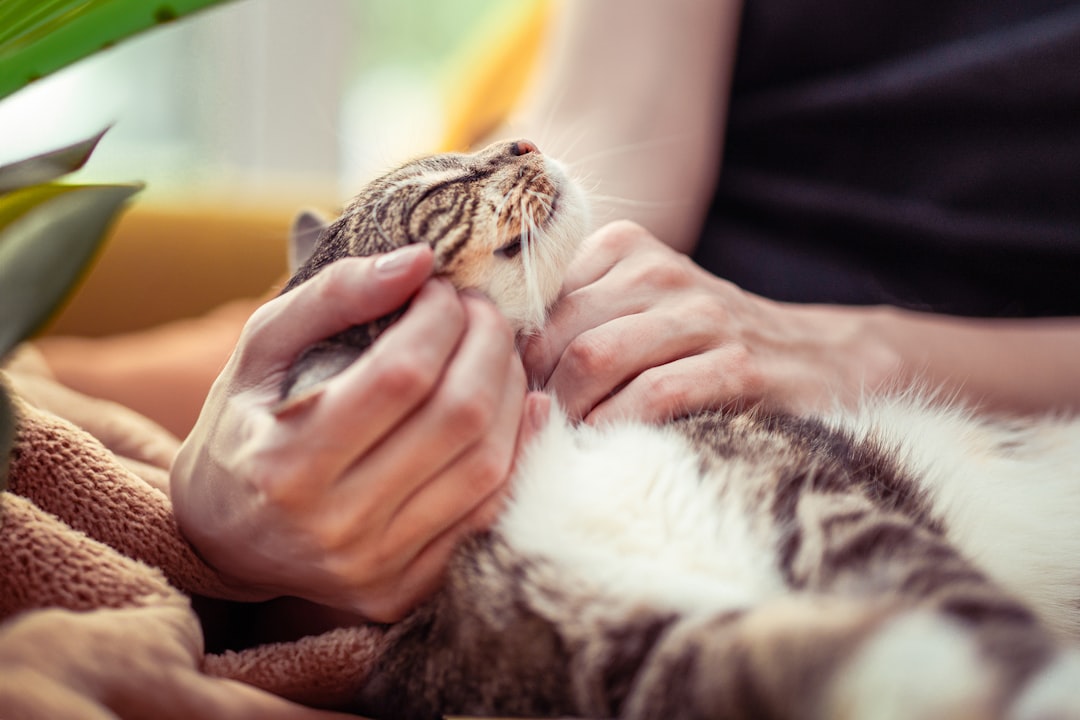
Cats have their own unique ways of communicating, but did you know they also adapt to yours? If you’re chatty, you might find your cat meowing back, engaging in “conversations” that feel surprisingly real. Owners who use more gestures, like pointing or clapping, may notice their cats responding to these signals over time. Even the way you pet or play with your cat can influence how they interact with you. It’s as if they’re learning your “language,” bending their own instincts to better connect with you.
Your Confidence Is Contagious
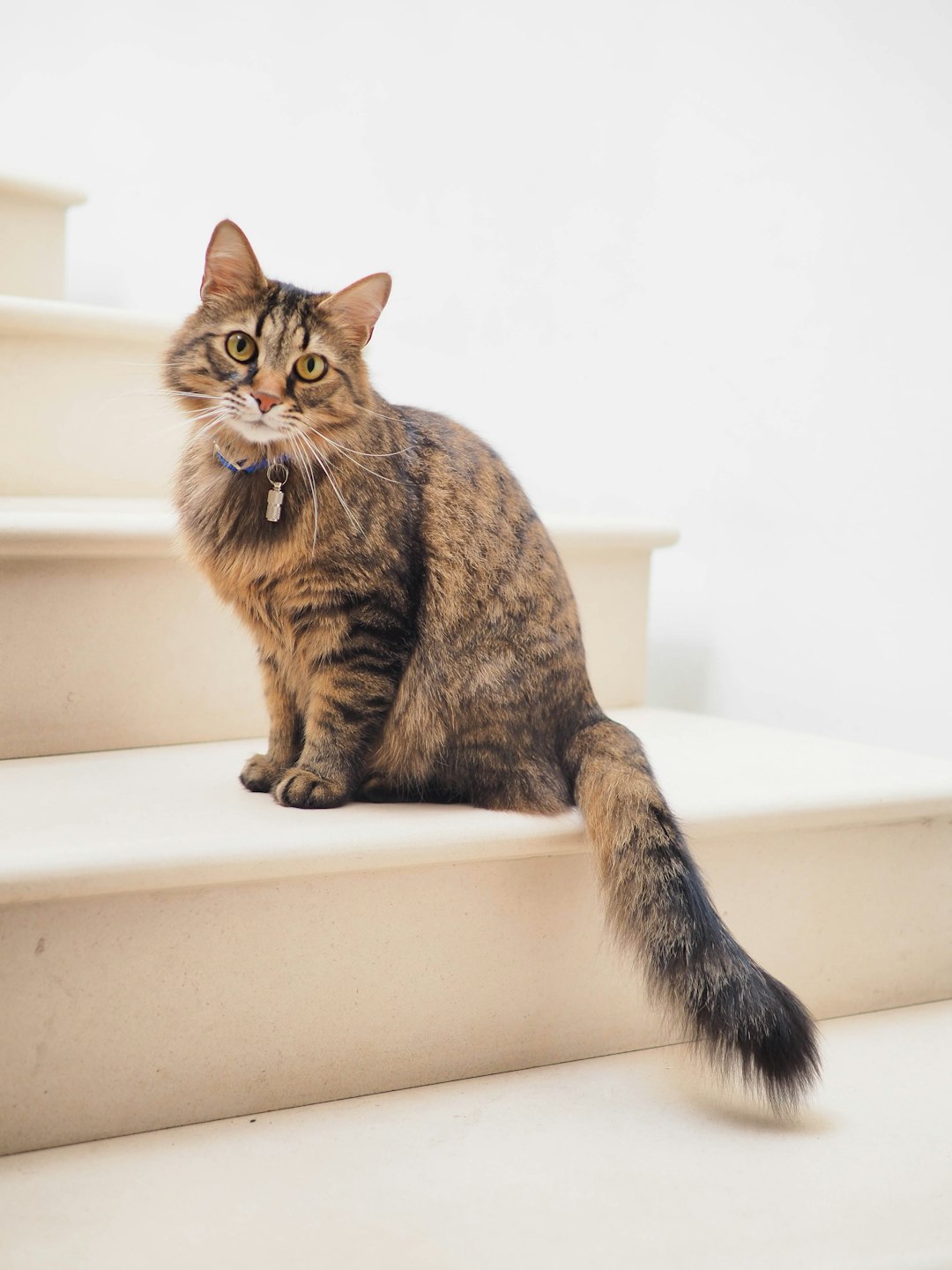
Confident owners often have confident cats. If you move through life with assurance, your cat may feel safe enough to explore new spaces and meet new people. Timid or uncertain people may notice their cats are more cautious, preferring the safety of familiar corners. This mirroring happens because cats look to their humans as guides. Your confidence (or lack thereof) sends a clear signal: “It’s safe” or “Let’s be careful.” Over time, your cat will reflect this back, creating a fascinating parallel between your personalities.
Playfulness Finds A Match
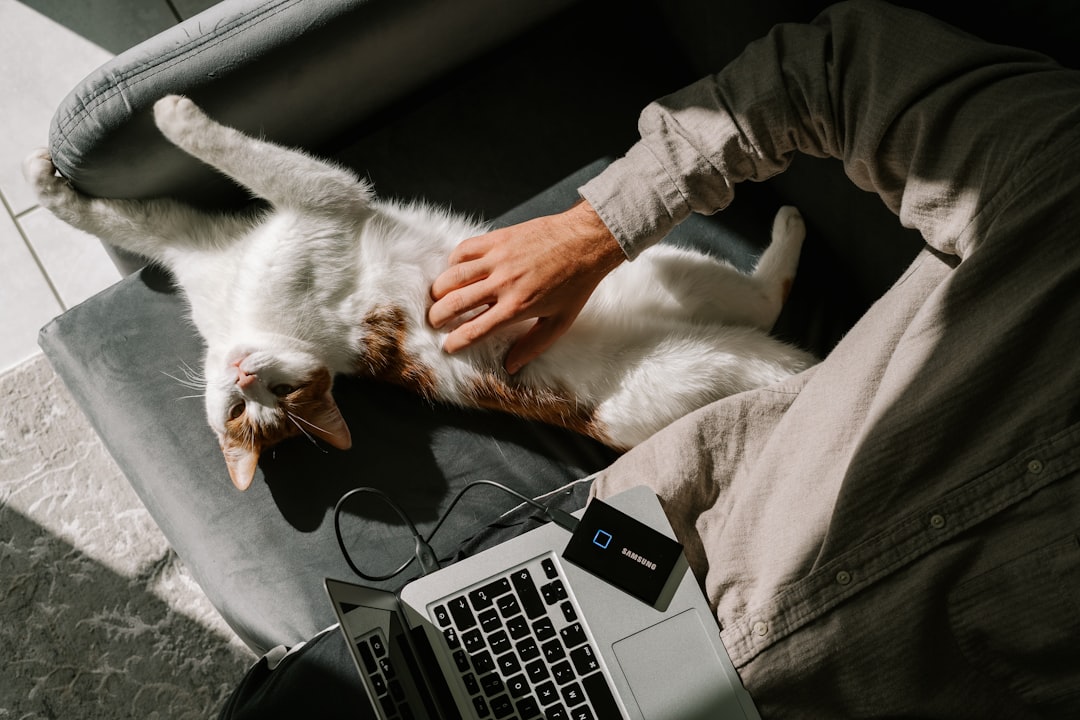
Do you love to play games, joke around, or embrace your silly side? Cats respond to playful energy with enthusiasm. They’ll chase strings, pounce on moving shadows, or invent games just to keep up with you. Owners who encourage play tend to have cats that are creative and energetic, always looking for the next adventure. Even older cats can get a second wind if their humans are playful, showing that joy is truly contagious. Your willingness to have fun inspires your cat to do the same, strengthening your bond and filling your home with laughter.
Cats Sense Your Stress Levels
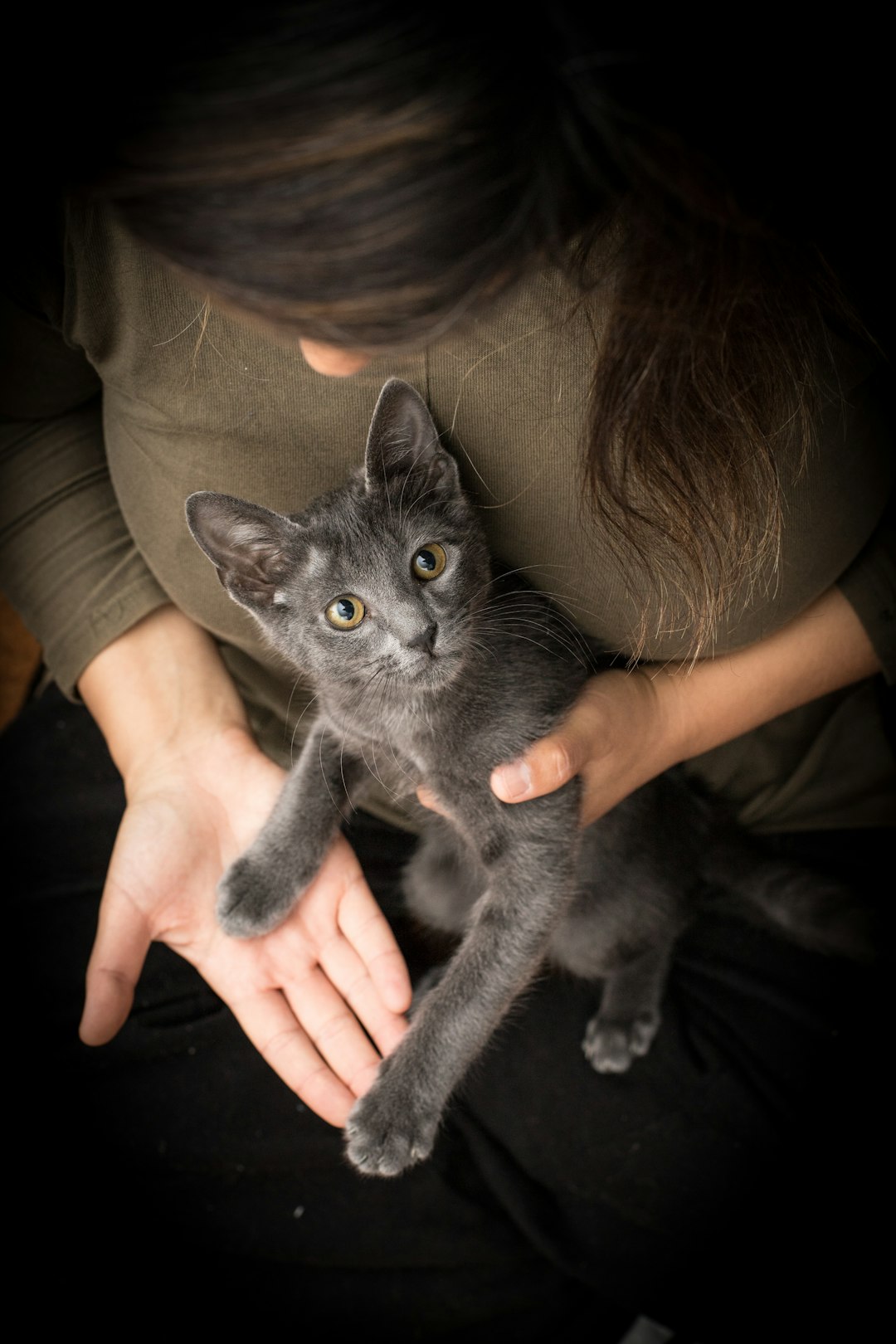
Stress isn’t just a human experience—your cat feels it too. When you’re frazzled or anxious, your cat might hide, act out, or become more vocal. This is their way of coping with the tension in the air. Some cats even try to comfort their owners, curling up nearby or purring softly in an attempt to soothe you. It’s a poignant reminder that your well-being affects them deeply, and their reactions often mirror your inner turmoil. Taking steps to manage your stress can create a calmer, happier environment for both of you.
Your Curiosity Inspires Theirs
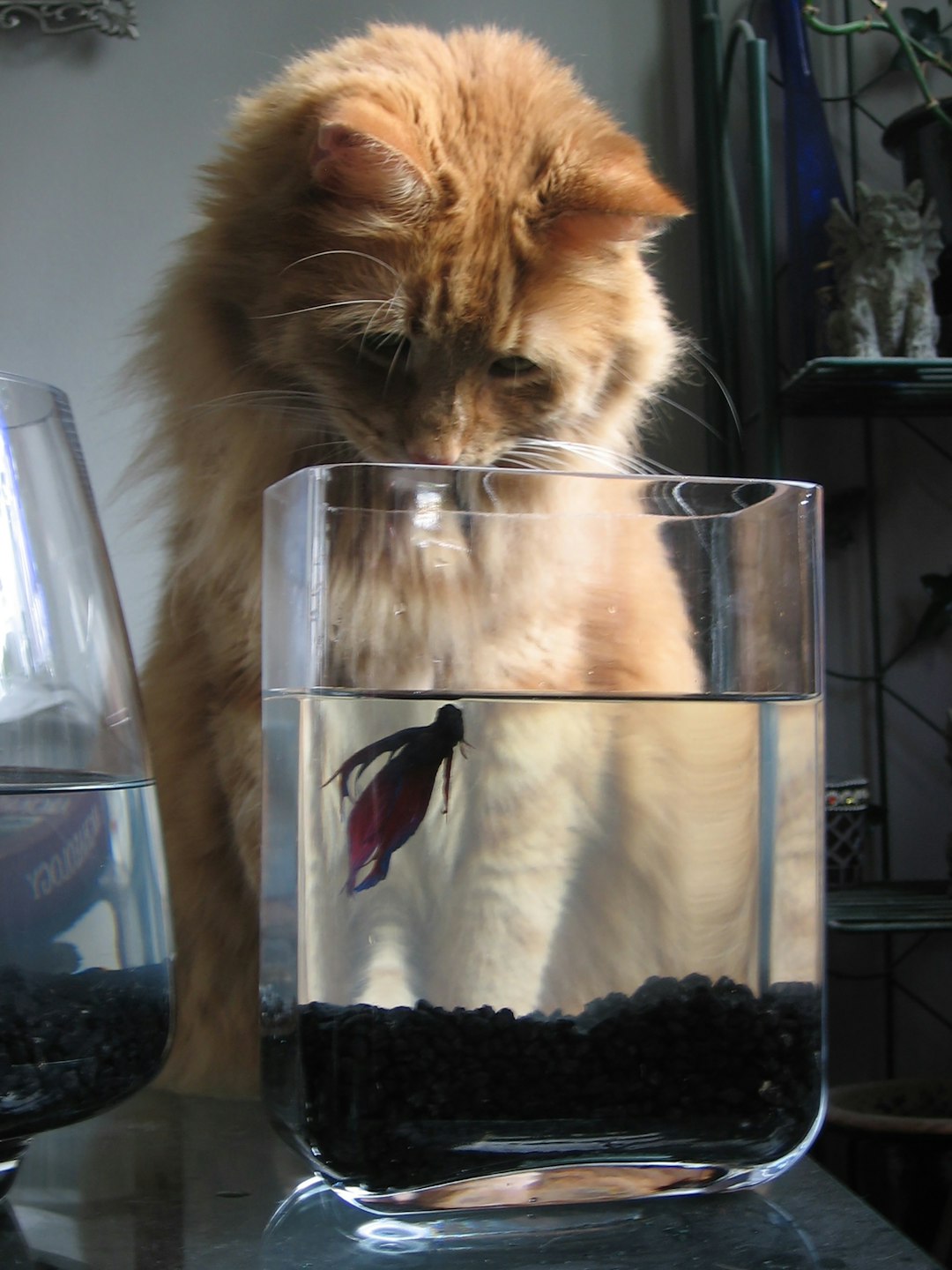
Curious people often have curious cats. If you’re always exploring new hobbies or rearranging furniture, don’t be surprised if your cat follows suit, investigating every change with wide-eyed wonder. Your interest in the world encourages your cat to be bold, whether that means climbing to new heights or chasing a new toy. The more you foster a sense of discovery in your home, the more likely your cat is to join in, eager to experience life’s little mysteries by your side. It’s a beautiful example of how your outlook can shape your pet’s.
They Mirror Your Affection Levels
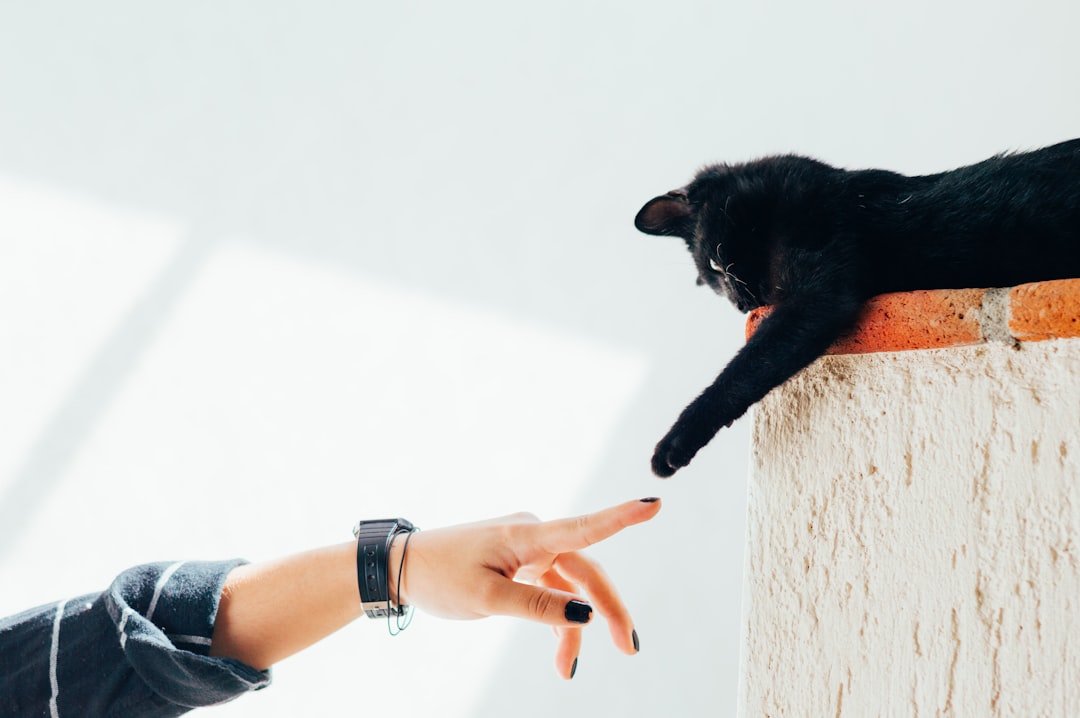
Cats are often thought of as aloof, but the truth is, they give as much love as they get. If you’re affectionate—offering cuddles, gentle strokes, and soothing words—your cat will often reciprocate, seeking your lap or rubbing against your hand. Less demonstrative owners may find their cats are more independent, preferring quiet companionship over physical closeness. Your approach to affection tells your cat what feels safe and welcome, and they respond in kind, building a bond that suits both of your personalities.
Your Sense Of Adventure Shapes Theirs
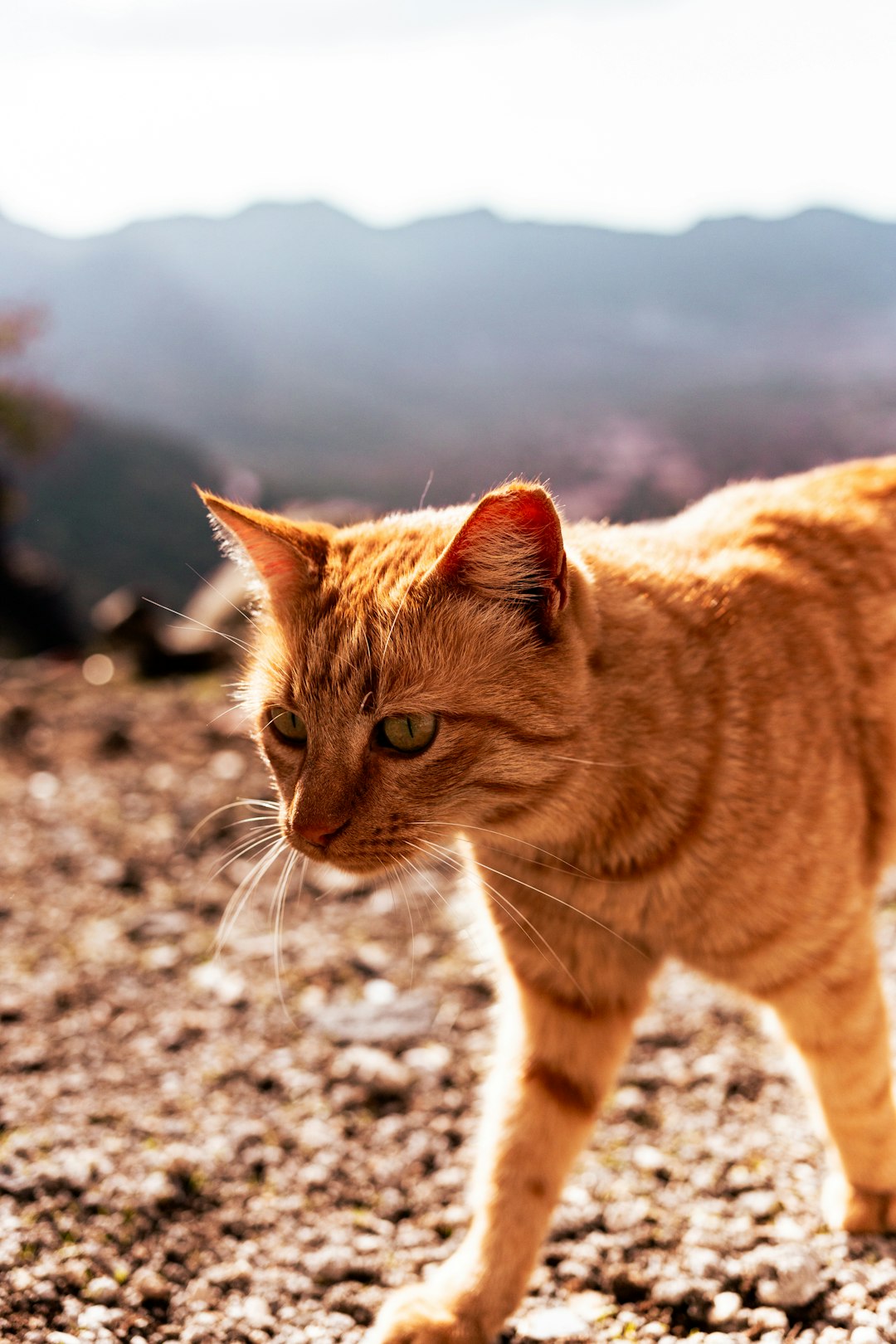
Adventurous spirits breed adventurous cats. If you love to travel, hike, or try new things, your cat may become more adaptable and open to change. Some cats even join their owners on outdoor adventures, exploring the world from the safety of a harness or backpack. On the other hand, a preference for routine and familiarity can result in a cat who’s happiest at home, content with the same windowsill and favorite toy. Your willingness to embrace the unknown sends a powerful message: “It’s okay to be brave.”
Your Openness To Change Influences Them
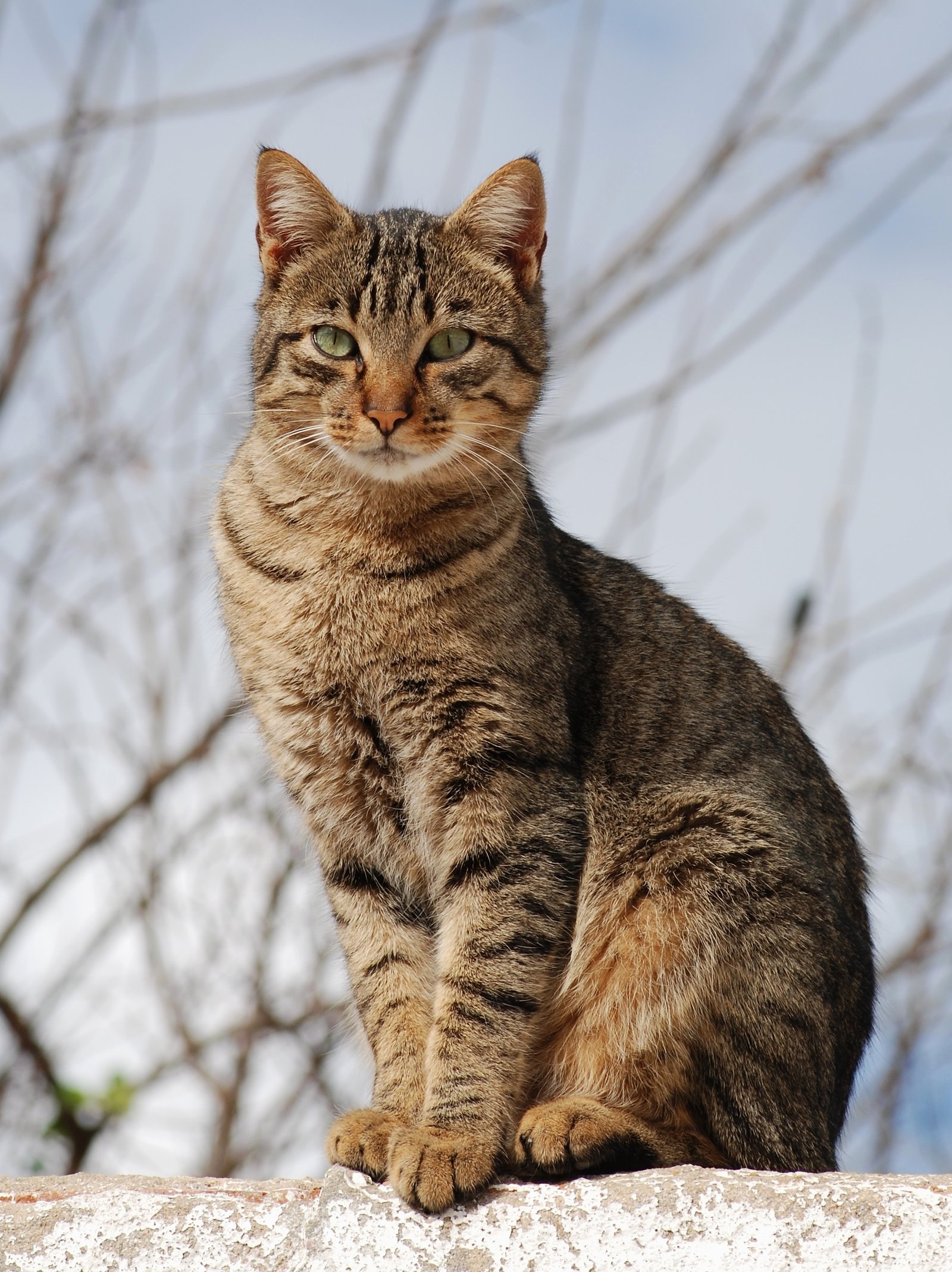
Change is part of life, but how you handle it can shape your cat’s reactions. Owners who embrace change—moving homes, welcoming new pets, or shifting routines—often have cats who are more resilient, adjusting quickly and calmly to new situations. If you struggle with change, your cat may become anxious or clingy, seeking reassurance from you. This mutual adaptation highlights the deep connection between your emotional flexibility and your cat’s, creating a partnership that weathers life’s ups and downs together.
Cats Reflect Your Quiet Moments

Everyone needs quiet time, and your cat is right there with you. If you cherish peaceful evenings, meditative mornings, or simple moments of stillness, your cat will likely join in, offering silent companionship that feels profound. These shared moments of calm forge a strong bond, reminding you both to slow down and savor life’s gentle rhythms. Your appreciation for quiet is mirrored in your cat’s behavior, creating an atmosphere of comfort and connection that words can’t capture.
Your Individuality Shines Through Them
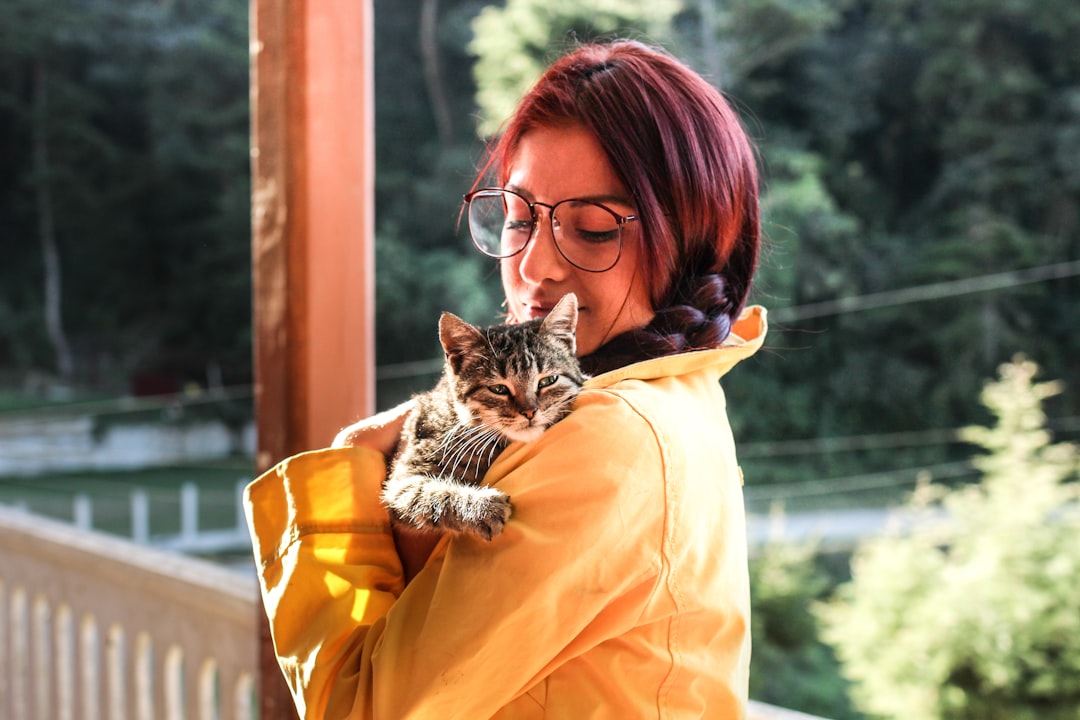
In the end, your cat is a unique reflection of you. Whether you’re quirky, bold, shy, or outgoing, your cat absorbs your essence and expresses it in their own way. This mirroring isn’t just about behavior—it’s about a shared journey, a dance of personalities that makes your relationship truly special. Every meow, purr, and playful leap is a testament to the bond you share, shaped by your individuality and your cat’s loving response.
The connection between you and your cat might run deeper than shared routines and cozy cuddle sessions—your personalities may actually be influencing one another. Whether it’s mirroring your moods, matching your energy levels, or reflecting your quirks, your feline friend can be a subtle but powerful reflection of who you are. Understanding this bond not only enhances your appreciation for your cat but also helps you nurture a more mindful and compassionate relationship. After all, when it comes to our pets, the saying holds true: like human, like cat.


