

In a major scientific breakthrough, researchers have mapped the full evolutionary history of every known bird species—over 11,000 in total. The result is the most complete avian family tree ever created.
Birds: The Survivors of Deep Time
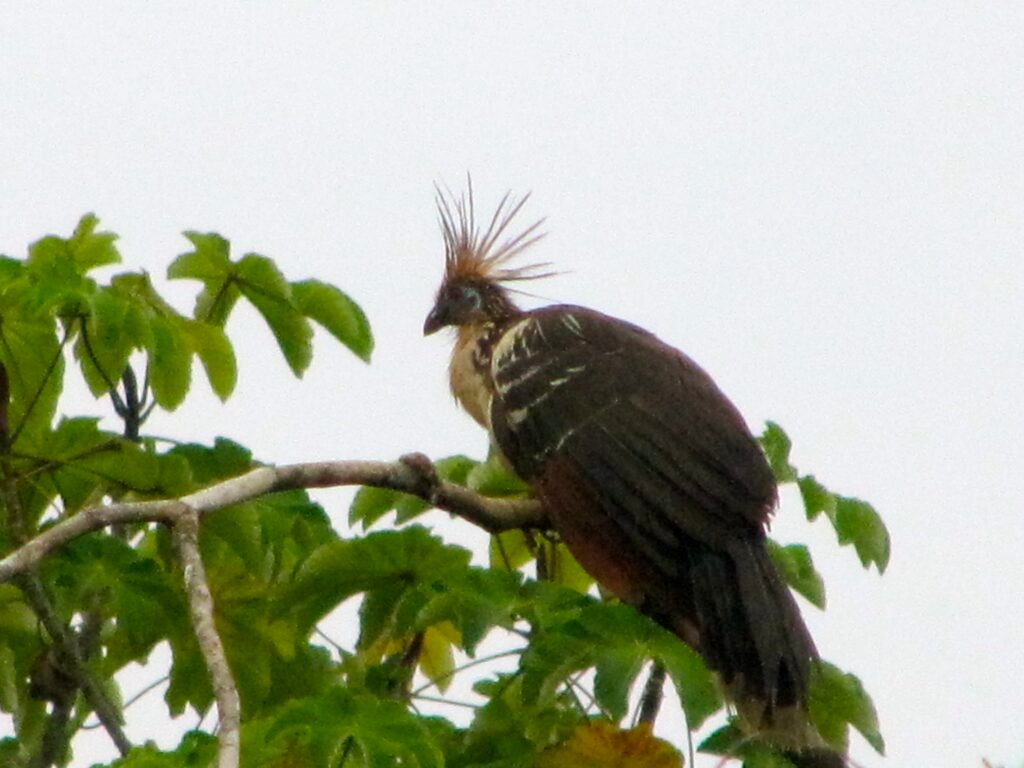
Birds are more than just beautiful or fascinating—they are survivors. Every bird alive today descends from a group of dinosaurs that made it through the extinction event 66 million years ago.
Since then, these ancient creatures have evolved into over 11,000 unique species. Birds thrive on every continent, from tropical forests to polar tundra. Their global success is a testament to their adaptability. But tracking how all these birds are related has been a massive challenge—until now.
Building the Tree: A Global Collaboration

A team from the University of California Merced and the Cornell Lab of Ornithology took on the task. They examined 262 scientific studies published from 1990 to 2024. These studies covered 9,239 species. To fill in the rest, they added taxonomic data on another 1,800 birds.
“This is about gathering everything we know and making it usable,” said Dr. Emily Jane McTavish, the project’s lead scientist. “We now have unified information, all in one place.”
The final result is now part of the Open Tree of Life, an open-source effort to map how all living organisms are connected. This bird tree updates automatically as new genetic data becomes available.
Why This Matters for Science—and for You

The tree isn’t just a scientific achievement. It offers insight into how birds evolved and how they might continue to adapt. Researchers can now better trace traits, behaviors, and genetic patterns passed through generations.
“We built this to be expandable,” said Dr. Eliot Miller, senior author and visiting scientist at Cornell. “Any time new phylogenetic data comes out, the tree updates itself.”
What’s exciting is how this can be used beyond research. Cornell also manages Merlin and eBird, tools used by birdwatchers worldwide. These platforms may soon connect with the new bird tree. That means anyone with a smartphone can explore how backyard birds fit into a 66-million-year evolutionary timeline.
A Blueprint for Biodiversity

The same approach used for birds can be applied to other groups of animals. That includes mammals, reptiles, amphibians, and even insects. Slowly, scientists are building a complete “Tree of Life” for every known species on Earth.
“This is just the beginning,” McTavish said. “What we’re doing with birds can apply to so many other groups.”
As biodiversity continues to decline, projects like this show how all life is connected. They also help us understand why preserving that life matters.
Conclusion
Birds have always been among the most admired animals on Earth. Thanks to this new project, we now understand more than ever about where they came from and how they relate to one another. This tree isn’t just a chart—it’s a story of survival, evolution, and connection.


