
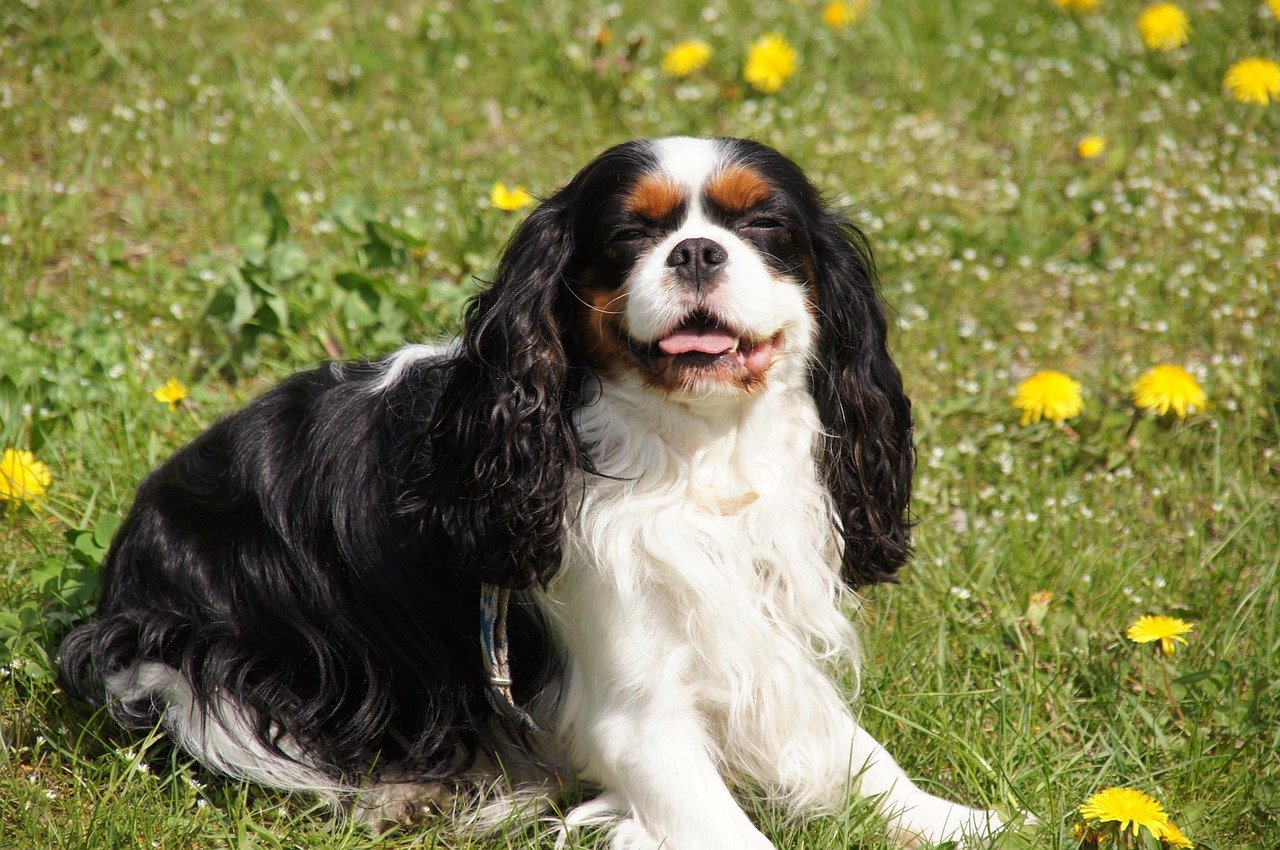
Have you ever locked eyes with your dog in the backyard, only to realize—mid squat—they’re staring intensely right at you? It can feel awkward, hilarious, and even a little creepy. But what if I told you there’s a surprising and deeply emotional reason behind this odd habit? Dog lovers everywhere have scratched their heads over this quirky canine behavior. Today, let’s dig into the fascinating, sometimes funny, and unexpectedly heartwarming truth behind why dogs make eye contact when they’re doing their business.
The Vulnerability of Nature’s Call
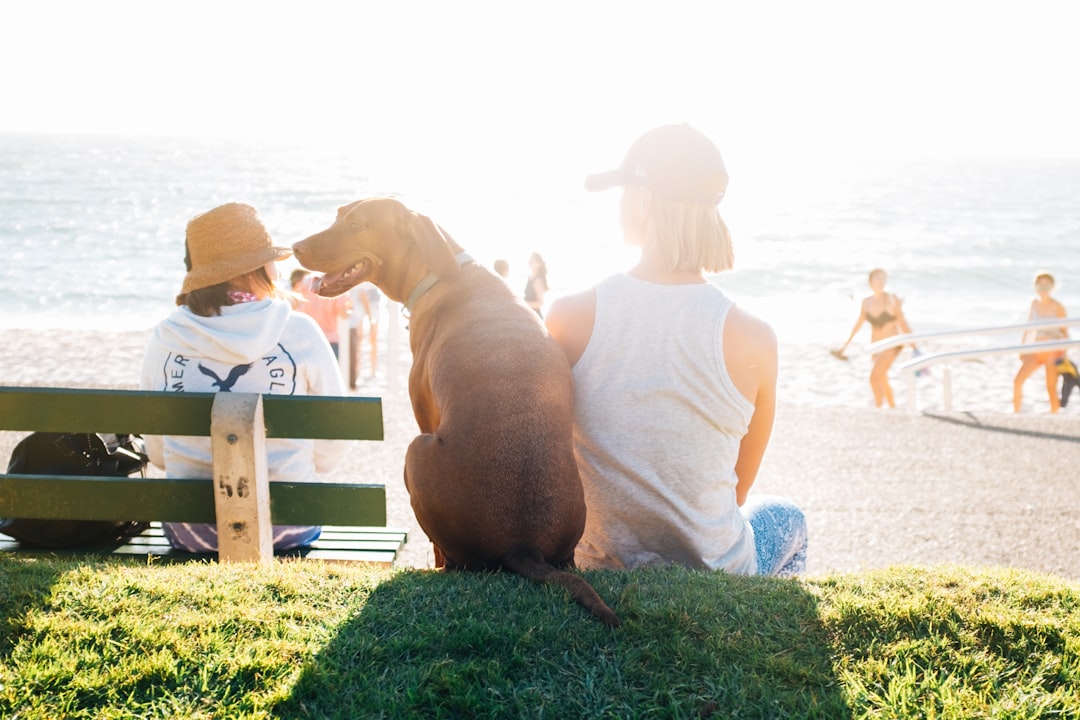
When your dog is pooping, they’re at their most vulnerable. Out in the wild, animals are at risk when they stop to relieve themselves—a predator could be lurking nearby. Staring at you during this moment is your dog’s way of saying, “Hey, I trust you to keep me safe.” Imagine being caught in a compromising position and looking to your best friend for reassurance. That’s exactly what your pup is doing. This behavior is rooted in ancient instinct, a silent plea for protection in a world that once felt a lot scarier. So, the next time your dog gives you that intense stare, know it’s a sign of deep trust and connection.
Looking for Reassurance and Comfort
Dogs are emotional creatures who crave reassurance, especially in moments when they feel exposed. Your steady presence is like a warm blanket on a cold night. As your dog does their business, they’re checking in with you, making sure everything’s okay. Your simple nod or gentle words can work wonders for their confidence. This special bond is why many dogs choose to hold eye contact, waiting for your comforting approval, even in the most undignified moments. They just want to know you’ve got their back, no matter what.
Seeking Permission and Praise
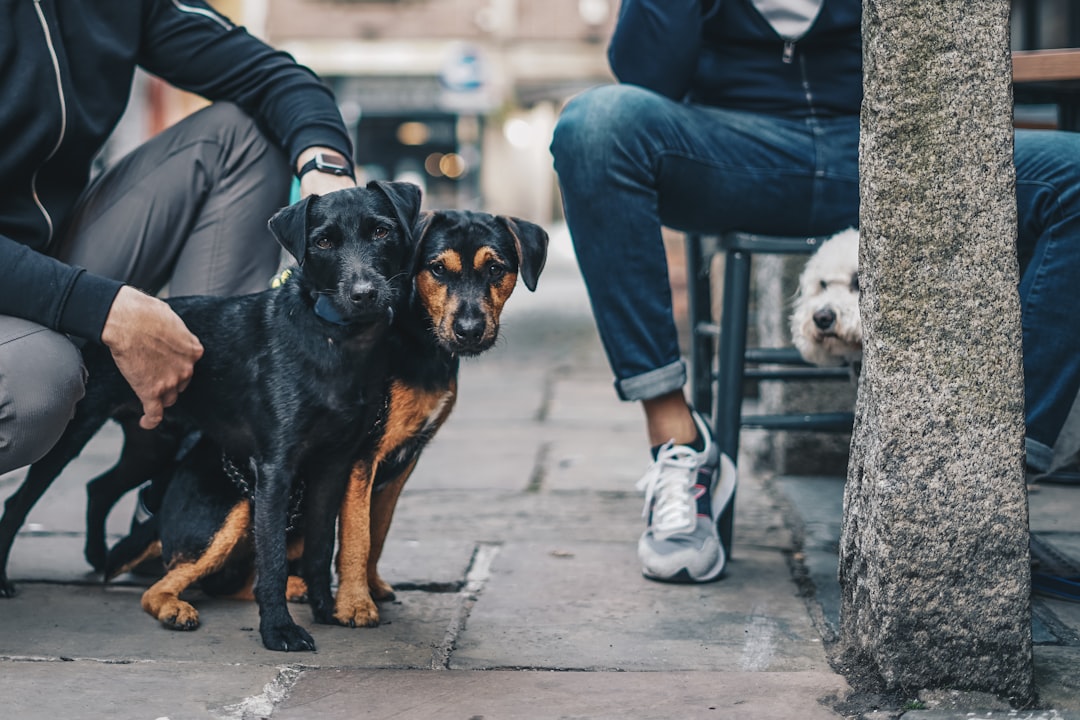
Some dogs have learned that pooping in the right place earns them a happy reaction from you. This can turn the act into a small performance—your dog glances at you, almost as if to say, “Am I doing it right?” They might be hoping for a treat, a pat, or a cheerful “Good dog!” This habit often starts during house-training, when you showered them with praise for going outside instead of on the carpet. Over time, the stare becomes part of their routine, a way of checking in and making sure they’re still on your good side.
Communication Without Words
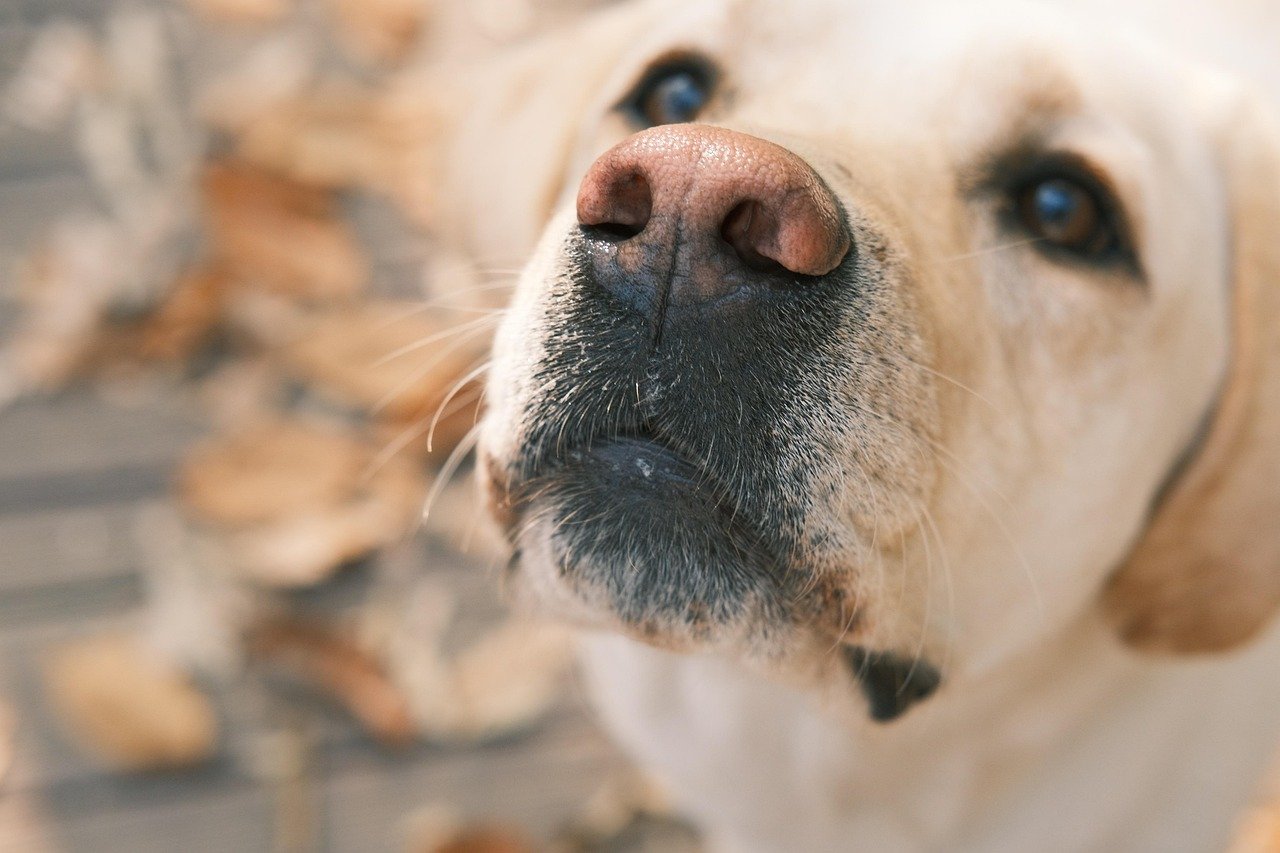
Dogs don’t have language like we do, but their eyes speak volumes. When they gaze at you mid-poop, they’re using the only tools they’ve got to communicate. Maybe they’re asking you to stand guard, or maybe they just want to know you’re close. This silent conversation is built on trust, loyalty, and years of shared experiences. It’s almost like a secret handshake—one that only you and your dog understand. Eye contact becomes a bridge between two worlds, letting your dog express needs and feelings without saying a single word.
The Pack Instinct Runs Deep
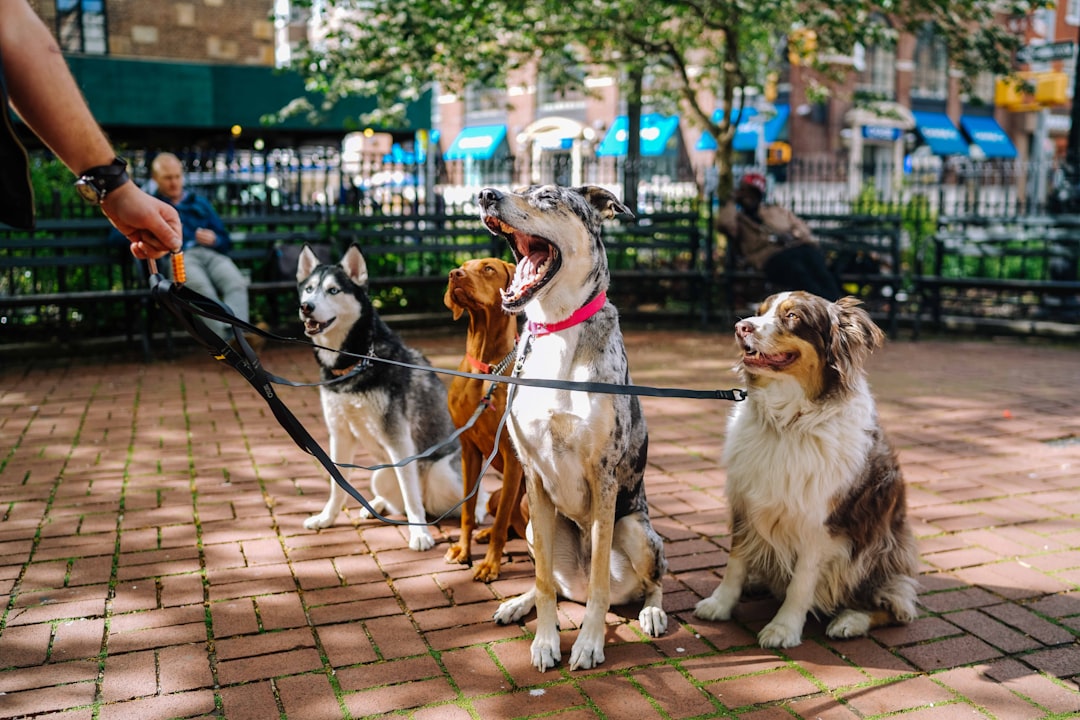
Dogs are pack animals by nature. In the wild, members of the pack would look out for each other during vulnerable moments. Your dog sees you as their pack leader, the one who keeps watch while they handle their business. This instinct is so deeply wired that even the most pampered pooch can’t help but glance your way. It’s a behavior passed down from wolf ancestors, where survival depended on trust and teamwork. In your yard or on the sidewalk, your dog relies on you to keep them safe, just like their ancestors did thousands of years ago.
Building Stronger Bonds Through Routine
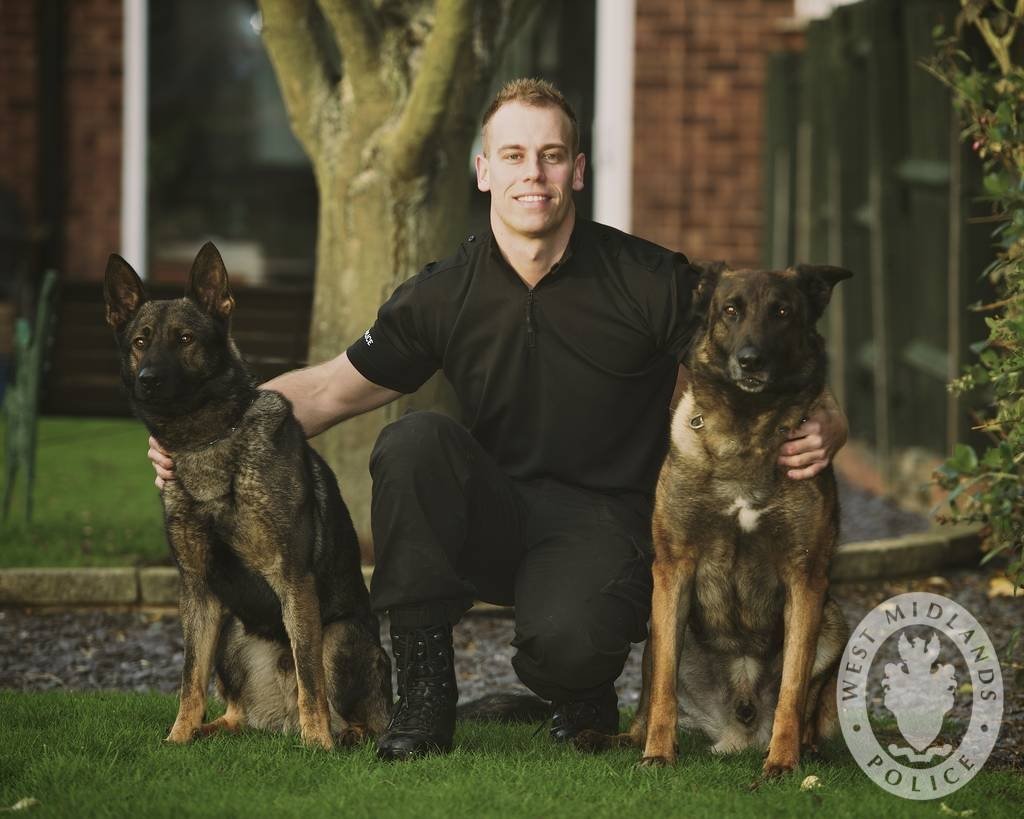
Believe it or not, these daily bathroom breaks can actually strengthen the bond between you and your dog. Each time your dog looks to you for comfort, reassurance, or praise, your relationship grows a little deeper. Even the most mundane routines become shared rituals, filled with trust and understanding. Over time, this repeated behavior creates a sense of security and belonging. It’s one of the many small ways your dog says, “You’re my person.” So, while it might feel a bit strange, those moments of eye contact are like little love notes written in the language only dogs and their humans speak.
What If Your Dog Doesn’t Stare?
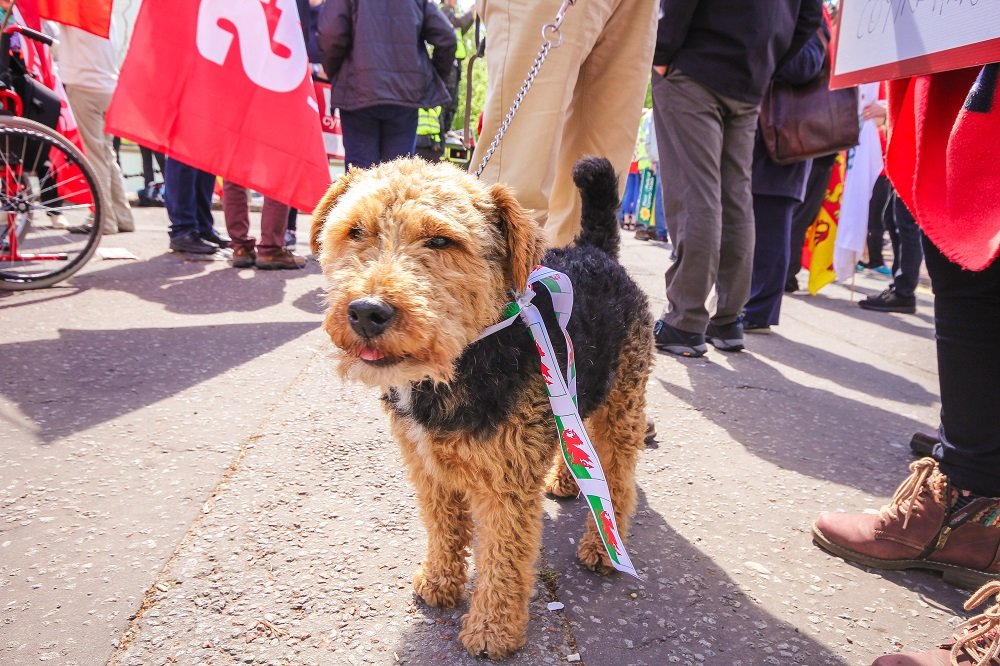
Not every dog will lock eyes with you during bathroom time, and that’s perfectly normal too. Just like people, dogs have their own personalities and quirks. Some are more independent and prefer privacy, while others are total attention-seekers. If your dog prefers to do their business in peace, it doesn’t mean they trust you any less. They might just be more confident or less worried about their surroundings. The key is to respect your dog’s individual style and not force any interaction. Each dog’s approach is a reflection of their unique bond with you.
How Should You Respond?
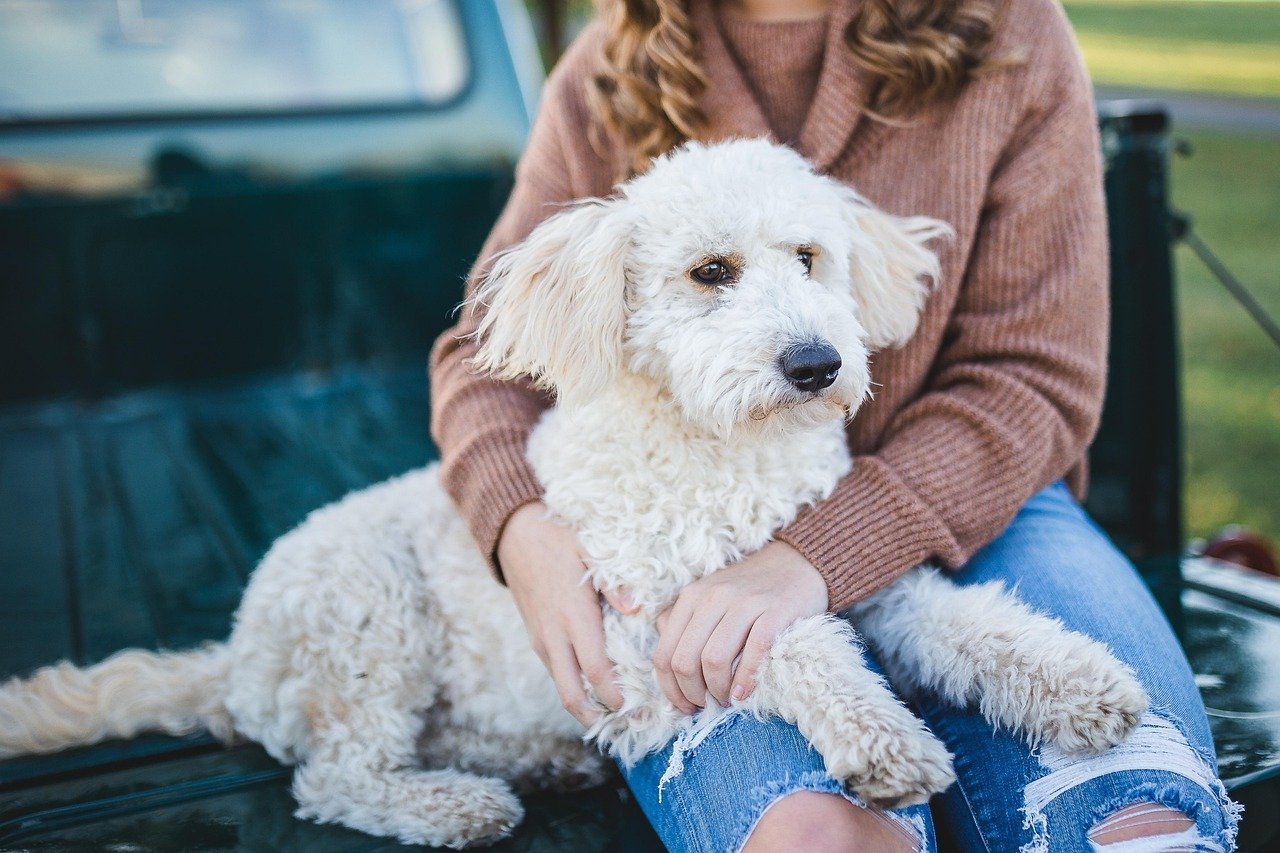
When your dog stares at you while pooping, it’s best to respond with calm reassurance. You don’t need to make a big deal out of it—just being present is enough. A gentle smile, soft words, or simply standing nearby can make your dog feel supported. Avoid staring back too intensely or acting embarrassed; your dog is just following their instincts. If you feel comfortable, offer a little praise or a treat afterward, especially if they’re still learning where to go. Remember, this is just one of the many ways your dog shows trust and looks to you for guidance.


