
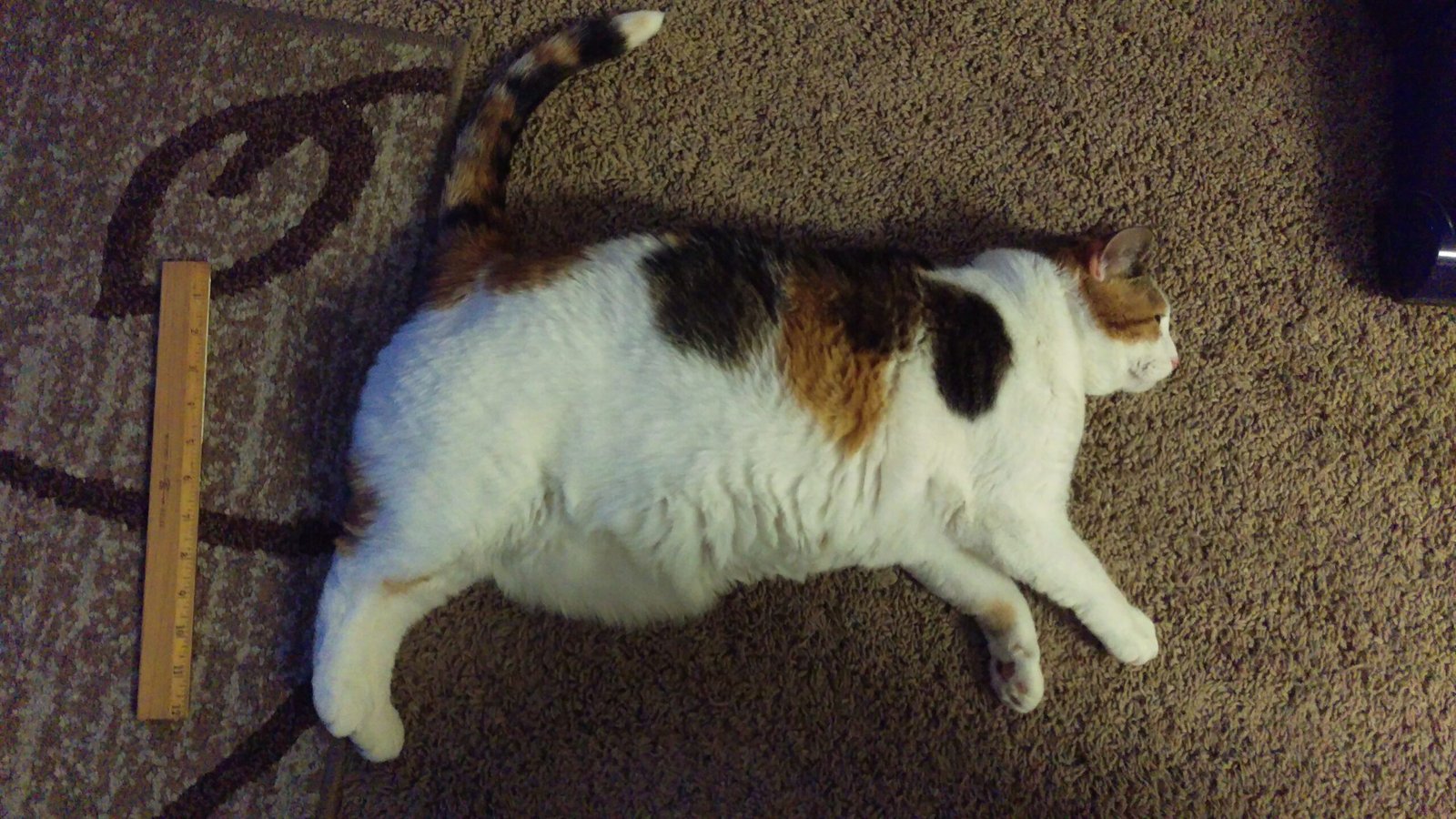
Is your beloved cat spending more time snoozing than scampering? While it’s true that cats are experts at relaxation—sometimes clocking in up to 16 hours of sleep a day—there’s a fine line between healthy rest and something more troubling. What if that adorable loaf on your couch is actually battling a hidden illness? Cat lovers everywhere, it’s time to pay closer attention. Underneath all that fluff and those lazy stretches, your cat could be sending you secret SOS signals. Missing them could mean the difference between a purr and a problem. So, let’s pull back the curtain and spot the warning signs before it’s too late.
Lack of Interest in Play
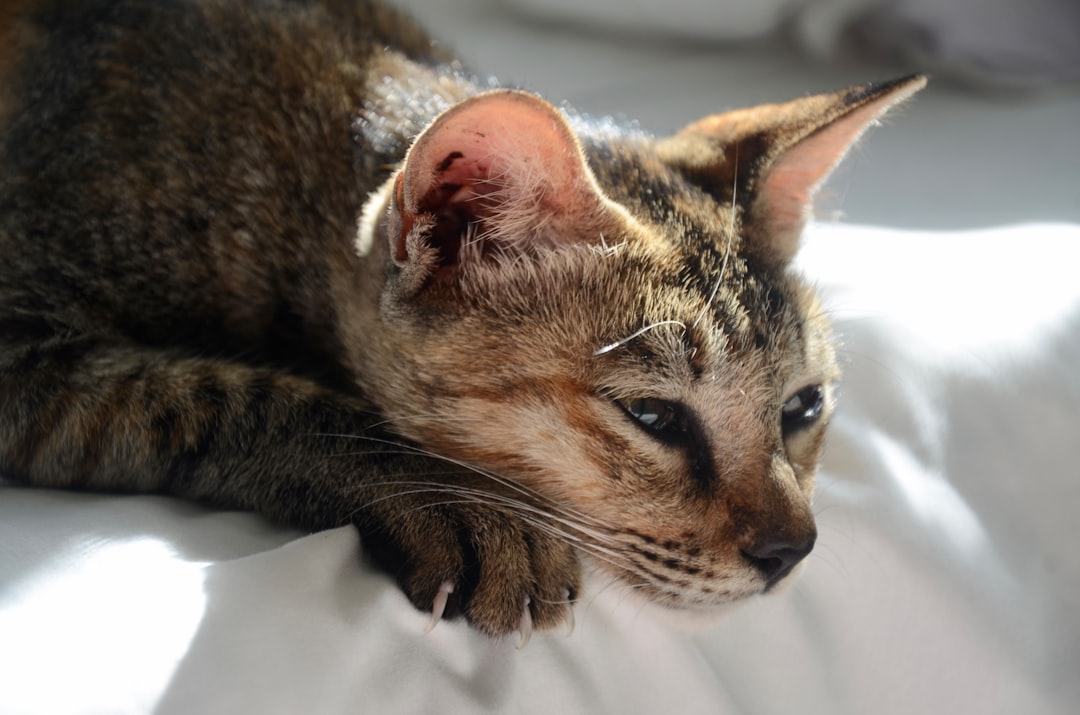
Remember when your cat would leap after a feather toy or chase a laser pointer with wild abandon? If your feline suddenly ignores these games and prefers to lounge in one spot, it might not just be a phase. A sudden disinterest in play is often one of the first red flags that something isn’t right. Cats are natural hunters—playing is their way of practicing those skills. When this drive fades, it could signal pain, discomfort, or even depression. For example, arthritis or dental pain can make jumping or biting toys uncomfortable. If your once-playful pal now just watches the world go by, it’s time to take notice.
Sleeping More Than Usual
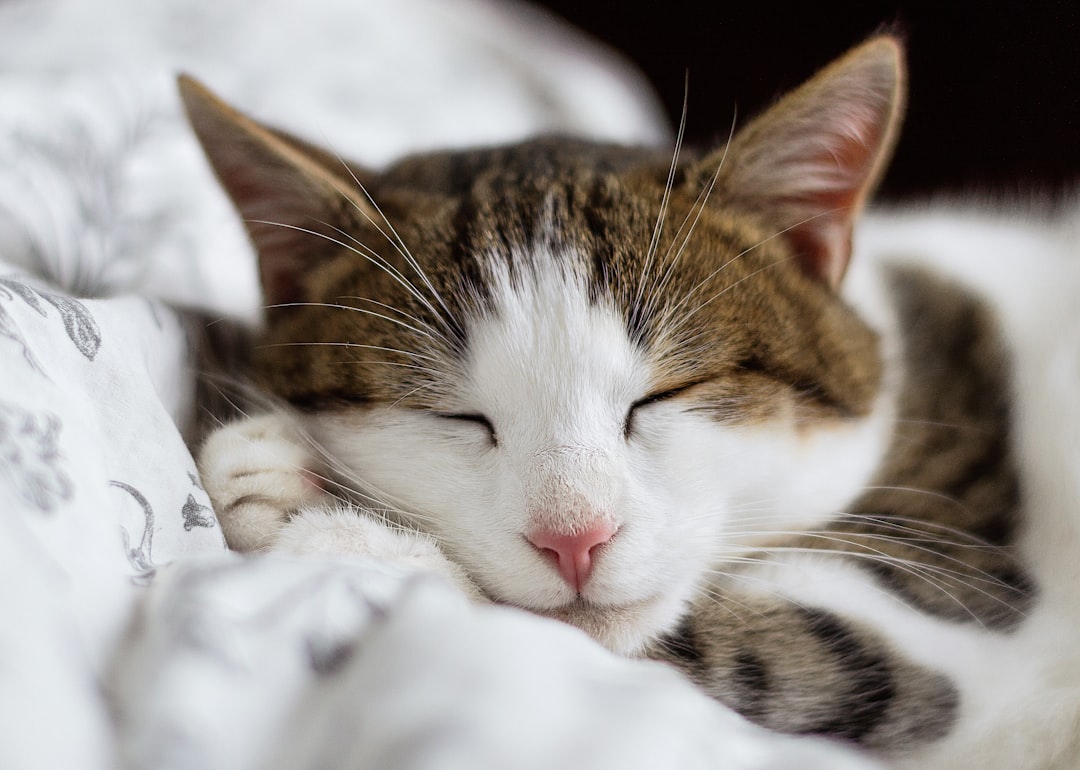
Sure, cats love their beauty sleep. But if your cat is suddenly sleeping even more than normal, it’s a reason to worry. An increase in sleep could mean your cat’s body is fighting off an illness, such as an infection or chronic disease. It’s not just old age if the change is sudden or dramatic. Think of it this way: if your always-alert companion is now impossible to rouse for meals or pets, their body could be conserving energy because it’s not feeling well. Keep an eye on the pattern—if the naps are getting longer and deeper, consider a vet visit.
Changes in Appetite
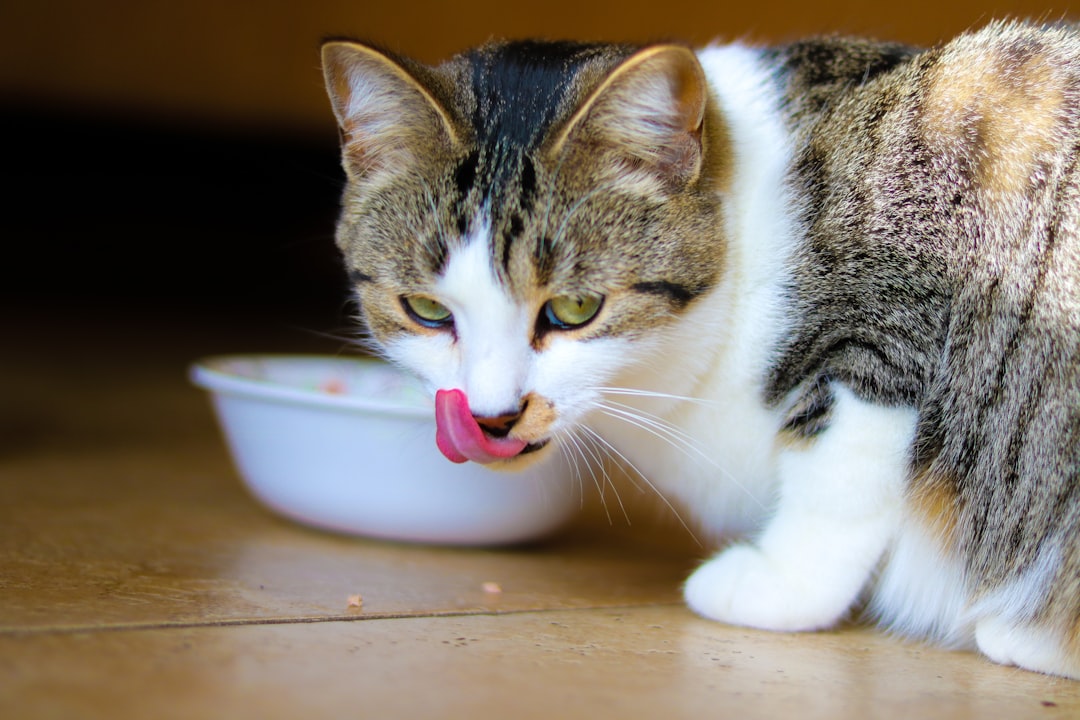
One of the most telling signs of a hidden illness is a change in eating habits. If your cat suddenly turns up their nose at their favorite food, or on the flip side, starts eating voraciously, pay attention. Loss of appetite can be caused by dental pain, kidney disease, or even stress. Increased hunger might signal issues like diabetes or hyperthyroidism. Food is a big deal to most cats, so any deviation from their normal mealtime excitement should set off alarm bells. Don’t just assume they’re being picky—there could be more beneath the surface.
Unexplained Weight Gain or Loss
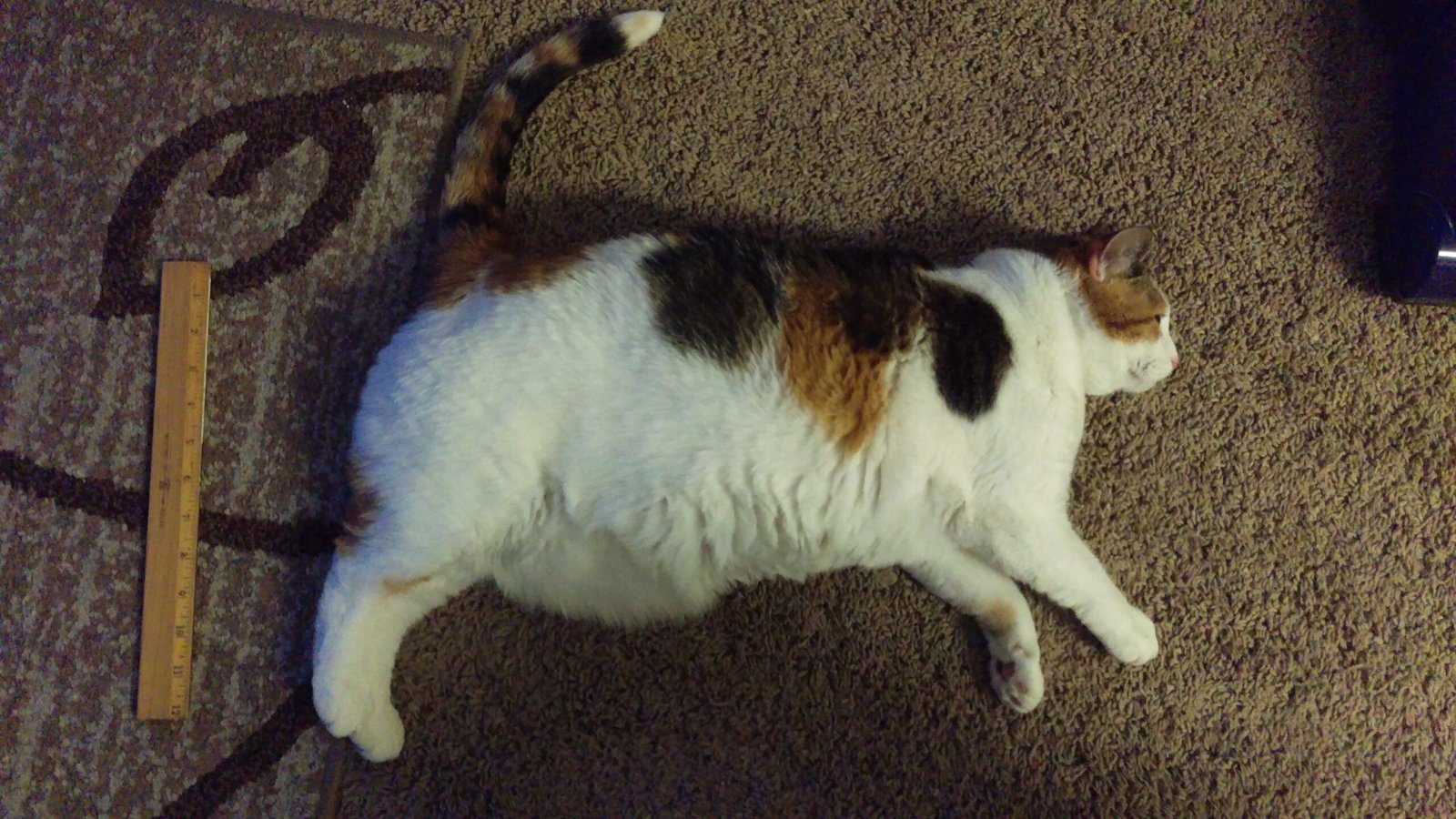
Weight changes in cats are rarely accidental. If you notice your cat getting thinner despite eating normally, or ballooning up without any extra treats, something could be amiss. Weight loss can point to digestive issues, parasites, or even cancer, while weight gain might be linked to fluid retention or hormone problems. Run your hands along your cat’s sides every week or so—if you feel more bones or a growing belly, it’s time to dig deeper. Cats are masters at hiding discomfort, but their bodies can’t keep secrets forever.
Hiding More Than Usual
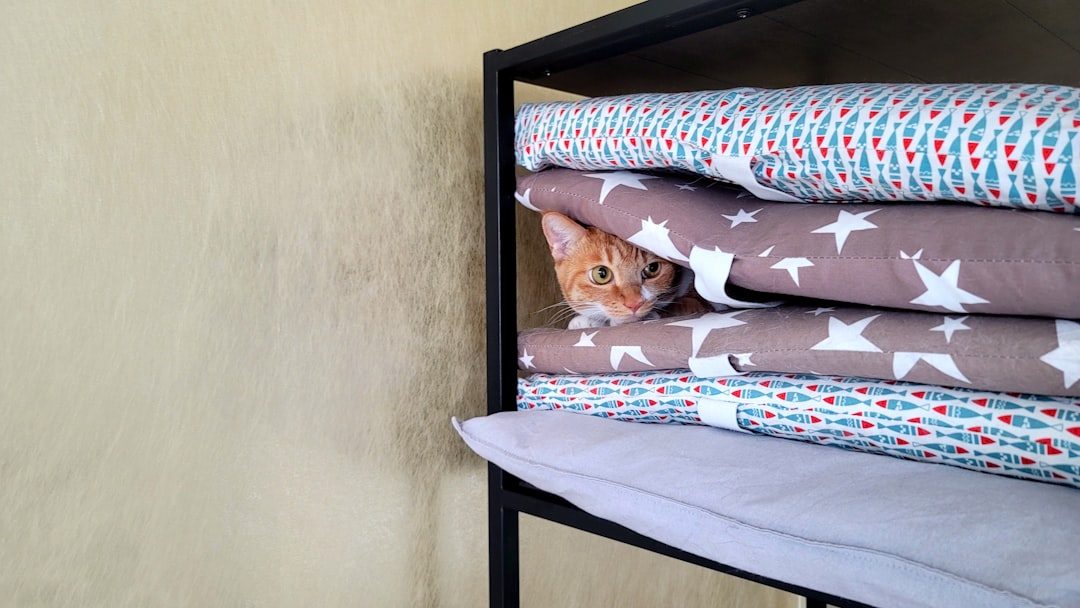
Cats often seek out quiet spots for a nap, but if your furry friend is suddenly impossible to find, it might be more than shyness. Increased hiding is a classic sign of illness or pain. When cats don’t feel well, their instinct is to withdraw and stay out of sight—just like a wounded animal in the wild. So if your cat is skipping family time, avoiding their favorite people, or wedging themselves into strange places, they could be trying to cope with something serious. Don’t chalk it up to moodiness; this change deserves your attention.
Changes in Grooming Habits
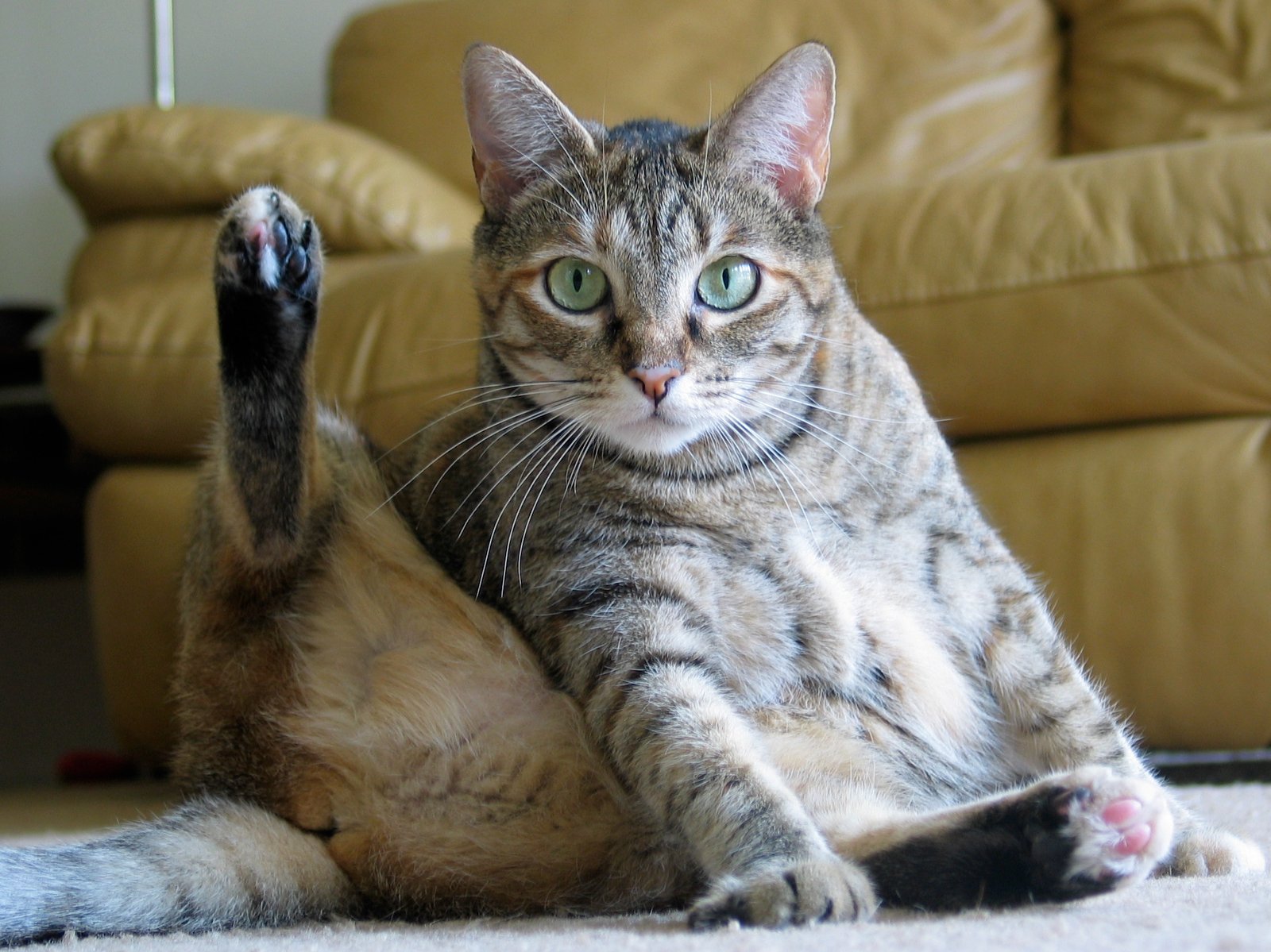
A healthy cat spends a good chunk of the day grooming. If your cat’s coat starts to look greasy, matted, or unkempt, they might be too tired or sore to care for themselves properly. On the other hand, over-grooming—licking the same spot until it’s bald—can also be a sign of underlying pain or stress. Watch for bald patches, dandruff, or a sudden “just rolled out of bed” look. These subtle shifts in self-care can be easy to overlook, but they’re often the body’s way of waving a little red flag.
Difficulty Jumping or Moving
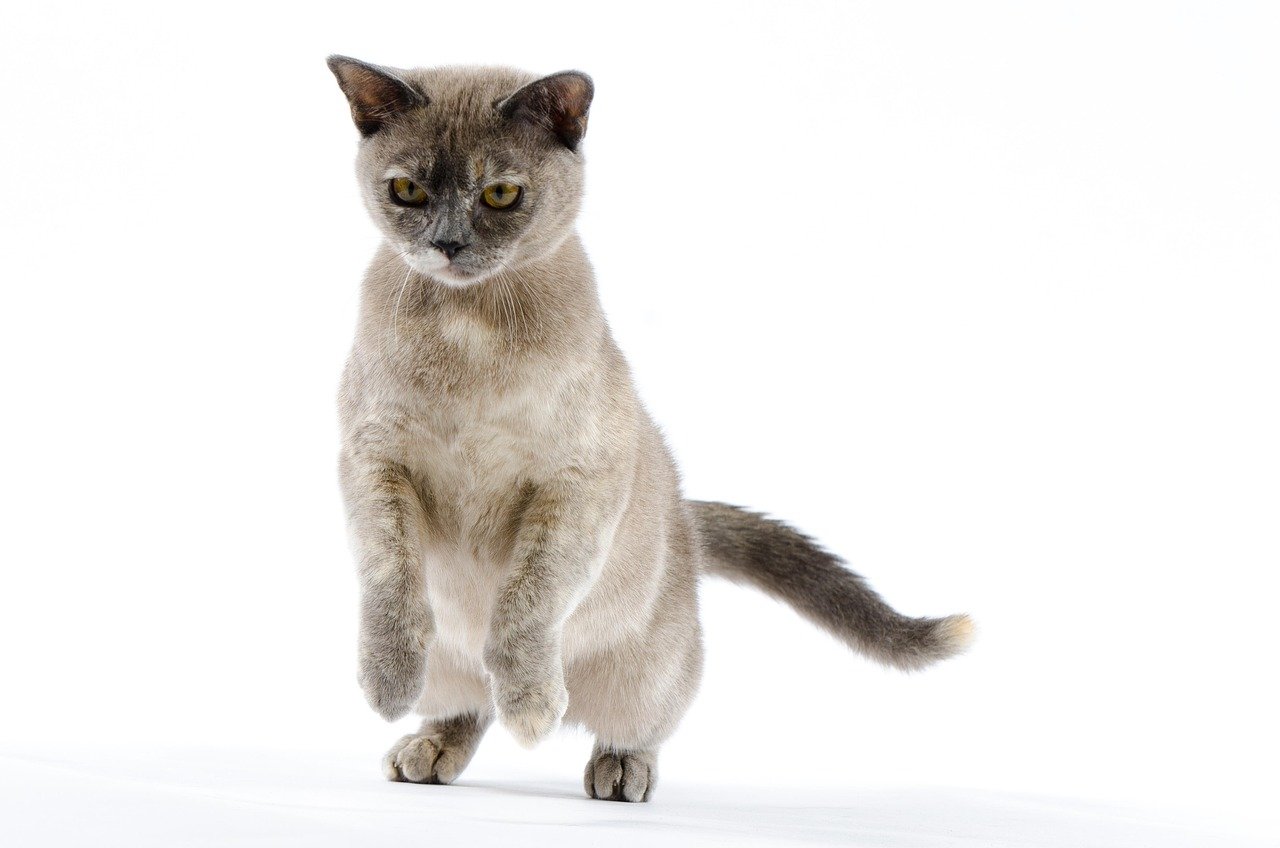
Cats are natural acrobats, so if you notice yours hesitating before jumping onto the bed or struggling to climb stairs, don’t ignore it. Difficulty moving can point to arthritis, injury, or neurological problems. Sometimes, the only clue is a reluctance to use the litter box if it has high sides, or a sudden preference for low furniture. You might even hear a little grunt or see a grimace as they move. These signs can be subtle but are often the first hints that your cat’s “laziness” is actually pain holding them back.
Changes in Vocalization
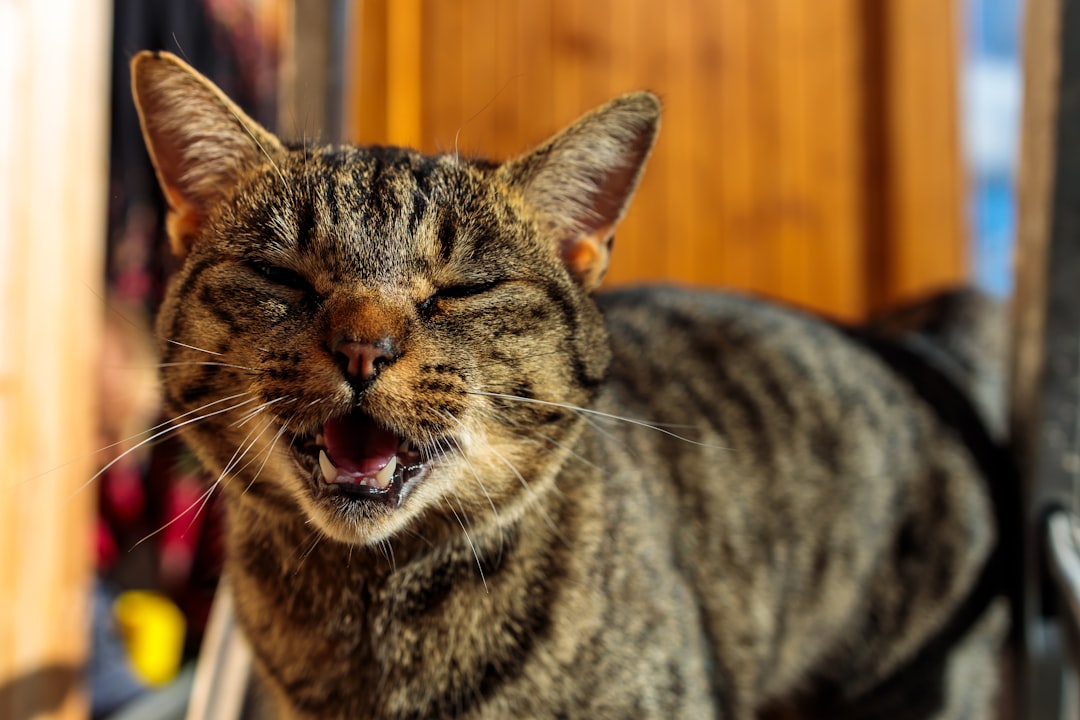
Every cat has their own language, from chirps and meows to purrs and growls. If your cat suddenly becomes quieter than usual or, on the flip side, starts meowing more—especially at odd times—it could indicate discomfort or distress. Some illnesses, like hyperthyroidism or high blood pressure, can make cats more vocal. Others, like severe pain, might silence the chattiest feline. Listen closely; changes in the “conversation” could be your cat’s way of asking for help, in the only way they know how.
Breathing or Heart-Related Changes
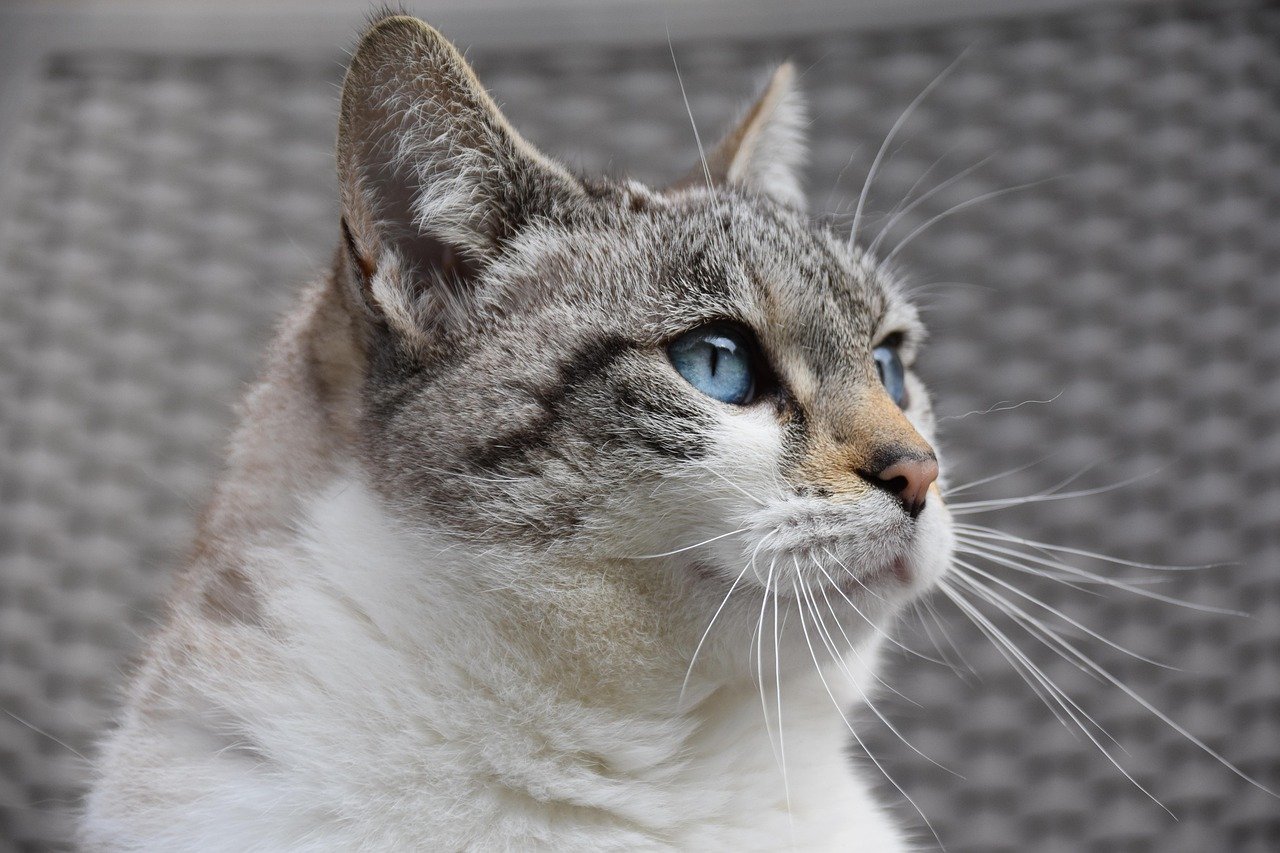
Subtle changes in your cat’s breathing can signal something serious. If you notice rapid, shallow breaths, wheezing, coughing, or a strange “open-mouth” panting, don’t wait. These can point to respiratory infections, asthma, or even heart problems. Sometimes, cats with heart disease will simply lay quietly and avoid activity, which can look like laziness. Cats hide breathing problems well, so any unusual sounds or effort to breathe should be seen as an urgent red flag.
Sudden Litter Box Issues
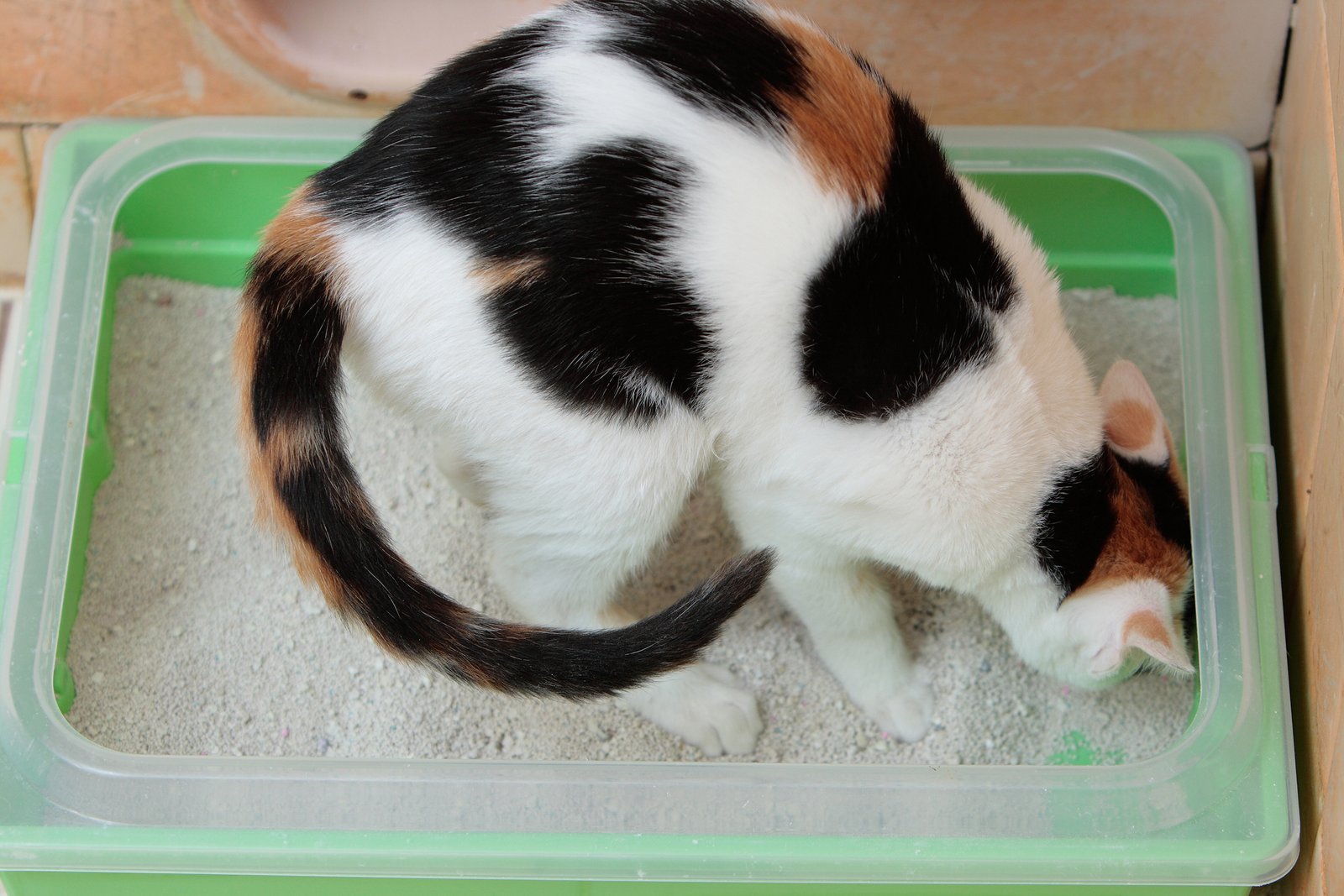
Is your cat suddenly missing the box or going too often (or not at all)? Changes in litter box habits are a big clue that something’s wrong. Urinary tract infections, kidney disease, diabetes, or constipation can all make your cat act out of character. You might notice your cat straining, avoiding the box, or leaving little “gifts” around the house. These aren’t acts of rebellion—they’re desperate attempts to cope with discomfort or pain. Don’t scold; investigate instead.
Catching these hidden signs early can make all the difference in your cat’s health and happiness. When in doubt, trust your instincts—after all, you know your feline friend better than anyone. Could your cat’s laziness be a silent cry for help?


