
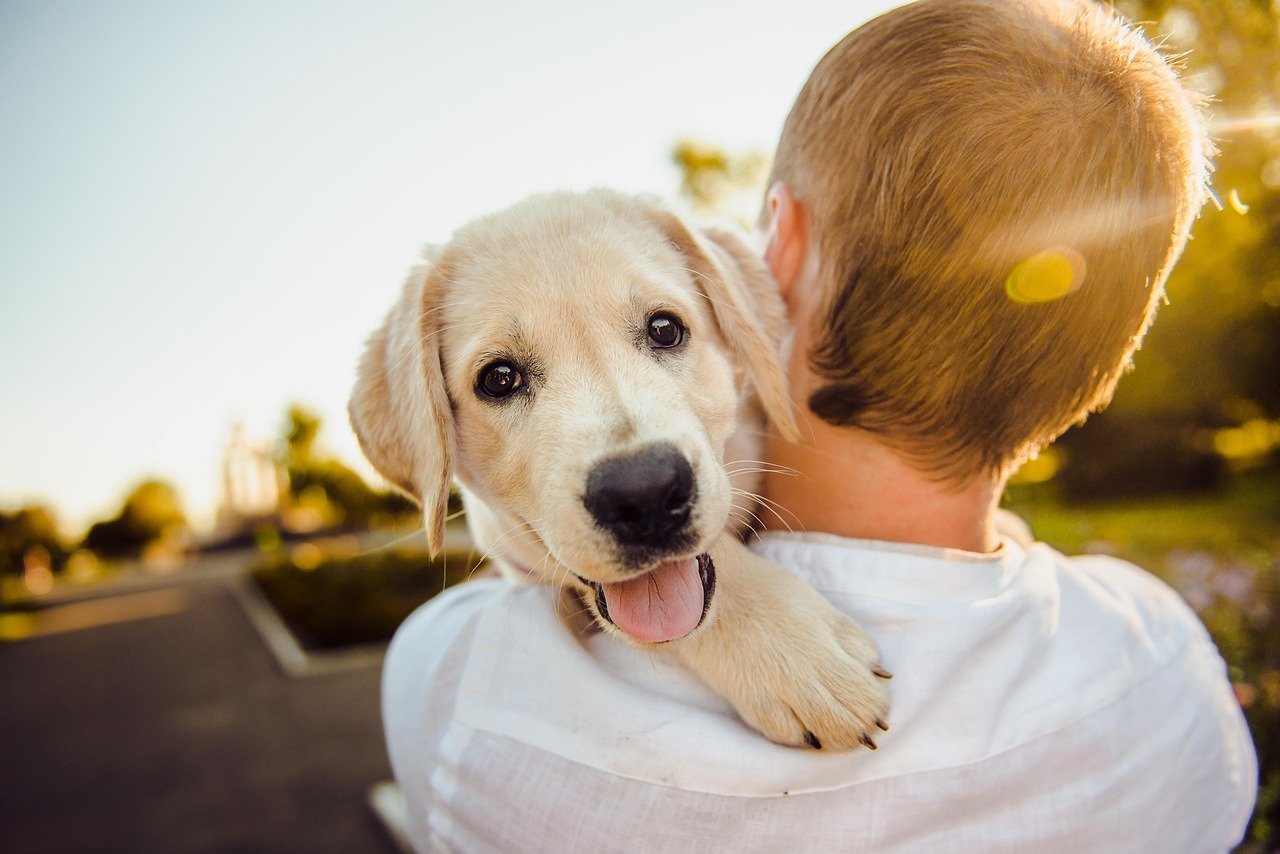
Have you ever noticed your dog curling up beside you right when you feel down, even before you’ve said a word? Or maybe your pup bounces around, tail wagging, when you’re bursting with excitement—even if you haven’t shown it outwardly. It’s almost spooky how well our dogs pick up on our moods. But what if I told you that dogs are emotional detectives, tuned in to the tiniest shifts in their owner’s feelings, sometimes even before we realize it ourselves? Let’s dive deep into the world of our canine companions and discover the incredible emotional radar they possess.
The Unbreakable Human-Dog Bond

The relationship between dogs and humans is truly something special. Unlike any other animal, dogs have evolved alongside us for thousands of years, learning to read our cues and emotions. This connection isn’t just about loyalty or companionship; it’s a silent language of glances, body movements, and even smells. Many dog owners feel like their furry friend just knows what they’re thinking or feeling. This isn’t magic—it’s the result of centuries of living together, learning from each other, and building a bond that’s hard to put into words. When you walk through the door after a tough day, your dog doesn’t need you to say a thing—they’re already tuned in.
Dogs and the Power of Scent
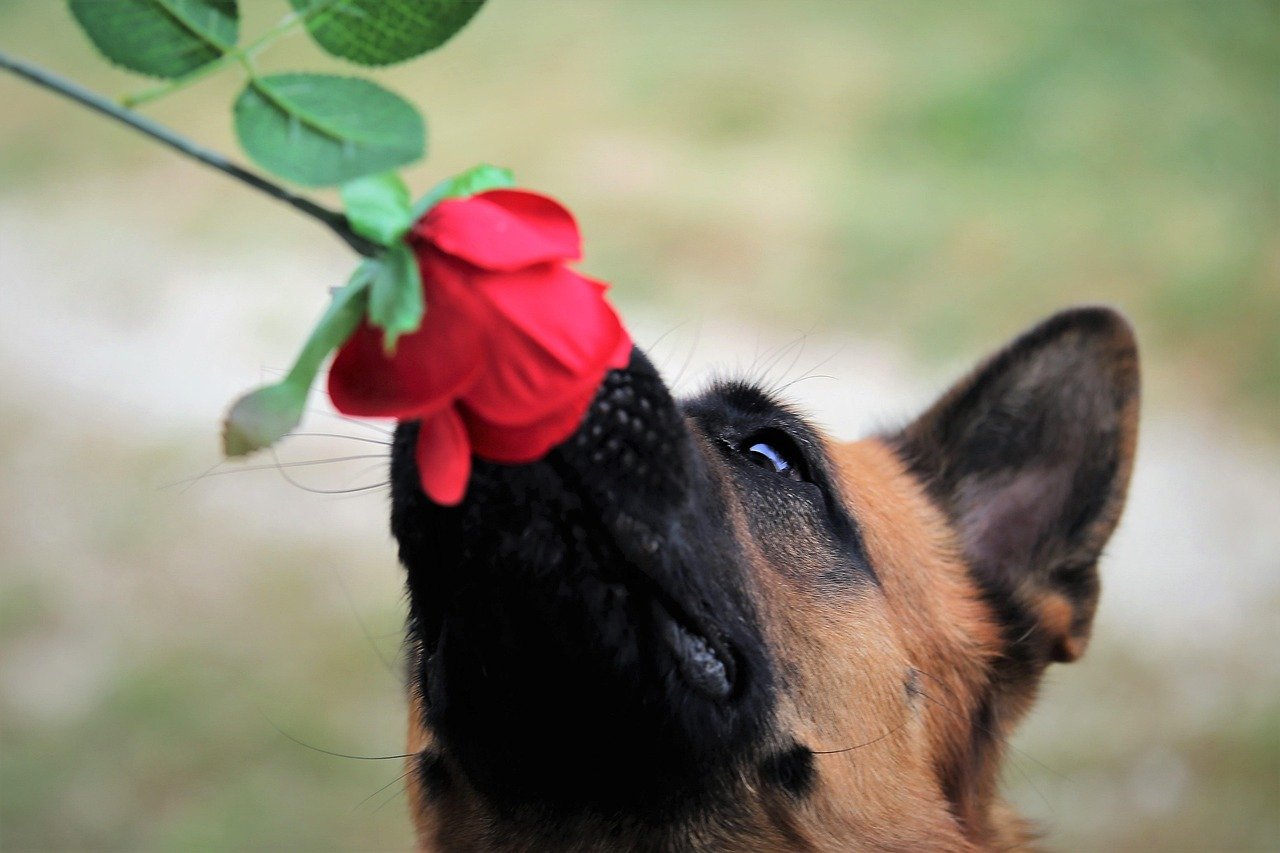
One of the most surprising ways dogs detect emotional changes is through their sense of smell. Dogs have noses that are thousands of times more sensitive than ours. When we experience emotions like stress, fear, or happiness, our bodies release subtle chemical signals—hormones like cortisol or adrenaline. Dogs can pick up on these changes almost instantly. Imagine your dog sniffing the air when you’re anxious—they’re not just curious, they’re reading your emotional state like a book. It’s like having a built-in emotional barometer at home, always on alert for shifts in your mood.
Reading Body Language Like Experts

Dogs are master observers. They pay attention to every move we make, no matter how small. A slight slump in your shoulders, a change in your walk, or even the way you hold your hands can signal to your dog that something’s up. Unlike humans, who often miss these tiny cues, dogs are always watching. They’ve learned that our body language tells a story. So when you sigh, fidget, or even just breathe differently, your dog is likely the first to notice—and respond.
Picking Up on Vocal Changes

Even if you try to hide your emotions, your voice can give you away. Dogs have an uncanny ability to detect changes in pitch, tone, and volume. When you’re excited, your voice might get higher and faster. When you’re upset, it might drop or quiver. Dogs pick up on these shifts in a heartbeat. They have learned over time that certain vocal patterns mean playtime, cuddles, or maybe a walk, while others mean you need comfort or space. It’s like your dog has their own emotional translator, always listening in.
Sensitivity to Routine Disruptions

Dogs are creatures of habit. They thrive on routine and notice every little change. If you suddenly skip a part of your morning ritual or linger longer by the door before leaving, your dog senses something’s different. These small deviations often signal emotional shifts—maybe you’re anxious about a meeting or sad about some news. Your dog, ever observant, adjusts their behavior, whether it’s following you from room to room or curling up by your feet for reassurance.
Responding to Stress and Anxiety
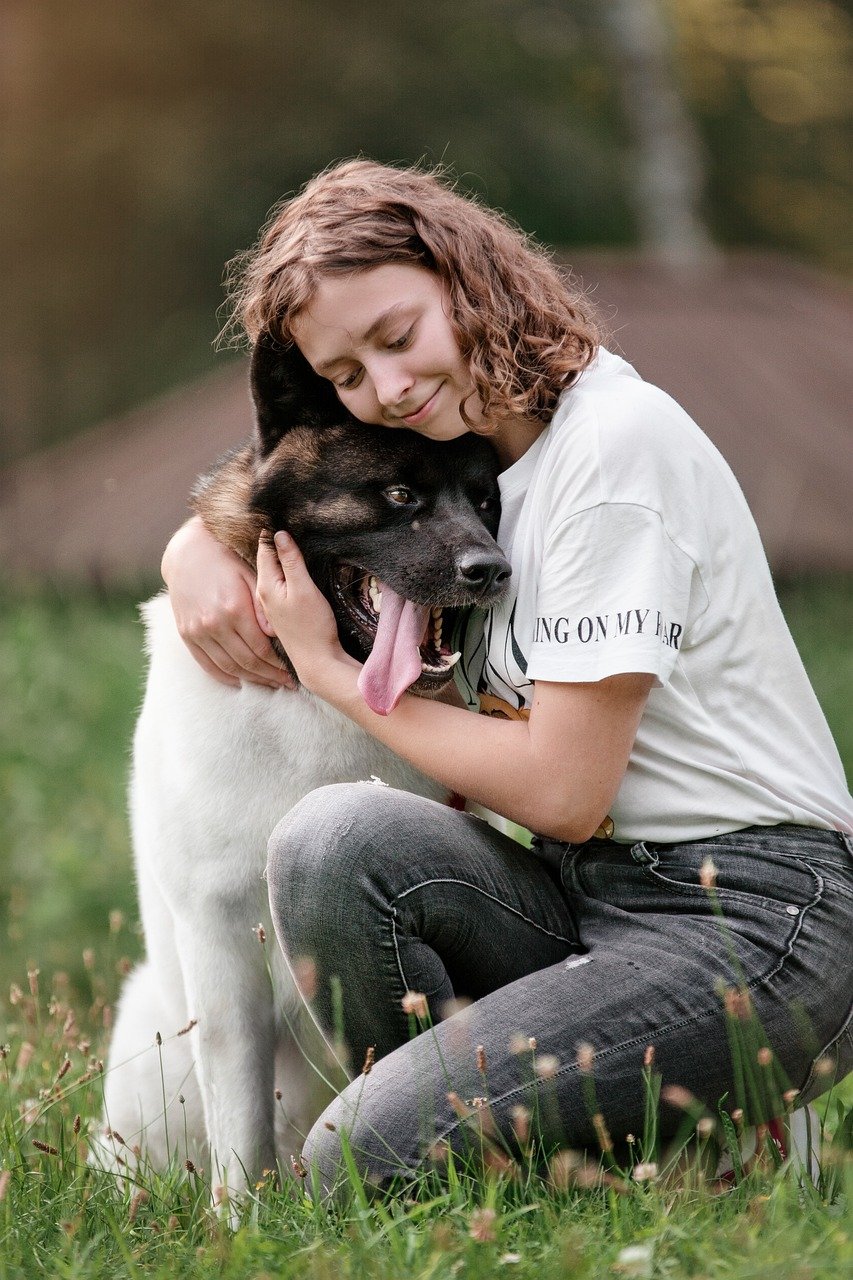
When stress creeps in, dogs are usually the first to react. Some become extra clingy, never leaving your side, while others might act out or become restless. It’s their way of saying, “I know something’s wrong, and I’m here for you.” Studies show that dogs’ own stress hormones can rise when their owners are anxious, almost like they’re catching our feelings. This deep empathy is a testament to how closely dogs are connected to our emotional world.
Detecting Sadness and Offering Comfort

There’s nothing quite like the comfort of a dog when you’re feeling low. Dogs often sense sadness long before you shed a tear. You might find your dog nudging your hand, laying their head on your lap, or quietly sitting beside you. It’s not just coincidence. Dogs are wired to respond to signs of sadness, offering their own version of a hug or a listening ear. Their presence alone can be incredibly soothing, sometimes more than any human words.
Recognizing Excitement and Joy

On the flip side, dogs are quick to pick up on happiness and excitement. The moment you feel a spark of joy—maybe you got good news or you’re looking forward to a fun event—your dog mirrors that energy. Suddenly, they’re wagging, bouncing, and ready to celebrate with you. It’s like they have a sixth sense for positive vibes, amplifying the good times and reminding you to savor those joyful moments together.
Tuning Into Fear and Uncertainty

Fear is another emotion dogs are incredibly sensitive to. Whether you’re feeling uneasy about a thunderstorm or nervous about a big decision, your dog can sense that tension. Some dogs might become protective, staying close and keeping a watchful eye. Others may act anxious themselves, picking up on your fear and expressing it in their own way. It’s a powerful reminder that dogs aren’t just pets—they’re partners in facing life’s uncertainties.
Interpreting Subtle Emotional Shifts

It’s not just the big emotions that dogs pick up on. They’re attuned to every subtle shift, from quiet frustration to mild embarrassment. Maybe you laugh at yourself for a small mistake or feel a flutter of nerves before a phone call—your dog notices. Over time, dogs learn the unique patterns and rhythms of their owner’s emotions, becoming experts in the art of reading between the lines.
Mirroring Their Owner’s Mood
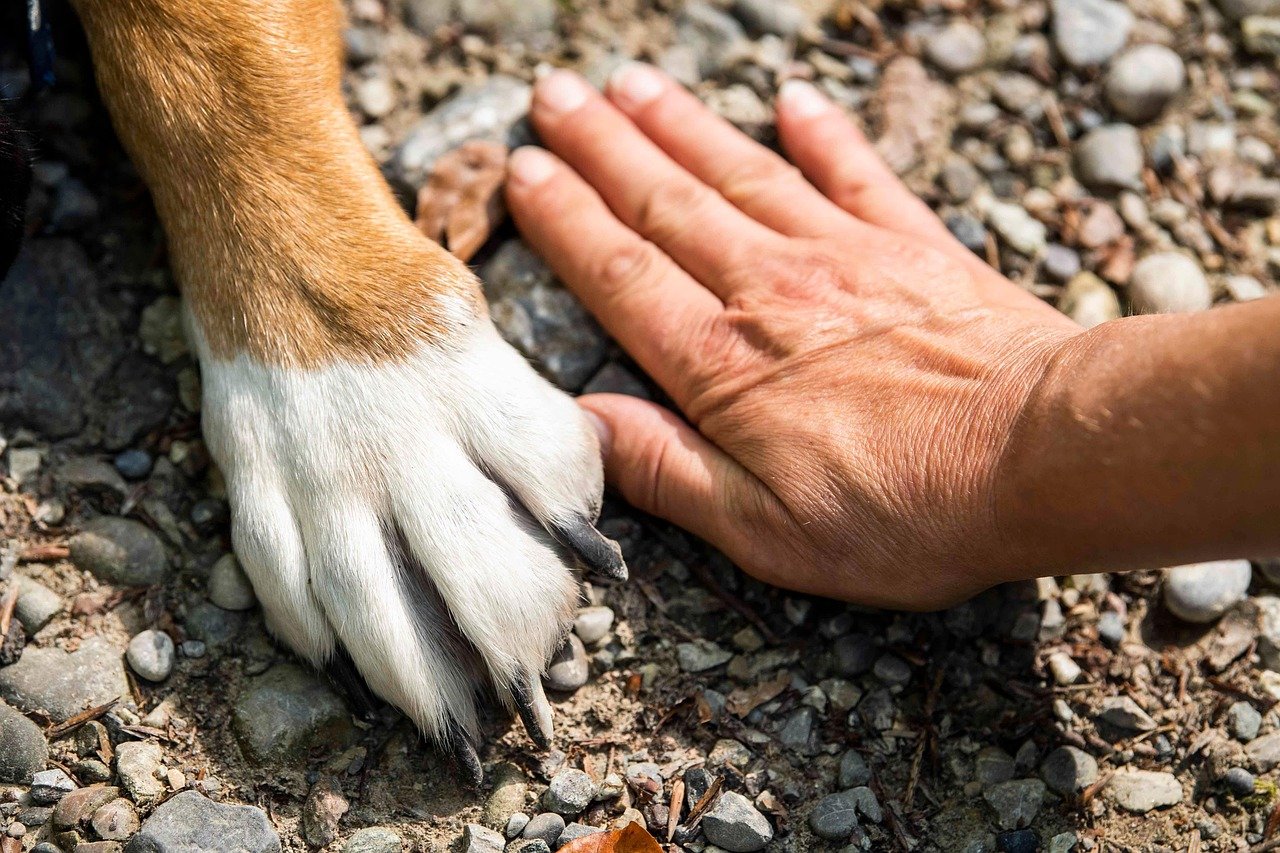
Dogs are natural mood mirrors. When you’re happy, they become playful and energetic. When you’re down, they slow down with you. This mirroring isn’t just comforting; it strengthens the bond between you and your dog. It’s almost as if your emotional world becomes theirs, creating a unique partnership built on empathy and understanding. Many dog lovers swear their pets are their emotional anchors, steadying them through life’s ups and downs.
How Dogs Help Us Heal Emotionally

Beyond just detecting emotions, dogs often play a big role in helping us heal. Their presence can lower blood pressure, reduce anxiety, and even ease depression. For people going through tough times—grief, illness, or major life changes—dogs become pillars of support. They offer unconditional love, never judging or asking for explanations. Sometimes, just having a dog nearby can turn a bad day around. The emotional support they give is priceless.
The Science Behind Dogs’ Emotional Awareness

Recent studies have begun to uncover the science behind dogs’ emotional sensitivity. Researchers have found that dogs’ brains actually respond to human emotions in similar ways to ours. Certain areas light up when they hear happy or sad voices, and their heart rates can sync with their owner’s during moments of stress or calm. It’s incredible to think that science is finally catching up to what dog lovers have known all along—our furry friends are true emotional companions, tuned in to us in ways we are only beginning to understand.


