
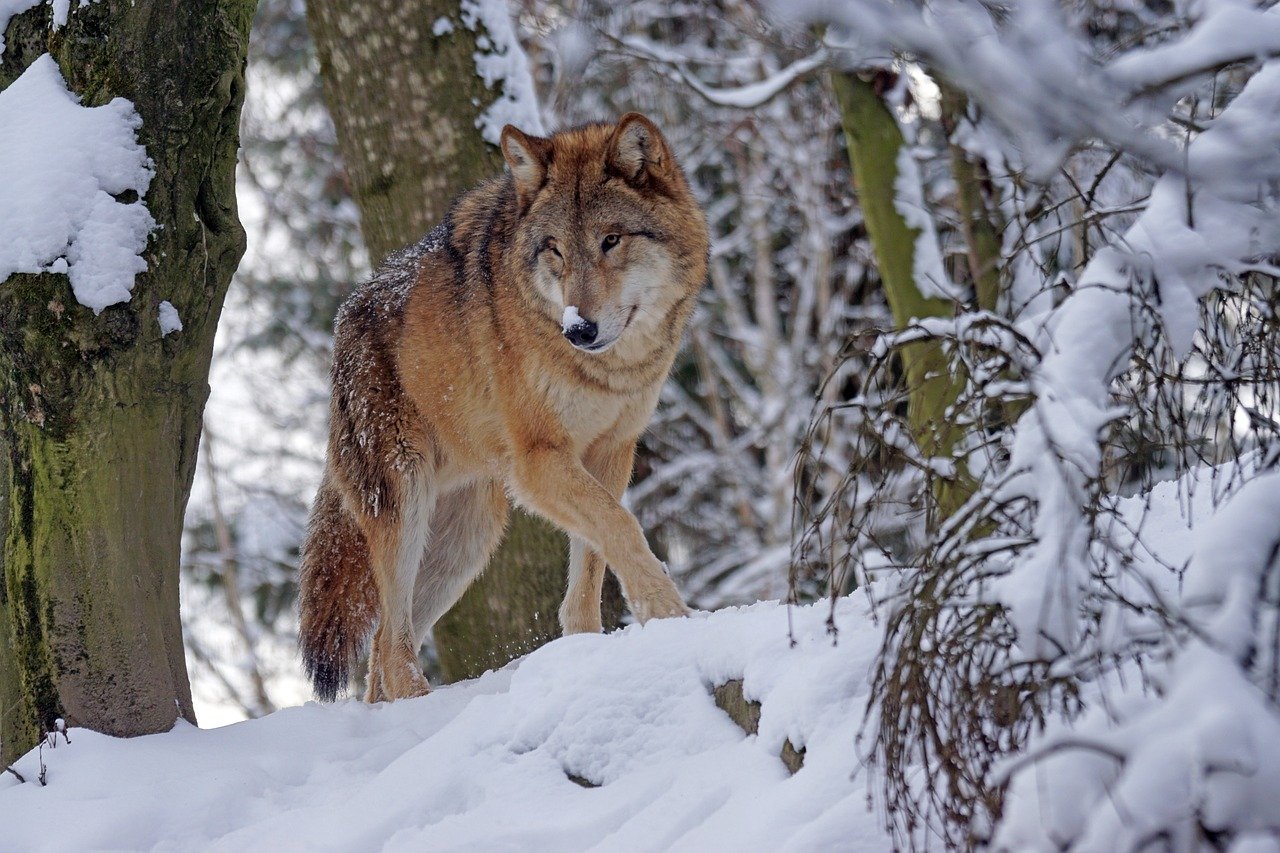
Coming across a wolf while hiking can be thrilling—but it’s also a situation that demands calm and caution. First things first: never run. Wolves may interpret sudden movement as prey behavior. Don’t turn your back either; always face the wolf while slowly backing away. Avoid direct eye contact, which can be seen as a threat, but stay alert and confident in your body language. Don’t shout or make sudden gestures, and definitely don’t try to feed or approach it. If you’re with a dog, keep it close and under control—wolves can view them as rivals. Most importantly, stay composed. Wolves are naturally wary of humans and will usually avoid conflict if you give them space.
Never Run Away
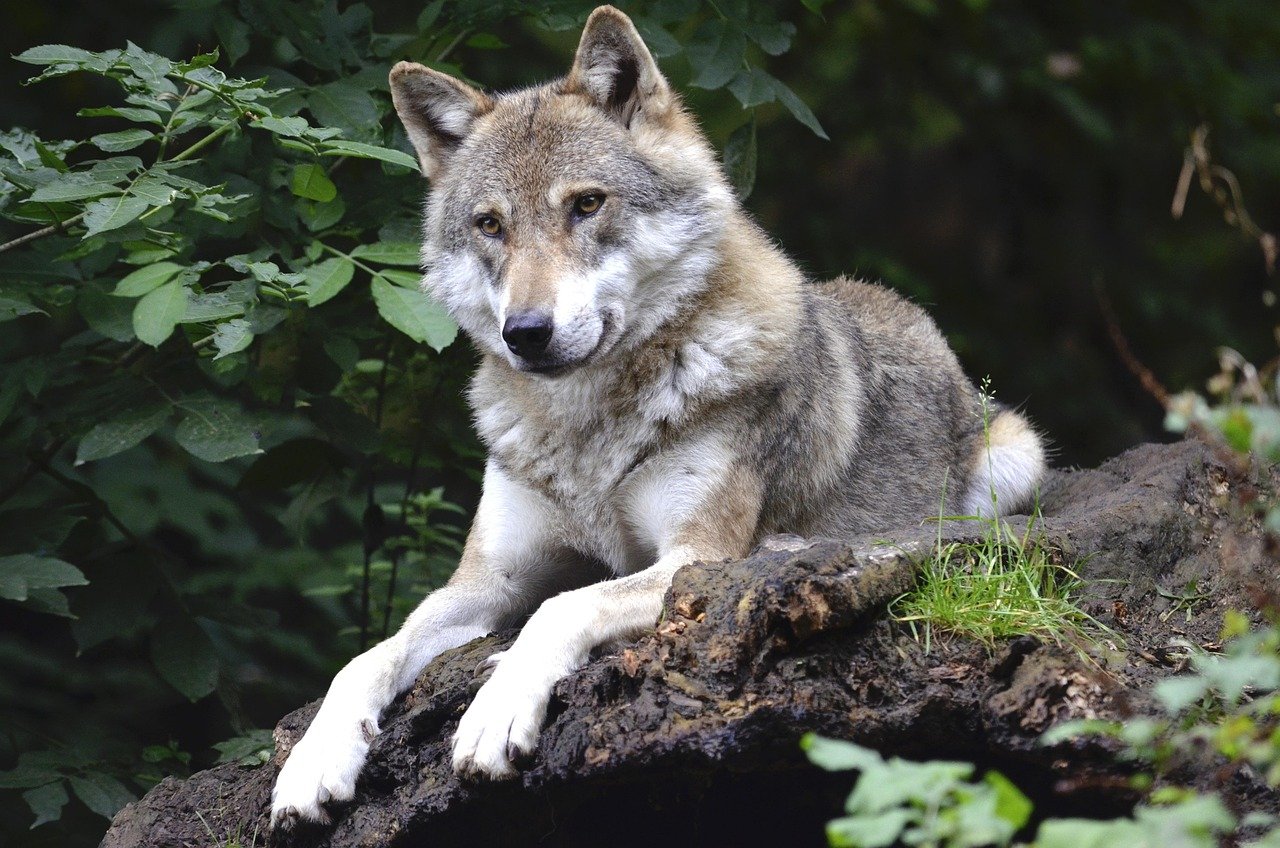
The first instinct most people have when they see a wild animal is to run. But when it comes to wolves, this is the worst thing you can do. Running triggers a wolf’s chase instinct, just like waving a flag in front of a sprinter. You might be fast, but a wolf is faster, and it can easily catch up. Staying put shows you’re not prey. Think of it as holding your ground in a game of freeze tag—your stillness is your strength. Wolves are curious but cautious, and running only heightens their curiosity in a potentially dangerous way. Staying calm and rooted is the safest first step.
Don’t Make Direct Eye Contact
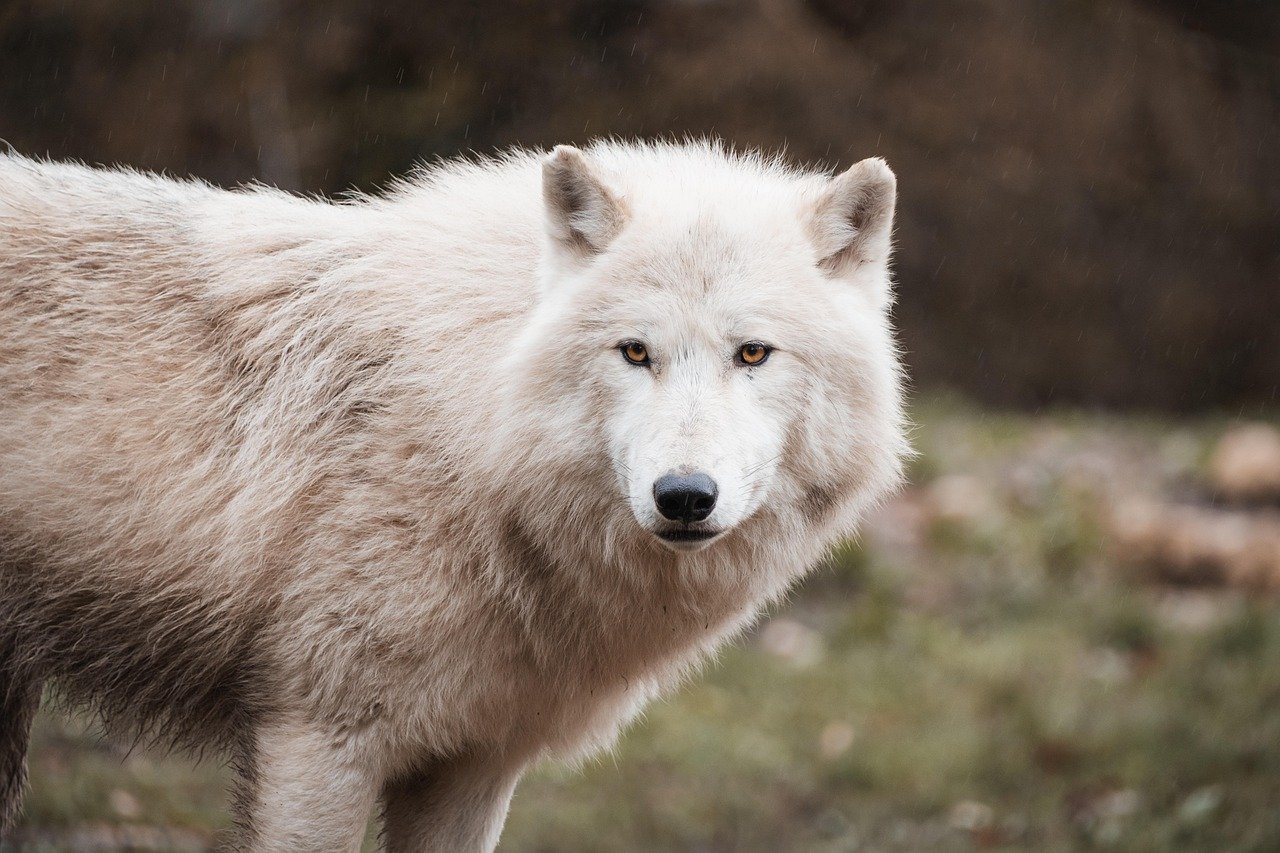
Locking eyes with a wolf feels electric, but it can be misinterpreted. In the animal world, direct eye contact is often a challenge or a threat. Wolves communicate with subtle glances, so a hard stare can escalate tension. Instead, look slightly to the side—enough to keep the wolf in your peripheral vision, but not enough to provoke it. Think of it like a polite nod instead of a glaring stare-down. This helps keep the encounter neutral and reduces the odds of the wolf feeling cornered or antagonized.
Never Approach the Wolf
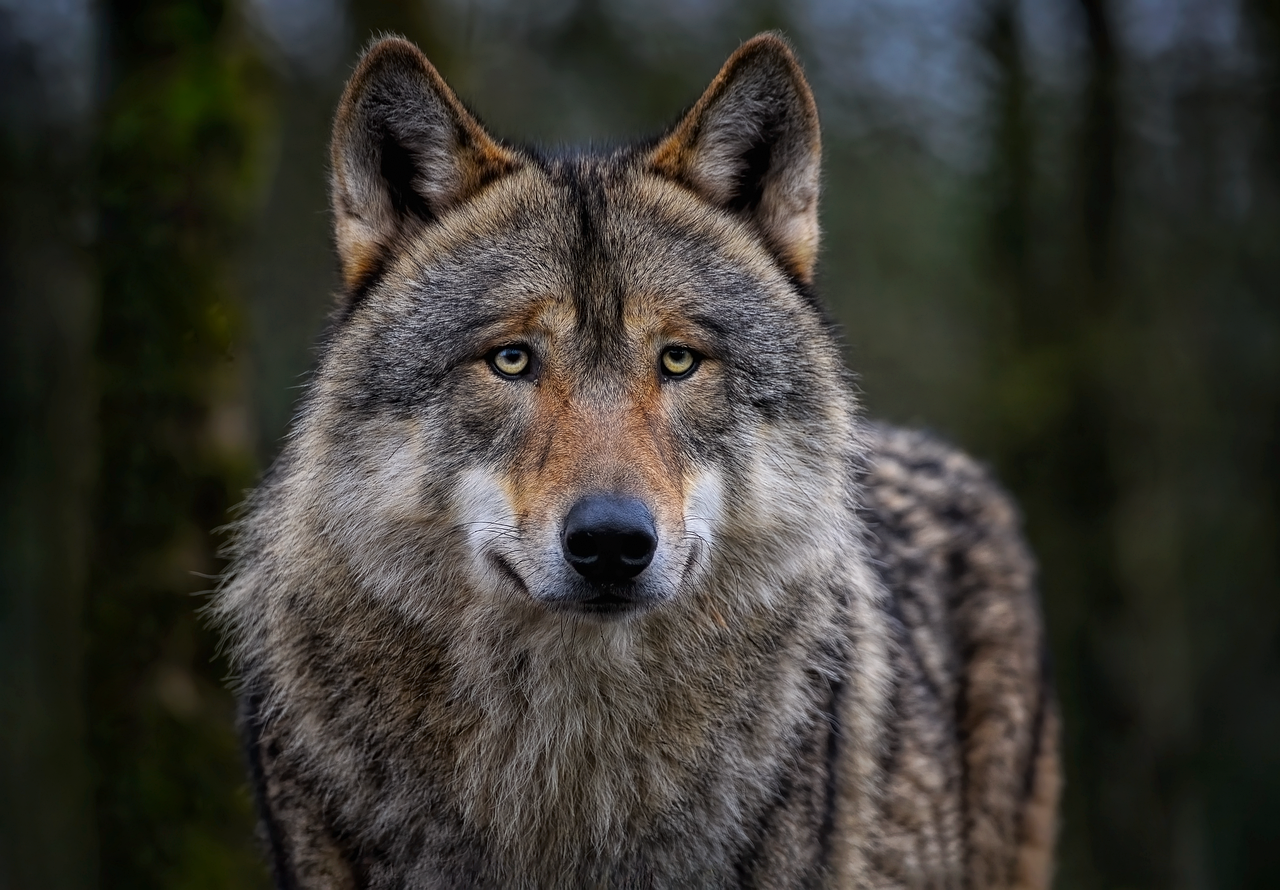
It’s tempting for wolf lovers to want a closer look, but approaching a wild wolf is a huge mistake. Wolves are naturally wary of humans. Stepping toward them invades their space and can scare them or trigger defensive behavior. Imagine a stranger walking straight at you out of nowhere—unsettling, right? Wolves will feel the same. Always keep your distance, and let the animal decide where it wants to go. Your respect for its space will speak volumes.
Don’t Turn Your Back
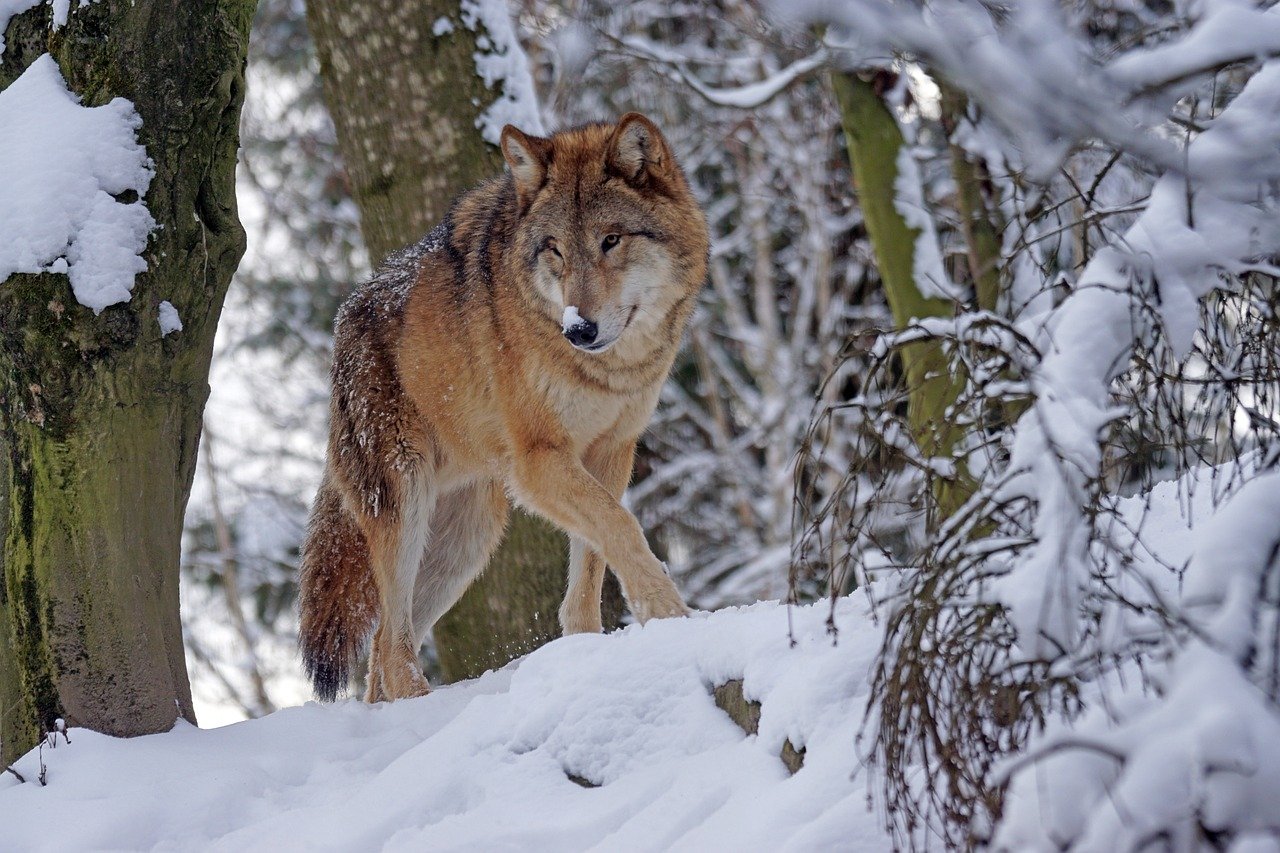
Turning your back on a wild animal, especially a predator, is never a good idea. Facing a wolf keeps you aware of its actions and signals that you’re alert. When you turn away, you become less predictable and more vulnerable. It’s like leaving your front door wide open at night—anything can happen, and you won’t see it coming. Instead, slowly back away while keeping the wolf in sight, showing that you’re cautious but not threatening.
Never Scream or Yell
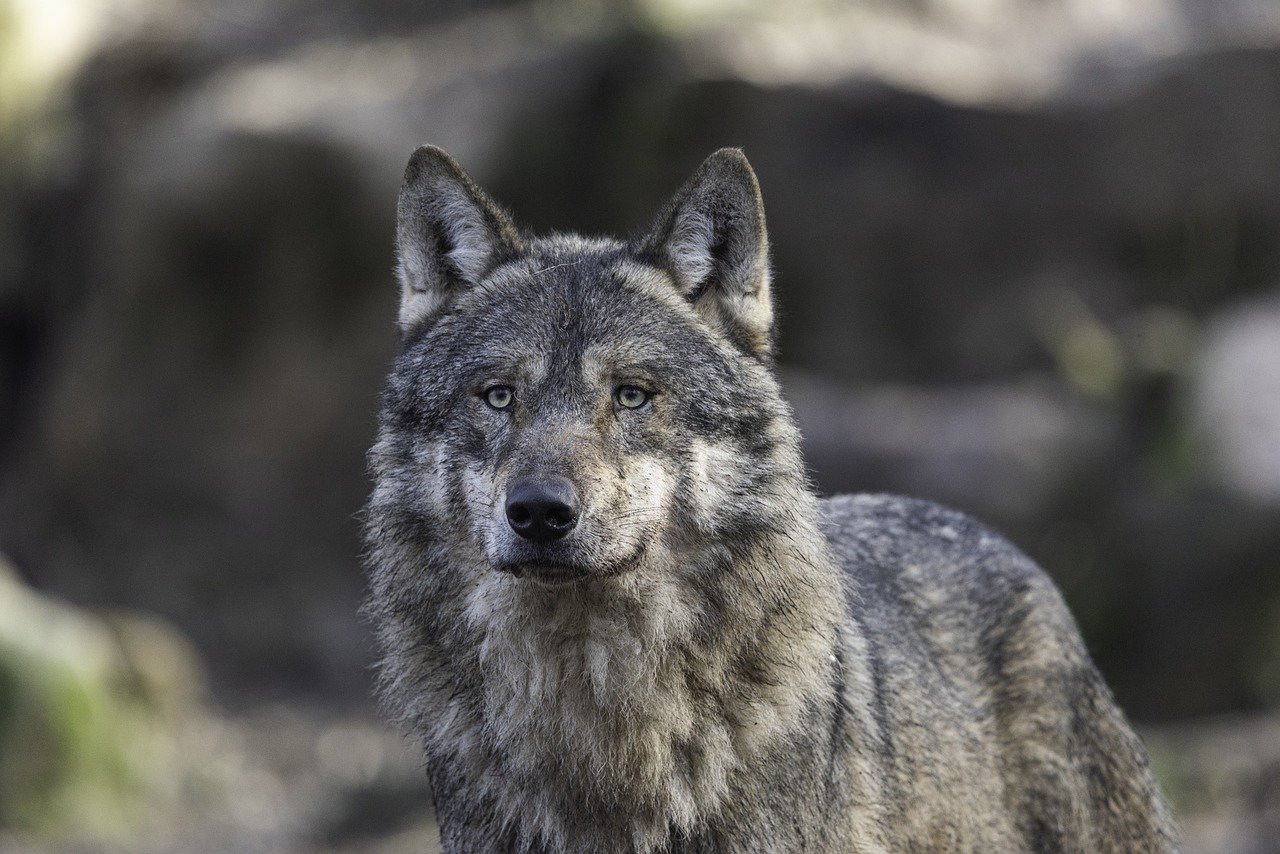
Your voice can be a powerful tool, but yelling or screaming shrills through the woods like a siren. Sudden, loud noises can startle a wolf, making it feel cornered or threatened. In some cases, it might even attract more attention—wolves are curious creatures, after all. Keeping your voice calm and low is much more effective. Speak softly if you must, or simply stay quiet. Calmness diffuses tension, while panic pours gasoline on the fire.
Don’t Try to Feed the Wolf
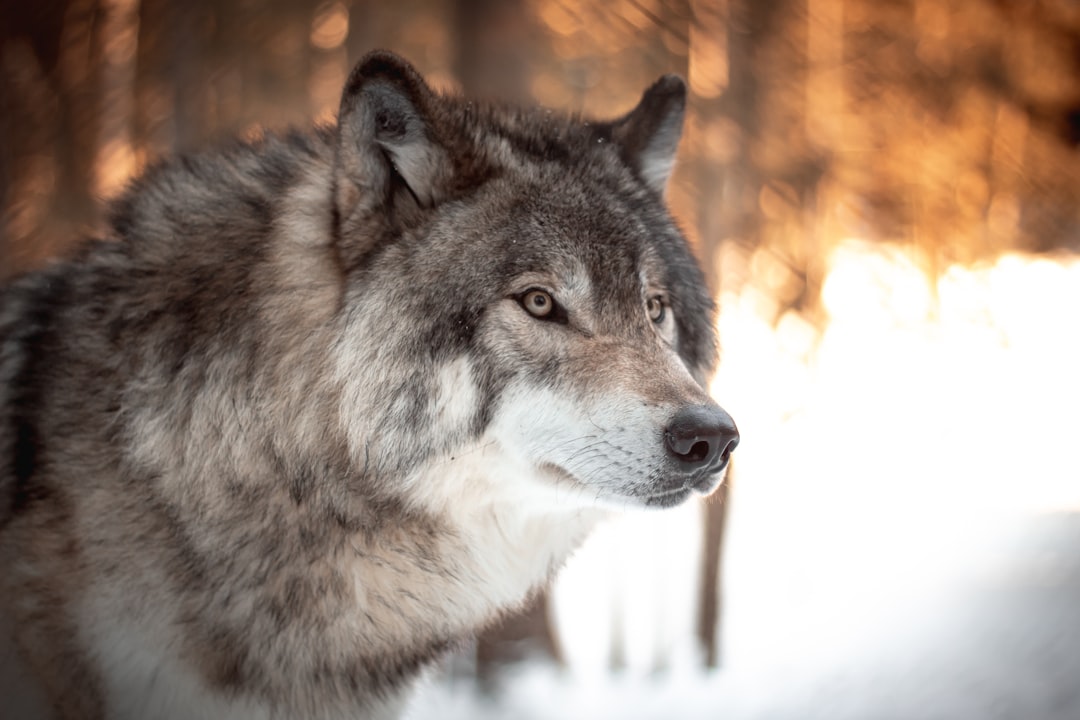
No matter how much you love animals, offering food to a wild wolf is a terrible idea. Feeding wildlife teaches them to associate humans with food, leading to dangerous situations for both wolves and people in the future. It’s a bit like giving candy to a child every time they ask—soon, they’ll expect it and come looking. Wild wolves need to rely on their own instincts and hunting skills. By not feeding them, you’re helping keep them wild and safe.
Never Corner or Block Its Escape
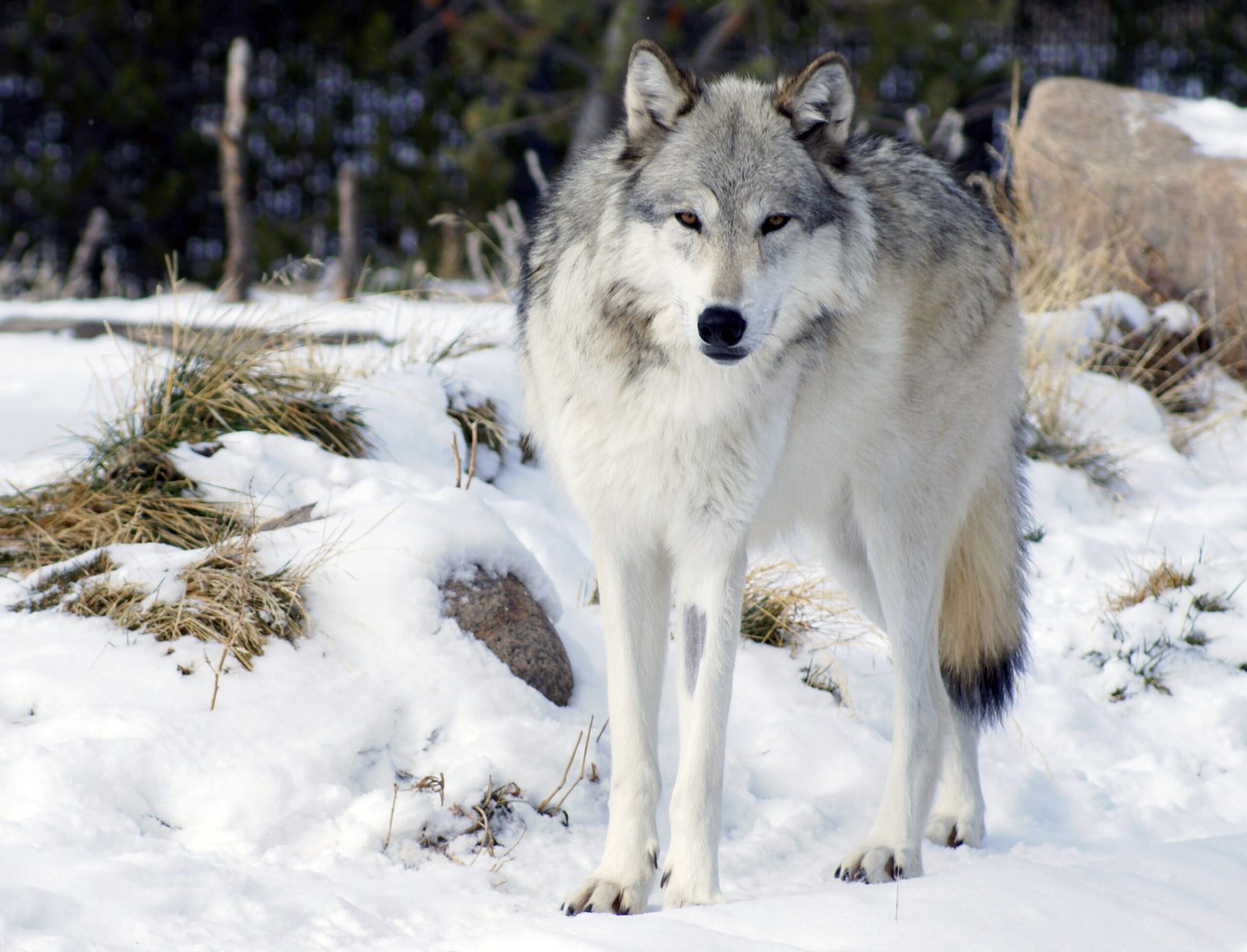
Wolves are shy, elusive animals by nature. If you find yourself between a wolf and its escape route, you could accidentally provoke a defensive reaction. Imagine if someone blocked your only way out—panic is natural. Always make sure the wolf has a clear path to leave. Step aside slowly if you’re in its way, and avoid standing between the animal and freedom. The wolf’s safety and your own depend on giving it a way out.
Don’t Try to Take Photos Up Close

Snapping a picture for your social media might feel irresistible, but getting too close to a wild wolf is risky. Phones and cameras can distract you from the animal’s behavior, and the act of approaching can make the wolf uneasy. Think of it like someone sticking a camera in your face during a private moment—not comfortable, right? If you must capture the memory, do so from a safe distance, using a zoom lens if you have one. Your safety and the wolf’s comfort come first.
Never Assume the Wolf Is Alone
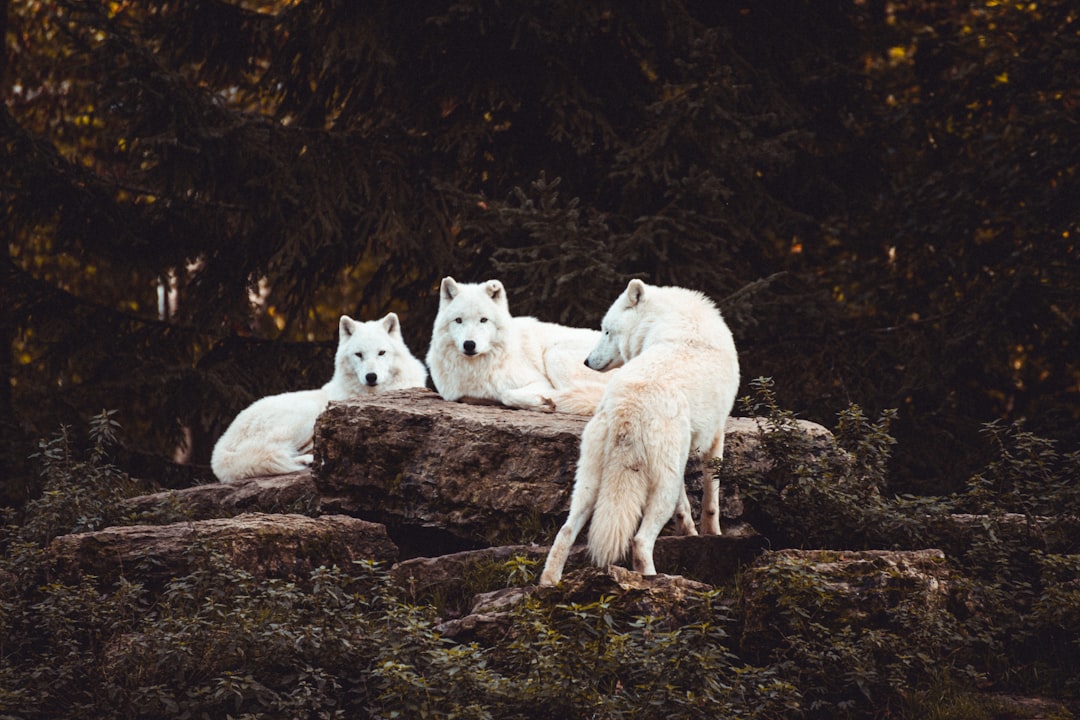
Wolves are social animals, often traveling in packs—even if you only see one, others may be nearby. It’s easy to be lulled into a false sense of security by a lone wolf, but remember, the rest of the pack could be watching from the shadows. Acting recklessly can put you—and possibly the wolves—in danger. Always act with the assumption that more wolves could be present. It’s nature’s version of “expect the unexpected.”
Don’t Ignore Your Surroundings
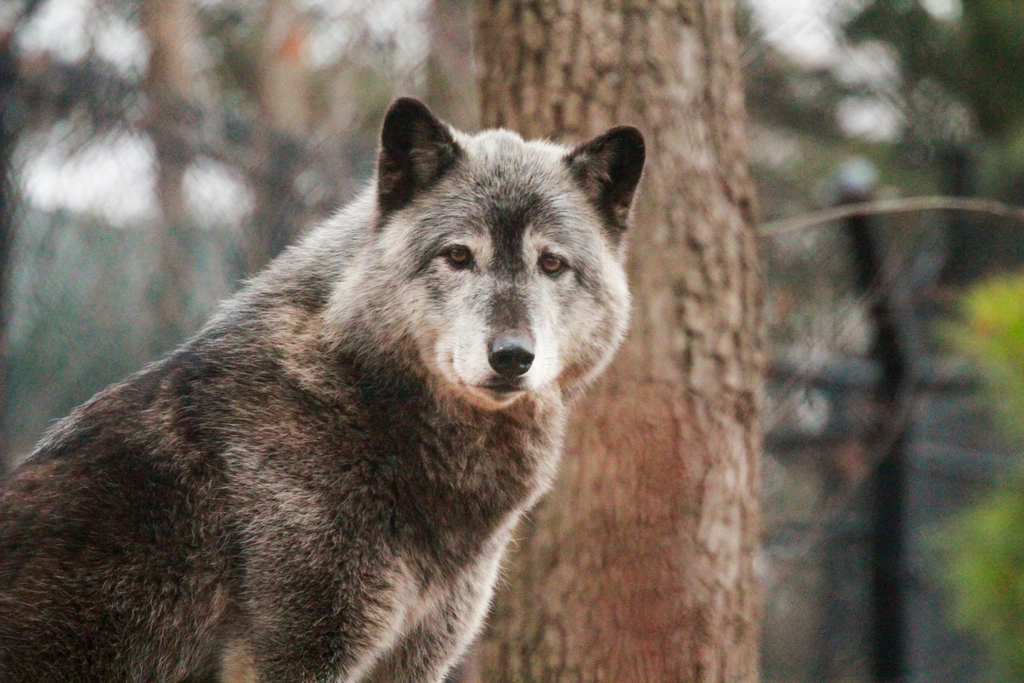
When you spot a wolf, it’s easy to get tunnel vision. But losing awareness of your environment is risky. You could trip, walk into hazardous terrain, or miss other signs of wildlife. Hiking is as much about being present as it is about moving forward. Listen for sounds, watch your footing, and be alert to changes around you. Being mindful helps you stay safe and makes the encounter a story worth telling later—one filled with wonder, not regret.
Running into a wolf on a hike might sound wild, but staying calm and smart can make all the difference. Remember, wolves usually don’t want trouble—they just want space. By keeping your distance, staying composed, and knowing what not to do, you protect both yourself and the wildlife. It’s all about respect and awareness when sharing the trail with nature’s top predators.


