
Have you ever looked into your dog’s eyes and wondered, “Are we really best friends yet?” Sometimes, even the wiggliest tail and happiest bark can hide a longing for deeper connection. Surprisingly, the difference between a dog craving more bonding and one that’s already your soul mate can be subtle, almost like reading a secret language. For any dog lover, understanding these signs isn’t just about making your pup happier—it’s about discovering a friendship that can change your life. Let’s dive into the unmistakable signals that your dog is desperate for more quality time, and the heartwarming signs that prove you’re already a lifelong team.
Reluctance to Approach You
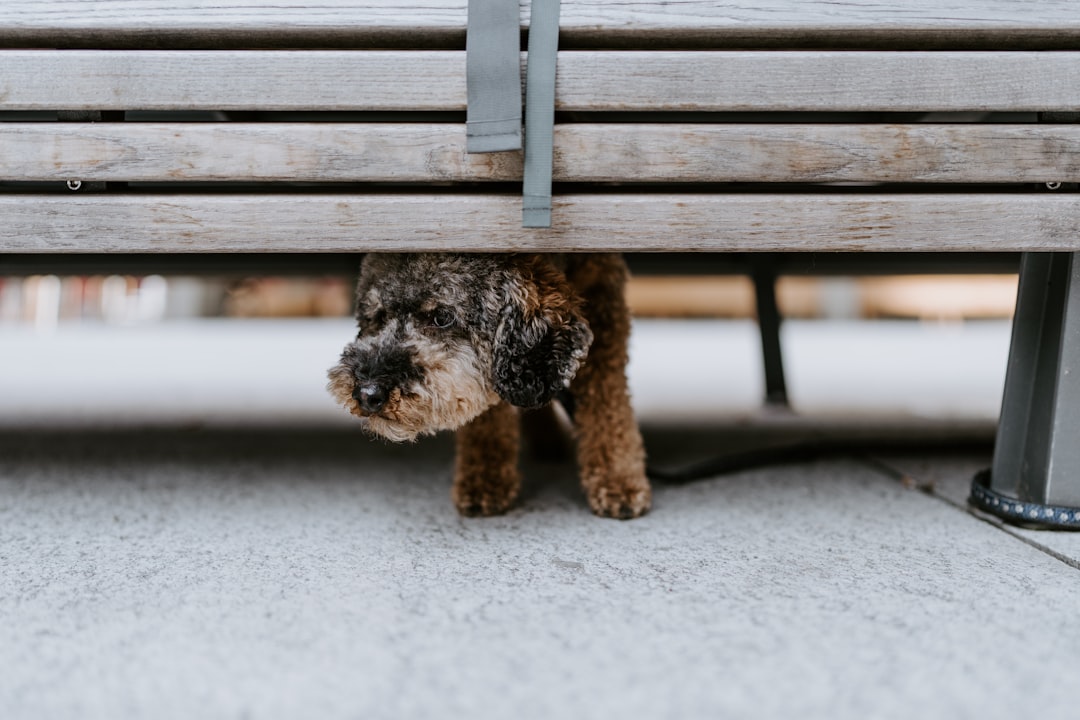
If your dog hesitates when you call or seems shy around you, it’s a clear signal that your relationship needs nurturing. A bonded dog usually comes running, full of excitement. But if your pup lingers at a distance, it could mean they don’t feel fully safe or connected yet. Sometimes, this looks like standing in the doorway, peeking around corners, or even just pausing before coming closer. It’s not always fear; it might be uncertainty or past experiences making them cautious. Dogs are sensitive, and they can pick up on your mood—if you’re distracted or tense, they may mirror that energy. Try spending quiet, gentle moments together, like sitting on the floor or offering treats from your hand. Over time, these small gestures can build the trust your dog craves.
Lack of Eye Contact

Eye contact is a powerful form of canine communication. Dogs who aren’t quite bonded will often avoid looking directly at you. It might seem small, but averted eyes or quick glances away can mean your dog doesn’t fully trust or understand you yet. Think of eye contact as a dog’s way of saying “I’m with you.” Without it, there’s still work to do. Practice gentle, positive reinforcement—reward your dog for glancing at you, and make eye contact during play or meals. Over time, those nervous glances will turn into warm, loving stares.
Ignoring Commands and Cues

A dog who ignores your voice or commands may not just be stubborn—they might not feel truly bonded yet. When there’s a strong connection, dogs respond to your cues, eager to please or just be part of your world. But if your pup seems uninterested, distracted, or confused, it’s a sign to slow down and focus on fun, stress-free activities together. Training sessions that use rewards and praise can help, but don’t expect instant results. Patient, playful repetition is the key to turning “meh” responses into eager cooperation.
Uninterested in Playtime Together
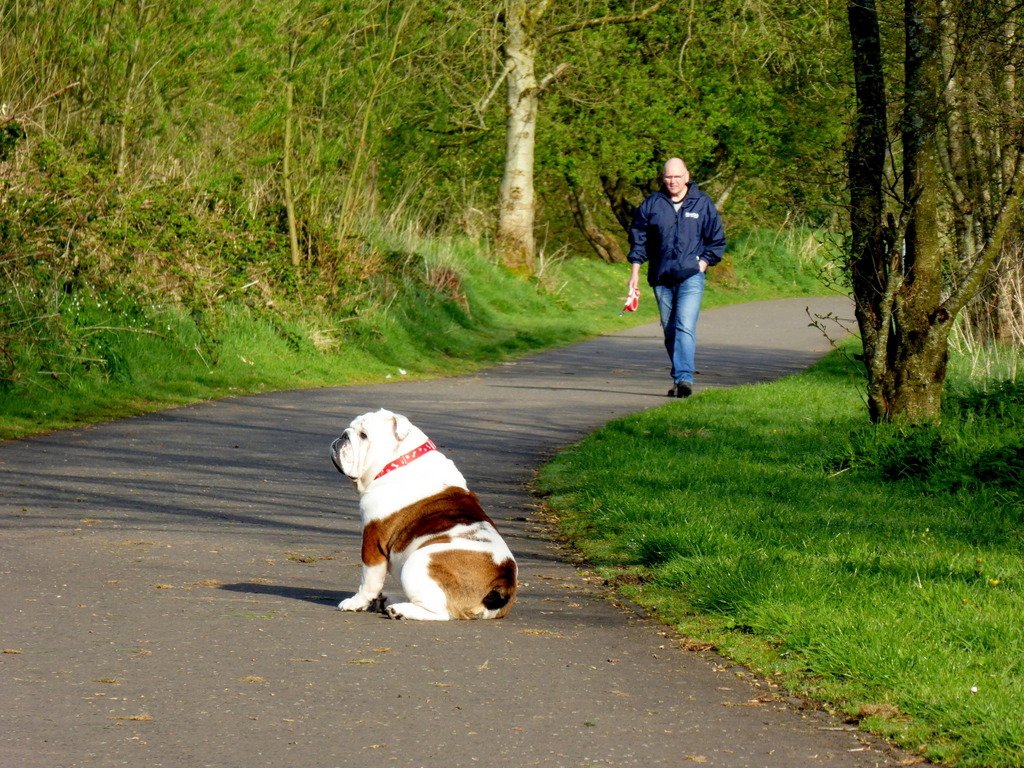
Play is more than just fun for dogs—it’s vital for bonding. If your dog seems uninterested in playing with you, especially with toys or games you offer, it’s a red flag. Some dogs are naturally less playful, but if your furry friend lights up for other people or dogs and not for you, it’s time to strengthen your bond. Experiment with different toys, games, or even silly noises to find what makes them wag their tail. Play builds trust and connection, turning hesitant pups into excited playmates.
Constantly Seeking Attention from Others
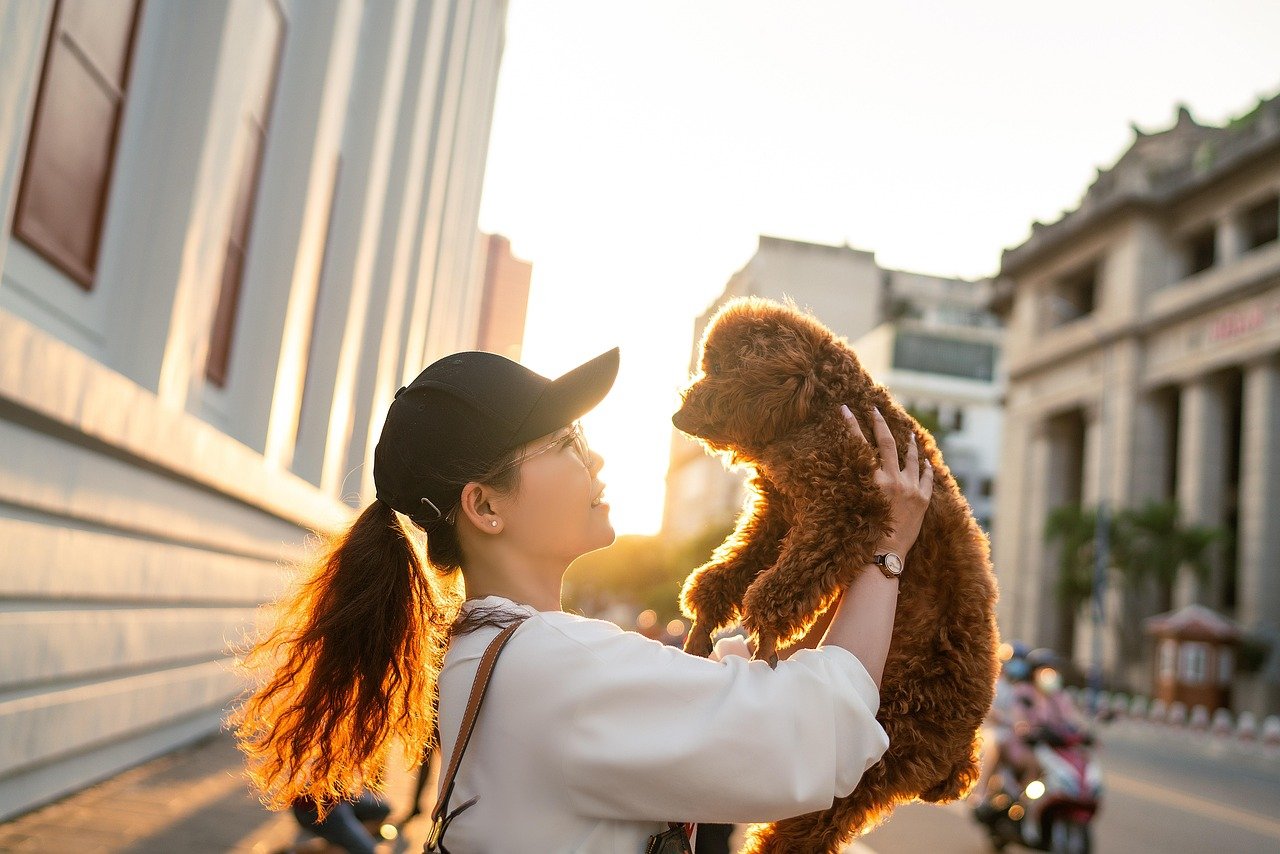
Dogs who are always running to friends, family, or even strangers for affection may be craving the connection they’re not getting from you. It doesn’t mean you’re a bad owner—it’s just a hint that your bond could use a little boost. Notice if your dog looks to others for comfort or excitement more than you. Make a point to be the giver of treats, the leader of walks, and the source of snuggles. Over time, you can become the center of your dog’s universe.
Restlessness or Anxious Behaviors Around You
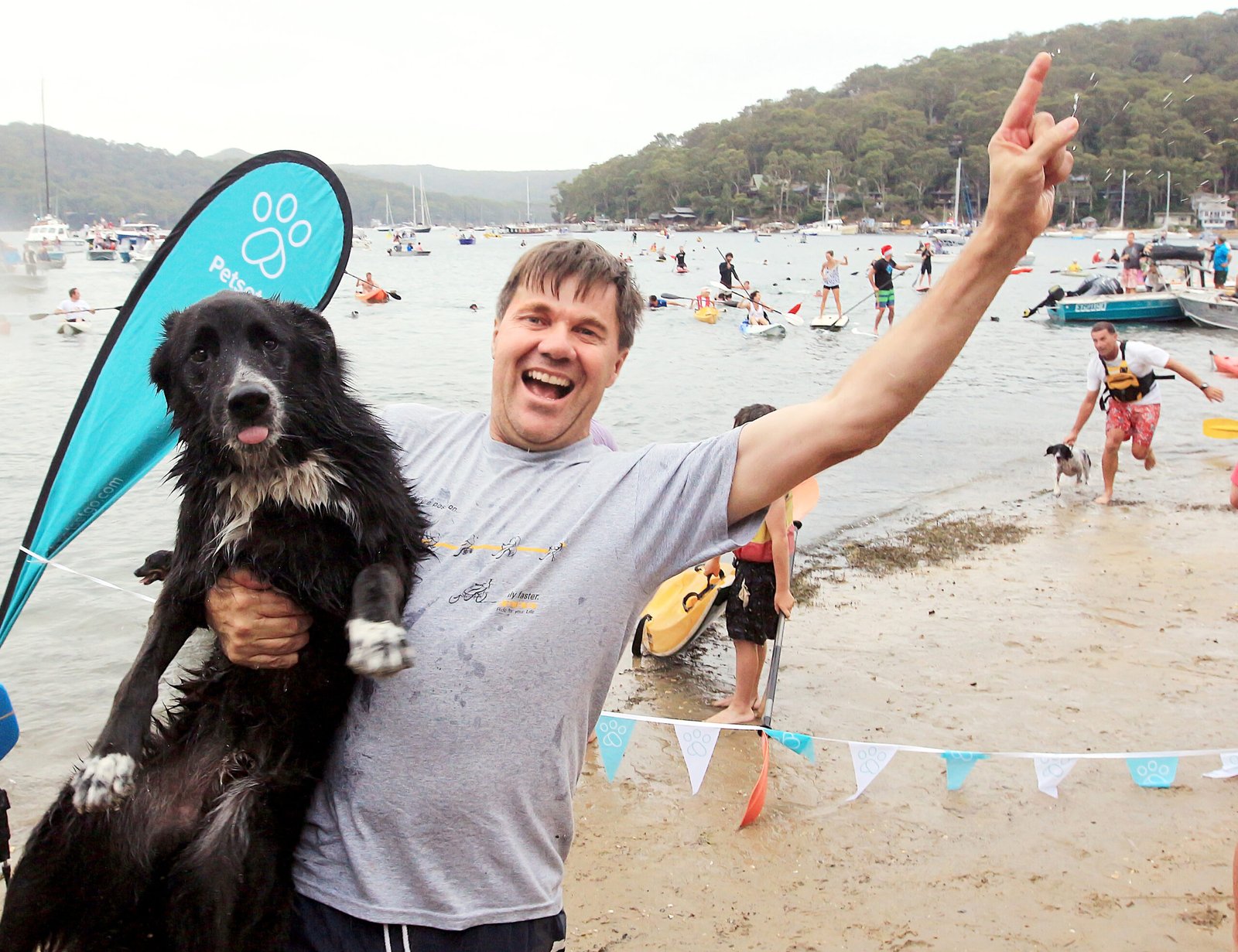
Does your dog pace, whine, or act jittery when you’re together? Restlessness can mean your dog feels uneasy or unsure about the relationship. This kind of anxiety is often a sign that your pup doesn’t fully trust the situation yet. Try to create a calm, predictable routine—gentle petting, soothing voices, and relaxed environments can do wonders. Remember, building a strong bond is like planting a garden: patience, love, and consistency help it grow.
Reluctance to Accept Physical Affection
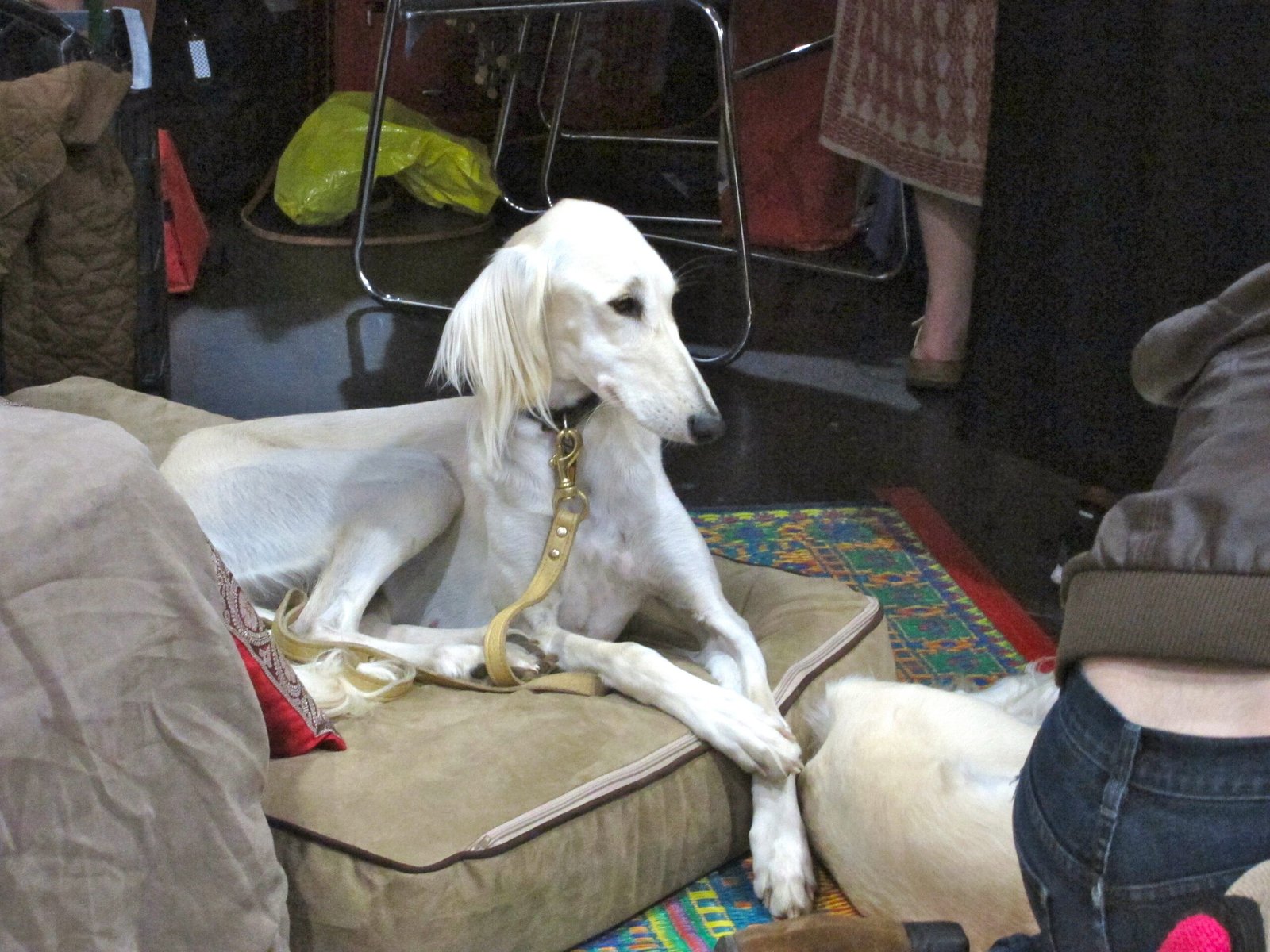
A dog that shies away from petting, hugs, or even sitting next to you isn’t being “aloof”—they’re telling you they need more time to feel secure. Physical closeness is a major sign of trust for dogs. If yours scoots away or stiffens up when you reach out, start slow. Sit quietly, let them approach you, and always respect their boundaries. Over time, gentle encouragement can help your dog see you as a safe, loving presence.
Hesitation to Sleep Near You
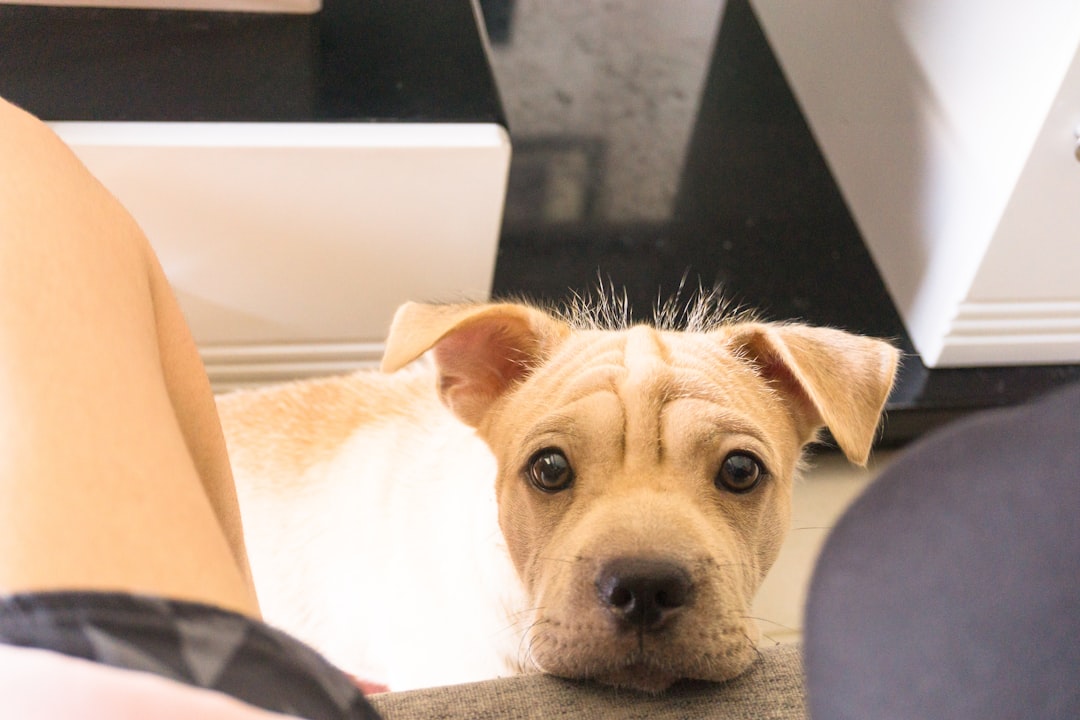
Where your dog chooses to rest speaks volumes about your relationship. If your pup consistently avoids sleeping near you—choosing a different room, bed, or even sleeping with their back to you—it might mean they haven’t bonded fully. Dogs instinctively sleep near those they trust. Try inviting your dog onto the couch for a nap or making their bed close to yours. With time, you’ll notice them gravitating closer, a surefire sign your bond is growing.
Excited Greetings Every Time You Return
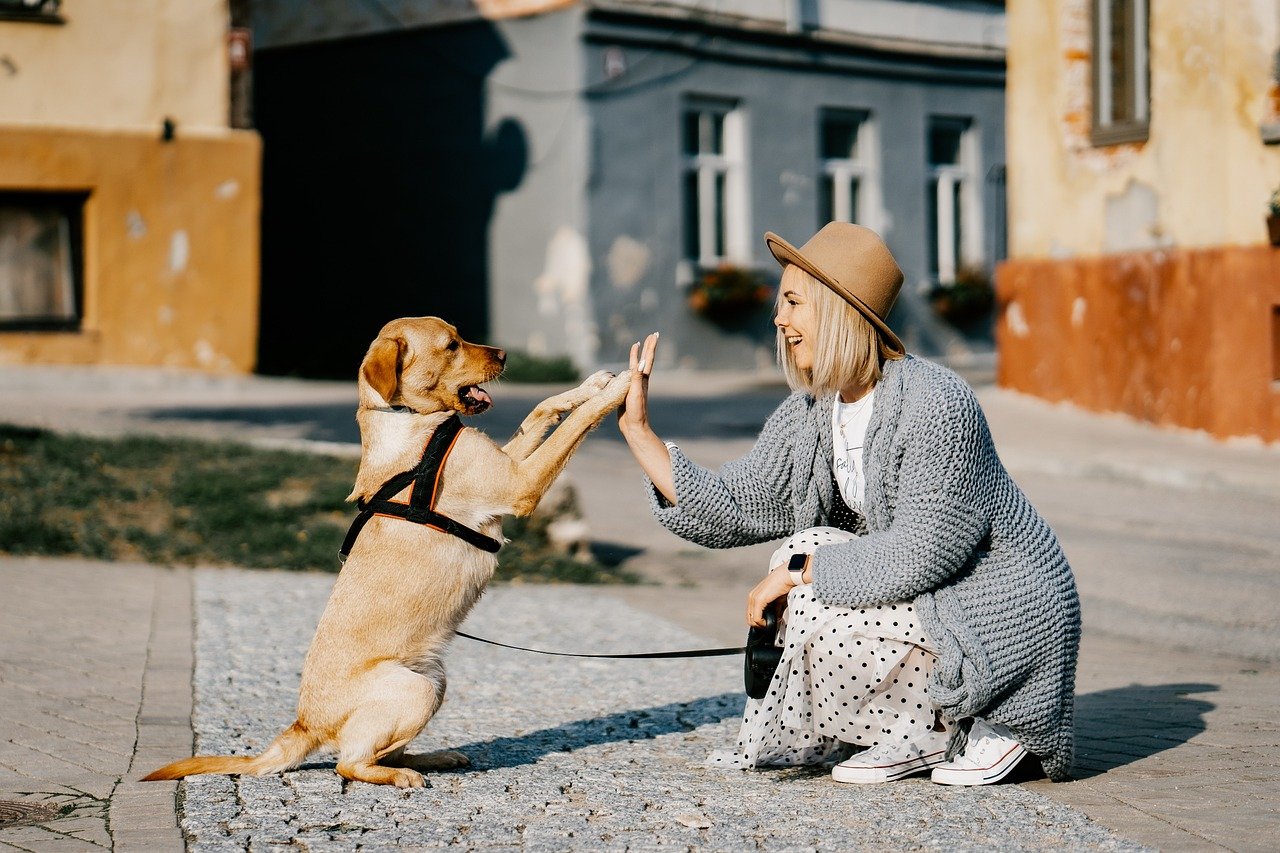
One of the most uplifting signs your dog is bonded for life is the pure joy they show when you walk through the door. Whether you’ve been gone for five minutes or five hours, a bonded dog greets you like you’re their whole world. They might jump, wiggle, bark, or even bring you a favorite toy. This excitement isn’t just about missing you—it’s a celebration of your connection. It’s a little daily reminder that you’re their person, and they wouldn’t have it any other way.
Following You Room to Room

If you feel like you’ve got a furry shadow trailing you everywhere, congratulations—your dog is hopelessly devoted to you. Dogs who follow their humans from room to room aren’t just nosy; they’re saying, “I want to be where you are, always.” This loyalty is a heartwarming sign of deep attachment. It means your pup finds comfort and safety in your presence, whether you’re making coffee or folding laundry. It might sound silly, but being followed everywhere is one of the ultimate compliments a dog can give.
Relaxed Body Language Around You
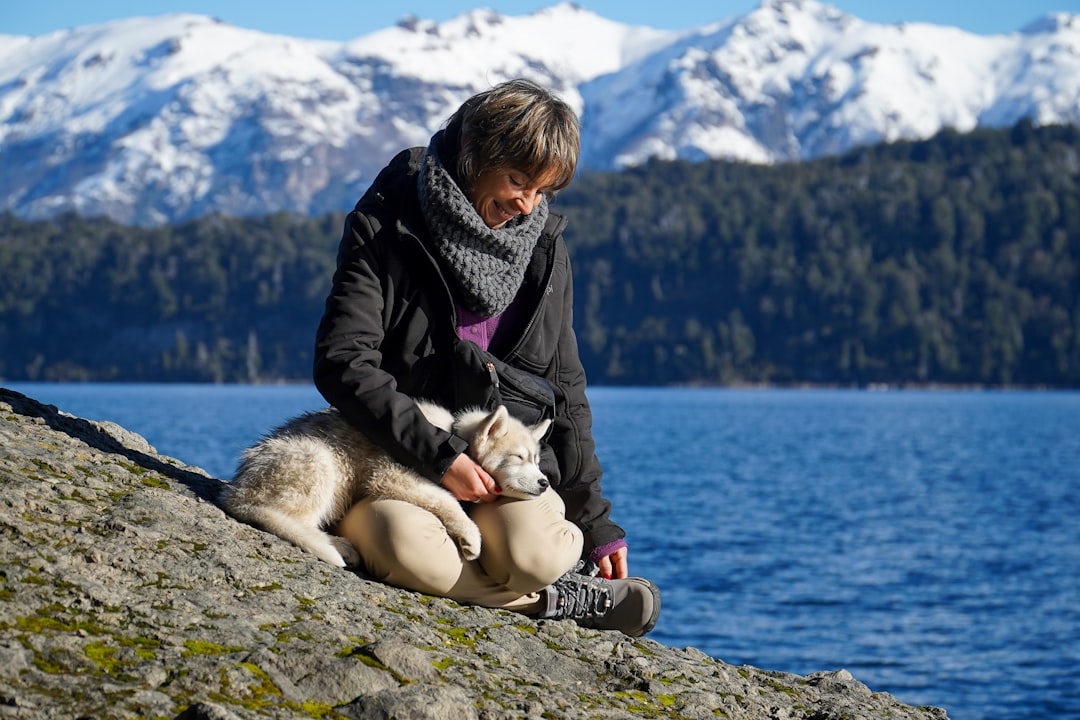
A truly bonded dog lets their guard down in your presence. Look for soft eyes, loose wagging tails, and a relaxed posture. Some dogs flop over for belly rubs, while others curl up contentedly at your feet. This visible comfort around you means your dog feels safe, loved, and completely at home. It’s like watching someone sigh with relief after a long day—except with more fur and tail wags.
Seeking Comfort From You During Stressful Moments

Thunderstorms, fireworks, or even a noisy vacuum—when scary things happen, bonded dogs run straight to their humans. If your dog leans into you, hides behind your legs, or puts their head in your lap during stressful times, it’s a powerful sign of trust and attachment. You are their safe place, their anchor in a storm. This level of comfort is built over time, with patience and love.
Responding Instantly to Your Voice
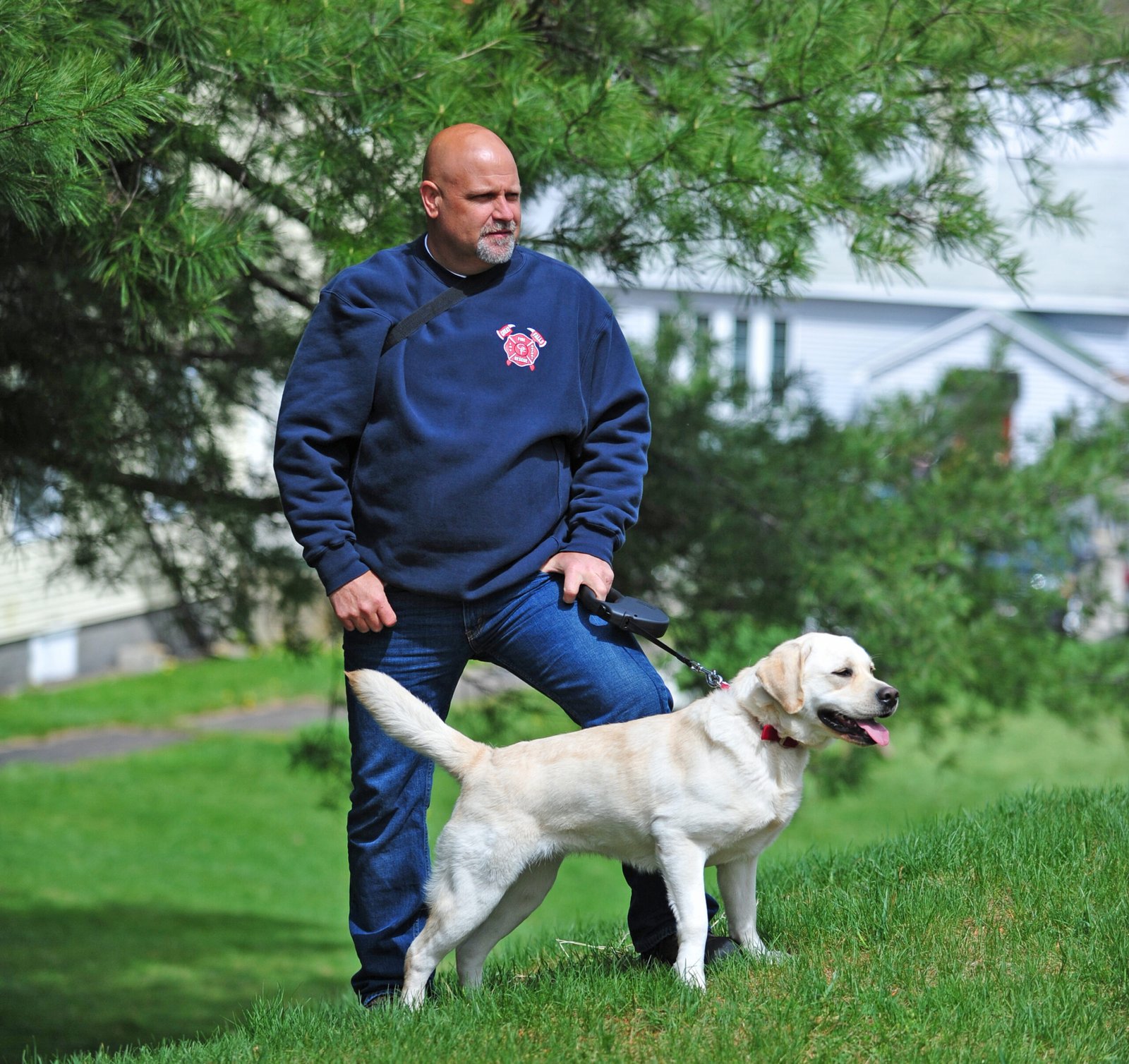
When your dog’s ears perk up at the sound of your voice, or they come running when you call, it’s a sign your bond is rock-solid. Dogs who are truly attached to their people tune in to their cues, tones, and even moods. If your dog responds instantly—whether it’s for dinner, a walk, or just to check in—you’ve built something special. This responsiveness is the result of hours spent together, sharing experiences and building trust.
Offering Their Belly for Rubs
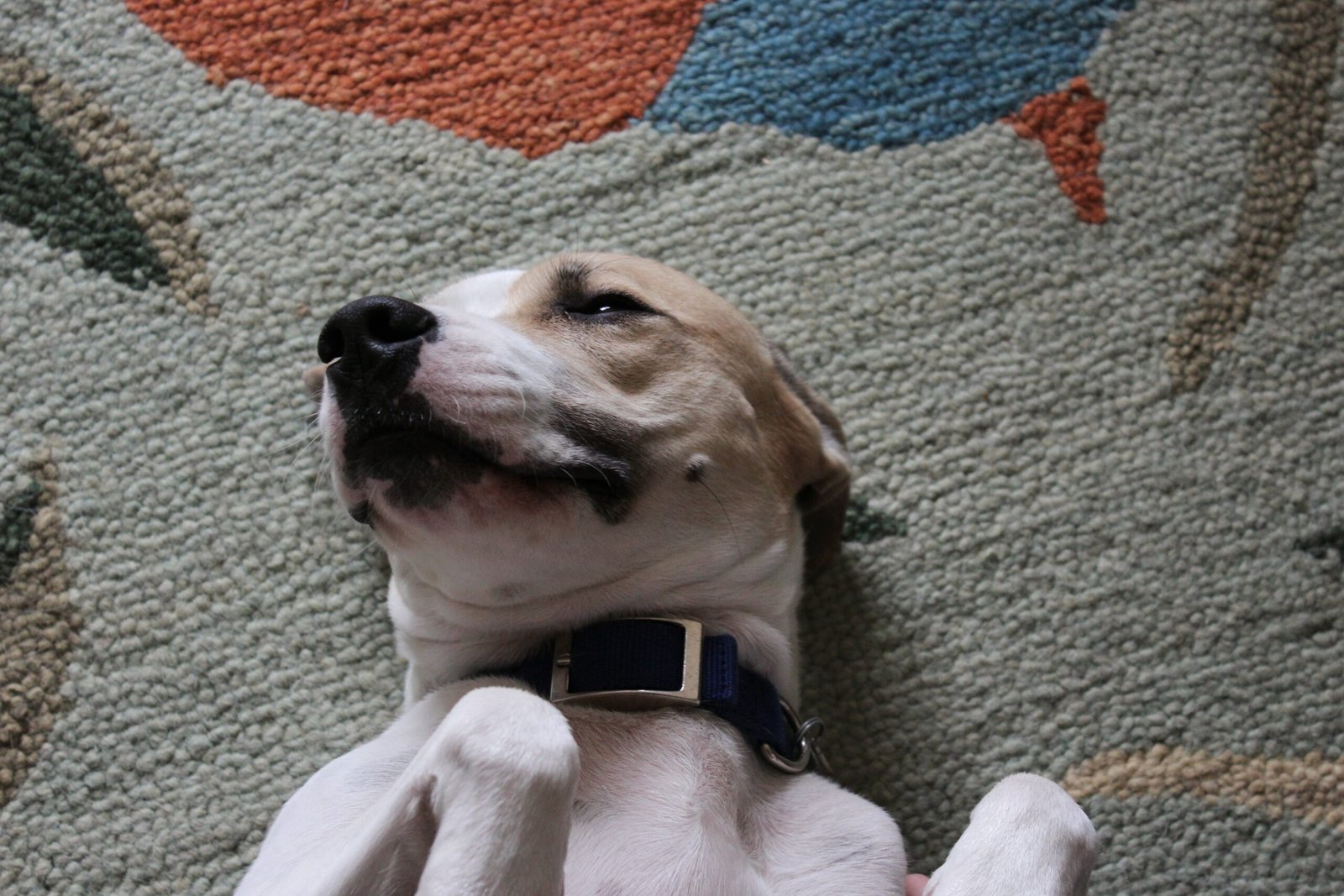
A dog exposing their belly is the ultimate show of vulnerability and trust. When your dog rolls over and invites you to rub their tummy, it means they feel completely safe with you. This isn’t just about wanting pets—it’s a sign of deep emotional connection. Not every dog does this, but if yours does, treasure it. You’ve earned their trust in a way that words can’t capture.
Bringing You Their Favorite Toys
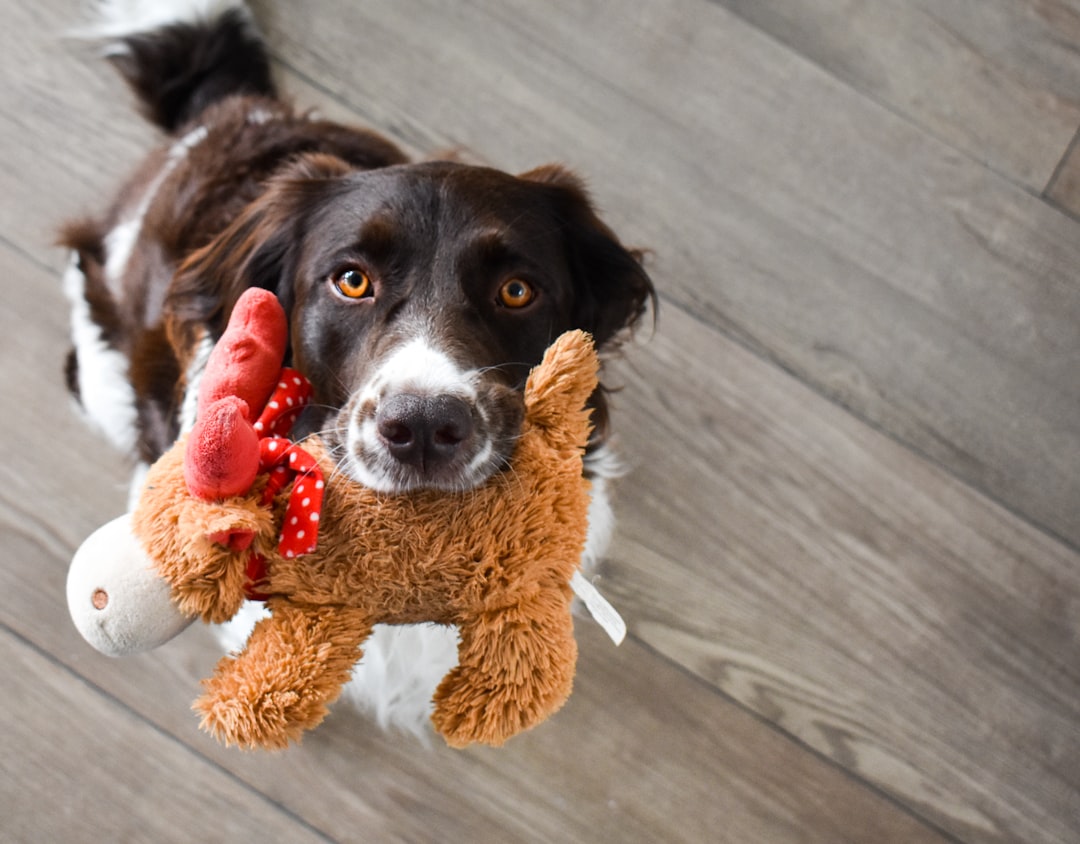
When your dog brings you their most cherished toy, it’s not just playtime—it’s a gift, a gesture of love and inclusion. Dogs who are deeply bonded want to share their happiness with you. Whether it’s a slimy tennis ball or a well-loved plush, this offering is a sign they see you as part of their pack. Play along, and you’ll strengthen your bond even further.
Snoozing Comfortably in Your Lap or by Your Side

Perhaps the sweetest sign of all is finding your dog peacefully napping on your lap or snuggled up next to you. Sleep is when dogs are most vulnerable, so choosing you as their resting spot means they trust you completely. This is the ultimate doggy declaration of love—no words needed, just the quiet warmth of shared companionship.


