
AI and Bioacoustics Give Scientists a New Way to Study Yellowstone’s Wolves
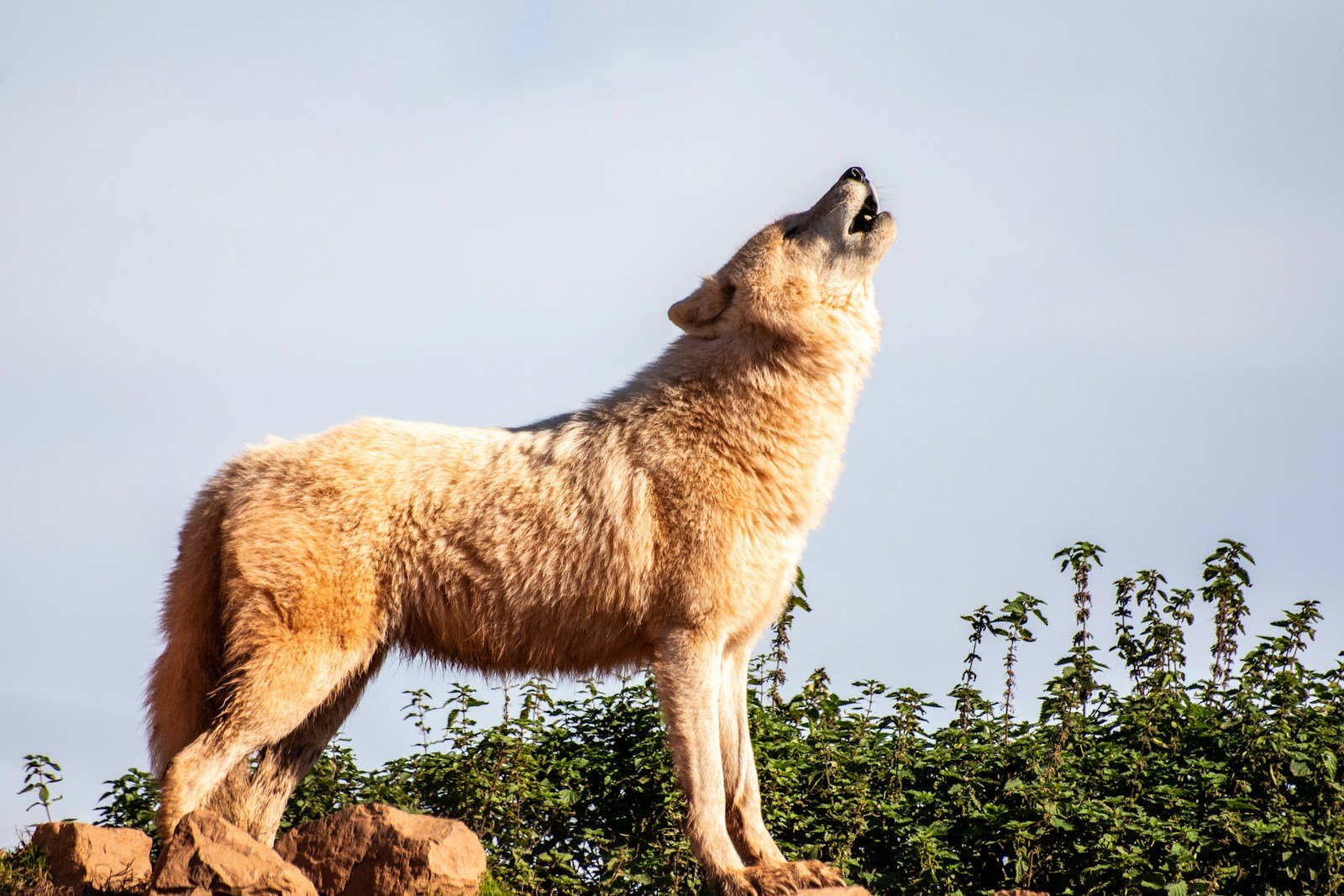
DD Animal News – Once hunted to the brink in Yellowstone National Park, gray wolves are now at the center of a cutting-edge conservation project that could redefine how we monitor and protect wild animals.
In a landmark collaboration, The Colossal Foundation has joined forces with Yellowstone Forever, the Yellowstone Wolf Project, and Grizzly Systems to launch an ambitious effort that uses bioacoustics and artificial intelligence (AI) to decode wolf communication. If successful, the project could help scientists monitor wolf populations, study their social behavior, and track their movements — all without the need for physical tags or invasive tools.
The Ecological Impact of Wolves in Yellowstone
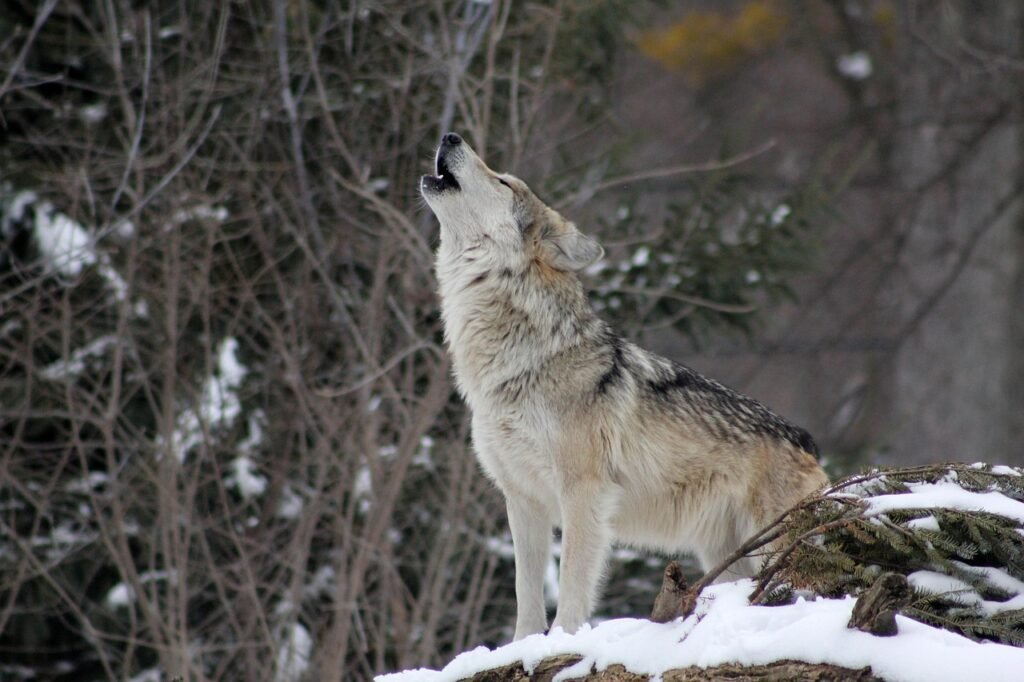
Wolves were eradicated from Yellowstone in the 1920s due to public fears and conflicts with livestock. But their absence had far-reaching ecological effects. Since their reintroduction in 1995, wolves have helped control elk populations, allowing overgrazed vegetation to recover and even altering river patterns by stabilizing banks with new growth of willow trees.
“The reintroduction of wolves to Yellowstone National Park in 1995 showed the significant impact that an apex predator has on its ecosystem,” said Matt James, Chief Animal Officer at Colossal. Their return helped restore balance to Yellowstone’s landscape.
How Technology is Changing Wildlife Monitoring
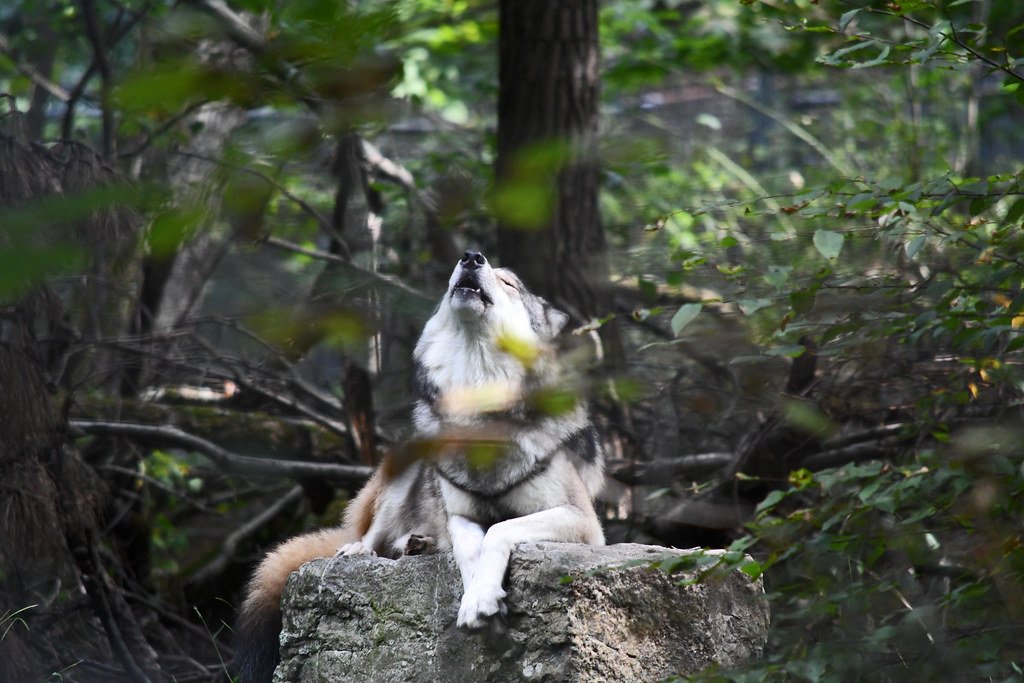
Traditional wolf monitoring relies on GPS collars and field observations. But the new approach could change that entirely. By using a network of acoustic sensors and AI algorithms, scientists are working to identify individual wolves or entire packs based on how they howl.
“By classifying howls, we are working towards the ability to identify individual packs, or even individual wolves, which would give us the ability to track wolves across space and time passively rather than using tracking collars, as we do today,” said James. “That becomes a powerful tool as it allows us to understand the movement and habitat usage of wolves in a more effective and cost-efficient manner while also gathering magnitudes more data than what we currently are able to collect.”
The project’s goal is to build a “social map” of Yellowstone’s wolf packs by decoding vocal patterns and matching them to behaviors. With enough data, researchers hope to associate certain howls with specific activities such as hunting, parenting, or conflict.
Building Empathy Through Data
But beyond the science, this project has a deeper mission: changing the way people view wolves.
“This becomes an extremely powerful conservation tool as we can begin to show that wolves are not mindless hunters but are emotionally complex, thoughtful, and even empathetic. Anthropomorphizing wolves in this manner can help remove the stigma that wolves have carried with humans for generations, which has led to their persecution,” James explained.
This work also has global implications. Similar techniques could eventually be applied to other keystone species — like elephants, whales, and big cats — allowing researchers to learn from and protect animals without invasive tools.
Looking Ahead
Matt James is no stranger to innovation in wildlife science. He was part of Colossal’s recent success in functional de-extinction, reviving ancient traits in the dire wolf genome and giving critically endangered red wolves a much-needed genetic boost.
As this new acoustic AI system develops, it promises a future where scientists can better understand the language of the wild — not by interfering, but by quietly listening.
For now, Yellowstone’s wolves continue to roam, their howls echoing across the valleys. Thanks to science, we may finally be able to understand what they’re saying.