
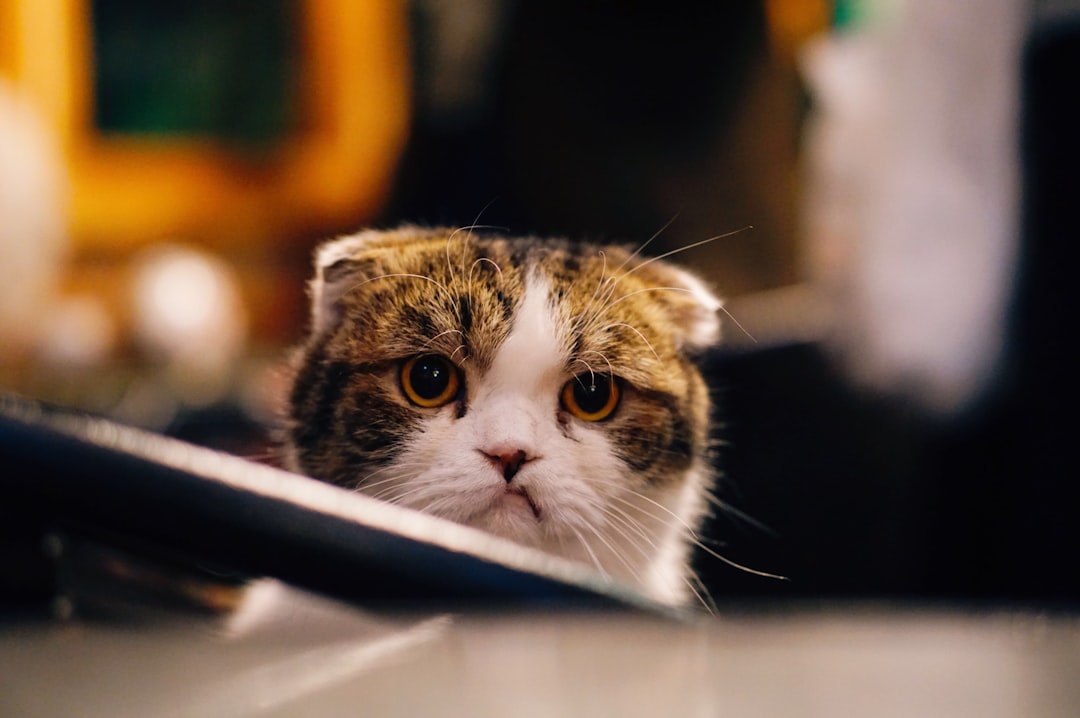
Have you ever walked into a room and found your usually cuddly cat glaring at you from under the bed, tail flicking in obvious annoyance? If so, you’re not alone. Cats may be known for their mysterious charm, but when they’re upset, the signs can sometimes be as subtle as a whisper or as dramatic as a Broadway performance. Understanding your cat’s emotional world is like unlocking a secret language—and it can make all the difference between a sulking kitty and a happy companion. Let’s dive into the world of feline feelings and discover how to spot an upset cat, plus what you can do to turn that frown upside down.
The Telltale Signs of a Sulking Cat
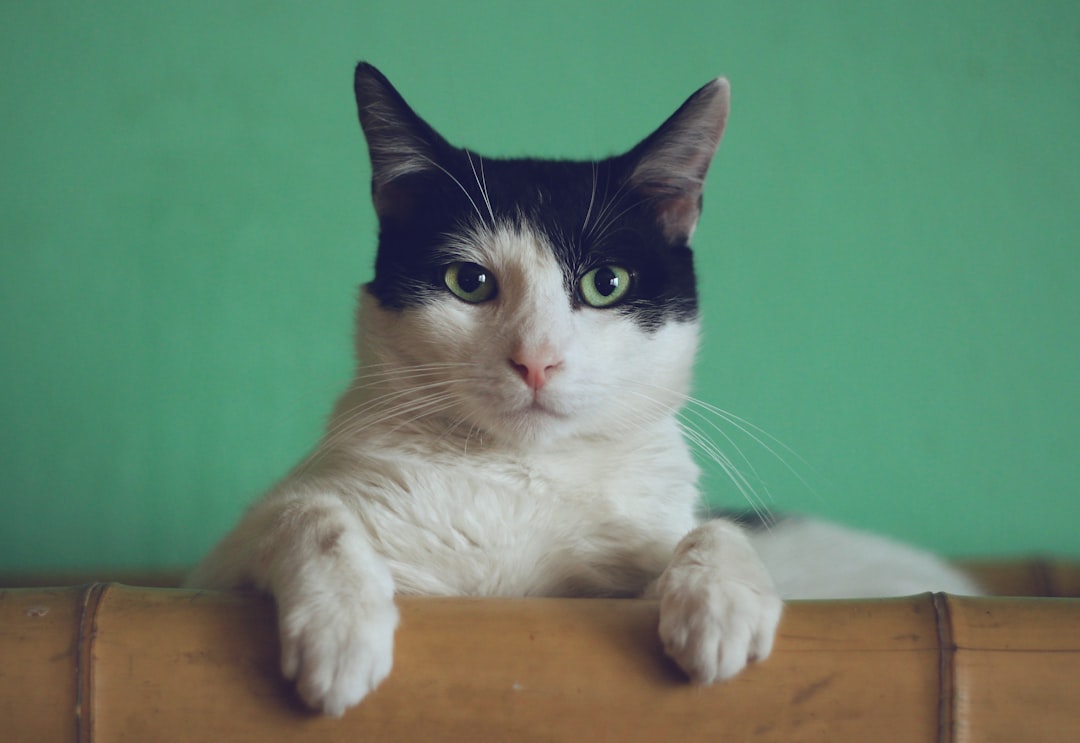
Cats aren’t always as stoic as they seem. When something’s bothering them, their behavior shifts in ways that are surprisingly easy to spot once you know what to look for. Maybe your usually social cat starts hiding, or that playful sparkle in their eye suddenly disappears. An upset kitty might avoid eye contact, slink away to a dark corner, or even refuse to accept treats they usually adore. You might hear more growling, see flattened ears, or notice their tail swishing like a metronome set to “angry.” These signals are your cat’s way of saying, “Something’s not right!” Paying attention to these changes is the first step in helping your feline friend feel better.
Body Language: What Your Cat’s Posture Reveals
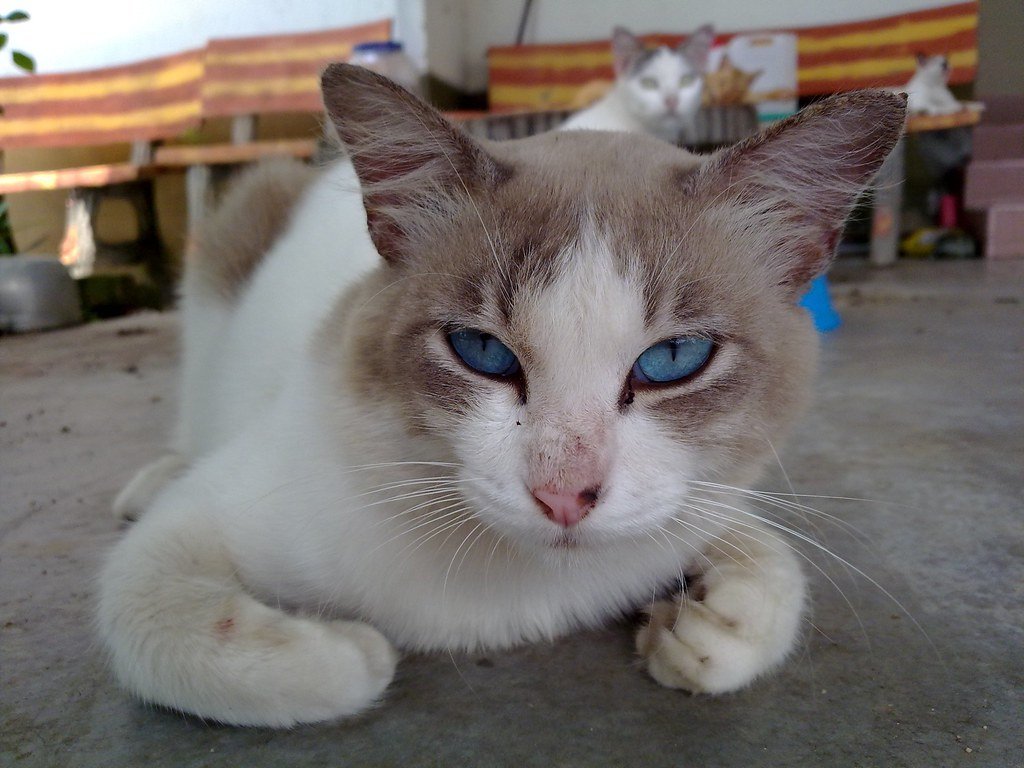
A cat’s body language can be as expressive as a Shakespearean actor’s. When a cat is sulking or upset, their body posture changes dramatically. You might see them crouching low with their body pressed close to the ground, ears flattened sideways, or tail wrapped tightly around their body. Sometimes, they puff up their fur and arch their back, making themselves look bigger to ward off whatever’s bothering them. Even subtle things, like a quick flick of the tail or dilated pupils, can signal distress. It’s like reading an emotional map—each gesture tells a story if you know how to interpret it.
Vocal Clues: When Meows Mean More
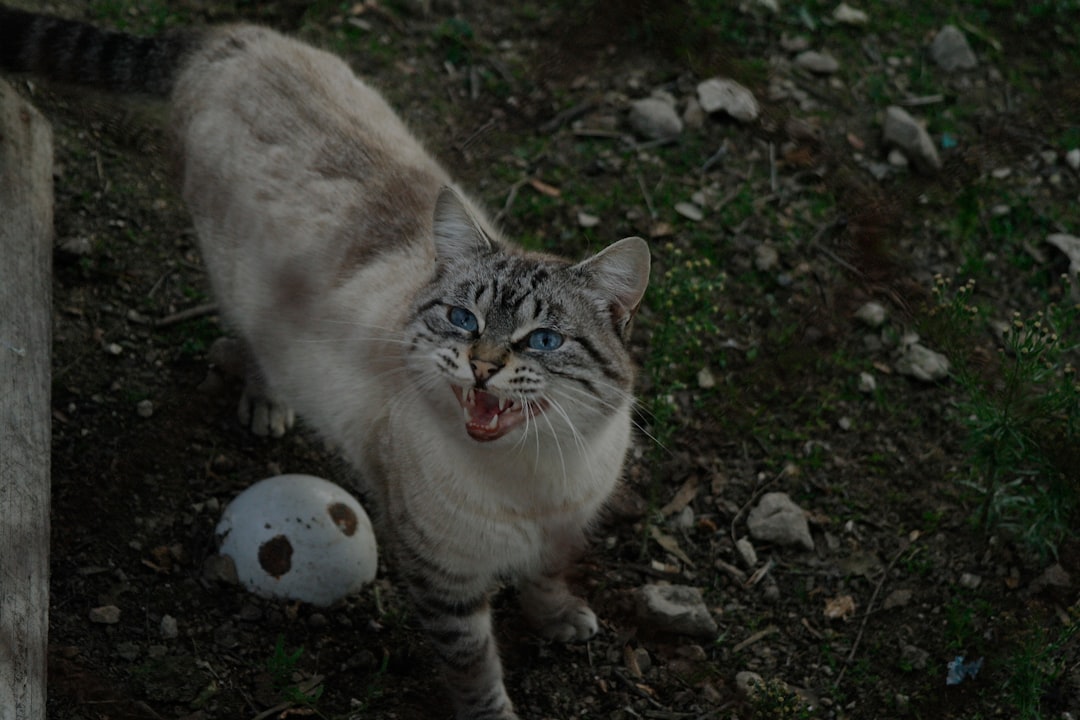
Not all cats are chatterboxes, but when they are upset, their vocalizations can become more frequent or intense. Some cats will yowl, hiss, or growl when they’re feeling grumpy, while others might become strangely silent. Listen to the tone and pitch of their meows—anxious, drawn-out cries can mean they’re feeling stressed or lonely. A sudden burst of loud, demanding meows might be your cat’s way of voicing frustration. Think of it as your cat’s personal radio station—when the programming changes, it’s time to tune in and figure out what’s wrong.
Changes in Eating and Drinking Habits
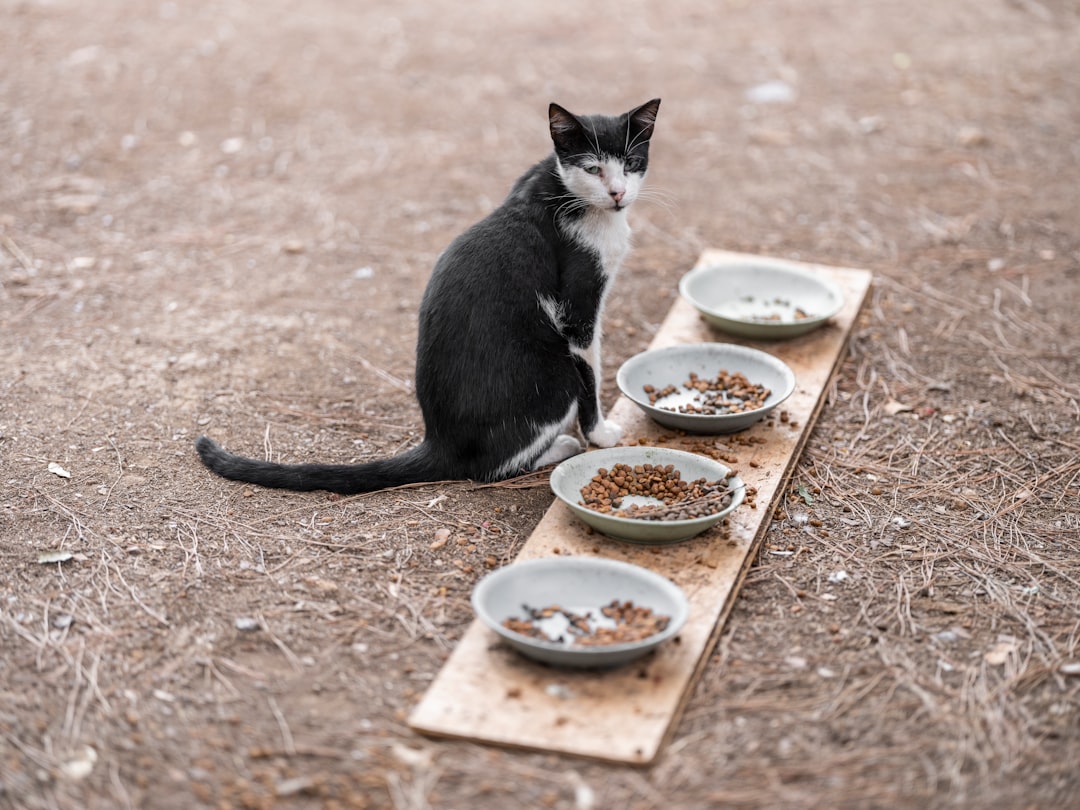
A sulking cat often changes its eating and drinking patterns. Some cats refuse their favorite food, while others might overeat in a bid to self-soothe. You might also notice your cat drinking less water or suddenly making a mess around their food bowl. Any abrupt change in appetite can signal emotional distress or even a health issue. It’s a bit like when we humans reach for comfort food or lose our appetites when we’re upset. Watching your cat’s bowl can give you big clues about how they’re feeling.
Litter Box Woes: What Accidents Really Mean
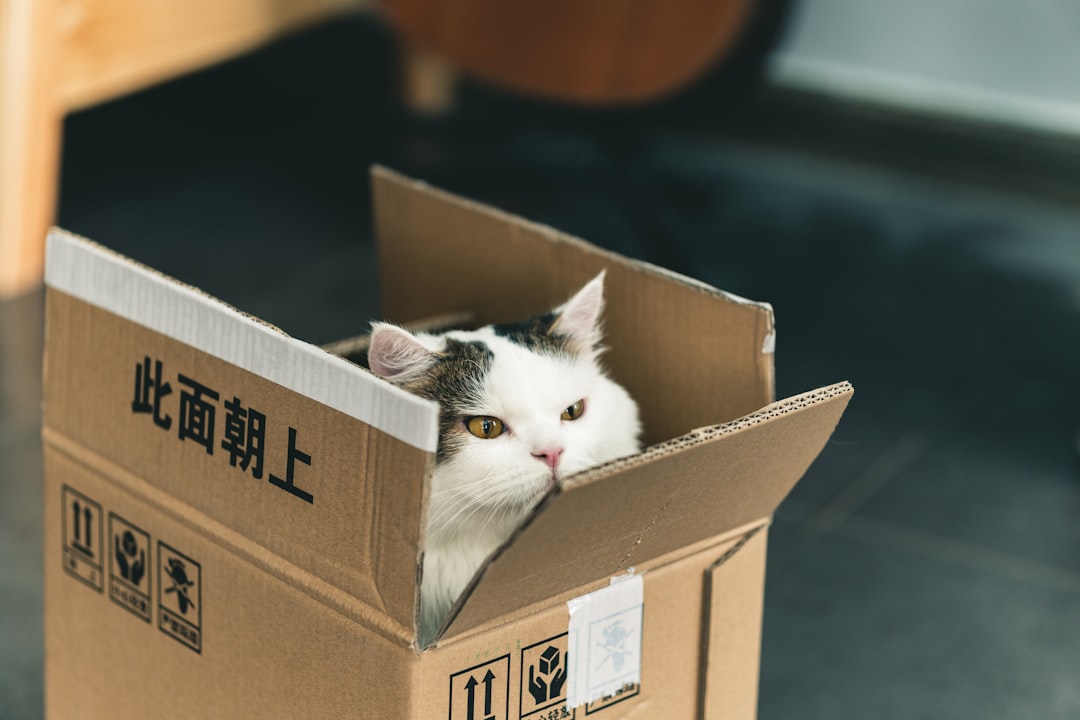
Few things stress out cat owners more than finding a “surprise” outside the litter box. But before you get frustrated, remember: accidents can be a major red flag that your cat is upset. Stress, anxiety, or even a change in the household can prompt your kitty to avoid their usual spot. Sometimes it’s as simple as the litter being a different brand, but often it’s their way of saying, “I’m not happy.” If your cat suddenly starts missing the mark, it’s time to play detective and figure out what’s shaking up their world.
Hiding and Avoidance: When Your Cat Disappears
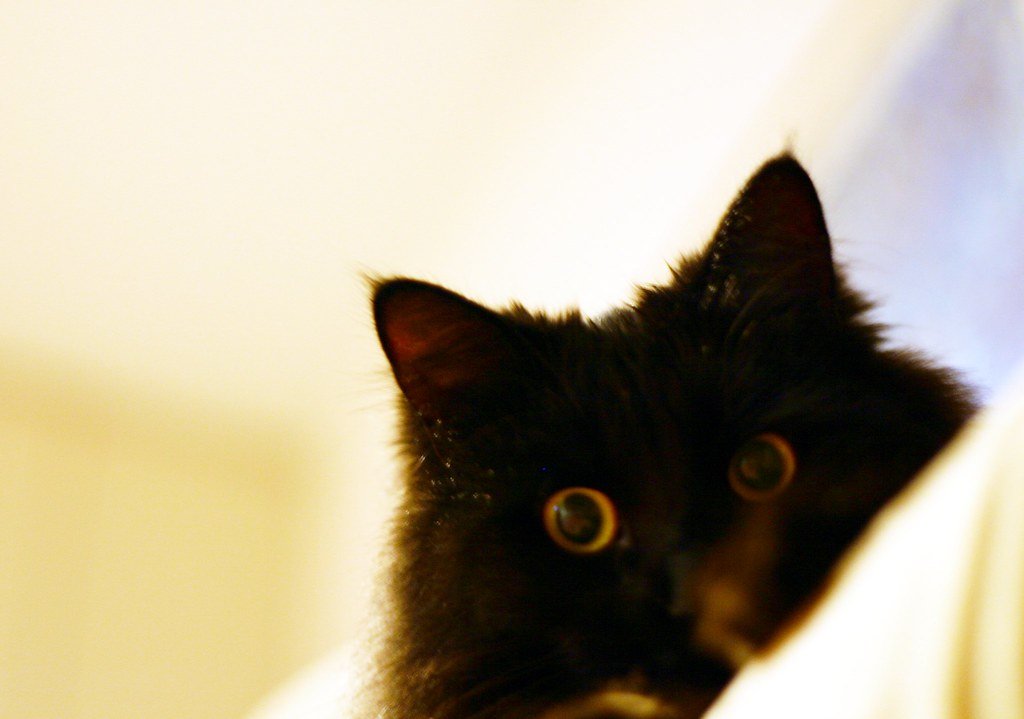
If your cat is nowhere to be found, chances are they’re feeling overwhelmed. Upset cats often seek out quiet, hidden spaces—under the bed, behind the couch, or even in a closet. It’s their way of coping with stress or fear, just like people who need a moment alone after a tough day. Don’t take it personally if your cat is hiding; they’re just trying to find a safe spot while they process their emotions. Respecting their need for space can help them come out on their own terms when they’re ready.
Aggressive Outbursts: Swats, Bites, and Hisses
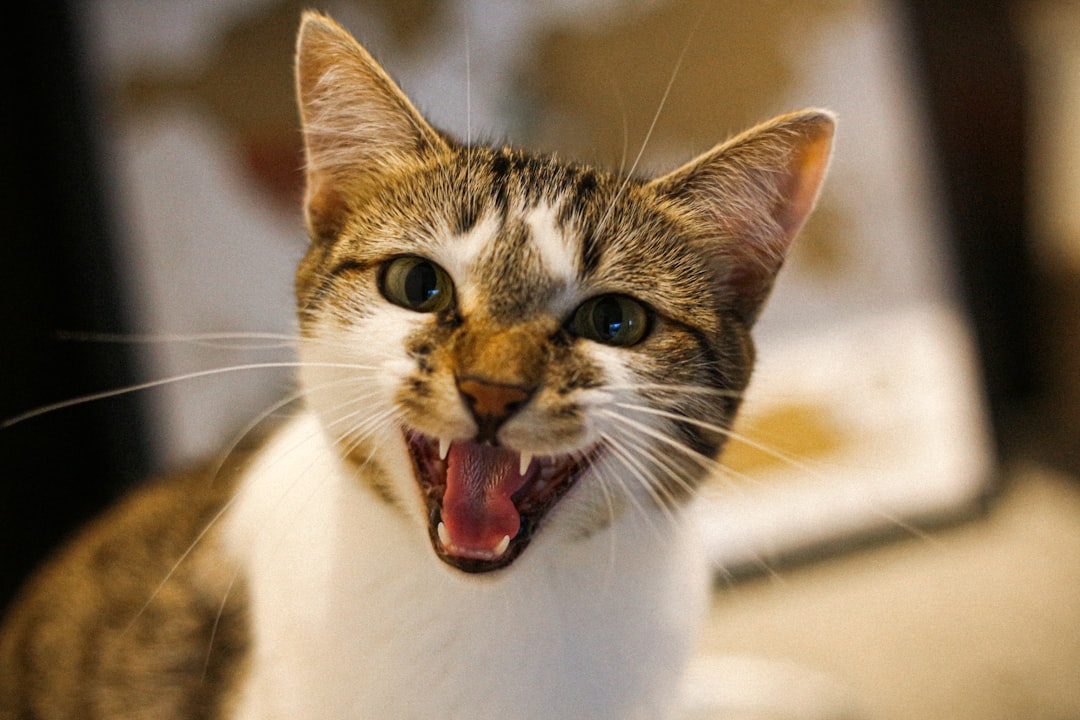
Even the sweetest cats can lash out when they’re upset. Sudden aggression—like swatting, biting, or hissing—can be a clear sign of distress. Maybe your cat is feeling threatened, overstimulated, or simply wants to be left alone. Aggression can also be a reaction to pain or illness, so never ignore these outbursts. Think of it as your cat waving a big red flag that says, “Back off!” Instead of scolding, give them space and try to figure out what’s triggering their behavior.
Withdrawal from Play and Affection
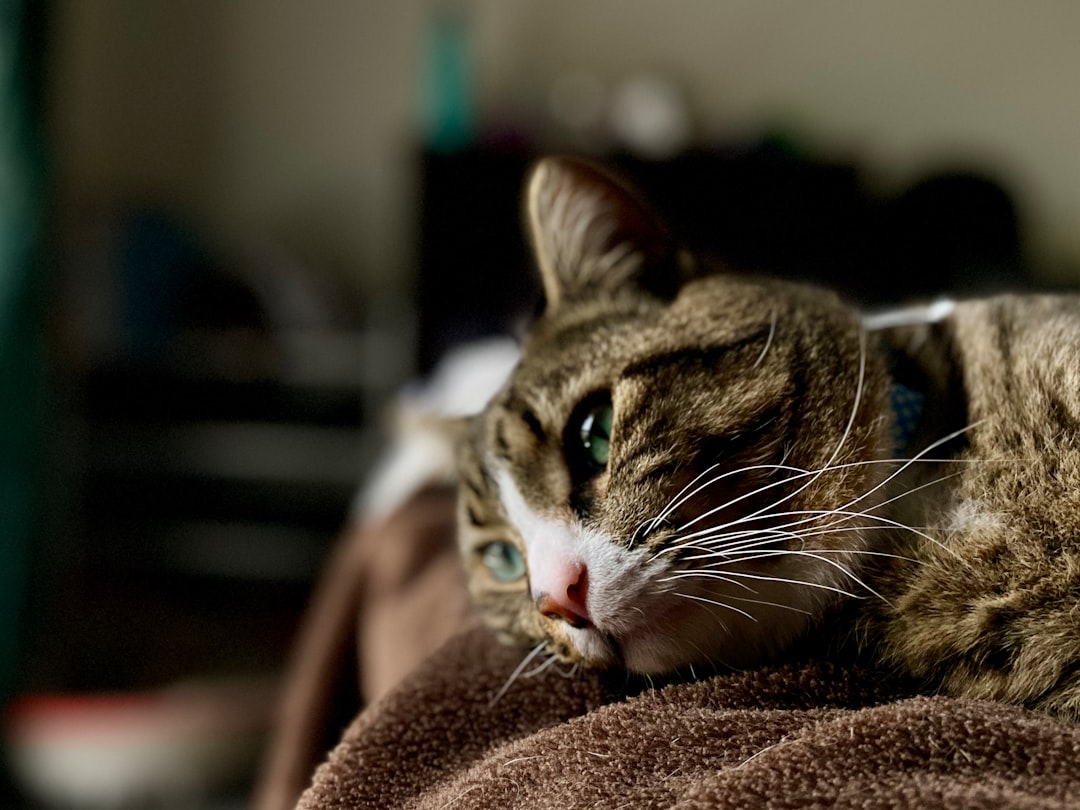
If your usually playful cat suddenly loses interest in toys or cuddles, something’s up. Cats are creatures of habit, and a drop in their usual activity or affection can signal emotional trouble. They might ignore their favorite feather wand or walk away when you reach out for a snuggle. This withdrawal is their way of saying, “I need a break.” It’s important to let them have their space, but also keep an eye out for other changes that might point to a deeper issue.
Common Causes of Feline Sulking
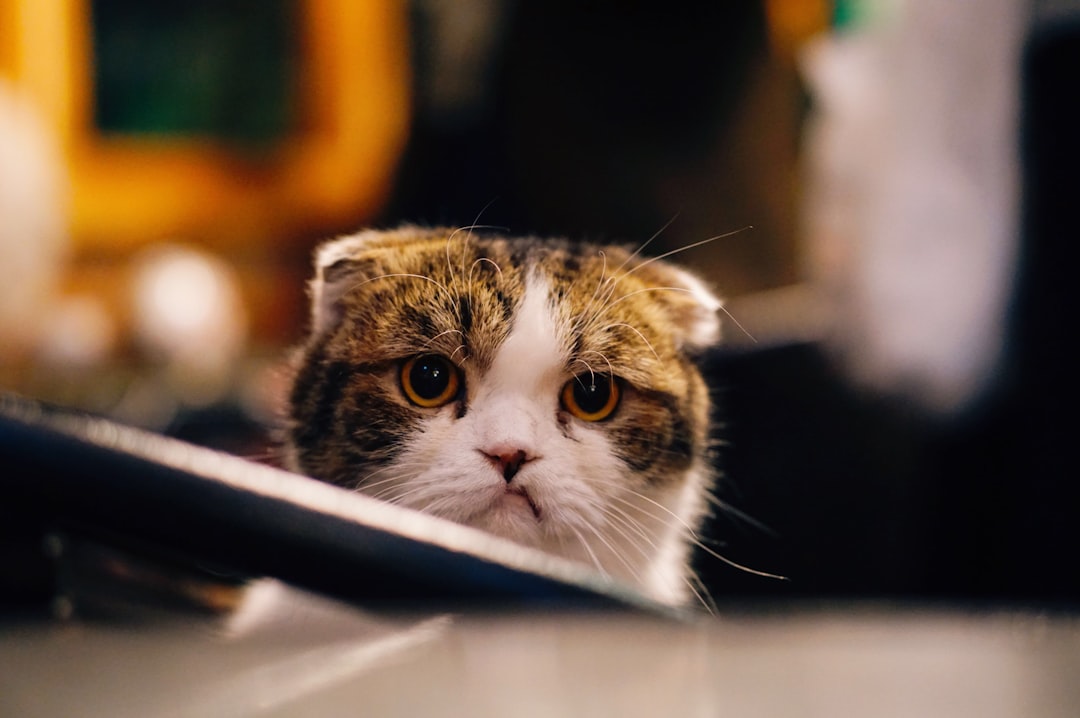
So, what gets under a cat’s fur and makes them sulk in the first place? Changes in the home—like a new pet, a recent move, or even rearranged furniture—can unsettle your feline friend. Illness, pain, or even boredom can also play a role. Cats are sensitive souls, and they pick up on stress from their humans, too. Small things, like a missed meal or loud noises, can set off a sulking spell. Understanding what might be causing your cat’s moodiness is key to helping them bounce back.
How to Comfort and Cheer Up an Upset Cat
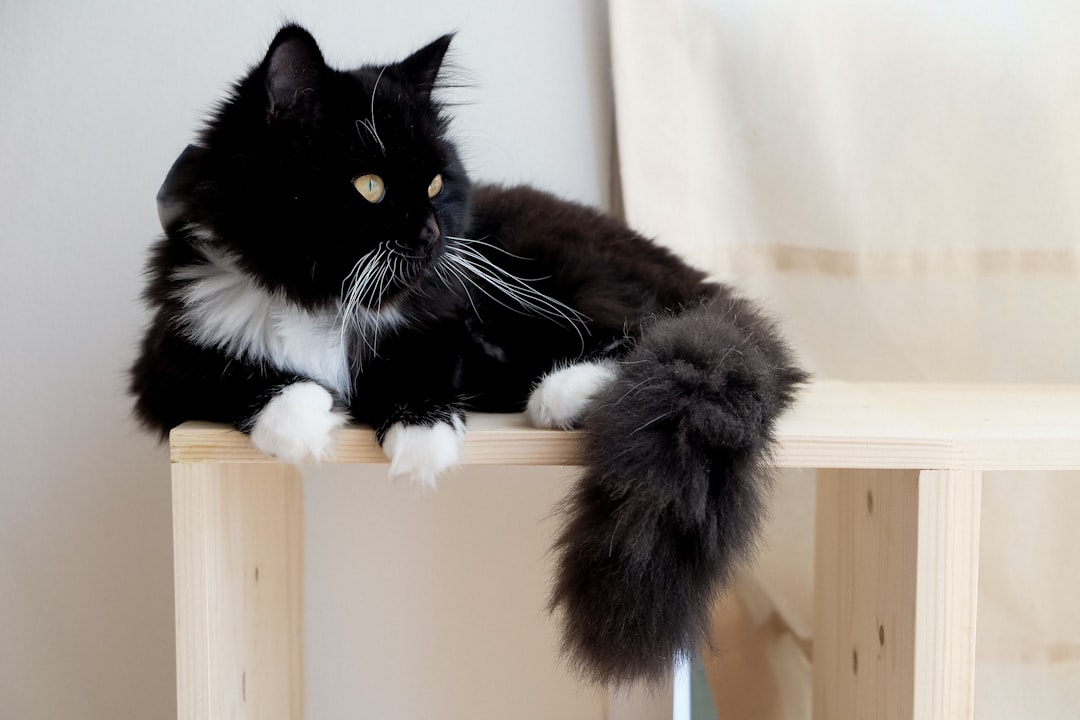
Helping a sulking kitty find their happy place again takes patience and empathy. Start by giving them space to decompress—don’t force cuddles or playtime if they’re not in the mood. Soft words, gentle petting, or even just sitting quietly nearby can show you care without overwhelming them. Make sure their environment feels safe and familiar, with cozy hiding spots and favorite toys within reach. Sometimes, a treat or special snack can help break the ice. If your cat’s mood doesn’t improve after a few days, or if you notice other worrisome symptoms, a trip to the vet is always a good idea.
When to Seek Professional Help
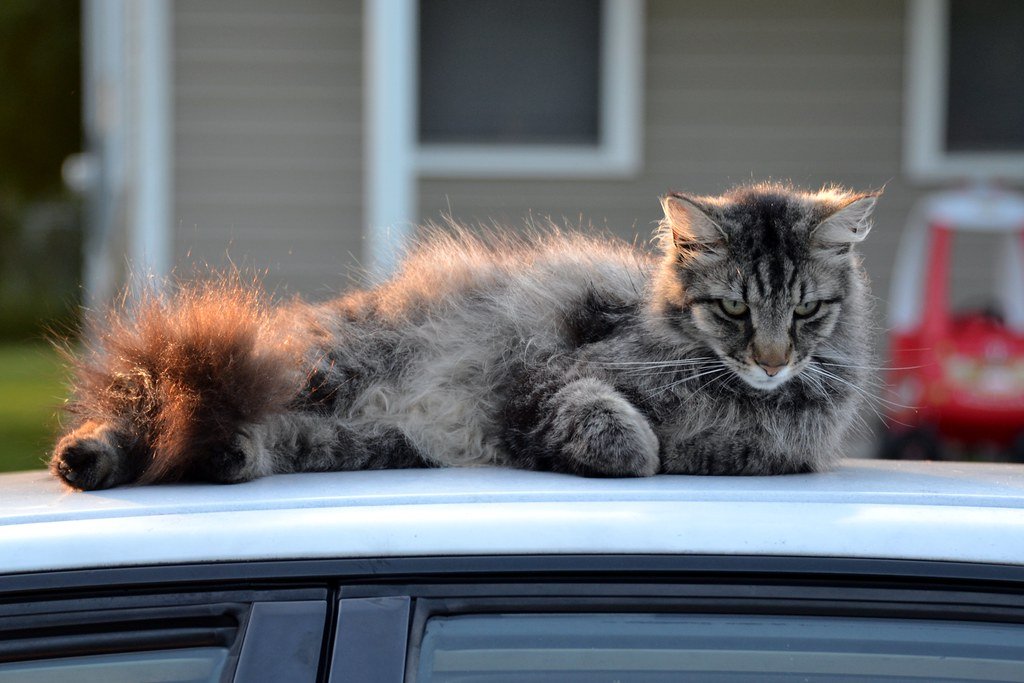
Most cats bounce back from a bad mood with a little time and TLC, but sometimes their sulking points to something more serious. If your cat’s behavior changes dramatically, if they stop eating or drinking, or if aggression becomes the norm, it’s time to get expert help. Veterinarians can rule out medical issues, while cat behaviorists can offer tips for restoring harmony at home. Trust your instincts—if something feels off, don’t wait to reach out for support. Your cat depends on you to advocate for their well-being.


