
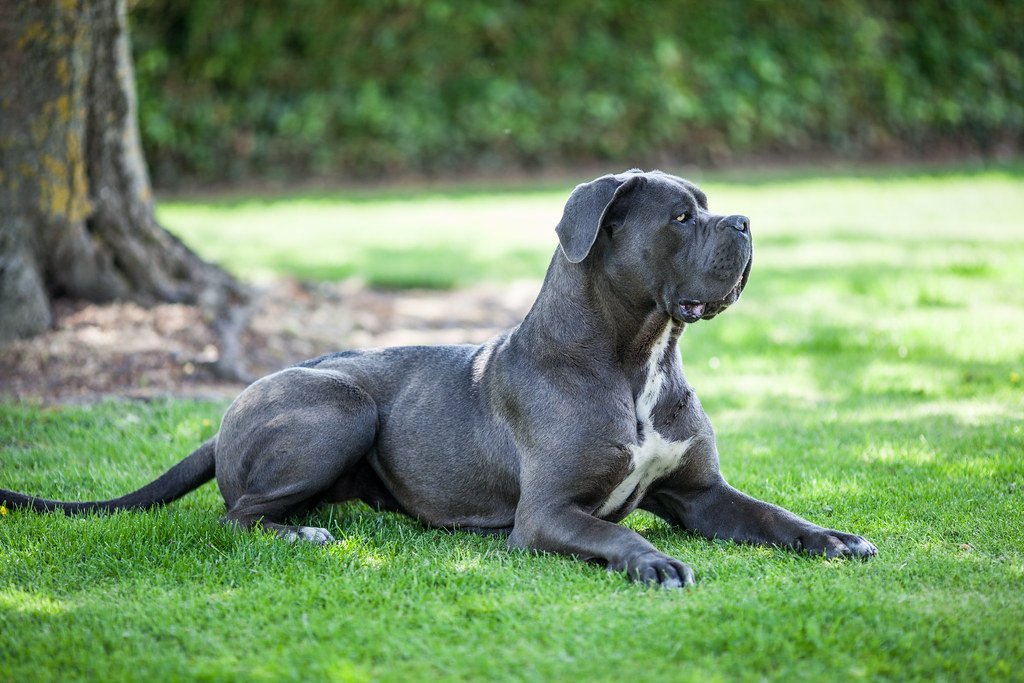
Some dog breeds come with a reputation for being tough or even dangerous—but that hasn’t stopped people from loving them fiercely. From the powerful Cane Corso to the fearless Rottweiler, these breeds are often chosen for their loyalty, strength, and protective instincts. While they can be intense, with the right training, environment, and care, they’re just as capable of being gentle companions. It’s not just about the breed—it’s about responsible ownership. Many of these so-called “deadly” dogs thrive in family settings when treated with love and respect. They’re proof that even the most intimidating pups can have the biggest hearts.
Pit Bull Terrier
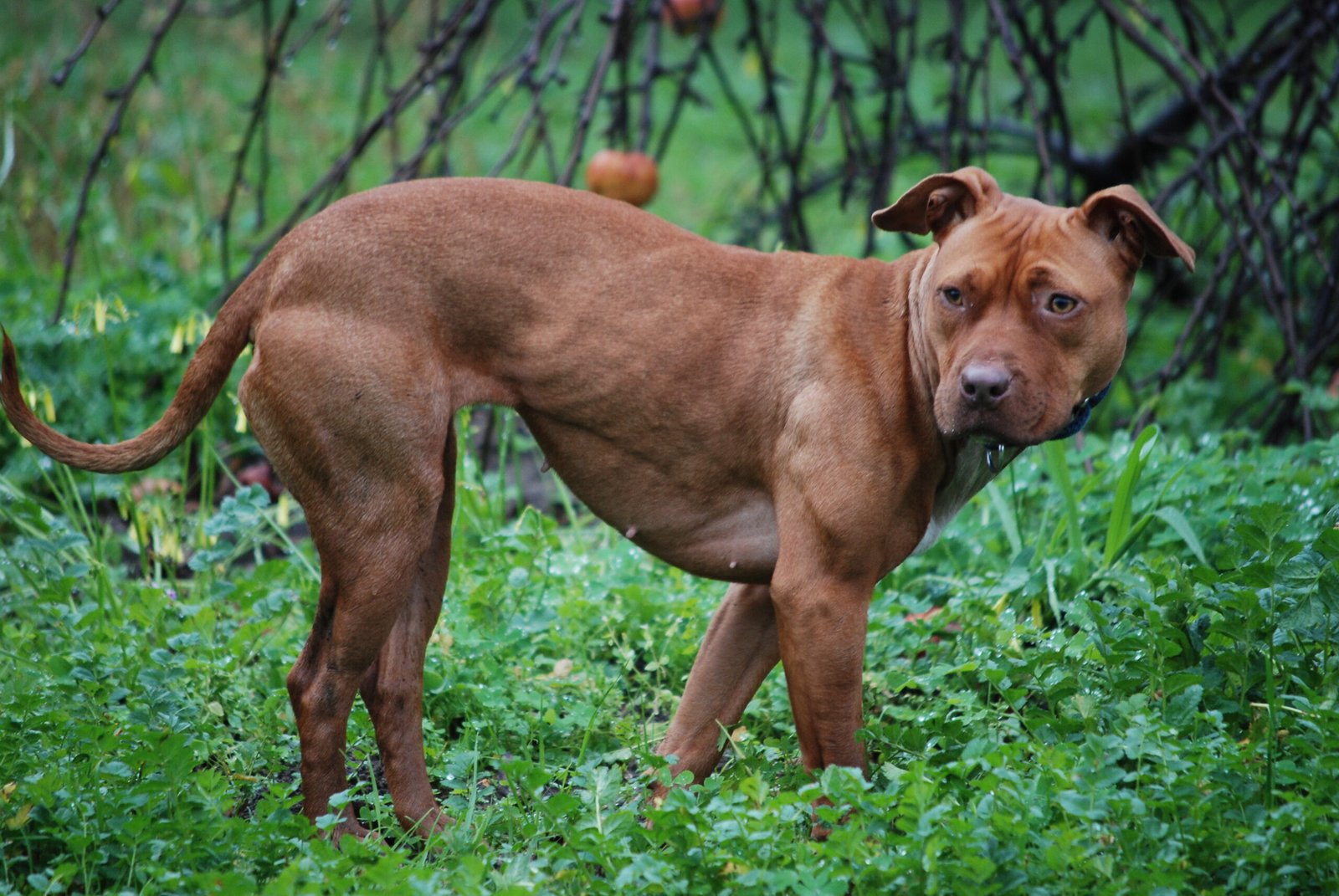
Pit Bulls have long been at the center of controversy, often making headlines for aggressive incidents. Their muscular build, powerful jaws, and tenacity make them formidable animals—capable of inflicting serious harm in the rare cases when they do attack. Yet, despite their reputation, Pit Bulls remain one of the most popular choices for families, especially in the United States. Many owners swear by their affectionate nature, describing them as “nanny dogs” who are gentle with children. However, experts warn that their strength and determination mean they require firm training and socialization from an experienced handler. When neglected or abused, Pit Bulls can become unpredictable, which is why responsible ownership is key. It’s both the breed’s loyalty and its explosive potential that keep people captivated.
Surprisingly, Pit Bulls are often misunderstood. With proper training, exercise, and affection, they can be some of the most loving and devoted pets. Owners often compare them to oversized lap dogs—eager to snuggle and endlessly loyal. Still, the statistics don’t lie: they are responsible for a significant number of serious dog bite incidents each year. This duality—the risk and the reward—explains the breed’s enduring appeal, even in the face of public fear.
Rottweiler
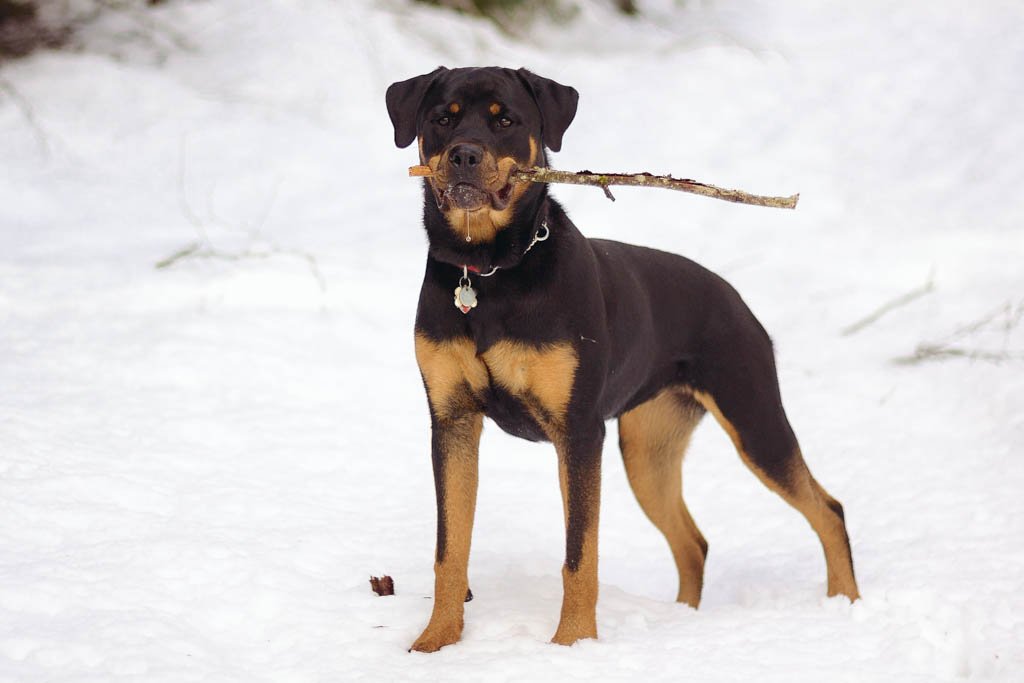
The sight of a Rottweiler is enough to make most people pause. With their massive build, broad heads, and intense stare, Rottweilers command respect. Historically bred for herding and protecting livestock, these dogs are naturally protective and territorial. When properly trained, they are known for their deep loyalty and willingness to protect their families at all costs. However, this same protective instinct can turn deadly if the dog feels threatened or senses danger.
Rottweilers are highly intelligent and thrive when given a job to do. Many owners say their Rottweilers are sweet, playful, and even goofy at home. But problems arise when their strength and courage aren’t matched by proper socialization and boundaries. A bored or untrained Rottweiler can be a ticking time bomb. Despite the risks, people are drawn to their unwavering devotion and imposing presence—qualities that make them excellent guard dogs but also keep them on the list of deadliest breeds.
German Shepherd
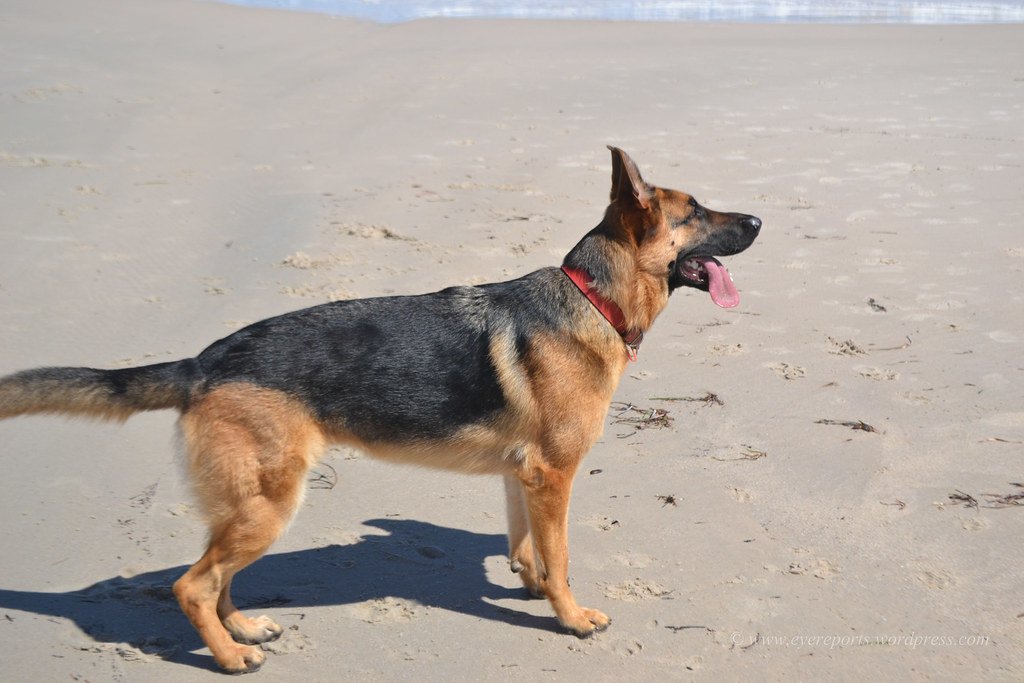
German Shepherds are the superheroes of the dog world—loyal, smart, and brave. They’re the go-to breed for police, military, and search-and-rescue units around the globe. Their intelligence means they pick up commands quickly, but it also means they can become bored and restless if not challenged. Without enough stimulation, a German Shepherd’s energy can spiral into destructive or aggressive behavior.
Despite these challenges, German Shepherds are one of the most popular breeds for families. People love their regal appearance, strong work ethic, and protective instincts. Still, their power and intensity mean they’re not for everyone. Novice owners sometimes underestimate the level of training and socialization these dogs require, leading to unfortunate incidents. Yet, for those who invest the time and energy, the rewards are immense—these dogs bond deeply with their people and will go to great lengths to keep them safe.
American Bulldog
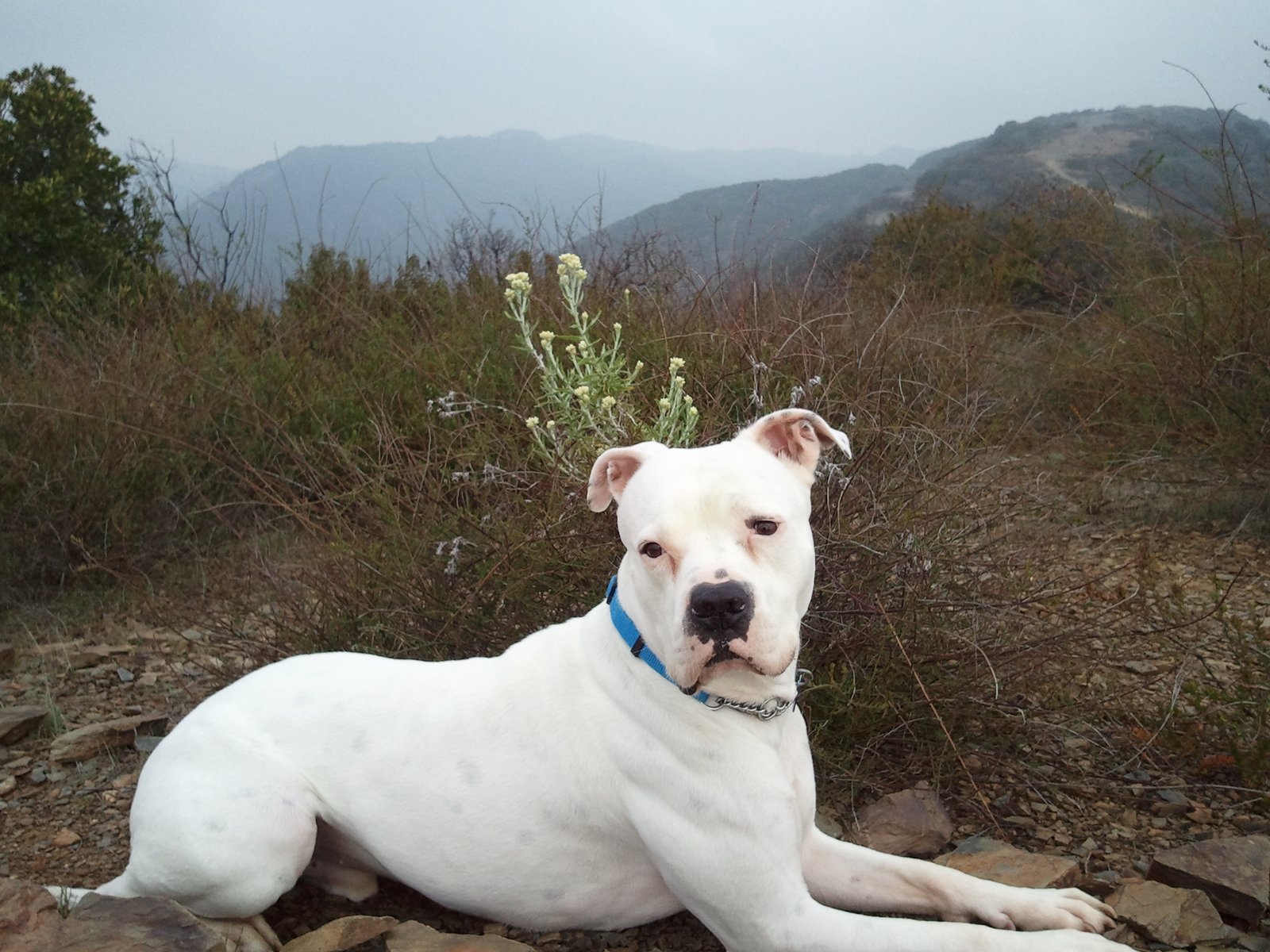
Stocky, strong, and brimming with confidence, the American Bulldog is a breed built for action. With roots tracing back to working farms, they’re natural athletes, excelling at tasks that take both muscle and brainpower. Their protective streak is legendary, making them loyal companions but also quick to defend their territory.
Owners often praise their American Bulldogs for being affectionate and goofy around loved ones. However, this breed’s strength and determination can make them a handful. Poor training or lack of boundaries often leads to behavioral problems. Some American Bulldogs have been involved in severe attack incidents, a fact that hasn’t diminished their popularity. For many, the appeal lies in their fearless nature and the sense of security they provide—a double-edged sword that demands respect and responsibility.
Doberman Pinscher
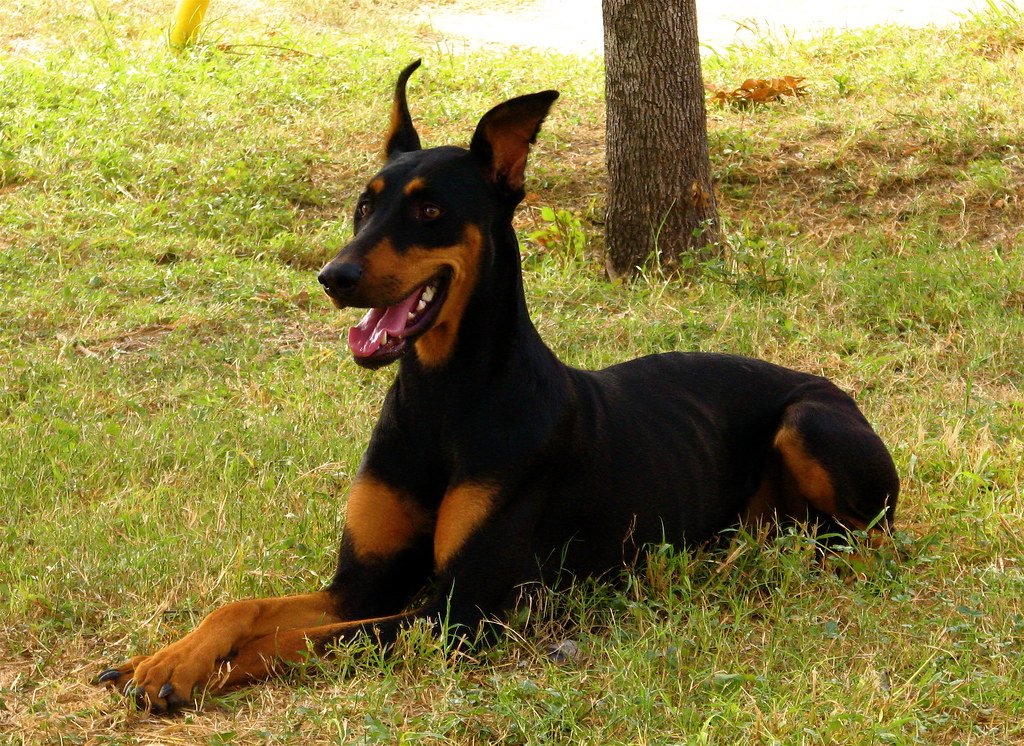
Sleek, muscular, and alert, Doberman Pinschers look like they’re ready to spring into action at a moment’s notice. Originally bred as guard dogs, Dobermans are fiercely loyal and highly intelligent. Their alertness and instincts to protect make them excellent security dogs, but these same qualities can turn dangerous if not properly managed.
Dobermans are deeply bonded with their families and can be surprisingly affectionate. Many owners describe them as “velcro dogs” because they love to be close to their humans. Yet, Dobermans require consistent training and early socialization to channel their energy and protectiveness in positive ways. When neglected or mistreated, Dobermans can become defensive and unpredictable. Still, their loyalty and striking appearance keep them high on the list of preferred breeds, even with the risks involved.
Alaskan Malamute
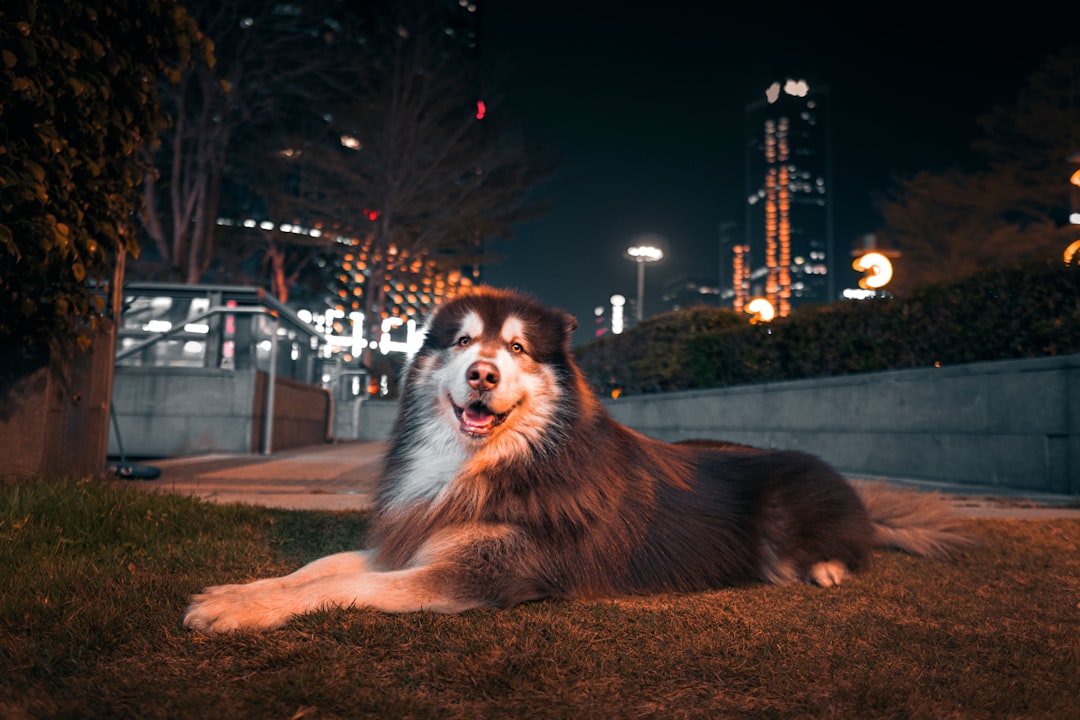
The Alaskan Malamute’s wolf-like looks and boundless energy make it a favorite for adventurous dog lovers. Bred to pull heavy sleds across frozen landscapes, Malamutes are incredibly strong and independent. They have a high prey drive, which can make them tricky to handle around smaller animals or unfamiliar people.
Despite their independent streak, Malamutes are known to form deep bonds with their families. They can be playful, gentle giants—but only when properly trained and exercised. Without an outlet for their energy, they may become destructive or even aggressive. Owners often fall for their wild beauty and stamina, but underestimate the challenges of keeping a Malamute happy and under control. Their sheer size and strength mean that when things go wrong, the consequences can be severe.
Wolfdog (Wolf Hybrid)
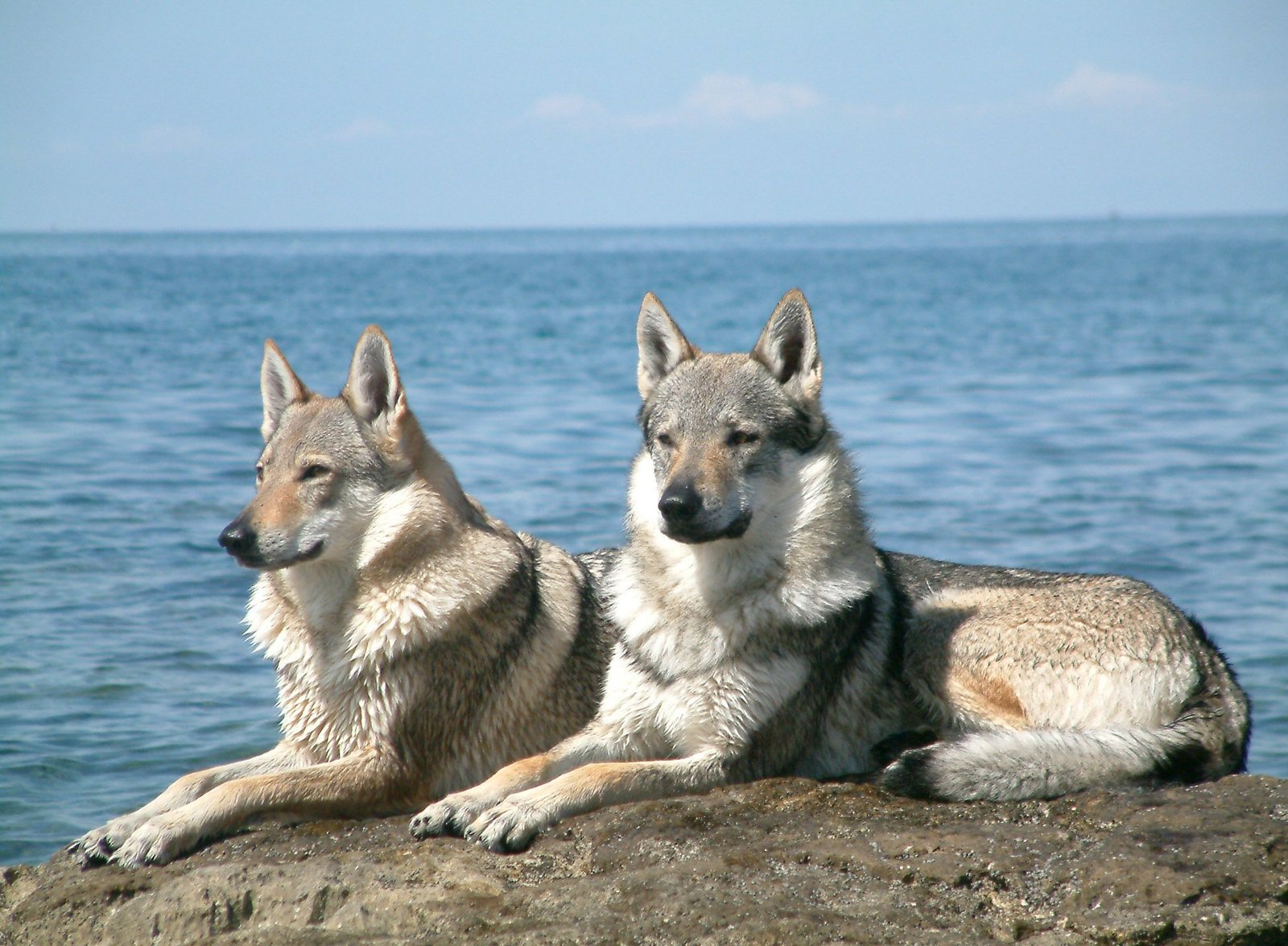
Owning a Wolfdog is like having one foot in the wild. These hybrids, part wolf and part domestic dog, are as unpredictable as they are captivating. People are drawn to their exotic looks and the idea of owning a piece of the wild, but this comes with big risks. Wolfdogs are notorious for being difficult to train, with instincts and behaviors that can be at odds with domestic living.
Many Wolfdogs form loyal bonds with their owners, but their unpredictable nature makes them a challenge for even experienced handlers. They can be skittish, territorial, and aggressive—especially if they feel cornered or threatened. The risk of serious injury is higher with Wolfdogs than with most other breeds, yet their mystique keeps them in demand. For some, taming the wild is an irresistible challenge, but it’s not a decision to take lightly.
Cane Corso
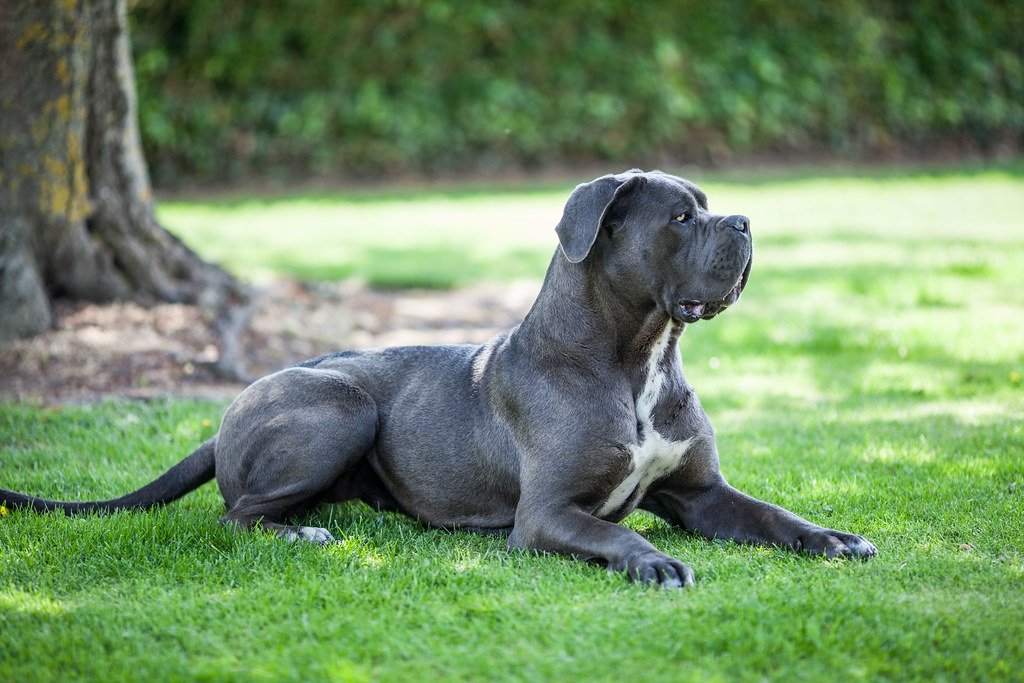
With a name that means “guardian dog” in Italian, the Cane Corso was bred to protect and hunt. Their powerful, athletic build and intense gaze make them both impressive and intimidating. Cane Corsos are fiercely loyal and protective, traits that make them wonderful companions when properly socialized. However, their size and strength demand respect—an untrained Cane Corso can be a serious danger.
Cane Corsos form strong attachments to their families and need a confident, experienced owner to guide them. Many people are drawn to their noble appearance and devotion, but underestimate how much work it takes to keep them happy and balanced. When neglected, Cane Corsos can become territorial and reactive, leading to tragic outcomes. Despite the risks, their presence and personality continue to attract dedicated fans.
Siberian Husky
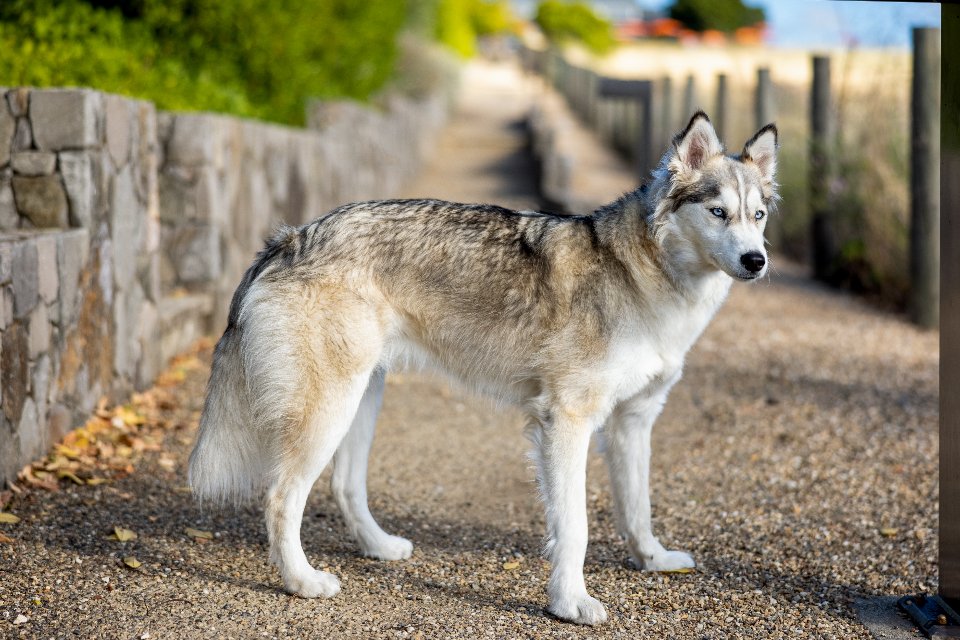
At first glance, Siberian Huskies seem too beautiful to be dangerous. Their striking blue eyes and fluffy coats make them look like living stuffed animals. But beneath that pretty exterior lies a dog bred for stamina, strength, and survival in harsh conditions. Huskies are notorious escape artists and can become destructive or aggressive if bored or under-exercised.
Owners fall in love with their playful, mischievous personalities, but Huskies can be a handful. Their high energy and independence can lead to trouble, especially in homes that aren’t prepared for their unique needs. While they’re not the first breed most people think of as “deadly,” Huskies have been involved in biting incidents—often due to a lack of proper training or understanding by their owners. Their wild spirit is part of their charm, but it’s also what puts them on this list.
Conclusion
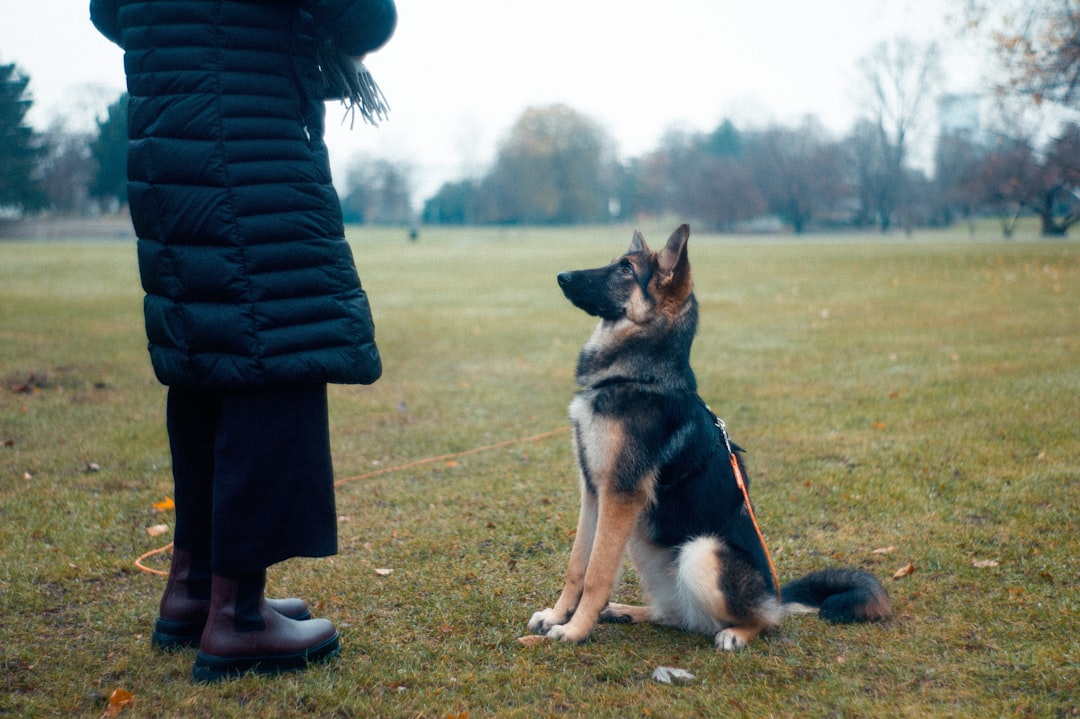
Each of these nine breeds carries a reputation for being deadly, yet they remain favorites among dog lovers worldwide. The appeal lies in their loyalty, intelligence, and sheer presence, but owning these breeds comes with real responsibility. Proper training, socialization, and leadership are essential to ensure that these powerful dogs become loving companions rather than potential dangers. Owning one of these breeds isn’t just about having a pet—it’s about making a lifelong commitment to guidance and care.


