
Why Your Dog Waits By The Door (Even When You’re Not Coming Back Soon)
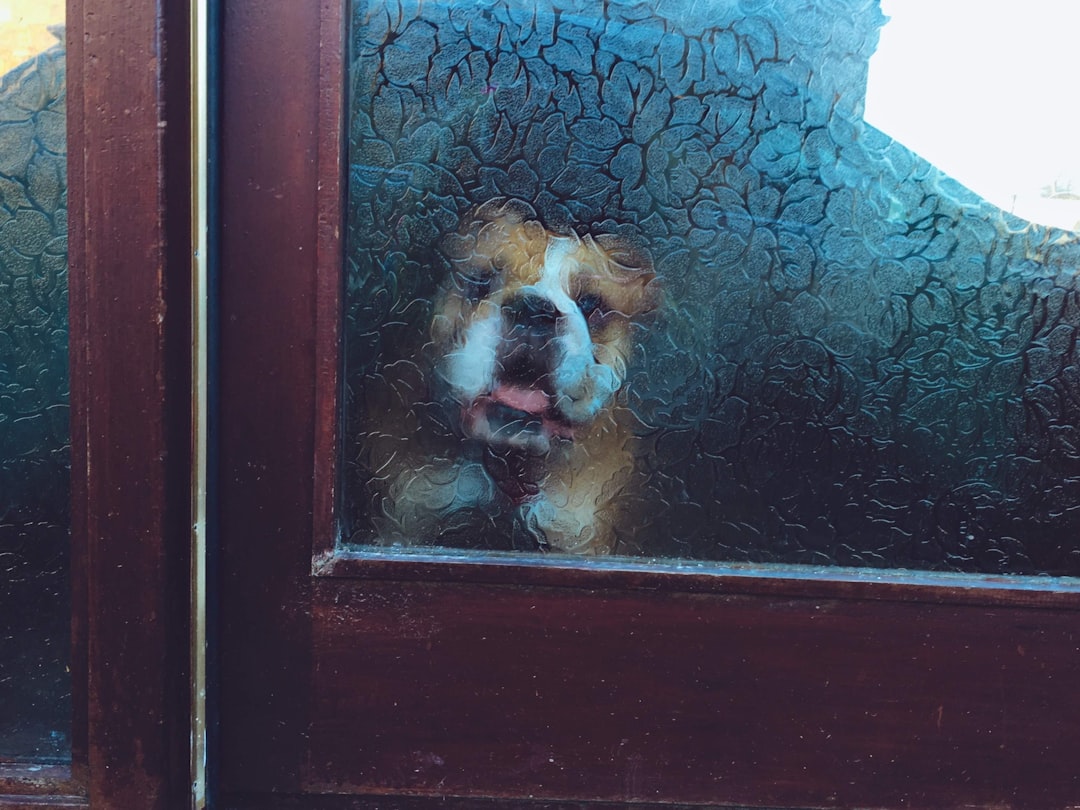
Have you ever stepped out for a quick errand, only to find your dog waiting faithfully by the door—even hours after you’ve left? It’s a sight that tugs at the heartstrings and makes you wonder, “What’s going through their mind?” The devotion is touching, almost human, and it leaves many dog lovers asking why our four-legged friends wait so loyally, sometimes for hours, even if we’re not coming back soon. The answer isn’t as simple as “they miss you”—it’s a mix of instinct, emotion, routine, and a dash of doggy hopefulness. Let’s dig into the heart of this emotional mystery and discover why your dog might be sitting by the door, waiting for a return that’s still a long way off.
Separation Anxiety: More Than Just Missing You

Separation anxiety is a powerful force for dogs. When you leave the house, some dogs experience a rush of nervous energy that keeps them glued to the entryway, waiting for you to come back. It’s not just about missing you—it’s an actual emotional response. Dogs with separation anxiety might whine, pace, or even scratch at the door. This behavior can be heart-wrenching to witness, making you feel guilty for leaving, but it’s important to understand that your dog isn’t trying to manipulate you.
This anxious waiting is a real sign of attachment. Dogs are social animals, and many have a hard time being alone. The door becomes a symbol of hope, the one place they know you’ll appear. For some, the anxiety is so strong that they’ll ignore food or toys, focused solely on your return. Learning to recognize these signs can help you support your dog and build their confidence, even when you’re not home.
Routine and Predictability: Dogs Love Patterns
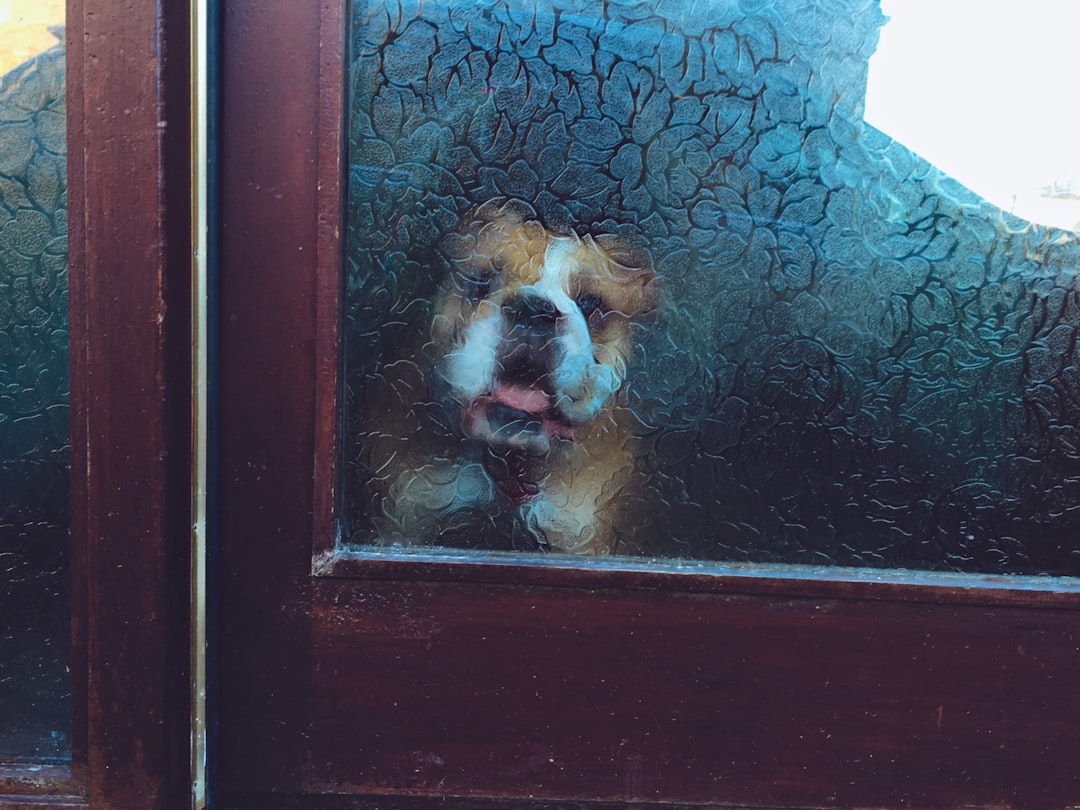
Dogs thrive on routine. If you leave at the same time every day, your dog starts to associate certain cues—like picking up your keys or putting on shoes—with your departure. Over time, the door becomes the epicenter of this daily ritual. Even if you’re gone longer than usual, your dog’s internal clock tells them, “It’s about time they come back.” So, they wait.
This pattern-loving nature is why many dogs seem to magically know when it’s time for walks or meals. Their lives are built around rhythms and predictable events. When something disrupts this, like you being away longer than normal, they stick to what they know: waiting by the door. It’s their way of keeping faith in the schedule, hoping you’ll walk in like clockwork.
Scent and Memory: The Invisible Connection
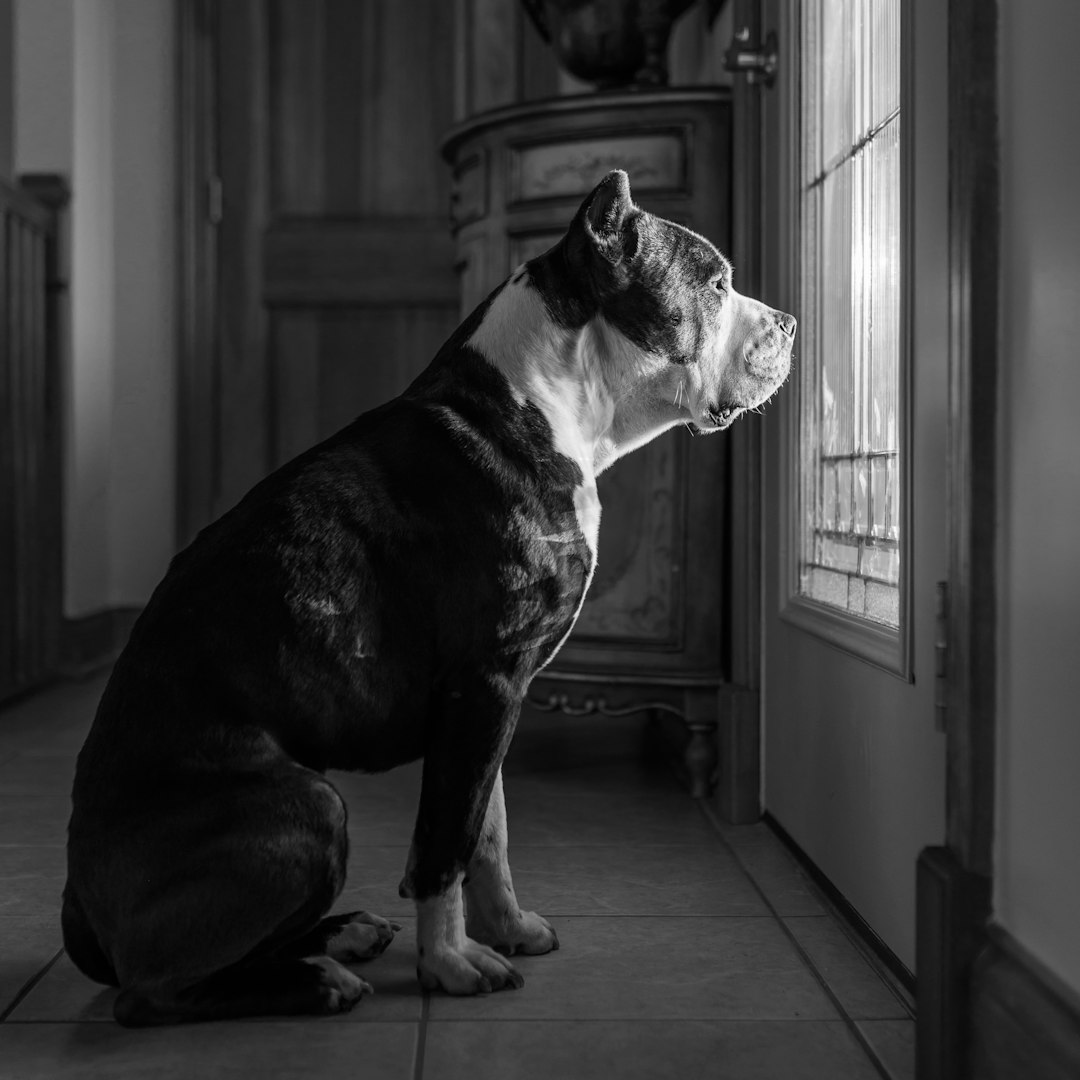
A dog’s nose is a marvel—thousands of times more sensitive than ours. When you leave, your scent lingers around the door, acting like a memory trigger. Your dog may sniff the area where you last stood, finding comfort in that familiar smell. It’s their way of staying connected, even when you’re miles away.
This scent-driven attachment explains why dogs often choose to nap by the door or curl up with something that smells like you. The door area becomes a sensory hotspot, filled with reassuring reminders of their favorite human. Over time, this spot turns into a safe haven, a place where they feel closest to you, even if you’re not actually there.
Hope and Optimism: Dogs Are Eternal Believers

Dogs are the ultimate optimists. Even if you’re gone for hours, they wait by the door in the hope that you might return any minute. This hope isn’t foolish—it’s a natural part of a dog’s loyal personality. Their unwavering faith can be both inspiring and heartbreaking to witness.
Every sound, every car passing by, might be you. This constant anticipation keeps them alert and hopeful. Think of it as the doggy version of a kid waiting for their parent to come home from a long trip. It’s a testament to their boundless capacity for love and trust. No matter how many times you leave, your dog believes you’ll come back, and that hope keeps them anchored by the door.
Packing and Leaving Cues: Dogs Are Master Detectives
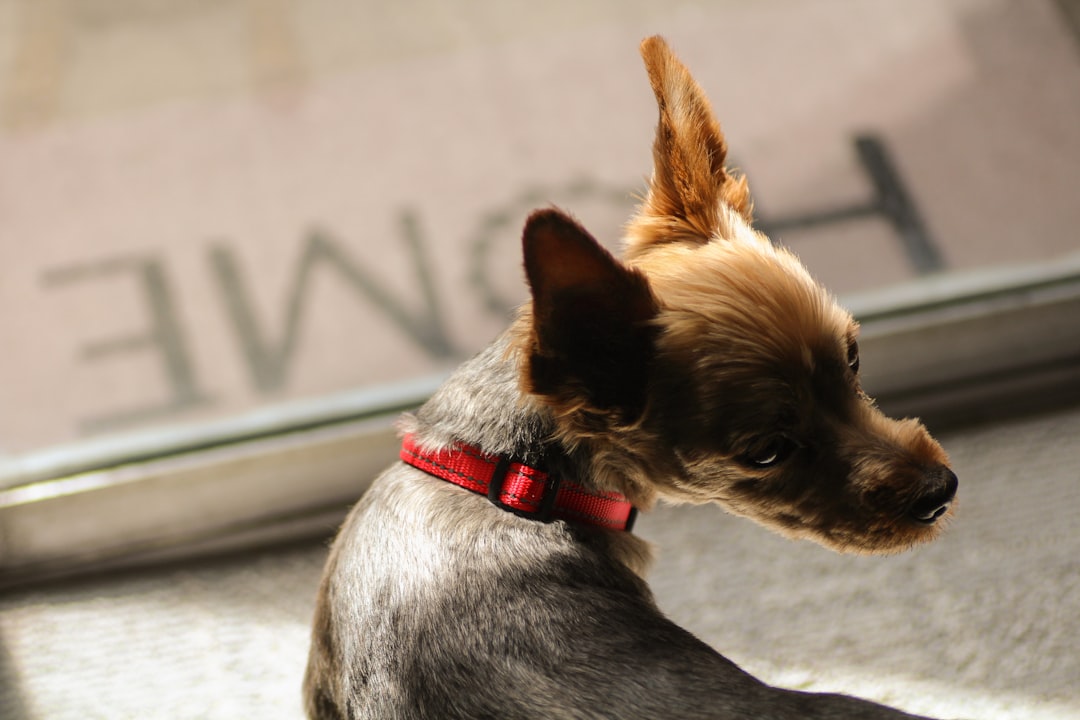
Have you ever noticed your dog getting anxious when you start packing a bag or putting on certain shoes? Dogs are incredibly good at picking up on the tiniest clues. They watch your every move, noticing patterns that signal you’re about to leave. Sometimes, just grabbing your keys is enough to send them trotting to the door.
This detective-like behavior is why dogs often wait by the door, even if you’re not coming back soon. They’ve picked up on your departure cues and are bracing themselves for your absence. It’s almost like they’re saying, “I know what happens next—I’ll be here when you return.” Their attention to detail is as impressive as it is endearing, making every reunion feel special.
Guarding Instinct: Protecting Their Pack
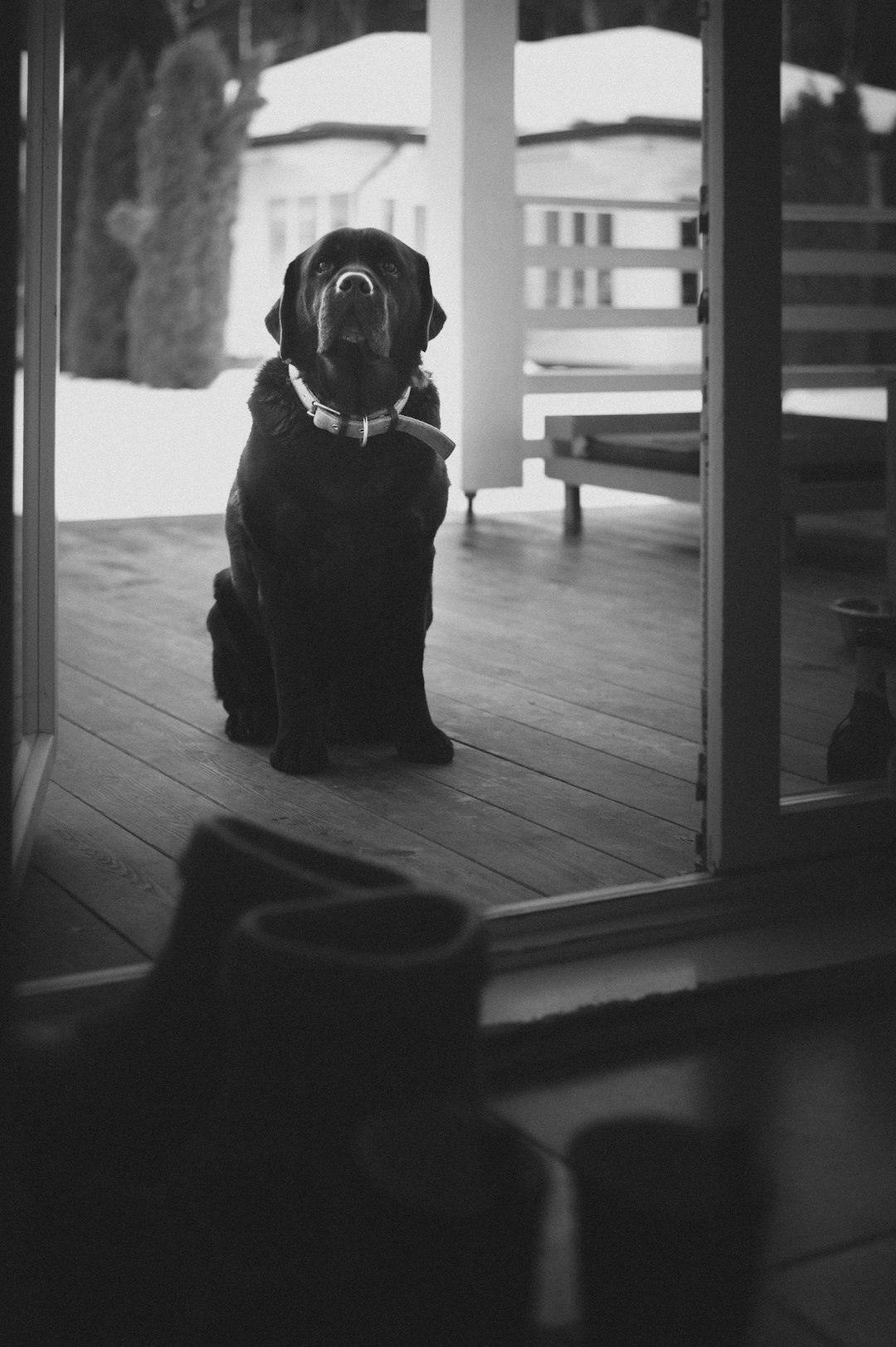
For many dogs, waiting by the door isn’t just about missing you—it’s about protecting their territory. The doorway is a strategic spot, offering a view of the outside world and a way to keep tabs on who comes and goes. This guarding instinct runs deep, especially in breeds known for their protective nature.
By waiting at the door, your dog is keeping watch, making sure everything is safe until you get back. Even if they’re small or friendly, many dogs feel a sense of duty to guard the home. Their loyalty is expressed not just in love, but in this quiet vigilance. It’s their way of saying, “Don’t worry, I’ve got this covered until you return.”
Attachment Styles: Every Dog Is Different
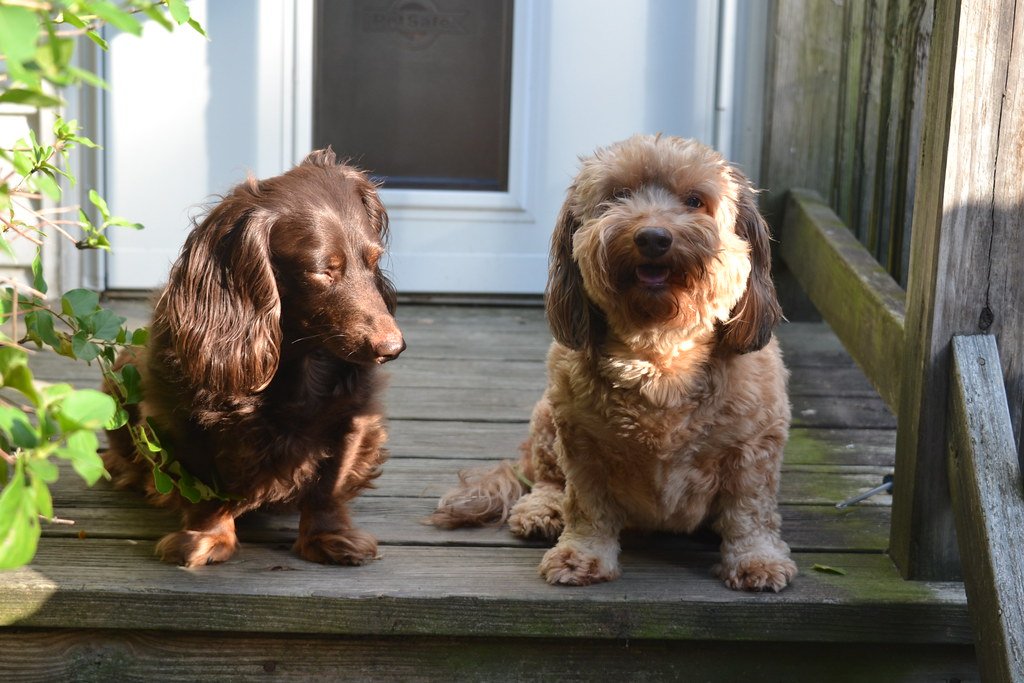
Just like people, dogs have different attachment styles. Some are independent and barely notice when you leave, while others are “velcro dogs,” sticking to you like glue. The ones who wait by the door often fall into the latter category. Their attachment isn’t a flaw—it’s a reflection of their deep bond with you.
Understanding your dog’s unique personality can help you make sense of their behavior. If your pup is a door-waiter, it might be their way of coping with loneliness or showing affection. Recognizing these differences is key to supporting your dog’s emotional needs and building an even stronger relationship.
Past Experiences: History Shapes Habits
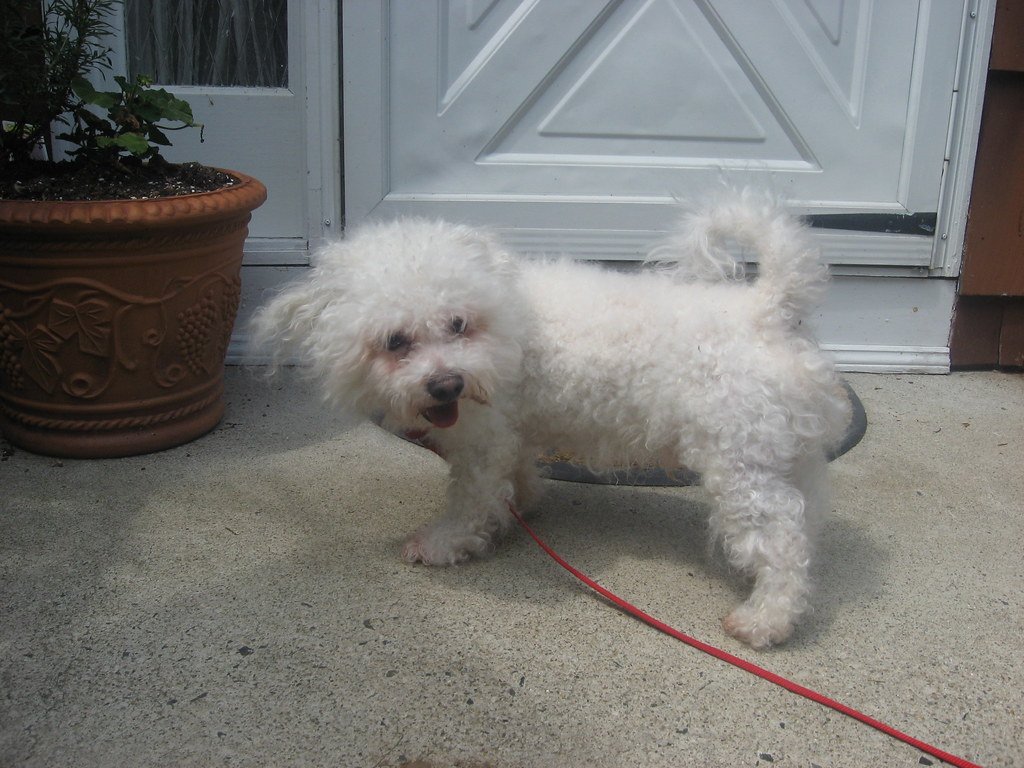
A dog’s history plays a huge role in their behavior. Rescue dogs, for example, might wait by the door out of fear that you won’t return, especially if they’ve experienced abandonment before. Their waiting is colored by memories—some hopeful, some anxious.
Similarly, dogs who have always been part of a loving home might wait simply because it’s what they’ve always done. Their past shapes their present, and understanding this can help you empathize with their actions. If you notice your dog is particularly anxious, it could be a sign that they need extra reassurance and routine to feel secure.
Environmental Triggers: Sounds and Sights
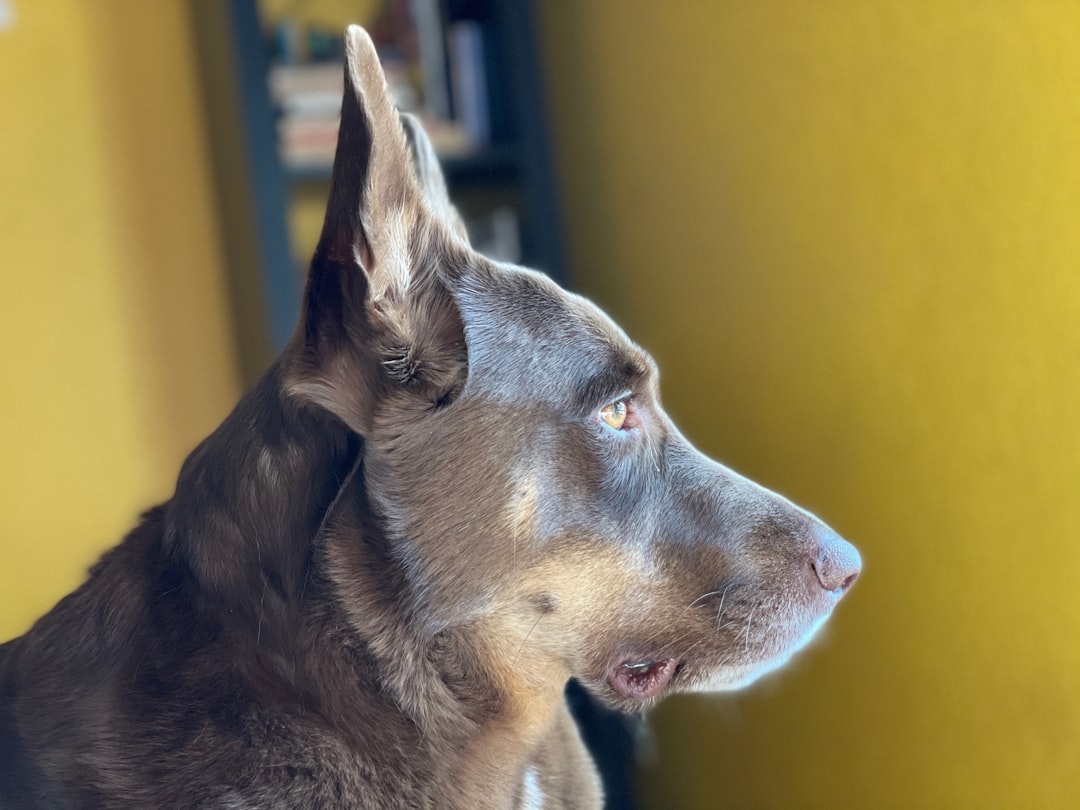
Every door has its own symphony of sounds: footsteps, mail delivery, neighbors coming and going. Dogs have sensitive hearing and often react to these environmental triggers. The sound of your car in the driveway, the jingle of your keys—these are cues that signal your arrival.
Even if you’re not coming back soon, your dog may wait by the door because certain sounds make them think you might be. It’s like a game of “guess who’s home,” and every noise brings a new wave of anticipation. This heightened awareness makes the door area a natural place for your dog to camp out, ears perked and tail ready to wag.
Emotional Intelligence: Dogs Feel Deeply
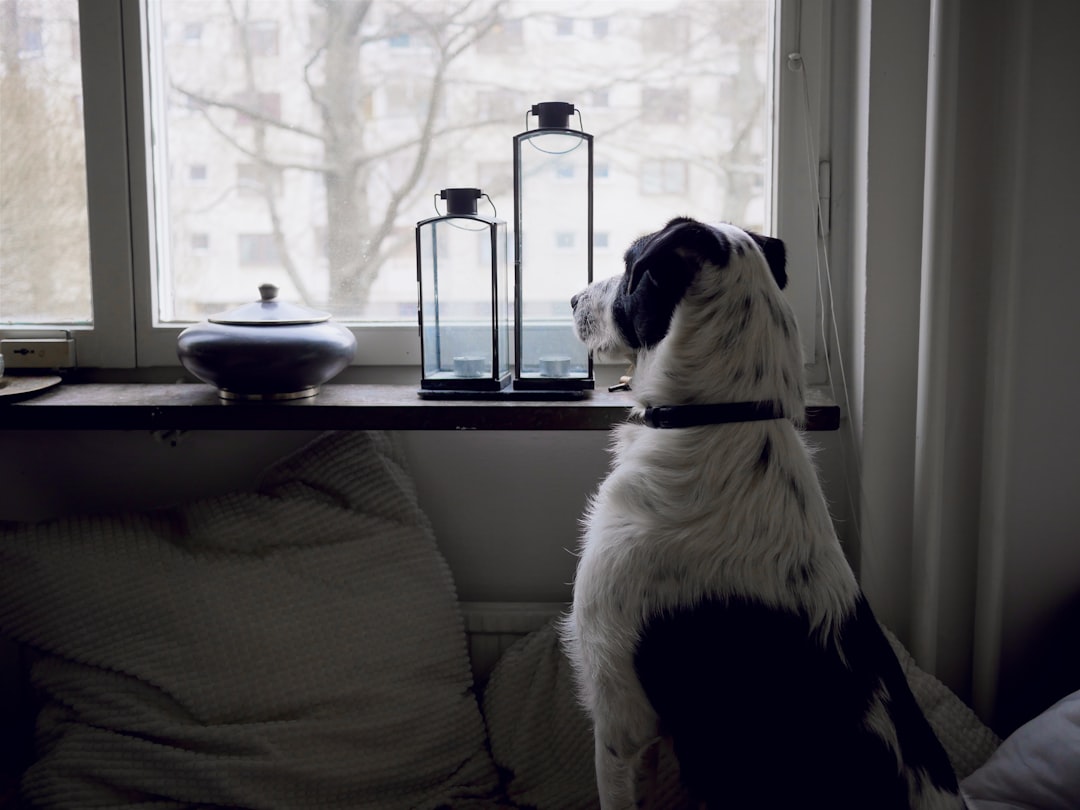
Dogs are remarkably emotionally intelligent. They pick up on your moods, routines, and even subtle changes in the household. When you leave, your dog senses the emotional shift—your absence changes the energy in the home, and they feel it deeply.
This sensitivity is one reason why dogs wait by the door. They’re not just waiting for you; they’re reacting to the feeling that something is missing. Their emotional radar is always on, making them attuned to comings and goings in a way that’s almost magical. It’s a reminder that our pets are more in tune with us than we often realize.
Ways To Help: Making Goodbyes Easier

If your dog’s door-waiting seems stressful, there are ways to help. Creating rituals around leaving—like giving a special treat or toy—can ease anxiety. Calming music or gentle scents can also provide comfort while you’re gone. Building your dog’s confidence with short absences can show them that you always come back.
It’s also helpful to vary your routines. If your dog is less sure exactly when you’ll be home, they may learn to relax instead of waiting anxiously. Small changes, lots of love, and a bit of patience can go a long way toward making your goodbyes easier for both of you.
When your dog waits by the door, it’s more than just routine—it’s a reflection of their deep emotional bond with you. Dogs are creatures of loyalty and habit, and that quiet vigil by the entrance is their way of staying connected, even in your absence. Whether you’re gone for minutes or hours, they hold onto the hope of your return because, to them, you are the center of their world. It’s a simple, powerful reminder of just how much your presence means. In their eyes, every goodbye is temporary—and every reunion is worth the wait.