
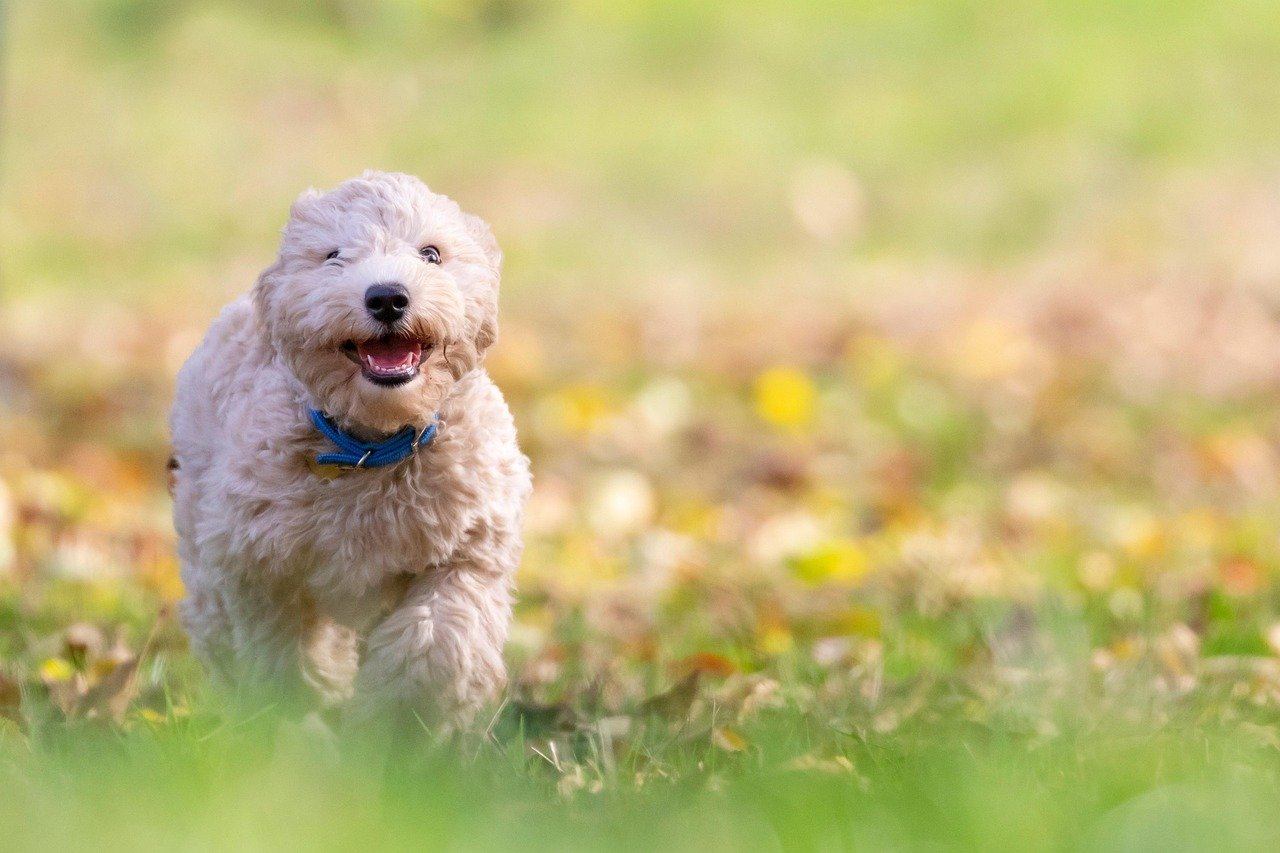
Have you ever watched your dog sprint across an off-leash park, ears flying and tail wagging, only to feel a twist in your stomach moments later? I have. At first, I thought off-leash parks were the ultimate treat for my pup—a place of freedom, fun, and socialization. But after a string of unsettling experiences, I realized the risks and anxieties far outweighed the brief moments of joy. If you’ve ever wondered whether these parks are truly worth it, you’re not alone. Here’s why I decided to say goodbye to off-leash parks for good—and why you might consider doing the same.
The Illusion of Safety: What We Don’t See
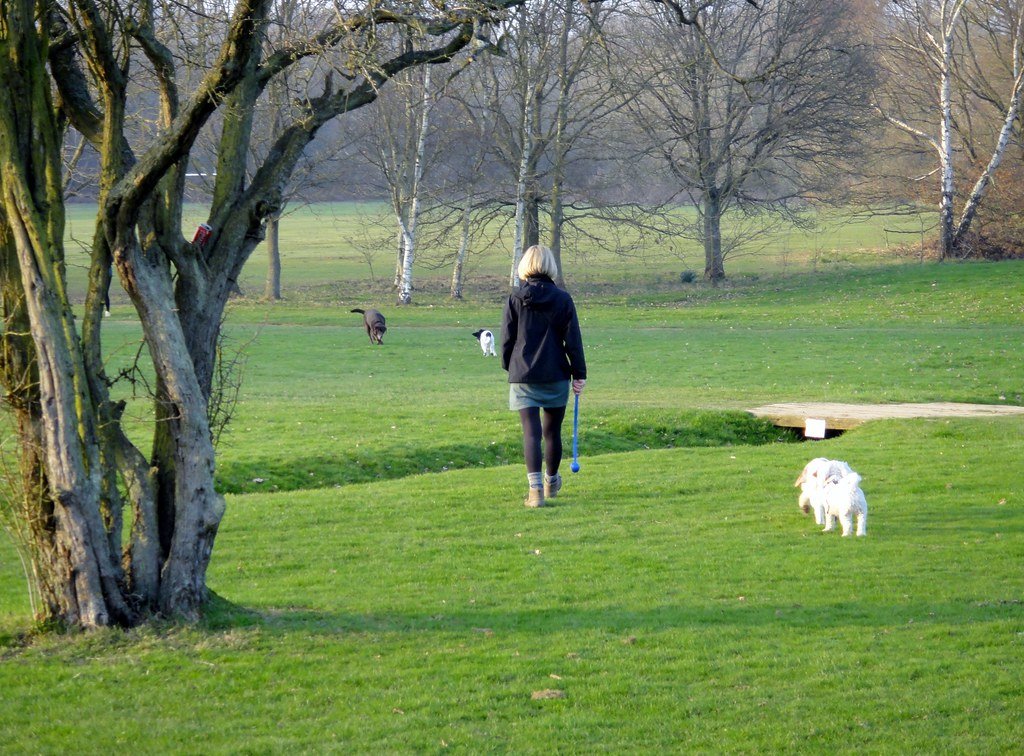
Standing at the entrance of an off-leash park, it’s easy to be lulled into a false sense of security. Fenced-in land, chirping birds, and a crowd of dog lovers all seem to promise a safe experience. But the reality is that safety is often just an illusion. Not all parks are maintained equally, and broken gates, sharp objects hidden in the grass, or gaps in the fence can quickly spell disaster for an adventurous pup.
When I realized how easily a dog could slip under a fence or dart through an open gate, my confidence in these parks vanished. Even the most obedient dog can be tempted by a squirrel or startled by a loud noise—leading them right into danger. It’s a gamble every time you unclip that leash, and for me, the odds just weren’t worth it anymore.
Unpredictable Dog Behaviors: Not Every Dog Plays Nice
One of the most nerve-wracking parts of any off-leash park is the sheer unpredictability of the dogs inside. Just because a dog is off-leash doesn’t mean they’re friendly or well-socialized. I’ve seen dogs charge, growl, and even bite with little warning. Sometimes, the owners are nowhere to be found, chatting on benches or lost in their phones.
It only takes a split second for play to spiral into aggression. My own dog has been on the receiving end of a sudden attack, leaving both of us shaken. No matter how well you know your pup, you can never predict how another dog will behave. This constant uncertainty turned every park visit into a stressful guessing game.
Lack of Owner Supervision: Where Are the Humans?
Off-leash parks depend on responsible owners, but, sadly, not everyone pays attention. I’ve lost count of how many times I’ve seen people glued to their phones, deep in conversation, or simply ignoring their dogs altogether. Without proper supervision, dogs can get into trouble fast—whether it’s stealing toys, bullying smaller pups, or eating something they shouldn’t.
The lack of attentive owners can escalate problems quickly. When an issue does arise, it’s often up to you to intervene, even if you’re not comfortable stepping in. This lack of accountability made me realize I couldn’t rely on others to keep my dog safe. It was a hard pill to swallow, but it changed how I see these communal spaces forever.
Health Risks and Disease: The Hidden Dangers
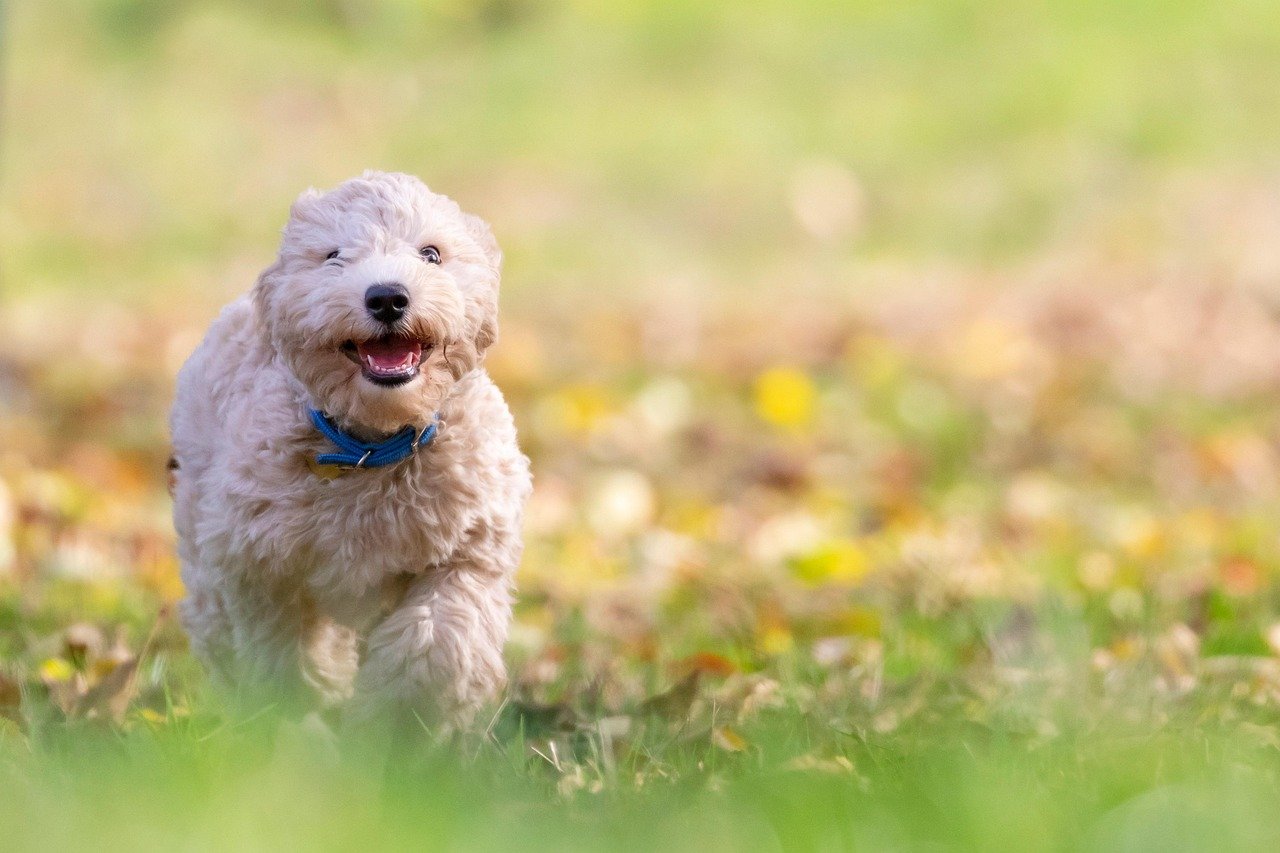
Dog parks are a melting pot for germs, parasites, and viruses. Even with the best intentions, it’s impossible to know if every dog is up-to-date on vaccinations or free from illness. I’ve heard stories of outbreaks of kennel cough, parvovirus, and giardia—all easily spread in shared spaces where dogs drink from the same bowls and play in the same mud.
My own dog once caught a nasty stomach bug after a park visit, leading to days of worry and vet bills. The risk of bringing home a hidden illness started to outweigh the fun we had. It’s a risk I’m no longer willing to take, especially knowing how quickly these diseases can spread in off-leash environments.
Resource Guarding and Possessive Behaviors
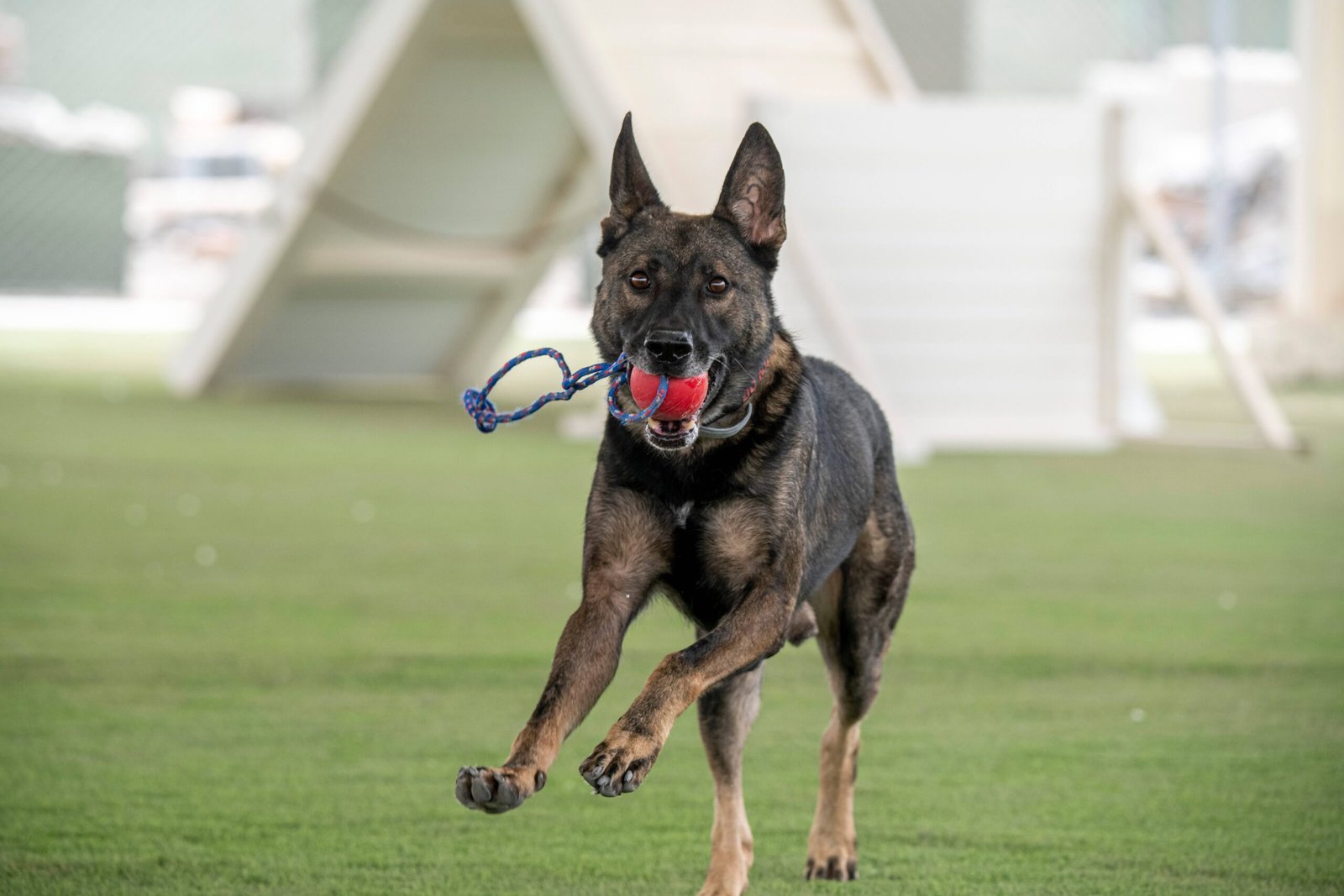
Many dogs have resource guarding tendencies, whether it’s over toys, sticks, or even a favorite spot on the grass. In off-leash parks, these behaviors can escalate quickly because there are so many triggers—new smells, unfamiliar dogs, and high excitement levels. I’ve watched harmless games of fetch turn into snarling matches over a single ball.
My dog developed a habit of guarding her favorite frisbee at the park, which led to tense encounters and a lot of embarrassment. It became clear that these environments encouraged possessive behaviors I didn’t want to reinforce. Instead of teaching my dog to share, the park was teaching her to fight for her things.
Overstimulation and Anxiety: Too Much of a Good Thing
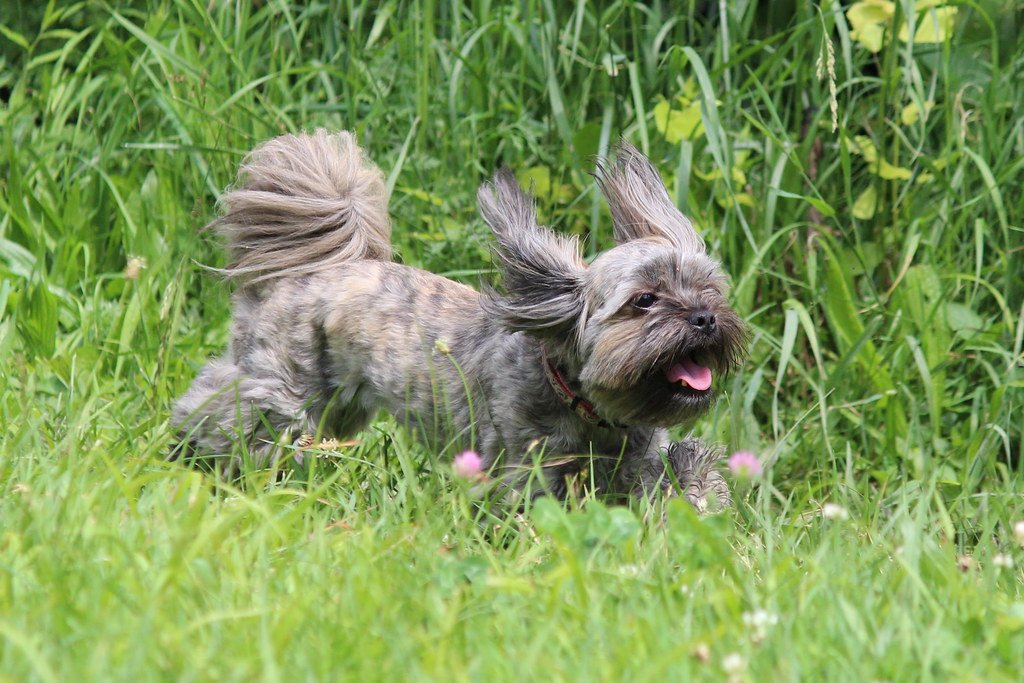
Off-leash parks are filled with unpredictable sights, sounds, and smells. For some dogs, it’s a sensory overload that can quickly turn fun into anxiety. My dog, usually calm and collected, would sometimes pace and whine, overwhelmed by the chaos of barking, running, and shouting.
Overstimulation can lead to erratic behavior, making it hard for dogs to listen or respond to commands. Instead of enjoying our time together, I found myself constantly managing her anxiety. A simple walk in the neighborhood suddenly felt so much more peaceful by comparison.
Training Setbacks: Bad Habits Learned Fast
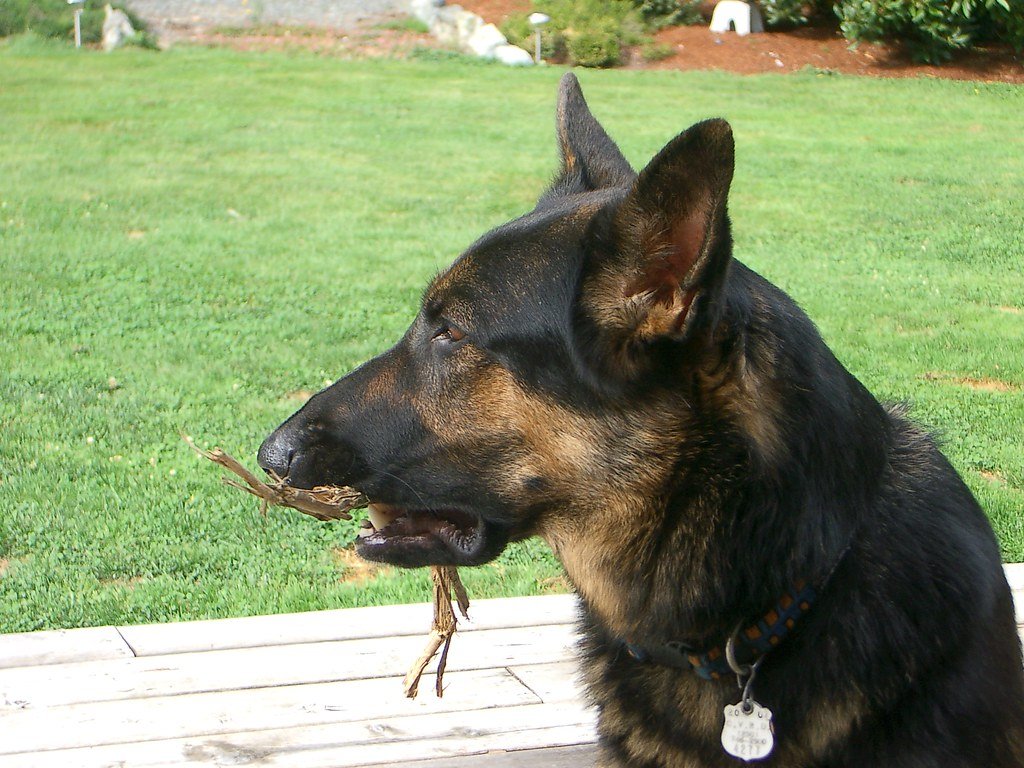
Training a dog takes patience, consistency, and the right environment. Off-leash parks, unfortunately, are not ideal training grounds. With so many distractions and unpredictable variables, it’s almost impossible to reinforce good behavior. My dog started ignoring basic commands, too busy chasing after new friends or sniffing every inch of turf.
Worse, she picked up some bad habits—like jumping on strangers or barking at other dogs—that I’d never seen before. I realized the park was undoing weeks of hard work. If your goal is a well-trained dog, off-leash parks can set you back much further than you might expect.
Inconsistent Rules and Enforcement
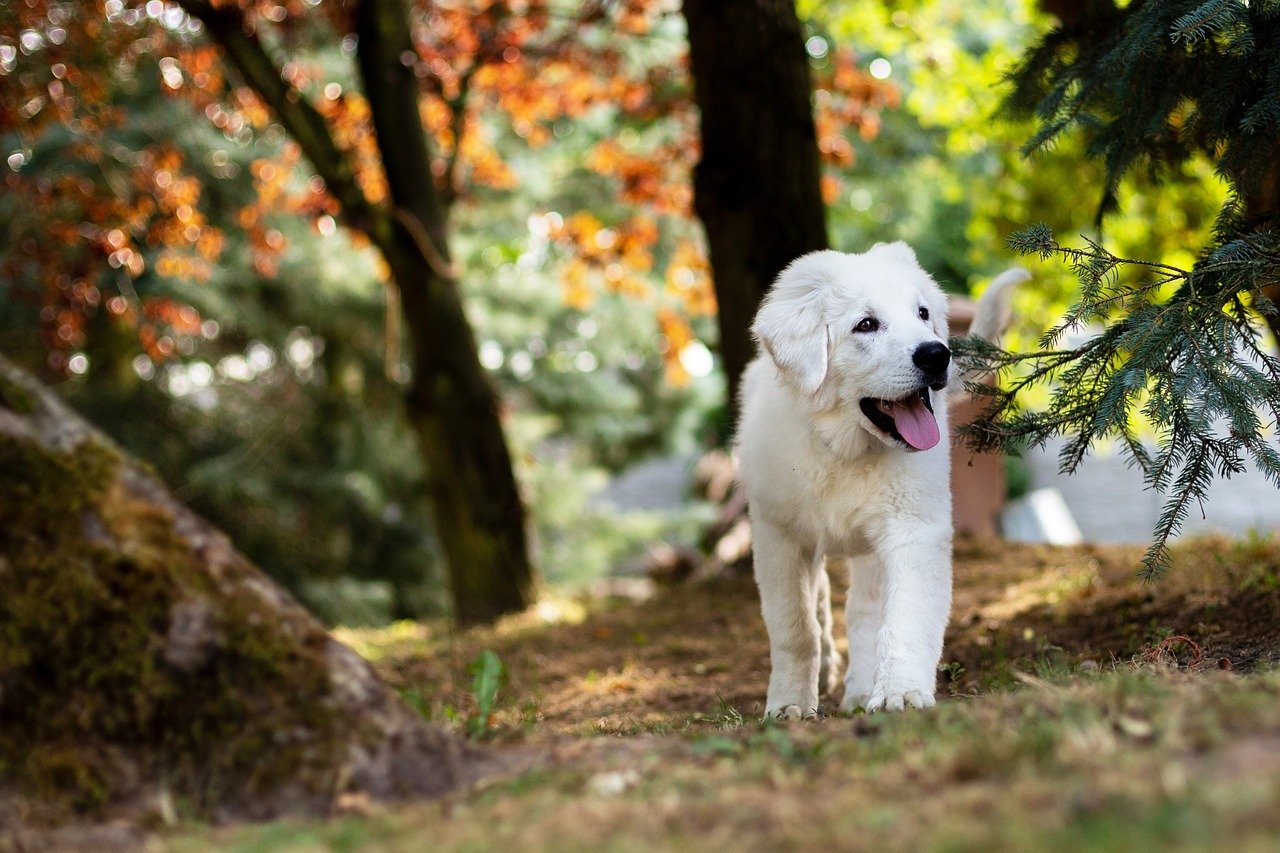
Every off-leash park has its own set of rules, but in reality, enforcement is often lax or nonexistent. Some parks allow toys, while others ban them. Some have strict size restrictions, while others are a free-for-all. This lack of consistency creates confusion for both dogs and owners.
I’ve seen arguments break out between owners over rule violations, leading to tension and awkwardness that ruins the day for everyone. Without clear guidelines and someone to enforce them, chaos can take over. This unpredictability made me long for the structure and calm of our own backyard.
Injury Risks: Accidents Happen Fast
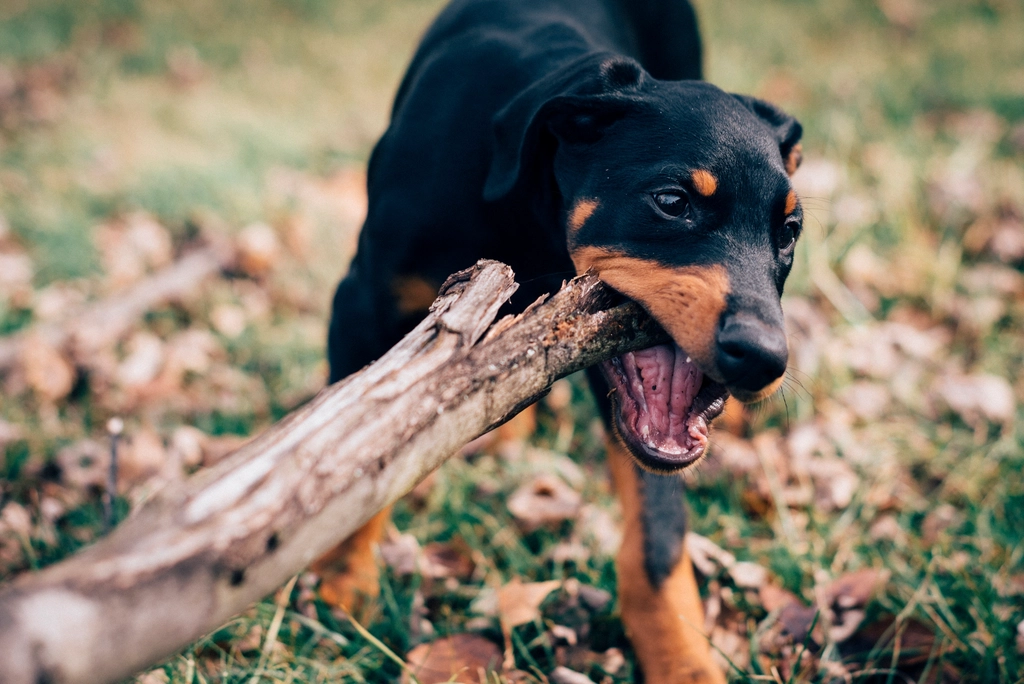
Dogs play rough, and in the excitement of a park setting, accidents happen in the blink of an eye. From twisted legs to torn ears, I’ve witnessed injuries that could have been avoided in a more controlled environment. My own dog limped home once after a collision with a larger pup, and the guilt stayed with me for days.
Vet visits after park accidents are all too common, and some dogs never quite recover from the trauma. While dogs need exercise and fun, there are safer ways to provide both without subjecting them to unnecessary risks. For us, the price of a good romp just became too high.
Negative Human Interactions
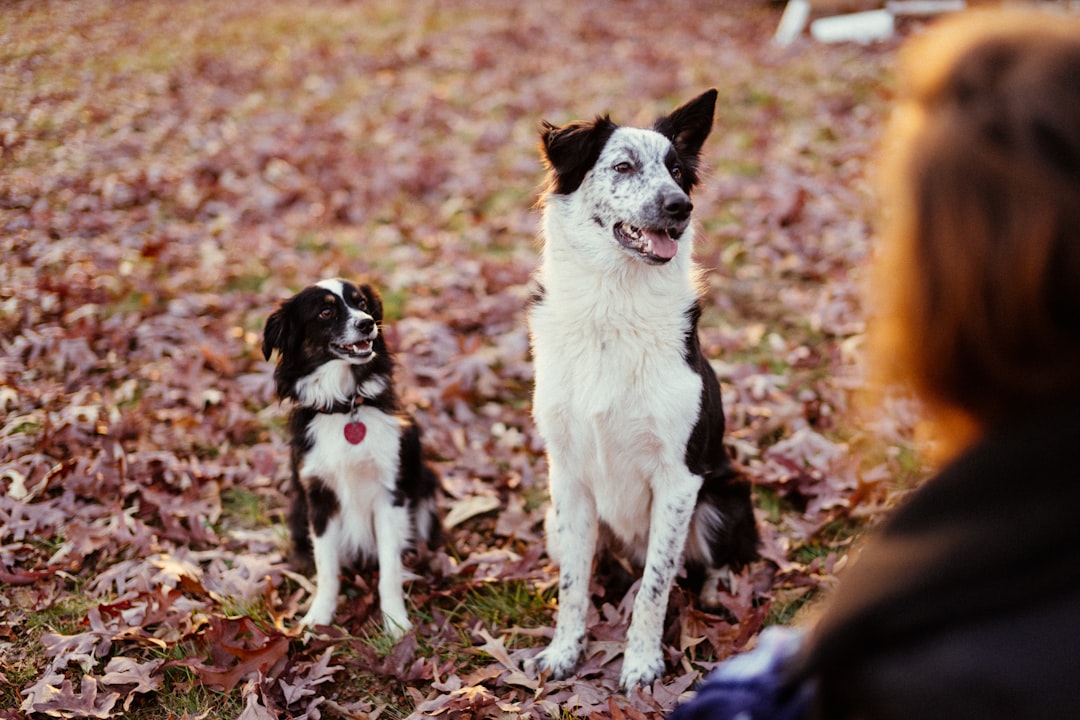
It’s not just the dogs that can cause problems—sometimes, the people are even worse. I’ve encountered owners who refuse to control their dogs, deny responsibility for bad behavior, or get defensive when asked to intervene. These confrontations can escalate quickly, leaving everyone on edge.
The atmosphere of an off-leash park can quickly sour when tempers flare. Instead of bonding with fellow dog lovers, I found myself dreading interactions with certain regulars. This tension made park visits more stressful than enjoyable, and I realized I was losing the sense of community I’d hoped to find.
Environmental Concerns: The Impact on Nature
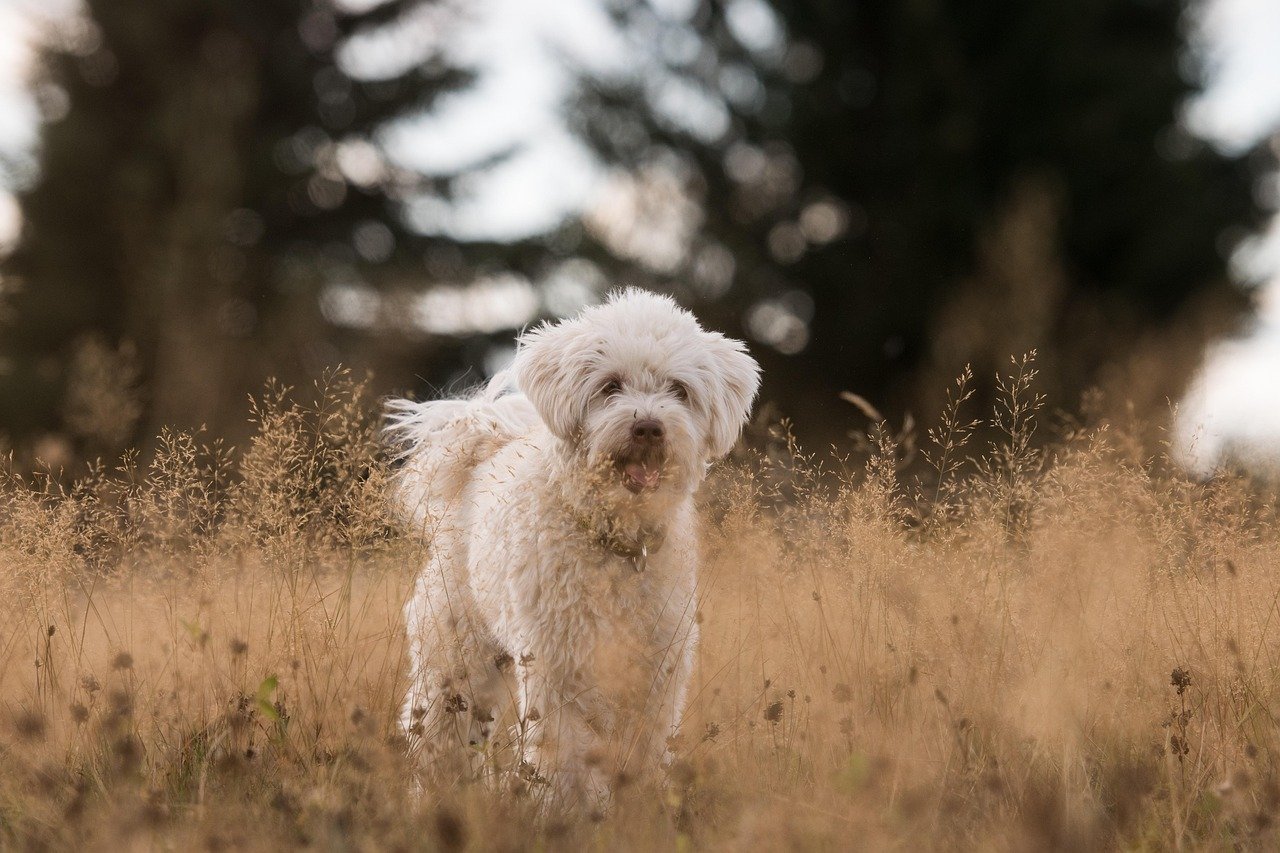
Off-leash parks, especially those in natural areas, can take a toll on the environment. Trampled grass, dug-up dirt, and piles of uncollected waste can ruin even the most beautiful spot. Some parks struggle to keep up with maintenance, turning what was once a green haven into a muddy, unpleasant mess.
I started to notice the impact my own dog was having—paw prints everywhere, torn up patches of grass—and it didn’t feel right. Protecting nature became more important than letting my dog run wild. There are so many other ways to enjoy the outdoors responsibly, without contributing to the problem.
Better Alternatives: Finding Joy Outside the Park
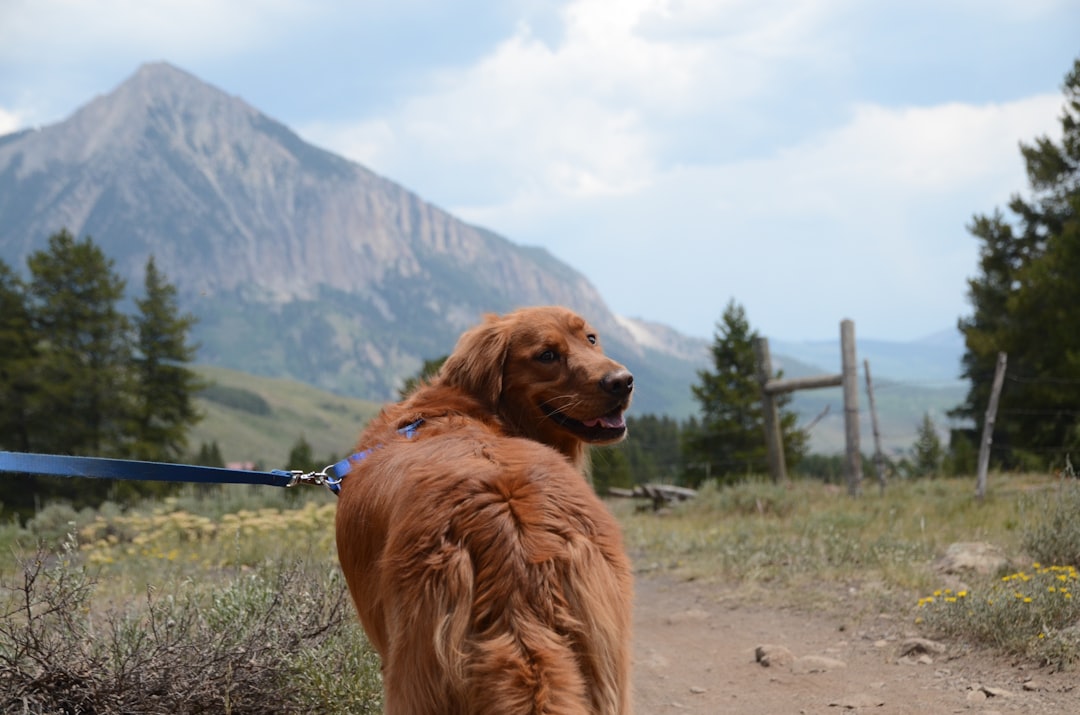
Giving up off-leash parks felt like a loss at first, but it opened the door to so many better experiences. We started exploring new hiking trails, practicing recall in safe, open fields, and setting up playdates with trusted friends. The bond with my dog grew even stronger, and the stress melted away. There’s something special about finding quiet moments together, away from the chaos of the crowd. Whether it’s a peaceful walk, a backyard game, or a cozy cuddle on the couch, I’ve discovered that joy doesn’t need to be off-leash to feel free. Isn’t it funny how letting go of something can lead you right where you need to be?
Giving up off-leash parks wasn’t an easy decision, but it was the right one—for my dog’s safety, well-being, and my peace of mind. While these spaces can offer freedom and fun, they also come with unpredictable risks that not every dog or owner is prepared to handle. From untrained pets to inattentive owners, the potential for negative encounters often outweighs the benefits. Every dog is different, and so is every situation—but if you’ve ever felt uneasy at the park, it might be worth reconsidering. Sometimes, the best way to protect your pup is by choosing connection, control, and calm over chaos.


