

Your dog might be secretly pining for you even if they appear calm. Subtle cues like excessive yawning, decreased appetite, or disruptive chewing could signal their loneliness. They might also shadow you more intently upon your return or become overly excited, indicating how much they missed your presence. Changes in their routine, such as altered sleeping patterns or disinterest in usual activities, can also be tell-tale signs of separation blues.
They Wait by the Door Even When You Haven’t Left
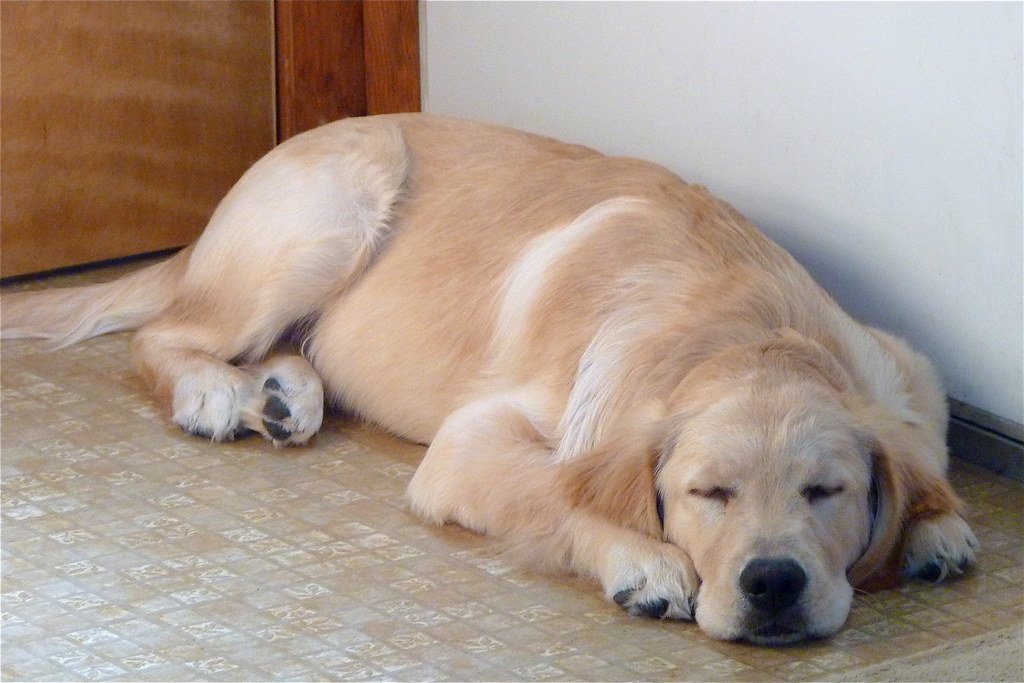
Ever catch your dog sitting by the front door when you’re just moving around the house? Some dogs wait by the door or window for you to come back, especially if they know your routine. They may even think waiting for you is their job! This behavior often starts hours before you actually plan to leave. Even though they don’t have the same concept of time as humans, dogs can sense when we are coming home if we have a regular schedule. They position themselves like loyal guards, ready to greet you the moment you return. It’s their way of staying connected to you, even when separation seems imminent. Some dogs develop this habit so strongly that they become human alarm clocks, knowing your schedule better than you do.
Subtle Stress Signals Before You Go

If your dog shakes, yawns, or licks their lips when you’re about to leave, they might feel a little stressed, says certified dog behavior consultant Brie Blakeman. People yawn when they’re tired or bored, but dogs yawn when they’re stressed. According to Turid Rugaas, author of On Talking Terms With Dogs: Calming Signals, dogs use yawning to calm themselves in tense situations and to calm others, including their owners. Just like people, dogs will lick their lips after a delicious meal, but they will also do it when they feel anxious. These signals are so quick you might miss them, but they’re your dog’s way of saying they’re already feeling your upcoming departure. Watch for these tiny tells next time you grab your keys.
They Sleep on Your Clothes
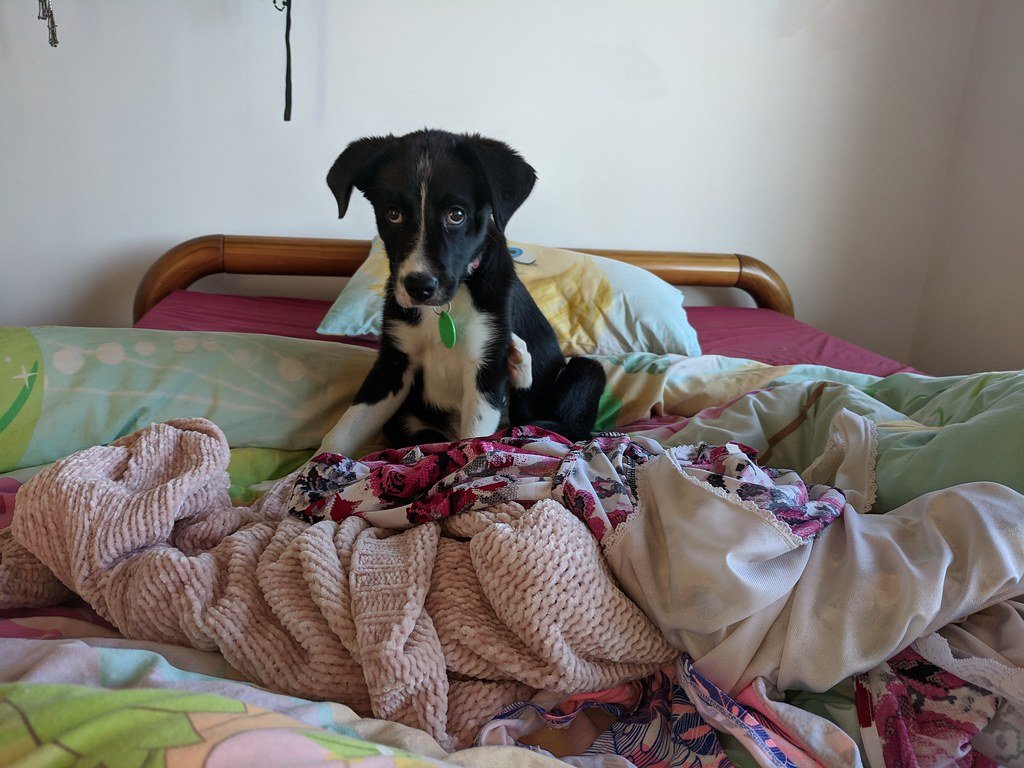
Because your dog has an incredible sense of smell, your dog might be seeking out something that smells like you to cope with your absence. If you’ve noticed that your dog always lays on your dirty laundry or old sneakers, then it’s pretty clear they’ve been missing you. This behavior is like a canine security blanket. Your scent provides comfort and makes them feel closer to you when you’re not physically present. Your dog loves your scent, so try to leave something of yours behind for them to smell when you’re not physically present. This can be a piece of used clothing or even a blanket you use when you lie on the couch. Don’t be surprised if you find them curled up in your hamper – it’s actually a sweet sign of their affection.
Changes in Their Sleep Patterns
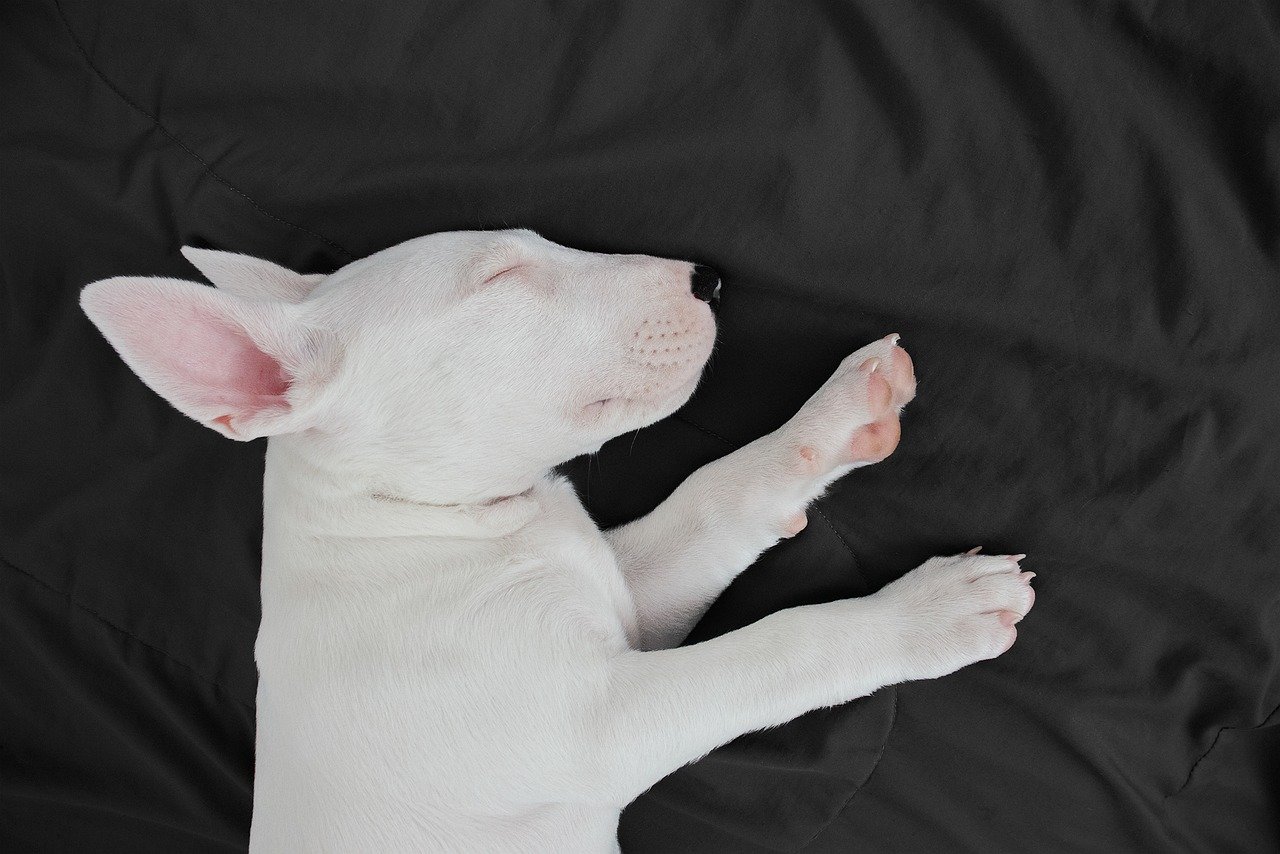
Some dogs just want to sleep when you’re gone. Some may believe that sleeping correlates with boredom or sadness, but it’s more likely your dog is happily waiting for you to return. However, excessive sleeping can also indicate they’re conserving energy while dealing with the stress of your absence. They may go on a hunger strike or do nothing but sleep while they’re away. These signs include decreased energy, loss of appetite, and increased sleeping. Think of it like emotional hibernation – some dogs cope with missing you by simply shutting down until you return. If your normally active dog becomes a couch potato only when you’re gone, they’re probably missing your company more than they’re letting on.
Following You Around More Than Usual
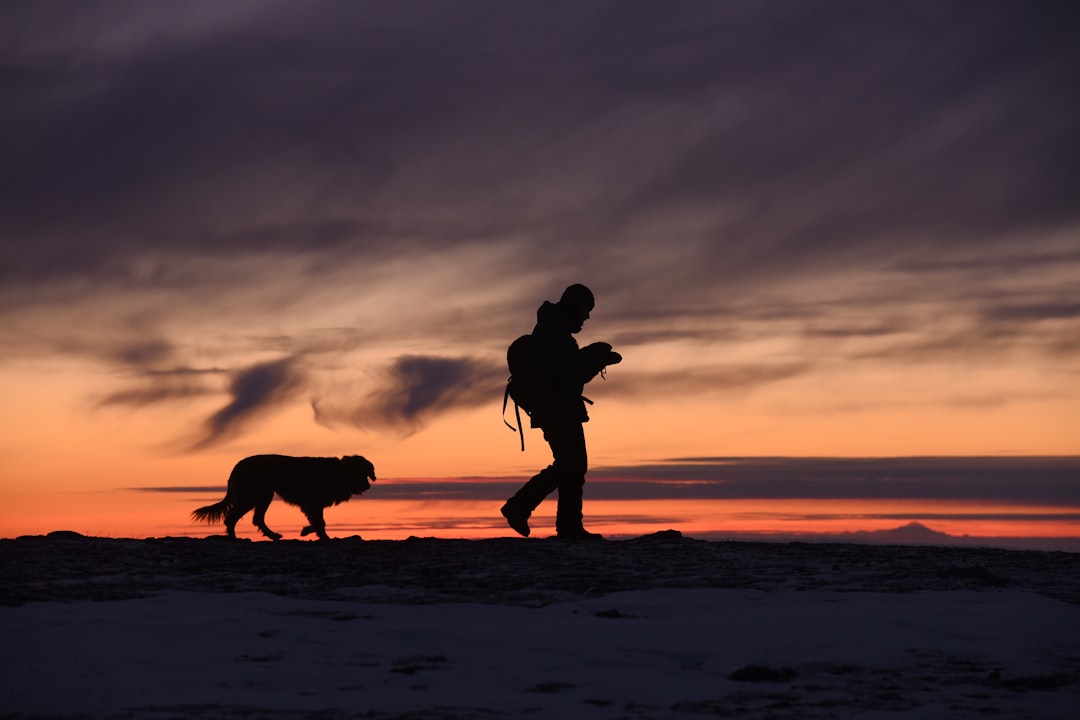
Pups that follow their owners everywhere (known as velcro dogs) often struggle to be separated from their loved ones. It’s super cute your furry friend likes being by your side at all times, but no one wants to be guilt-tripped every time they close the bathroom door! This clingy behavior often intensifies when dogs sense you might be leaving soon. Another indicator is if your dog becomes more clingy when you are present. They may follow you around the house more than usual or constantly seek your attention, hinting as a sign that they’re feeling insecure and need reassurance from their owner. After you get back, if your dog sticks to you like glue, afraid you might vanish again, that’s a sign they really felt your absence. It’s like they’re trying to soak up every possible moment with you before the next separation.
They Give You Those Heart-Melting Eyes
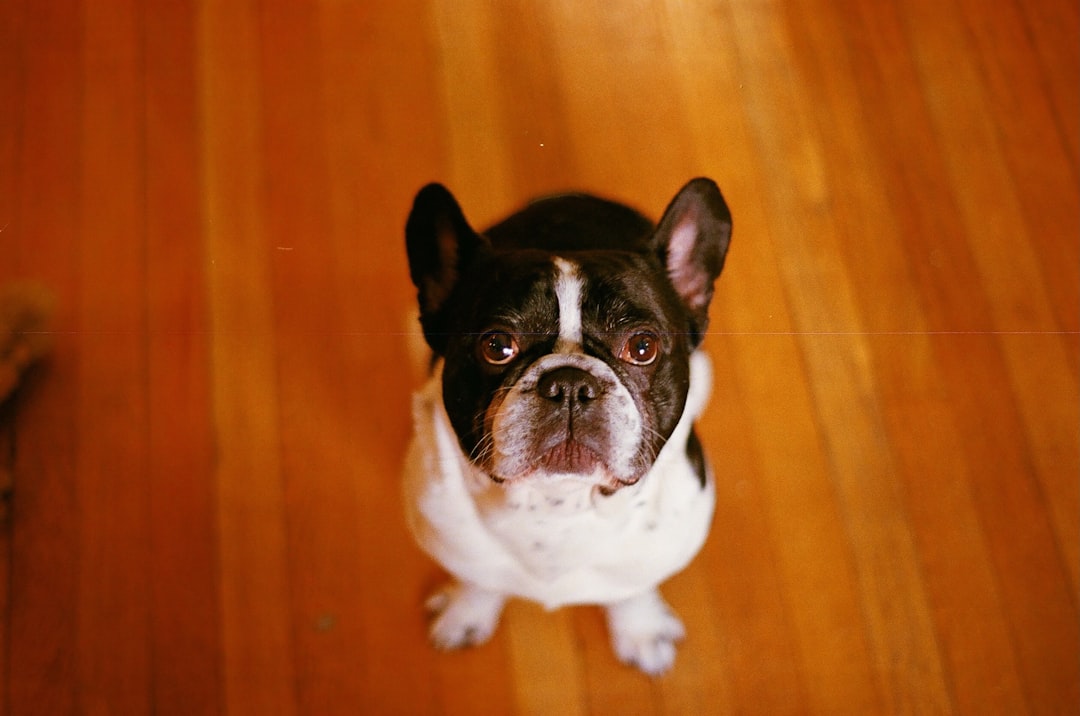
Nothing is harder for an owner than looking into their pet’s puppy-dog eyes as they head out the door to go to work. You feel guilty about leaving your dog at home and hope that they understand that you’ll be back soon. Those soulful stares aren’t just manipulation – they’re genuine emotional communication. Dogs have evolved alongside humans for thousands of years, learning to read our facial expressions and body language. When they give you those big, pleading eyes, they’re expressing their attachment and their desire to stay close to you. Some dogs perfect this look so well that it becomes their signature move, deployed whenever they sense departure is imminent. It’s a silent conversation that says “please don’t go” louder than any bark ever could.
Excessive Excitement When You Return
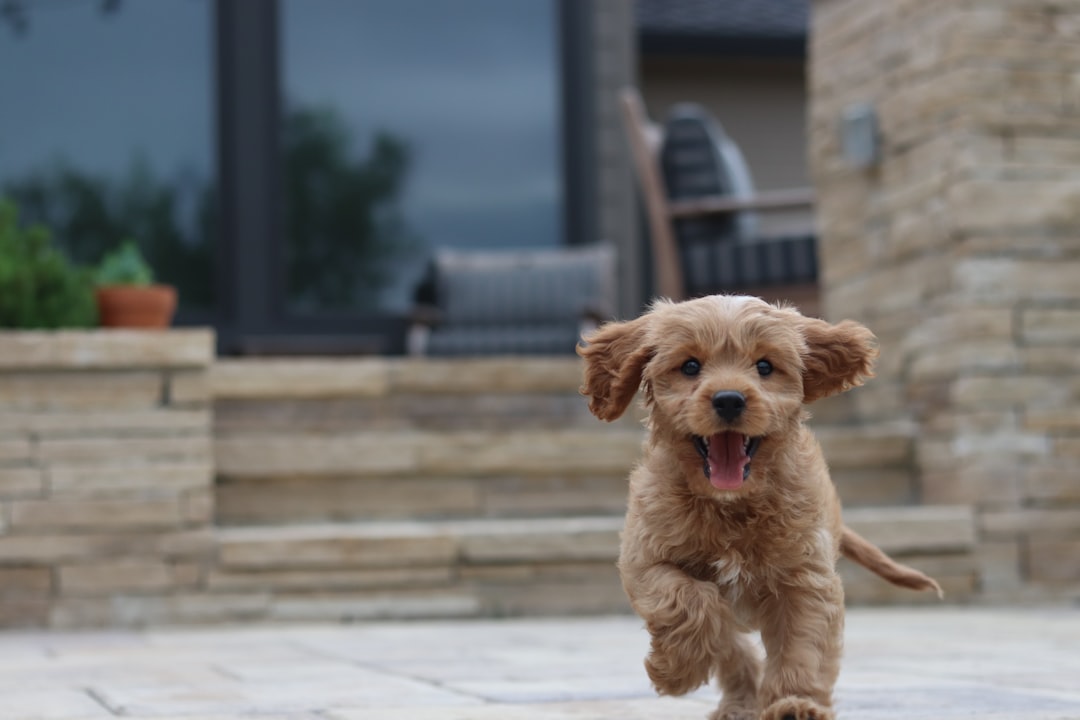
And let’s not forget the grand welcome you receive when you walk back through the door. Many dog owners return home to a fanfare of tail wags and excited barks. This display of affection is a pretty clear sign that your dog missed you. Dog zoomies (or “frenetic random activity periods,” as they’re more scientifically known) are random energy outbursts marked by running frenetically or spinning in circles. If you come home and your dog immediately gets the zoomies, it’s a good indicator that they missed you. When the owners returned, the dogs displayed signs of relief and excitement, further indicating that they had missed their humans during the separation. The study also highlighted that the longer the separation, the more intense the dog’s emotional response. When reunited with their owners, the dogs exhibited strong signs of affection, including tail wagging, jumping, and licking, behaviors commonly associated with joy and relief.
Loss of Appetite When You’re Away
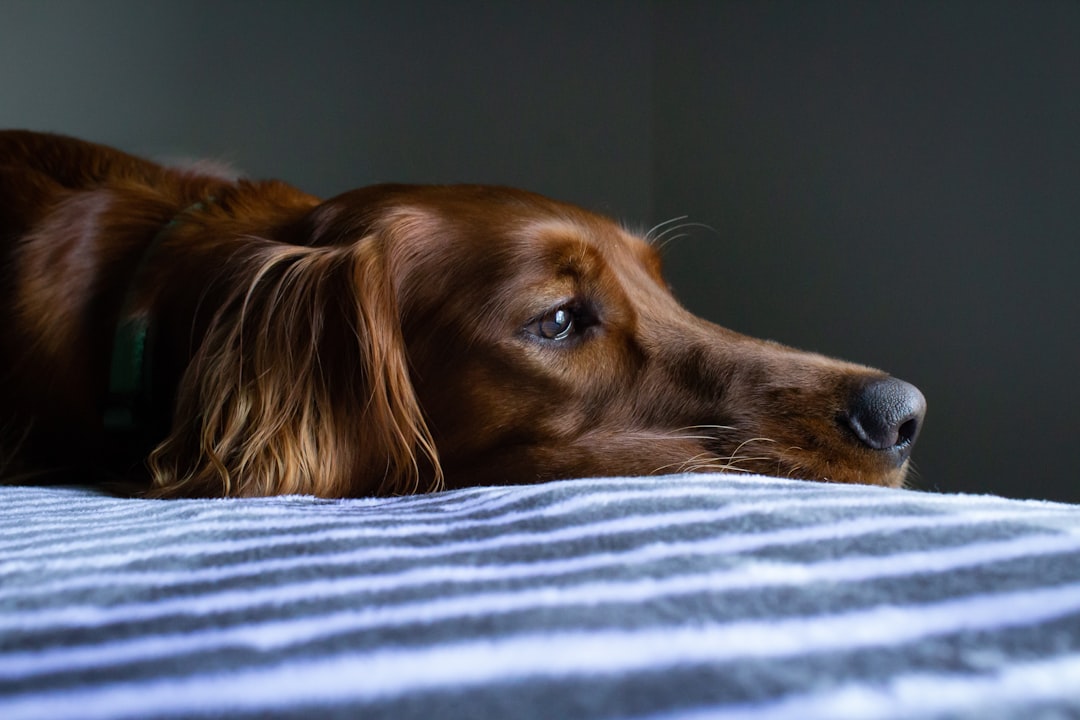
Dogs can lose their appetites when they’re feeling down, and anxiety and depression can cause them to turn their nose up at their food. He has lost interest in things he formerly liked to do. He’s listless, not playing with toys. His appetite changes – typically, a grieving dog eats less and may lose weight. This isn’t just pickiness – it’s a genuine sign of emotional distress. Food often loses its appeal when dogs are preoccupied with missing their favorite human. Ever noticed how your pooch seems a little down when you grab your keys? That’s one of the tell-tail signs your dog might be missing you. Some dogs might go on a hunger strike or turn your favorite slipper into a chew toy—though we’d like to think they’re just preparing a “welcome home” present. If your dog’s food bowl remains full while you’re at work but empties quickly when you return, that’s a clear indicator they missed your presence during mealtime.
Destructive Behavior – But Not Out of Spite
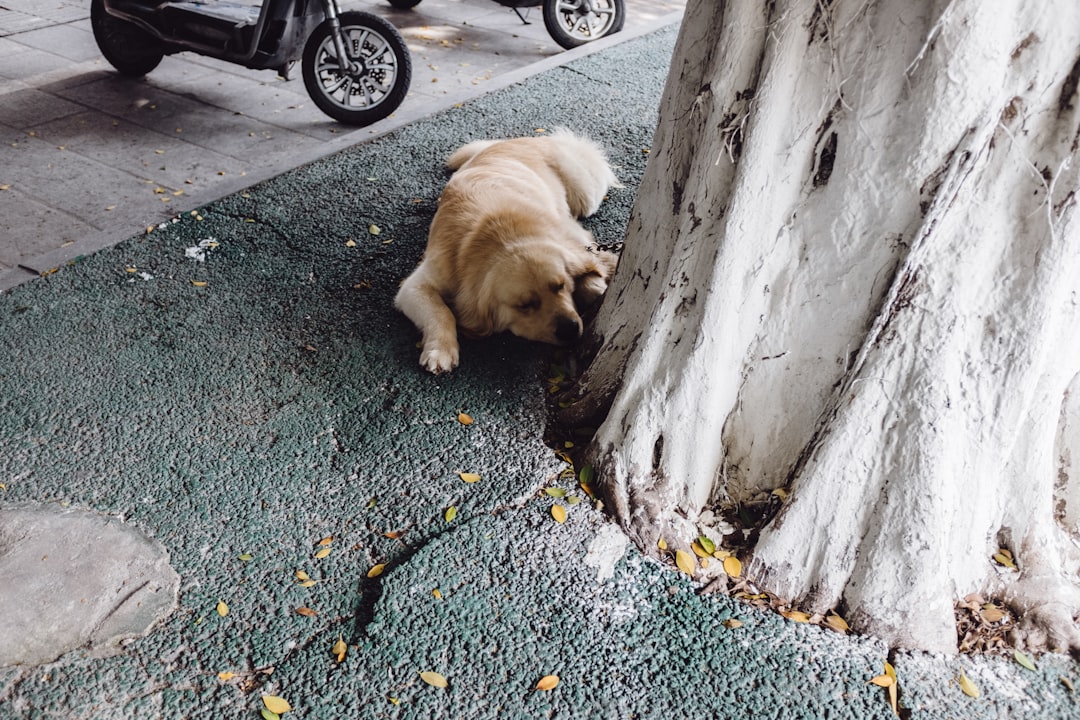
Some dogs destroy their owners’ belongings when they are experiencing separation anxiety. It provides an outlet for their feelings. Sometimes, it also just comes down to boredom and wanting something to do. But here’s the important part – Appeasement behaviour is often misinterpreted as guilt, and mistakenly some owners believe the dog knows what they have done is wrong. They may feel that any damage caused or mess in the house has been done on purpose or out of spite for being left alone. Dogs that look guilty are doing nothing more than responding to an owner’s disappointment, upset or anger and it is their way of diffusing tension in response to feeling threatened. If your dog has gone beyond missing you and into separation anxiety territory, this tendency to be around things that smell like you might turn into destroying your stuff because your pup is upset to be alone. Your shoes or favorite pillow become casualties not because your dog is angry, but because they smell like you and provide emotional comfort.
Vocalizing Their Feelings
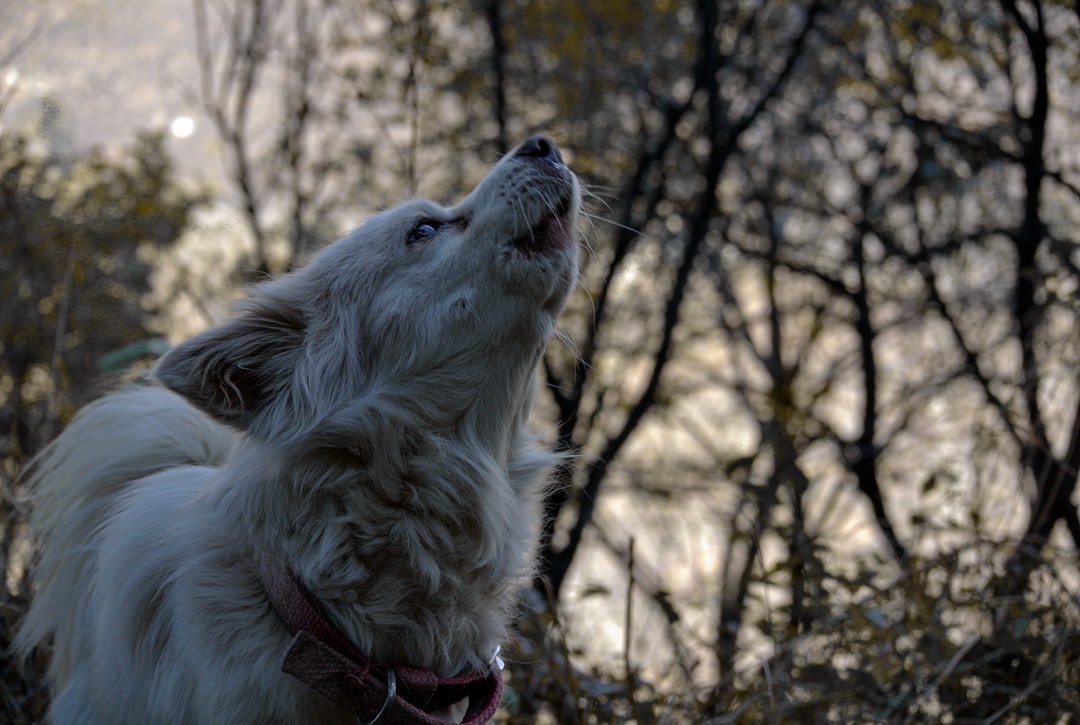
Have you noticed that your pet howls or cries when you’re about to leave or after you’ve left the house? If your dog sounds sad to see you go, it’s because they are! Whining or Barking as You Leave: If your dog throws a vocal protest with whining, barking, or howling as you’re heading out, it’s like they’re saying, “Hey, where do you think you’re going without me?” This vocalization serves multiple purposes – it’s an attempt to call you back, express their distress, and sometimes even alert the neighborhood that their human has abandoned them. Fear-related questionnaire components were rather associated with whining and the absence of barking. Dogs that received higher scores in the demanding component of the questionnaire, which might be in association of the frustration threshold of the dog, barked more and were more likely to scratch the door. Different sounds often indicate different emotional states – whining typically suggests sadness or anxiety, while barking might indicate frustration or determination to get your attention.
They Try to Escape or Follow You
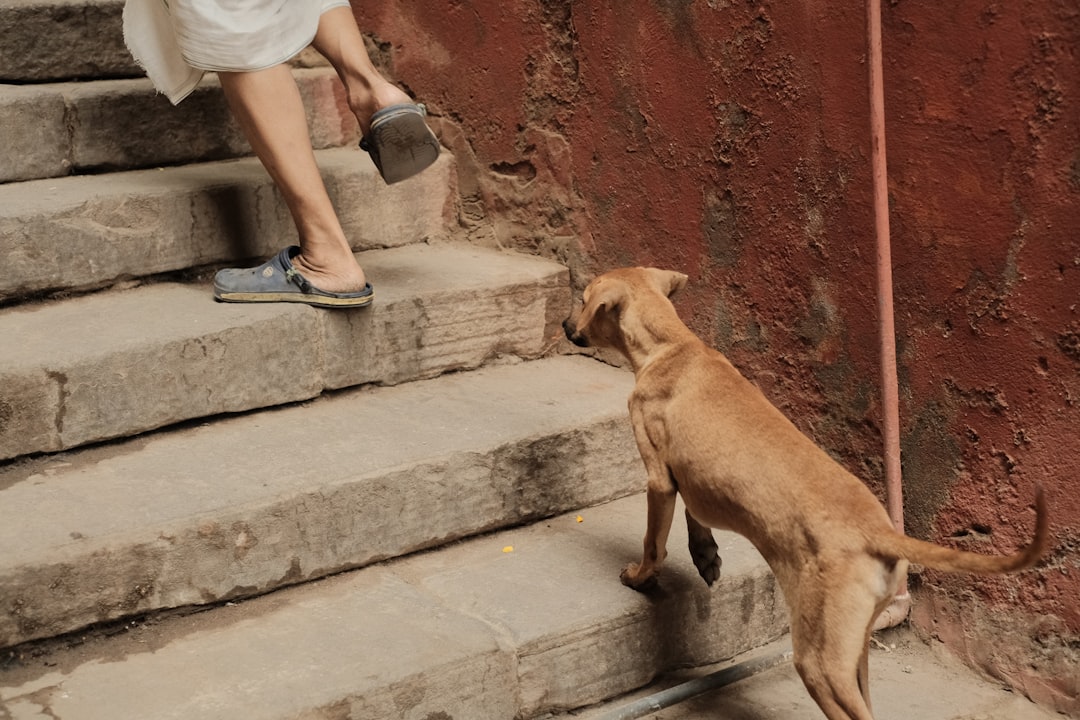
If your pet sitter has had to try to stop your pup from trying to escape every time they come to your house to check on them, it’s a pretty good sign that your dog is missing you. Chances are that your pup is trying to escape to find comfort or go in search of their missing owner. They may even try escaping during walks, so if you know your pet is a wanna-be Houdini when you’re away, it’s best to warn your pet sitter in advance. This behavior shows incredible loyalty and attachment – your dog literally wants to come find you. Your dog may try to follow you as you leave, scratching at doors, chewing at doorframes, scratching at carpets or jumping up at windowsills to look for a way out. It’s not disobedience; it’s devotion. They can’t understand why you’ve left them behind when you’re such an important part of their pack.
Seeking Comfort in Your Favorite Spots
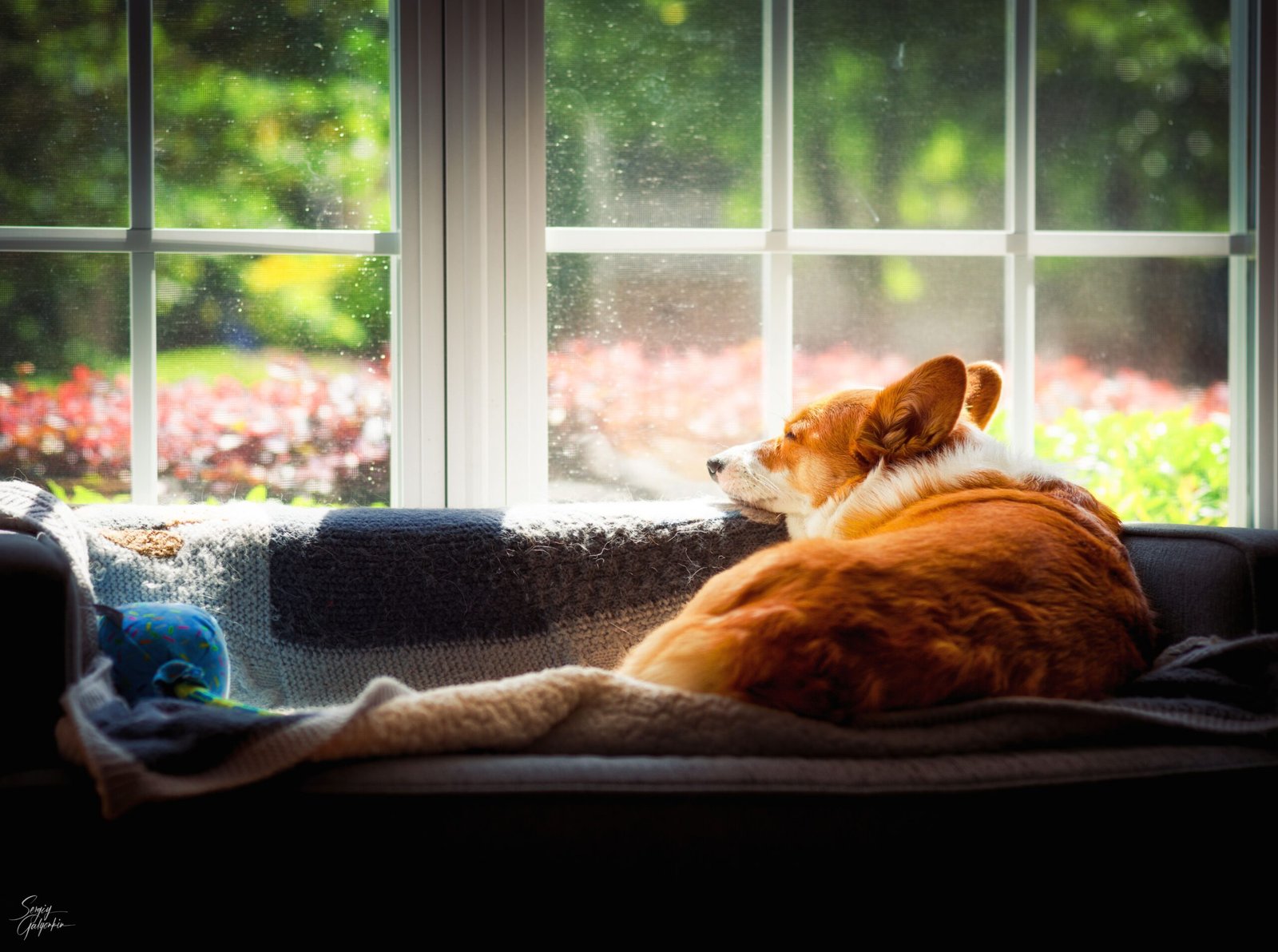
Many dogs will gravitate toward places where you spend the most time when you’re away. Your side of the bed becomes their temporary headquarters. The couch where you watch TV transforms into their observation post. You might find them being less playful, more lethargic, or even looking for their owner around the house. They might curl up in your home office chair or lie on the bathroom rug where you get ready each morning. These spots hold your scent and energy, providing emotional comfort during your absence. It’s like they’re trying to stay as close to “you” as possible, even when you’re not physically there. Some dogs will even refuse to leave these special spots until they hear your car in the driveway.
Changes in Bathroom Habits

Change in Toilet Habits: Sometimes, dogs might have accidents indoors when they’re feeling anxious about you being away. It’s like their worry is just too overwhelming. Dogs can experience separation anxiety when their owners are absent, which can cause them to exhibit behaviors such as whining, barking, destructive chewing, and house soiling. This isn’t a regression in house training – it’s a stress response. When dogs feel overwhelmed by emotions, their normal bodily functions can be affected. All the physiological signs of fear may be present – an increase in heart and breathing rate, panting, salivating, increased activity and, sometimes, a need to go to the toilet. Think of it like how humans might feel nauseous when extremely nervous. Your dog’s body is reacting to the emotional stress of separation in very real, physical ways.
They Seem “Off” During Your Routine
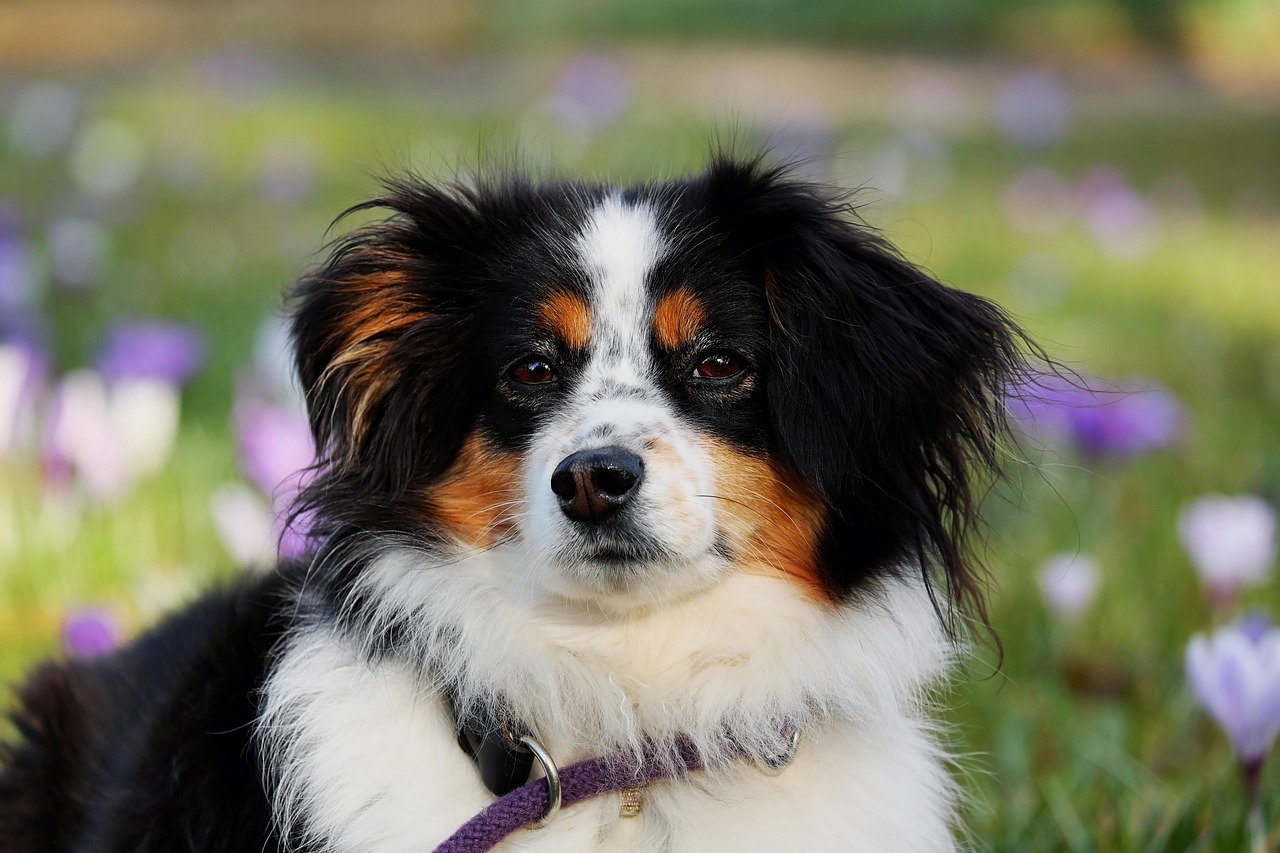
The researchers found that dogs often experienced anticipatory behaviors before their owners left, such as becoming more anxious or clingy. Dogs are incredibly perceptive creatures who pick up on the smallest changes in your routine. They notice when you shower earlier than usual, when you pick up your work bag, or when you put on “leaving clothes” instead of lounging clothes. You may also notice yours whining as you’re putting on your shoes or heading out the door. Some dogs suffering from separation anxiety become agitated when their guardians prepare to leave. Others seem anxious or depressed prior to their guardians’ departure or when their guardians aren’t present. Some try to prevent their guardians from leaving. They might shadow you more closely during your morning routine, sit closer than usual while you’re getting ready, or display subtle signs of stress that show they know what’s coming.
These dogs have become emotional meteorologists, predicting the storm of separation before it hits. Did you expect that your dog was such an emotional detective, picking up on signals you didn’t even know you were sending?


