
The Grass-Eating Mystery: 10 Theories Behind Your Dog’s Lawn Buffet Habit
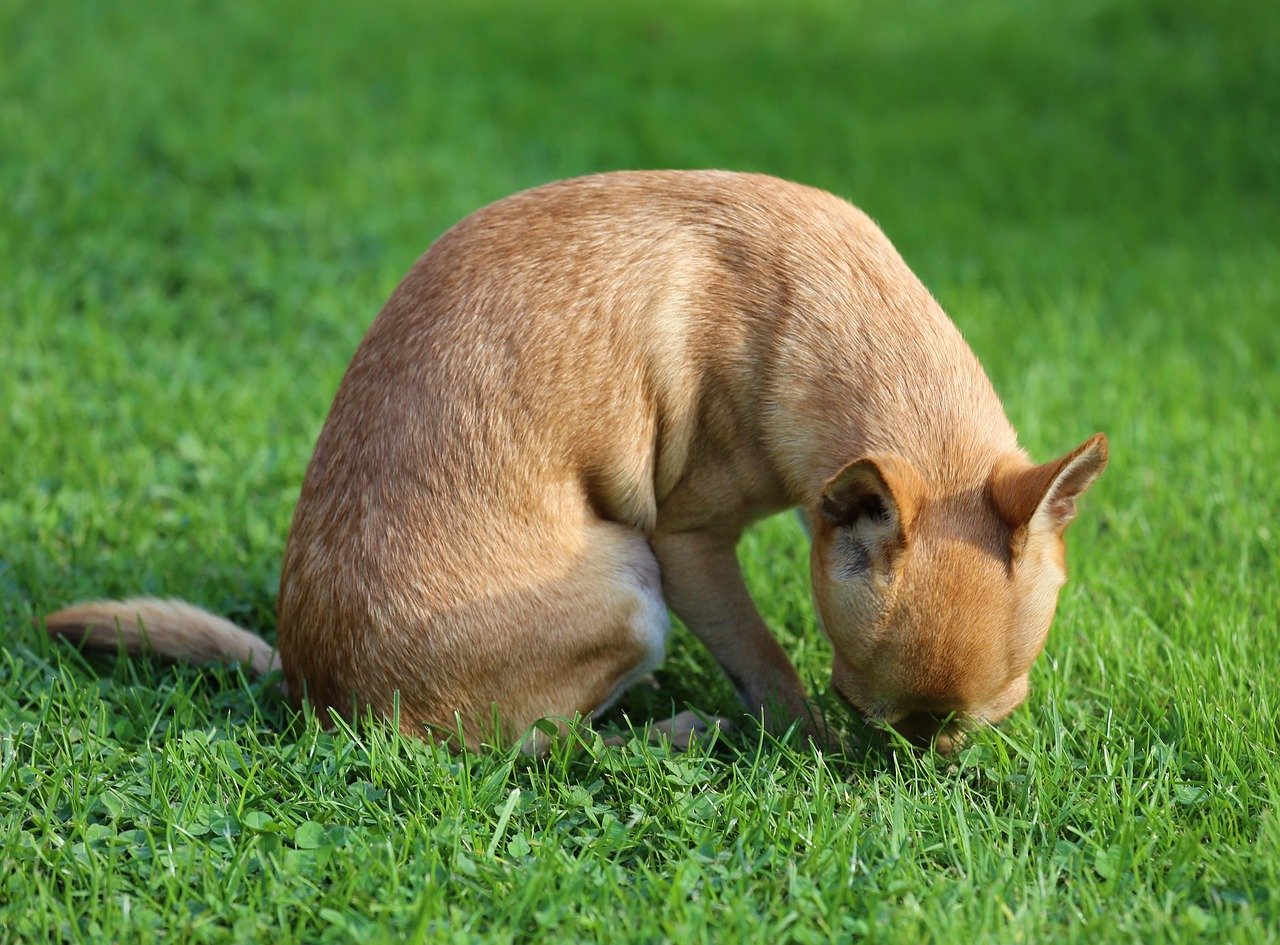
Have you ever caught your dog munching away on your freshly cut grass, looking as pleased as a child in a candy store? You’re not alone. This quirky canine behavior has left countless dog owners scratching their heads, wondering if it’s a sign of illness, boredom, or just a strange snack preference. The sight is both hilarious and a little perplexing—why would a meat-loving creature suddenly act like a tiny cow? For years, experts and dog lovers alike have debated the reasons behind this curious habit. Some theories are scientific, some are old wives’ tales, and a few are just downright bizarre. Today, we’re diving headfirst into the mystery, exploring 10 fascinating theories that might explain why your furry friend turns your backyard into a salad bar. Get ready to see your dog’s munching in a totally new light!
Seeking Essential Nutrients
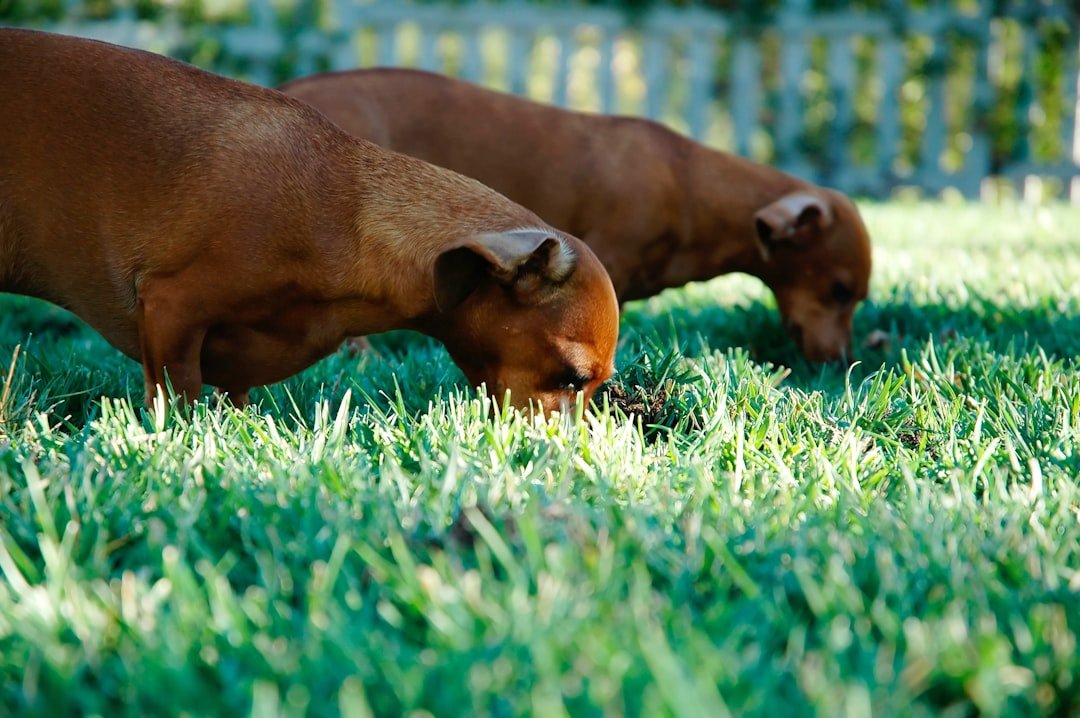
One of the most popular ideas among veterinarians is that dogs eat grass because they’re instinctively searching for missing nutrients. While most commercial dog foods claim to be “complete and balanced,” the truth is, not all dogs absorb nutrients the same way. Sometimes, a dog’s body might crave extra fiber or certain minerals that grass provides in small amounts. Think of it like when we suddenly crave spinach or oranges—our bodies are sending us signals about what we need.
Dogs’ wild ancestors also grazed on plants to supplement their meat-based diet. It’s possible this habit lingers in our pets today. Some owners notice their dogs eat grass more often when they’re fed the same food every day, almost as if they’re looking for a bit of variety or nutritional balance. So next time you see your pup grazing, he might just be following his instincts and doing a bit of self-care.
Natural Instincts from Their Ancestors
Grass-eating might be hardwired deep in your dog’s DNA. Wolves and wild dogs often consume the stomach contents of their herbivorous prey, which includes a fair amount of plant material. This behavior could have been passed down through generations, making grass munching a natural, inherited habit. It’s like a family tradition that your dog can’t quite shake off.
Even domesticated dogs sometimes act in ways that seem more at home in the wild. Rolling in odd smells, digging holes, and yes, nibbling grass—all can be traced back to survival behaviors. Watching your pooch nibble on grass might be a living reminder of his ancient roots, a tiny echo of the wild that still lives inside every domesticated dog.
Relieving an Upset Stomach

Many dog owners swear that their pets eat grass to soothe a queasy stomach. The idea is that munching on grass can induce vomiting, helping dogs rid themselves of something that’s making them feel sick. Sometimes, after a grass snack, a dog will vomit shortly afterward, which seems to confirm this theory. It’s almost as if they know what’s best for their own bodies.
However, research shows that only a small percentage of dogs actually vomit after eating grass. That means grass isn’t a guaranteed cure for a tummy ache, but it might provide some relief for certain dogs. If your pet heads for the lawn after a big meal or when he seems out of sorts, he might be trying to help himself feel better in the only way he knows how.
Boredom or Attention-Seeking Behavior
Let’s face it, dogs get bored just like we do. If you’ve ever spent a rainy weekend stuck indoors, you know how the urge to do something—anything—can take over. Some dogs turn to the grass as a way to entertain themselves, especially if their environment lacks stimulation. The simple act of chewing and pulling at grass can be oddly satisfying and break up the monotony of the day.
On the flip side, some pups know exactly how to get your attention. If you react every time your dog starts munching on the lawn, he might have learned that this behavior earns him a response. Dogs are masters of reading human cues, and if eating grass gets a laugh, a scold, or even just your focus, they might keep doing it just to see what you’ll do next.
Enjoyment of the Taste and Texture
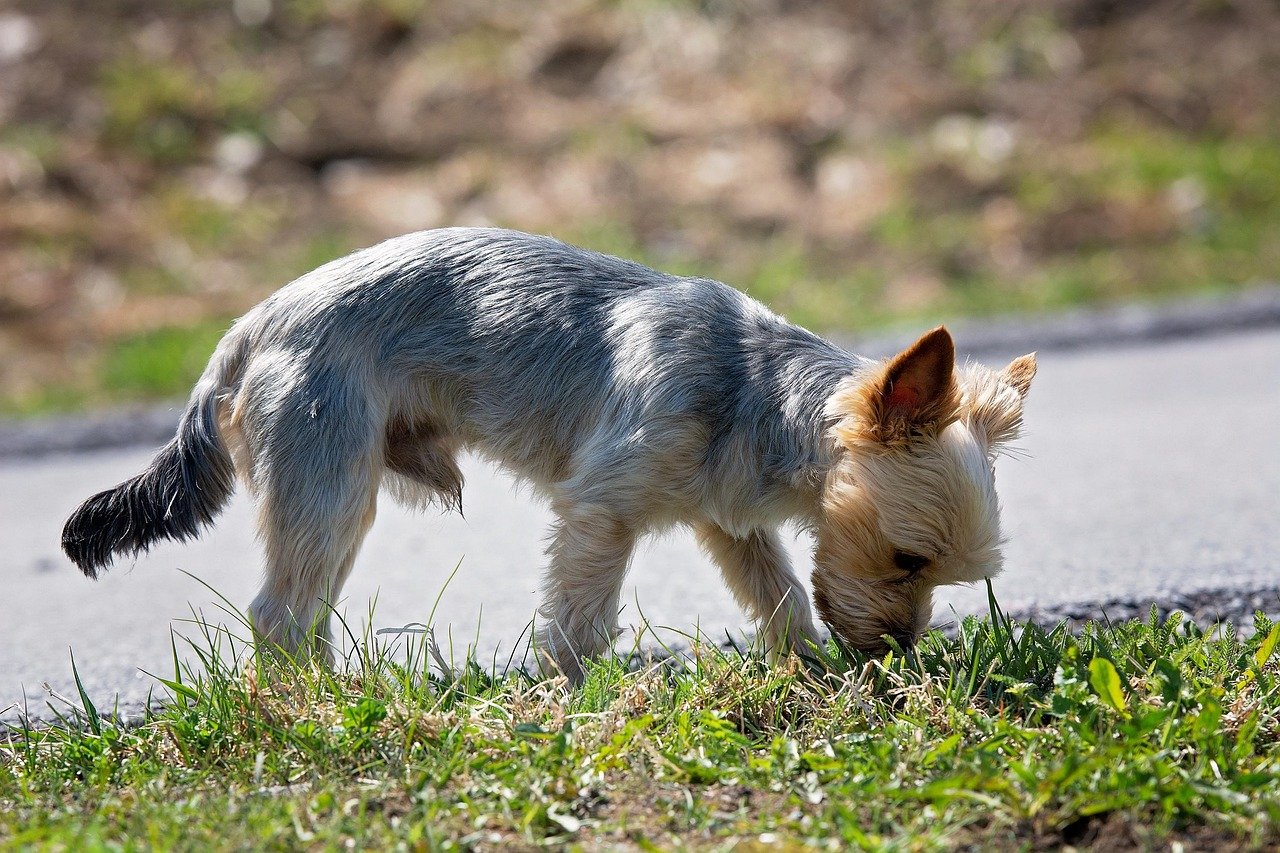
Believe it or not, some dogs might simply enjoy the taste or texture of fresh grass. The sensation of crunching on something soft and moist could be a delightful sensory experience, especially for curious or playful pups. It’s a bit like a child discovering the joys of bubble wrap—sometimes it’s just fun to chew!
Each dog has his own preferences, and grass might be like a special treat for some. You may notice your dog selecting particular patches of grass, as if he’s got a favorite “flavor.” This pickiness suggests that the act isn’t always random—sometimes it’s a matter of taste. So, if your pooch seems to savor his grassy snacks, he might just be indulging in a personal favorite.
Natural Parasite Control
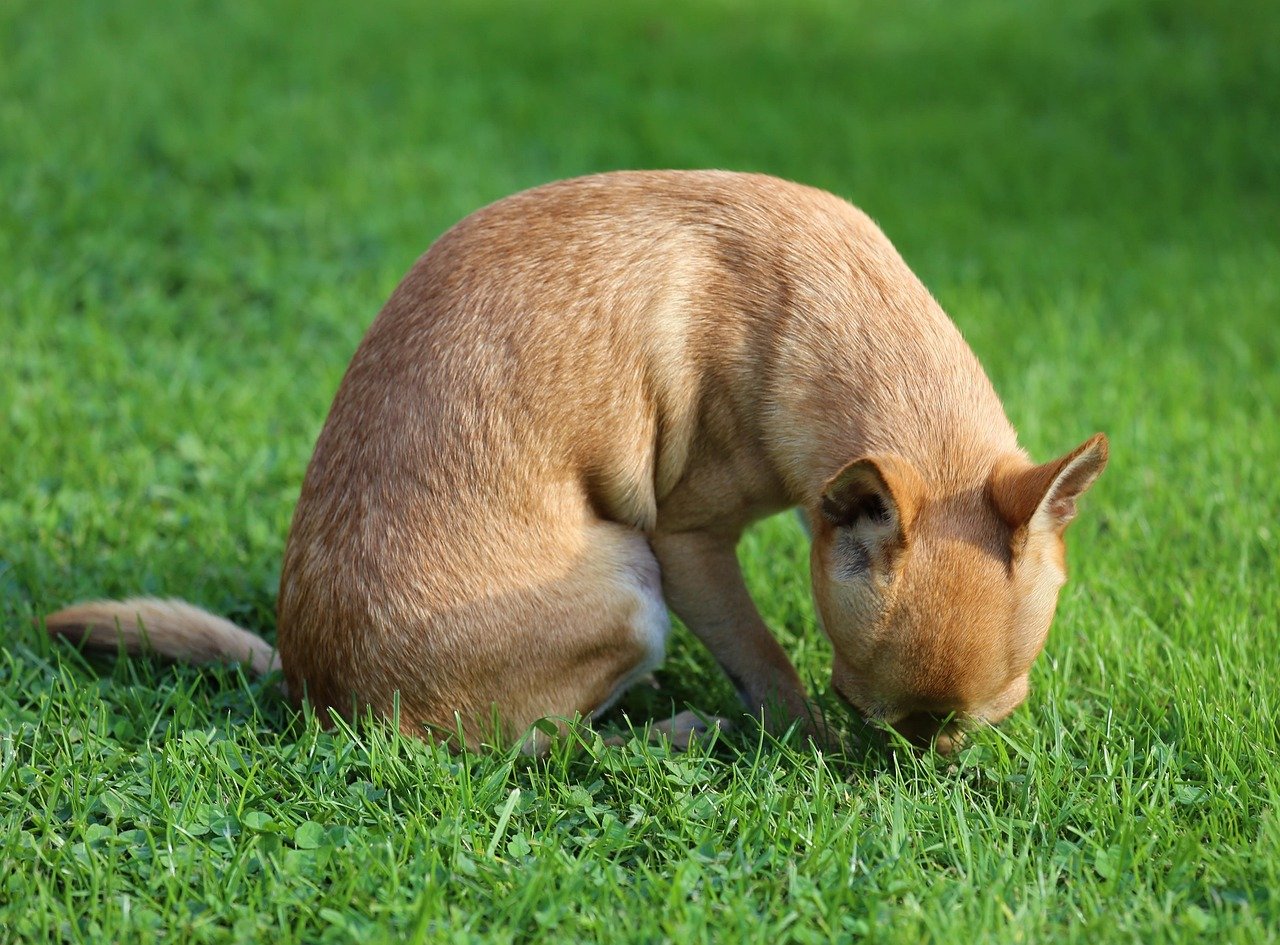
Another intriguing theory is linked to parasite control. In the wild, animals often eat certain plants to help expel intestinal parasites. Grass can act like a natural scrub brush, helping to push worms or other parasites through the digestive system. It’s nature’s version of a gentle cleanser, used long before modern medicine.
While most pet dogs today are regularly dewormed, the instinct might remain. Some experts believe this could explain why even well-cared-for pets still engage in this primitive behavior. If your dog is munching on grass, it could be an ancient, built-in way of keeping his gut healthy—just in case.
Copying Other Dogs or Animals
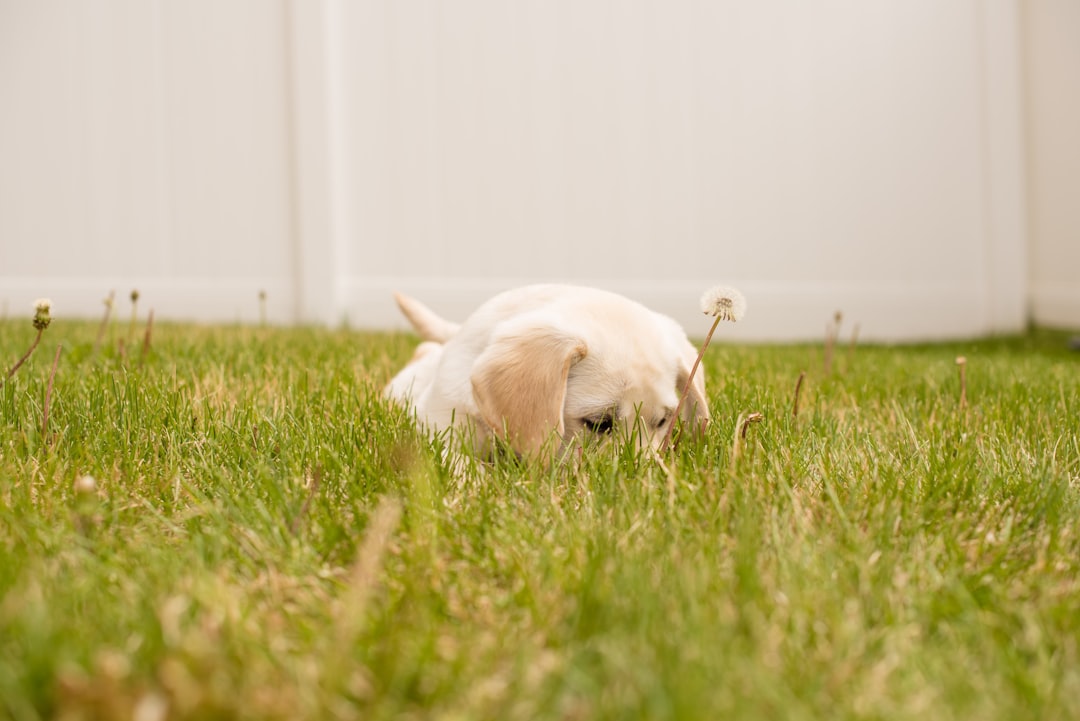
Dogs are notorious copycats. They learn by watching other dogs and animals, picking up behaviors and habits simply by observation. If one dog in a household or park starts eating grass, others might quickly join in, not wanting to miss out on the fun (or the snack). It’s a classic case of “monkey see, monkey do”—or in this case, “puppy see, puppy chew.”
Sometimes, dogs even mimic other animals, like rabbits or sheep, who regularly graze on grass. It’s as if your dog is trying out a new role, just to see what all the fuss is about. This social aspect of grass-eating shows how much our dogs are influenced by their furry friends and surroundings.
Alleviating Anxiety or Stress
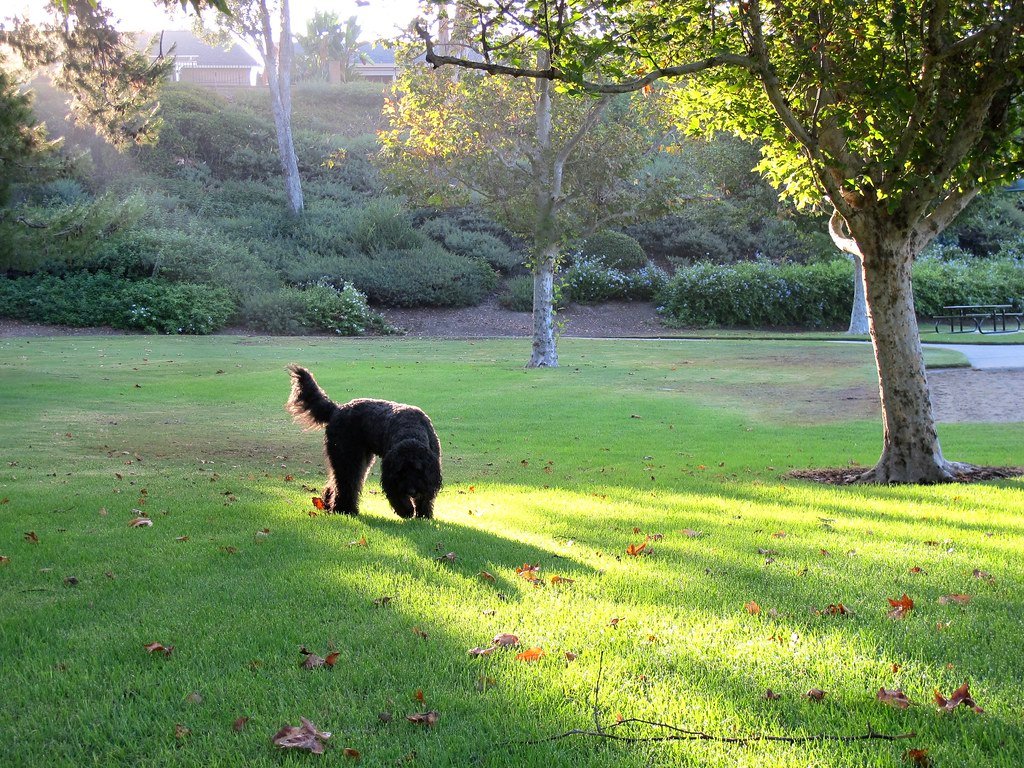
Grass-eating can be a soothing ritual for some dogs, especially those prone to anxiety or stress. Chewing is naturally calming for many animals, helping them cope with nervous energy or uncertainty. When your dog is feeling anxious—maybe during a thunderstorm or after being left alone—he might turn to the grass for comfort.
This behavior is similar to humans biting their nails or twirling their hair when they’re anxious. It’s a repetitive action that brings a sense of control and calm. If you notice your dog eating more grass during stressful times, he might be using the lawn as his own little therapy session.
Curiosity and Exploration
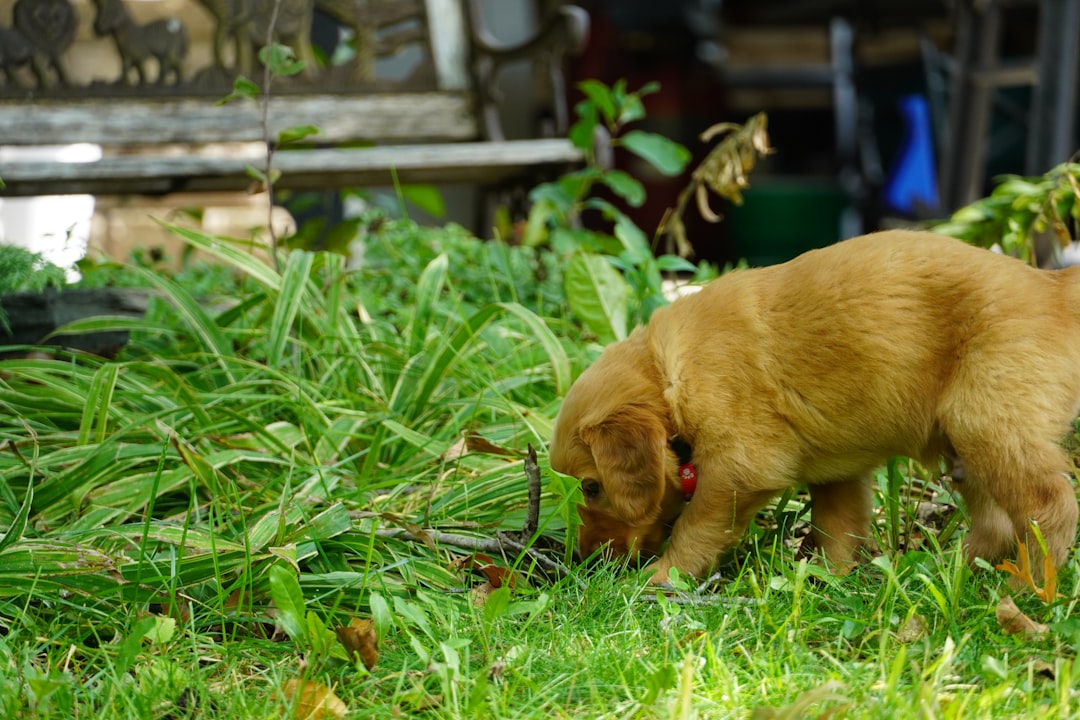
Puppies and young dogs are especially curious about the world around them. For them, grass is just another fascinating object to explore with their mouths. Tasting, chewing, and even swallowing grass can be part of their learning process, helping them understand what’s edible, what’s not, and how different things feel or taste.
This natural curiosity often fades as dogs grow older, but some keep the habit simply because it’s interesting. Exploring the backyard with their mouths is a way for dogs to connect with their environment—every blade of grass a tiny adventure waiting to happen. For dogs, the world is a buffet, and grass is just one more thing to try.
Underlying Health Issues
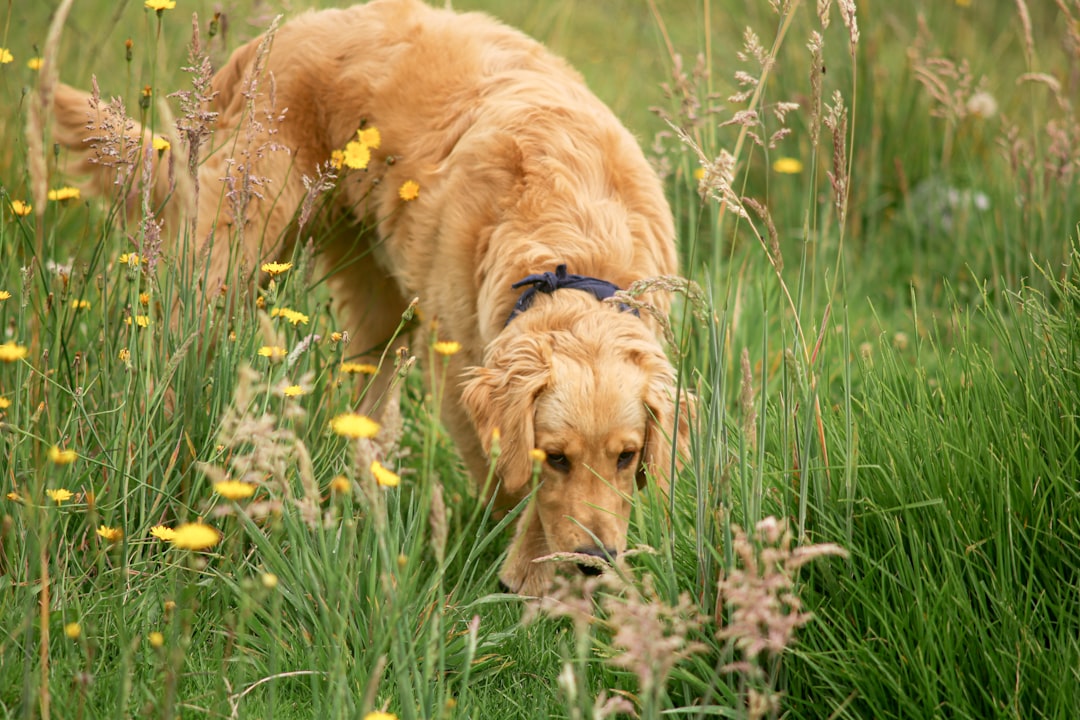
Finally, sometimes grass-eating can signal a deeper health issue. Dogs with gastrointestinal problems, such as acid reflux or inflammatory bowel disease, might eat grass in response to discomfort. It can be their way of trying to soothe an irritated stomach or deal with nausea. If the behavior becomes obsessive or is accompanied by other symptoms like lethargy, diarrhea, or loss of appetite, a vet visit is a must.
While grass-eating is usually harmless, sudden changes in your dog’s behavior shouldn’t be ignored. Trust your instincts—after all, you know your pet better than anyone. Sometimes, the grass-eating mystery is a clue that something more serious is going on under the surface.
In the end, the mystery of why dogs eat grass may never have one definitive answer—but the ten theories offer valuable insight into what might be driving your pup’s peculiar lawn buffet habit. Whether it’s to ease an upset stomach, satisfy a natural instinct, or simply out of boredom or curiosity, grass-eating is generally considered harmless in moderation. As long as your dog isn’t overindulging or consuming chemically treated grass, there’s usually little reason to worry. Still, it’s always a good idea to observe your dog’s overall behavior and consult your vet if anything seems off. Understanding the “why” behind the nibbling may not only solve a quirky mystery but also bring you closer to your canine companion’s inner world.