

If your dog’s constantly licking their paws, they might be trying to tell you something’s off—and it’s more than just a quirky habit. Occasional licking is normal, but if it becomes frequent or obsessive, it could signal allergies, dry skin, an injury, or even anxiety. Environmental triggers like grass, pollen, or household cleaners are common culprits. Sometimes, it’s boredom or stress that drives the behavior, especially if your pup is left alone for long stretches. Redness, swelling, or a bad odor are definite signs it’s time to call the vet. Catching the cause early helps prevent infection or bigger health issues down the line. Think of paw licking as your dog’s way of raising a paw for help—they’re counting on you to notice!
The Secret Language of Paw Licking

Imagine coming home after a long day, only to find your beloved dog intensely licking their paws. While it might look innocent or even adorable, this common canine habit can speak volumes. Dogs don’t just lick their paws for fun—there’s usually a reason behind it. Like a red flag in a sea of fur, persistent paw licking might be your dog’s way of sending you a message. Some dogs might do this to self-soothe, while others are trying to relieve discomfort or stress. It’s almost like a secret code, and as a loving pet owner, you’re the detective trying to crack it. Dogs communicate differently than we do; their actions, especially repetitive ones, are their version of raising a hand for help. By paying close attention, you can become fluent in your dog’s unspoken language.
Normal Grooming vs. Excessive Licking

Every dog licks its paws from time to time—just like we might scratch an itch or tidy up our hair. Occasional paw licking, especially after a romp in the yard or a messy meal, is totally normal. However, when this behavior turns into a frequent or obsessive habit, it’s time to take notice. Excessive licking can mean something is bothering your furry friend, either physically or emotionally. You might find wet spots on the floor or even see the fur on their paws thinning out. Think of it like biting your nails: a little is normal, but too much could be a sign of something deeper. By distinguishing between regular grooming and obsessive licking, you’ll know when it’s time to step in and help.
Allergies: The Sneaky Culprit
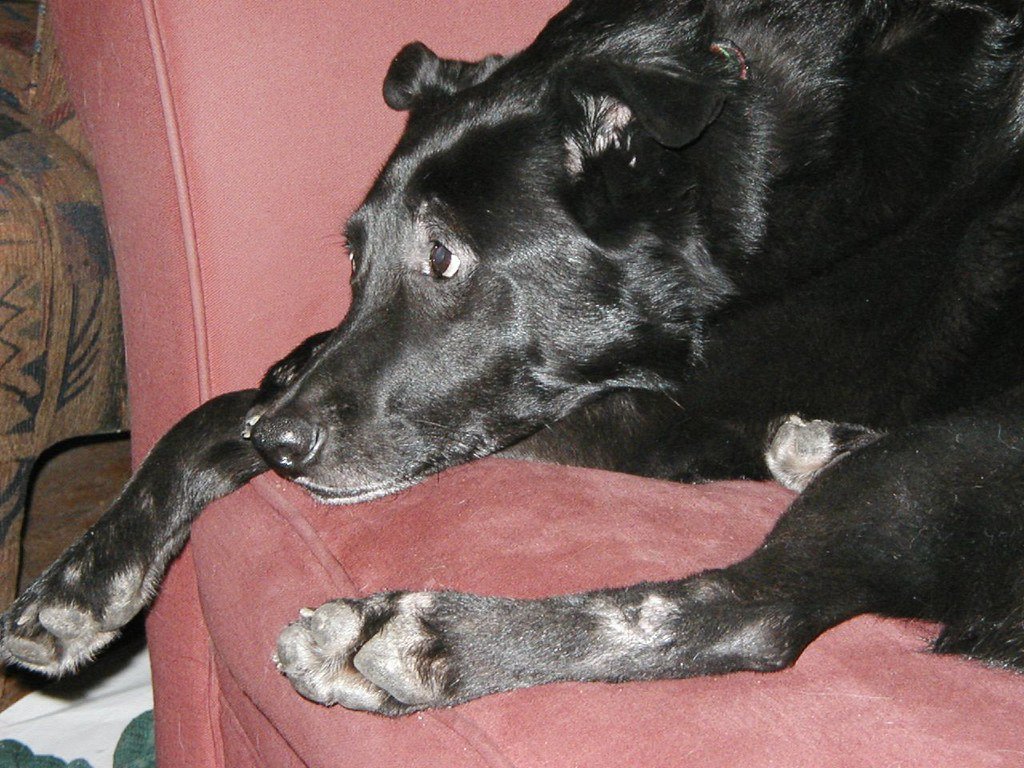
One of the most common reasons dogs lick their paws is allergies. These allergies can be triggered by anything from dust mites and pollen to certain foods or cleaning products. Imagine walking barefoot through tall grass if you have sensitive skin—your dog might feel the same irritation. Allergic reactions often make paws itchy, inflamed, or red, leading your dog to lick for relief. Sometimes, you might notice seasonal patterns, like more licking in spring or fall. Food allergies may cause similar symptoms, but can also bring digestive issues or ear infections. If you suspect allergies, try to note any changes in your dog’s environment or diet. Identifying patterns can help your vet zero in on the problem and offer the best solution for your pup.
Anxiety and Emotional Triggers

Dogs feel stress, too, even if they don’t have to worry about bills or deadlines. Emotional distress, boredom, and anxiety can all manifest as paw licking. If your dog is left alone for long hours, hears loud noises, or experiences changes in the household, they might start licking their paws as a coping mechanism. It’s their way of self-soothing, much like a child clutching a teddy bear during a thunderstorm. Watch for other signs of anxiety, like pacing, whining, or destructive behavior. Sometimes, a big life change—like a move or a new pet—can spark this reaction. Providing your dog with plenty of exercise, mental stimulation, and affection can make a world of difference in easing their nerves.
Pain and Injuries Hiding in Plain Sight
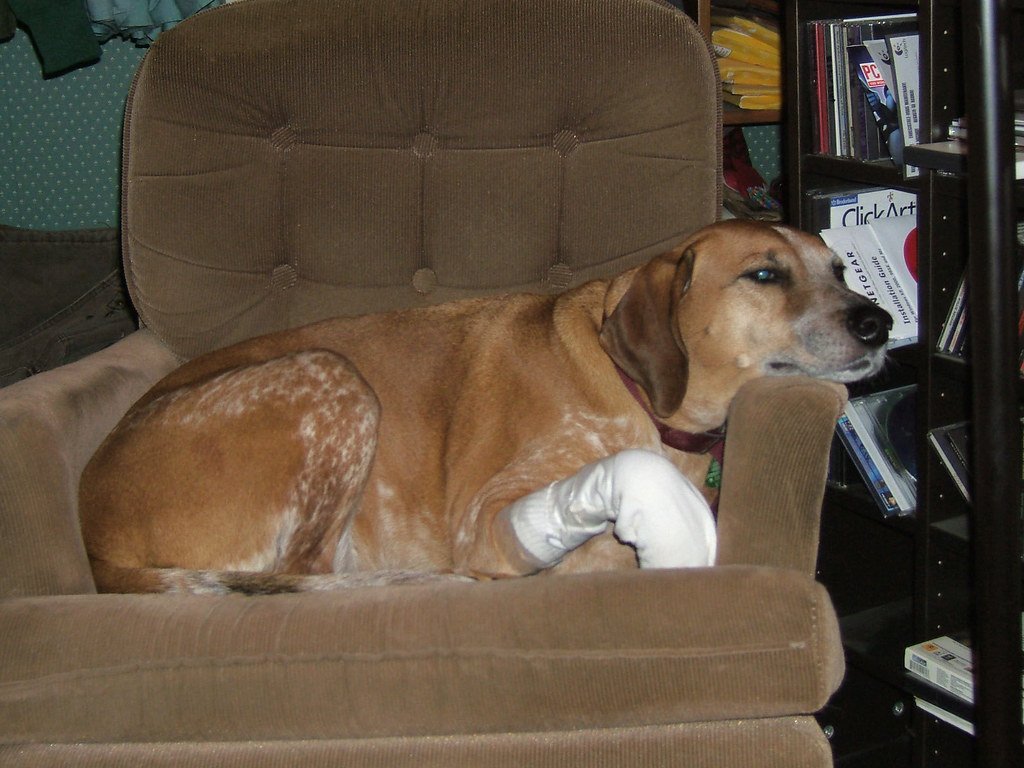
Paw licking isn’t always about allergies or emotions; sometimes, it’s a direct response to pain. Tiny cuts, thorns, splinters, or even insect stings can irritate your dog’s paws, prompting them to lick the area repeatedly. Imagine getting a pebble stuck in your shoe—you’d want it out, fast. Dogs, lacking hands, use their tongues to clean and soothe sore spots. If you see your dog focusing on one paw, it’s a good idea to inspect it closely for wounds, swelling, or signs of infection. Don’t forget that injuries can be hidden between the toes or under the nails. Catching these problems early can prevent more serious complications and help your furry friend heal faster.
Parasites: Unwelcome Visitors

Fleas, ticks, and mites aren’t just annoying—they can make your dog downright miserable. These tiny invaders often target the paws, causing itching and irritation that leads to compulsive licking. Sometimes, you might spot flea dirt or tiny red bumps on your dog’s skin. Other times, the only clue is relentless licking and biting at the feet. It’s like an invisible itch your dog just can’t scratch enough. Regular grooming and checking your dog’s paws (especially after walks in grassy or wooded areas) can help you catch these pests before they multiply. If you suspect parasites, prompt treatment with vet-recommended products can bring quick relief and protect your dog from further discomfort.
Dermatitis and Skin Conditions

Chronic skin problems like dermatitis are another reason your dog might be licking their paws more than usual. This condition can be triggered by irritants such as chemicals, salt on winter roads, or even certain types of grass. The result? Red, inflamed, and sometimes cracked skin that begs for relief. In some cases, dermatitis can also cause secondary infections from all that licking, creating a vicious cycle. If you notice your dog’s paws are persistently red, swollen, or have a foul odor, dermatitis could be the culprit. Gentle cleaning with pet-safe wipes and avoiding known irritants can help, but persistent issues are best addressed by your veterinarian.
Yeast Infections: The Smelly Clue
Yeast thrives in warm, moist environments—like the area between your dog’s toes. If your dog’s paws have a musty or cheesy smell and you see redness or brown staining, a yeast infection could be to blame. These infections can make paws intensely itchy, leading your dog to lick in a desperate attempt for relief. Some dogs are more prone to yeast overgrowth, especially those with allergies or compromised immune systems. Left untreated, these infections can worsen, causing thickened skin or even pain. If you suspect a yeast infection, your veterinarian can recommend antifungal treatments to clear up the problem and soothe your dog’s discomfort.
When Licking Becomes a Dangerous Habit
What starts as a simple itch can quickly spiral into a harmful habit. Persistent licking can break down the skin’s natural barrier, leading to open wounds, infections, and even painful sores called “lick granulomas.” At this point, the behavior often becomes compulsive, much like a person picking at a scab. You might notice your dog seems unable to stop, even when distracted. This is when intervention is crucial. Left unchecked, these wounds can worsen and require costly or lengthy treatment. Recognizing the signs early and seeking help can spare your dog unnecessary pain and help them kick the habit before it gets out of hand.
When to Call the Vet: Red Flags to Watch For
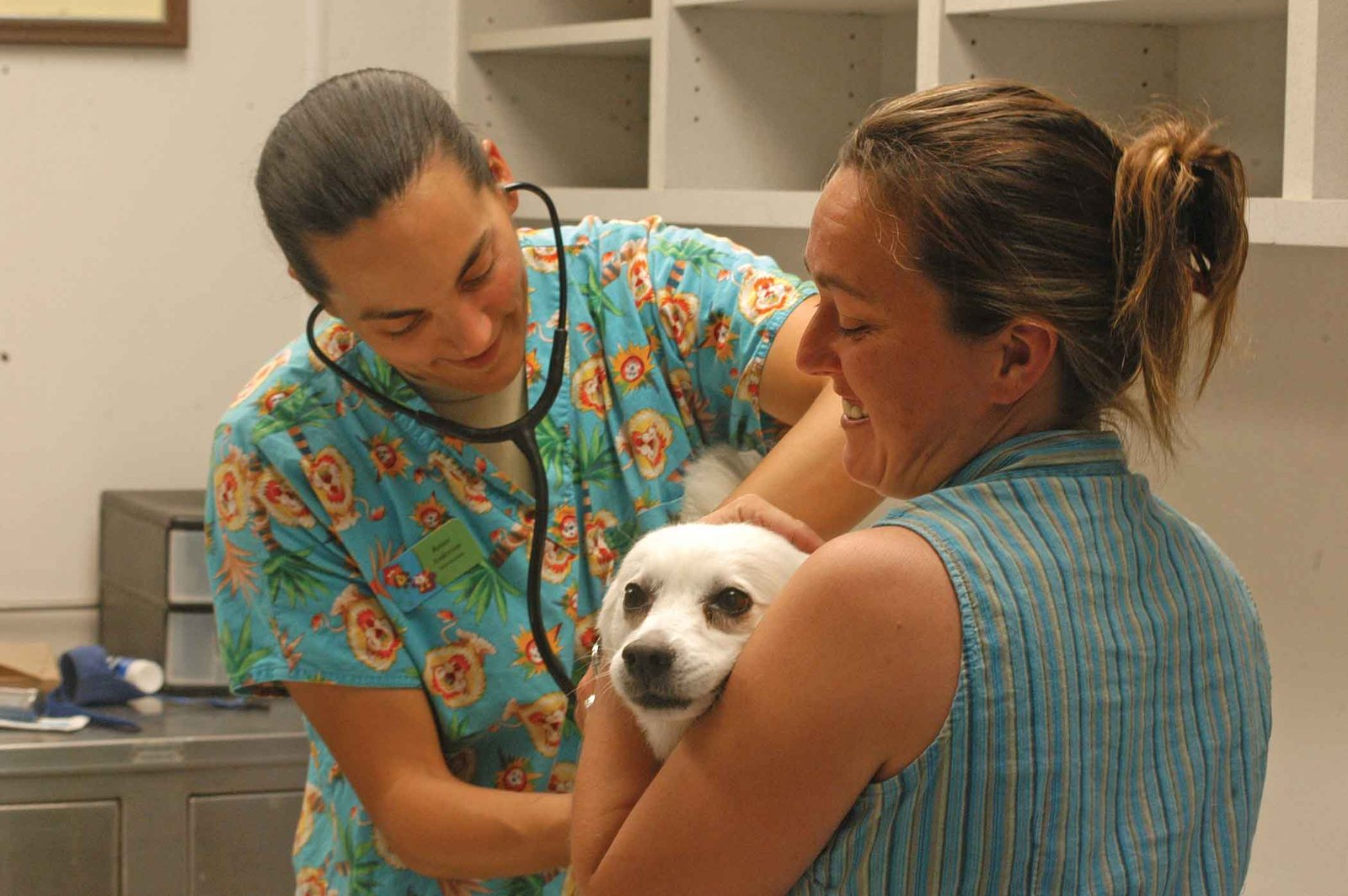
While occasional licking is nothing to lose sleep over, there are certain warning signs that deserve immediate attention. If your dog’s paws are swollen, bleeding, or have pus, it’s time for a vet visit. Other red flags include limping, constant licking that disrupts sleep, or changes in behavior like withdrawal or aggression. Don’t ignore sudden changes, especially if your dog seems distressed or in pain. Trust your instincts—if something feels off, it’s always better to be cautious. Your veterinarian can help pinpoint the cause and recommend the right treatment to get your furry friend back on track.
How to Help Your Dog Find Relief
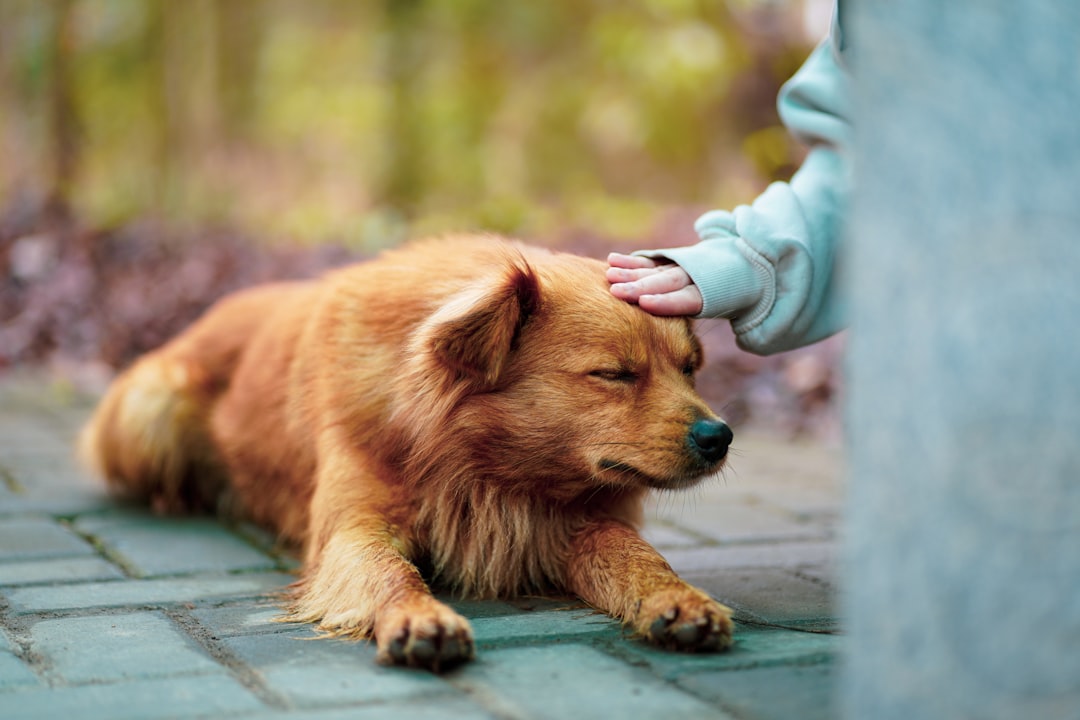
Helping your dog overcome paw licking starts with understanding the cause. Simple steps like rinsing paws after walks, switching to hypoallergenic food, or providing more playtime can make a huge difference. For anxious pups, calming routines, puzzle toys, and extra cuddles can work wonders. If medical issues are at play, following your vet’s advice is key—whether that’s medication, topical treatments, or changes in diet. Remember, every dog is unique, and what works for one might not work for another. Patience, observation, and a loving touch are your best tools. Sometimes, the smallest changes can bring the biggest relief for your four-legged friend.
So, if your dog won’t stop licking their paws, don’t just brush it off—it could be their way of asking for help. Whether it’s an allergy, irritation, or just stress, paying attention early can save your pup a lot of discomfort. A quick check and a vet visit, if needed, can make all the difference. After all, those paws do a lot of work—and they deserve a little extra care!


