
Why Some Cats Prefer Older Humans—and Thrive With Them
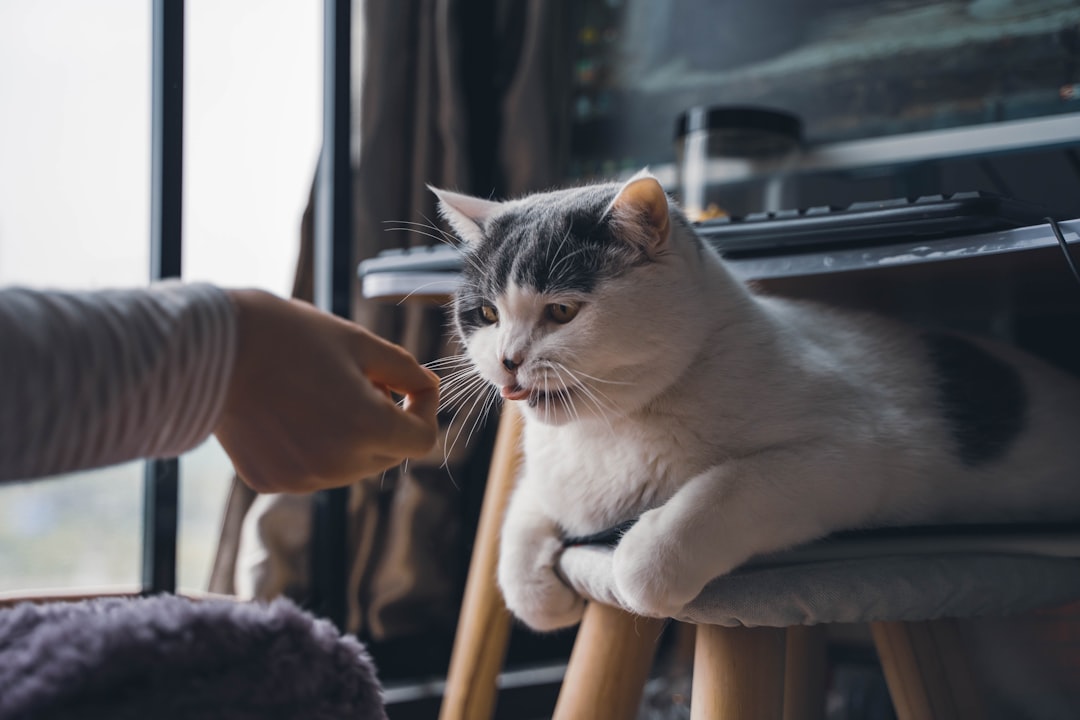
Have you ever noticed how some cats seem to gravitate toward older people? It’s not just your imagination. Picture a purring tabby curled up on Grandma’s lap, blissfully snoozing through a quiet afternoon. There’s something real and magical about the bond between mature cats and mature humans. As someone who’s spent countless hours observing and loving cats, I can tell you: when a cat chooses an older person, it’s often for reasons deeper than a warm lap. This connection is heartwarming, surprising, and worth understanding—especially if you want your own feline friend to feel truly at home.
Calm Environments: A Sanctuary for Sensitive Souls
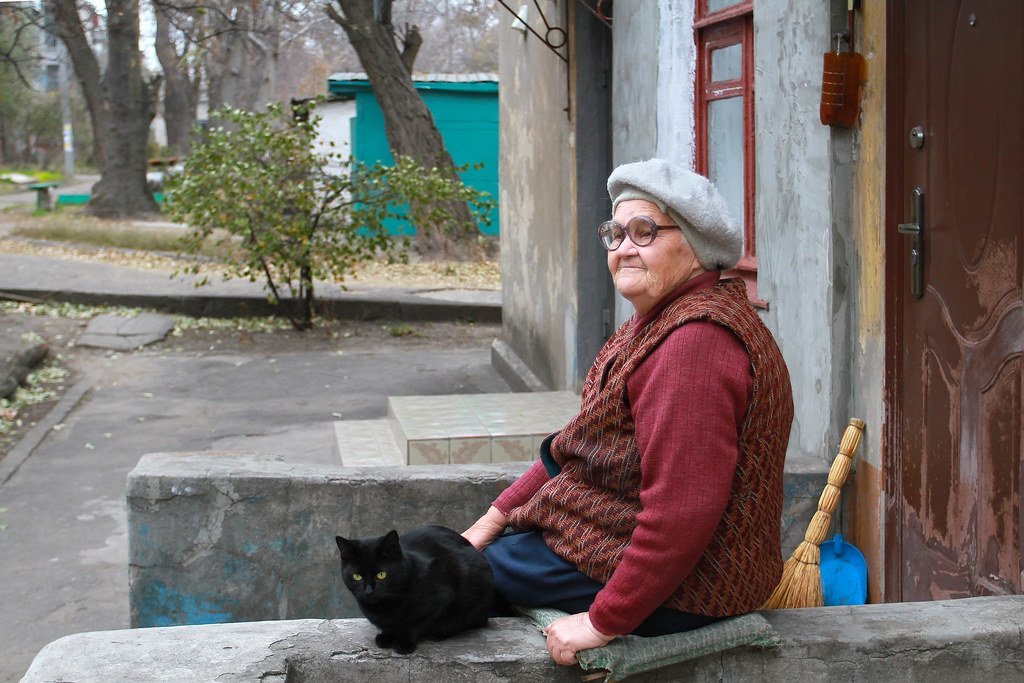
Cats are creatures of comfort, and older adults often provide the tranquil atmosphere that felines crave. Unlike the hustle and bustle of busy families or energetic kids, an older person’s home is usually quieter. This means less startling noise, fewer unpredictable movements, and a peaceful rhythm that helps anxious or shy cats feel safe. For a cat, that’s like finding the softest patch of sun on a chilly day—utter bliss.
The calmer environment doesn’t just soothe their nerves. It also allows cats to settle into routines, which they adore. Many older people stick to set schedules for meals, naps, and even TV time. Cats pick up on this consistency and thrive when they know what to expect. If you’ve ever watched a cat pace impatiently, waiting for their person to wake up and fill the food bowl, you’ll know how much they love a steady routine.
Gentle Touch and Patient Companionship
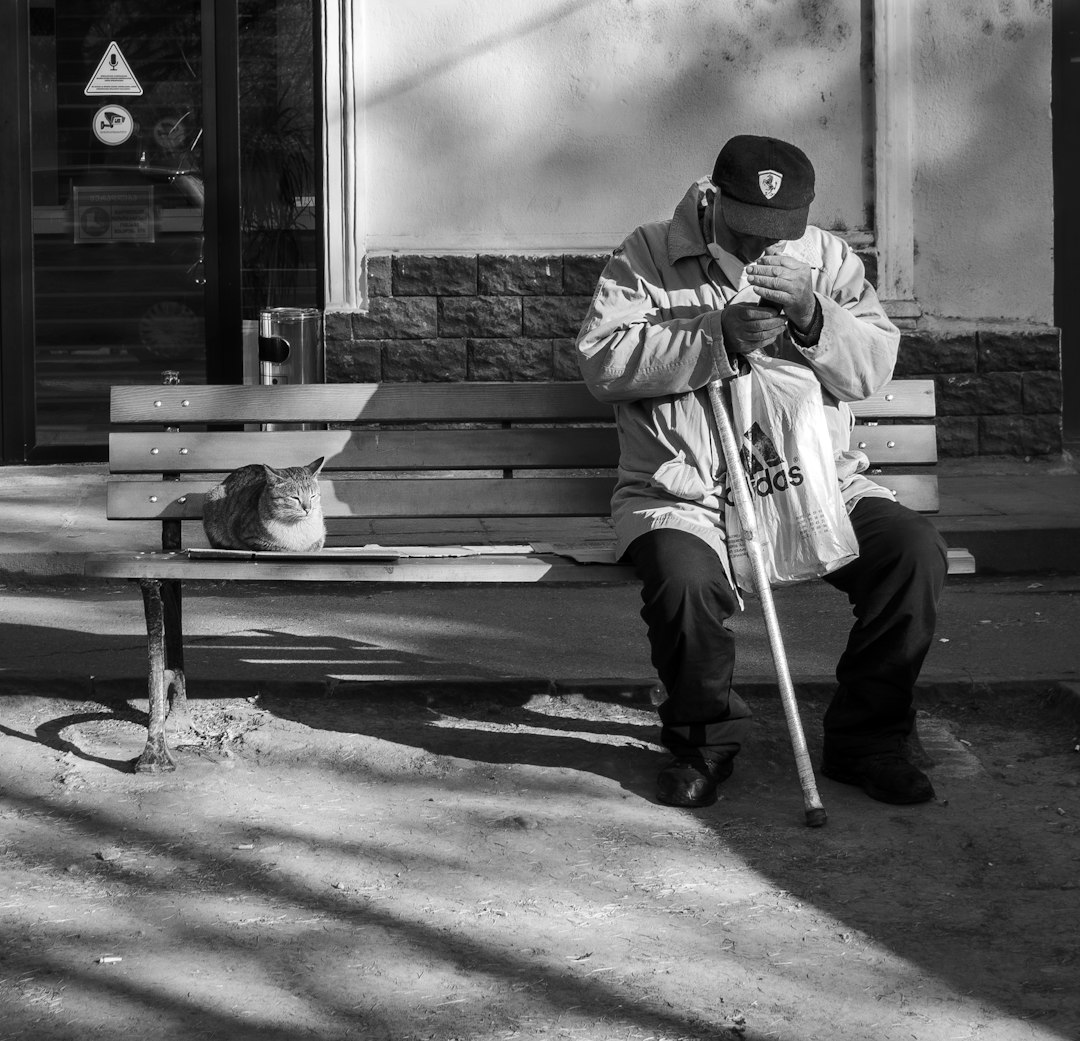
Let’s face it—cats aren’t always fans of rough handling or sudden grabs. Older humans, with their gentler approach and practiced patience, tend to offer the kind of soft touch cats appreciate. There’s less chasing, fewer awkward hugs, and more slow, careful strokes along the back or under the chin. For many cats, this is pure heaven.
Patience is another big plus. Older adults often have the time and willingness to let a cat come to them, rather than forcing interaction. This respect for boundaries is crucial, especially for rescues or cats with a shy streak. A cat knows when someone is willing to wait for trust to build, and they reward that patience with deep, lasting affection.
Shared Need for Routine and Predictability

As people age, many develop a fondness for routines—morning coffee at the same time, an afternoon walk, evening news. Cats are no different! They absolutely adore predictability, from feeding schedules to playtime rituals. When an older person’s day follows a reliable pattern, cats feel secure and relaxed.
This shared love for predictability creates a wonderful harmony in the home. A cat knows when to expect their meals, cuddles, and play sessions, and they rarely have to cope with the stress of surprise changes. It’s a bit like two old friends who can finish each other’s sentences—comfortable, cozy, and full of trust.
Slower Pace, Deeper Bond
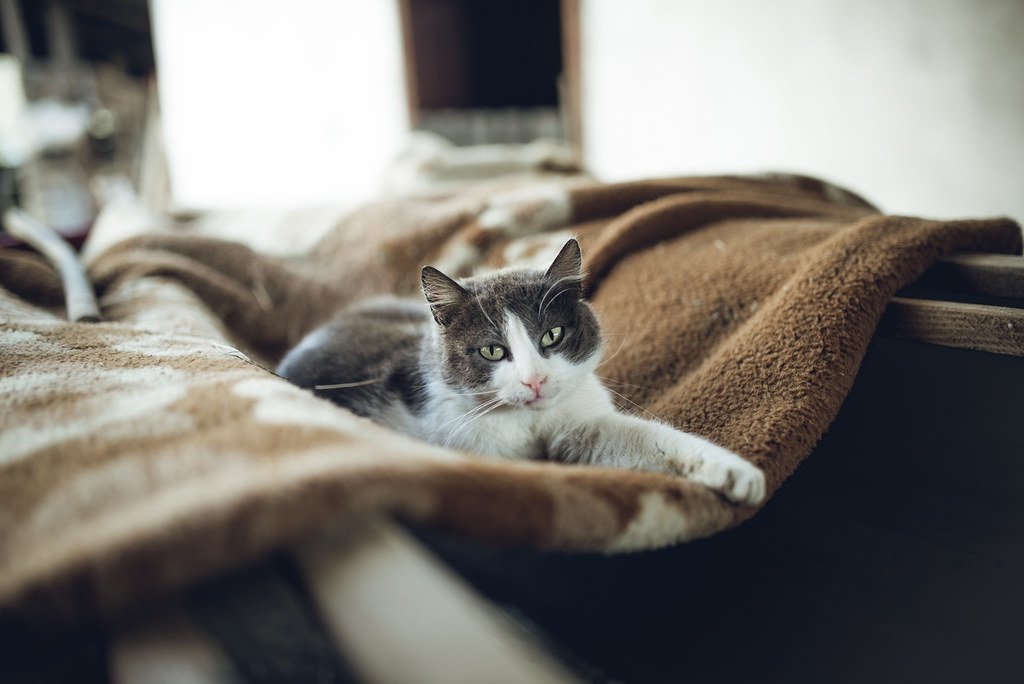
Older humans often move at a gentler, slower pace, which can be a perfect match for a mature or mellow cat. No sudden sprints or chaotic games—just slow strolls around the house, gentle grooming, and long, peaceful naps together. For cats who are older themselves, or just not as playful as kittens, this slower pace feels safe and inviting.
This slower rhythm allows for deeper, more meaningful interactions. Instead of quick pats or rushed play, there’s time for eye contact, gentle conversations, and shared silences. It’s in these quiet moments that a cat’s trust can really blossom, creating a bond that’s as sturdy and comforting as a favorite old sweater.
Physical Health Benefits for Both Cat and Human
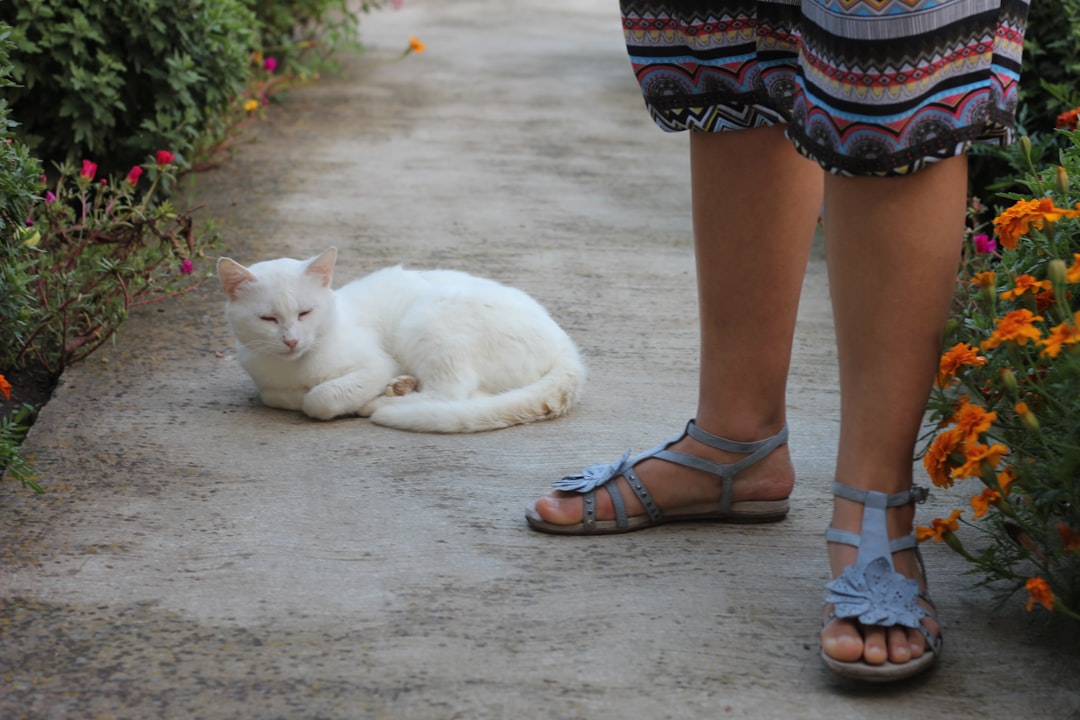
Did you know that the companionship between older humans and their cats can be a two-way street of health benefits? Petting a cat can actually lower blood pressure and reduce stress, which is great news for seniors looking to stay healthy. The gentle purr of a contented cat has even been shown to have calming and healing effects.
For the cat, living with an older person can mean more regular meals, careful monitoring of health, and plenty of cozy places to relax. Many older adults notice the little changes—a limp, a sneeze, or a missed meal—and can catch health issues early. This attentive care can make a huge difference in a cat’s quality of life, especially as they age.
Understanding Cat Behavior Cues
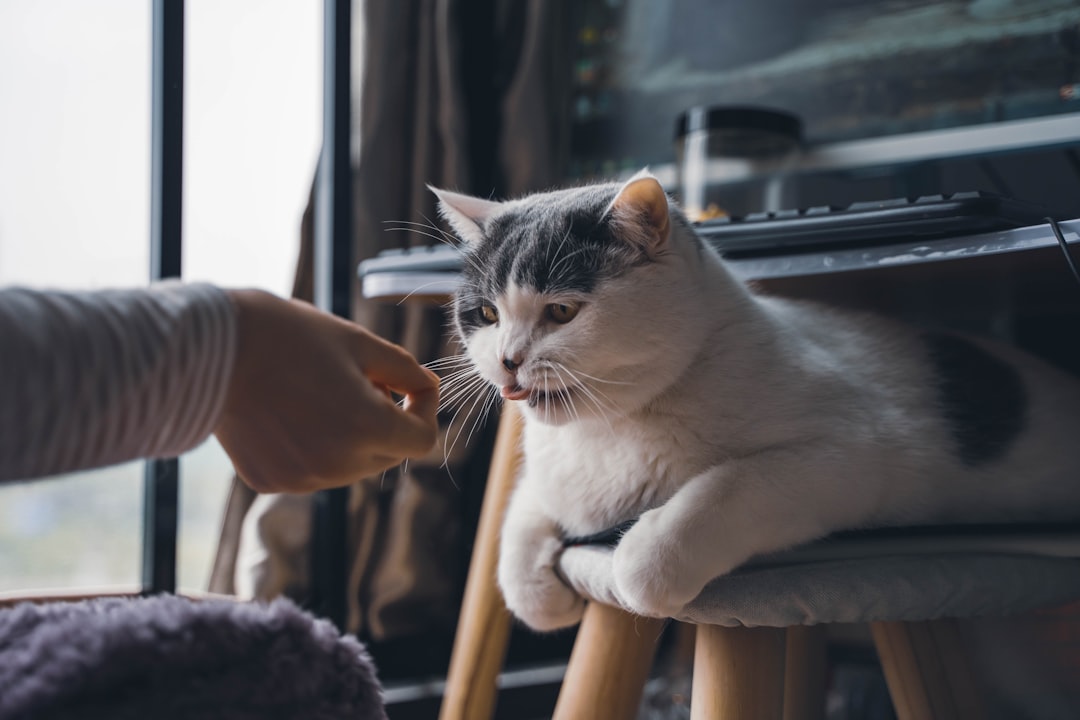
Older humans often have more time and patience to truly observe their cat’s quirky behaviors. They notice when a tail flick means irritation, or when slow blinks are a sign of love. This sensitivity to feline body language helps prevent misunderstandings and build trust.
A real-world example: my neighbor, a retired teacher, can spot when her senior cat, Boots, wants alone time just by the way he positions his ears. She gives him space, and in return, he seeks her out for cuddles later. That mutual understanding is something cats truly cherish.
Less Stressful Social Dynamics
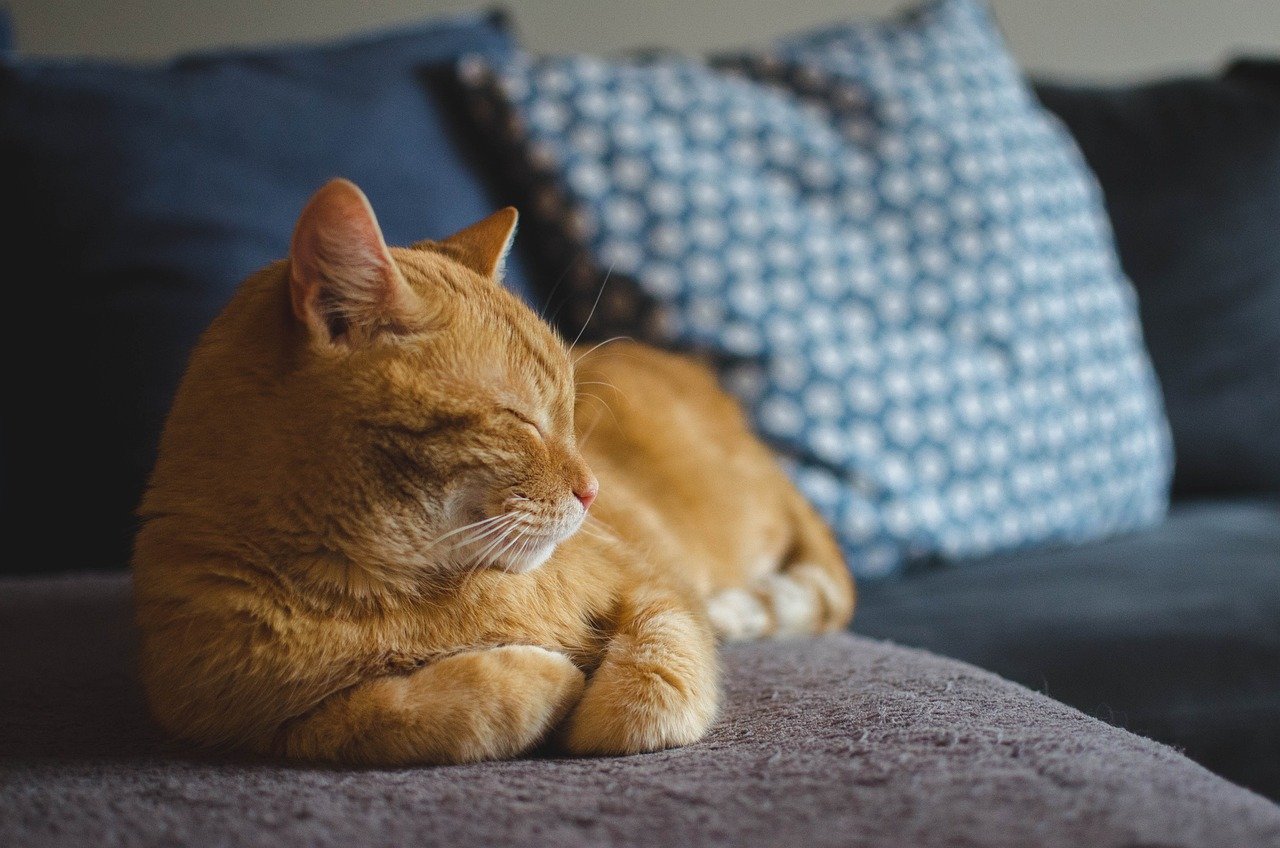
In many older households, there’s less competition for attention. No toddlers grabbing tails, no noisy teenagers blasting music—just a peaceful coexistence between cat and human. This calmer social environment means cats don’t need to be constantly on guard.
Without the stress of unpredictable visitors or wild play, cats can show their true personalities. Timid cats may become braver, while previously aloof felines might become affectionate lap warmers. The reduction in stress can even help prevent common behavioral issues like spraying or hiding.
Prevention Tips and Creating the Perfect Home
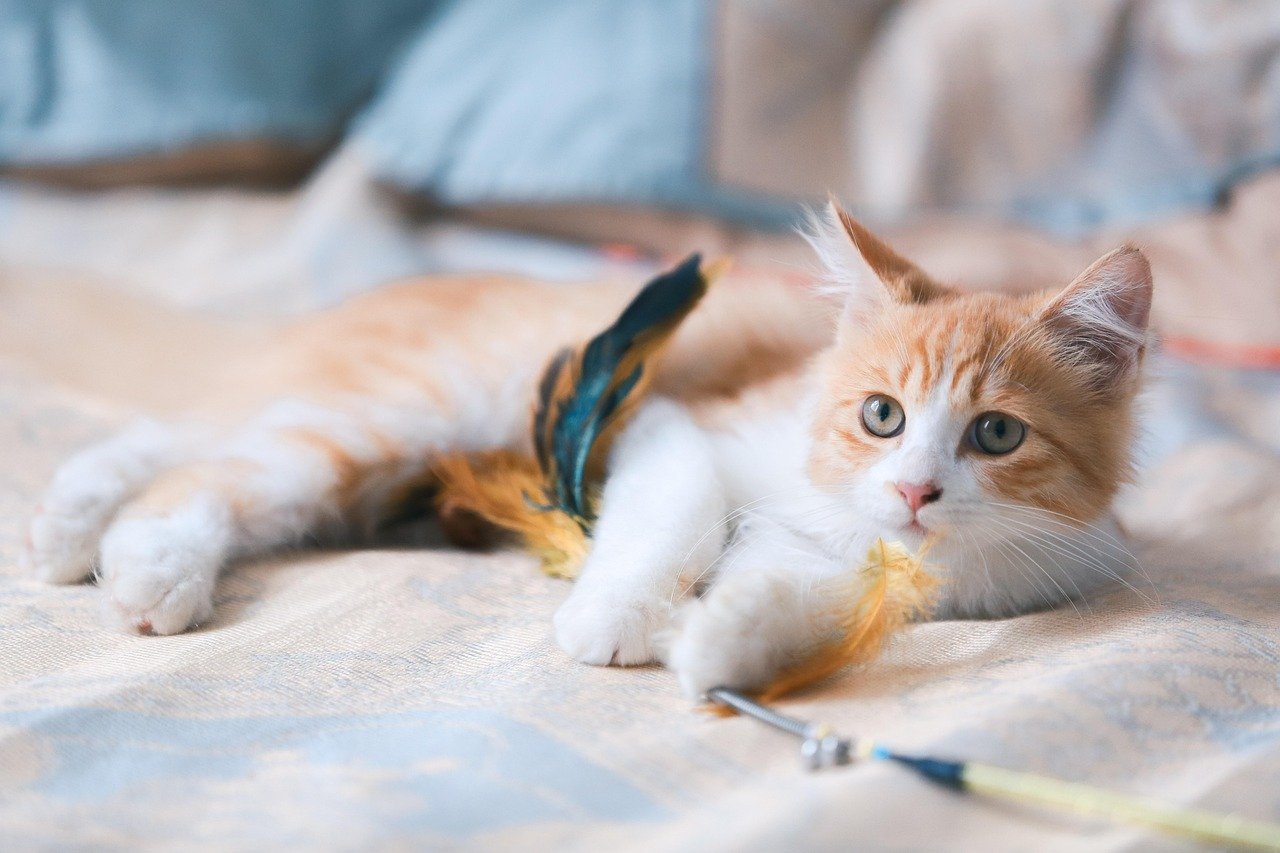
If you’re an older cat lover—or care for someone who is—there are practical ways to make life even sweeter for your feline companion. Keep food and water dishes in consistent spots and use easy-to-clean bowls. Provide comfy, low entry beds for senior cats, and keep litter boxes accessible with low sides.
Regular vet checkups are key, and older adults are often diligent about scheduling them. Gentle play with feather wands or soft toys can keep both cat and human active without overstimulation. And perhaps most importantly, always respect a cat’s boundaries—let them decide when and how to engage.
What surprised you most about why some cats prefer older humans?