

Have you ever gazed into your cat’s eyes and wondered, “Does my cat really trust me?” As a lifelong cat lover and feline enthusiast, I can tell you—cats have their own secret language for love and trust. Unlike us, they don’t gush or throw their paws around you in a dramatic embrace. Instead, they whisper their trust through little gestures, subtle habits, and quirks that only the closest humans notice. Learning to read these signs is like being let in on a beautiful, furry secret. Grab a cozy spot and let’s decode the magical ways your cat says, “I trust you,” no words required.
The Slow Blink of Love

If your cat looks at you and closes their eyes slowly, congratulations—you’re in the inner circle. This famous “cat slow blink” is like a feline kiss. It’s your cat’s way of saying, “I feel safe with you.” When a cat is anxious or threatened, their eyes stay wide and alert. But when they’re calm and trustful, they’ll blink slowly, letting down their guard. Try blinking back slowly to return the affection. It’s a simple, wordless conversation that deepens your bond every time.
Many cat owners notice this during quiet moments—maybe you’re reading or sipping tea, and your cat catches your eye, then gives you that soft, lingering blink. It’s not just cute; it’s a scientifically recognized sign of trust. Next time you spot it, feel free to smile and bask in the warmth of your cat’s quiet love.
Exposing Their Belly (And Maybe a Flop!)
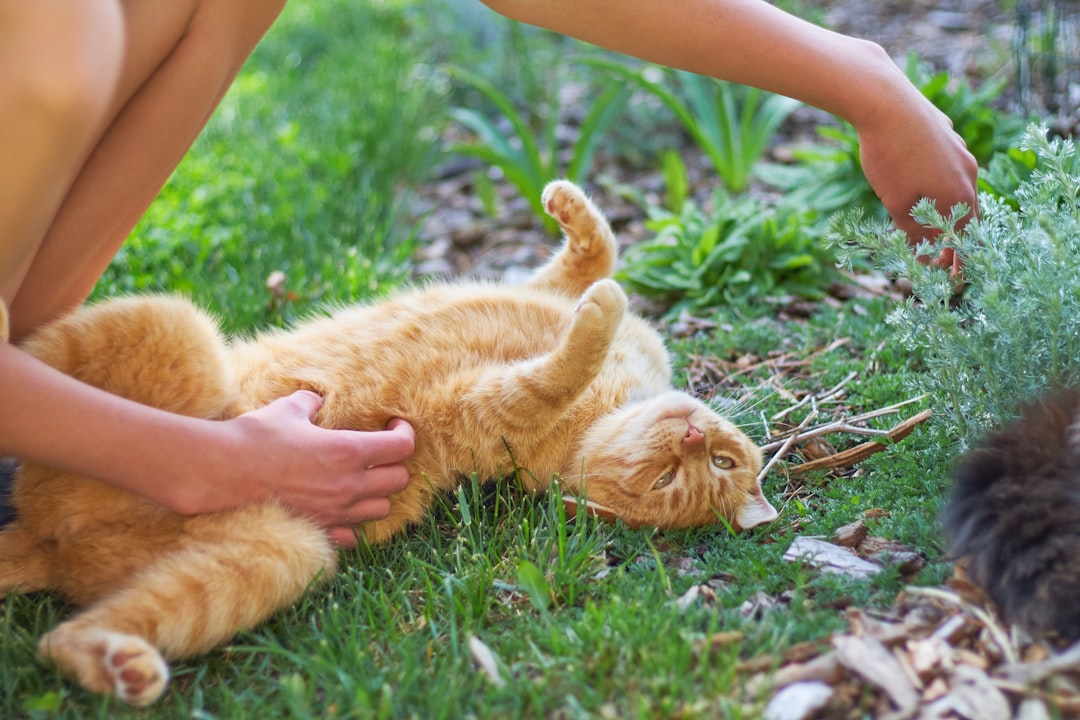
When a cat rolls over and shows you their belly, it’s the ultimate sign of vulnerability. In the wild, exposing the stomach is risky—it’s where all their vital organs are. If your cat flops over with their tummy in the air, they’re saying, “I trust you not to hurt me.” Some cats might even invite a gentle belly rub, though others prefer you admire from a distance.
I remember the first time my shy rescue cat, Luna, did her infamous “trust flop” on my bed. It was both hilarious and heart-melting. Not every cat welcomes tummy touch, so pay attention to body language—relaxed paws and soft eyes are a green light, but twitching tails mean “look, don’t touch.”
Bringing You “Gifts” (Even If They’re Weird)
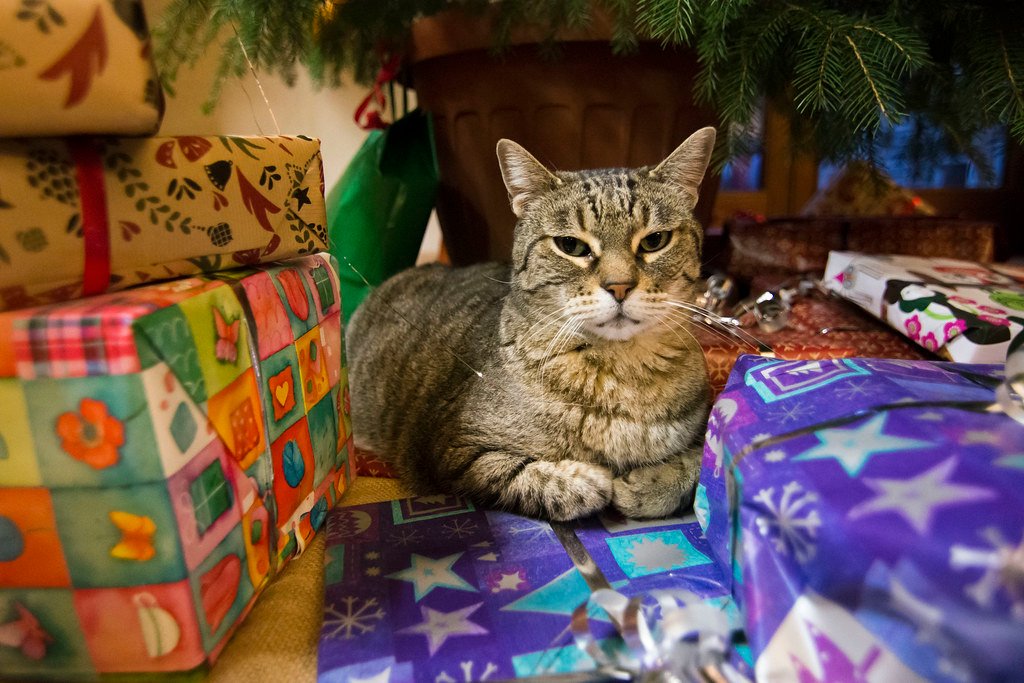
Ever woken up to a sock, toy mouse, or (gulp) a real bug on your pillow? Cats love to share their hunting “success” with people they care about. In their minds, they’re giving you a precious gift, just like they’d bring food to kittens or other cats in their clan. It’s awkward, yes, but it’s pure feline affection.
If your indoor cat brings you odd objects, it’s the same instinct at work. They trust you enough to share what’s valuable to them. Instead of scolding, try a gentle thank-you and trade for a treat or playtime. This keeps your bond strong and channels their natural instincts in a positive way.
Choosing to Sleep Near (or On) You
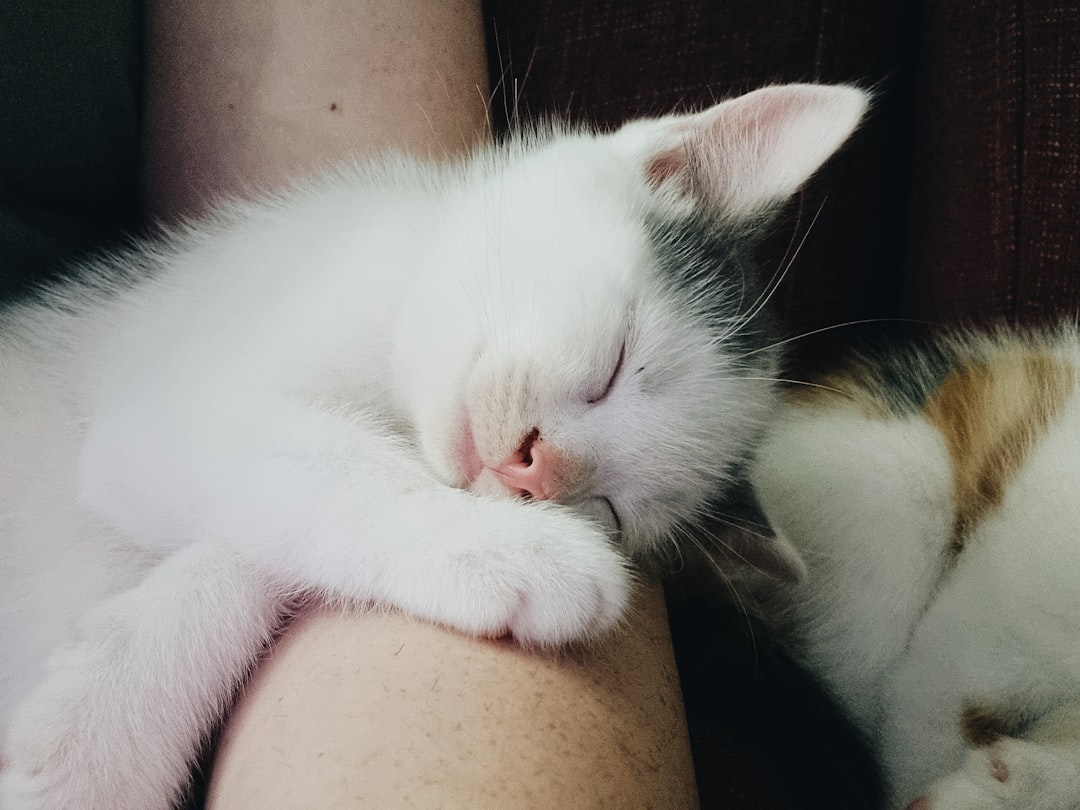
Cats are notorious for picking the coziest, safest napping spots. If your cat curls up next to you—or better yet, climbs right onto your lap—they’re putting their safety in your hands. Sleep is the most vulnerable time for any animal, so a cat only snoozes near someone they fully trust.
Nighttime snuggles or afternoon catnaps on your lap are more than just adorable—they’re proof your cat feels secure. Some cats prefer sleeping at your feet or beside your pillow, while others stretch across your chest. No matter the spot, their choice to nap near you is a silent nod of trust.
Head Bumps and Cheek Rubs

Ever had your cat gently butted their head against you? That’s called “bunting,” and it’s a major sign of trust and love. When cats rub their face or cheeks on you, they’re marking you with their scent. It’s their way of saying, “You’re family. You’re mine.”
This isn’t just a show of affection—it also helps your cat feel safe by spreading their scent on you. If you notice your kitty rubbing against your hands, face, or even your legs, know that you’re being included in their inner circle. It’s a fuzzy, fragrant compliment!
Following You Around the House

If you feel like you’re being shadowed by a tiny, furry stalker, take it as a compliment! Cats who trust their humans often want to be wherever you are. Whether you’re making coffee, folding laundry, or brushing your teeth, your cat may trail behind, supervising or simply keeping you company.
This behavior is especially common in cats who have bonded deeply with their people. It’s not always about food—sometimes they just want to be part of your world. A cat who follows you isn’t just curious; they feel safe and content in your presence.
Gentle Kneading (a.k.a. “Making Biscuits”)
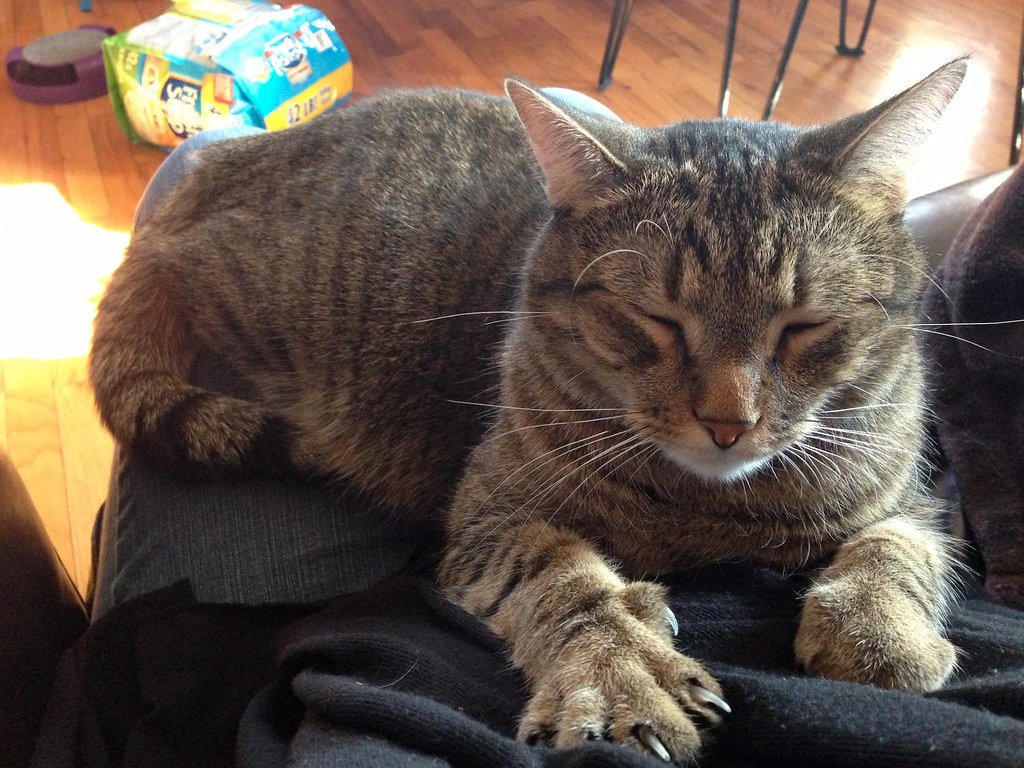
Those rhythmic paws pushing in and out on your lap or blanket? That’s called kneading, and it’s one of the sweetest signs of feline trust. Kittens knead their mothers to stimulate milk flow, so when adult cats do it, they’re showing comfort and affection. It’s like your cat’s version of a warm, fuzzy memory.
Kneading can be accompanied by purring, drooling, or even a blissed-out look. Some cats even “make biscuits” before settling down for a nap. If your kitty kneads you, let them—it means they associate you with safety and happiness.
Tail Held High and Relaxed

Your cat’s tail is a mood barometer. A tail held up high, often with a gentle curve, is a sign of confidence and contentment. If your cat greets you with their tail up, they’re saying, “I’m happy to see you, and I trust you.”
Watch for other tail cues, too—a twitching or puffed-up tail means stress or excitement, while a softly swaying tail is a relaxed hello. When your cat struts around with their tail high in your company, you can be sure you’re someone they trust deeply.
Letting You Touch Sensitive Spots
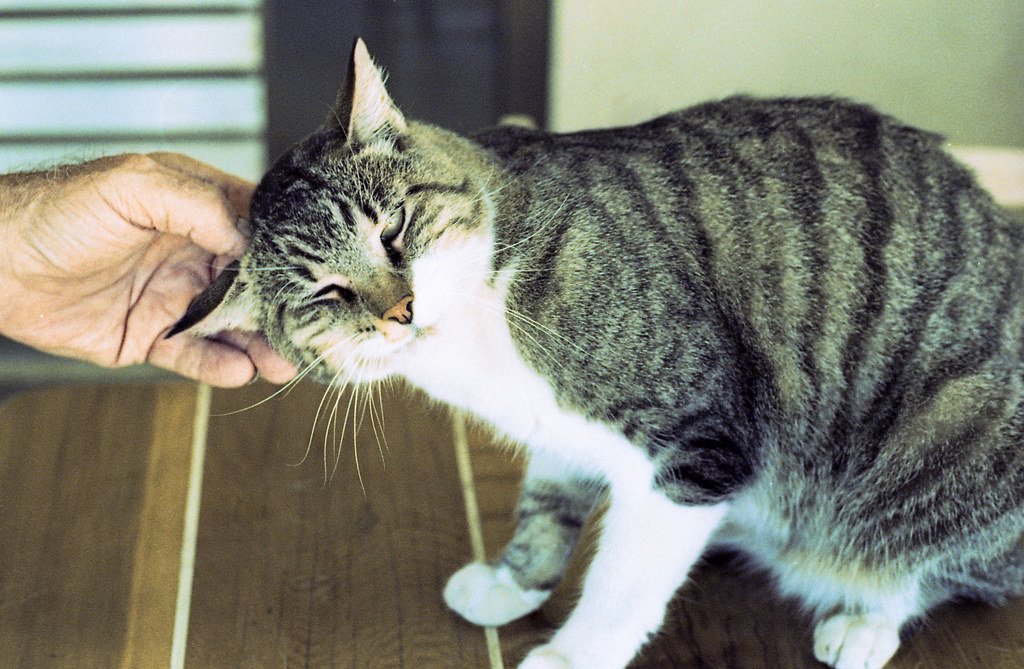
Most cats are picky about who gets to pet their faces, paws, or bellies. If your cat lets you gently stroke their chin, ears, or even their toes, they’re showing a huge level of trust. These spots are vulnerable and not every cat will allow such close contact.
If your cat leans into your touch or raises their head for a scratch, it’s a silent signal that they feel safe with you. Always respect their boundaries—if they pull away or seem uncomfortable, try a different spot next time. Trust grows when you listen to your cat’s cues.
Playful Pouncing and Soft Bites

Playtime is a big deal for cats. If your cat initiates play, brings you toys, or gently taps or nibbles your fingers, it’s a sign they trust you enough to let loose. Play mimics hunting and social bonding in cat communities—it’s how kittens learn and adults keep sharp.
Gentle “love bites” or playful pounces are part of this trust ritual. If it ever gets too rough, just pause the play, but know that your cat’s willingness to be silly around you is a major compliment. You’re seen as a playmate, not a threat.
Vocalizing Just for You

Did you know cats rarely meow at each other in the wild? Most of their vocalizations are reserved for humans they trust. If your cat chirps, meows, or even trills when you enter the room, they’re talking just to you. Some cats are chatty, while others express themselves with soft purrs or little squeaks.
Pay attention to the tone and context. Soft, sweet sounds usually mean your cat is content and happy to see you. Over time, you’ll learn your cat’s unique language—a private conversation built on trust and friendship.


