
Michigan is home to a fascinating variety of turtles, each with its own charm and ecological role. From the common Painted Turtle, often spotted basking on logs, to the elusive Blanding’s Turtle with its bright yellow throat, these reptiles are as diverse as the landscapes they inhabit. The state’s mix of wetlands, lakes, and rivers provides the perfect habitat for turtles like the Snapping Turtle, known for its prehistoric look and powerful jaws. You’ll also find smaller, shy species like the Spotted Turtle hiding among marsh vegetation. Learning about these turtles isn’t just fun—it’s also important for protecting them. Many are facing habitat loss and need our help to thrive. Whether you’re a wildlife enthusiast or just curious about your backyard biodiversity, Michigan’s turtle species are worth discovering.
Painted Turtle
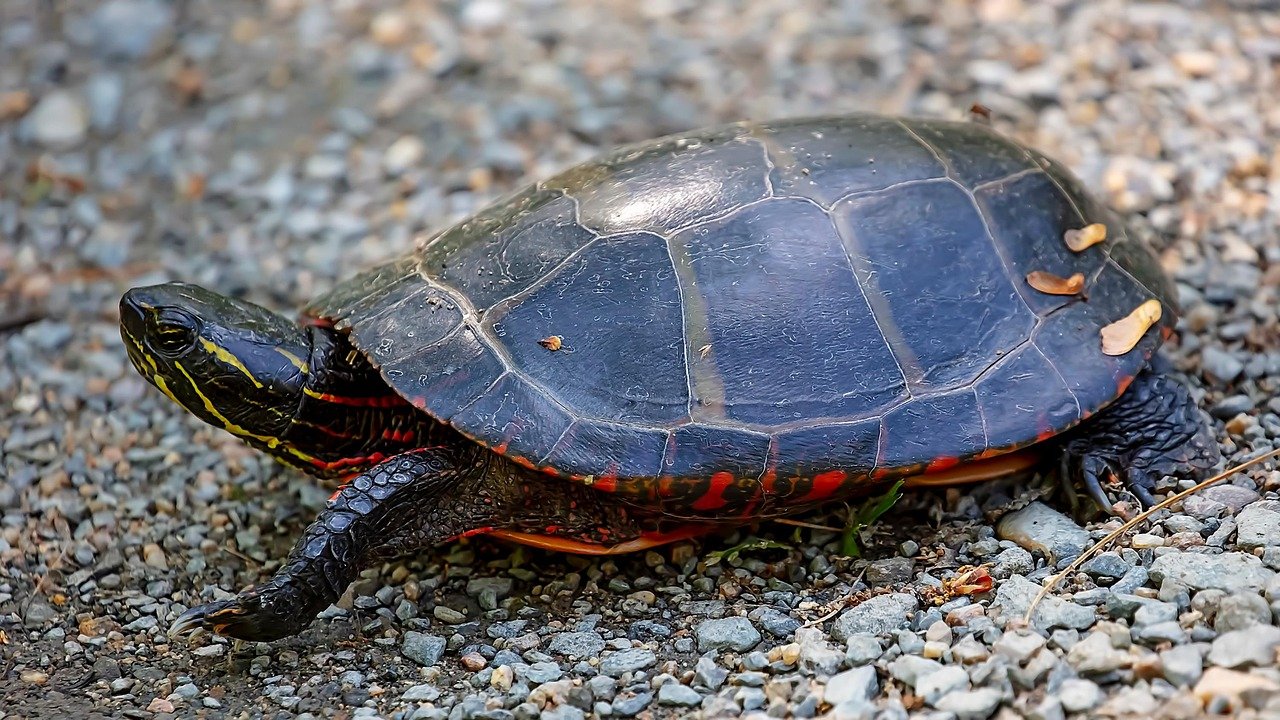
The painted turtle is the cheerful artist of Michigan’s wetlands, instantly recognizable by its striking red and yellow markings that look as if someone took a tiny paintbrush to its shell. These turtles love basking on logs and rocks, often stacking up with their friends to soak up the sun. When startled, they slip into the water with barely a ripple.
Painted turtles are incredibly adaptable, thriving in quiet lakes, slow-moving rivers, and even roadside ditches. Their omnivorous diet includes aquatic plants, insects, and small fish, making them key players in keeping waterways clean. Young painted turtles are especially fun to watch, darting around like little green submarines. If you ever get the chance to see one up close, you’ll notice the intricate patterns on their shells and the bright stripes on their faces—almost like nature’s own graffiti.
Snapping Turtle
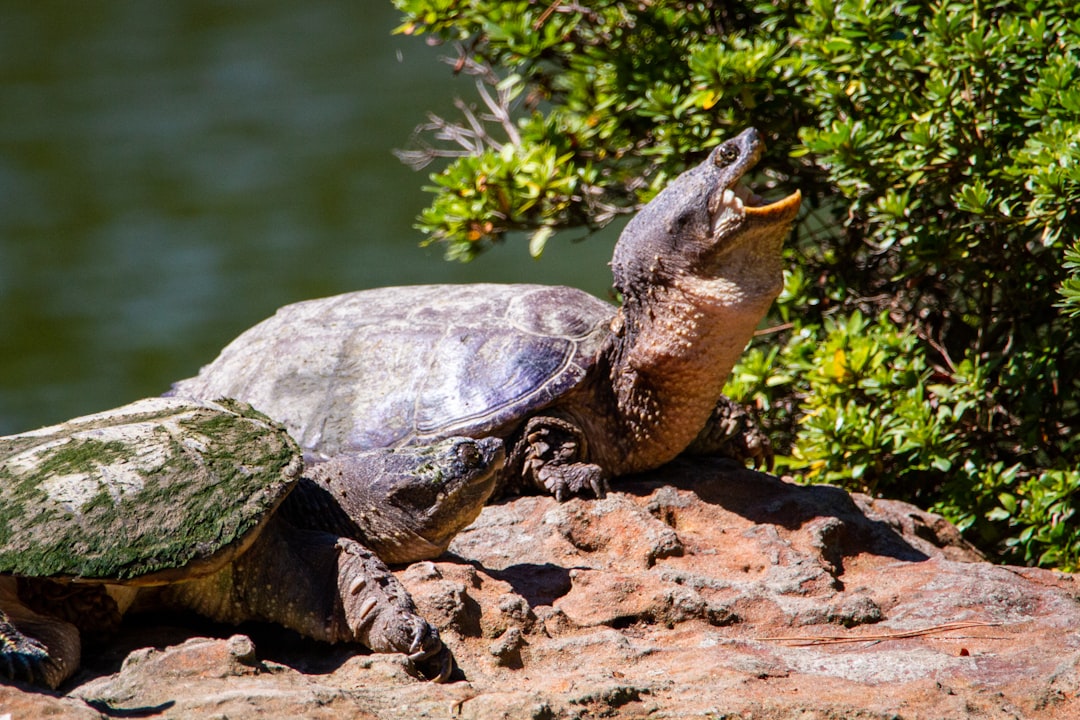
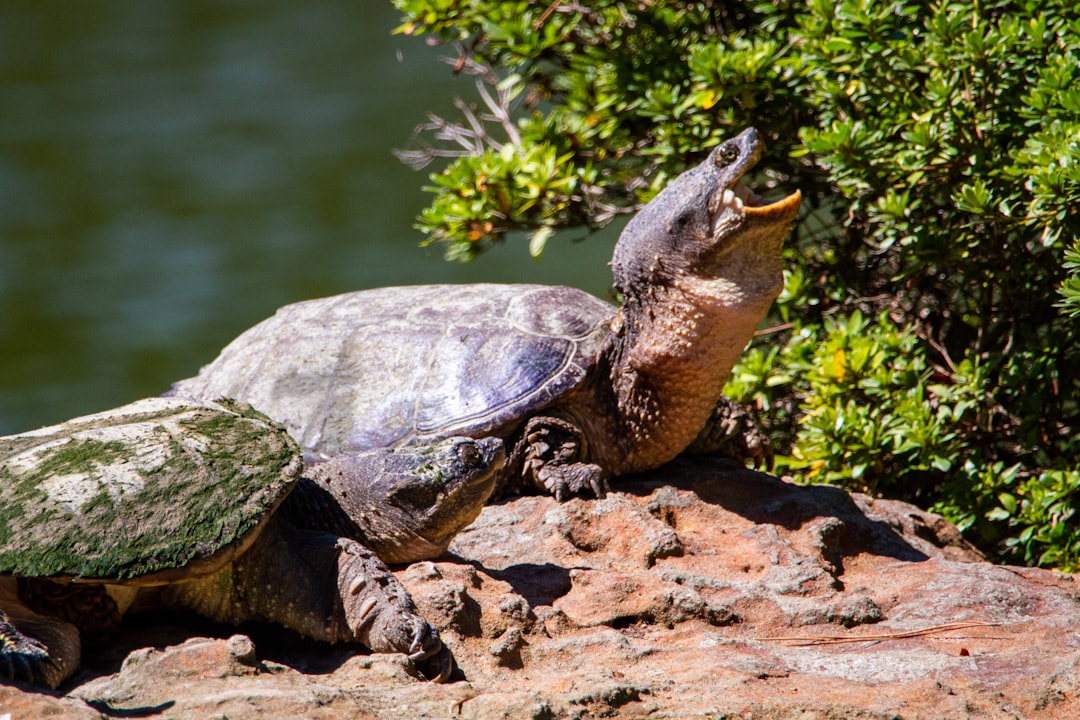
Michigan’s snapping turtles are the dinosaurs of the turtle world, looking like something straight out of a prehistoric swamp. With their massive heads, powerful jaws, and rugged shells, they can be a bit intimidating. But don’t let their fearsome appearance scare you; snappers are mostly shy, preferring to hide in muddy bottoms and only emerging when they need to breathe or lay eggs.
These turtles have a reputation for their fierce bite, especially when handled on land, but in the water, they’re surprisingly gentle and elusive. Snapping turtles play a vital role as scavengers, cleaning up dead fish and other debris. Watching one glide silently through the water is like seeing a living relic from another age. Their tough, weathered shells tell stories of survival, and their ancient eyes seem to hold a thousand secrets.
Blanding’s Turtle
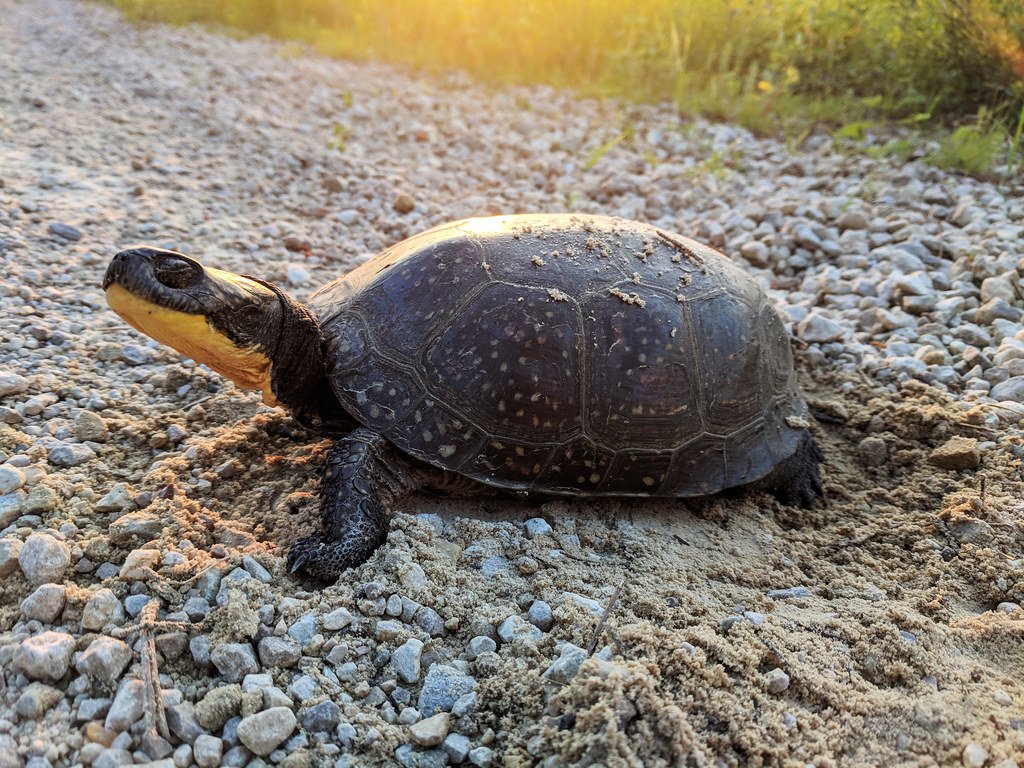
If you’re lucky enough to spot a Blanding’s turtle, you might notice its sunny disposition—literally! Its bright yellow throat and chin make it stand out from the crowd. Blanding’s turtles are sometimes called the “smiling turtles” because of the natural curve of their mouths, giving them a perpetual look of cheerfulness.
These turtles prefer clean, shallow wetlands with lots of vegetation. They’re considered a threatened species in Michigan, mainly due to habitat loss and slow reproduction rates. Blanding’s turtles can live to be over 70 years old, and they don’t even start having babies until they’re about 20. Their cautious, slow-paced lifestyle is a gentle reminder of the patience and resilience found in the natural world.
Eastern Box Turtle
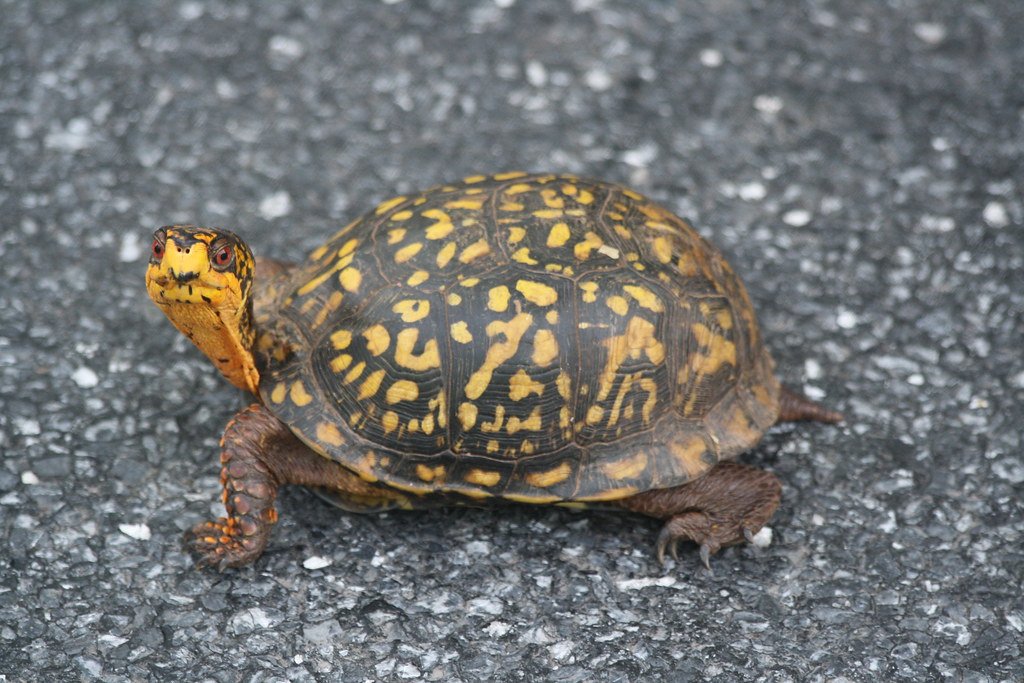
The eastern box turtle is Michigan’s wanderer, often found roaming woodland edges or meadows after a summer rain. Unlike most turtles, the box turtle has a highly domed shell with a hinged plastron, allowing it to close up completely like a box when threatened—nature’s perfect security system.
Box turtles are colorful, with shells that feature yellow or orange patterns on a dark background. They’re omnivores, munching on everything from berries to earthworms. Sadly, eastern box turtles are rare in Michigan, facing threats from habitat fragmentation and road traffic. Their slow, deliberate movements and wise, ancient faces give them an almost mystical aura, as if they carry the secrets of the forest with them.
Spotted Turtle
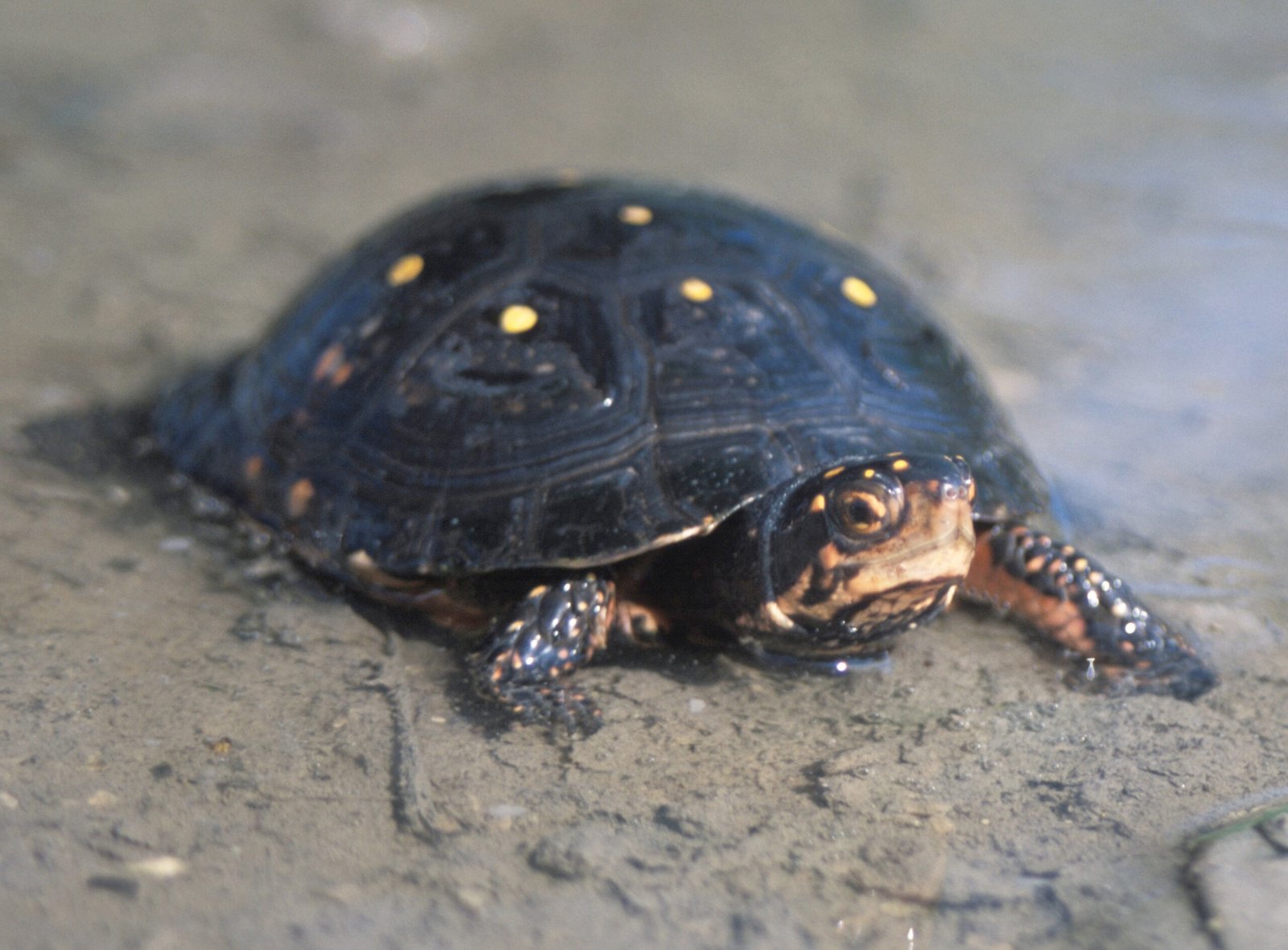
Tiny but unmistakable, the spotted turtle is a true gem in Michigan’s wetlands. Its small, smooth shell is scattered with bright yellow spots, like a starry night sky. These shy turtles are most active in the spring, often seen basking or foraging in shallow marshes and bogs.
Spotted turtles are especially sensitive to environmental changes, making them a symbol of wetland health. They love to feast on insects, snails, and aquatic plants. With their delicate beauty and gentle nature, spotted turtles remind us how fragile—and precious—Michigan’s wild places really are. Seeing one is a special treat, like finding a rare jewel hidden in the grass.
Wood Turtle
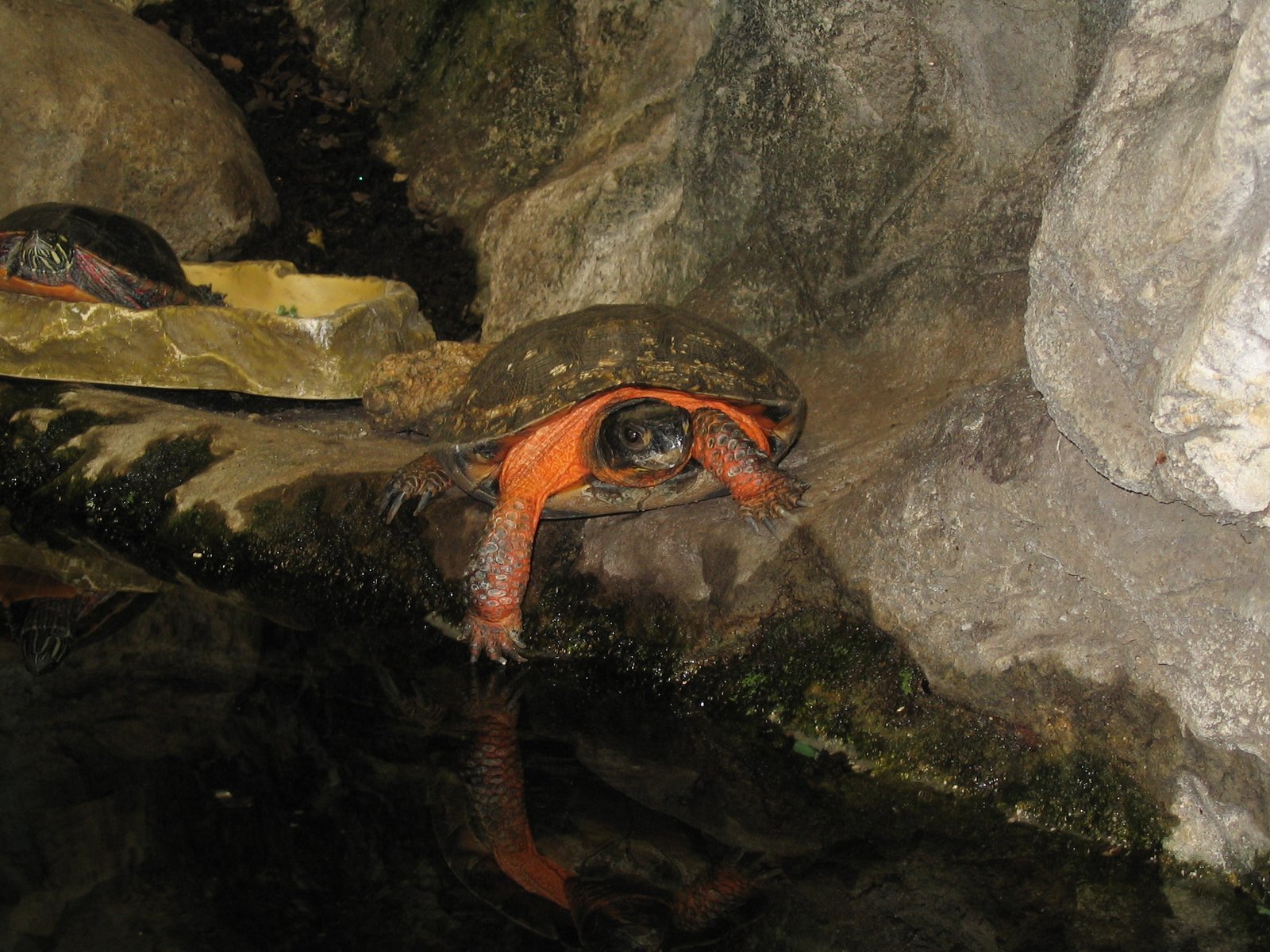
The wood turtle is a true adventurer, splitting its time between water and land throughout the year. Its rugged, sculpted shell looks almost like carved wood, with deep grooves and a warm, reddish hue. Wood turtles are intelligent and curious, often seen exploring forest streams and nearby fields.
These turtles are omnivores, eating everything from berries to slugs. They’re known for their surprising cleverness—some have even been observed stomping their feet to trick earthworms into coming to the surface! Wood turtles face increasing dangers from habitat destruction and poaching, but their resilience and resourcefulness make them one of Michigan’s most captivating reptiles.
Midland Smooth Softshell Turtle

The midland smooth softshell turtle is Michigan’s aquatic speedster, built for life in fast-moving rivers and sandy-bottomed lakes. Unlike most turtles, this species has a flat, leathery shell that feels more like suede than armor. Its streamlined shape allows it to dart through the water with astonishing agility.
Smooth softshells are skilled hunters, snatching insects, fish, and crayfish with their long necks and sharp snouts. They love to bury themselves in sand, leaving only their eyes and nose exposed. These turtles are fascinating to watch, often surprising people with their quick bursts of movement. Their unique look and lively behavior make them unforgettable residents of Michigan’s waterways.
Common Musk Turtle (Stinkpot)
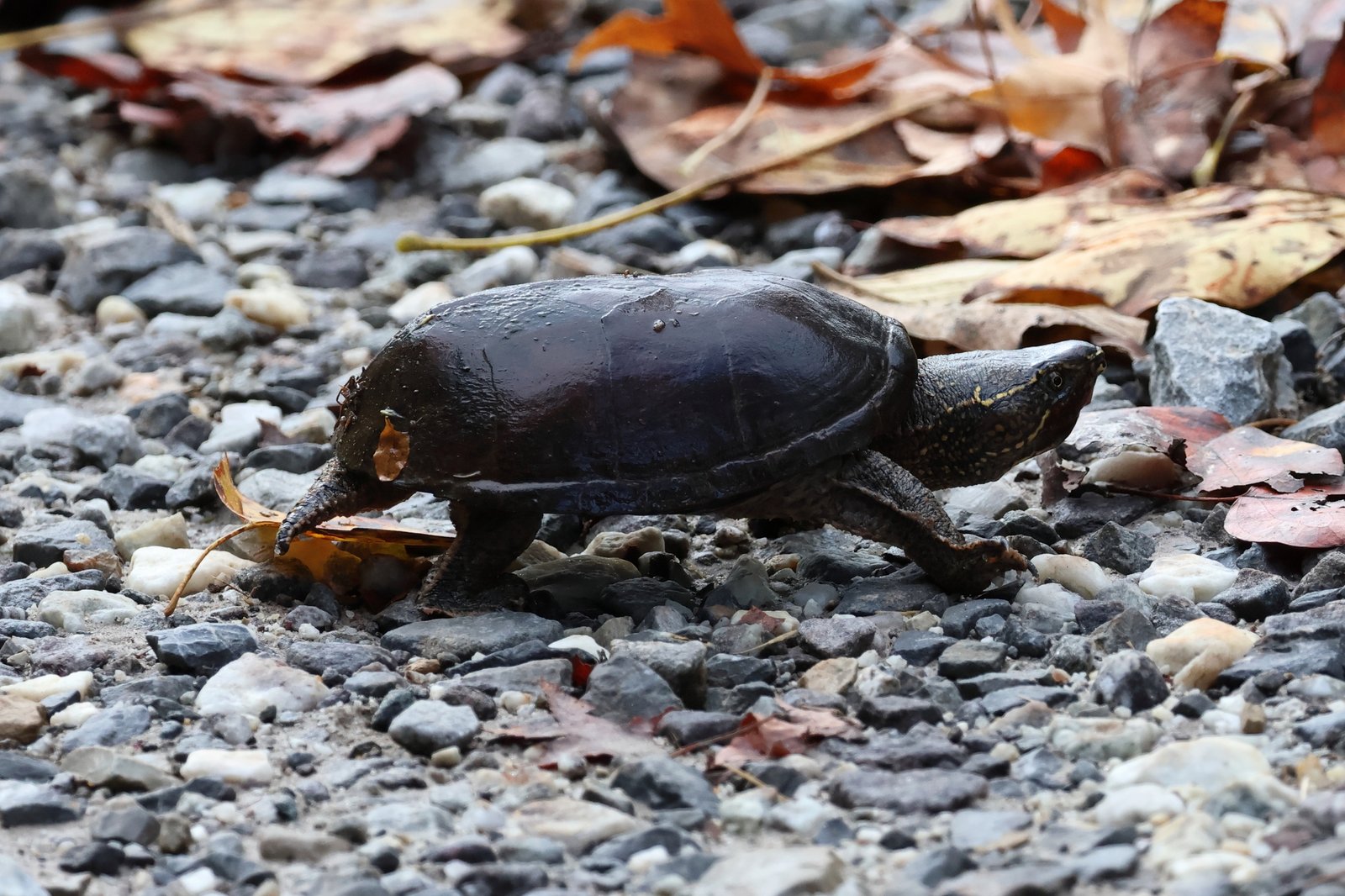
The common musk turtle, affectionately known as the “stinkpot,” is small but mighty. Its name comes from the musky odor it releases when threatened—a clever defense against predators. Stinkpots have high-domed, dark shells and cute, beady eyes that peek out from beneath the water’s surface.
Musk turtles prefer shallow, slow-moving waters with plenty of hiding spots. They’re mostly nocturnal, spending their nights foraging for insects, snails, and small fish. Despite their tough reputation, stinkpots are surprisingly endearing, often appearing curious and bold. Their feisty personalities and subtle charm have won over many turtle enthusiasts in Michigan.
Eastern Spiny Softshell Turtle
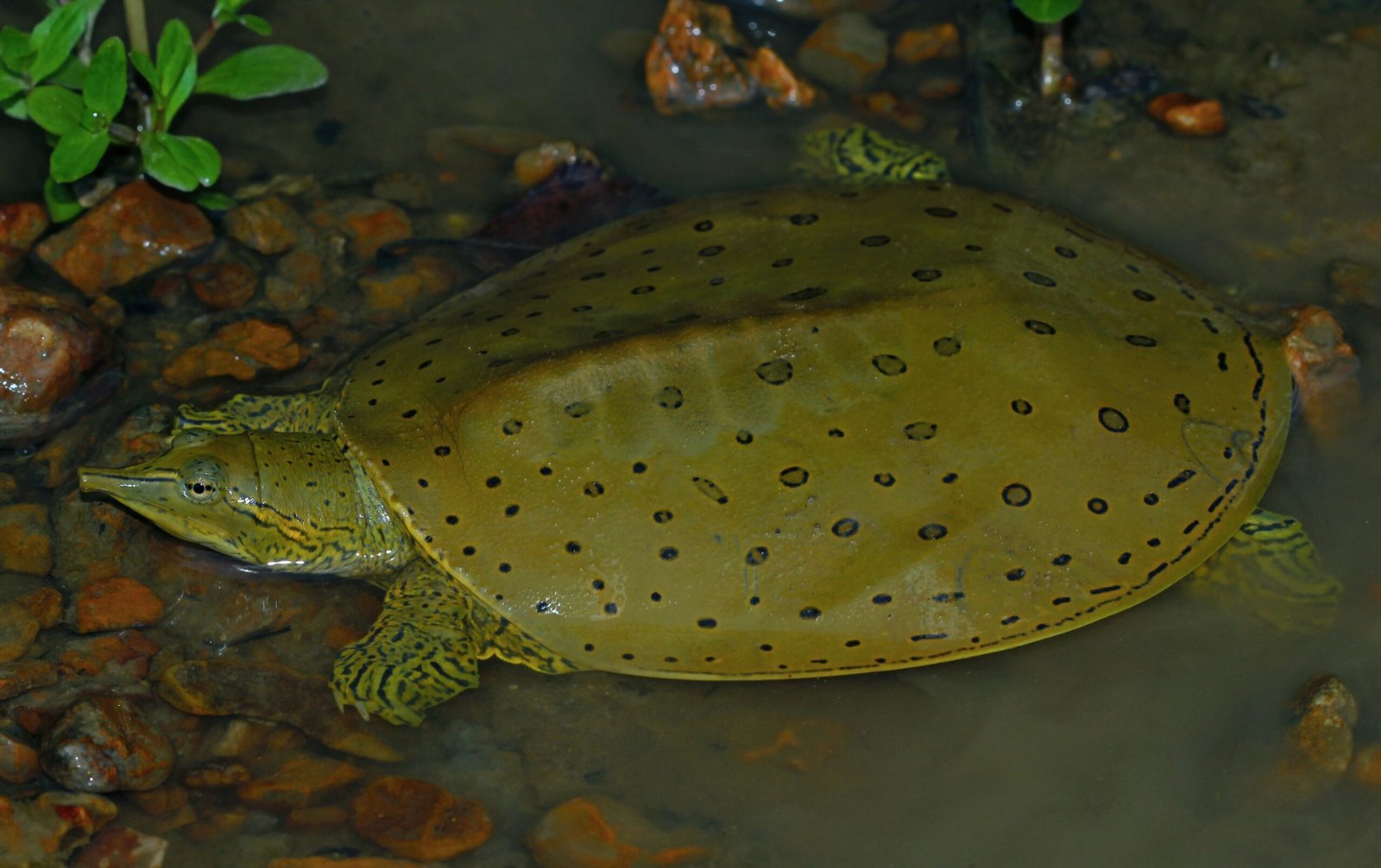
The eastern spiny softshell turtle is a true oddball, with a flat, flexible shell covered in tiny spines along the front edge. These turtles look almost like pancakes with legs, and their long, snorkel-like noses make them even more distinctive. Spiny softshells are lightning-fast swimmers, perfectly adapted for life in large rivers and lakes.
They bury themselves in sand or mud, waiting patiently to ambush passing prey. Their diet includes insects, fish, and crustaceans. Spiny softshells are shy around people, but if you’re quiet and patient, you might spot one poking its nose above the water’s surface. Their unusual appearance and secretive habits make them one of Michigan’s most intriguing turtles.
Map Turtle
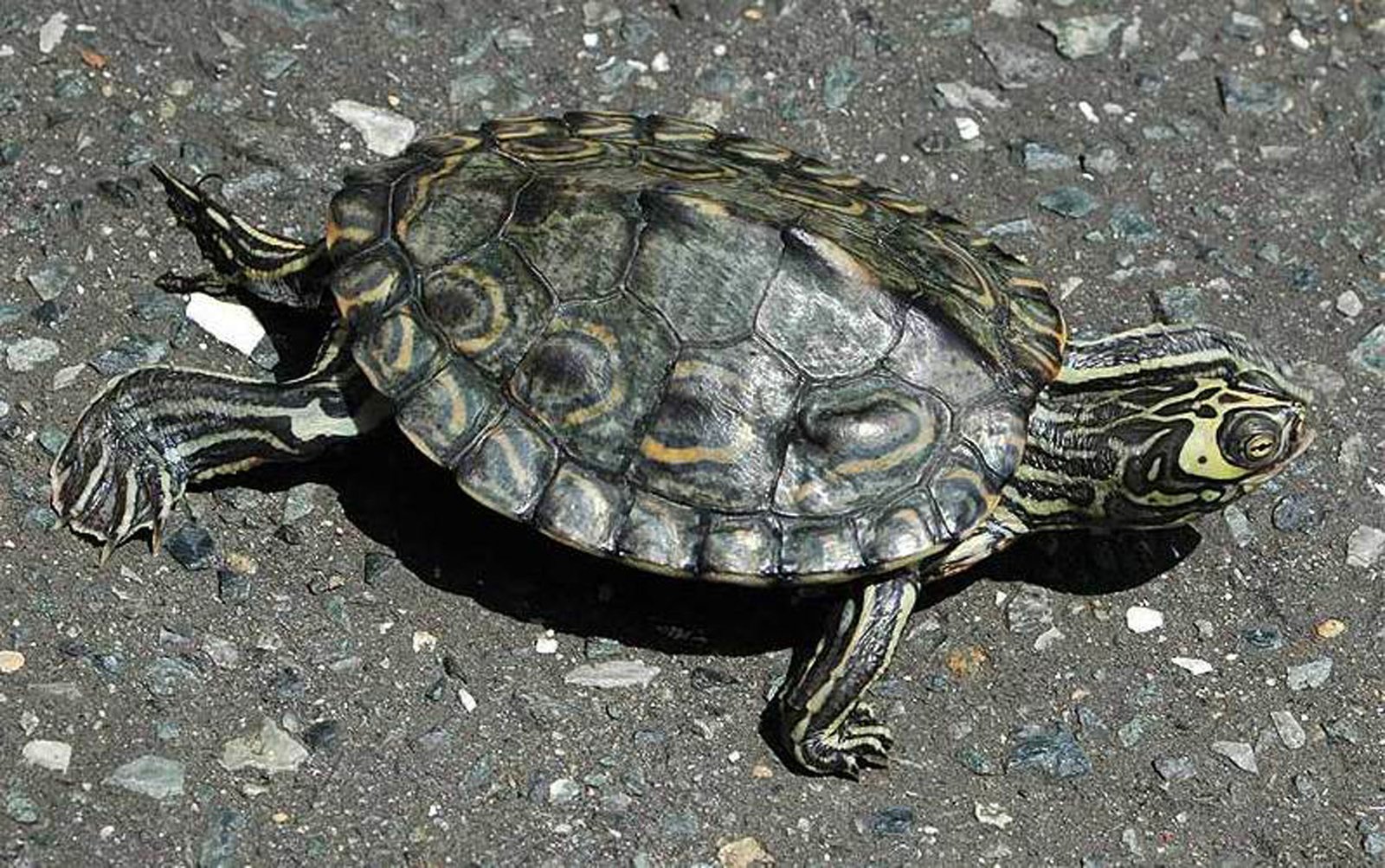
Map turtles, named for the intricate, map-like lines on their shells, are true navigators of Michigan’s rivers and lakes. Females can grow surprisingly large, while males stay much smaller, creating a quirky dynamic within their colonies. Their strong jaws allow them to crack open snails, clams, and crayfish—favorites on their varied menu.
Map turtles are highly aquatic, rarely venturing far from water. They love basking on logs in big groups, often splashing into the water at the slightest disturbance. Their social behavior and striking shell patterns make them a favorite among turtle watchers. Observing a group of map turtles sunning themselves on a riverbank is like watching a gathering of old friends, each with its own unique story.
Michigan’s turtles are more than just slow-moving reptiles—they’re vital parts of the state’s ecosystem and full of personality if you take the time to notice. From the vibrant markings of the Painted Turtle to the secretive habits of the Spotted Turtle, each species adds something unique to the natural world around us. Whether you’re exploring wetlands or just watching from a dock, keep an eye out—you might spot one of these shelled locals. And remember, learning about them is the first step in helping protect their future.


