
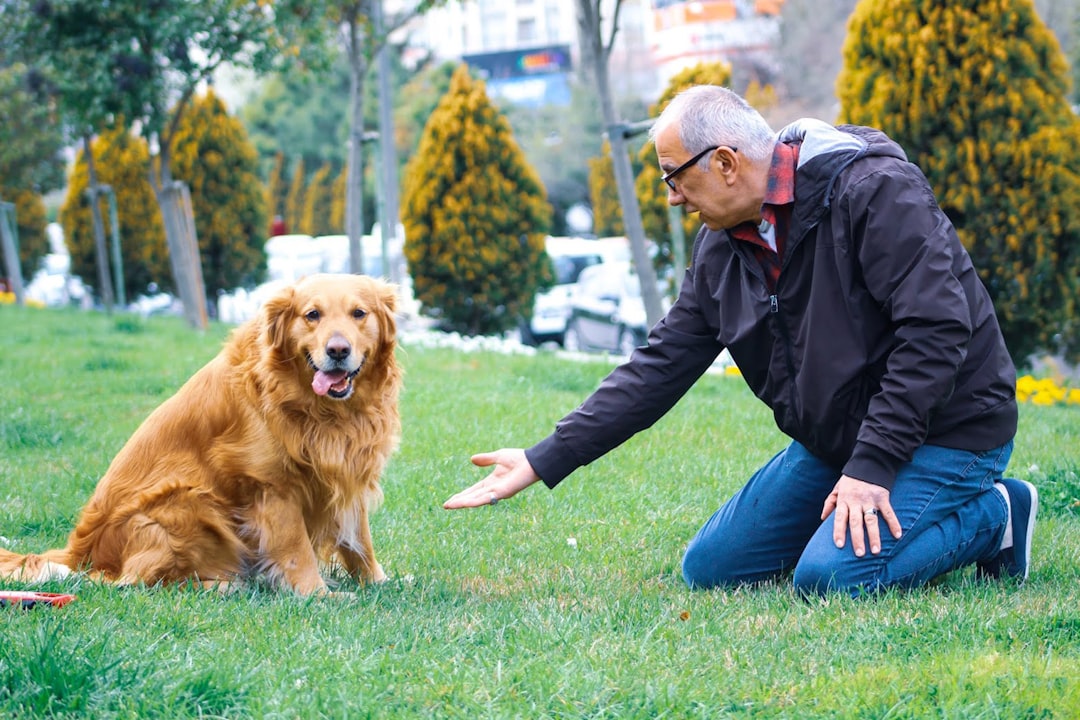
Have you ever noticed your once-sociable pup suddenly turning up their nose at playdates, new toys, or even their favorite treats? It can feel like watching a close friend quietly drift away from their old crowd. The truth is, just like people, dogs change as they age. Their personalities, preferences, and even their social circles can shift in surprising ways. Understanding this transformation is the secret to keeping your beloved dog happy, comfortable, and understood through every stage of their life.
How Aging Shapes a Dog’s Preferences
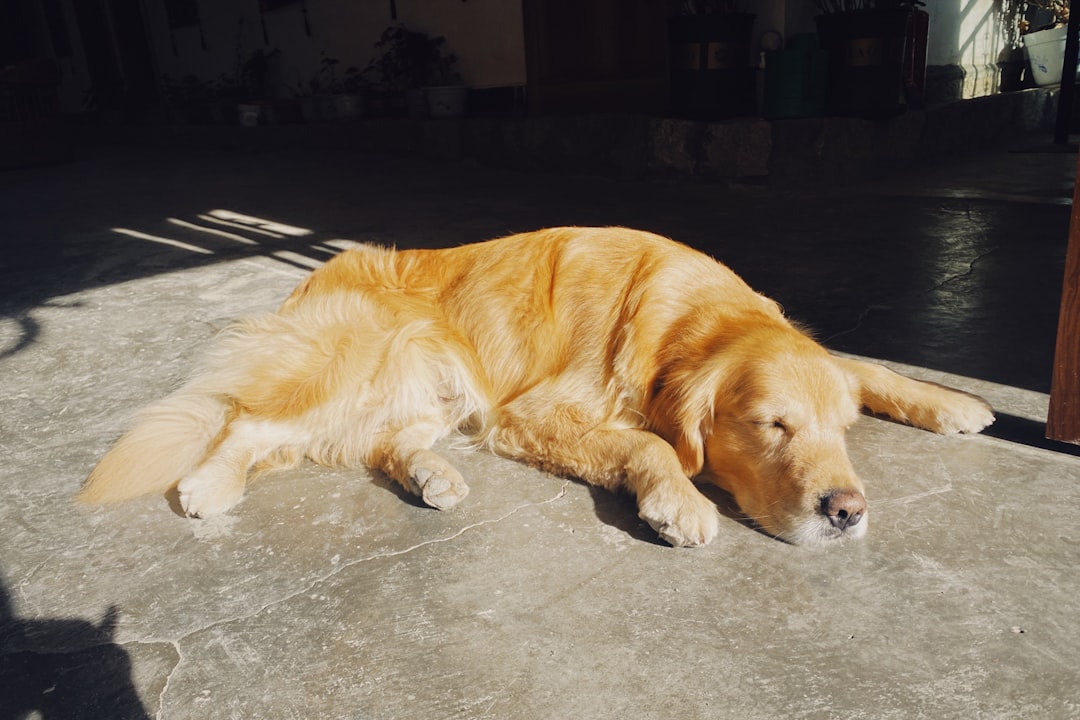
As dogs get older, their senses and bodies change. What once excited them—a new squeaky toy or a bustling park—may now seem overwhelming or even stressful. Their energy levels naturally dip and they may crave more peace and quiet. This isn’t stubbornness or grumpiness; it’s a gentle adaptation to the world as they experience it now.
You might see your older dog choosing to nap instead of joining a wild game of fetch. Or maybe they prefer snuggling beside you rather than greeting every visitor at the door. These changes are their way of listening to their bodies and protecting their comfort, just like we do when we turn down loud parties for a cozy night in.
Health Changes That Affect Social Behavior
With age, health issues like arthritis, dental problems, or hearing loss can make your dog less eager to interact. Imagine how hard it would be to play tag with sore joints or greet someone when your hearing is muffled. Sometimes, what looks like pickiness is really your dog managing discomfort.
Keep an eye out for subtle changes—a favorite toy left untouched, hesitation on stairs, or a new reluctance to be petted. These can be signs that your dog’s body is asking for a slower pace. Regular vet checkups and gentle accommodations like orthopedic beds or softer treats can make a world of difference.
Behavioral Cues of a More Selective Senior Dog
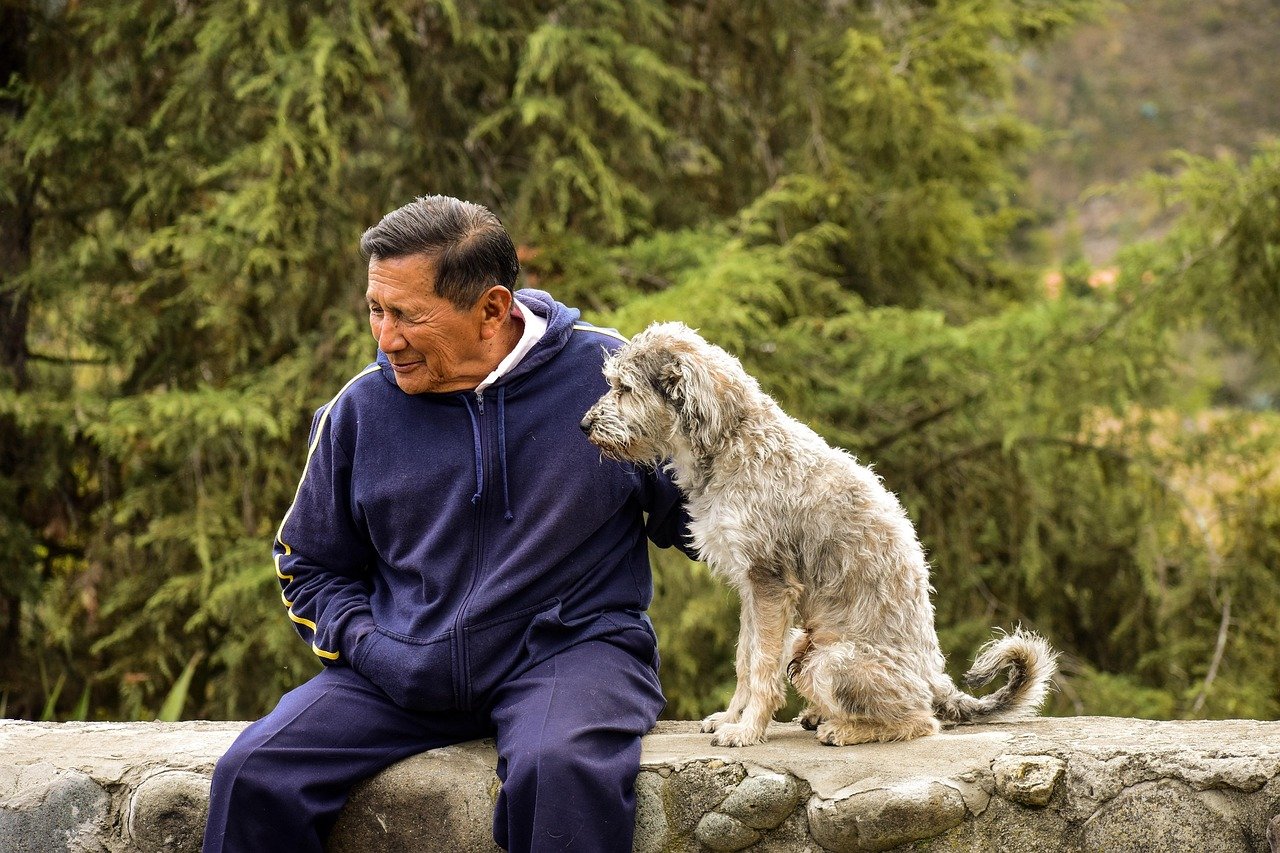
Senior dogs often communicate with subtlety. You might notice your dog turning their head away from unfamiliar dogs or people, avoiding eye contact, or quietly moving to a different room. These gentle cues signal, “I need space,” or “That’s enough for me right now.”
It’s important to respect these signals, just as you’d want your own boundaries acknowledged. Pushing a senior dog into social situations they’re not comfortable with can lead to stress or even defensive behaviors. Let your dog set the pace, and enjoy the quieter, deeper connection that comes with aging together.
The Role of Memory and Familiarity

As dogs grow older, they find comfort in the familiar. New people, places, or pets can feel unsettling—think of how we sometimes prefer old friends and routines as we age. Your dog might become attached to a particular bed, route for walks, or even a specific time for meals.
This need for routine doesn’t mean your dog is “stuck in their ways.” It’s how they create a sense of security in a changing world. Keeping a steady routine and introducing changes slowly can help your senior dog feel safe and confident, even as life inevitably shifts.
Why Some Dogs Get Picky with Food
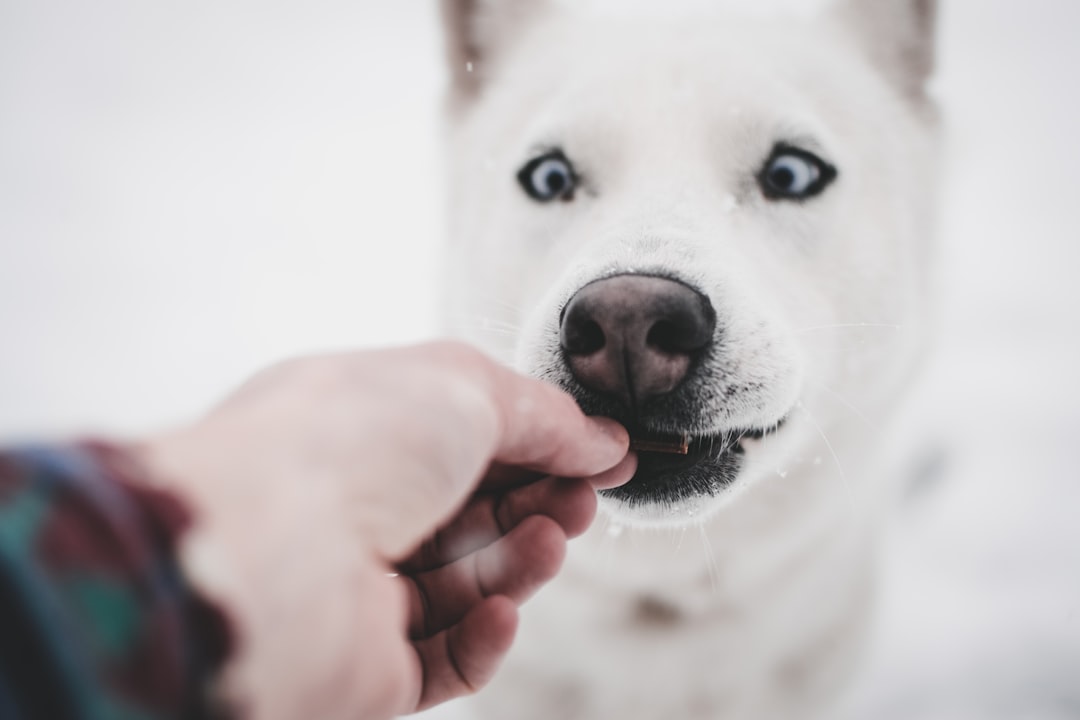
It’s not unusual for older dogs to snub foods they once loved. Age can dull their sense of smell and taste, making meals less exciting. Dental discomfort, digestive sensitivity, or even certain medications can also turn eating into a chore.
If your dog starts leaving food in their bowl, try warming up their meals to boost aroma or switching to softer, more palatable options. Always check with your vet before changing diets, as sudden appetite loss can be a sign of underlying health issues.
Shifts in Play and Exercise Preferences
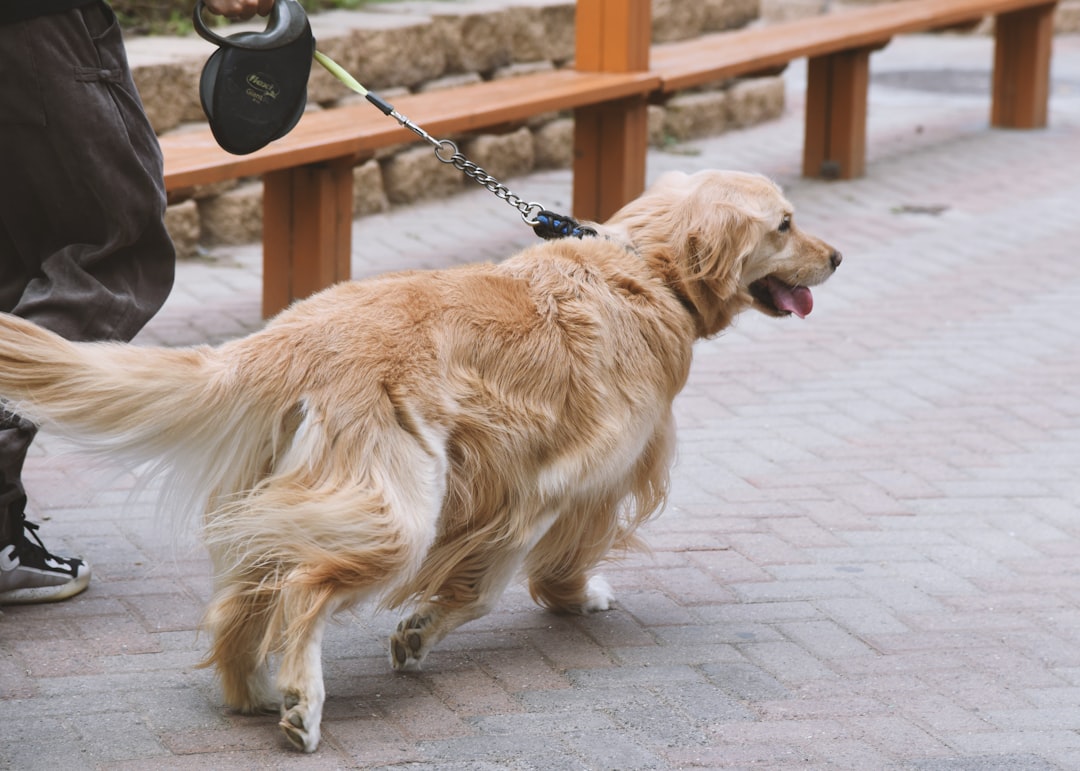
That playful pup who once chased balls for hours may now prefer short strolls or gentle tug games. As dogs age, their joints and muscles may not keep up with high-impact play, making them more selective about how—and how much—they move.
This doesn’t mean playtime is over! Adapt activities to your dog’s comfort level. Try slow walks, sniffing games, or hiding treats for gentle mental stimulation. Your dog might be slower, but the joy of sharing these moments together is just as sweet, if not sweeter.
Changes in Social Circles and Dog Friendships
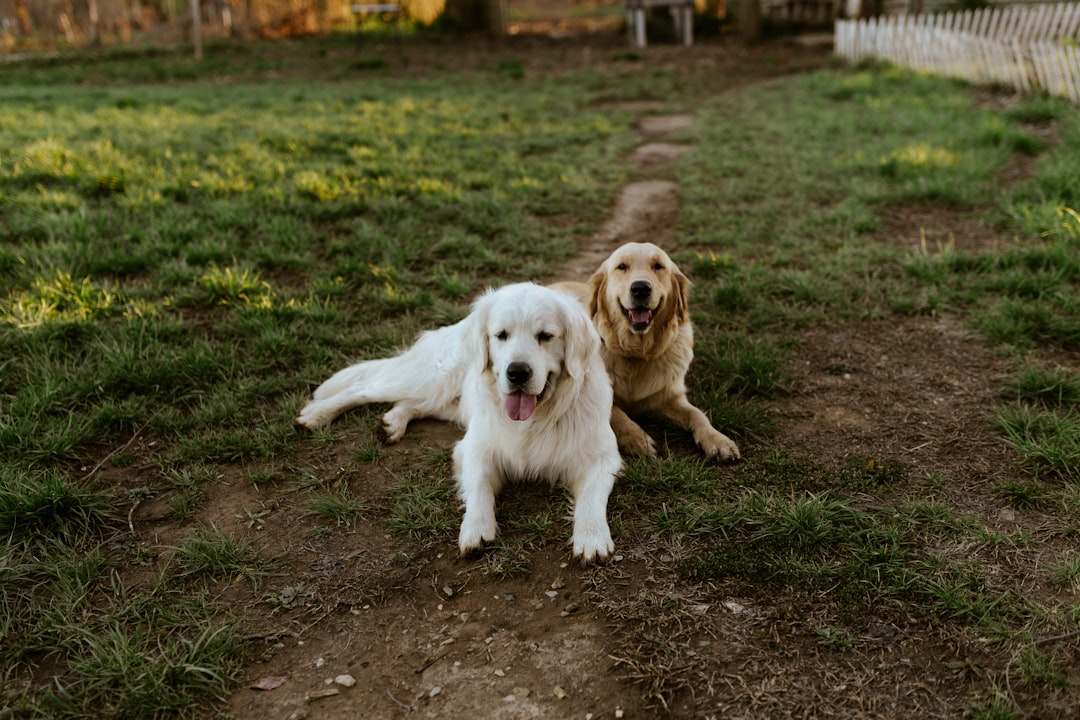
Older dogs may become choosier about their canine companions. Where once they were the life of the dog park, now they might prefer the company of one or two trusted friends—or even solo time. This is a natural part of aging and not a sign of antisocial behavior.
Watch for body language like relaxed tails, soft eyes, and gentle sniffing when your dog interacts with others. If your dog seems uneasy or avoids certain dogs, respect their preferences. Quality of social interactions matters far more than quantity for seniors.
Supporting Your Senior Dog’s Changing Needs
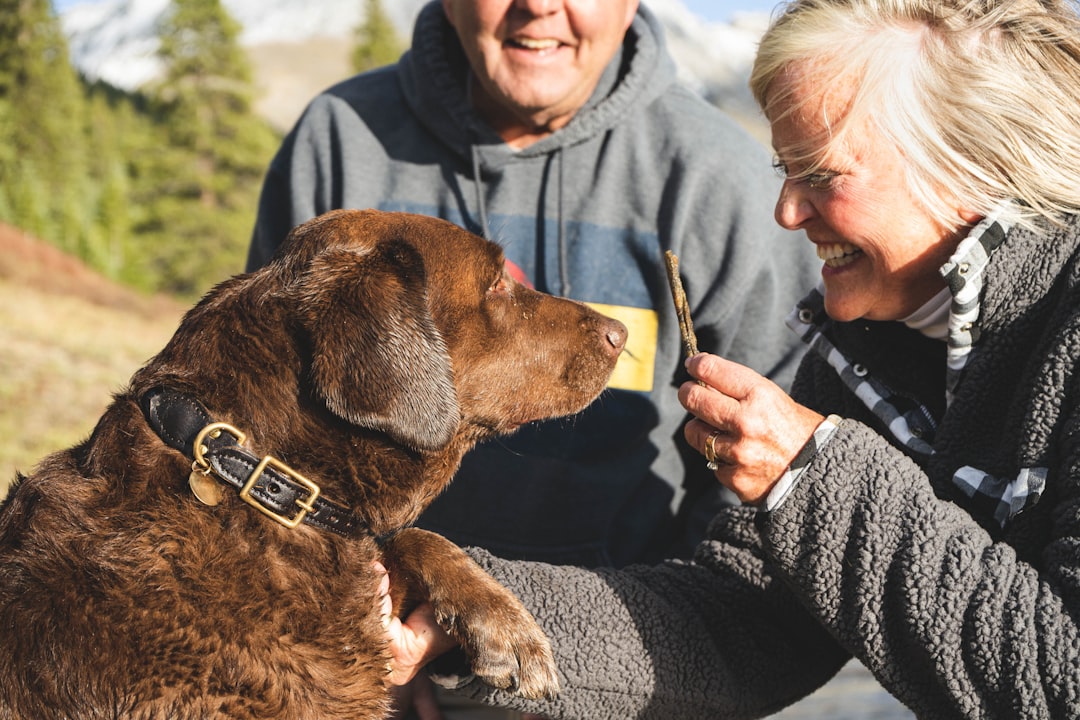
The best thing you can do for your aging dog is to meet them where they are. Offer choices, keep routines predictable, and provide cozy, quiet spaces for rest. Stay attuned to their cues and be patient with their evolving preferences.
Remember, the bond you share only grows stronger with time. By honoring your dog’s changing needs, you’re showing the deepest kind of love—one that listens, adapts, and cherishes every stage of their journey.


