

Have you ever locked eyes with a sleek feline, watched it saunter away with a tail flick, and wondered—could I be the right human for a cat like that? Independent cats are mesmerizing creatures. They march to the beat of their own drum, sometimes aloof and sometimes surprisingly affectionate, but always on their terms. If you’re thinking of welcoming an independent cat into your life, it’s not just about whether you love cats—it’s about whether you can love them as they are, without trying to change their spirit. Let’s dive into what it really takes to be the perfect human companion for a fiercely independent feline.
Understanding What Makes a Cat “Independent”
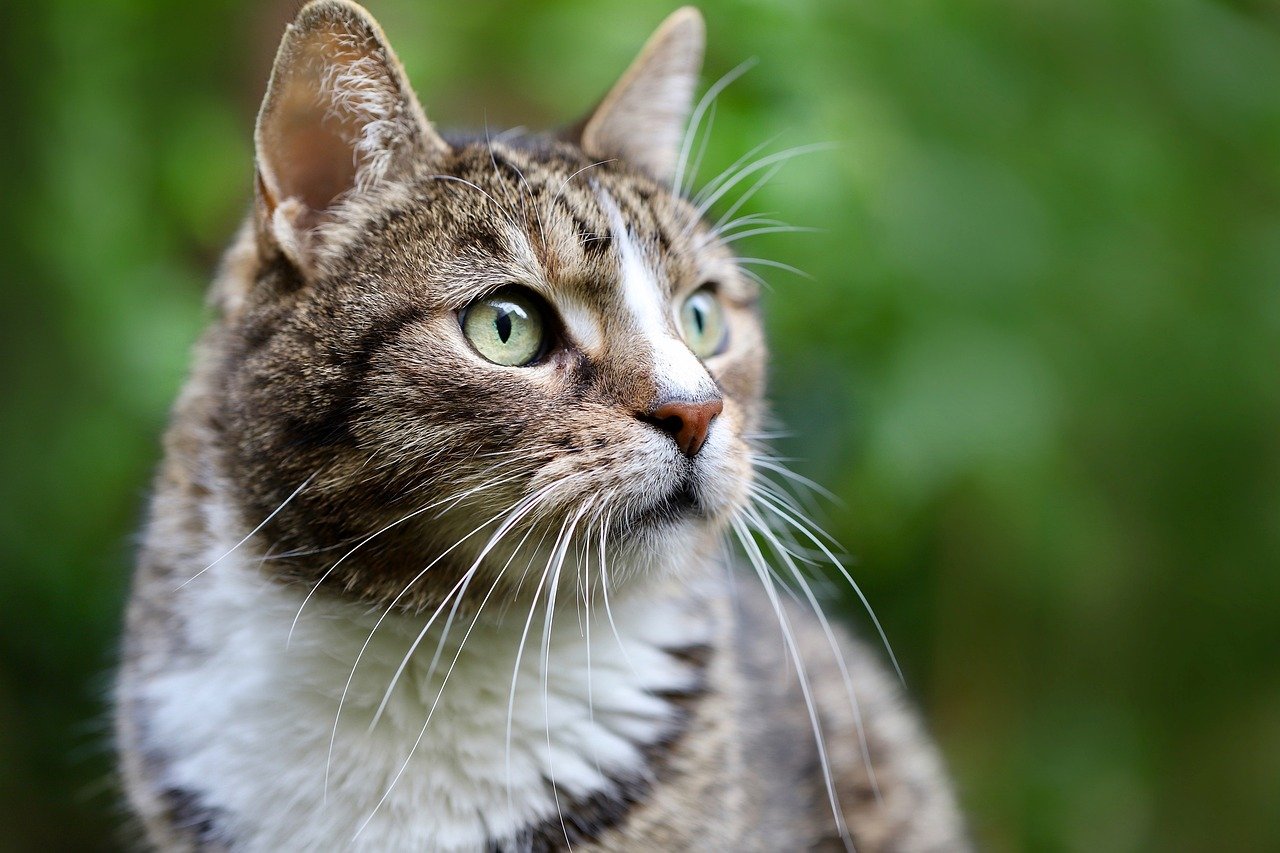
Independent cats are a breed apart—not necessarily in genetics, but in spirit. They relish their alone time, often preferring solitude over constant cuddles. Unlike their more social cousins, these cats can spend hours by themselves, content to watch the world from a sunny window or nap in a quiet corner. It’s not that they dislike people; they just value their personal space and autonomy.
This doesn’t mean they never seek affection. On the contrary, independent cats often form deep bonds with their humans. The catch? They do it on their schedule. If you’re the kind of person who wants a pet that shadows your every move, this may not be your match. But if you can appreciate a relationship built on mutual respect and patience, you might just be the right fit.
Assessing Your Patience Level
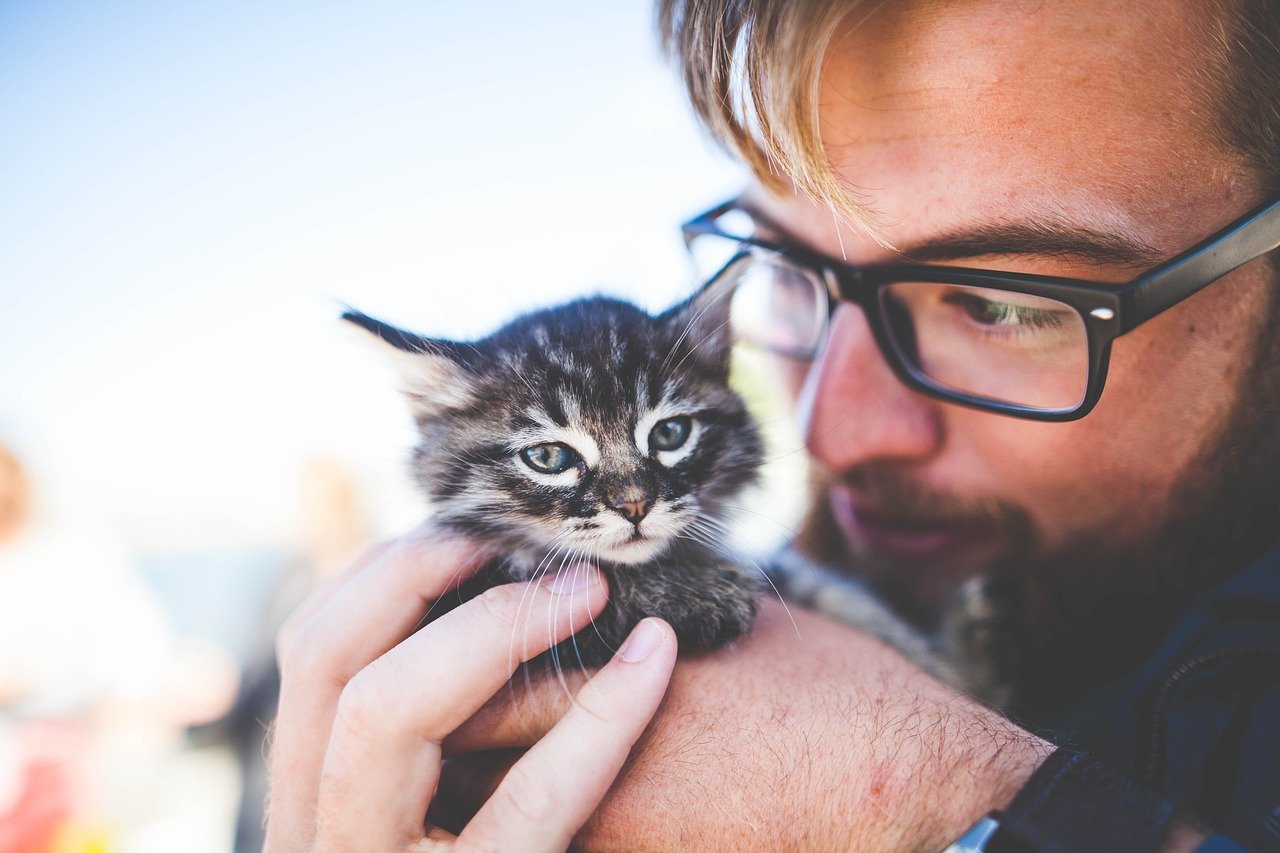
Patience is the golden ticket when it comes to living with an independent cat. These cats aren’t likely to warm up to you instantly. Some may take days, weeks, or even months to truly trust and show affection. It can be a slow dance, but when they finally curl up beside you or ask for a head scratch, it feels like winning a tiny lottery.
If you’re easily frustrated by slow progress or crave instant connection, an independent cat could leave you feeling discouraged. Can you wait for those moments of affection, cherishing each one as a small victory? If so, you’re already showing the level of patience these cats need.
Respecting Boundaries and Personal Space

Independent cats draw clear boundaries, and respecting them isn’t optional—it’s essential. If a cat walks away when you reach out, it’s not a rejection; it’s just their way of saying, “Not now, please.” Learning to read subtle feline signals can make all the difference. Flattened ears, a swishing tail, or a slight turn of the body all mean “give me space.”
Imagine your cat as a roommate with a lock on their door. Sometimes they leave it open, inviting you in. Other times, it’s firmly shut. Are you someone who can let your cat come to you rather than always seeking them out? If so, your respect for their autonomy will help your bond flourish.
Handling Alone Time—Theirs and Yours

An independent cat is perfectly fine being alone for hours at a stretch. In fact, they may even relish the solitude while you’re at work or running errands. If you’re someone with a busy schedule or you value your own quiet time, this can be a match made in heaven.
However, if you want a constant companion who’s always by your side or underfoot, you may feel a little lonely living with one of these self-reliant felines. Think about your own lifestyle: do you enjoy independent activities, or do you need the constant company of a pet? Matching your needs with your cat’s is key.
Being Comfortable With Unpredictability

Cats are famously mysterious, but independent cats take unpredictability to a new level. One day, your cat might curl up in your lap, purring like an engine; the next, they might ignore you entirely. This rollercoaster can be delightful or bewildering, depending on your expectations.
If you thrive on routine and predictability, an independent cat’s erratic affection might leave you scratching your head. But if you enjoy little surprises and can go with the flow, you’ll appreciate the spontaneous moments of connection and laughter these free-spirited cats provide.
Providing a Stimulating Environment

Independent cats may not need constant attention, but they do crave stimulation. They’re curious creatures who love to explore, climb, and hunt—even if it’s just a feather toy or a cardboard box. Your role is to create a home that satisfies their need for adventure.
Think cat trees, window perches, interactive toys, and puzzle feeders. Rotating their toys and introducing new challenges keeps their minds sharp. If you’re someone who enjoys enriching your pet’s environment and watching them solve problems, you’ll find joy in sharing your home with an independent cat.
Embracing Minimal Drama

Let’s be honest—some pets are drama queens. Independent cats, though, are more like the cool, unbothered friend who never gets swept up in chaos. They rarely make a fuss for attention and are usually self-sufficient when it comes to grooming and entertainment.
If you’re looking for a pet who won’t cry for attention at all hours or demand constant reassurance, this is a huge advantage. You can relax, knowing your cat isn’t likely to develop separation anxiety or create a scene when left alone. It’s a peaceful partnership, and some people find it incredibly freeing.
Communicating With Subtlety
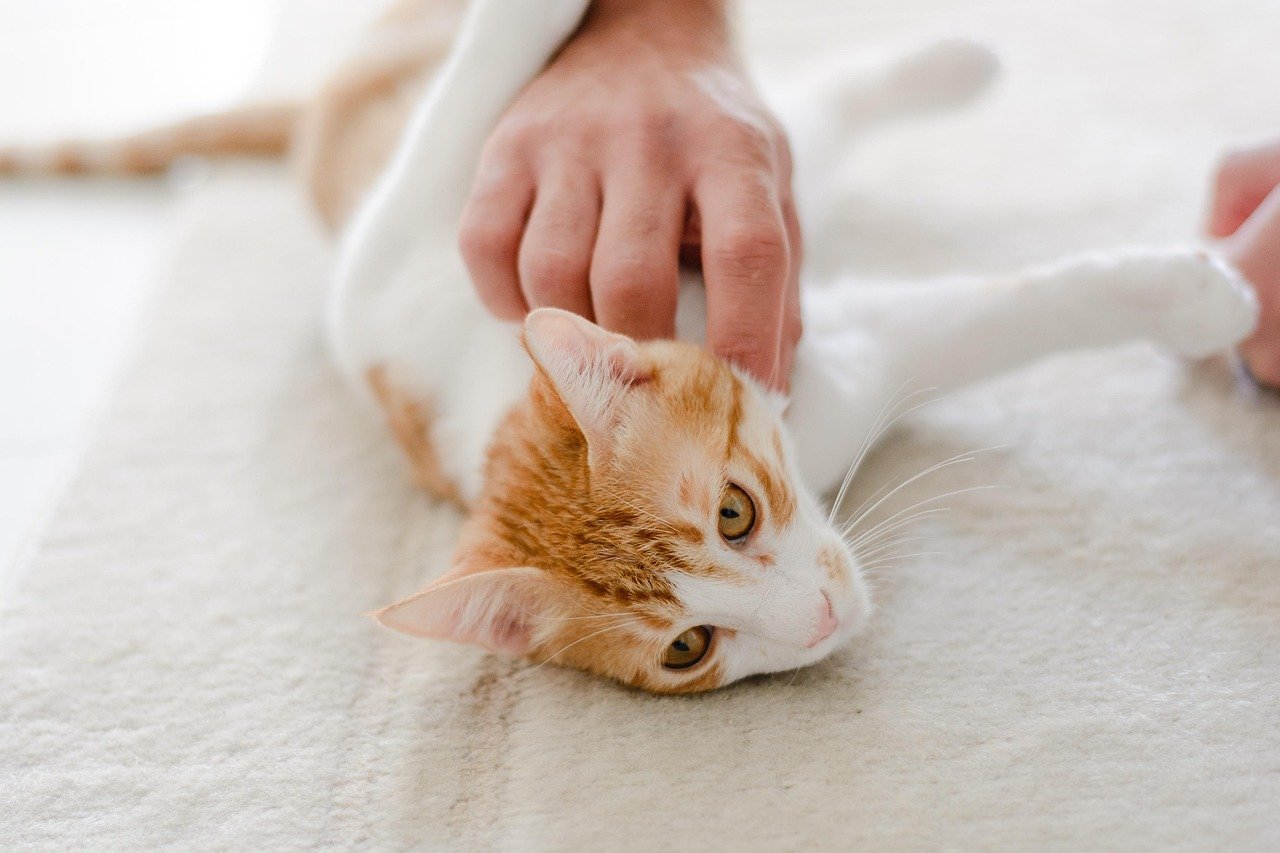
Independent cats communicate in whispers, not shouts. They won’t bark, meow excessively, or jump up for attention. Instead, they might blink slowly, settle nearby, or gently nudge you with their head. Understanding these quiet cues can be deeply rewarding.
If you’ve ever enjoyed a silent conversation with a friend—a look, a smile, a shared moment—you’ll understand the beauty of subtle communication with an independent cat. Are you someone who notices the little things? If so, you’ll appreciate the gentle, understated ways your cat says, “I trust you.”
Accepting Affection on Their Terms
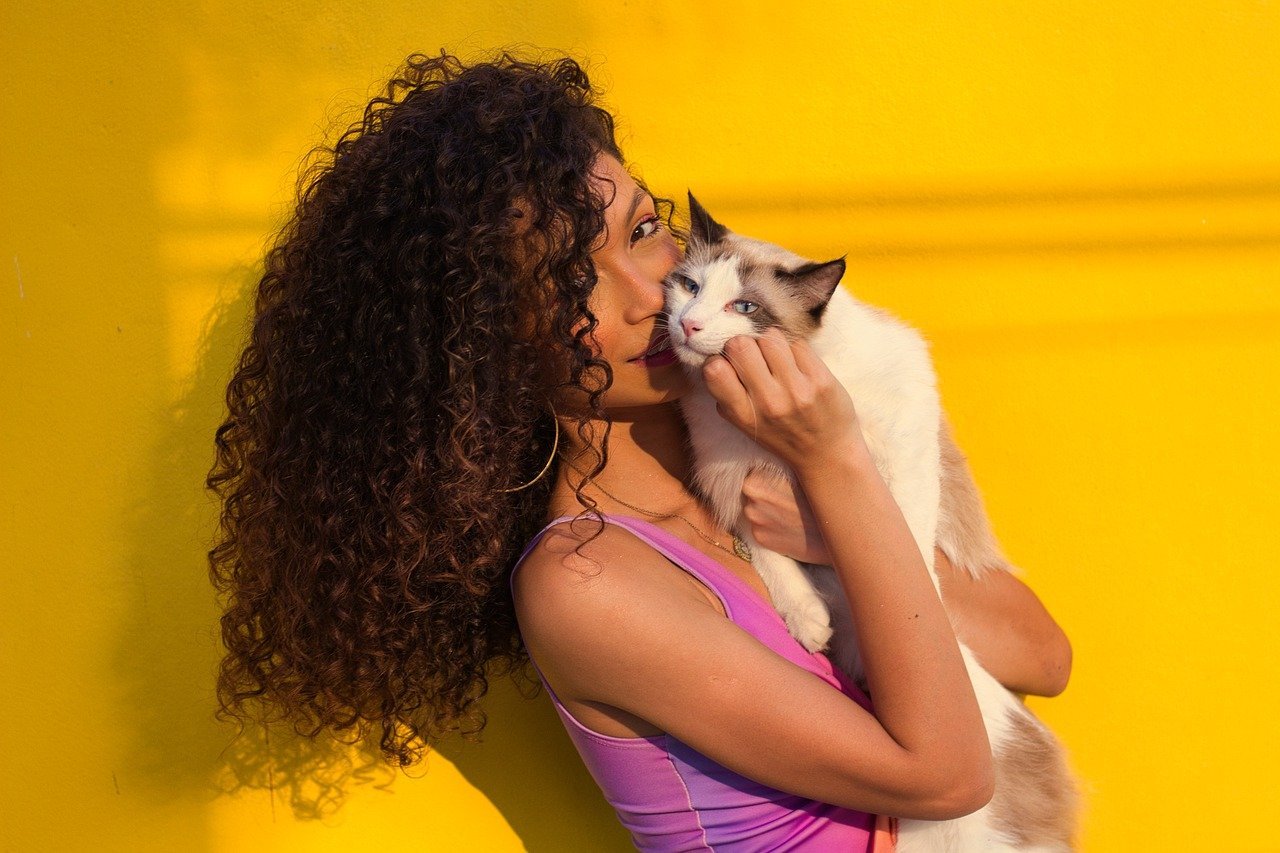
This is a big one. Independent cats love in their own way—sometimes with a single headbutt, other times by simply sharing space with you. It’s not about smothering hugs or endless lap time. It’s about being present and receptive when they choose to connect.
If you can let go of expectations and enjoy the form of affection your cat offers, no matter how small, you’ll build a relationship based on trust and mutual respect. It’s a bit like having a friend who doesn’t say much but always shows up when you need them most.
Providing Consistent Care Without Hovering
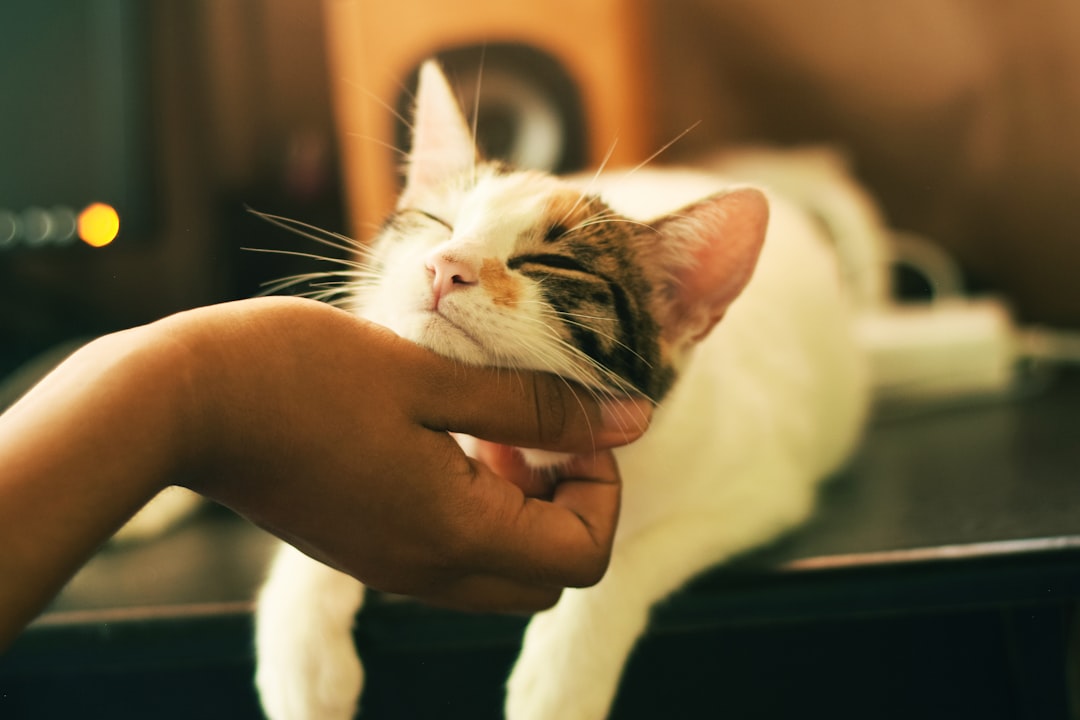
Every cat needs good care—regular meals, fresh water, clean litter, and routine vet visits. Independent cats are no exception. The trick is to provide all this without hovering or micromanaging their every move. They appreciate a dependable routine, but they don’t want someone constantly fussing over them.
If you’re organized and reliable, but not overbearing, an independent cat will feel secure in your care. You’re their safe haven, even if they don’t show it every day. This consistency lays the foundation for a lasting bond.
Being Willing to Learn and Adapt
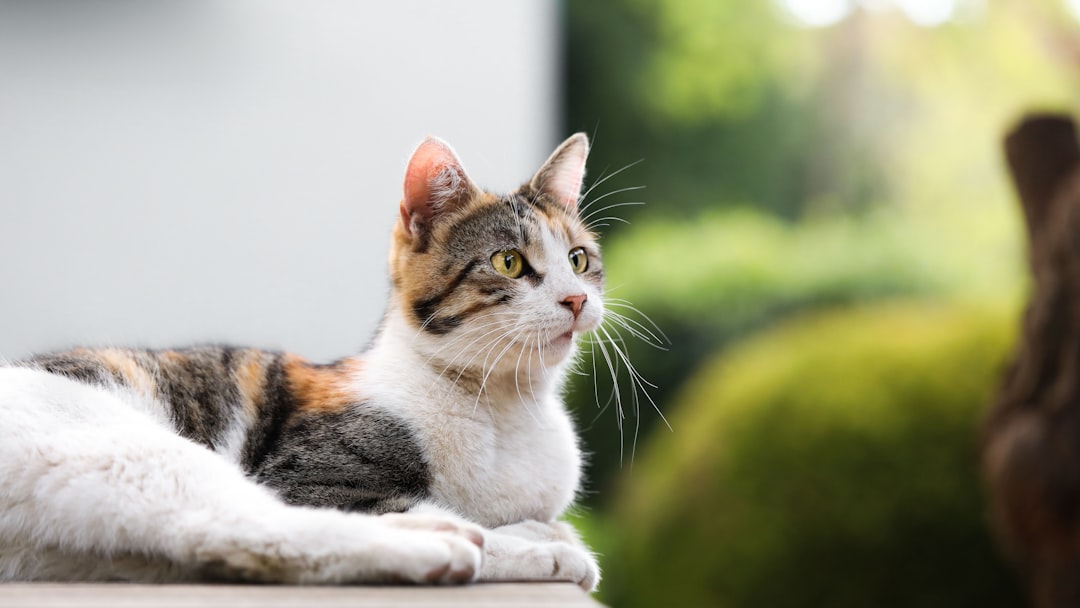
No two independent cats are alike. One might be a quiet observer, another a playful night owl. The best human for an independent cat is someone willing to learn, adapt, and grow alongside their feline companion. There will be surprises—good and bad—and flexibility is essential.
Think of it as an ongoing adventure. You’ll discover new quirks, preferences, and habits over time. If you’re open to learning and adjusting your approach, you’ll get the best out of your relationship with your unique, independent cat.
Finding Joy in the Little Moments
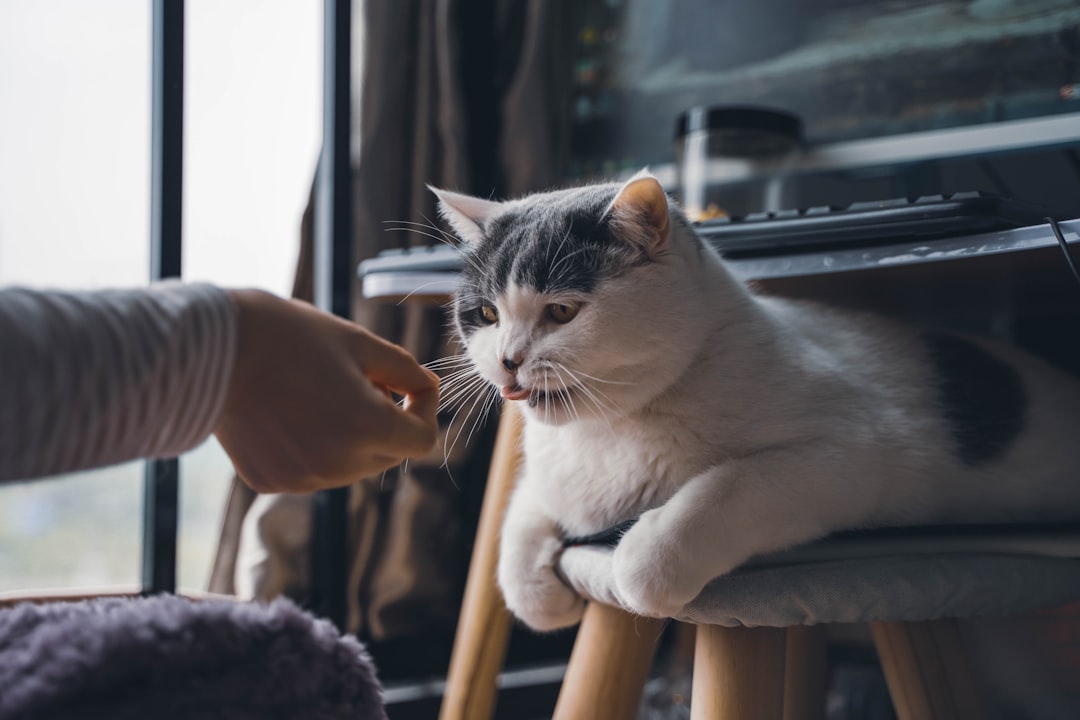
Perhaps the most magical part of sharing your life with an independent cat is the unexpected joy they bring. A soft purr as you read a book, a playful leap onto the windowsill, or the quiet comfort of their presence nearby—these small moments add up to something special.
If you’re someone who finds happiness in simple pleasures, an independent cat will fit right into your world. Every day brings tiny surprises and gentle connections. It’s a relationship that grows with time, patience, and a little bit of wonder.
Being the right human for an independent cat isn’t about constant cuddles or control—it’s about respect, patience, and understanding their unique rhythms. These cats may not always seek out affection, but they form deep bonds on their own terms. If you can appreciate their autonomy, provide a safe and enriching space, and let trust grow at its own pace, you might just be the perfect match. In the end, it’s not about changing them—it’s about showing up consistently as someone they choose to trust.


