
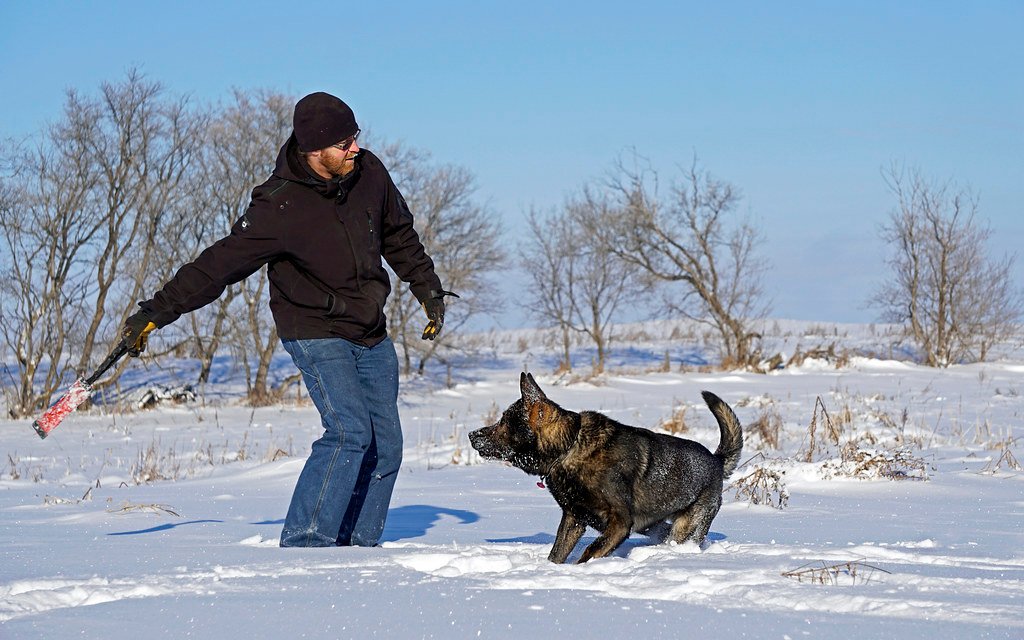
Have you ever looked into a dog’s eyes and seen pure, boundless love—only to learn that, with the wrong guidance, even the sweetest pup can turn into a handful? That’s the paradox of powerful breeds: they can be loyal, hilarious, and downright adorable, but without steady discipline and clear boundaries, their natural instincts can spiral. As a lifelong dog lover, I’ve seen firsthand how a little structure (and a lot of patience) can transform even the rowdiest tail-wagger into the world’s best companion. Let’s dive into ten breeds that need serious discipline, and how you can set them up for success—because every dog deserves a chance to shine.
Rottweiler: The Strong Protector in Need of Boundaries
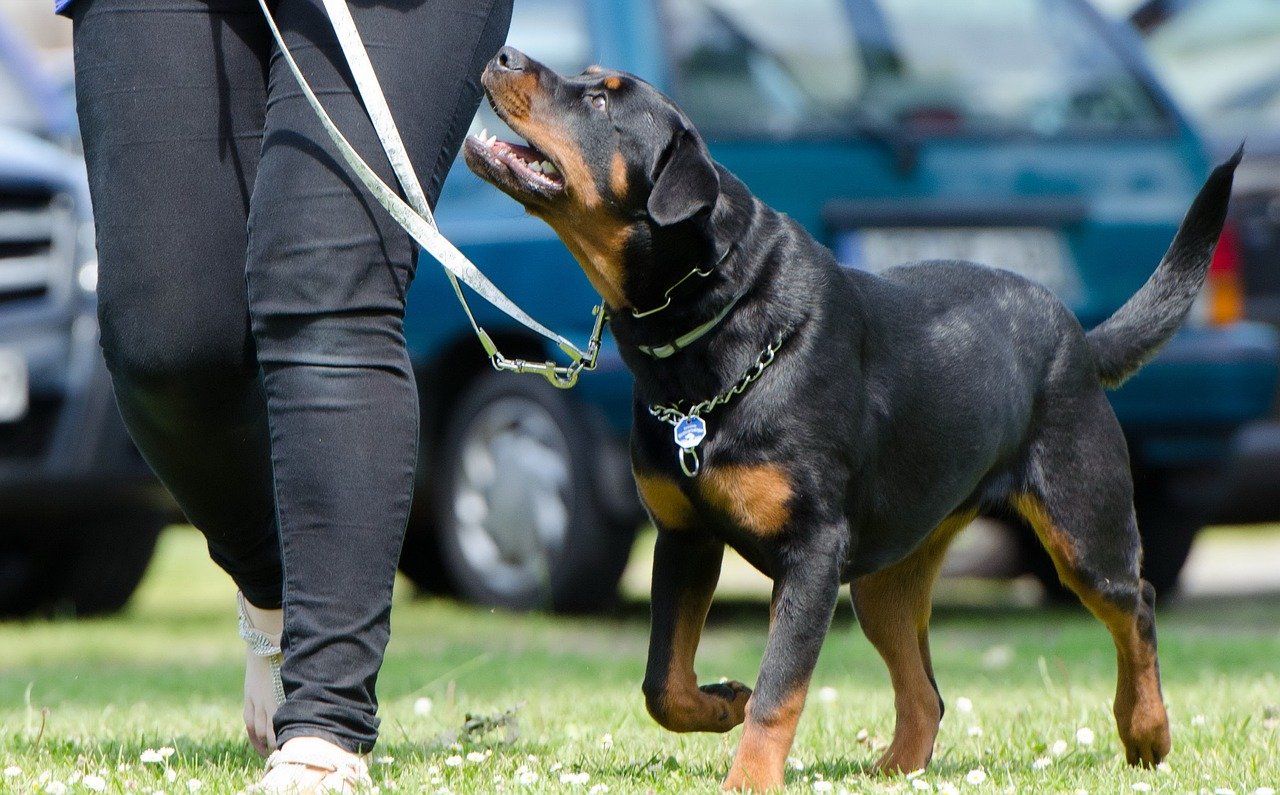
Rottweilers are born protectors, fiercely loyal and deeply loving with their families. But their confidence can tip into stubbornness if you don’t establish rules from the start. Without clear leadership, they may decide to run the house—or worse, become territorial with guests or other pets.
These dogs thrive on structure. Consistent training, early socialization, and positive reinforcement help channel their energy and intelligence in healthy ways. Watch for subtle cues like stiffening posture or intense staring, which can signal discomfort or a brewing bad mood. With patience and guidance, Rottweilers become gentle giants who guard your home with heart.
American Pit Bull Terrier: A Bundle of Energy Needing Guidance
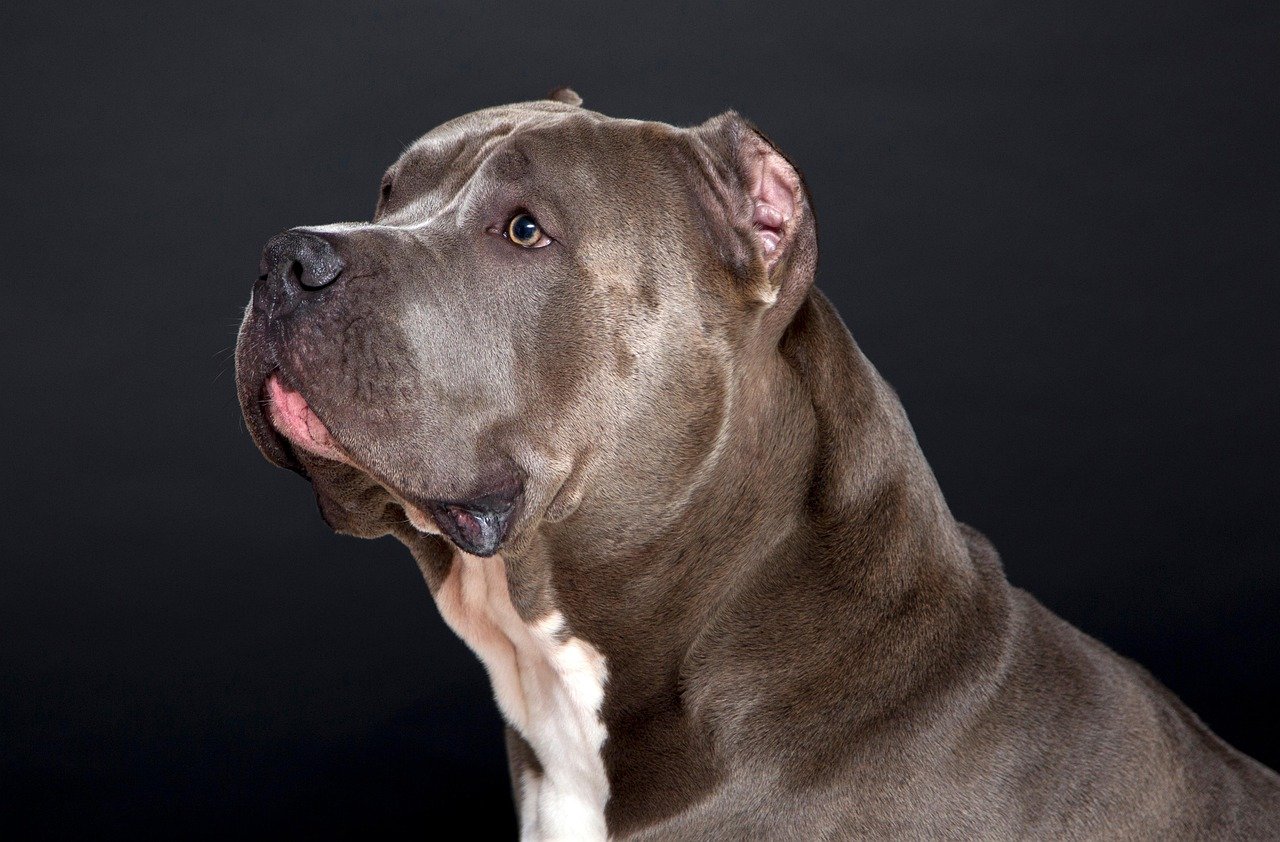
Pit Bulls have gotten a bad rap, but in the right hands, they’re affectionate goofballs. The trouble comes when their boundless energy and strength aren’t guided by an experienced owner. Without discipline, they can become unruly, excitable, or even aggressive out of frustration.
Early socialization is crucial—introduce your Pit Bull to new people, pets, and places as soon as you can. Clear commands and consistent routines help them understand their place in the pack. Watch for over-excitement, like jumping or rough play, and gently redirect their focus. With fair rules and lots of love, they’re some of the most loyal friends you’ll ever have.
German Shepherd: The Intelligent Worker That Needs a Job
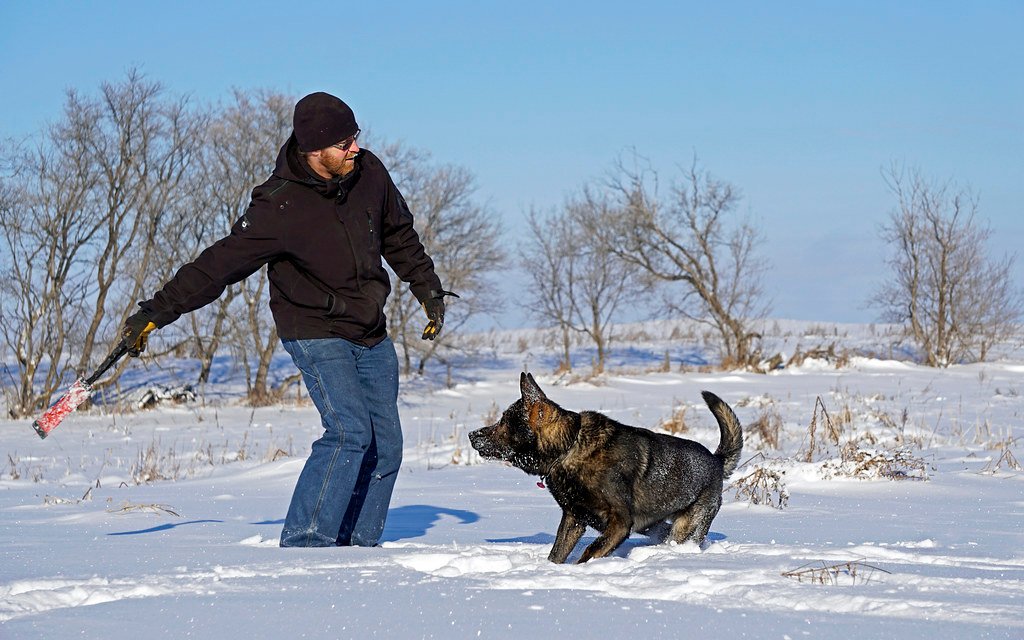
German Shepherds are renowned for their intelligence and work ethic, but that sharp mind needs constant stimulation. Without discipline and purpose, boredom can lead to destructive behaviors like chewing, barking, or digging.
These dogs thrive on having a job, whether it’s agility training, obedience games, or even simple fetch in the backyard. Notice if your Shepherd seems restless or starts herding kids and other pets—these are signs they need more mental and physical outlets. Structured routines and challenging tasks keep their brains busy and their hearts happy.
Doberman Pinscher: The Elegant Watchdog Who Requires Leadership
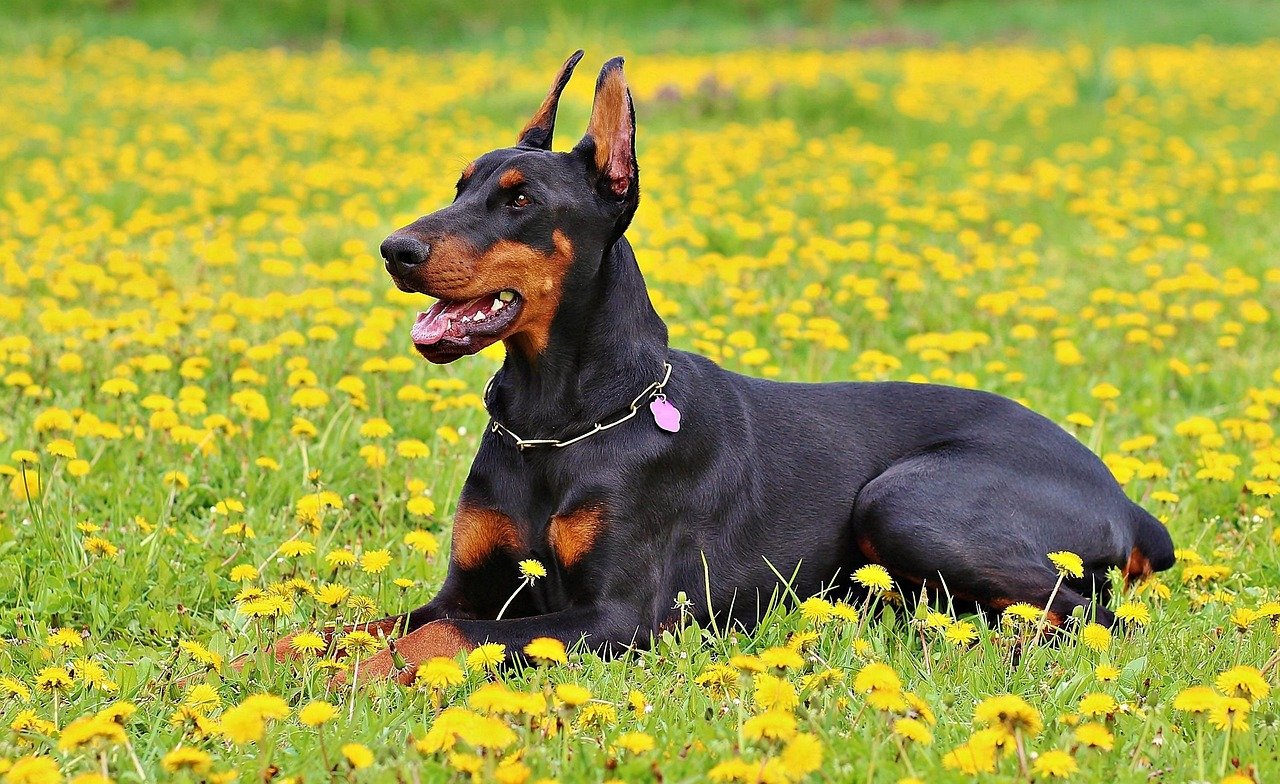
Dobermans are sleek, sensitive, and incredibly loyal—but also strong-willed. Without a confident, consistent leader, Dobermans might become anxious or overly defensive, mistaking every new sound as a threat.
They respond best to positive, reward-based training. It’s important to expose them to all sorts of people and situations early so they learn what’s normal and what’s not. If you notice them becoming clingy or overly alert, it’s time to reinforce routines and set clear expectations. A well-led Doberman is both a cuddly family member and a vigilant protector.
Akita: The Reserved Guardian Who Needs Socialization
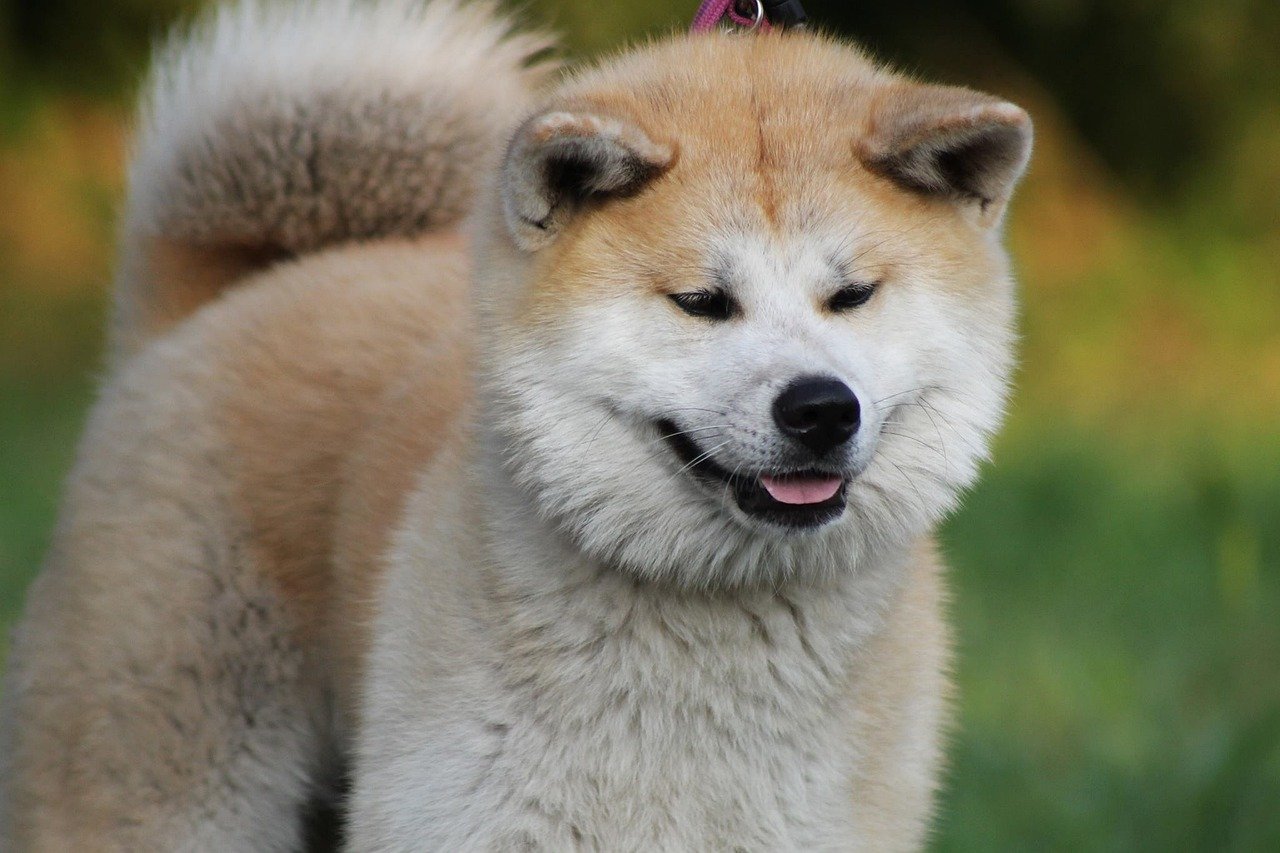
Akitas are dignified and loyal, often forming deep bonds with their chosen humans. But their natural wariness of strangers can tip into aggression if not managed with early, firm discipline and lots of socialization.
They need owners who are patient and willing to invest time in gentle exposure to new faces and places. Be alert for warning signs like raised hackles or a rigid stance when meeting someone new. Reward calm behavior and redirect anxiety before it escalates. When they feel safe and understood, Akitas become steadfast, loving companions.
Alaskan Malamute: The Independent Spirit That Demands Structure
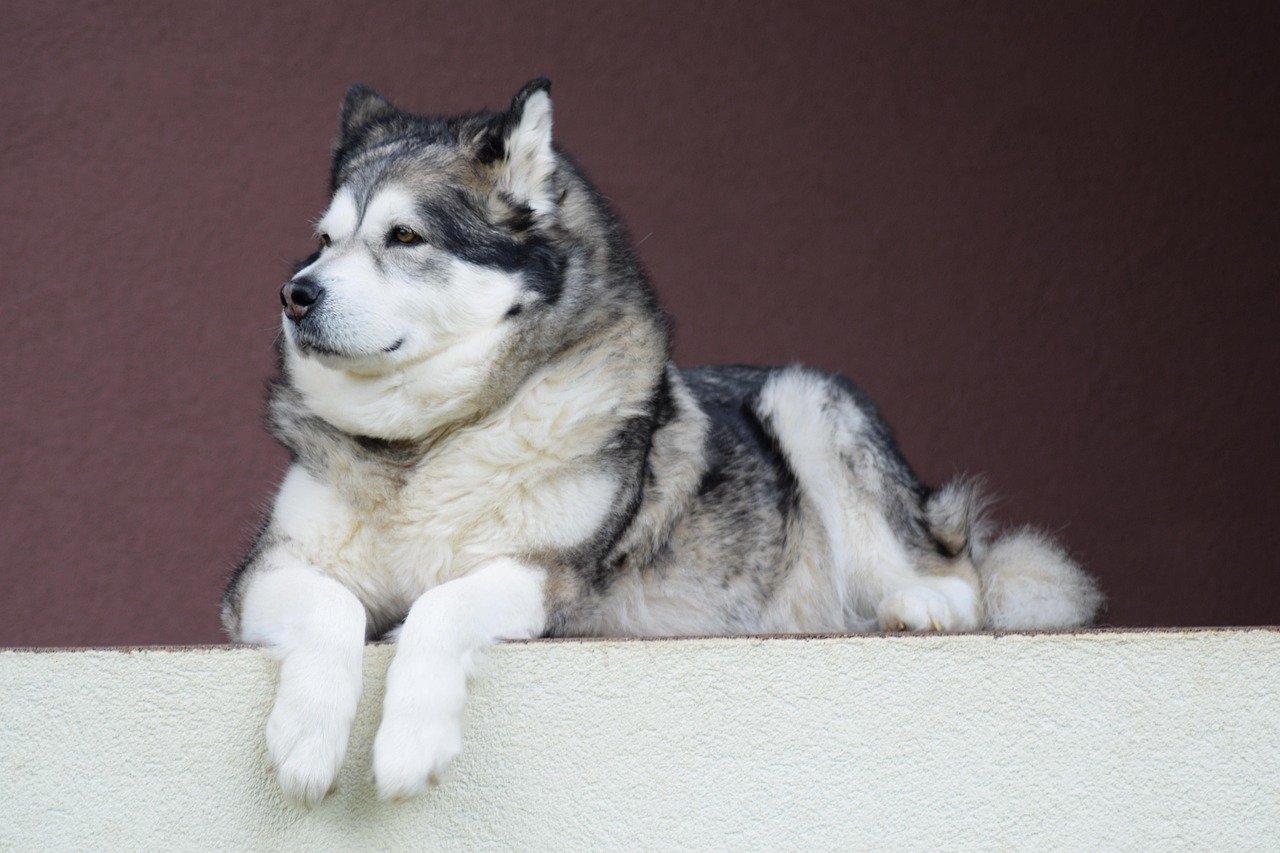
Alaskan Malamutes are gorgeous, strong, and fiercely independent—a mix that can be challenging without consistent boundaries. Their stubborn streak often leads them to test limits, sometimes ignoring commands if they don’t see the point.
Firm, positive training is key, along with lots of exercise to burn off their massive energy reserves. Watch for signs of boredom, like howling or attempting escape—these are cries for more engagement or activity. By making training fun and rewarding, you’ll tap into their playful side and build a solid bond.
Chow Chow: The Aloof Aristocrat Needing Clarity
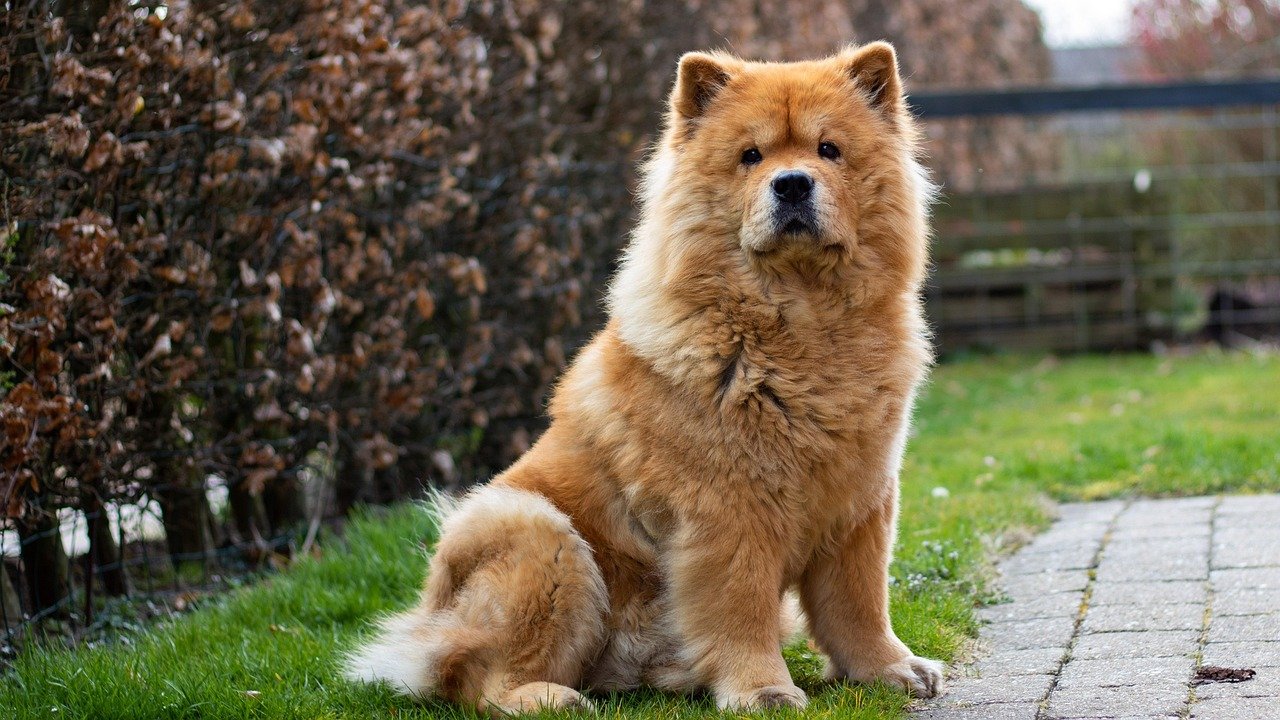
Chow Chows are famously independent, sometimes seeming almost cat-like in their aloofness. This can make them difficult to train, especially if discipline is inconsistent or unclear.
They need a calm, assertive owner who can set boundaries without harshness. Early socialization helps prevent their natural suspicion from turning into fear-based aggression. Watch for subtle signs of discomfort, like lip curling or avoidance, and address issues before they escalate. With respectful leadership, Chows can be polite, devoted companions.
Belgian Malinois: The Tireless Athlete That Craves Purpose
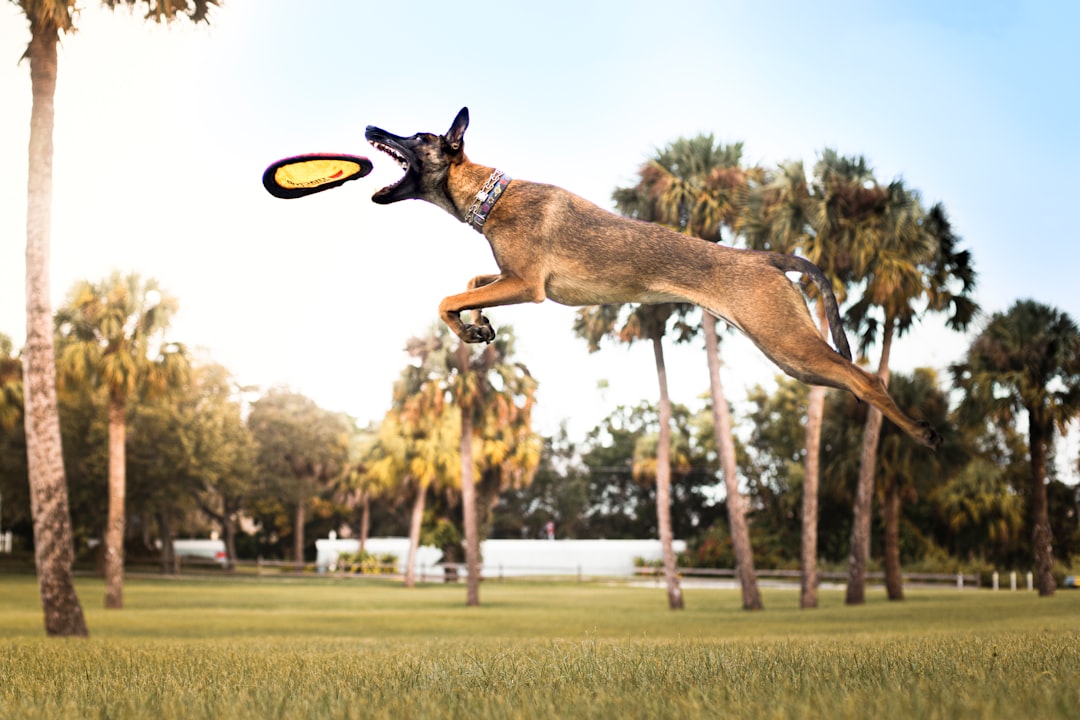
Belgian Malinois are high-octane working dogs, often chosen for police or military roles. Their drive and intelligence are incredible, but without a “job” to do or disciplined routines, their energy can turn destructive.
These dogs need lots of exercise, challenging training, and a clear sense of structure. Signs of trouble include obsessive pacing, excessive barking, or chewing. Keep them busy with agility courses, scent work, or advanced obedience. When their minds and bodies are engaged, Malinois become unstoppable partners.
Boxer: The Playful Clown Who Needs Consistency
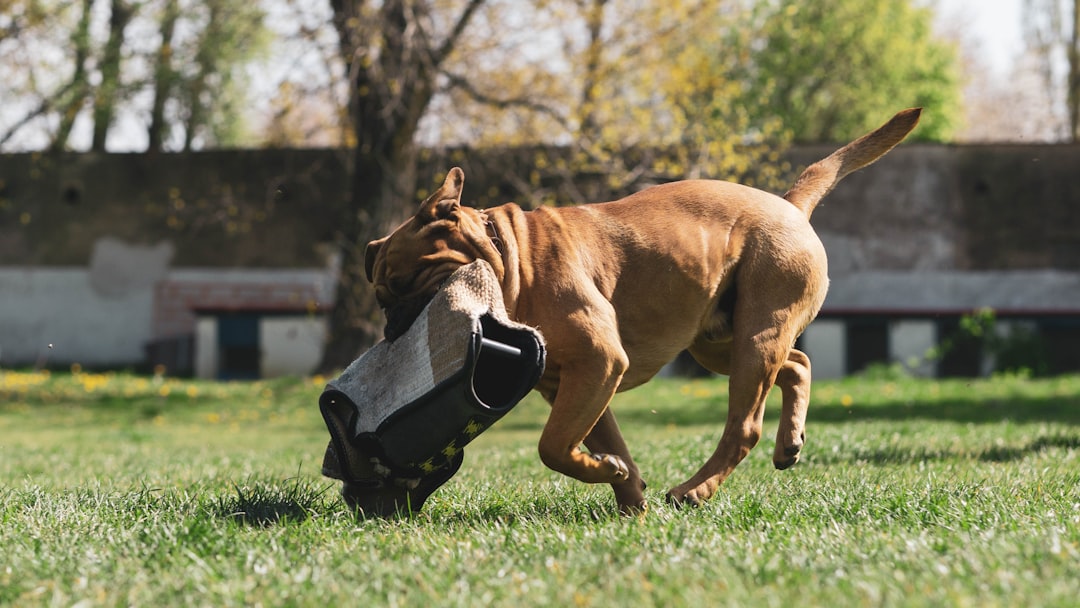
Boxers are the comedians of the dog world—full of bounce, energy, and good intentions. Left unchecked, though, their exuberance can quickly become overwhelming, leading to jumping, mouthing, or even accidental knocks to children.
Consistent rules and positive reinforcement help channel their playfulness into safe fun. Watch for signs that your Boxer is getting too wound up, like spinning in circles or leaping on guests. Give them plenty of exercise, and don’t be afraid to say “enough” when playtime gets too rowdy. With the right guidance, Boxers are pure joy.
Dogo Argentino: The Powerful Athlete Who Needs Respectful Control

Dogo Argentinos are muscular, athletic hunters with a calm, steady presence—until they’re bored or uncertain. Without serious discipline, their sheer strength can become unmanageable, especially around other animals.
Early socialization, clear commands, and respectful but firm boundaries are essential. Pay attention to body language: stiff tails, intense focus, or low growls can signal discomfort or overstimulation. Provide outlets for their energy and keep training sessions positive but firm, and you’ll have a loyal, loving protector for life.


