
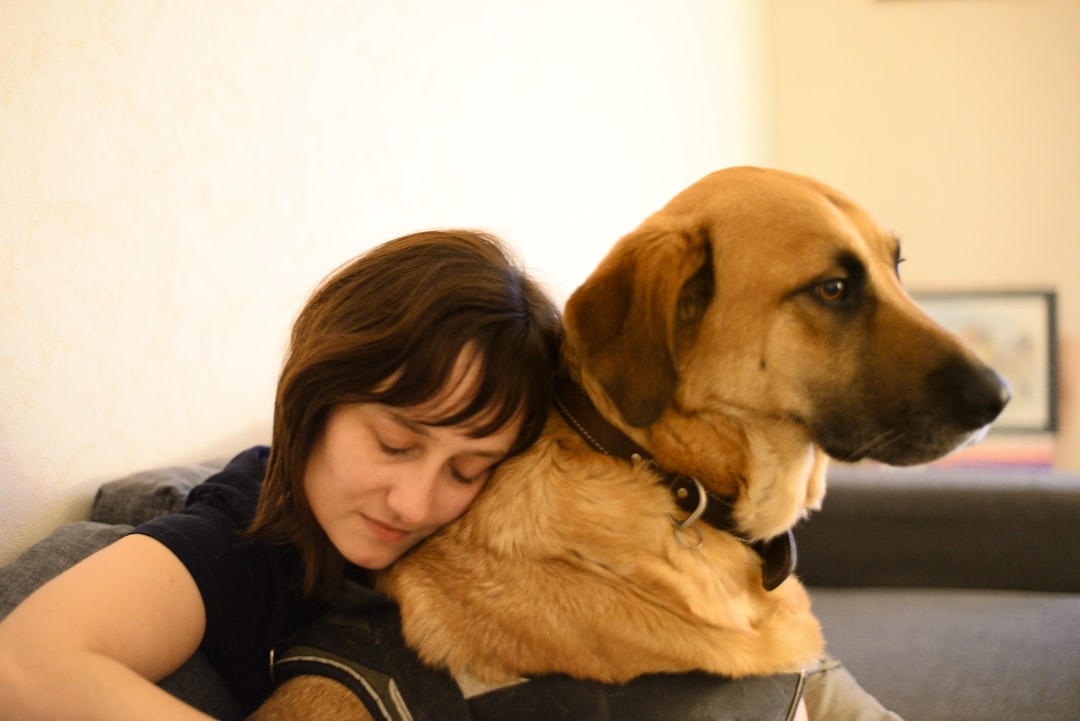
Have you ever caught your dog looking at you with those big, soulful eyes and thought, “Does he really know how I’m feeling?” The truth is, dogs have a sixth sense when it comes to emotions. Sometimes, they pick up on things we barely notice ourselves. If you’ve ever felt comforted by a gentle nuzzle or surprised by your dog’s sudden burst of energy when you’re happy, you’re not imagining it. Dogs are wired to read us, and in many ways, they’re more emotionally tuned in than we are. Let’s dig into 15 heartwarming ways your pup proves it every single day.
They Sense When You’re Sad—Before You Say a Word
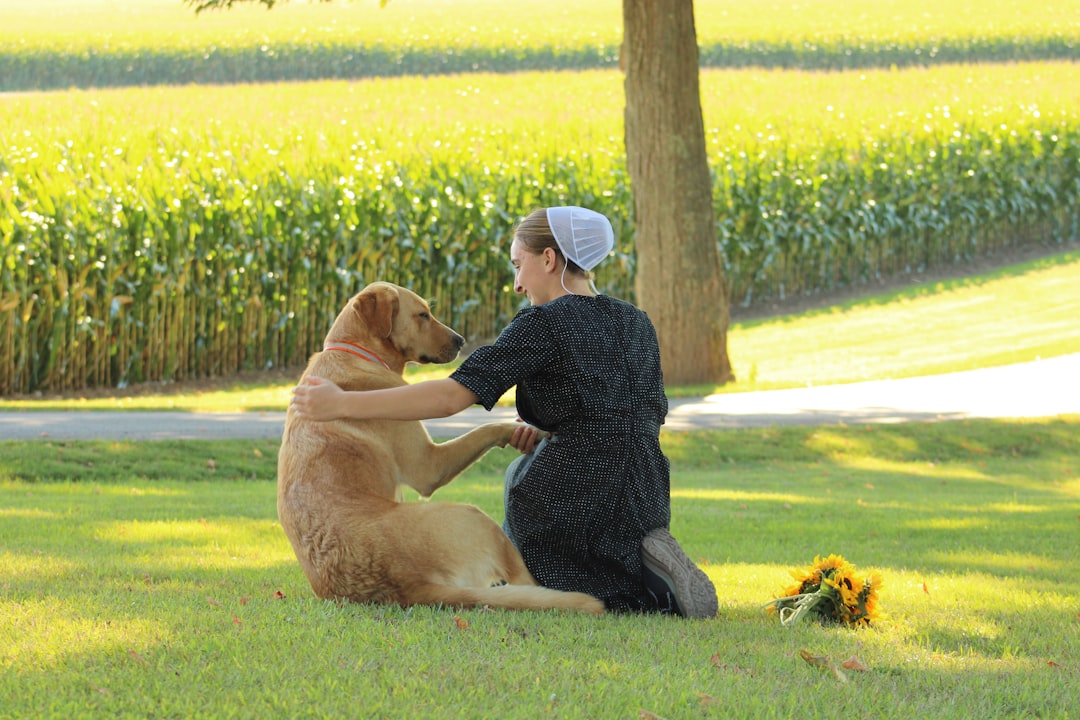
Dogs are like emotional barometers. You may try to hide your sadness, but your dog picks up on it right away through your body language, voice, and even scent. Many pups will quietly place their head on your lap or offer gentle licks, responding long before you shed a tear.
This response isn’t just coincidence. Studies show dogs’ brains actually light up in regions associated with empathy when they hear their owners crying. Your dog doesn’t need words—they just need you.
Their Tail Wags Mirror Your Mood Swings

Ever notice how your dog’s tail seems to have a mind of its own? It sways high and fast when you’re joyful and drops low or tucks when you’re down. That tail is like an antenna tuned to your emotional frequency.
Dogs use this tail language as a social tool, reflecting not just how they feel, but how you feel too. If you’re excited, so are they—sometimes even more than you. It’s pure emotional mirroring.
They Pick Up on Your Stress—And Try to Calm You

When life gets hectic, your dog is often the first to know. Dogs can smell subtle changes in your sweat and hear the slight quiver in your voice that even your best friend might miss.
Many dogs will act out to distract you—nudging your hand, bringing you a toy, or curling up beside you—because they want to help you feel better. Their instinct is to be your calming anchor when you’re adrift.
Your Dog Notices When You’re Under the Weather
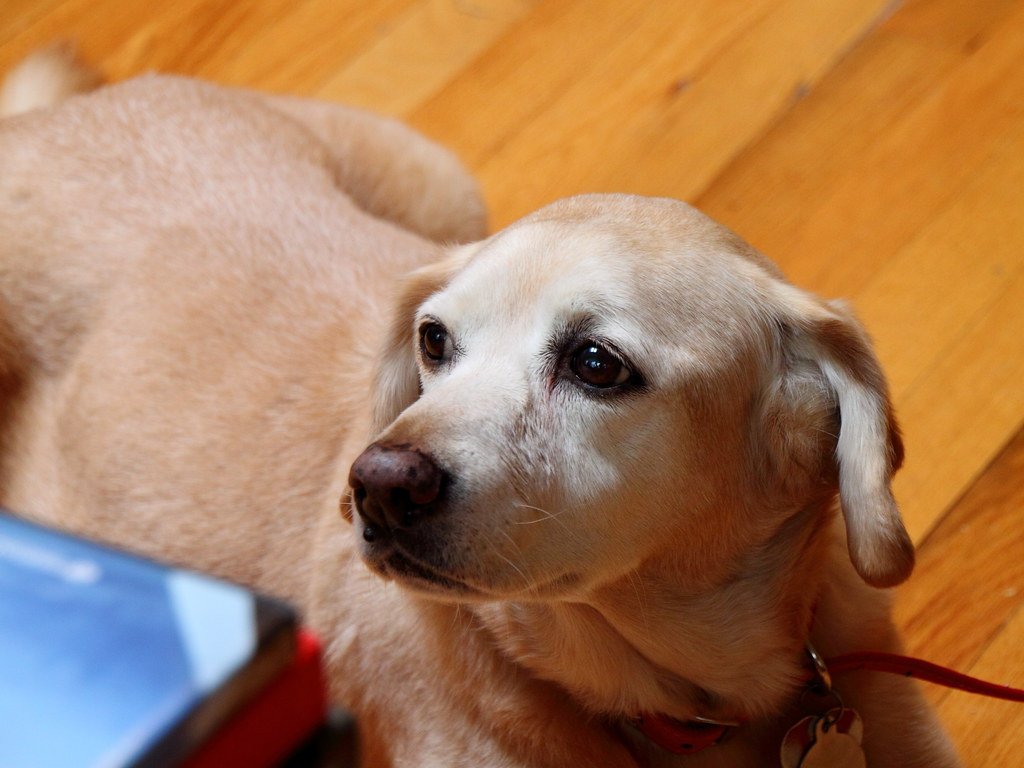
Dogs have noses that put ours to shame. They can detect chemical changes in our bodies when we’re sick—even before we show symptoms. Ever had your dog sniff you more or stick closer when you’re unwell? That’s no accident.
Some dogs are even trained to alert their owners to migraines, low blood sugar, or seizures. But even our untrained companions seem to know when we need extra care, often offering warmth and companionship during tough times.
They React to Tension in Your Voice

A dog’s ears are like tiny radars, sensitive to every shift and tremor in your tone. If you’re frustrated or angry, your dog may respond by lowering their body, averting their gaze, or quietly leaving the room.
They don’t just react to what you say, but how you say it. So next time you’re arguing on the phone, don’t be surprised if your pup slinks away or tries to interrupt with a playful bark—sometimes just to lighten the mood.
They Know When You Need Company—And When You Need Space
Dogs are masters at reading the room. If you’re seeking comfort, they’ll snuggle close. But when you need a little breathing room, they often sense it and give you gentle distance, lying nearby but not crowding you.
This emotional intuition is why therapy dogs are so effective. They don’t just provide comfort—they tailor their presence to what you need most in the moment, without being told.
They Respond to Your Laughter With Playfulness
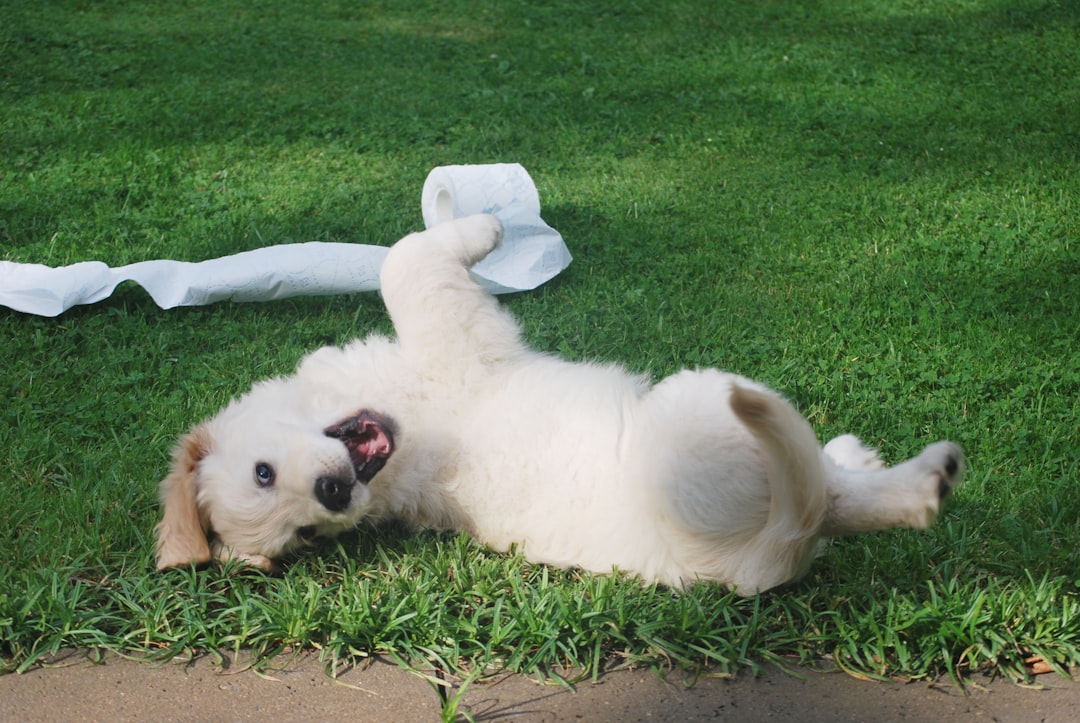
When you laugh, your dog often gets a burst of energy, wagging their tail, bouncing around, or fetching their favorite toy. It’s their way of joining in on your happiness and keeping the good vibes rolling.
Laughter has a contagious effect, and dogs are especially susceptible. They may not understand the joke, but they absolutely understand that you’re happy—and they want in on the fun.
They Can Tell When You’re Anxious in Public

Ever felt nervous in a crowd, only to have your dog press close or lean against you? They’re not just seeking security for themselves—they’re offering it to you.
Dogs will often become protective, standing slightly in front or watching your reactions. Their presence alone can be grounding, like having a loyal bodyguard who’s always in tune with your nerves.
They Notice Subtle Changes in Your Routine
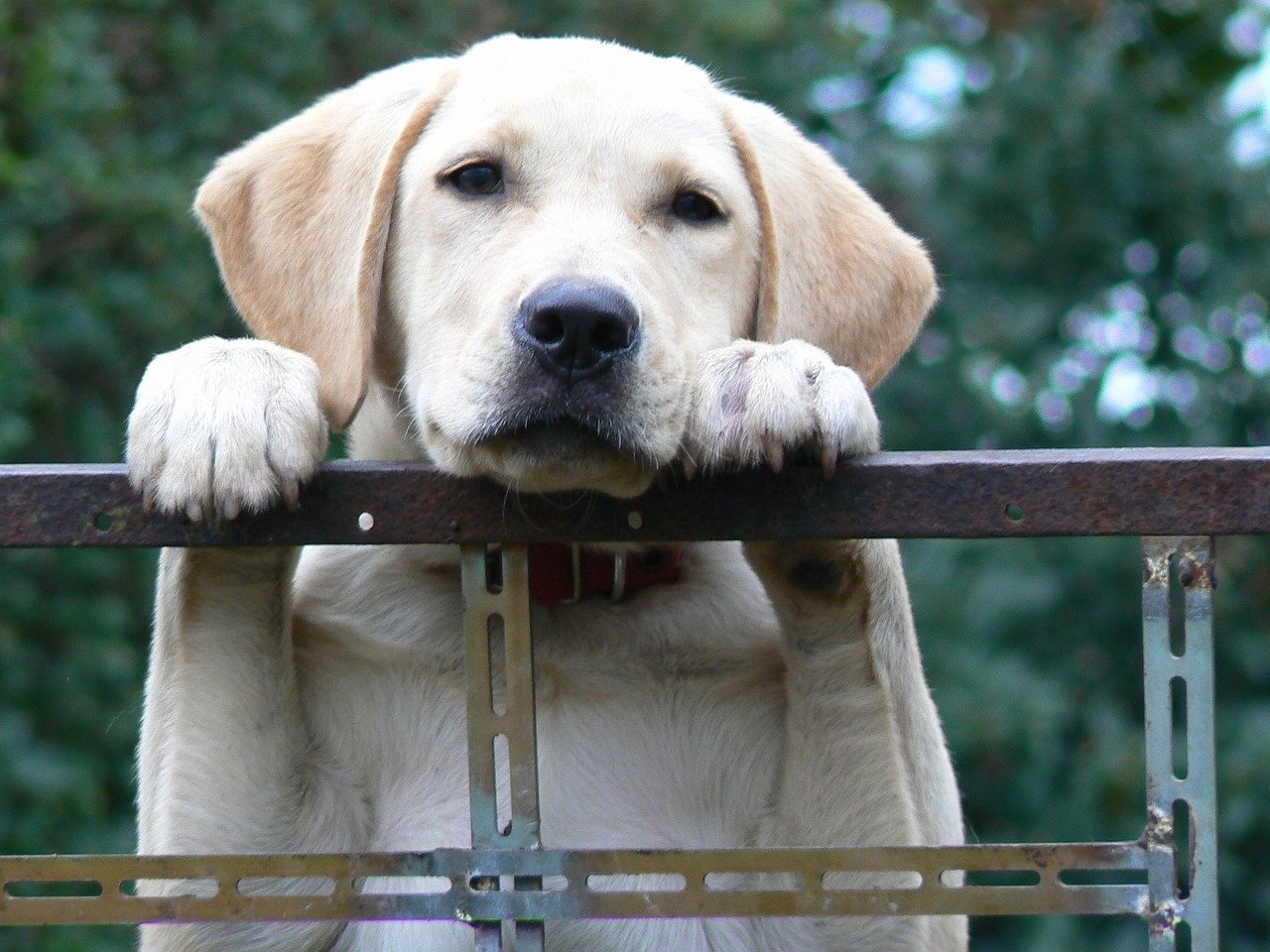
Dogs are creatures of habit, but they’re also tuned in to your habits. If you’re acting differently—maybe skipping your morning coffee or leaving the house late—your dog will pick up on it instantly.
These changes often make dogs more alert or anxious. If your dog seems extra attentive or restless, it might be their way of asking, “Is everything okay?” They notice the little things we take for granted.
They React to Your Smiles—Not Just Your Words
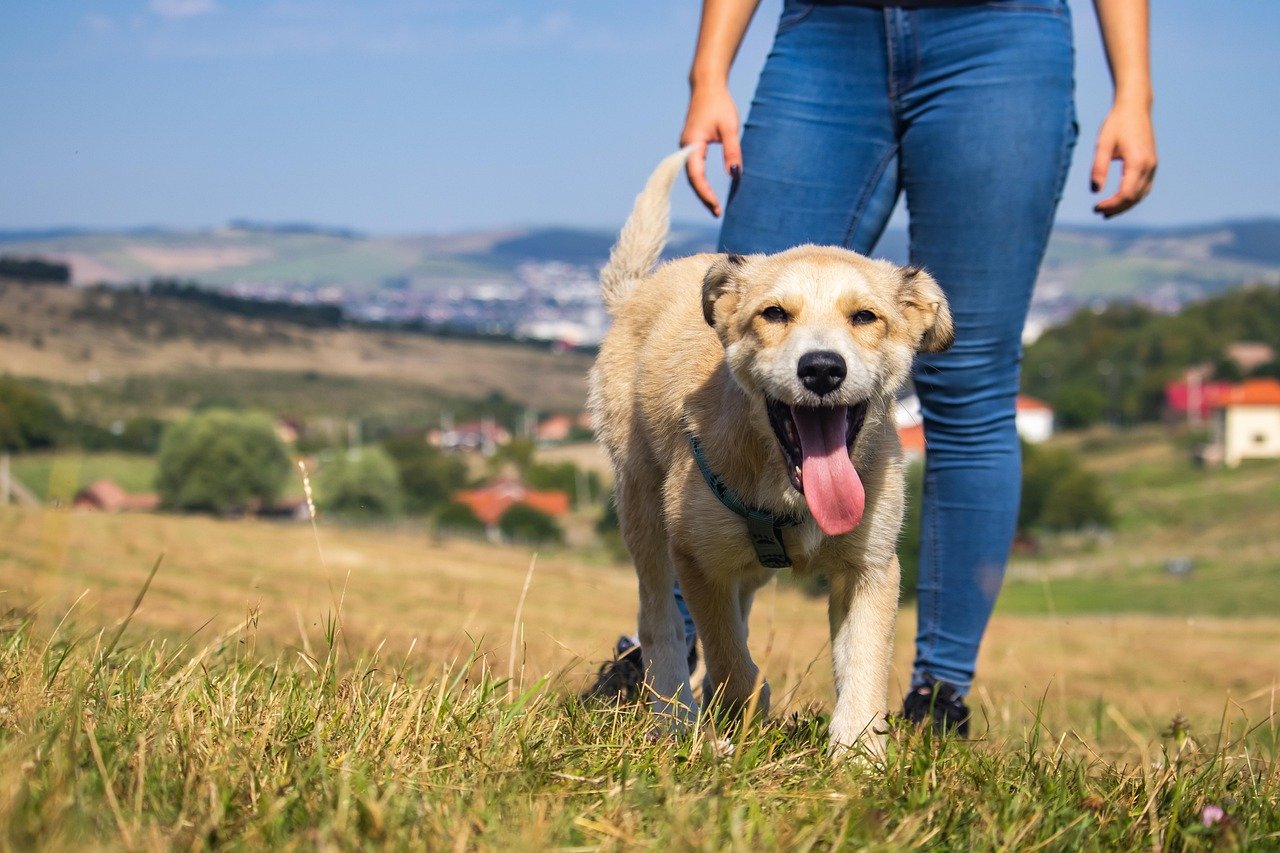
A genuine smile lights up your whole face, and dogs are experts at reading facial expressions. When you smile, your dog may wag, jump up, or simply relax, basking in your positive energy.
It’s not about the words you say—it’s the joy in your eyes and the crinkle of your cheeks. Dogs don’t need a translation for happiness; they feel it right along with you.
They Know When You’re Hiding Pain

If you’re trying to tough it out through physical pain, your dog often picks up on it, even if you’re silent. They may sniff or nuzzle the affected area, or just stick close by with a worried expression.
This isn’t just a coincidence. Dogs have been known to alert family members to undiagnosed illnesses or injuries. Their intuition is a reminder to listen to your body—and your pup.
They Comfort You During Grief—Even When Others Don’t Know How
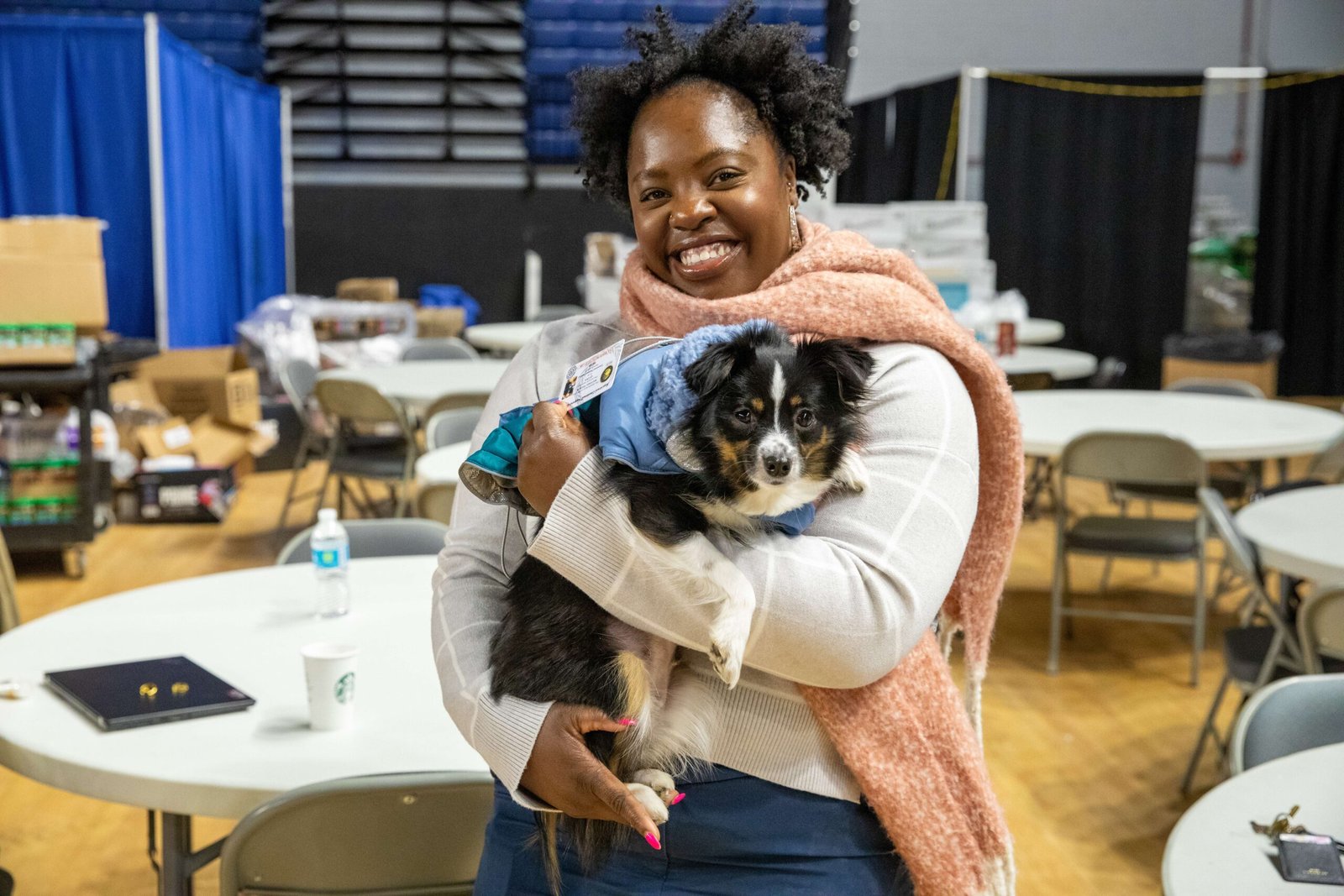
Grief is a uniquely isolating emotion, but dogs never shy away from it. When you lose someone or something important, your dog may quietly rest their head on you, or simply be present without demands.
Their gentle, nonjudgmental presence offers comfort in a way few humans can match. Sometimes, the best medicine is a soft paw and a silent companion who just gets it.
They Pick Up on Relationship Dynamics at Home

If there’s tension between family members, your dog will know. They may act differently around certain people, or seek out the person who seems most upset.
Dogs often try to mediate by bringing toys, acting silly, or simply sitting between people. Their hope? To restore harmony and help everyone feel more connected.
They Respond to Your Excitement About Good News

Dogs can sense your elation when you get good news. Whether you’re celebrating a promotion or just feeling happy, your dog will match your energy with joyful barks, zoomies, or even a little dance.
Sharing your happiness with your dog doubles the joy. Their celebration is genuine, and their enthusiasm is downright infectious.
They Watch for Signs of Loneliness—And Fill the Void

Loneliness is tough, but your dog is always ready to fill the gap. If you’ve been quiet, withdrawn, or spending more time alone, your pup will nudge you for attention, offer a playful paw, or simply curl up by your side.
Their presence isn’t just comforting—it’s healing. Dogs remind us that, no matter what life throws our way, we’re never truly alone.
They Notice When You’re Distracted—And Bring You Back to the Moment
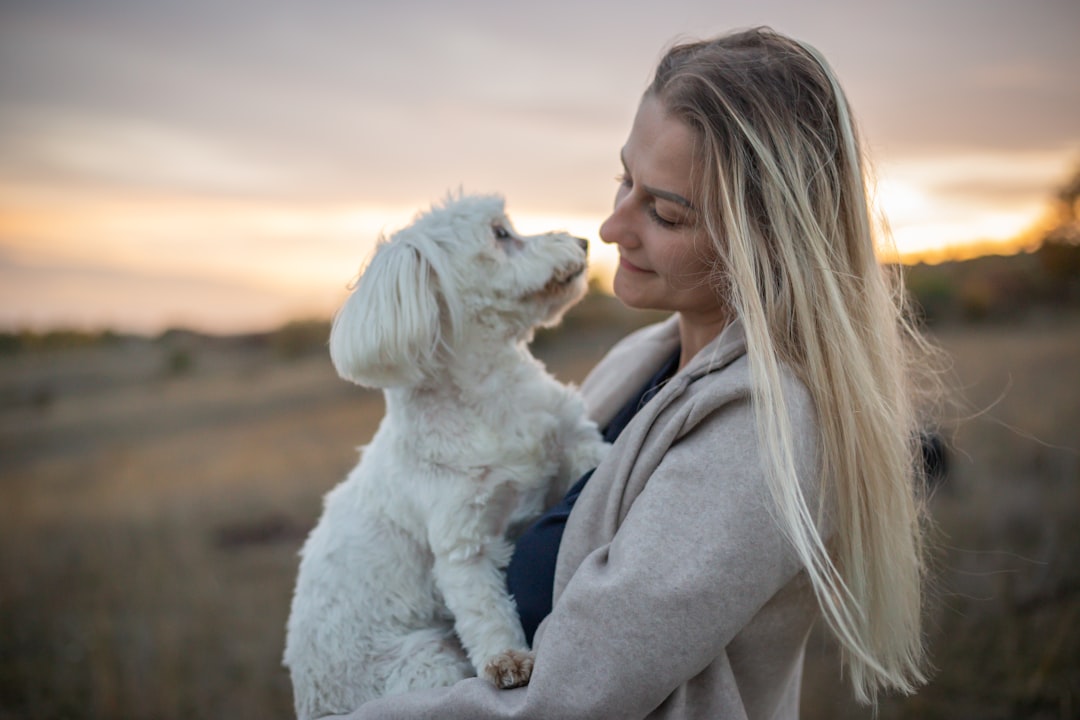
In a world full of screens and stress, dogs are living reminders to be present. If you’re lost in your phone or work, your dog may nudge your hand, drop a ball in your lap, or sit staring at you until you notice.
These moments aren’t just pleas for attention—they’re gentle reminders to slow down and savor the here and now, with your furry best friend by your side.
What would you have guessed about your dog’s emotional superpowers?


