
10 Signs You’re a Good Dog Parent (And 5 That Needs Working On)

Being a great dog parent isn’t just about belly rubs and treats—it’s also about meeting your pup’s emotional and physical needs consistently. If you’re someone who schedules vet visits, respects their quirks, and makes time for daily walks and training, you’re already on the right track. But hey, none of us are perfect—maybe you need to work on setting boundaries or brushing their coat more regularly. These little areas for growth don’t make you a bad pet parent—they just show you care enough to improve. Dogs thrive on love, structure, and consistency, and knowing where you shine (and where you can grow) is the hallmark of a truly dedicated dog parent.
You Prioritize Their Health and Well-being
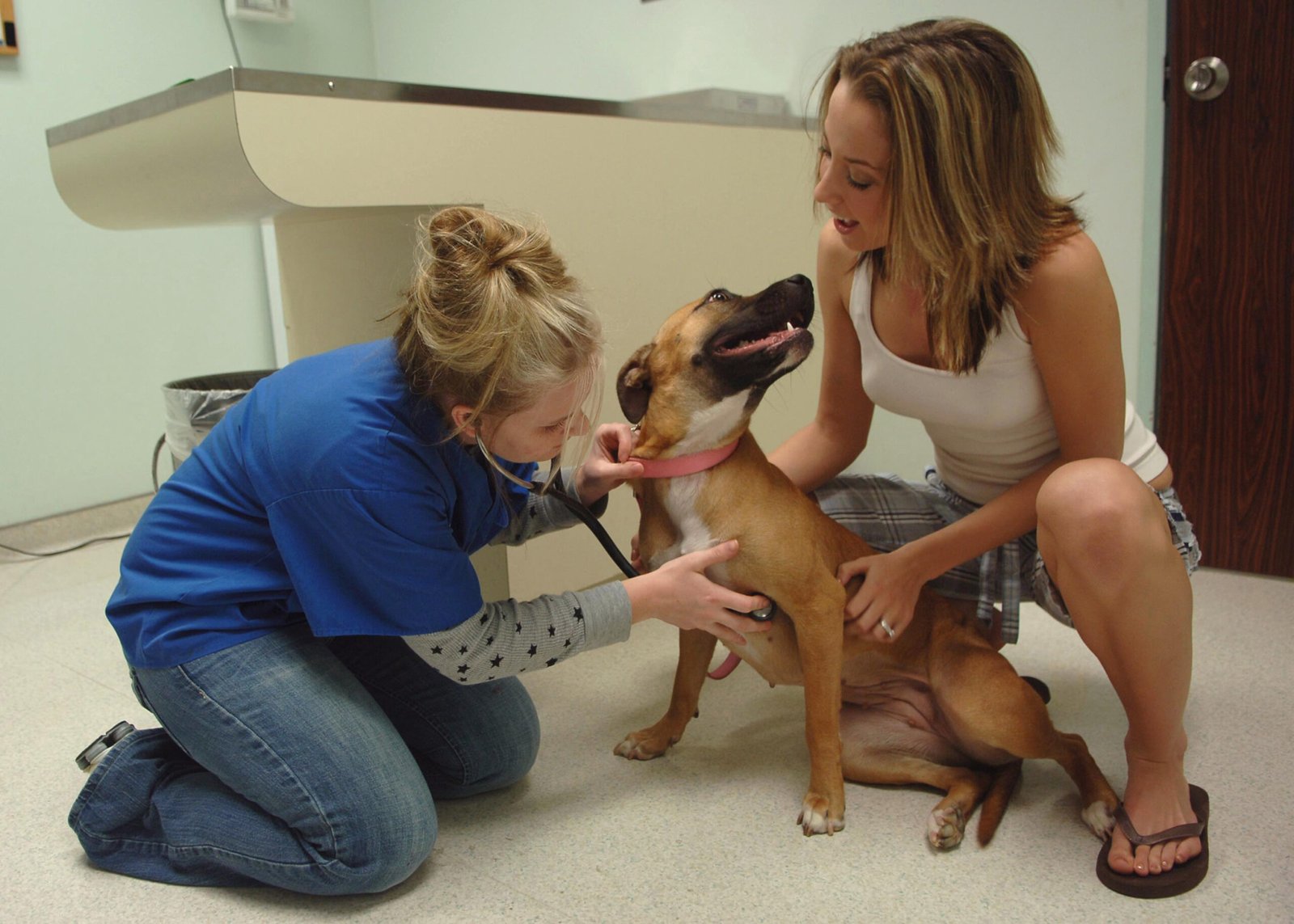
A true dog parent never skips vet visits. You keep those vaccination appointments, monitor their weight, and pay attention to any changes in behavior or appetite. You know that a healthy pup is a happy pup, and you’ll do whatever it takes to ensure they’re thriving. Whether it’s regular check-ups or emergency trips, you don’t hesitate to put your dog’s health first.
Besides medical care, you focus on their nutrition too. You read ingredient lists, pick quality food, and avoid feeding your dog harmful human snacks. You even keep a stash of healthy treats for training and special occasions. Your dog’s glowing coat and wagging tail say it all: you’re doing something right.
You Give Them Plenty of Exercise
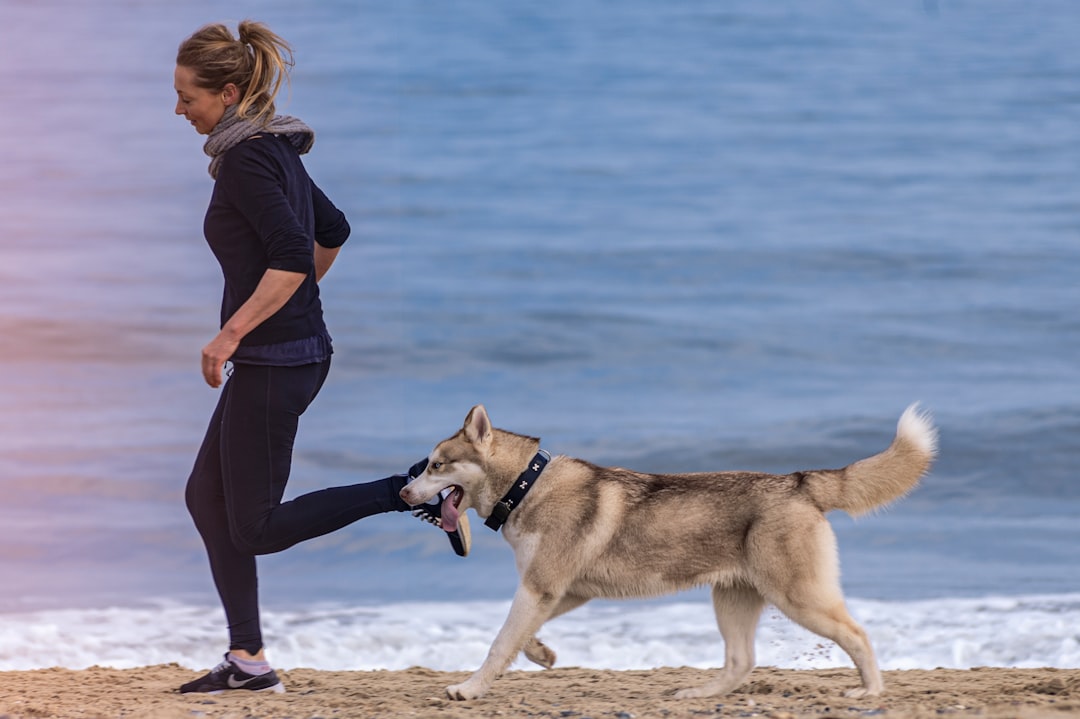
You understand that a tired dog is a good dog. Walks aren’t just a chore for you; they’re a chance to bond, explore, and let your pup burn off energy. Whether it’s a game of fetch in the park, a long hike, or a quick jog around the block, you make sure they get their daily dose of movement.
On rainy days or busy schedules, you find creative ways to keep them active indoors. Puzzle toys, hide-and-seek, or even hallway sprints become part of your routine. You know that exercise isn’t just about physical health—it’s vital for their mental well-being too.
You’re Attuned to Their Emotional Needs

You can read your dog’s moods like a book. When they’re anxious, you know how to comfort them. When they’re excited, you celebrate right alongside them. You’ve learned the subtle cues—like a tucked tail or flattened ears—that tell you when something’s off. You don’t brush off their fears, whether it’s fireworks or thunderstorms. Instead, you offer reassurance and a safe space. By meeting your dog’s emotional needs, you build a bond based on trust and love, not just obedience.
You Invest Time in Training
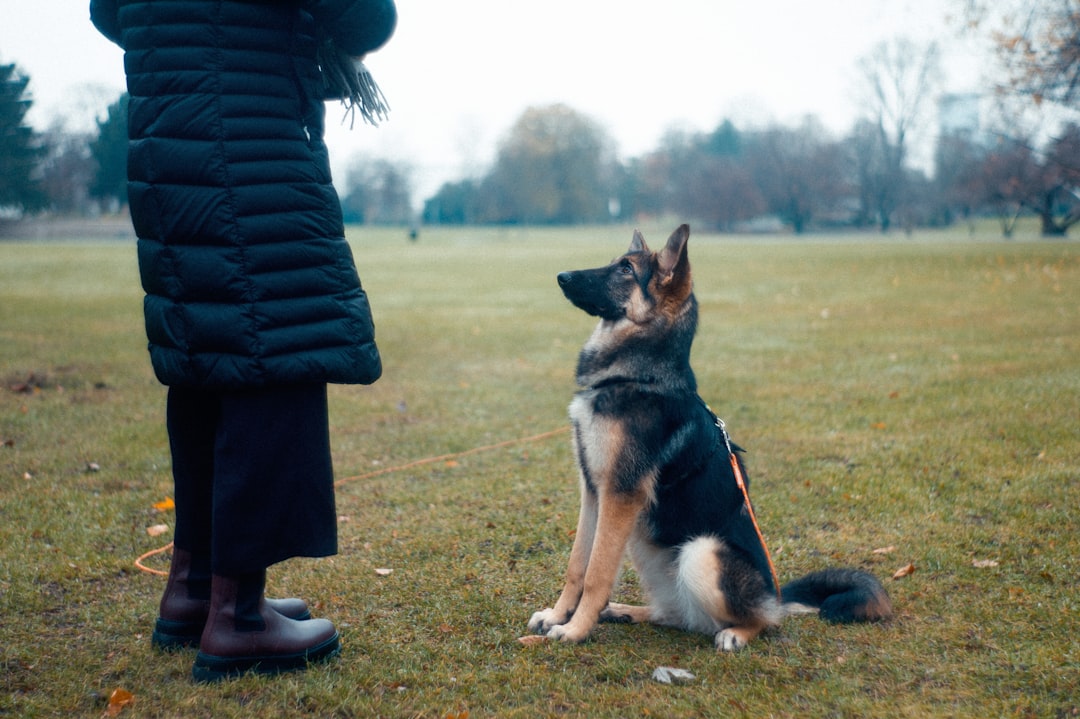
Training isn’t just about teaching ‘sit’ or ‘stay’—it’s about communication. You’ve put in the hours, rewarding good behavior and patiently correcting mistakes. Positive reinforcement is your go-to, and you celebrate every success, no matter how small.
You also understand that training is ongoing. You keep sessions short and fun, and you’re always looking for new tricks or challenges. This commitment not only builds good manners but also strengthens your connection with your dog.
Your Dog is Socialized and Well-Adjusted
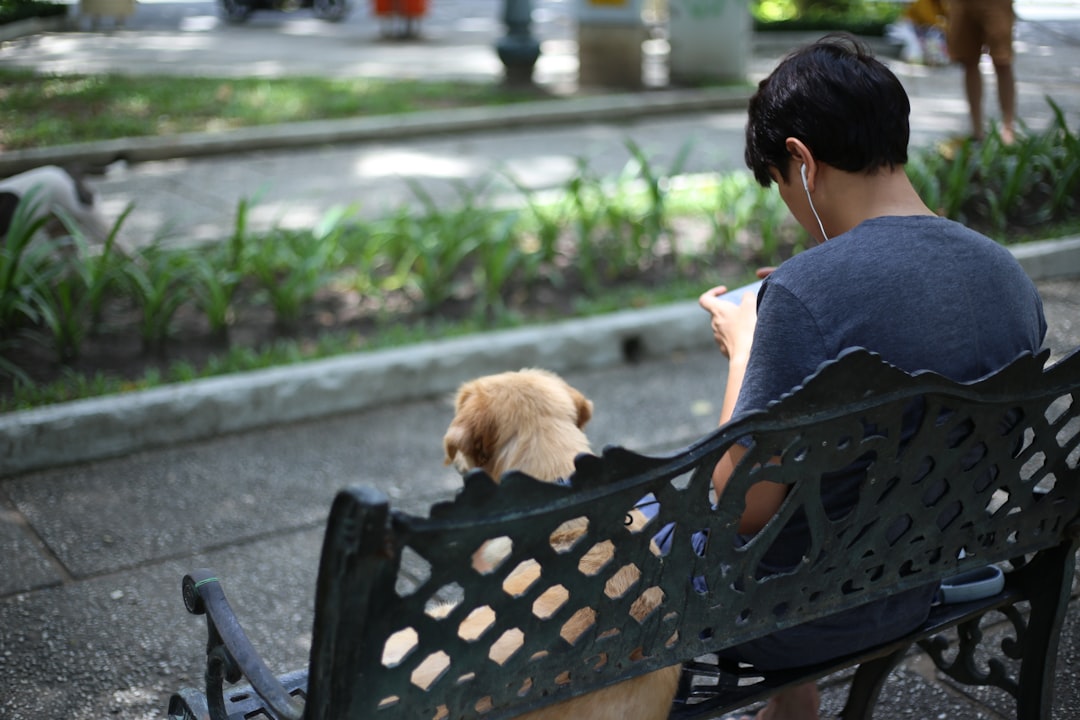
You’ve exposed your dog to new people, animals, and environments. You want them to be confident, not fearful, when they meet someone new or encounter a strange situation. You organize playdates, visit dog parks, or simply stroll through busy neighborhoods.
When your dog greets others with a wagging tail and calm demeanor, it’s a sign that you’ve done your homework. You understand that socialization prevents behavioral issues and helps your dog feel at ease in the world around them.
You Provide Mental Stimulation
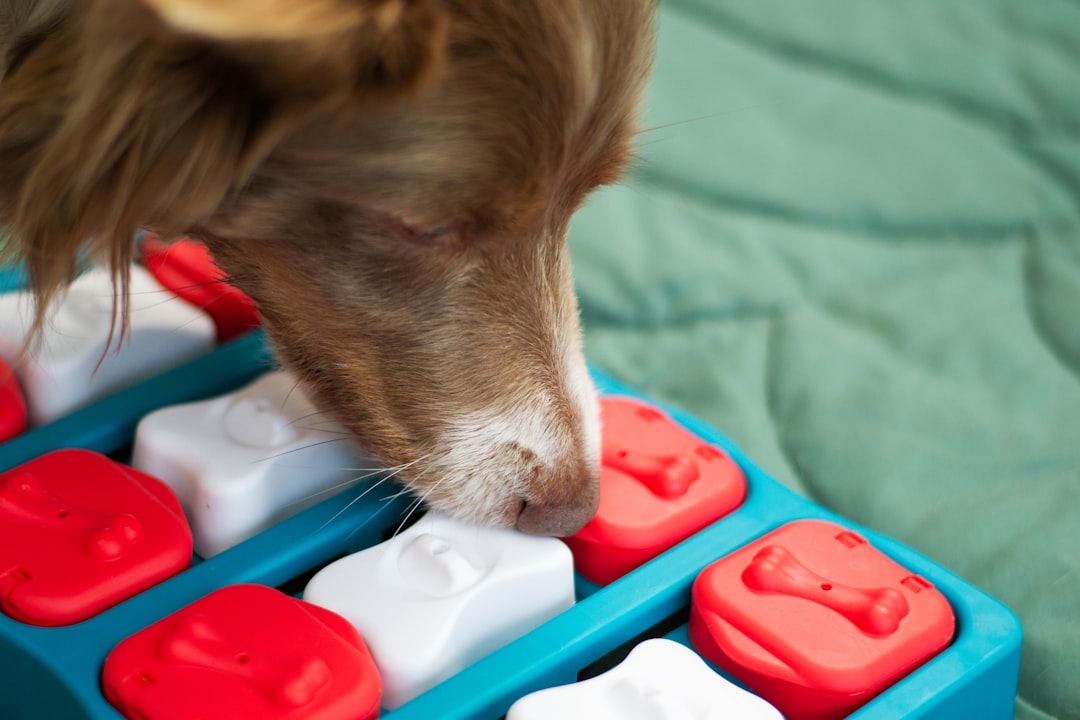
Physical exercise is great, but you know a dog’s brain needs a workout too. You rotate their toys, introduce puzzle feeders, and teach them new commands to keep things interesting. Boredom doesn’t stand a chance in your house. You might even hide treats for them to sniff out or create obstacle courses in your living room. This dedication to mental stimulation keeps destructive behaviors at bay and turns your dog into a quick-thinking, happy companion.
Your Dog’s Environment is Safe and Comfortable
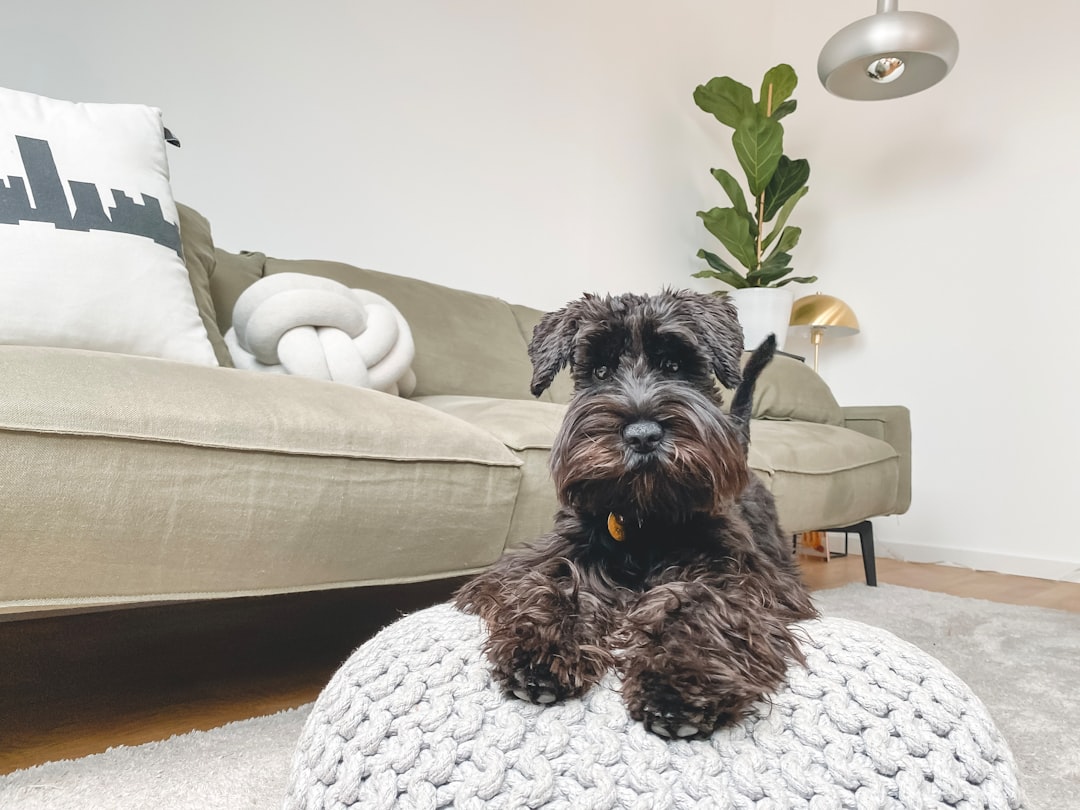
You’ve dog-proofed your home like a pro. Toxic foods are out of reach, electrical cords are tucked away, and there’s always fresh water available. You make sure your dog has a cozy bed and a quiet spot to retreat when things get overwhelming. Even when you travel, you check that accommodations are pet-friendly and secure. Your attention to detail means your dog can relax and feel safe, wherever you go.
You Respect Their Individuality
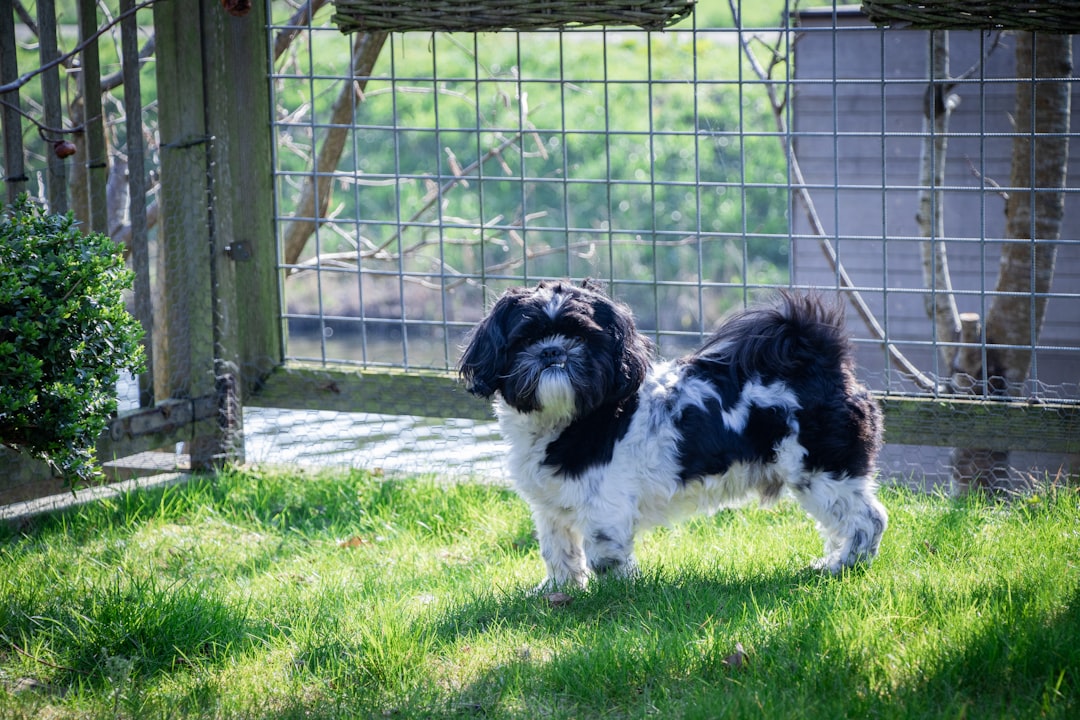
Just like people, every dog is different. You’ve taken the time to learn what makes your dog tick, whether it’s their favorite toy, a quirky habit, or a unique fear. You don’t force them into situations that make them uncomfortable, and you let them set the pace for new experiences.
You recognize that what works for one dog might not work for another. This respect for your dog’s individuality shows that you see them as a true member of the family, not just a pet.
You Advocate for Their Needs
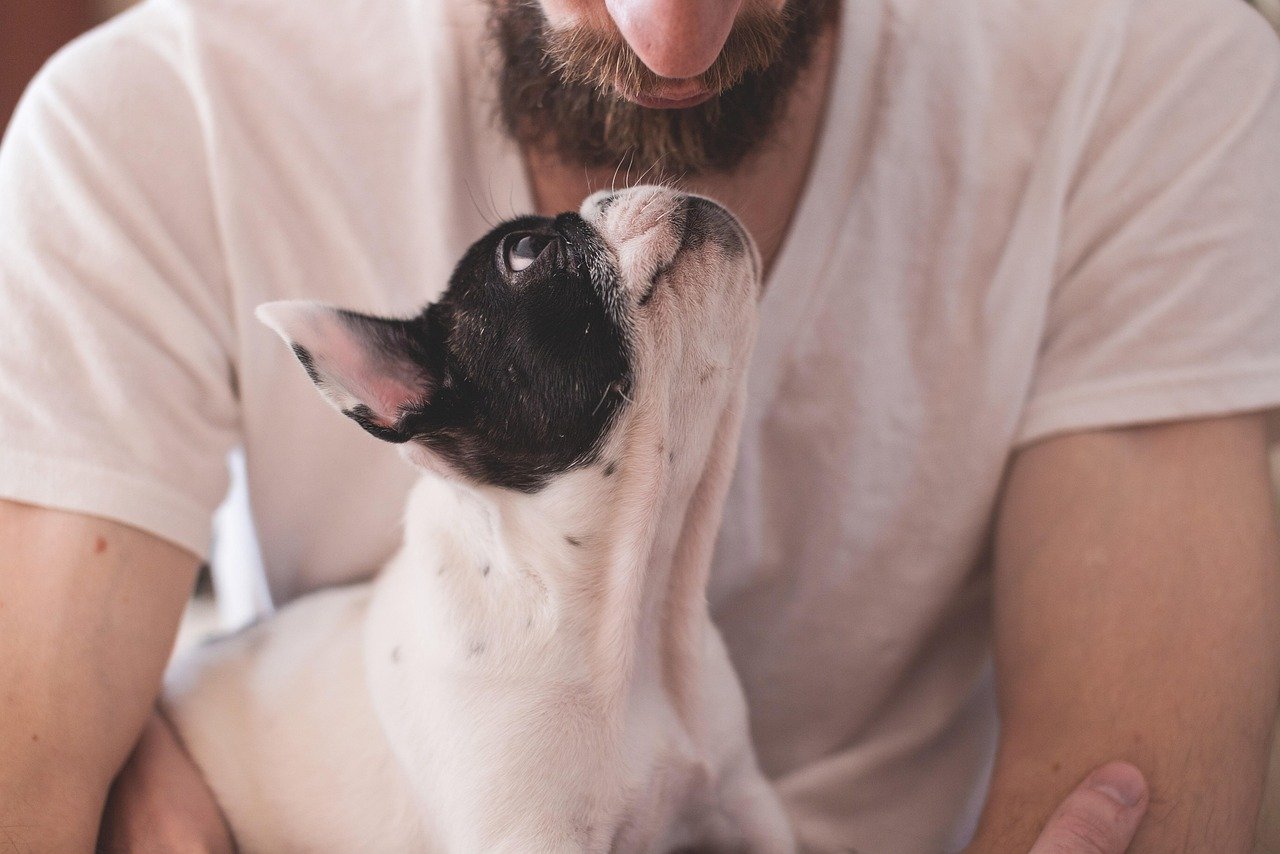
When it comes to your dog’s well-being, you’re their biggest champion. You speak up at the vet’s office, question ingredients in their food, and aren’t afraid to say no to activities that could put them at risk. Whether it’s ensuring they get a break from a crowded party or asking friends to approach gently, you’re always looking out for your dog’s best interests. This kind of advocacy takes courage and a deep sense of responsibility.
You Celebrate Your Dog’s Achievements

Every milestone, from mastering a new command to conquering a fear, is worth celebrating in your book. You cheer them on with treats, praise, and extra belly rubs. You might even share their triumphs with friends or on social media. Your enthusiasm makes your dog feel like a rock star. These celebrations boost their confidence and show them that their efforts are noticed and valued.
You Sometimes Forget Boundaries (Needs Working On)
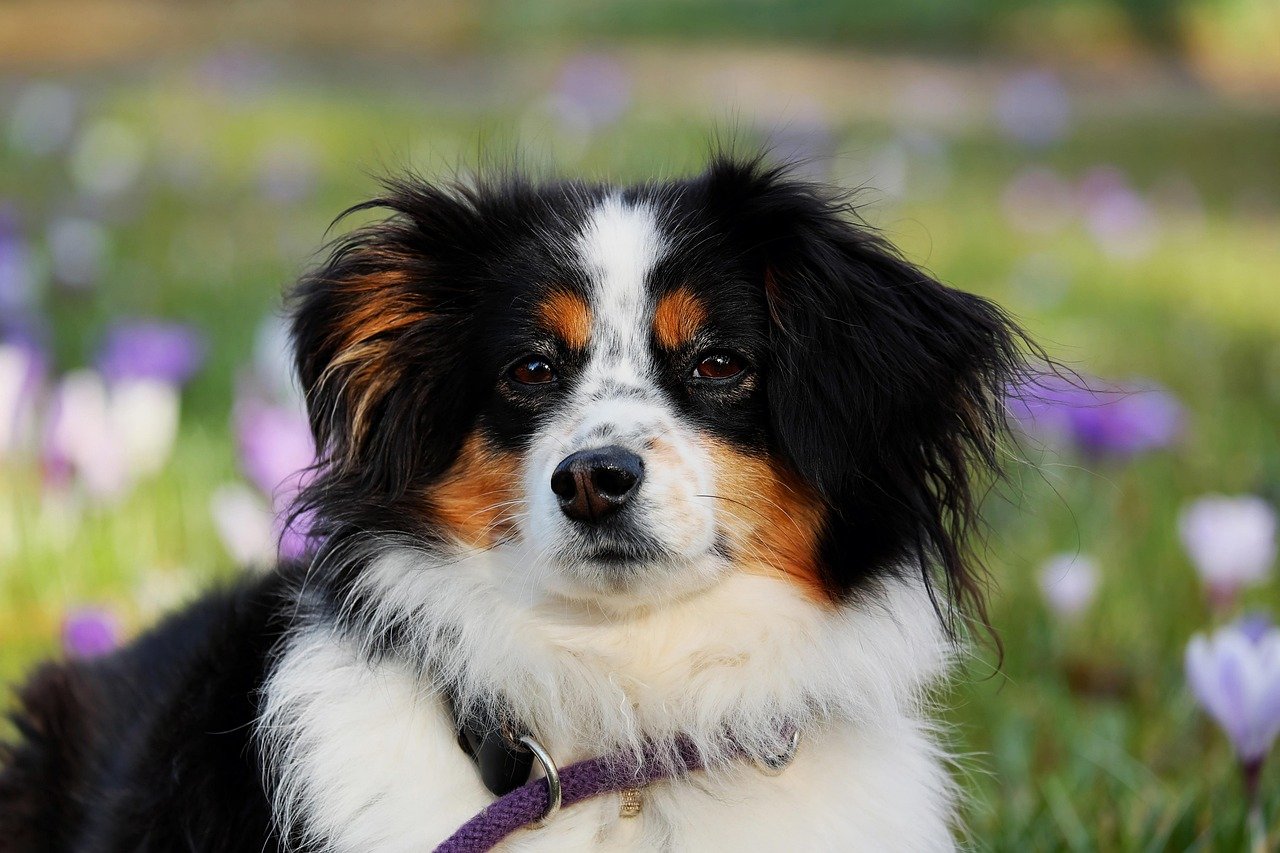
It’s easy to blur the lines between love and overindulgence. Maybe you let your dog sleep in your bed even when it disrupts your sleep, or you give in to those puppy-dog eyes for “just one more treat.” While it comes from a place of affection, lack of boundaries can lead to behavioral issues or even health problems. Learning to say “no” when needed is a big step toward balanced dog parenting.
You Struggle with Consistency (Needs Working On)
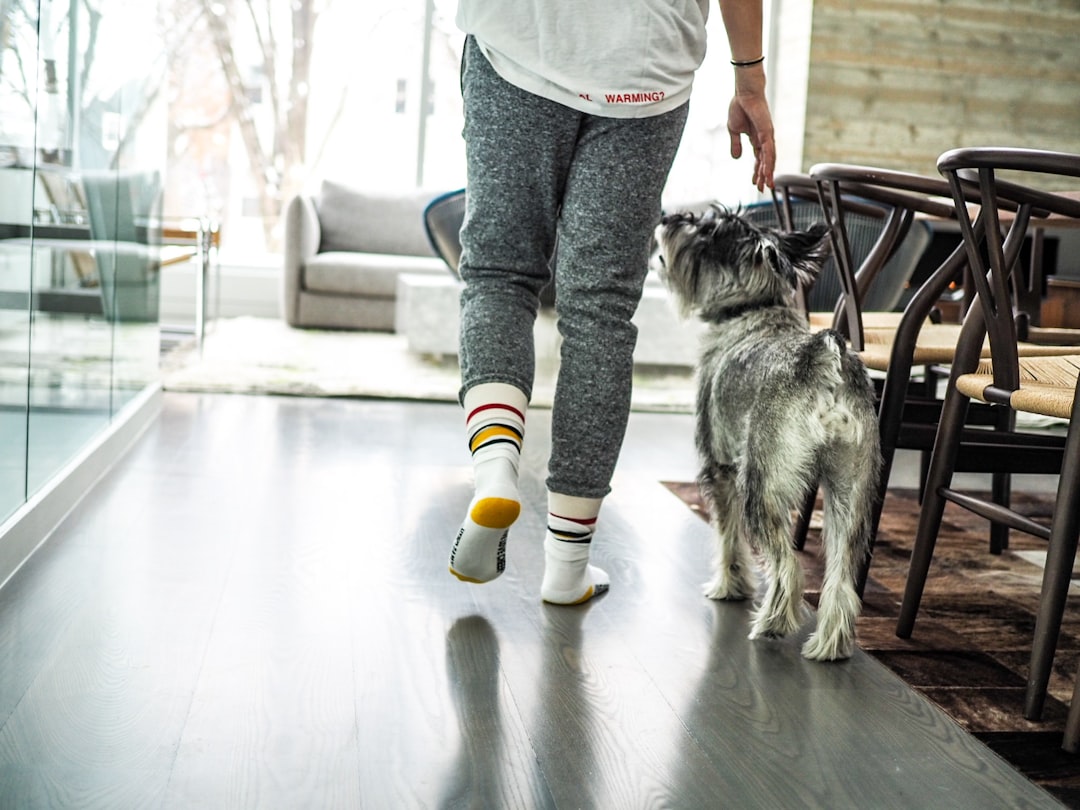
Dogs thrive on routine, but life can get hectic. Maybe sometimes you skip walks or let training slide when you’re tired. Or perhaps rules change depending on your mood. Inconsistency can confuse your dog and lead to mixed signals. Working on a predictable routine—even if it’s simple—helps your dog feel secure and understand what’s expected of them.
You Rely Too Much on Punishment (Needs Working On)

When frustration builds, it’s tempting to scold or punish your dog. Maybe you’ve yelled or used time-outs more often than you’d like. Research shows that positive reinforcement gets better results and strengthens your relationship. Shifting away from punishment toward rewards and patience can make a world of difference for both you and your pup.
You Neglect Self-Care (Needs Working On)
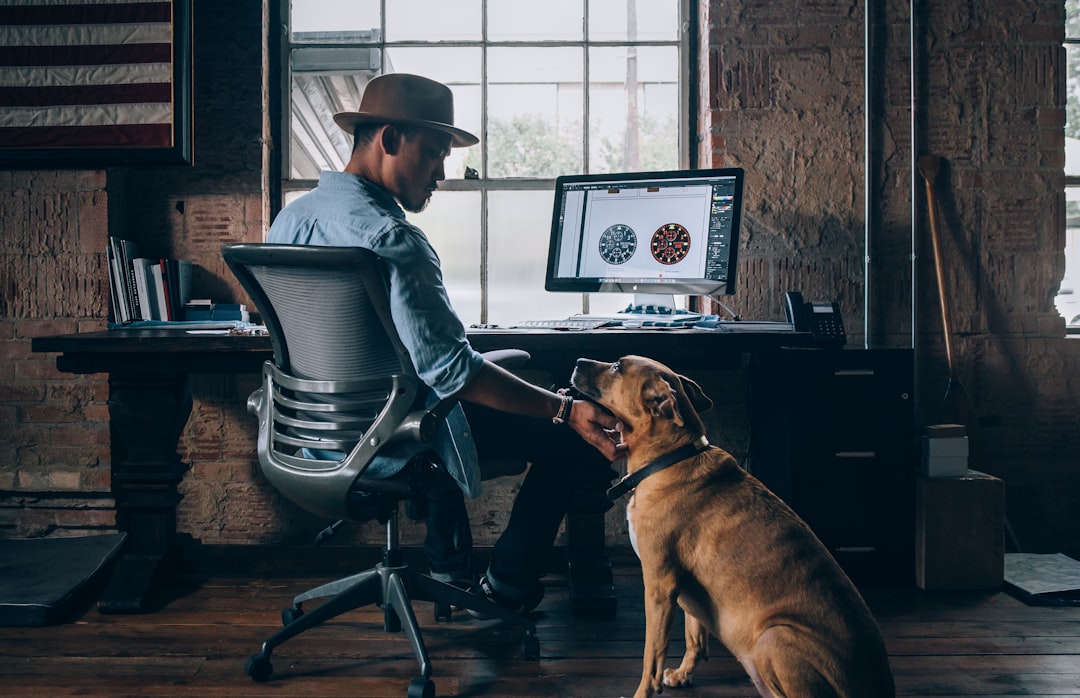
Being a good dog parent can be exhausting. Sometimes you put your dog’s needs so far ahead of your own that you end up feeling burnt out or resentful.
It’s important to remember that your well-being matters too. Taking breaks, asking for help, or even just enjoying some “me time” can recharge your batteries and make you an even better companion for your dog.
You Forget to Enjoy the Little Moments (Needs Working On)

Life with a dog is full of small joys—a wagging tail, a goofy face, a quiet moment snuggled on the couch. Sometimes, though, stress or busy schedules make it easy to overlook these everyday gifts.
Taking time to appreciate the little things not only deepens your bond with your dog but also brings more happiness into your own life. After all, isn’t the magic of dog parenting found in those ordinary, extraordinary moments?
Being a good dog parent isn’t about perfection—it’s about being present, learning, and loving your pup through it all. If you recognized yourself in most of those positive signs, you’re definitely on the right path! And if a few areas need work, that just means you’re open to becoming even better for your furry friend. Your dog already thinks the world of you—so keep growing, keep bonding, and keep those tails wagging.