
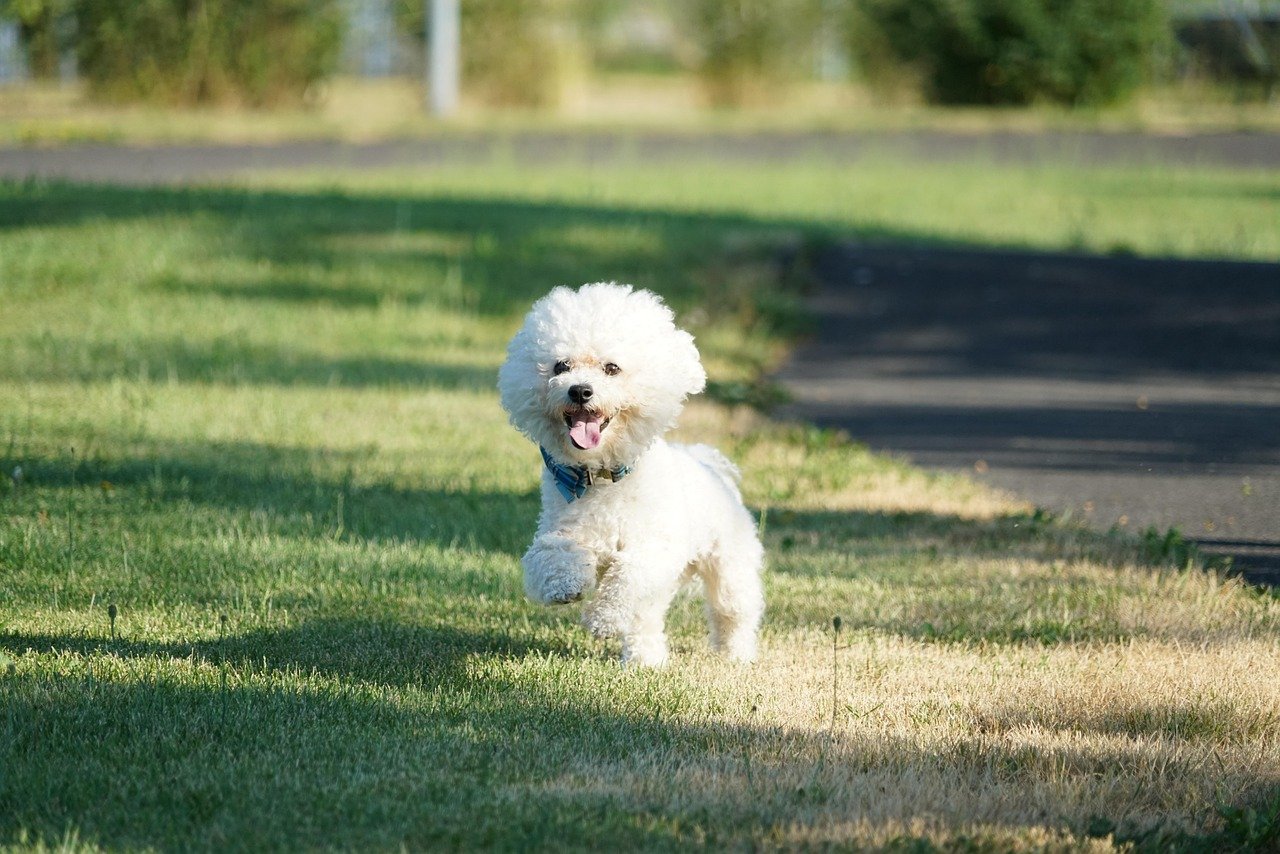
Have you ever caught yourself smiling at a fluffy little white dog, only to realize you’re not sure if it’s a Maltese or a Bichon Friese? You’re not alone. These two adorable breeds often steal the show at parks and on social media, but telling them apart can feel like trying to spot the difference between two clouds. Let’s dive into what really sets them apart, and which one might be the perfect companion for you.
History and Origins
When you look at a Maltese, you’re looking at history itself. This breed has been around for centuries, dating back to ancient Mediterranean civilizations. They were treasured by royalty and pampered by aristocrats, often seen nestled in the laps of noblewomen. On the other hand, the Bichon Friese has a story that feels like it came straight out of a storybook. While also ancient, Bichons come from the Mediterranean as well, but their lineage leans toward being playful companions on sailing ships and in European courts. The Maltese is more like a little prince or princess, while the Bichon is the jester who knows how to make everyone laugh.
Appearance: Fluffy Yet Distinct
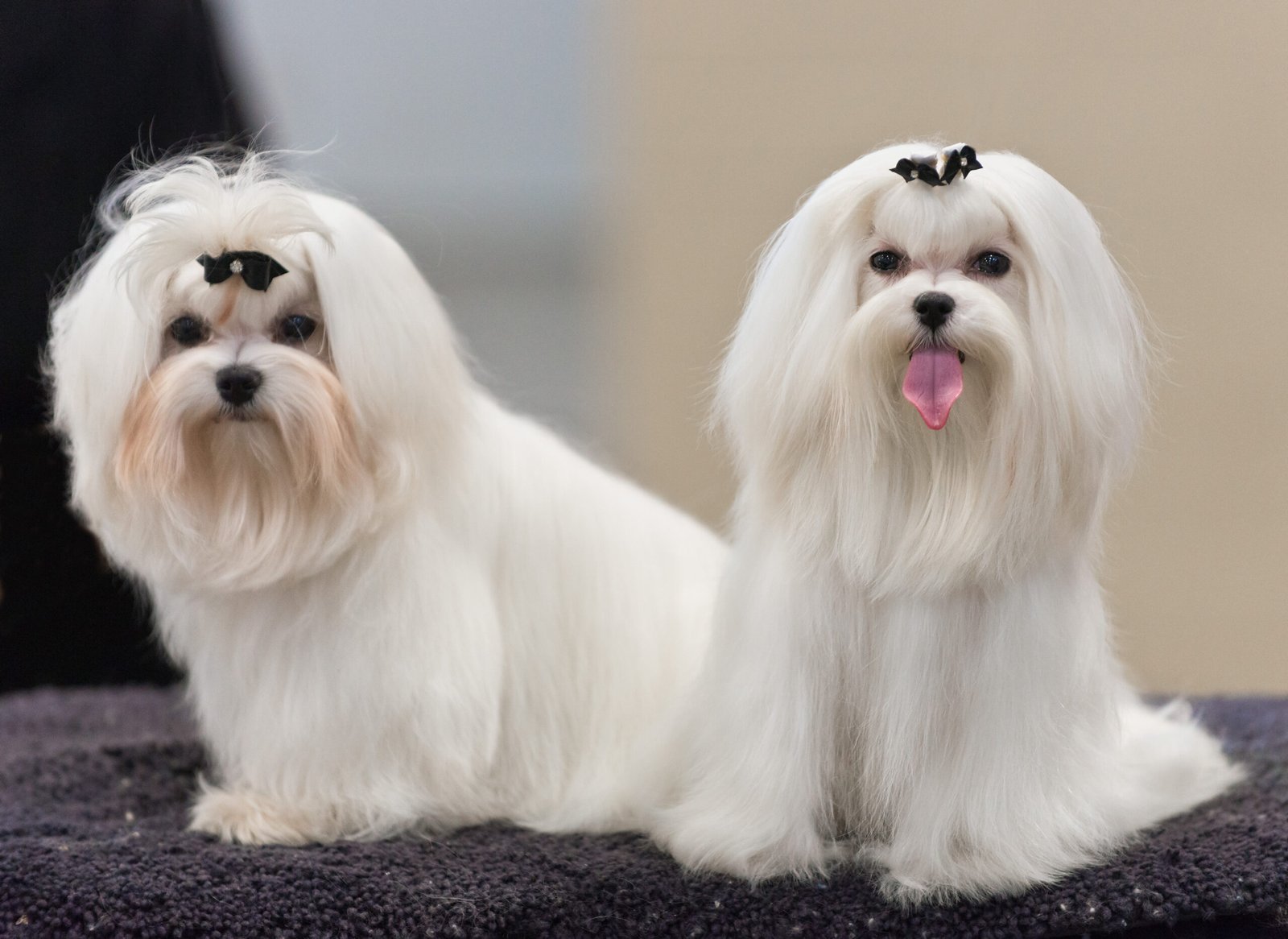
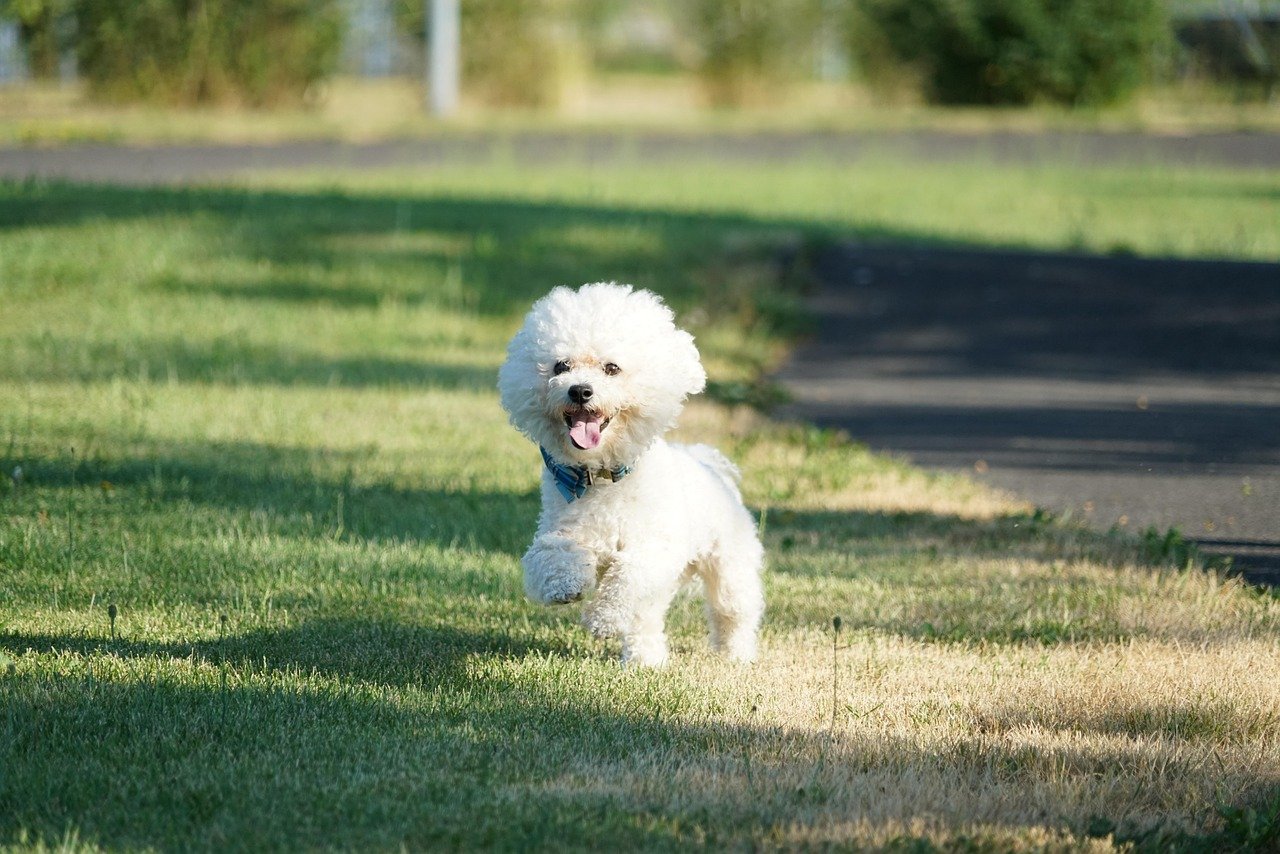
At first glance, both breeds look like walking cotton balls. But look a little closer, and you’ll see their differences pop. The Maltese has a straight, silky white coat that hangs down like a curtain, almost brushing the floor. They have a petite, delicate frame that makes them look like they belong in a fairy tale. The Bichon Friese, in contrast, has a soft, puffy, curly coat that makes them resemble a cheerful marshmallow. Their round faces and black eyes give them a perpetually happy expression. It’s like comparing a polished pearl to a fluffy snowball—both beautiful, but unmistakably different once you know what to look for.
Personality and Temperament

If you’re searching for a devoted lapdog, the Maltese will win your heart. These pups are known for being deeply attached to their humans, often following them from room to room. They love attention and can be a bit sensitive, thriving on affection and gentle handling. The Bichon Friese, meanwhile, is the life of the party. They’re playful, friendly, and outgoing, always ready to make new friends—human or canine. They’re less likely to be shy and more likely to be the dog that greets everyone at the door with a wagging tail and a goofy grin. One wants to be your shadow; the other, your entertainer.
Grooming Requirements
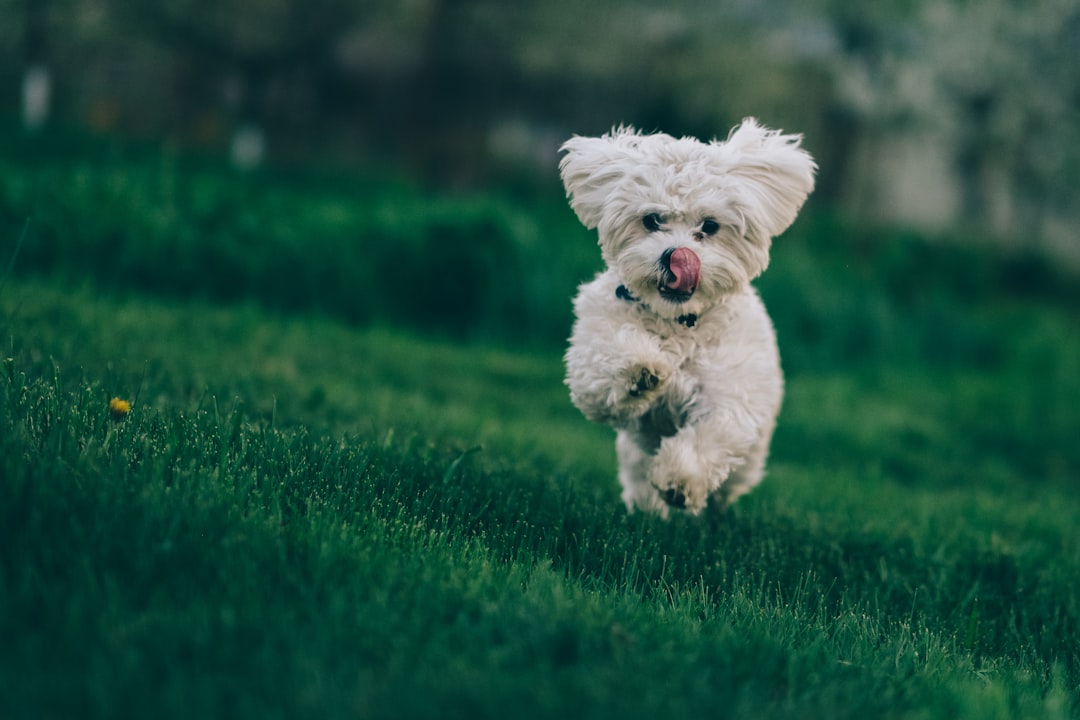
Both breeds are known for their white, beautiful coats, but keeping them looking pristine requires dedication. The Maltese’s long, straight hair tangles easily, so daily brushing is a must, and regular baths help keep their coat shining. Some owners opt for a “puppy cut” to make grooming easier. The Bichon Friese, with its curly coat, also needs regular grooming, but in a different way: they need frequent brushing to prevent mats and professional grooming every few weeks to maintain their signature fluff. Imagine trying to keep a white sweater clean every day—now picture it running through your backyard. That’s the grooming life with either of these breeds.
Exercise and Activity Levels
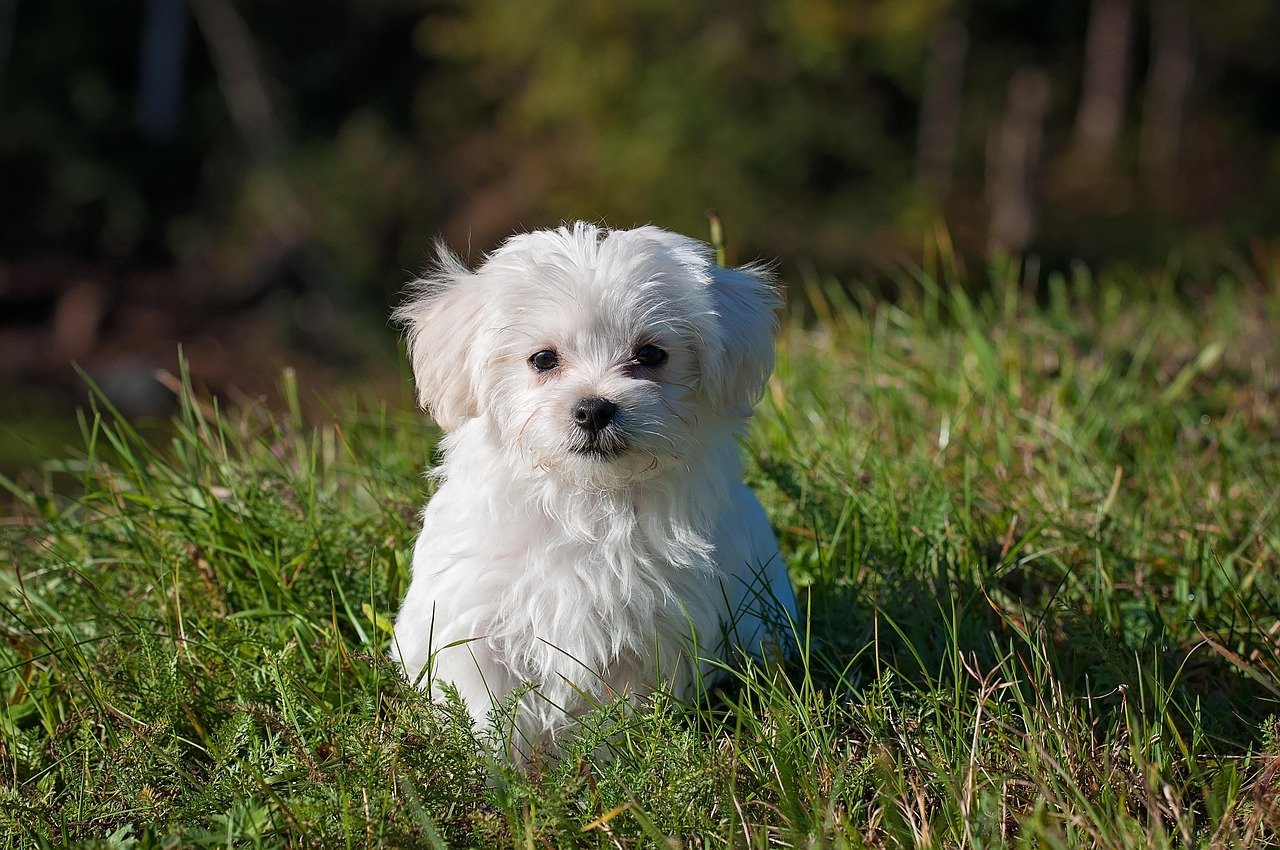
Don’t let their small size fool you—both breeds enjoy playtime, but their energy levels aren’t exactly the same. The Maltese is content with a short walk and some indoor play. They’re perfect for apartment dwellers or anyone who prefers a more relaxed pace. The Bichon Friese, however, seems to have an endless battery. They love walks, games, and playing with other dogs, and they can get bored if left alone for too long. If you want a couch buddy, Maltese might be your match. If you crave a little more action, the Bichon Friese is ready to keep you on your toes.
Health and Lifespan
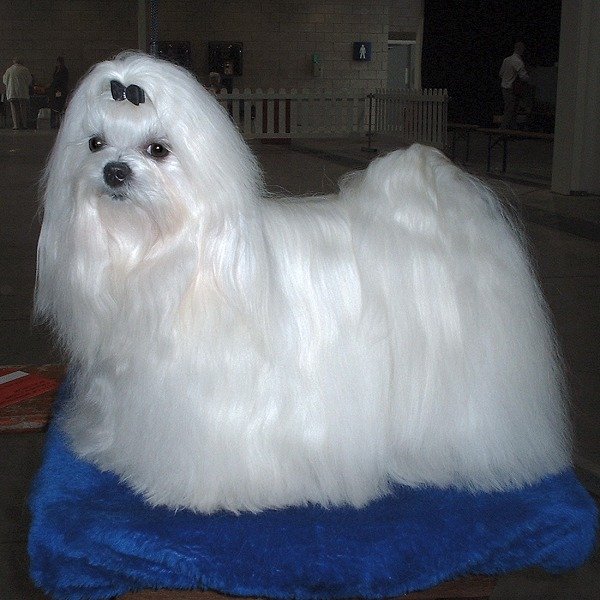
Both breeds are known for their long lifespans, often living well into their teens. The Maltese can live around 12 to 15 years, while the Bichon Friese typically reaches 14 to 15 years. However, each breed has its own health quirks. Maltese dogs are prone to dental problems and can be sensitive to anesthesia. Bichon Friese, on the other hand, can suffer from allergies and skin problems, and sometimes hip issues. Regular vet checkups, good nutrition, and proper grooming are crucial for keeping either breed healthy and happy.
Training and Intelligence
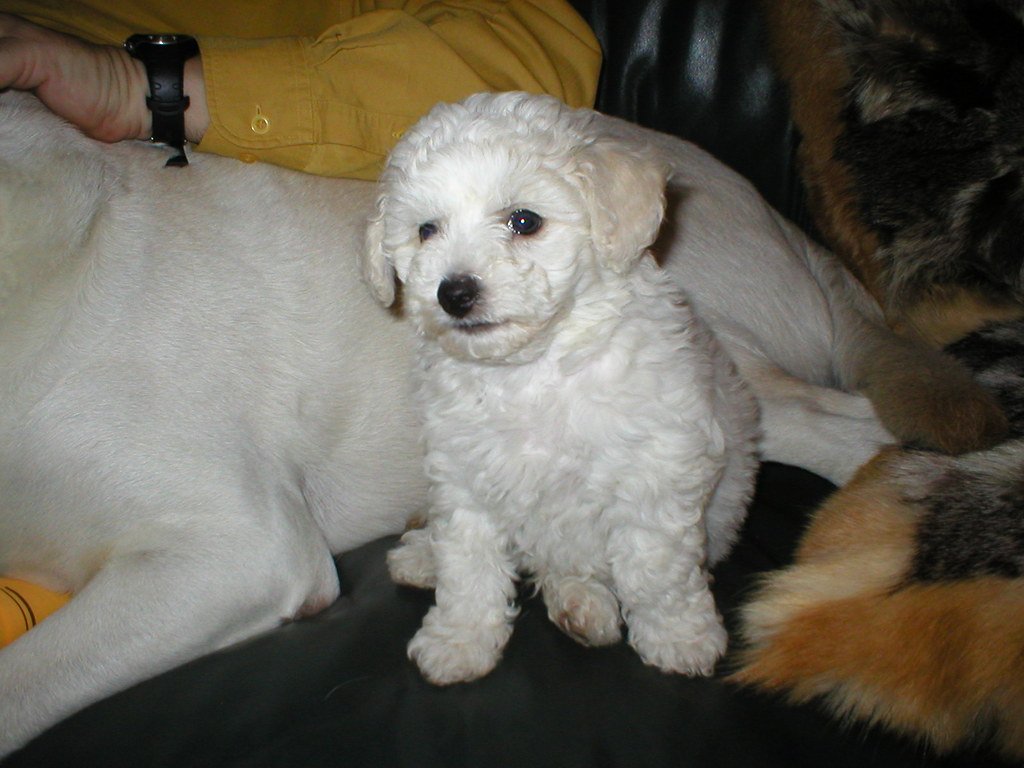
Training a Maltese or Bichon Friese can be a delightful experience—if you’re patient. Both breeds are intelligent and eager to please, but the Maltese can sometimes be a little stubborn. They respond well to positive reinforcement but might try to outsmart their owners with a bit of sass. The Bichon Friese is quick to learn and loves performing tricks, but their playful nature means training sessions should be short and fun. These dogs aren’t just cute faces; they’re clever, too. Consistency and gentle encouragement go a long way with both.
Living with Families and Other Pets

Both the Maltese and Bichon Friese make excellent family pets, but their personalities shine in different ways. The Maltese forms strong attachments and may prefer a quieter home, making them ideal for singles, couples, or families with older children. They can be wary of rough play, so gentle handling is a must. The Bichon Friese, with its social butterfly personality, fits right into bustling households, loving children and other pets alike. They crave company and don’t like being left alone for long periods, so a busy, loving family is perfect for them.


