
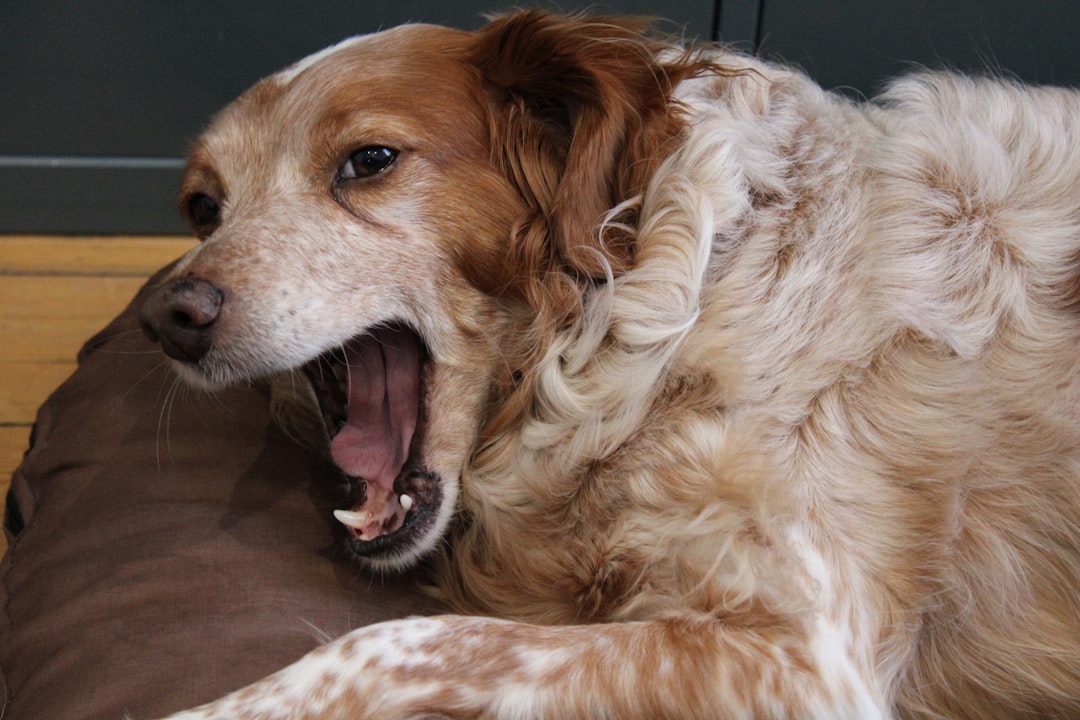
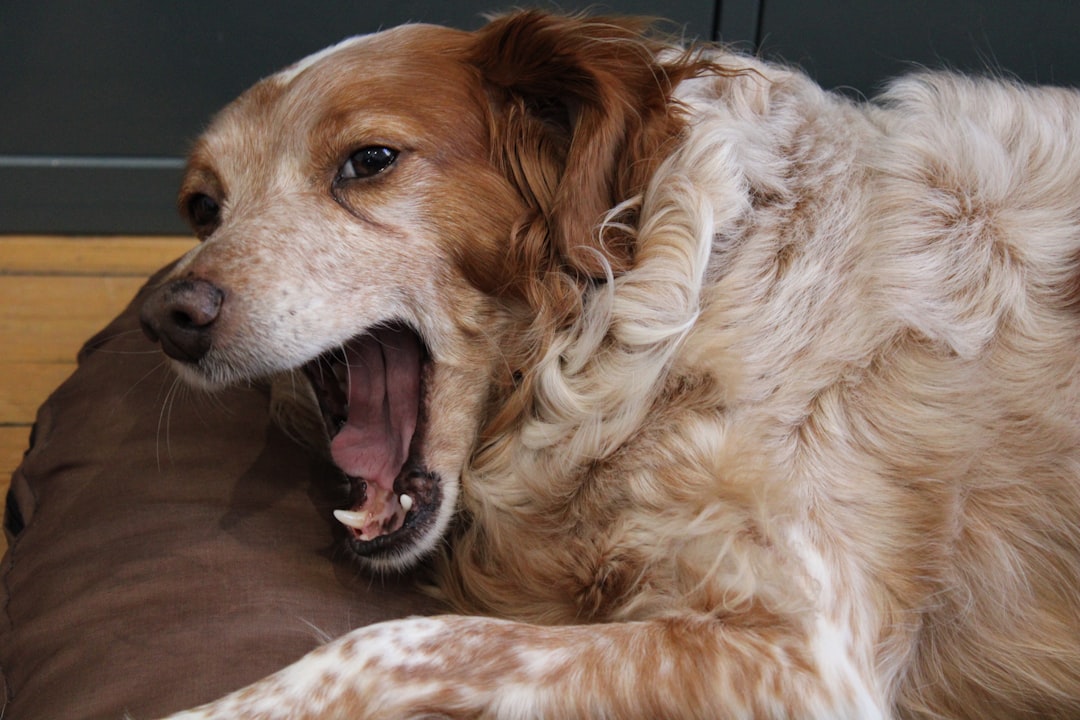
Your home should be your dog’s safe haven—but sometimes, they’re quietly telling you otherwise. From constant hiding and trembling to excessive barking or destructive behavior, these signs can be red flags that your pup doesn’t feel secure. Even subtle cues like yawning, lip licking, or avoiding eye contact can speak volumes. Loud noises, tension in the household, or inconsistent routines can all trigger stress. Some dogs may even become overly clingy or start having accidents indoors. The key is paying attention and responding with calm, comforting changes. After all, a safe dog is a happy dog—and it starts with the environment you create.
Constant Hiding or Avoidance
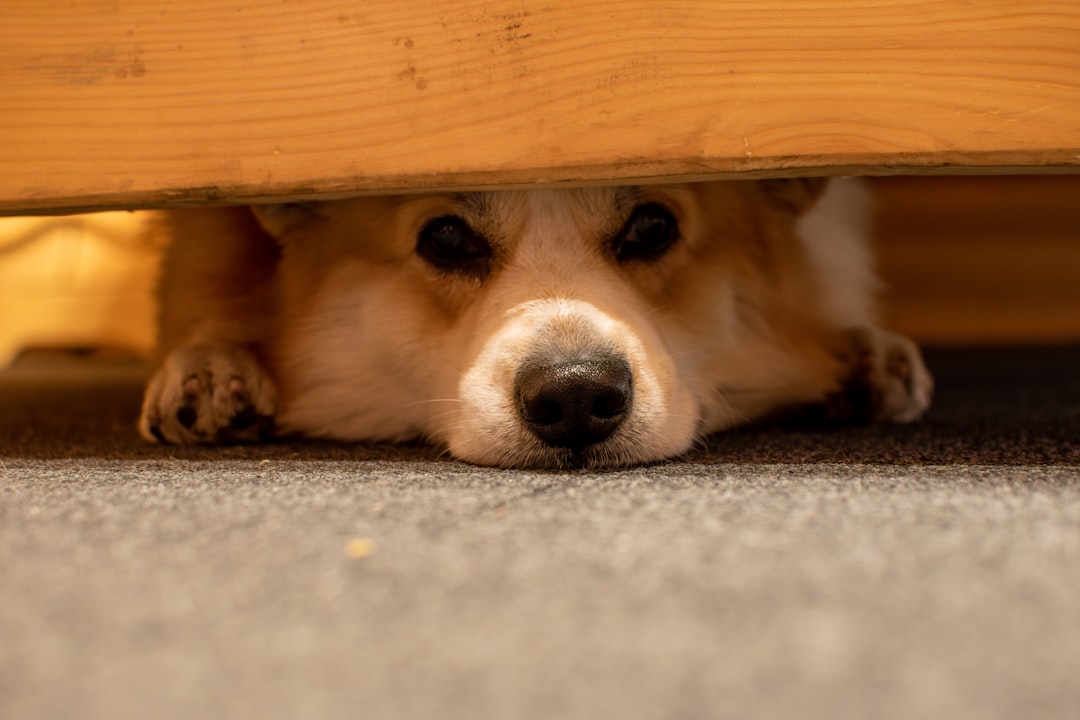
If your dog is always tucking themselves under the bed, behind furniture, or in a closet, it could be more than just a quirky habit. Dogs naturally seek shelter when they’re scared or unsure. You may notice your pup slipping away when guests arrive or hiding at the slightest sound. This is their way of saying, “I don’t feel safe out here.” It’s heartbreaking to realize your home, their supposed haven, feels threatening to them.
Dogs that don’t feel secure often avoid eye contact and seek out small, enclosed spaces. They may even refuse to come out for meals or playtime. If you see your dog doing this consistently, it’s a big red flag that something in their environment is making them feel unsafe. Try to notice what triggers this behavior—loud noises, certain people, or even another pet.
Excessive Barking, Whining, or Howling
A dog’s voice is their alarm system. When barking, whining, or howling becomes constant, it’s often a cry for help. Maybe you hear your pup barking at every little creak or whining when you leave a room. This isn’t just annoying—it’s your dog’s way of saying, “Something’s not right here!”
Dogs who feel unsafe tend to be hyper-vigilant and use their voice to express anxiety or fear. This can happen when they hear unfamiliar sounds, see strangers, or even when they sense tension in the household. If the noise seems to come out of nowhere and lasts for long periods, it’s time to pay attention. Chronic vocalizing is a classic sign your dog is on edge and doesn’t feel safe.
Sudden Aggression or Snapping
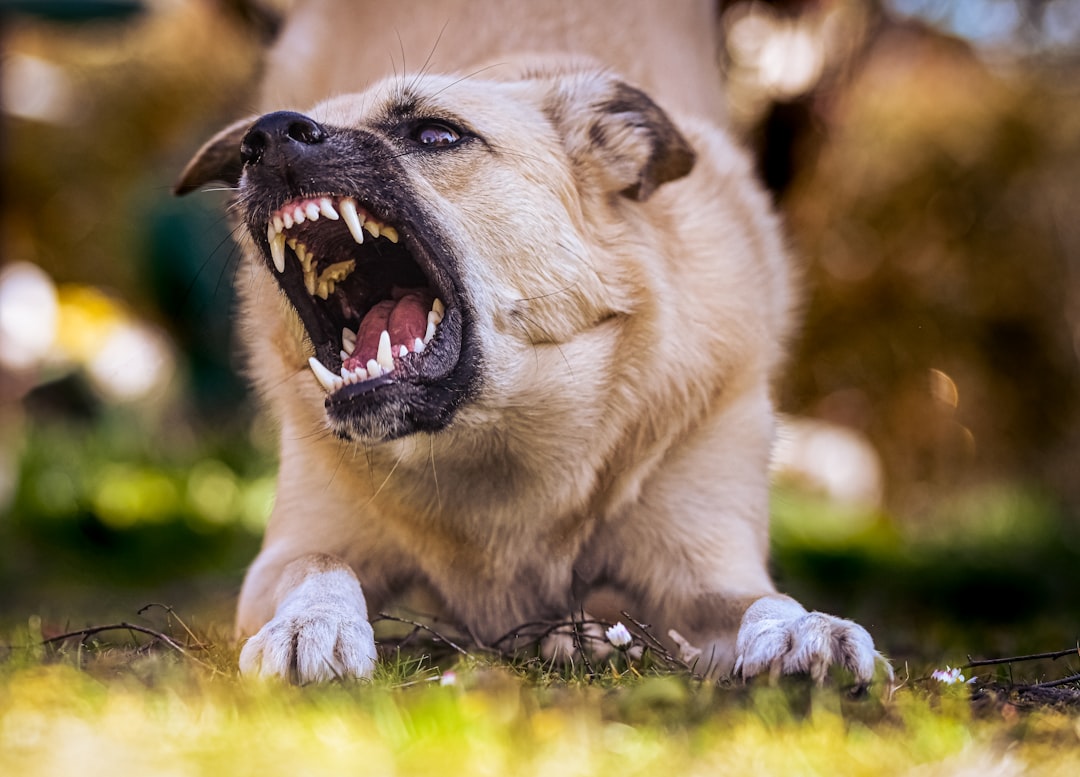
Imagine your usually sweet dog suddenly growls or snaps at you or others. It can feel like a shocking betrayal, but aggression is often rooted in fear. Dogs lash out when they feel threatened and have no other way to protect themselves. Even a gentle touch or a familiar voice might trigger a defensive reaction.
This kind of behavior is especially common around food, toys, or certain people. If your dog’s personality seems to flip, it’s a clear sign they don’t feel secure. Remember, aggression in dogs isn’t about dominance—it’s about survival. They’re telling you, “I need help, not punishment.” Understanding this can change everything about how you respond.
Loss of Appetite or Sudden Weight Loss
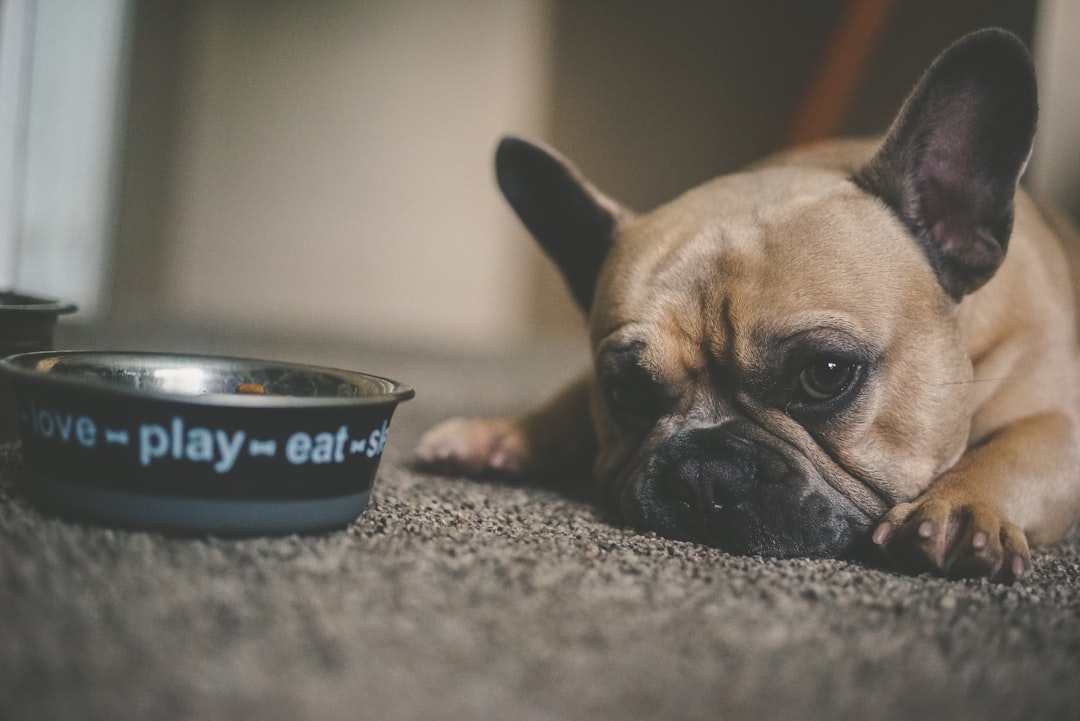
Food is usually a dog’s favorite thing in the world. If your pup starts skipping meals or losing weight, it’s a big red flag. Anxiety and fear can make dogs lose interest in eating, even if they’re usually excited about dinner time. You might notice uneaten kibble or treats left behind, or your dog just sniffing at their bowl and walking away.
This change often sneaks up slowly, so it’s easy to miss until your dog looks thinner. Sometimes, just the presence of a stressful trigger—like a noisy appliance or a person they fear—can make them avoid feeding areas altogether. If you notice this, don’t just chalk it up to picky eating. Your dog may be feeling deeply unsafe.
Unusual Destructive Behavior
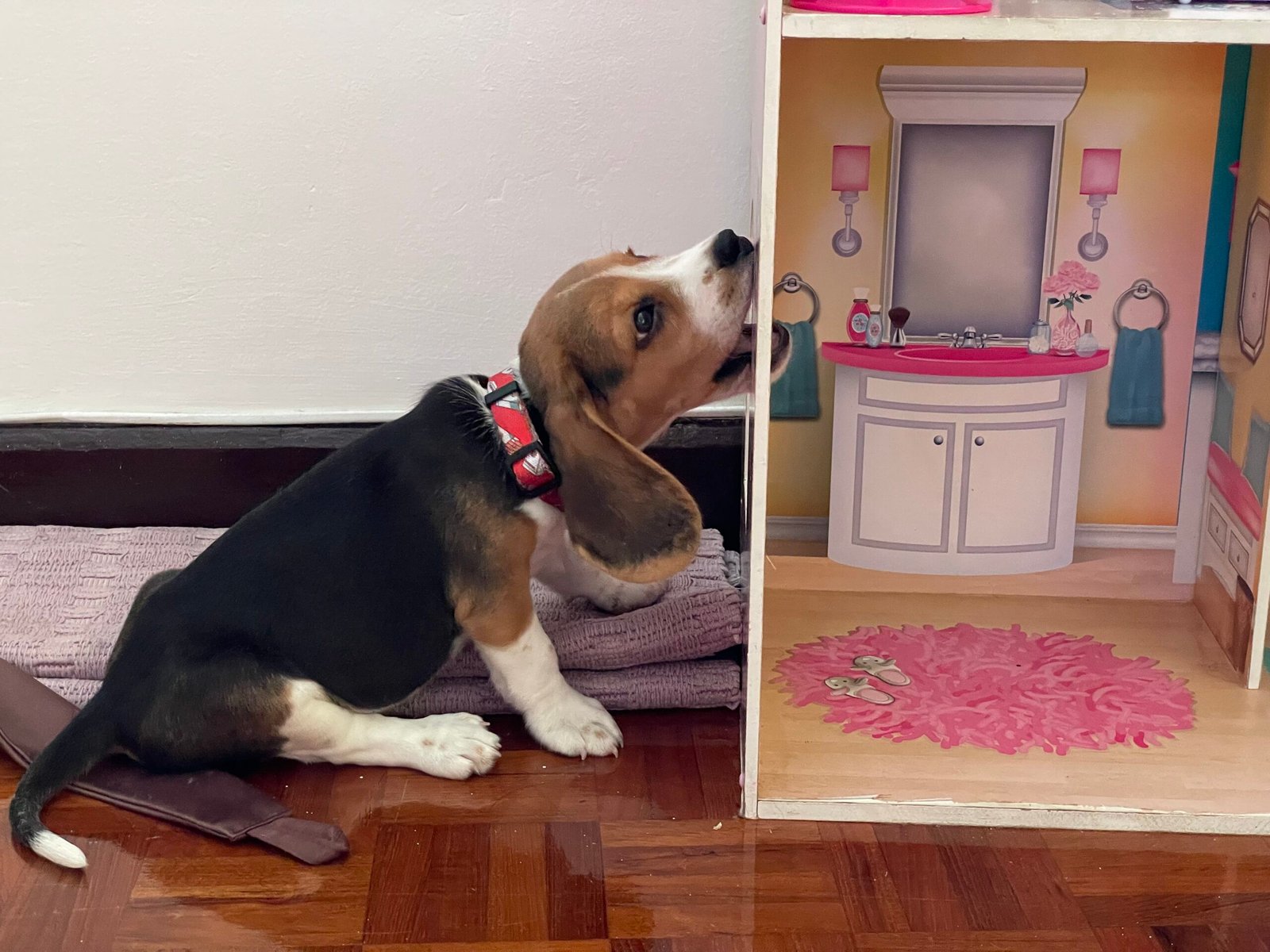
Has your dog suddenly started chewing up shoes, tearing pillows, or scratching doors? While puppies chew for fun, sudden destructive acts in adult dogs often mean something’s wrong. Dogs channel stress and fear into physical actions, especially when they feel trapped or threatened.
Destruction can be their desperate attempt to cope with anxiety or to escape a situation that feels scary. You might come home to shredded furniture or scratch marks near the exits. This isn’t about being “bad”—it’s your dog’s way of telling you, “I’m overwhelmed and don’t know what to do.” Looking at the timing and triggers for this behavior can help you find the root cause.
Trembling, Shaking, or Cowering
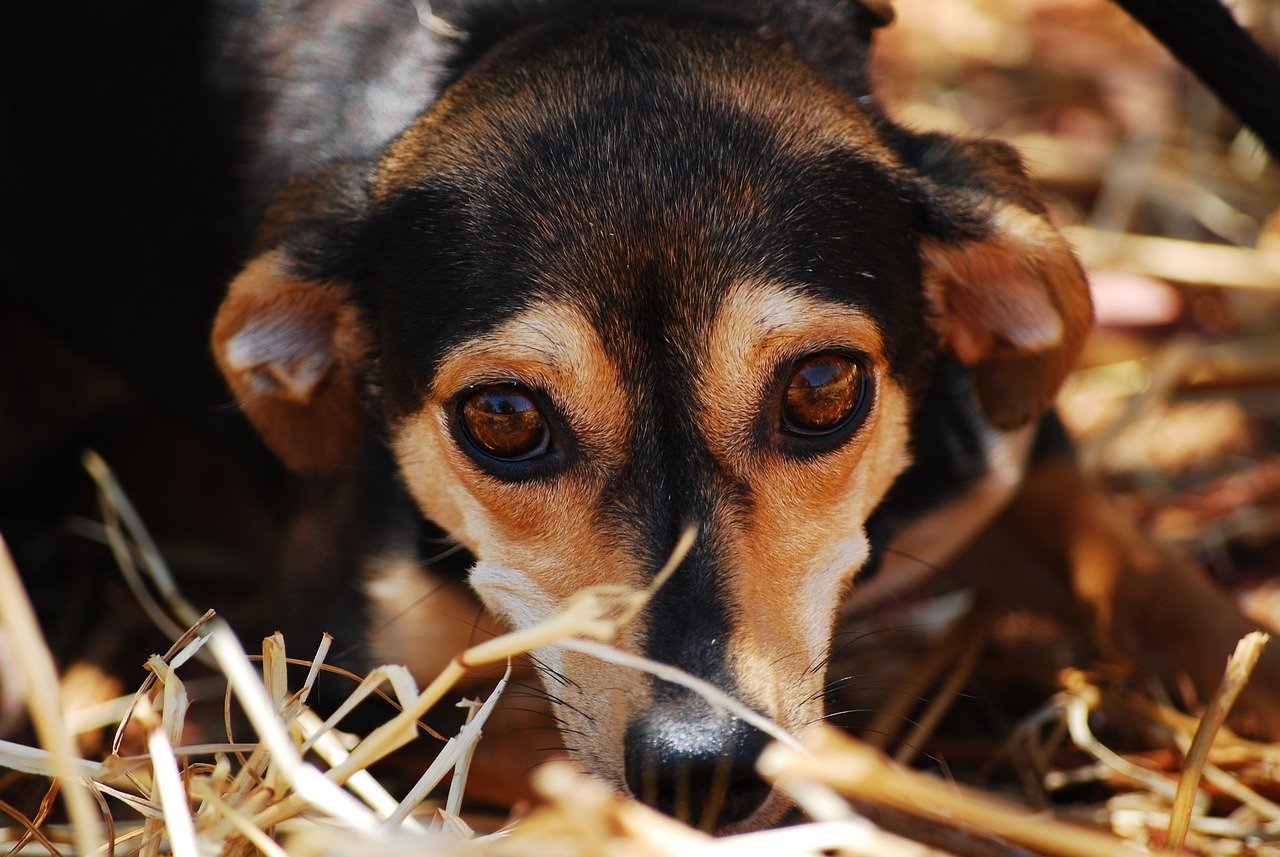
Some dogs physically shake or tremble when they’re scared, much like a person with stage fright. You may notice your pup’s entire body quiver during thunderstorms, fireworks, or even when someone raises their voice. Sometimes, they crouch low to the ground, tails tucked tightly, and ears pinned back.
This kind of reaction is a clear indicator that your dog feels unsafe. Unlike a joyful wiggle, trembling out of fear is stiff, and their movements become hesitant. Even small changes in the home—like rearranged furniture or new smells—can trigger this response. It’s essential to recognize these signs and comfort your dog before the anxiety becomes overwhelming.
Frequent Accidents Indoors
A house-trained dog suddenly having accidents inside can leave you feeling frustrated and confused. But behind those puddles or messes is often a scared, anxious pup. Stress and fear disrupt a dog’s normal routines and can interfere with their ability to control their bladder or bowels.
You might notice this happening after a loud argument, the arrival of a new pet, or a major household change. It’s not about being lazy or stubborn—your dog is reacting to emotional distress. If you see this red flag, ask yourself what’s changed in their world, and remember that patience and understanding are key.
Constant Pacing or Restlessness
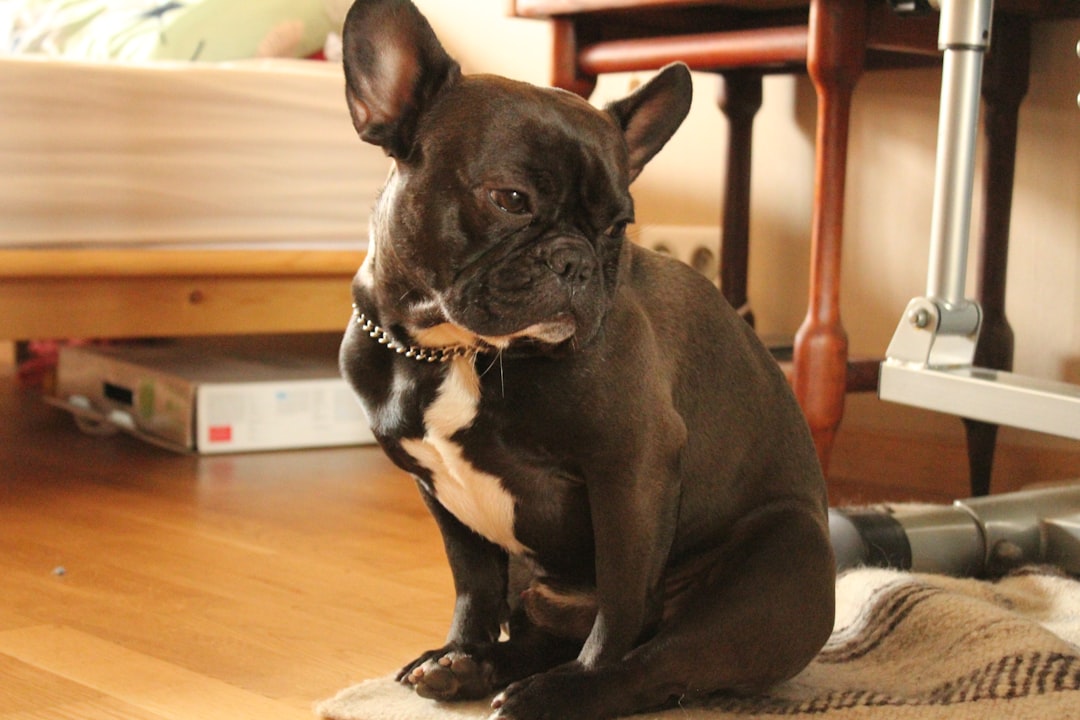
Imagine being so nervous you just can’t sit still. Dogs show this by pacing back and forth, circling rooms, or wandering aimlessly. If your dog can’t seem to settle, even in their favorite spot, it could mean they’re on high alert.
Restlessness often pairs with panting, yawning, or lip licking—other subtle signs of stress. This behavior might pop up during family gatherings, after a move, or when new people are around. Constant pacing is your dog’s way of saying, “I can’t relax, something feels wrong.” If you see this, it’s time to reassess what’s making your pup so uneasy.
Clinginess or Shadowing
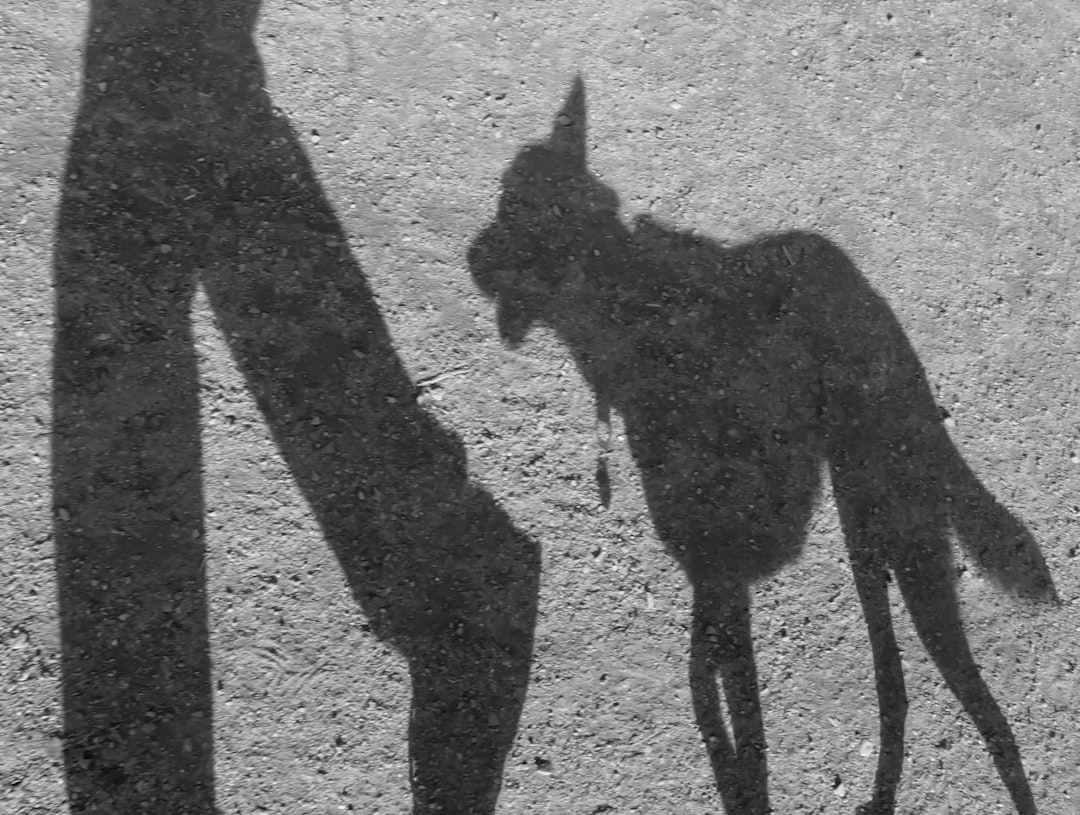
Has your dog suddenly become your shadow, following you from room to room? While some dogs are naturally affectionate, a sudden increase in clinginess can signal insecurity. If your dog won’t let you out of their sight, lies pressed against your feet, or whines when you leave, they may be feeling unsafe.
This behavior is especially common after a scary event or big change at home. It’s their way of seeking comfort and protection from the one person they trust most—you. While it’s sweet to feel needed, know that excessive clinginess is often rooted in anxiety, not just love.
Overreaction to Everyday Noises

Dogs that jump at every little sound—like the doorbell, vacuum, or a dropped spoon—are telling you they’re on edge. If your pup bolts under the table at the sound of a sneeze or trembles when the TV volume goes up, it’s a clear sign of insecurity.
Noise sensitivity usually develops when a dog feels unsafe or has had negative experiences. Pay attention to their reactions—they may flinch, bark, cower, or even try to escape. Everyday sounds become threats in their mind, turning home life into a minefield of anxiety. Helping your dog build confidence and gradually desensitizing them to these noises can make all the difference.
Your dog’s behavior is their way of communicating, and those little red flags shouldn’t be ignored. By staying in tune with their signals and making small, thoughtful adjustments, you can help them feel more secure and loved. A calm, consistent environment goes a long way in building trust. After all, a safe dog isn’t just a happy one—they’re also more relaxed, affectionate, and truly at home.


