
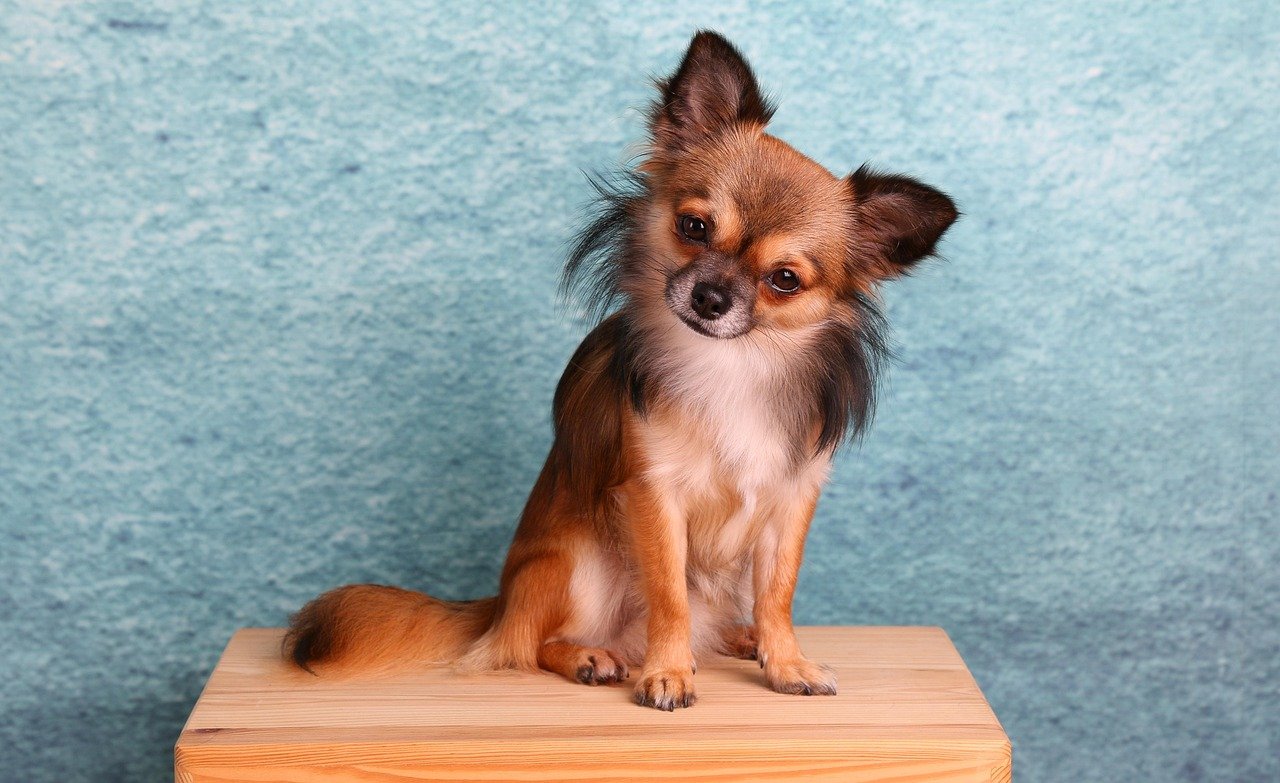
Have you ever seen an adorable dog at the park and thought, “Wow, that would be perfect for my family!”? It’s a common scene: happy kids, wagging tails, and everyone grinning ear to ear. But sometimes, the reality isn’t as simple as the picture-perfect moment. Some of the most popular family dogs have hidden quirks or needs that can make them surprising choices for homes with young kids. Let’s look at ten breeds that, while lovable, might not be as kid-friendly as you’ve heard.
Border Collie: The Brilliant Overachiever
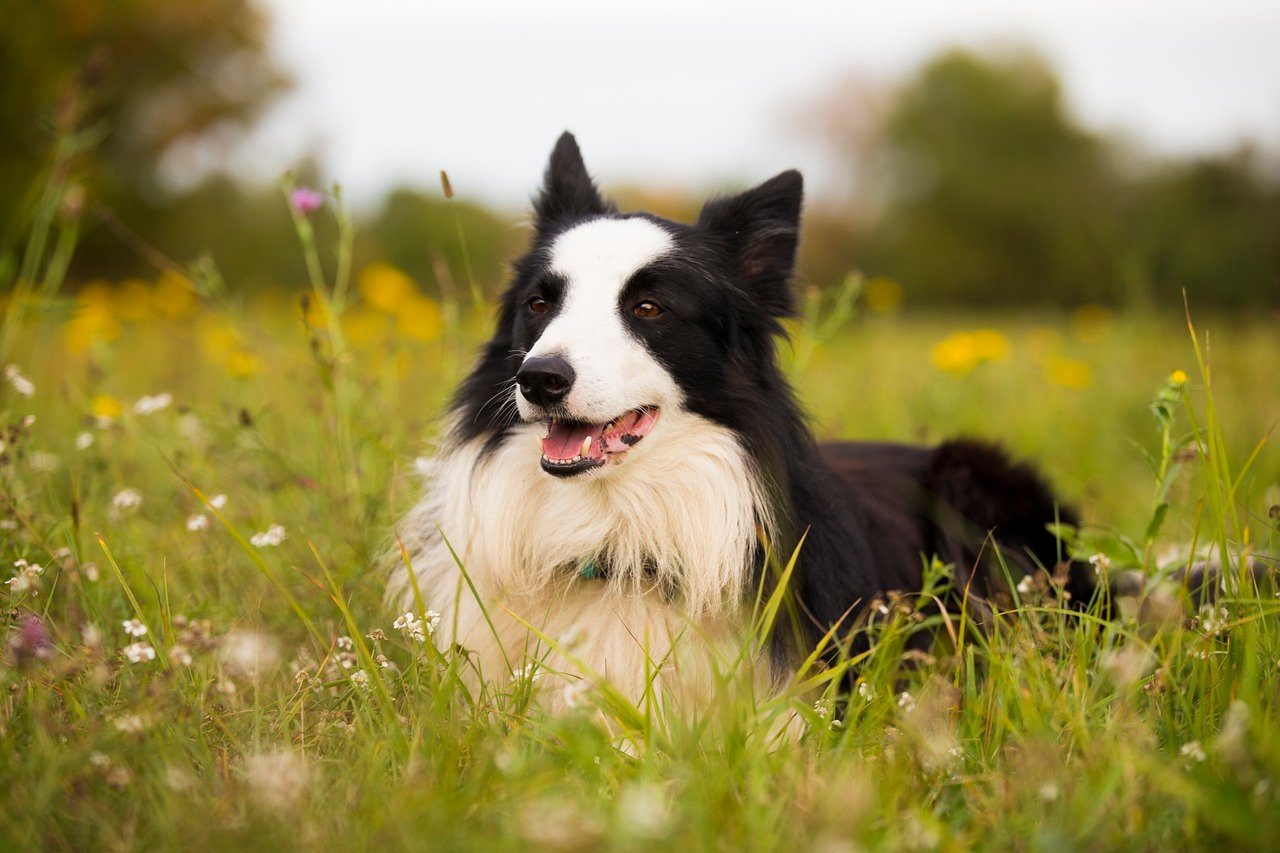
Border Collies are often called the Einsteins of the dog world. They’re packed with energy and need constant mental stimulation. On the surface, they seem like a great choice for active families, but their strong herding instincts can create problems. Some Border Collies may try to herd children by nipping at their heels—a behavior that can scare or even hurt little ones.
These dogs crave structure and purpose. Without enough exercise or mental challenge, they can get bored—and boredom in a Border Collie can turn into destructive habits. Imagine a smart, restless child left alone for hours—trouble is bound to find them! Families with young kids might struggle to keep up with this breed’s needs, and the dog’s intensity can quickly overwhelm a gentle household.
Dalmatian: The Spotted Dynamo
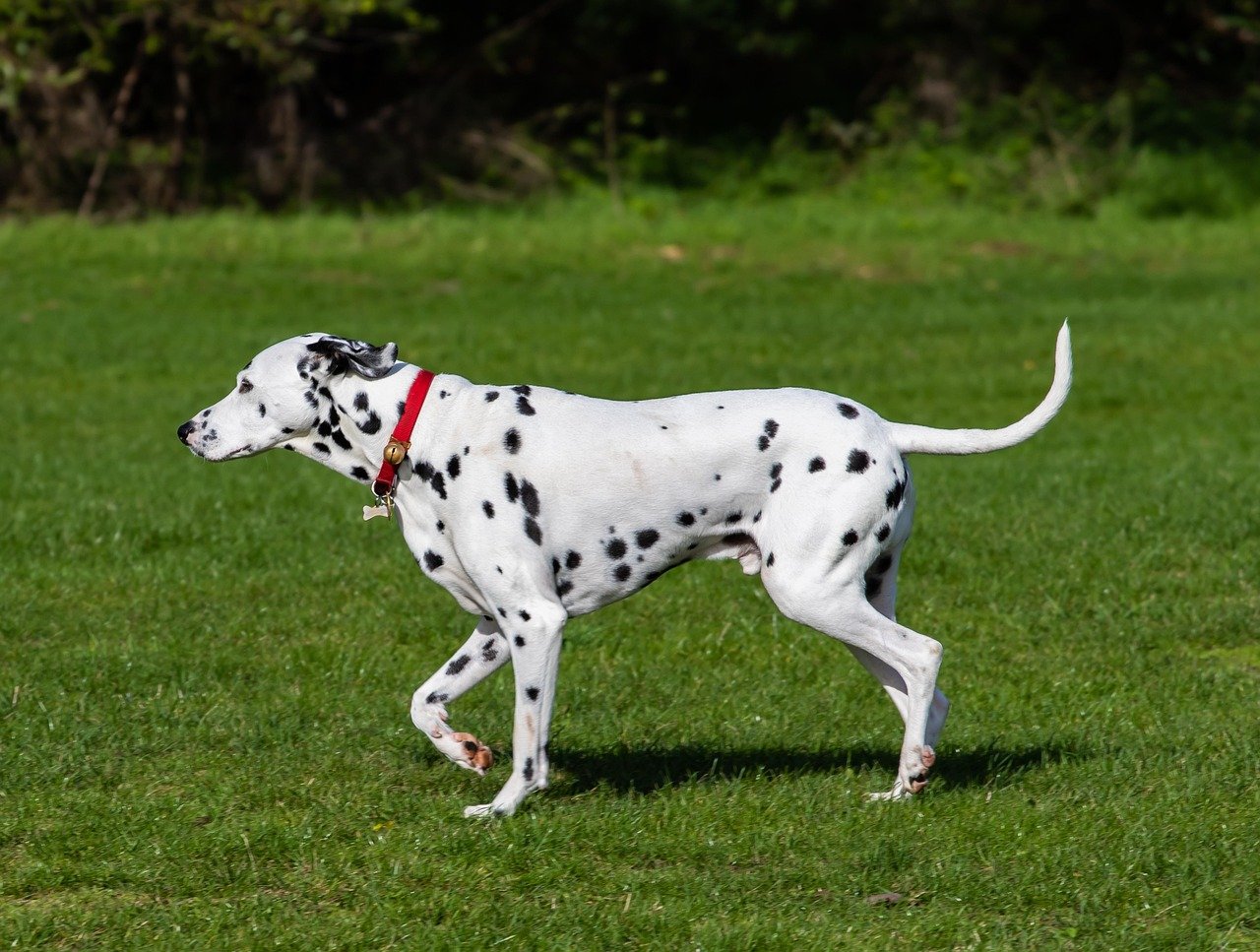
With their eye-catching spots and Disney fame, Dalmatians look like a dream. But behind those playful looks is a dog bred for endurance and stamina. Dalmatians are high-energy and can get easily frustrated if they don’t get enough physical activity. This frustration sometimes turns into rough play or hyperactive behavior around children.
Another surprise is their sensitivity. Dalmatians can be easily startled or stressed by loud noises and unpredictable environments—like a house full of rambunctious kids. When overwhelmed, they might react with snapping or hiding, making them less predictable than you’d hope for a child’s companion.
Chihuahua: The Tiny Titan
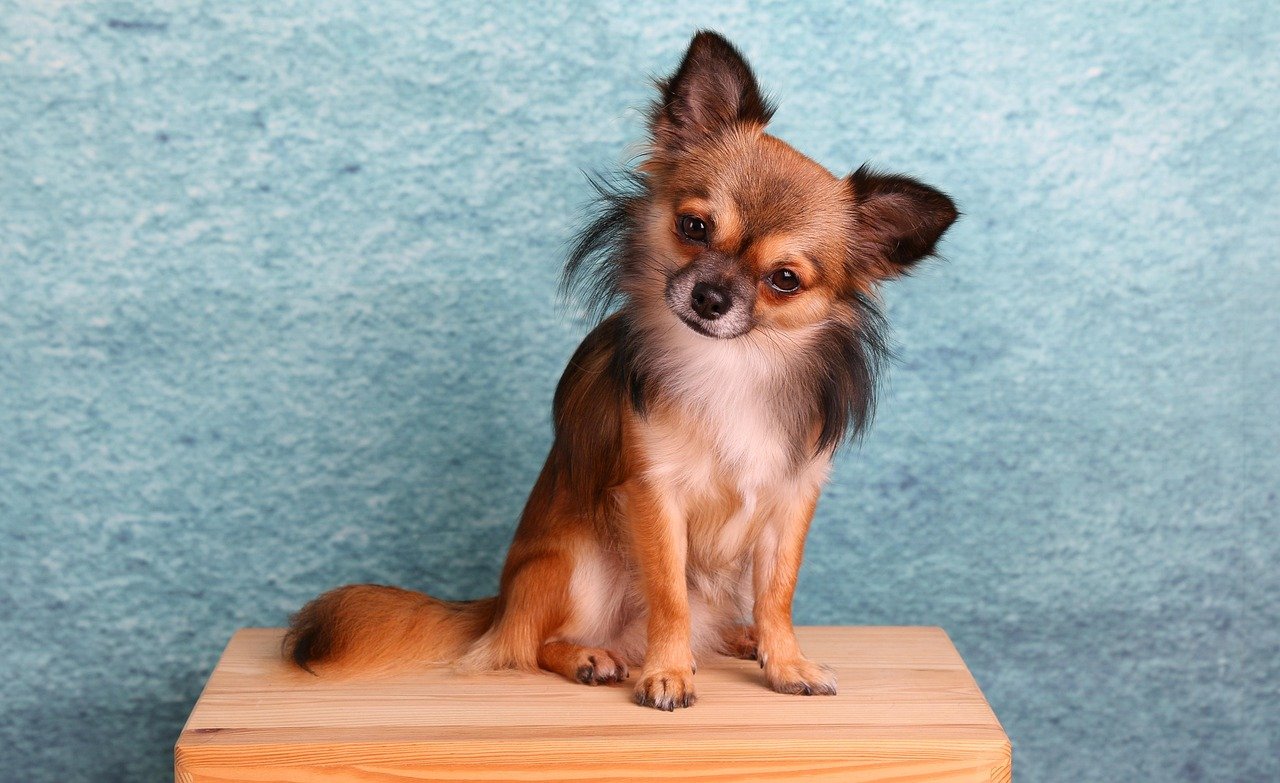
Chihuahuas are pint-sized and often seen snuggled in laps or purses. But don’t be fooled by their tiny stature. These little dogs can have big personalities and even bigger attitudes. They’re known for being fiercely loyal to one person, sometimes becoming possessive and wary of strangers—including children.
Their small size makes them fragile. Rough play or accidental falls can injure them, and their instinct is to defend themselves with a quick nip if they feel threatened. For families with young kids who may not understand gentle handling, Chihuahuas can quickly become stressed or even snap back.
Jack Russell Terrier: The Boundless Bouncer
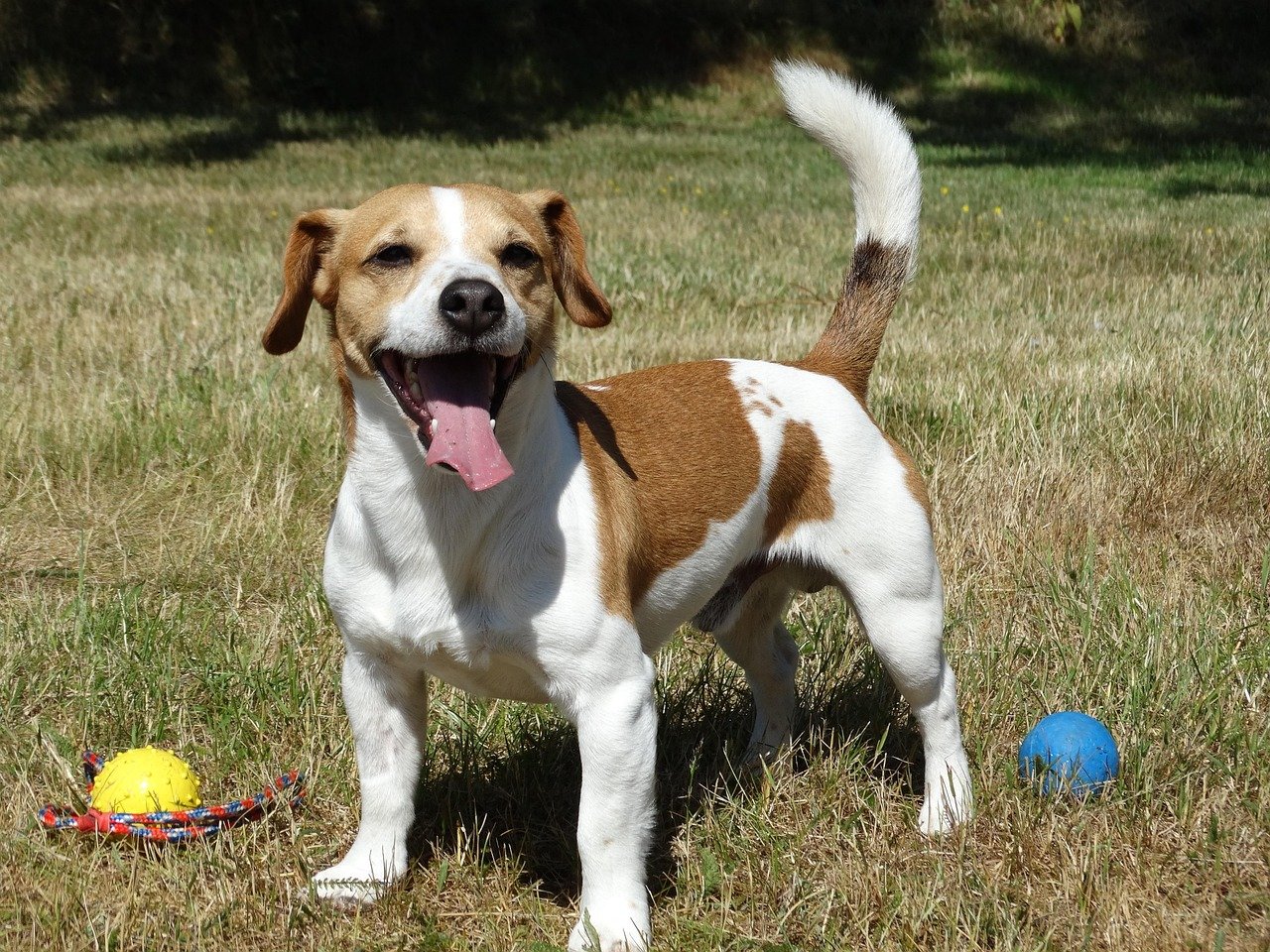
Jack Russells are like little springs—always bouncing, digging, and exploring. Their charm is undeniable, but their energy level is through the roof. They need constant stimulation, and if they don’t get it, they’ll make their own fun—often at your expense.
This breed has a strong prey drive and can be relentless when chasing after moving objects, including running children. Their persistence can be overwhelming, and their nipping, jumping, or digging can easily get out of control in a busy household. For families who want a calm, cuddly dog, a Jack Russell might be more than they bargained for.
Akita: The Noble Guardian
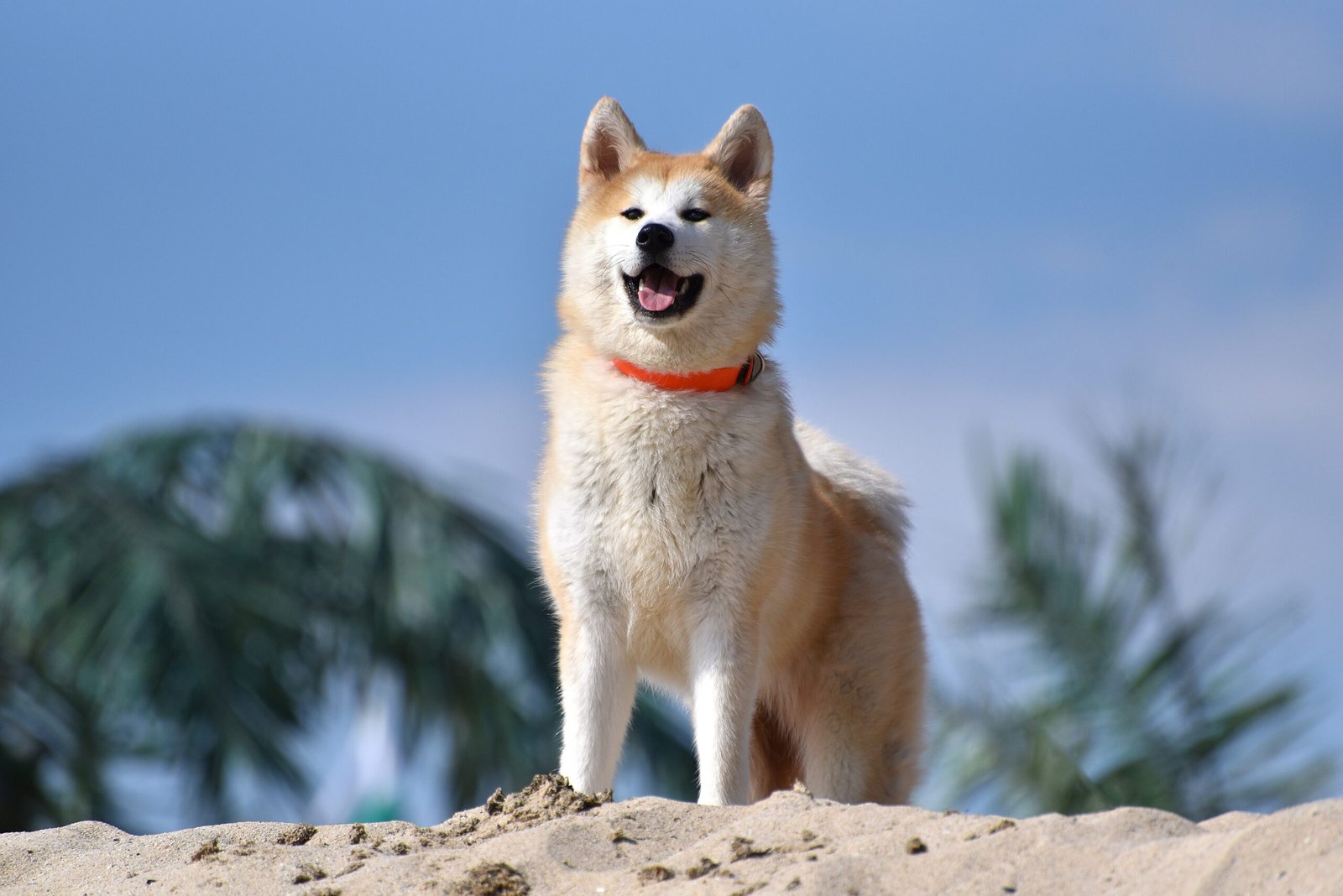
Akitas are strikingly beautiful and incredibly loyal to their families. These qualities might seem perfect for a family dog, but Akitas are also known for their independence and strong guarding instincts. They can be wary of strangers, which sometimes includes visiting children or your kids’ friends.
Akitas are powerful dogs and can be stubborn about sharing toys or food. If not properly socialized, they may react poorly to the unpredictable behavior of kids. Their size alone means that even a playful nudge can knock over a small child, making supervision absolutely essential.
Weimaraner: The Silver Shadow
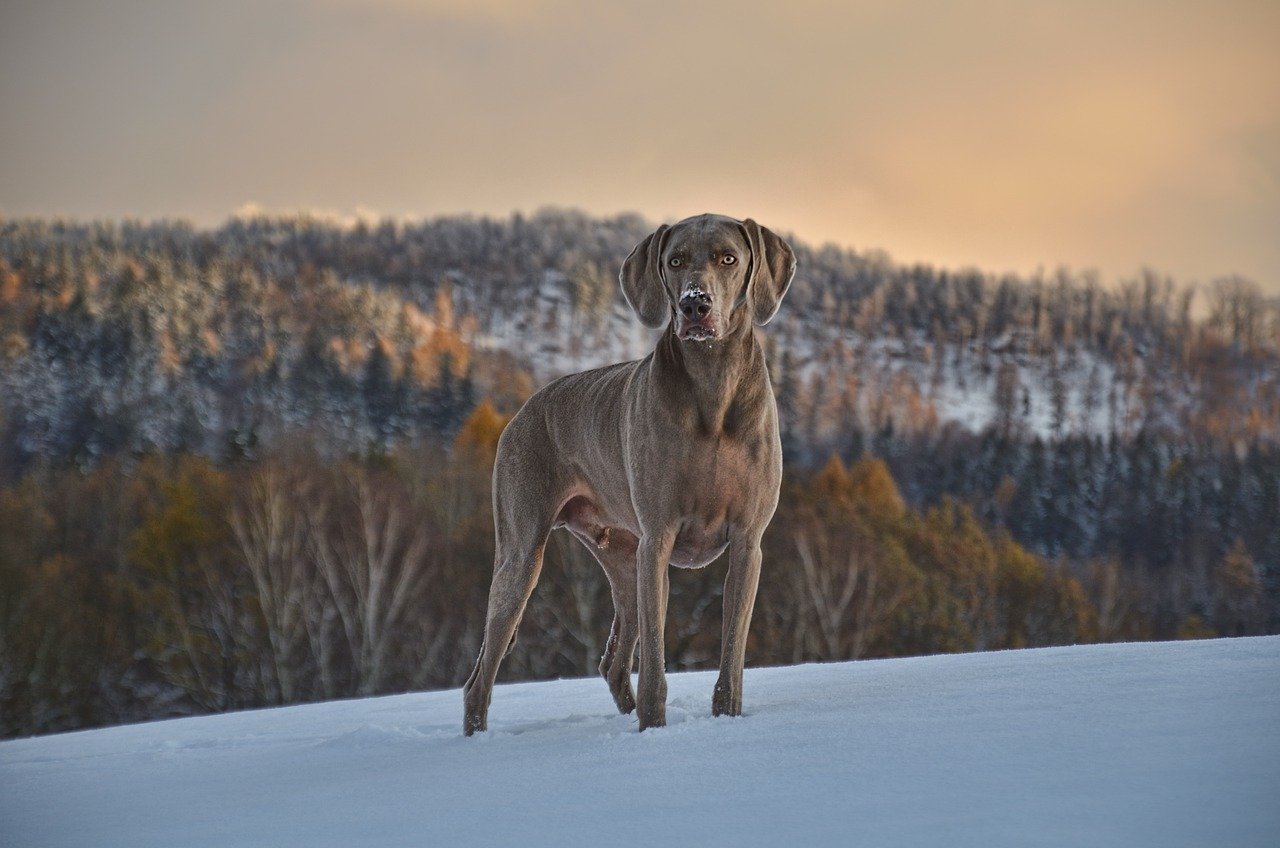
Weimaraners are often called “velcro dogs” because they love to be close to their humans. While this seems sweet, their deep need for attention can become overwhelming for families with young children who also need a lot of care. If they feel ignored, Weimaraners can develop separation anxiety and act out.
Their high energy levels mean they need plenty of exercise, and if they don’t get it, mischief follows. Think of a bored child left in a room full of markers and white walls! Weimaraners can become mouthy, overly boisterous, or destructive when they’re not getting what they need—behaviors that can be tricky for families to manage.
Alaskan Malamute: The Arctic Athlete
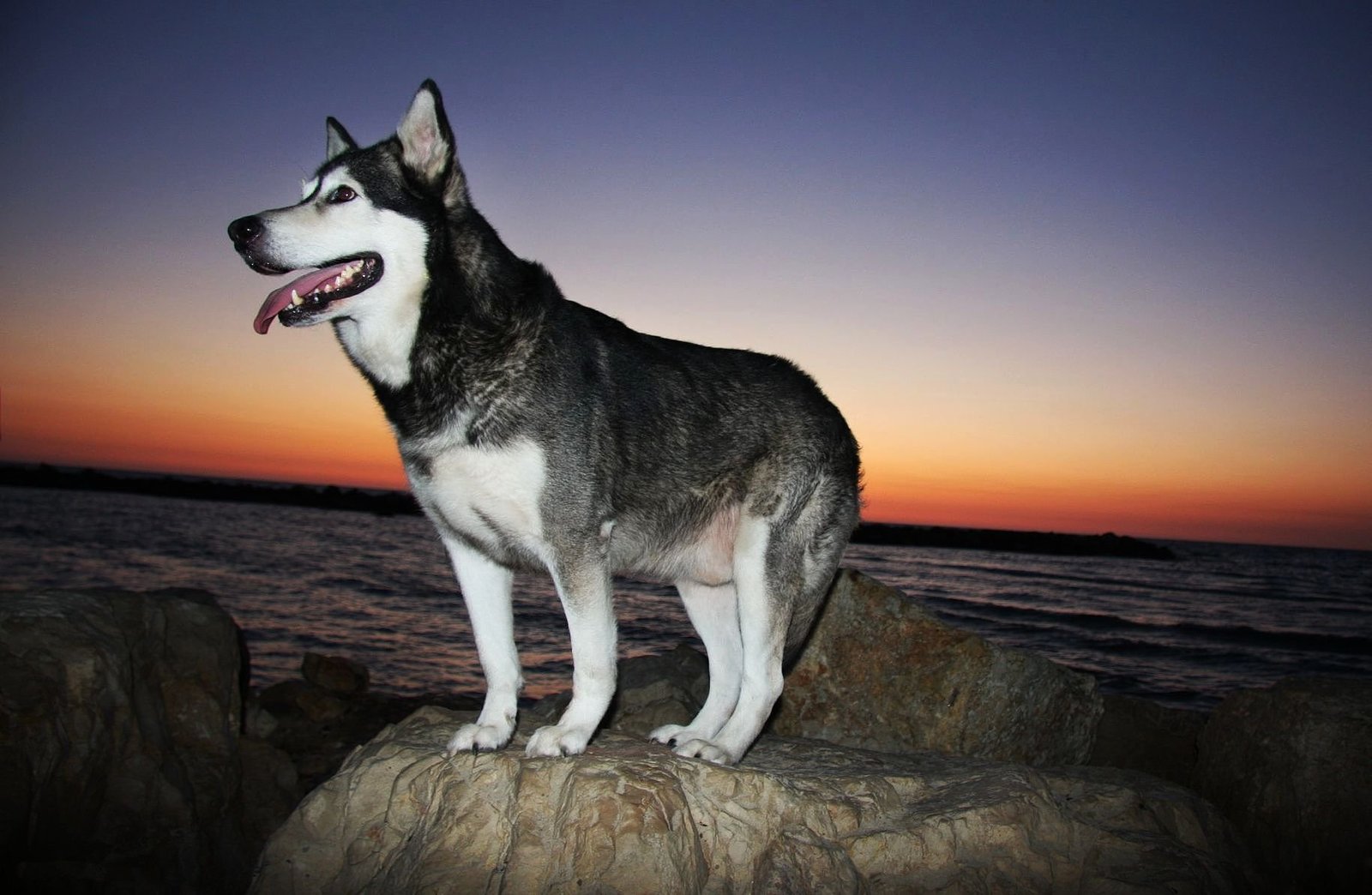
Alaskan Malamutes are gorgeous, with their thick coats and wolf-like stares. They’re bred to pull sleds and work in packs, which means they have incredible strength and endurance. However, this also means they can easily overpower a child, even if they’re just playing.
Malamutes are independent thinkers. They don’t always listen to commands, especially from children, and can be stubborn about following family rules. They also have a high prey drive and may chase after smaller pets or even young kids when excited. Their size and power require experienced handlers, not small children.
Cocker Spaniel: The Sensitive Sweetheart
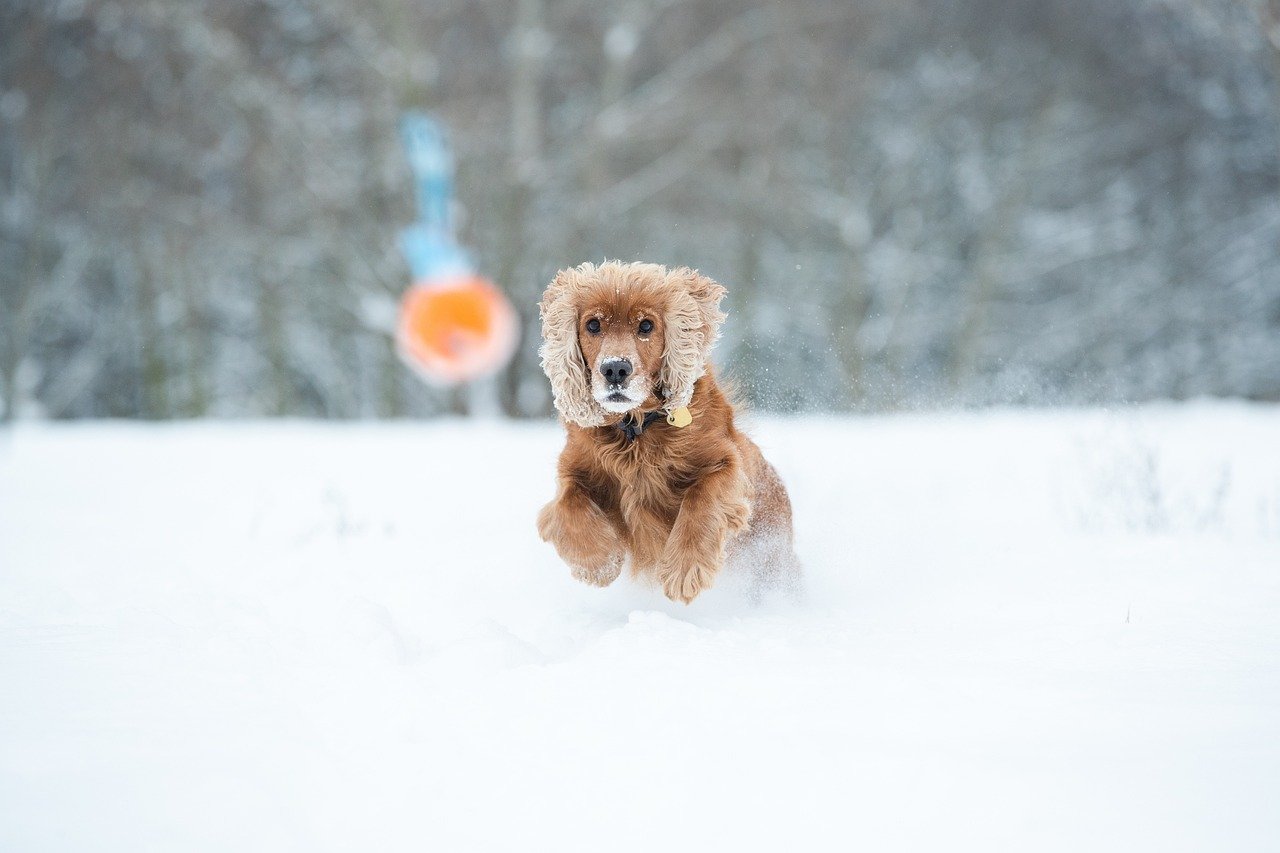
Cocker Spaniels are often pictured as gentle, floppy-eared companions. While they can be very loving, they’re also surprisingly sensitive. Loud noises, roughhousing, or sudden movements can easily startle them. When scared or uncomfortable, some Cocker Spaniels may react with a snap.
They need a calm, structured environment to thrive. In a bustling home with unpredictable kids, their anxiety can grow. If pushed too far, they may hide or become defensive, which isn’t what you want from a family dog.
Shar Pei: The Wrinkled Watchdog
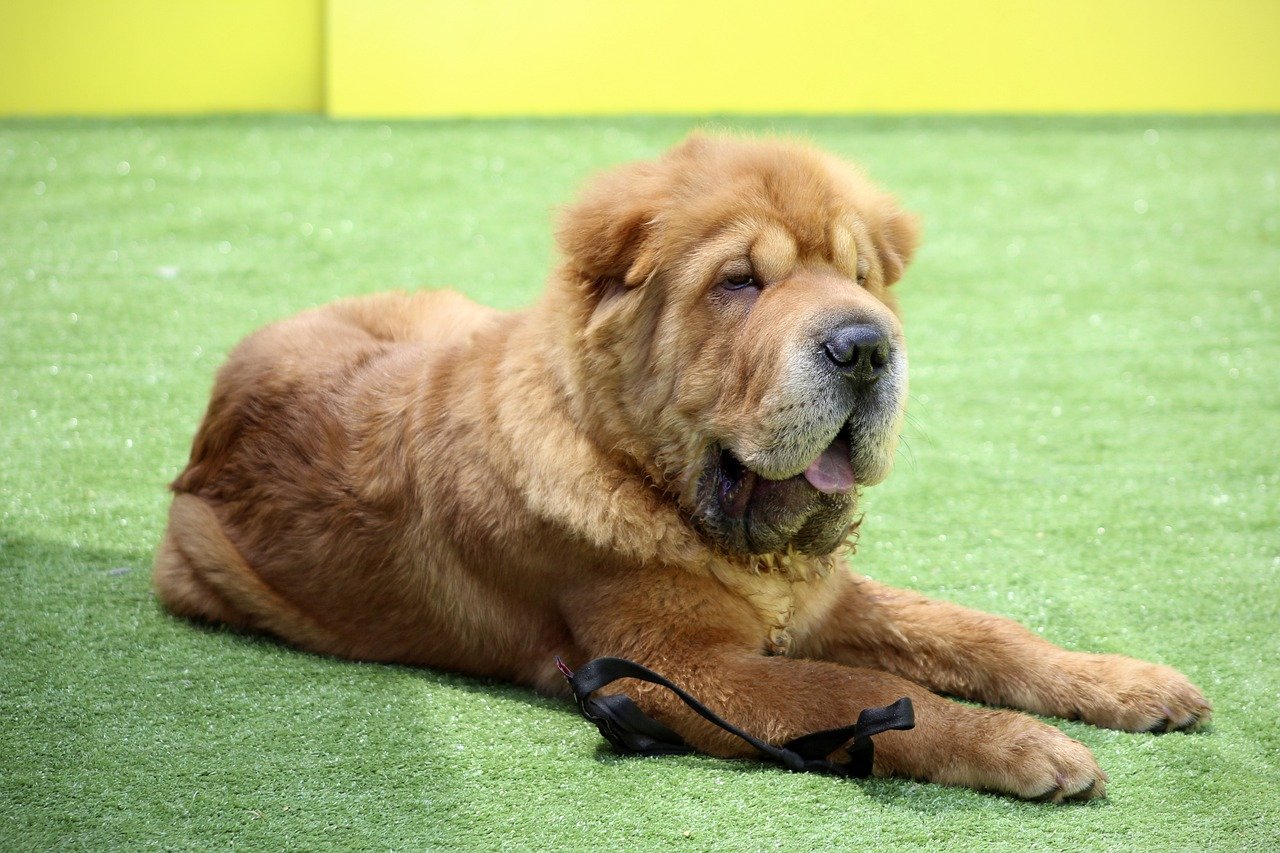
Shar Peis are instantly recognizable for their unique wrinkles and calm demeanor. But beneath that quiet exterior lies a dog with strong guarding instincts. They’re naturally protective of their family and can be wary of strangers, including new children entering the home.
Shar Peis can be stubborn and independent, sometimes refusing to listen to commands. If they feel threatened or cornered, they might snap as a form of self-defense. Their loyalty is unquestioned, but their need for personal space can make them less tolerant of the chaos that often comes with kids.
Siberian Husky: The Free-Spirited Adventurer
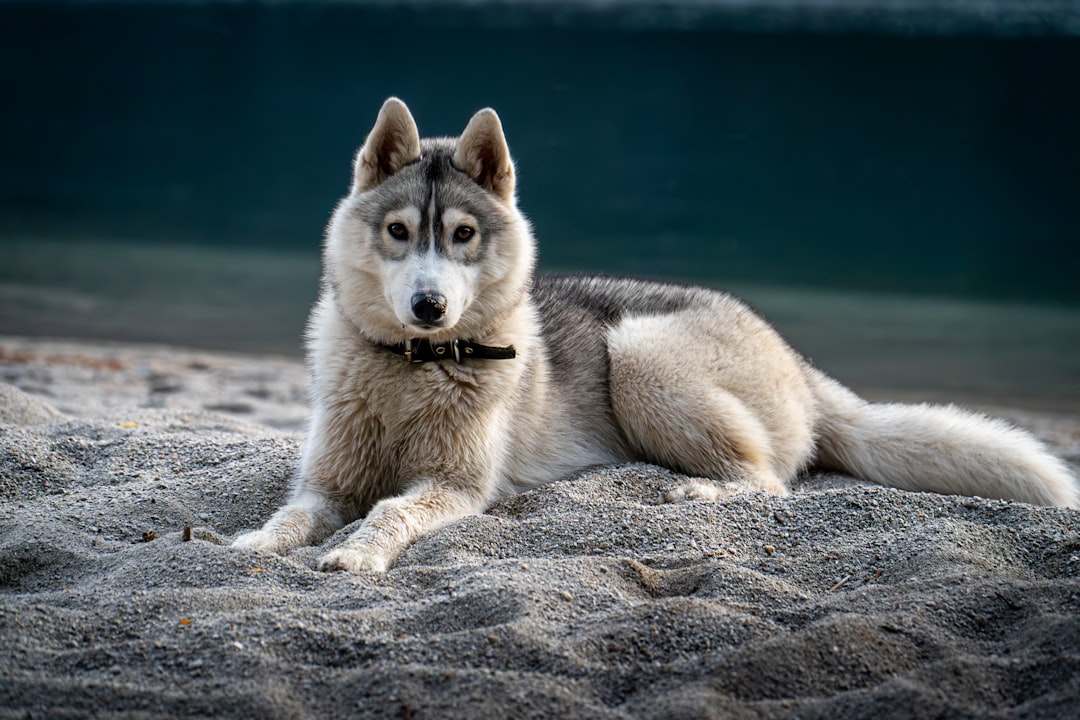
Huskies are famous for their beautiful blue eyes and playful personalities. But their adventurous spirit can quickly turn into mischief. They’re escape artists, always looking for a way out to explore the world. This means they need secure fences and constant supervision—something that can be hard to manage in a busy home.
Their energy is boundless, and if not given enough exercise, they’ll invent their own games—often involving things you don’t want destroyed. Huskies can be mouthy and jumpy, and their stubborn streak makes training a challenge. For families with young kids, their unpredictability can be more stress than fun.


